Key Features and Specifications
Operation tables come with various features and technical specifications that enhance their usability and functionality. Understanding these specifications is essential for making informed purchasing decisions.
Key specifications include:
1. Load Capacity
- Typically ranges from 250 kg to 500 kg.
- Essential for accommodating diverse patient sizes and weights.
2. Height Adjustment Range
- Standard height adjustment ranges from 60 cm to 100 cm.
- Allows for optimal positioning for different surgical procedures.
3. Tilt and Trendelenburg Angles
- Tilt angles often range from -30 degrees to +30 degrees.
- Trendelenburg positions typically enable angles of up to 25 degrees.
4. Surface Material
- Commonly made from high-grade stainless steel or durable plastic.
- Ensures easy cleaning and infection control.
5. Mobility Features
- Equipped with locking caster wheels for stability.
- Some models have a portable design for easy transportation.
6. Control Mechanisms
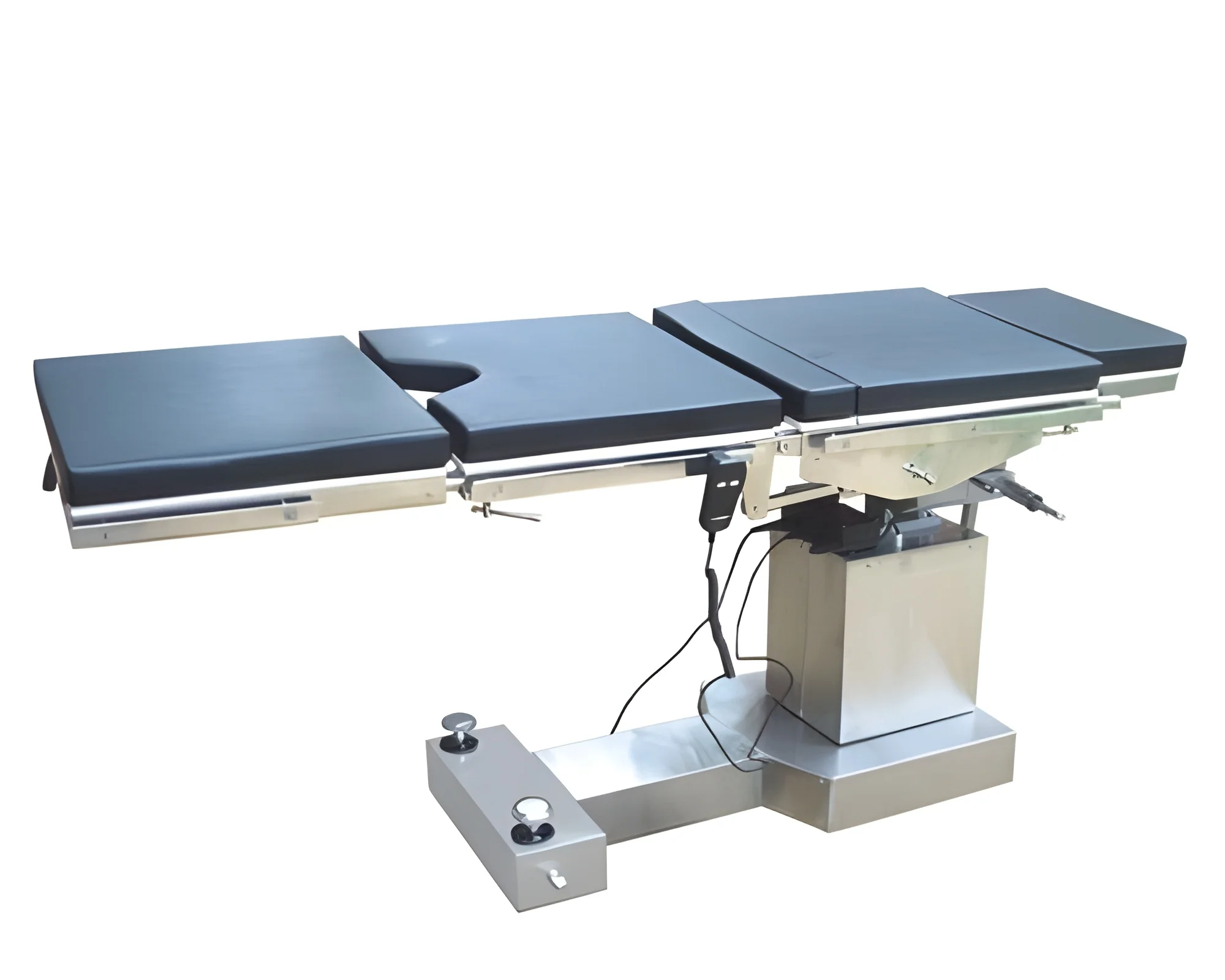
- Electric tables utilize remote controls for easy adjustments.
- Hydraulic tables often feature foot pedals for hands-free operation.
7. Accessory Compatibility
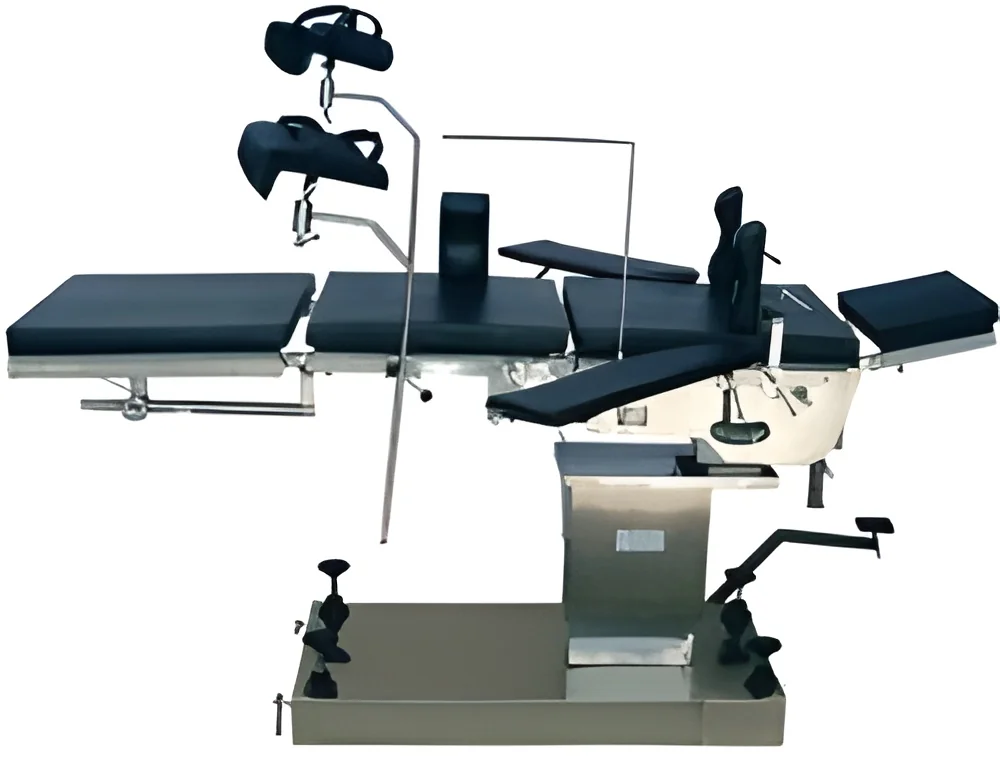
- Many tables come with attachments for various surgical accessories.
- Ensures versatility in surgical procedures.
8. Safety Features
- Includes features such as anti-slip surfaces and safety straps.
- Designed to enhance patient safety during procedures.
These specifications contribute to the overall effectiveness and efficiency of operation tables in surgical environments.
Common Applications and Use Cases
Operation tables are employed across various medical fields, reflecting their versatility and importance.
1. Orthopedic Surgery: Operation tables are used for joint replacement surgeries and fracture repairs, providing optimal positioning for both the surgical team and the patient.
2. General Surgery: Surgeons rely on these tables for a wide range of procedures, including appendectomies and gallbladder removals, allowing for easy access and visibility.
3. Gynecology: In gynecological surgeries, operation tables facilitate procedures such as hysterectomies and laparoscopies, enhancing patient comfort and surgical effectiveness.
4. Urology: Operation tables are crucial in urological surgeries, ensuring that patients are positioned correctly for procedures like prostatectomies.
5. Neurosurgery: These tables allow for precise adjustments necessary during delicate neurosurgical operations, improving outcomes.
6. Cardiac Surgery: Operation tables are designed to accommodate complex cardiac procedures, providing stability and accessibility.
7. Pediatric Surgery: Specialized operation tables cater to the needs of pediatric patients, ensuring safety and comfort during surgeries.
Product Variants and Subcategories
Operation tables come in various types to meet specific surgical needs, providing options for different healthcare facilities.
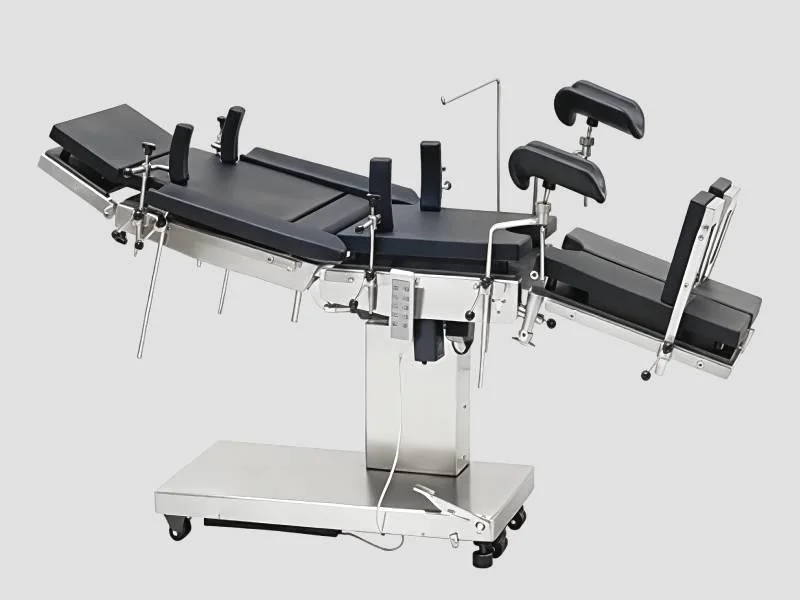
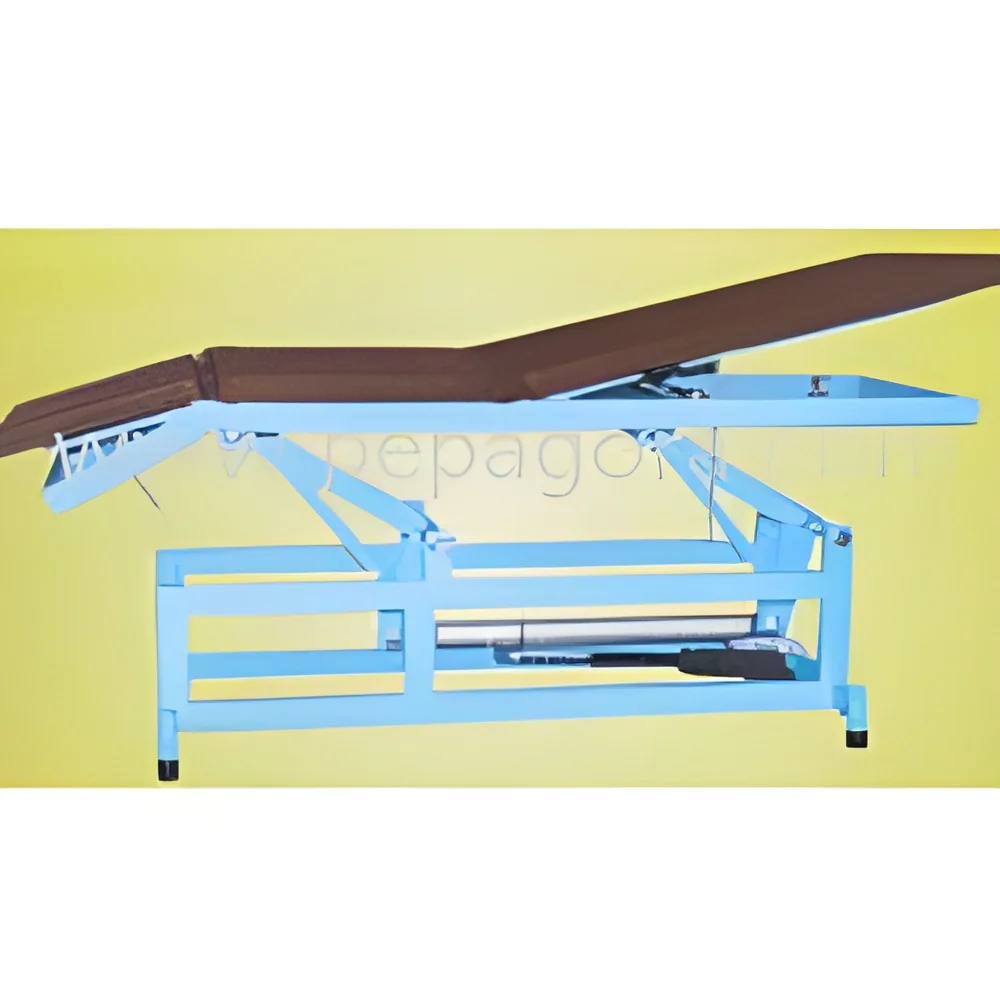
Electric Operation Tables: These tables feature electric mechanisms for height and surface adjustments, allowing for precise positioning. They are ideal for complex surgeries requiring frequent adjustments and can be operated using a hand-held remote.
Hydraulic Operation Tables: Utilizing hydraulic systems, these tables offer smooth and quiet adjustments. They are reliable and often preferred in environments where electrical power may be a concern, making them suitable for various surgical procedures.
Benefits and Advantages
Investing in operation tables brings numerous advantages to healthcare facilities.
1. Enhanced Patient Safety: Operation tables provide stable surfaces and secure positioning, minimizing the risk of patient movement during surgery.
2. Improved Surgical Efficiency: The adjustable features allow for quick repositioning, enabling surgeons to focus on the procedure without delays.
3. Versatility: With various adjustment options, these tables can accommodate a wide range of surgical procedures and patient sizes.
4. Ergonomic Design: Operation tables are designed to reduce strain on healthcare professionals, promoting better posture during surgeries.
5. Easy Maintenance: Many operation tables are constructed from materials that allow for simple cleaning, aiding in infection control.
6. Customization Options: Facilities can choose tables with specific features or accessories that cater to their unique surgical needs.
Buying Guide for B2B Buyers
When sourcing operation tables, it is essential for B2B buyers to consider several key factors to ensure they make the best choice for their facilities.
1. Quality Assessment: Evaluate tables based on durability, build quality, and material specifications. Look for tables that meet industry standards to ensure long-term reliability.
2. Supplier Verification: Conduct due diligence on potential suppliers. Assess their reputation, customer reviews, and history in the industry to ensure you are working with a trusted source.
3. Pricing and MOQ: Understand the pricing structure of different tables and inquire about minimum order quantities. This will help budget effectively while ensuring you meet your operational needs.
4. Delivery and Lead Times: Confirm the expected delivery times and lead times for order fulfillment. This is crucial for planning surgery schedules and ensuring equipment availability.
5. Compliance Requirements: Verify that the operation tables comply with relevant industry standards and regulations. This may include certifications such as UL and CE, which assure quality and safety.
Compliance and Certifications
Operation tables must adhere to various quality standards and certifications to ensure their safety and performance in surgical environments.
Relevant quality standards include ISO 9001, which focuses on quality management systems, and HACCP, which emphasizes food safety and hygiene within medical contexts. Compliance with these standards ensures that operation tables are manufactured under strict quality controls.
Industry certifications such as UL and CE are critical for operation tables. UL certification indicates that the product has been tested for safety and performance, while CE marking signifies conformity with European health, safety, and environmental protection standards.
Safety and testing requirements are vital in the manufacturing of operation tables. These tables must undergo rigorous testing to ensure they can withstand the demands of surgical environments. Additionally, regional compliance considerations may vary, so it’s important to be aware of local regulations and standards.
Why Source Operation Tables (Electric, Hydraulic) from Pepagora?
Pepagora offers a reliable platform for sourcing operation tables that cater to the specific needs of healthcare facilities. One major advantage is the verified supplier network, which ensures that buyers can connect with reputable manufacturers and distributors.
The streamlined RFQ process simplifies the way buyers request quotations, allowing for quick comparisons and informed decisions. This efficient system helps buyers find the right operation tables without unnecessary delays.
Trade assurance and support are also key benefits of sourcing through Pepagora. This feature provides buyers with protection during the purchasing process, ensuring peace of mind when investing in critical medical equipment.
Moreover, Pepagora's regional coverage spans India, the GCC, and Southeast Asia, making it easier for buyers in these regions to access high-quality operation tables tailored to their specific needs. This extensive reach enhances convenience and supports timely procurement.

 IN
IN