
 IN
Bedside Lockers
5 products available
What are Bedside Lockers?
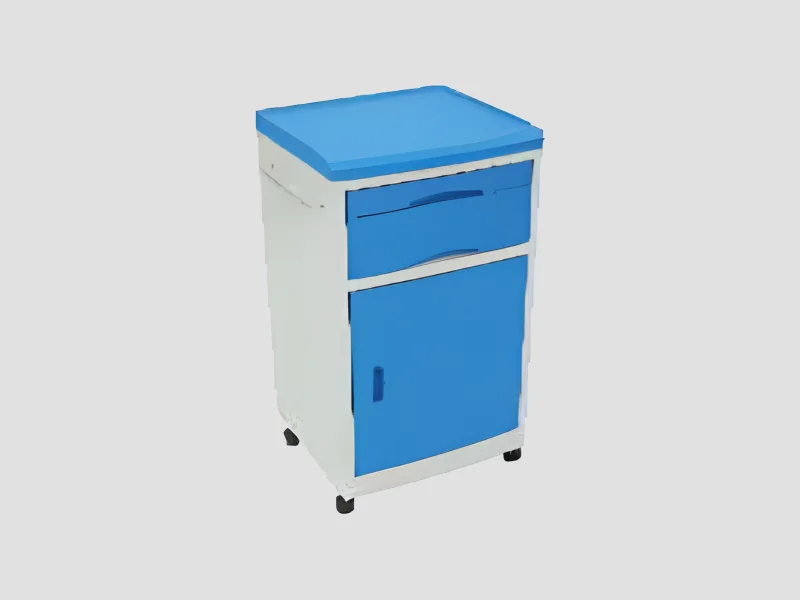
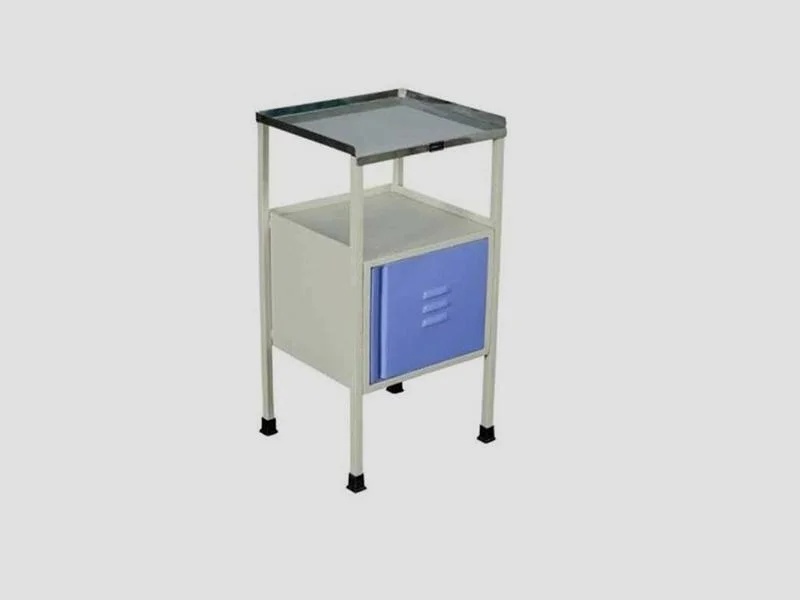
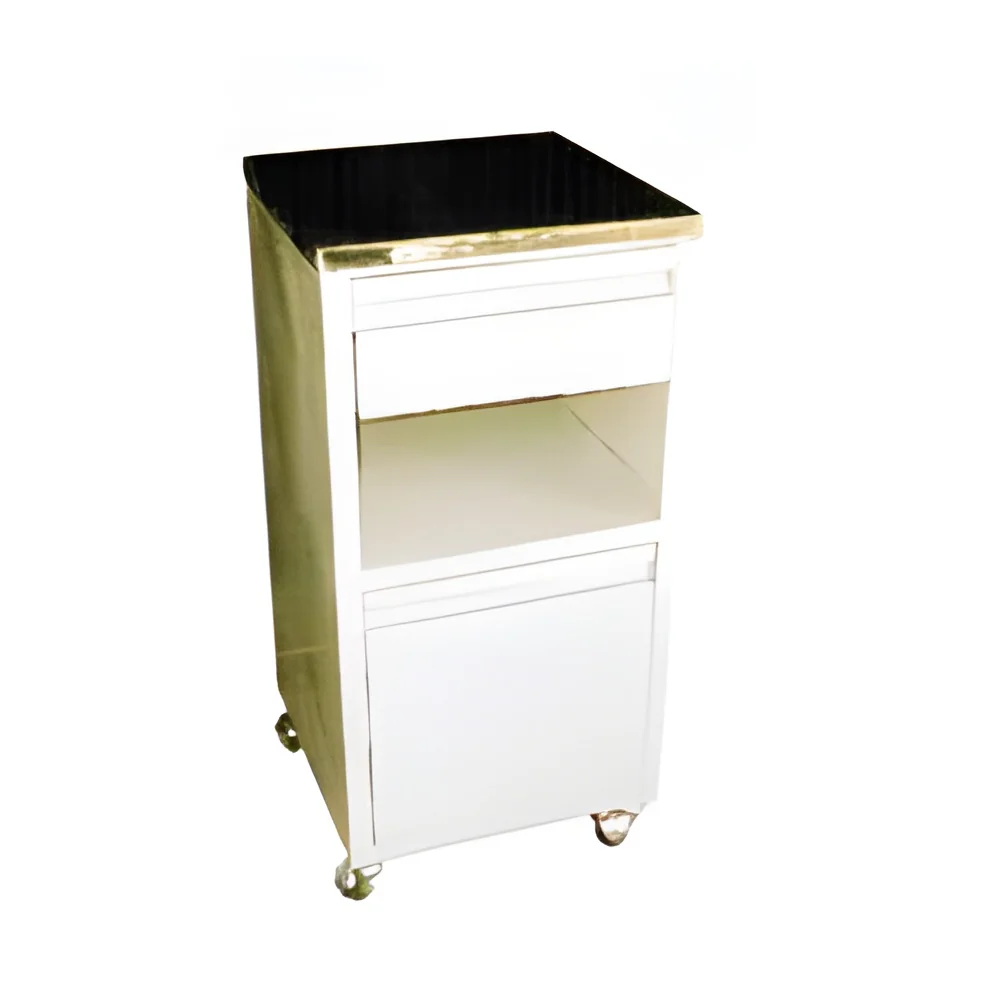
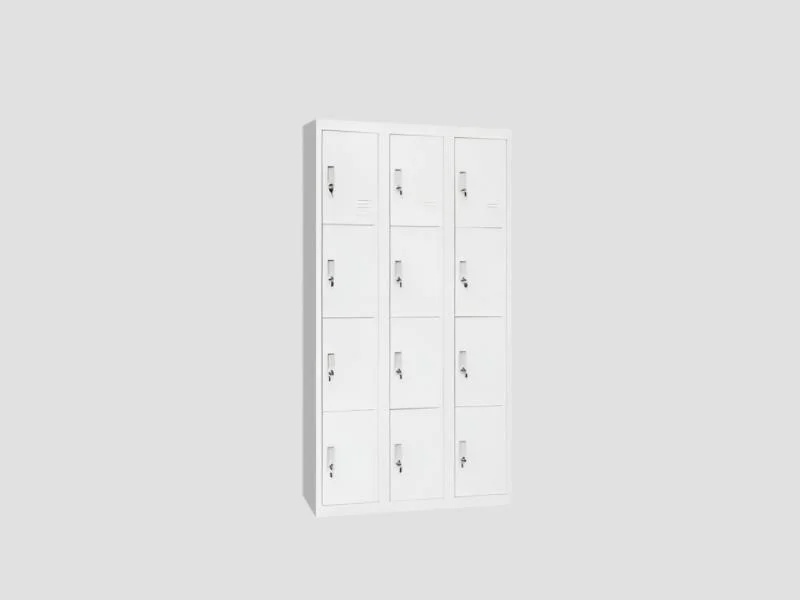
Bedside lockers are essential storage solutions commonly found in healthcare, hospitality, and residential environments. They are designed to provide convenient access to personal items, medical supplies, or other essential belongings, all while maintaining a compact footprint. These lockers often come equipped with shelves, drawers, or compartments to maximize organization and efficiency.
Primarily, bedside lockers are used in hospitals and nursing homes, where they facilitate easy access to patient belongings and medical necessities. In hotels, they serve as personal storage for guests, enhancing the overall guest experience. The use of bedside lockers extends to residential settings as well, where they can enhance organization in bedrooms or guest rooms.
In the context of the current market, the demand for bedside lockers is increasing due to the growing emphasis on patient-centered care in healthcare facilities. As the global population ages and the need for personal storage solutions rises, manufacturers are innovating designs to meet specific industry needs, ensuring that bedside lockers remain relevant and functional.
Key Features and Specifications
Bedside lockers are designed with unique features that cater to various applications and environments. They typically focus on functionality, durability, and safety. Here are some of the key specifications to consider:
1. Material Construction
- Made from high-quality materials such as steel or wood.
- Ensures durability and resistance to wear and tear.
2. Size and Dimensions
- Available in various sizes to fit different spaces.
- Common dimensions range from 18 to 24 inches in width.
3. Locking Mechanism
- Equipped with secure locking systems.
- Provides safety for personal items and sensitive materials.
4. Shelving and Storage Options
- Multiple shelves and compartments for effective organization.
- Adjustable shelving options for customization based on user needs.
5. Surface Finish
- Smooth, easy-to-clean surfaces.
- Available in different finishes to match decor.
6. Weight Capacity
- Designed to hold significant weight, often up to 100 pounds.
- Ensures stability and reliability when loaded.
7. Mobility Features
- Some models include wheels for easy movement.
- Ideal for dynamic environments like hospitals.
8. Compliance with Standards
- Adherence to industry standards such as CE certification.
- Ensures safety and quality assurance.
These features collectively enhance the usability and versatility of bedside lockers in various settings.
Common Applications and Use Cases
Bedside lockers find extensive applications across multiple industries, driven by their practicality and functionality.
1. Healthcare: In hospitals and clinics, bedside lockers provide patients with quick access to personal items and medical supplies, contributing to improved patient care.
2. Hospitality: Hotels and resorts utilize bedside lockers in guest rooms, allowing visitors to store personal belongings securely and conveniently.
3. Residential: In homes, especially in guest rooms or children’s bedrooms, bedside lockers offer solutions for organizing personal items and maintaining tidiness.
4. Educational Institutions: Dormitories and student housing often feature bedside lockers to give students a secure place to store their belongings.
5. Senior Living Facilities: These lockers enhance residents' independence by providing them with personal storage within easy reach.
6. Corporate Offices: In shared workspaces, bedside lockers serve as personal storage for employees, ensuring a clutter-free environment.
7. Rehabilitation Centers: These facilities use bedside lockers to store personal items for patients undergoing therapy, thereby creating a comforting environment.
Product Variants and Subcategories
Bedside lockers come in various designs, catering to different user needs and preferences.
Standard Bedside Locker
This version typically features basic compartments and a locking mechanism, ideal for hospitals and nursing homes. It offers functionality and ease of use.
Deluxe Bedside Locker
These lockers often include additional features such as integrated charging ports and more sophisticated locking systems. They are well-suited for high-end hotels and modern residential settings.
Mobile Bedside Locker
Designed with wheels, this variant allows for easy relocation. It is particularly useful in dynamic environments such as healthcare facilities where mobility is essential.
Customizable Bedside Locker
Some manufacturers offer customizable options, allowing buyers to select specific sizes, colors, and features to meet their unique requirements.
Benefits and Advantages
Investing in bedside lockers offers a range of benefits that enhance their value in various applications.
1. Enhanced Organization: Bedside lockers provide structured storage, helping users keep personal items organized and easily accessible.
2. Improved Safety: With secure locking mechanisms, these lockers protect sensitive materials and personal belongings from unauthorized access.
3. Space Efficiency: Their compact design allows bedside lockers to fit seamlessly into small spaces, maximizing utility without sacrificing room.
4. Durability: Made from high-quality materials, these lockers are built to withstand daily use, ensuring longevity and reliability.
5. Versatility: Suitable for multiple environments, bedside lockers can be used in hospitals, hotels, homes, and more, making them a versatile choice.
6. Customization: Many manufacturers offer customizable options, allowing buyers to tailor lockers to their specific needs and preferences.
Buying Guide for B2B Buyers
When sourcing bedside lockers, it is essential to consider several key factors to ensure a successful purchase.
1. Quality Assessment: Evaluate materials and construction quality to ensure lockers can withstand frequent use. Check for certifications that demonstrate adherence to industry standards.
2. Supplier Verification: Vet potential suppliers through their track records and customer reviews. Look for manufacturers with a history of reliability and quality service.
3. Pricing and MOQ: Understand the pricing structure and minimum order quantities. This will help in budgeting and ensuring that you meet supplier requirements.
4. Delivery and Lead Times: Confirm expected delivery times and logistics arrangements. Timely delivery is crucial for maintaining operational efficiency.
5. Compliance Requirements: Ensure that the lockers meet all relevant regulatory and industry standards. This can include safety certifications and material compliance.
Compliance and Certifications
Bedside lockers are subject to various compliance and certification standards that ensure their safety and quality.
Manufacturers often adhere to ISO 9001, which outlines quality management principles to ensure consistent quality in products. Compliance with HACCP and GDP standards may also be relevant, particularly in healthcare settings where patient safety is paramount.
In terms of safety and testing requirements, bedside lockers should meet CE certification standards to confirm they comply with European health, safety, and environmental protection legislation.
Additionally, regional compliance requirements may vary, and it is essential for manufacturers and suppliers to stay informed about local regulations that may impact the design and functionality of bedside lockers.
Why Source Bedside Lockers from Pepagora?
Pepagora provides a trusted platform for sourcing bedside lockers, offering several key advantages for B2B buyers.
Verified Supplier Network: Pepagora connects buyers with a network of thoroughly vetted suppliers, ensuring that each manufacturer meets rigorous quality standards. This reduces the risk of sourcing inferior products.
Streamlined RFQ Process: The request for quotation (RFQ) system simplifies the procurement process. Buyers can easily compare offers from multiple suppliers, ensuring they find the best value.
Trade Assurance and Support: Pepagora offers trade assurance and buyer support, protecting purchases and ensuring satisfaction with every transaction. This builds confidence in the sourcing process.
Regional Coverage: With a strong presence in India, the GCC, and Southeast Asia, Pepagora facilitates access to a diverse range of suppliers, making it easier for businesses in these regions to find suitable bedside lockers for their needs.



Frequently Asked Questions
What are Bedside Lockers?
Bedside lockers are compact storage units designed to be placed next to a bed. They provide convenient access to personal items like books, medications, and other essentials.
What are the different types of Bedside Lockers?
There are various types of bedside lockers, including wooden, metal, and plastic models. Some feature drawers, while others may have shelves or a combination of both for enhanced storage options.
How do I choose the right Bedside Lockers?
To choose the right bedside lockers, consider factors such as size, material, and design that match your bedroom decor. Additionally, assess the storage capacity and functionality based on your personal needs.
What are the standard specifications for Bedside Lockers?
Standard specifications for bedside lockers typically include dimensions, weight capacity, and material type. Most models range in height from 24 to 30 inches and width from 15 to 20 inches.
What is the price range for Bedside Lockers?
The price range for bedside lockers can vary widely, typically from INR 2,000 to INR 15,000 or more, depending on the material, design, and brand. Custom or designer options may cost significantly higher.
What quality standards apply to Bedside Lockers?
Quality standards for bedside lockers often include durability, stability, and safety. Manufacturers may adhere to national or international standards to ensure products are safe for consumer use.
Where can I find Bedside Lockers suppliers in India?
You can find bedside lockers suppliers in India through online B2B marketplaces like Pepagora, trade shows, and local furniture stores. Networking with manufacturers directly can also yield reliable options.
Can Bedside Lockers be customized?
Yes, many suppliers offer customization options for bedside lockers, including size, material, and finish. Customization can help meet specific design requirements or personal preferences.
What is the typical minimum order quantity for Bedside Lockers?
The typical minimum order quantity (MOQ) for bedside lockers can vary by supplier, but it generally ranges from 10 to 50 units. It's advisable to check with individual manufacturers for their specific requirements.
What is the typical lead time for Bedside Lockers?
The typical lead time for bedside lockers can range from 2 to 6 weeks, depending on the supplier and whether the items are in stock or require customization. It's best to confirm expected delivery times when placing an order.
Why Businesses Trust Pepagora
Thousands of companies trust Pepagora to source smarter and sell faster
Expand Your Sales Globally

Source Smarter,Grow Faster
