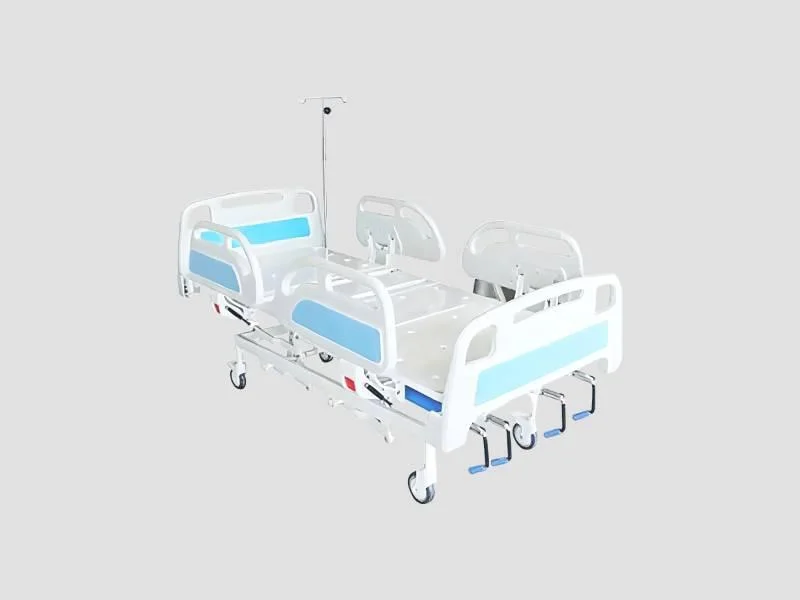
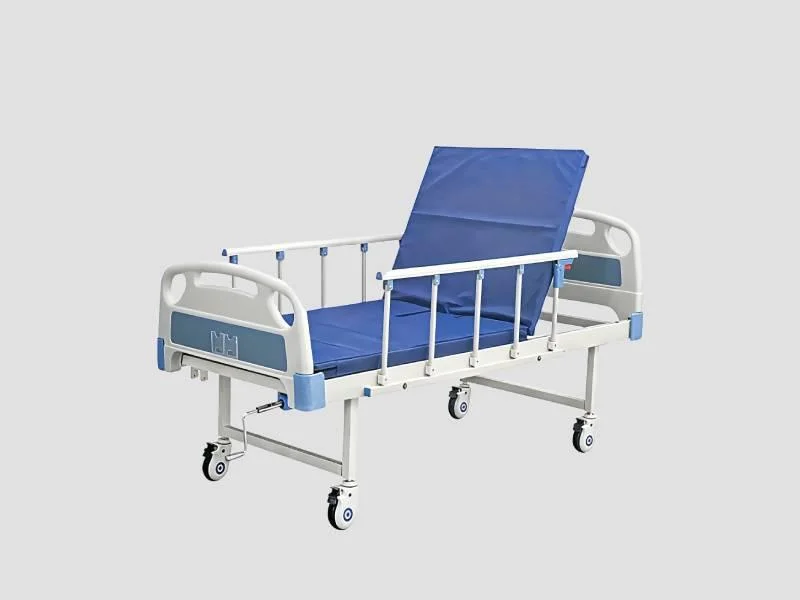
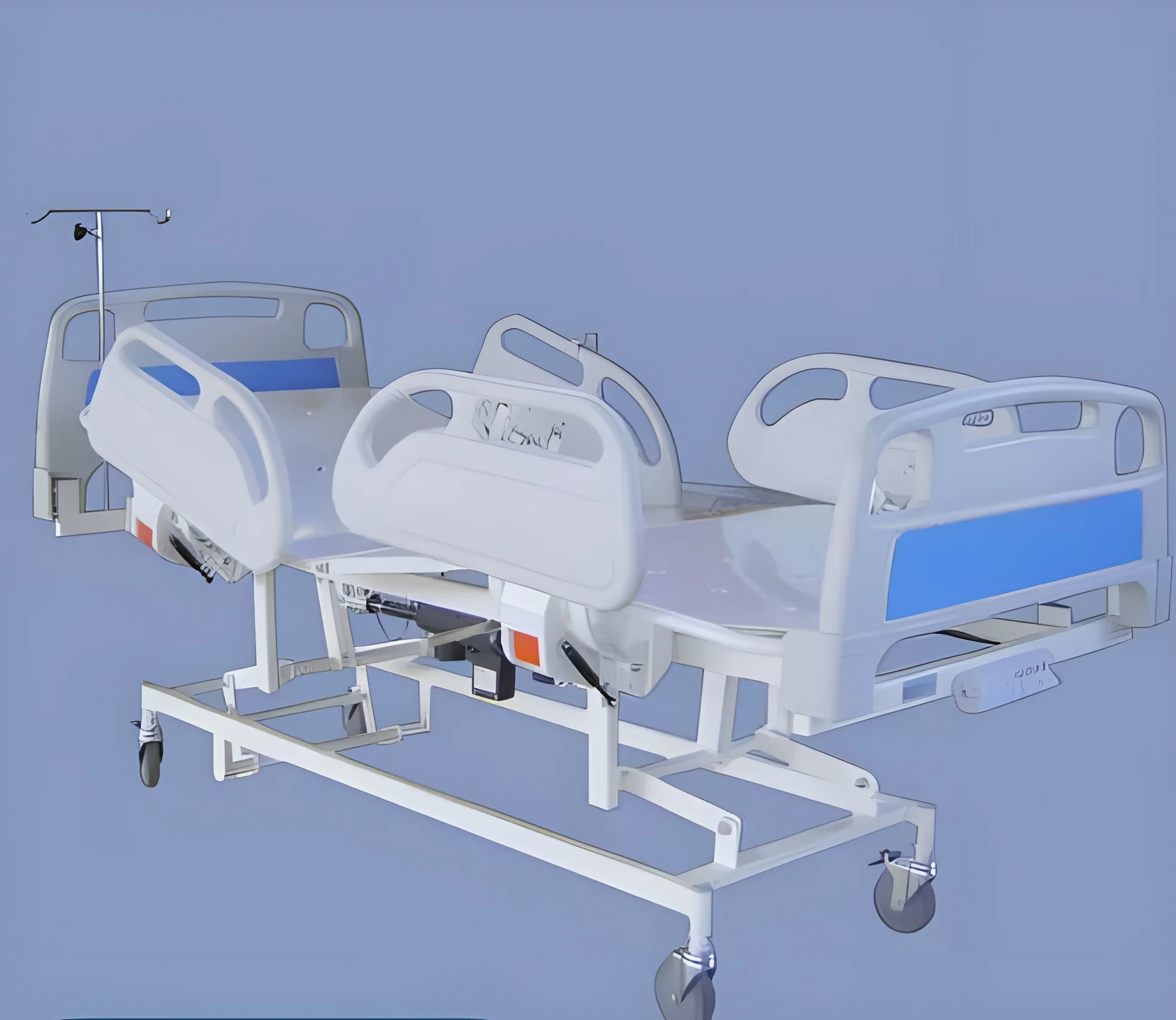
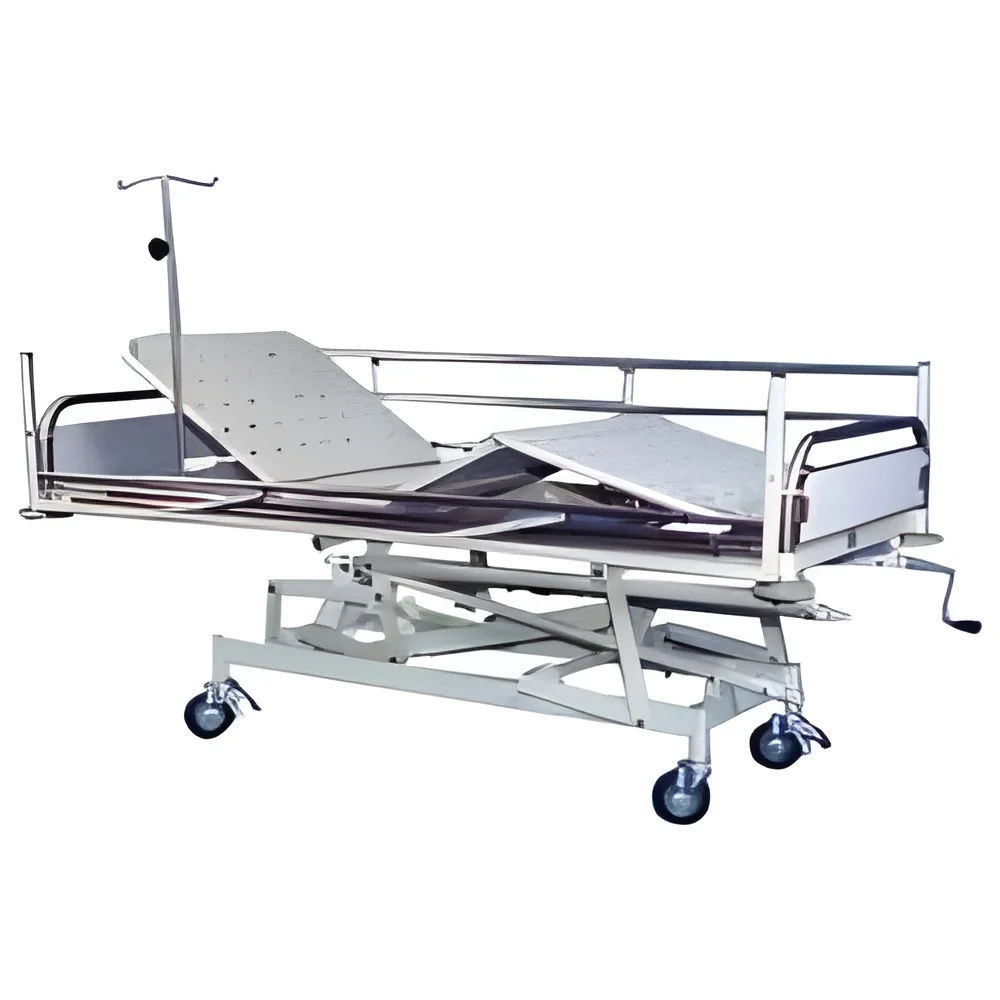
What are Hospital Beds (Manual, Semi-Fowler, ICU)?
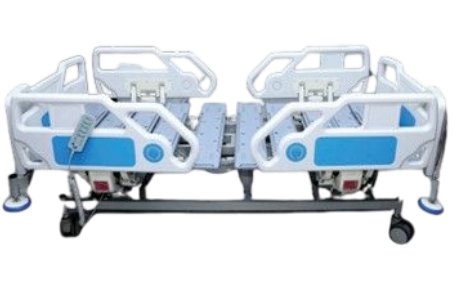
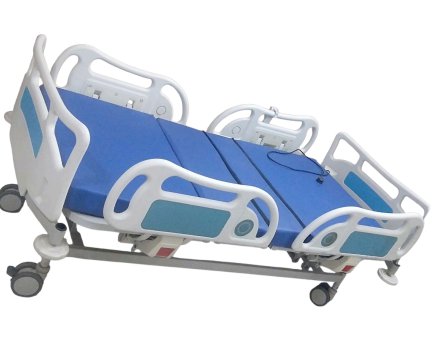
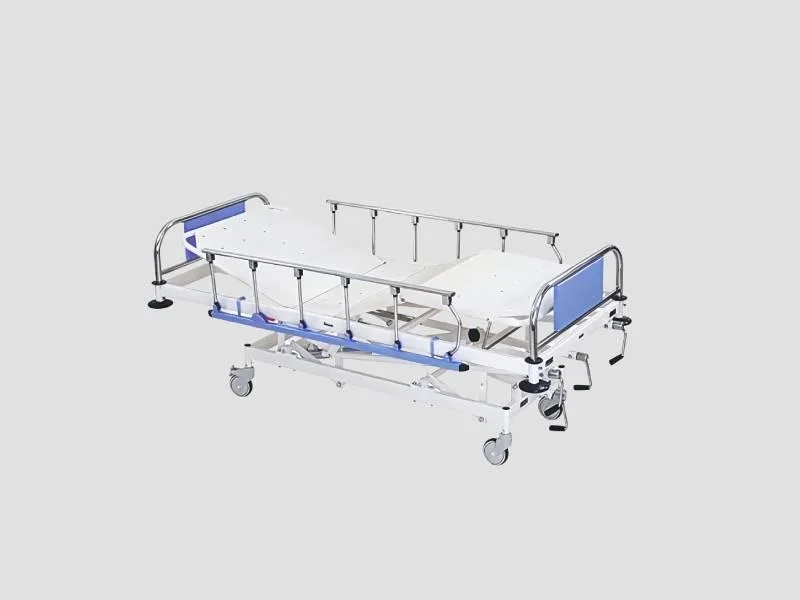
Hospital beds are specialized medical furniture designed to provide comfort and support for patients in various healthcare settings. These beds can be manually operated or electronically adjusted to accommodate the needs of patients and caregivers. Manual beds require physical effort to adjust the position, while semi-fowler and ICU beds offer enhanced features like motorized adjustments for head and foot positions, allowing for better patient care and comfort.
These beds are primarily used in hospitals, nursing homes, and rehabilitation facilities. They play a crucial role in helping patients recover by providing optimal positioning for comfort, safety, and accessibility. In addition, they assist healthcare professionals in delivering care effectively, as the adjustable features make it easier to perform medical procedures and facilitate patient transfers. The demand for hospital beds is increasing as the healthcare industry continues to expand, driven by an aging population and the rising prevalence of chronic illnesses.
The hospital bed market is a vital segment of the healthcare equipment industry. With advancements in technology, there is a growing trend towards smart beds that integrate monitoring systems for patient safety. This market is characterized by increasing competition among manufacturers and suppliers, as well as a focus on improving patient outcomes and operational efficiency in healthcare facilities.
šš²š šš²š®šššæš²š š®š»š± š¦š½š²š°š¶š³š¶š°š®šš¶š¼š»š
When selecting hospital beds, understanding their features and specifications is essential. These beds are designed to enhance patient care and comfort while also accommodating the needs of healthcare professionals. Key specifications include:
1. Adjustability
- Manual or electric operation for head and foot positioning
- Multiple height settings for easy access
2. Weight Capacity
- Typically supports up to 250-500 pounds
- Ensures safety for a wide range of patients
3. Materials
- Constructed from durable, hospital-grade materials
- Easy to clean and maintain
4. Mobility
- Equipped with locking casters for stability
- Easy to maneuver for patient transfers
5. Side Rails
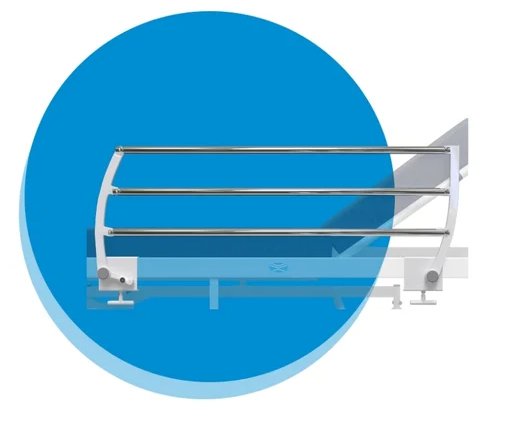
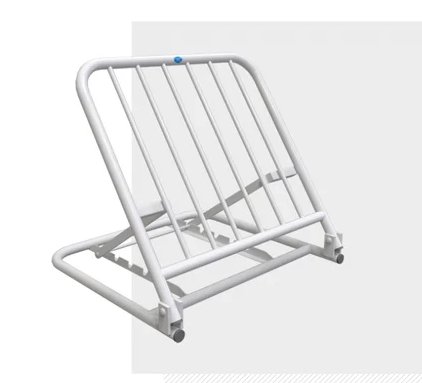
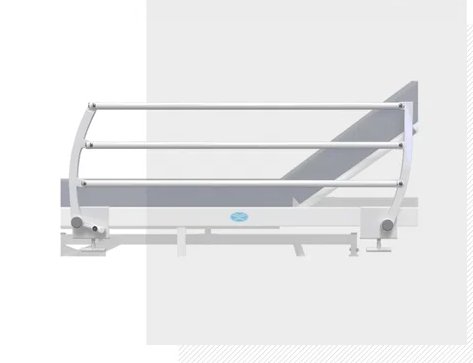
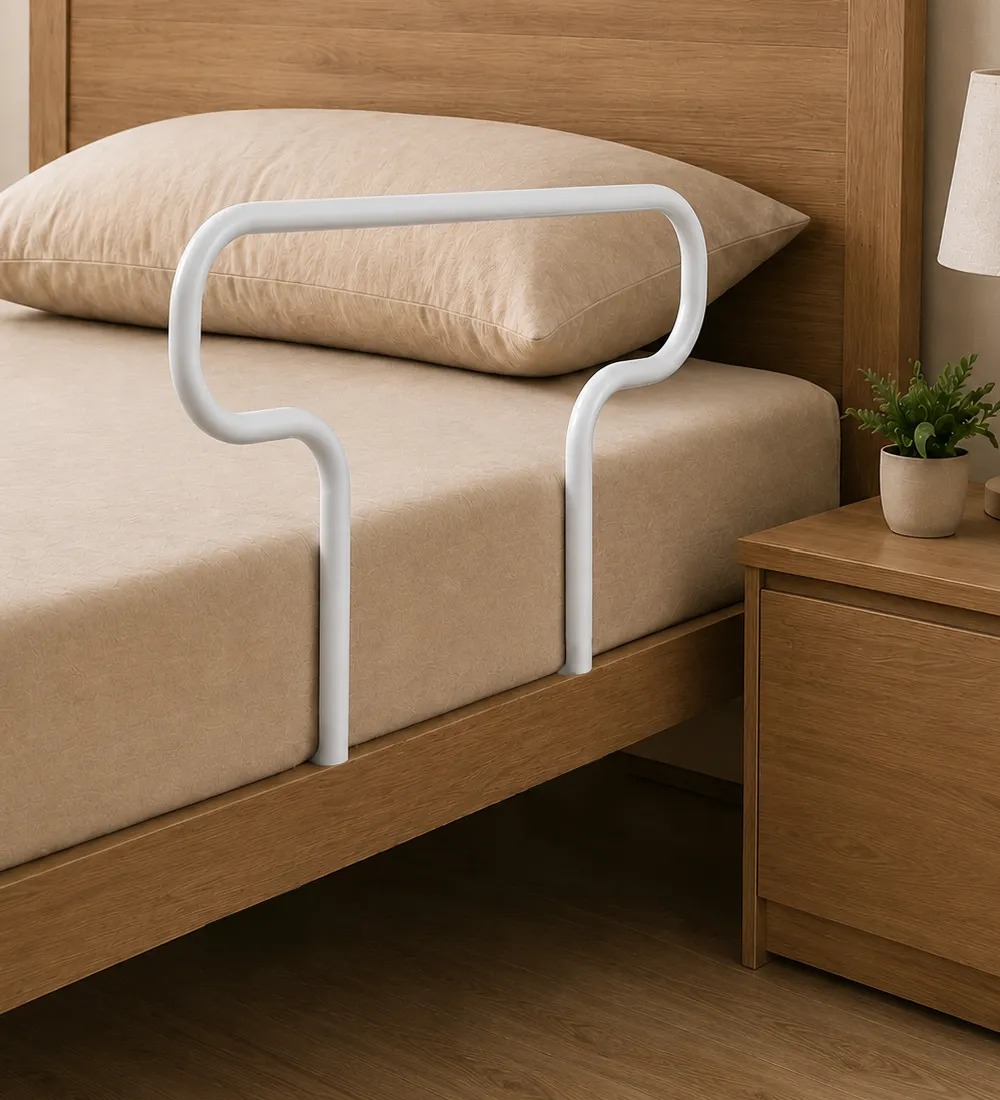
- Adjustable side rails for patient safety
- Can be lowered or raised as needed
6. Mattress Compatibility
- Designed for use with specialized hospital mattresses
- Ensures optimal comfort and support
7. Accessories
- Can accommodate various accessories like IV poles and trays
- Enhances functionality for caregivers
8. Warranty
- Manufacturer warranties typically range from 1-5 years
- Ensures product reliability and quality
In summary, hospital beds must meet specific criteria to provide the best support and care for patients. Understanding these features helps buyers make informed decisions that align with their healthcare facility's needs.
šš¼šŗšŗš¼š» šš½š½š¹š¶š°š®šš¶š¼š»š š®š»š± šØšš² šš®šš²š
Hospital beds serve a range of industries, each with unique applications.
1. Hospitals: These beds are essential for patient care in both general wards and specialized departments like surgery and maternity.
2. Nursing Homes: Used to ensure comfort and security for elderly residents, allowing for better mobility and access to care.
3. Rehabilitation Centers: Facilitate recovery for patients undergoing physical therapy, providing adjustable features that support mobility exercises.
4. Home Healthcare: Increasingly used in home settings to provide medical care and comfort for patients with chronic conditions.
5. Palliative Care: Offer comfort and support for patients with serious illnesses, ensuring their needs are met in a compassionate manner.
6. Emergency Services: Used in ambulances and emergency rooms for immediate patient care during critical situations.
7. Surgical Units: Specific models are used in operating rooms to accommodate various surgical procedures.
š£šæš¼š±šš°š š©š®šæš¶š®š»šš š®š»š± š¦ššÆš°š®šš²š“š¼šæš¶š²š
Hospital beds come in various types to meet diverse patient needs.
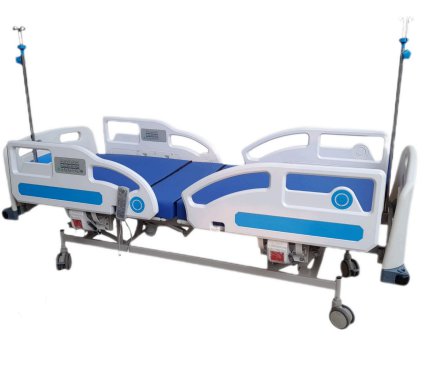
Manual Hospital Beds: These beds are operated by hand, allowing caregivers to adjust the bed's height and position manually. They are economical and suitable for facilities with budget constraints.
Semi-Fowler Beds: These beds offer a combination of manual and semi-electric features, allowing for adjustable head and foot positions. They are ideal for patients recovering from surgery or those with respiratory issues.
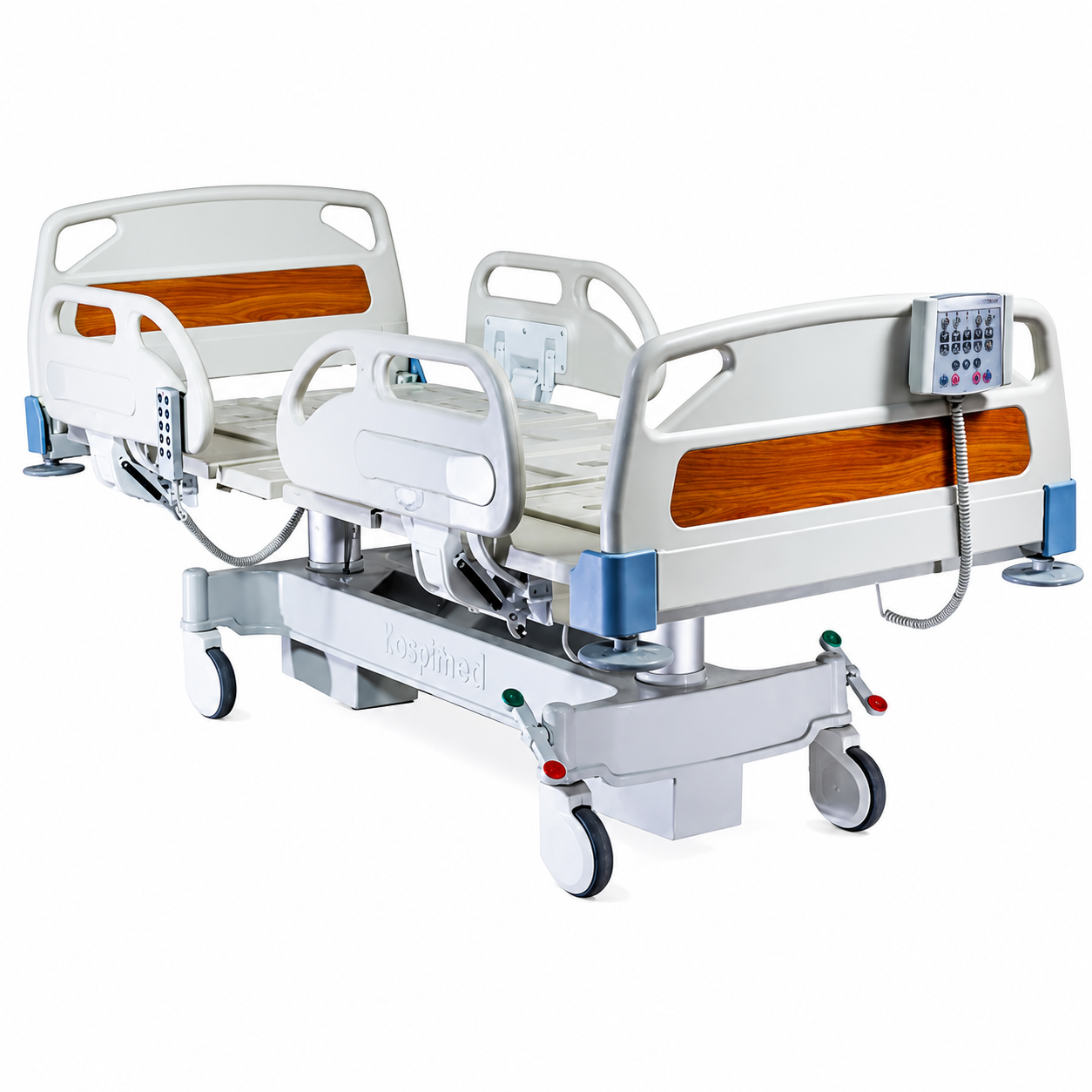
ICU Beds: Designed for critical care environments, ICU beds come with advanced features such as electric adjustments, built-in monitoring systems, and specialized safety protocols. They provide optimal care for patients in intensive care units.
šš²š»š²š³š¶šš š®š»š± šš±šš®š»šš®š“š²š
Investing in hospital beds offers numerous benefits for healthcare facilities.
1. Enhanced Comfort: Adjustable features allow patients to find their preferred position, improving overall comfort and satisfaction.
2. Improved Caregiver Efficiency: Easy-to-use adjustments save time for healthcare professionals while ensuring effective patient care.
3. Increased Safety: Features like side rails and stable designs help prevent falls and enhance patient safety.
4. Versatility: Various models cater to different patient needs and settings, from acute care to long-term rehabilitation.
5. Durability: Constructed from high-quality materials, these beds are built to withstand the rigors of healthcare environments.
6. Cost-Effectiveness: Investing in reliable hospital beds reduces long-term costs associated with patient care and equipment maintenance.
šššš¶š»š“ ššš¶š±š² š³š¼šæ šš®š šššš²šæš
When sourcing hospital beds, it is essential to consider several critical factors to ensure the right choice for your facility.
1. Quality Assessment: Evaluate the materials and construction of the beds. Look for certifications that indicate compliance with industry standards.
2. Supplier Verification: Research potential suppliers to confirm their reputation and reliability. Check for reviews and testimonials from other buyers.
3. Pricing and MOQ: Understand the pricing structure and minimum order quantities. Compare prices among different suppliers to find the best deal.
4. Delivery and Lead Times: Ensure the supplier can meet your delivery requirements. Assess their logistics capabilities and lead times.
5. Compliance Requirements: Be aware of the regulatory standards that apply to hospital beds in your region. Ensure that your chosen products meet these requirements.
šš¼šŗš½š¹š¶š®š»š°š² š®š»š± šš²šæšš¶š³š¶š°š®šš¶š¼š»š
Compliance with industry standards is crucial for hospital beds to ensure safety and quality. Key quality standards include ISO 9001, which outlines requirements for a quality management system, ensuring products consistently meet customer and regulatory requirements.
In addition, many hospital beds carry CE certification, indicating compliance with European health, safety, and environmental protection standards. This certification demonstrates that the product meets strict criteria for performance and safety.
Safety and testing requirements also play a significant role in the manufacturing process. Hospital beds must undergo rigorous testing to confirm their ability to support patients safely and effectively.
Additionally, regional compliance considerations may vary based on local regulations. It is important for buyers to be aware of these requirements to ensure their products meet all necessary standards.
Why Source Hospital Beds (Manual, Semi-Fowler, ICU) from Pepagora?
Pepagora provides a trusted platform for sourcing hospital beds with several key advantages.
Verified Supplier Network: Pepagora takes pride in its rigorous supplier verification process. This ensures that buyers can confidently source beds from reputable manufacturers who meet industry standards.
Streamlined RFQ Process: The Request for Quotation (RFQ) system simplifies the procurement process. Buyers can quickly obtain quotations from multiple suppliers, allowing for informed decision-making.
Trade Assurance and Support: Pepagora offers trade assurance to protect buyers throughout the sourcing process. This assurance includes support for any issues that may arise, ensuring a smooth transaction.
Regional Coverage: With a focus on markets in India, the GCC, and Southeast Asia, Pepagora provides extensive geographic reach. This makes it easier for buyers in these regions to access high-quality hospital beds tailored to their specific needs.