
 IN
Outdoor Plants
6 products available
What are Outdoor Plants?
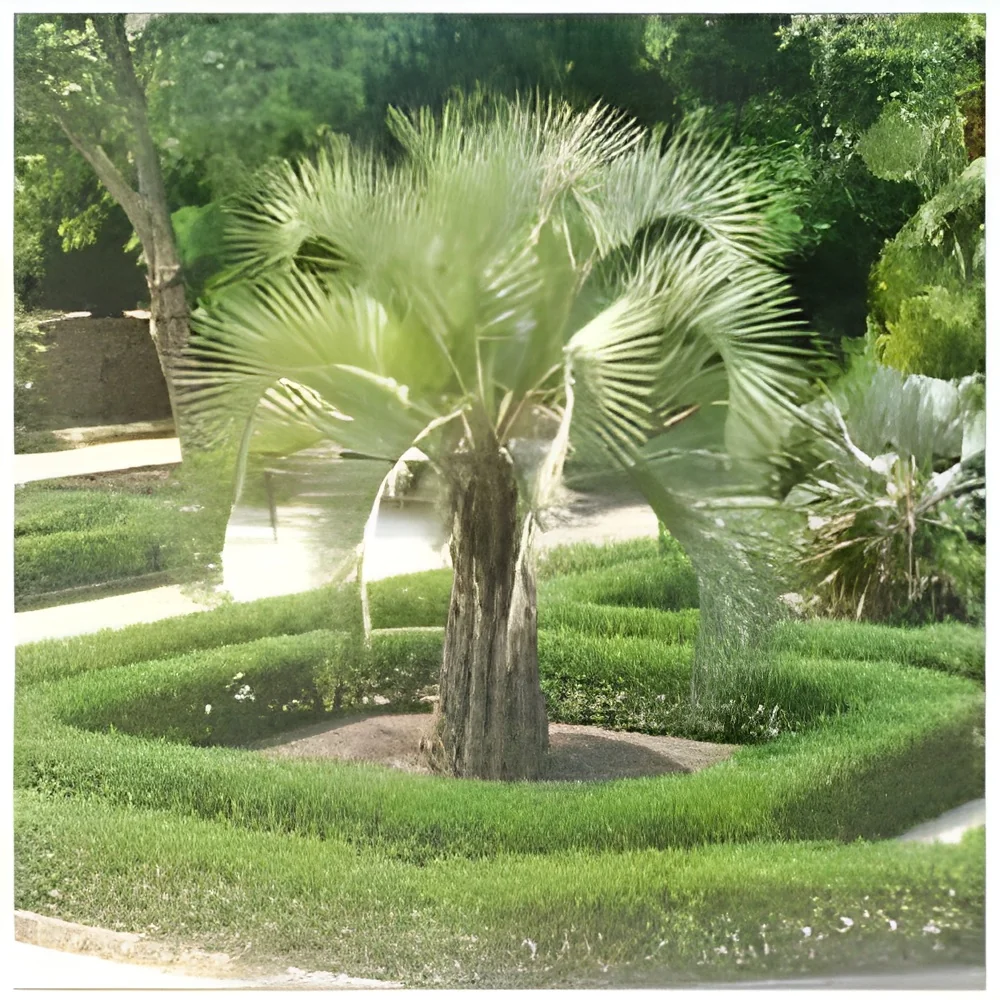
Outdoor plants are a category of flora specifically cultivated to thrive in external environments. These plants are generally suited for various climatic conditions and can be used in gardens, landscapes, and commercial settings. They play a crucial role in enhancing the aesthetic appeal of spaces while contributing to environmental sustainability by improving air quality and supporting local ecosystems.
The primary uses of outdoor plants extend beyond mere decoration. They are utilized in landscaping for both residential and commercial properties, providing shade, privacy, and natural barriers. Businesses often leverage outdoor plants in their marketing strategies to create inviting atmospheres that attract customers. The growing trend of green spaces in urban settings highlights the relevance of outdoor plants in today’s market, as they are increasingly recognized for their benefits in urban planning and development.
The outdoor plants industry is experiencing significant growth, driven by increased awareness of environmental issues and a shift towards sustainable landscaping practices. As businesses look for innovative ways to enhance their outdoor spaces, the demand for quality outdoor plants continues to rise.
Key Features and Specifications
Outdoor plants are characterized by their adaptability to a variety of environmental conditions. They possess unique traits that enable them to thrive outdoors, making them suitable for diverse applications.
Key specifications include:
1. Plant Variety
- Includes flowering plants, shrubs, trees, and ground covers
- Each variety has specific growth habits and care requirements
2. Growth Conditions
- Requires sunlight, water, and soil quality tailored to each species
- Some plants may tolerate drought while others need consistent moisture
3. Size and Growth Rate
- Varies from small ground covers to large trees
- Growth rates can range from slow-growing to fast-growing species
4. Hardiness Zones
- Classification based on climate suitability, ranging from USDA zones 1 to 13
- Important for selecting plants that will thrive in specific regions
5. Maintenance Needs
- Requirements for pruning, fertilization, and pest control
- Varies significantly among different plant types
6. Lifespan
- Annual, biennial, or perennial classifications based on life cycles
- Perennials can last for several years with proper care
7. Disease Resistance
- Some species have natural resistance to common plant diseases and pests
- Important for reducing maintenance and increasing longevity
8. Environmental Benefits
- Contributions to biodiversity, air quality, and stormwater management
- Role in carbon sequestration and habitat provision for wildlife
In summary, outdoor plants come with a variety of specifications that cater to different business needs and environmental conditions, making them versatile for numerous applications.
Common Applications and Use Cases
Outdoor plants find applications across various industries due to their aesthetic and functional benefits.
1. Landscaping Services: Landscaping companies utilize outdoor plants to design and maintain residential and commercial properties, enhancing visual appeal and creating functional outdoor spaces.
2. Retail and Hospitality: Businesses in retail and hospitality often use outdoor plants to create inviting atmospheres for customers, improving the overall experience and increasing foot traffic.
3. Urban Development: City planners incorporate outdoor plants in urban design to promote green spaces, reduce heat islands, and improve urban air quality, contributing to sustainable development goals.
4. Agriculture: Farmers and agribusinesses grow outdoor plants for commercial crops, focusing on native species that require less water and maintenance, thereby increasing sustainability.
5. Environmental Conservation: Organizations focused on conservation use outdoor plants for habitat restoration projects, aiding in the recovery of native flora and fauna.
6. Educational Institutions: Schools and universities use outdoor plants in botanical gardens and outdoor classrooms to educate students about ecology, biology, and environmental science.
7. Parks and Recreation: Public parks and recreational areas incorporate outdoor plants to enhance natural beauty, support biodiversity, and provide spaces for community engagement.
Product Variants and Subcategories
The diversity of outdoor plants allows for numerous variants tailored to specific needs and conditions.
Flowering Plants
These plants are prized for their vibrant colors and seasonal blooms, making them ideal for gardens and decorative purposes. They attract pollinators and enhance the visual appeal of outdoor spaces.
Shrubs
Shrubs serve as excellent landscape fillers, providing structure and privacy. They can be shaped through pruning, making them versatile for various design styles.
Trees
Trees offer shade and can serve as focal points in landscaping. Different species are chosen based on growth size, foliage type, and environmental adaptability.
Ground Covers
Ground covers are low-growing plants that fill in spaces and prevent erosion. They are often used in place of grass in areas where mowing is impractical.
Benefits and Advantages
Outdoor plants provide numerous benefits for businesses and environments alike.
1. Aesthetic Value: Outdoor plants enhance the beauty of spaces, making them more inviting and appealing to customers and visitors.
2. Environmental Impact: They contribute to better air quality, support wildlife, and help in managing stormwater, promoting a healthier ecosystem.
3. Energy Efficiency: Strategically placed plants can reduce energy costs by providing shade and cooling effects around buildings.
4. Increased Property Value: Well-landscaped properties with outdoor plants can see an increase in market value, making them attractive investments.
5. Brand Image: Businesses that prioritize green spaces demonstrate environmental responsibility, improving their brand image and customer loyalty.
6. Psychological Benefits: Exposure to greenery has been linked to improved mental health and well-being, enhancing the experience for employees and clients.
Buying Guide for B2B Buyers
When sourcing outdoor plants, buyers should consider several key factors to ensure they make informed decisions.
1. Quality Assessment: Evaluate the health and quality of plants, looking for signs of disease, pests, and overall vitality. Healthy plants will establish better in new environments.
2. Supplier Verification: Conduct thorough research on potential suppliers to ensure they have a solid reputation, and consider visiting their facilities if possible.
3. Pricing and MOQ: Understand the pricing structure and minimum order quantities, as these can vary significantly between suppliers and plant types.
4. Delivery and Lead Times: Discuss logistics and lead times with suppliers to ensure timely delivery, especially for large projects or seasonal needs.
5. Compliance Requirements: Be aware of any regional regulations or certifications required for outdoor plants, as these can impact sourcing and planting strategies.
Compliance and Certifications
Compliance and certifications are vital aspects of the outdoor plants industry to ensure quality and safety.
Quality standards such as ISO 9001 help organizations maintain consistent quality in their processes. These standards are important for suppliers to demonstrate reliability and professionalism.
Certifications like CE indicate that products meet European health, safety, and environmental protection standards. This is particularly relevant for businesses operating in or exporting to Europe.
Safety and testing requirements are critical for ensuring that plants are free from harmful pests and diseases. It is essential for suppliers to conduct regular testing to comply with these standards.
Regional compliance considerations can vary widely. Buyers should familiarize themselves with local environmental regulations and guidelines that govern the use and sale of outdoor plants in their area.
Why Source Outdoor Plants from Pepagora?
Pepagora offers a reliable platform for sourcing outdoor plants with several advantages that make the process efficient and secure.
Verified Supplier Network: Pepagora connects buyers with a network of verified suppliers, ensuring that businesses can source quality outdoor plants with confidence.
Streamlined RFQ Process: The request for quotation (RFQ) process is designed to be straightforward, allowing buyers to receive competitive quotes quickly and easily.
Trade Assurance and Support: Buyers benefit from trade assurance policies that protect their purchases, offering peace of mind during transactions.
Regional Coverage: With a focus on India, the GCC, and Southeast Asia, Pepagora provides extensive geographic reach, facilitating connections between buyers and suppliers across these regions.


 India
 India
 India

Frequently Asked Questions
What are Outdoor Plants?
Outdoor Plants are various species of plants that are cultivated and grown outside, typically suited for outdoor environments. They can include trees, shrubs, flowers, and ornamental plants that thrive in natural sunlight and outdoor conditions.
What are the different types of Outdoor Plants?
The different types of Outdoor Plants include flowering plants, evergreen shrubs, deciduous trees, ornamental grasses, and succulents. Each type serves various purposes, such as landscaping, decoration, or creating green spaces.
How do I choose the right Outdoor Plants?
Choosing the right Outdoor Plants involves considering factors such as climate, soil type, and the intended use of the plants. It's also important to assess the sunlight requirements and maintenance needs of each plant species.
What are the standard specifications for Outdoor Plants?
Standard specifications for Outdoor Plants typically include plant height, pot size, growth rate, and seasonal blooming patterns. Additional details may encompass soil requirements and specific care instructions.
What is the price range for Outdoor Plants?
The price range for Outdoor Plants can vary widely based on species, size, and quality, typically ranging from a few hundred to several thousand Indian Rupees. Bulk purchases may offer cost benefits depending on the supplier.
What quality standards apply to Outdoor Plants?
Quality standards for Outdoor Plants generally include criteria such as plant health, root structure, and absence of pests or diseases. Compliance with local agricultural regulations may also be necessary for certain species.
Where can I find Outdoor Plants suppliers in India?
Outdoor Plants suppliers in India can be found through B2B marketplaces like Pepagora, local nurseries, and agricultural trade shows. Online platforms often provide a directory of manufacturers and wholesalers specializing in outdoor horticulture.
Can Outdoor Plants be customized?
Yes, Outdoor Plants can often be customized in terms of size, variety, and packaging based on buyer requirements. Customization options may vary by supplier, so it is advisable to inquire about specific needs.
What is the typical minimum order quantity for Outdoor Plants?
The typical minimum order quantity (MOQ) for Outdoor Plants varies by supplier and can range from a few units to several hundred. It is essential to check with individual suppliers for their specific MOQ requirements.
What is the typical lead time for Outdoor Plants?
The typical lead time for Outdoor Plants can range from a few days to several weeks, depending on the type of plants ordered and supplier capabilities. Factors such as plant availability and customization requirements may also affect delivery times.
Why Businesses Trust Pepagora
Thousands of companies trust Pepagora to source smarter and sell faster
Expand Your Sales Globally

Source Smarter,Grow Faster
