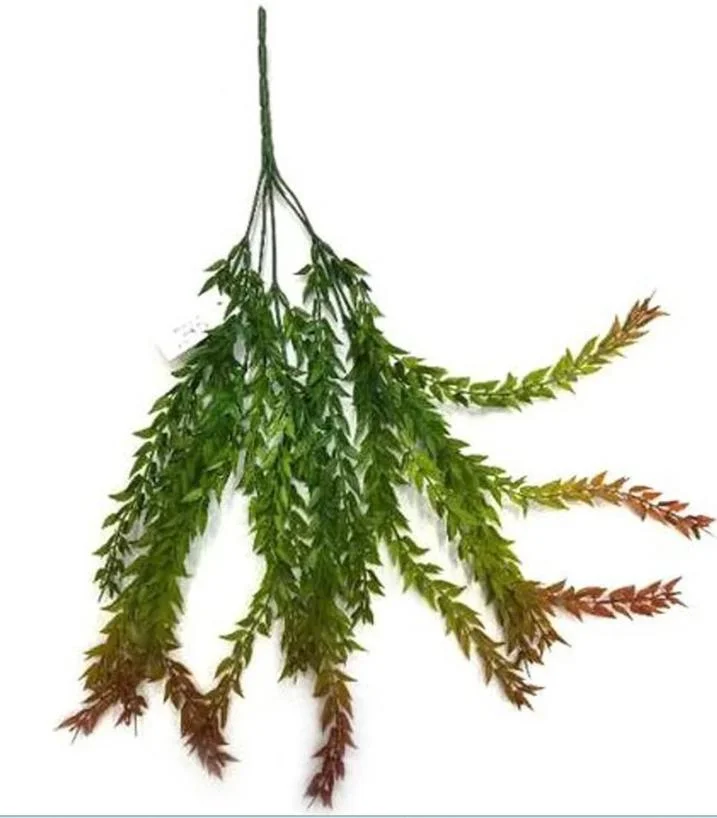
What are Hanging Basket Plants?
Hanging basket plants are a versatile and attractive way to incorporate greenery into various environments. These plants are typically grown in containers designed for suspension, allowing for a beautiful display in both indoor and outdoor settings. They are an excellent choice for enhancing aesthetic appeal while also maximizing space in urban environments or limited areas. Many types of plants can be used in hanging baskets, including flowering varieties, trailing plants, and foliage-rich options.
The primary uses of hanging basket plants include decorative purposes in commercial spaces, residential areas, and public venues. They are often utilized in retail displays, restaurants, and hotels to create inviting atmospheres. Moreover, these plants can be employed in landscaping projects and urban beautification initiatives, contributing to improved air quality and overall well-being. As the demand for sustainable and visually appealing solutions grows, hanging basket plants have become increasingly relevant in the horticultural market.
Key Features and Specifications
Hanging basket plants come with several features and specifications that enhance their usability and aesthetic potential. Understanding these characteristics can aid businesses in selecting the right plants for their needs.
Key specifications include:
1. Plant Variety
- A diverse selection of plants including ferns, succulents, and flowering species.
- Each variety brings unique colors, textures, and growth habits.
2. Container Material
- Common materials include plastic, metal, and ceramic.
- Each material offers different benefits in terms of weight, durability, and insulation.
3. Size Options
- Available in various diameters, typically ranging from 8 inches to 18 inches.
- Size impacts the number of plants that can be included and their growth potential.
4. Drainage Features
- Many hanging baskets come with drainage holes to prevent waterlogging.
- Proper drainage is essential for plant health and longevity.
5. Weight Capacity
- Designed to hold a certain weight based on plant type and container material.
- Ensures safety and stability when suspended.
6. UV Resistance
- Some containers are treated for UV protection to withstand outdoor conditions.
- Extends the lifespan of the hanging basket when exposed to sunlight.
7. Customization Options
- Ability to customize colors and designs to fit branding or aesthetic needs.
- Enhances the visual appeal and aligns with business identity.
In summary, these specifications ensure that hanging basket plants can meet the diverse needs of various industries while promoting plant health and aesthetic value.
Common Applications and Use Cases
Hanging basket plants serve multiple industries with unique applications that enhance environments and promote well-being.
1. Retail: Retail spaces often use hanging basket plants to create an inviting atmosphere. They can be placed near entrances or in display areas to attract customers and enhance the shopping experience.
2. Hospitality: Hotels and restaurants utilize hanging basket plants to improve ambiance and create a relaxing environment for guests. These plants can be hung in common areas, patios, or dining spaces.
3. Landscaping: Landscape architects and designers incorporate hanging baskets into outdoor designs for parks, gardens, and public spaces. They add vertical interest and vibrant color to otherwise flat landscapes.
4. Office Spaces: Businesses use hanging basket plants in office settings to improve air quality and employee morale. Strategically placed plants can create a calming and productive work environment.
5. Educational Institutions: Schools and universities often use hanging plants in classrooms and common areas. They promote learning about nature and can enhance the overall atmosphere of the campus.
6. Health Care: Hospitals and clinics use hanging basket plants in waiting areas and patient rooms to create a soothing environment that supports healing and relaxation.
7. Events and Exhibitions: Hanging basket plants are popular in event decoration, providing a natural touch that enhances themes and settings for weddings, conferences, and trade shows.
Product Variants and Subcategories
Hanging basket plants come in various forms, catering to different needs and preferences in the market.
Trailing Plant Variants: These variants feature plants that naturally grow downwards, creating a lush and cascading effect. Popular choices include ivy, pothos, and ferns. They are ideal for creating dramatic displays.
Flowering Plant Variants: This variant includes plants that produce vibrant flowers, adding color to any setting. Examples include petunias, geraniums, and fuchsias. These are perfect for enhancing seasonal displays.
Succulent Variants: Succulents are low-maintenance plants that thrive in hanging baskets. They come in various shapes and colors, making them a trendy option for modern decor. Varieties include string of pearls and echeveria.
Mixed Plant Variants: These baskets combine various plant types for a diverse display. A mix of trailing and flowering plants can create a visually appealing arrangement that appeals to a broad audience.
Benefits and Advantages
Hanging basket plants offer numerous benefits that make them an attractive option for businesses and consumers alike.
1. Space Efficiency: Hanging baskets maximize vertical space, making them ideal for areas with limited ground space. This allows for more greenery without occupying valuable floor area.
2. Aesthetic Appeal: These plants enhance the visual appeal of any environment. Their arrangement creates inviting spaces, improving overall ambiance and customer experience.
3. Improved Air Quality: Plants naturally purify the air by absorbing toxins and releasing oxygen. Hanging basket plants contribute to healthier indoor environments.
4. Versatility: Hanging baskets can be used in various settings, from residential to commercial. Their adaptability makes them suitable for a wide range of applications.
5. Low Maintenance: Many hanging basket plants require minimal care, making them an efficient choice for busy environments. They often need less frequent watering and can thrive with basic care.
6. Customization Potential: Businesses can choose plants and containers that align with their branding and aesthetic preferences, creating a personalized touch in their space.
Buying Guide for B2B Buyers
When sourcing hanging basket plants, several factors should be taken into consideration to ensure the right choice for your needs.
1. Quality Assessment: Inspect plants for health, vitality, and uniformity. Look for signs of disease or pest infestation, as these can affect the overall quality and longevity of the plants.
2. Supplier Verification: Vet suppliers carefully to ensure they provide quality products. Check for reviews, certifications, and their history in the market to establish credibility.
3. Pricing and MOQ: Understand the pricing structure and minimum order quantities. This helps in budgeting and ensures you can meet your needs without excess costs.
4. Delivery and Lead Times: Confirm delivery schedules to align with your project timelines. Ensure that suppliers can meet your deadlines to avoid disruptions in your operations.
5. Compliance Requirements: Be aware of any regional compliance standards that may apply. Ensure that the plants meet local regulations concerning safety and environmental considerations.
Compliance and Certifications
Hanging basket plants must meet various compliance and certification standards to ensure quality and safety in the market.
Relevant quality standards include ISO 9001, which focuses on quality management systems, ensuring that suppliers maintain high standards in their production processes. Additionally, compliance with HACCP (Hazard Analysis Critical Control Point) guidelines is important in maintaining safety during handling and distribution.
Industry certifications, such as CE marking, indicate that products meet European health, safety, and environmental standards. This certification is particularly relevant for businesses operating within or exporting to the European market.
Safety and testing requirements are crucial for ensuring that hanging basket plants do not pose risks to users or the environment. Regular testing for pests and diseases helps maintain plant health and consumer safety.
Regional compliance considerations vary by location, so it is essential to understand local regulations that may affect sourcing and selling hanging basket plants.
Why Source Hanging Basket Plants from Pepagora?
Pepagora provides a trusted platform for sourcing hanging basket plants, offering several key advantages to B2B buyers.
Verified Supplier Network: Pepagora ensures that all suppliers are thoroughly vetted, providing buyers with confidence in the quality and reliability of the products. This network includes suppliers who adhere to industry standards and regulations.
Streamlined RFQ Process: The Request for Quotation (RFQ) process on Pepagora is designed for efficiency, allowing buyers to receive multiple quotes quickly. This enhances decision-making and enables businesses to compare options easily.
Trade Assurance and Support: Pepagora offers trade assurance to protect buyers during transactions. This support includes mediation in disputes and guarantees on product quality, providing peace of mind.
Regional Coverage: With a broad geographic reach, Pepagora connects buyers with suppliers across India, the GCC, and Southeast Asia. This extensive network ensures access to a variety of hanging basket plants suited to different markets and climates.

 IN
IN