What are Foam, Fabric, and Silk Flowers?
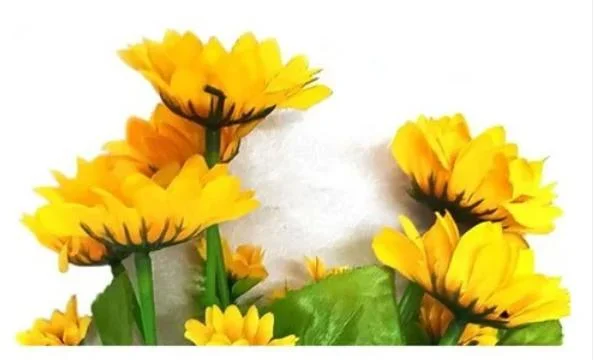
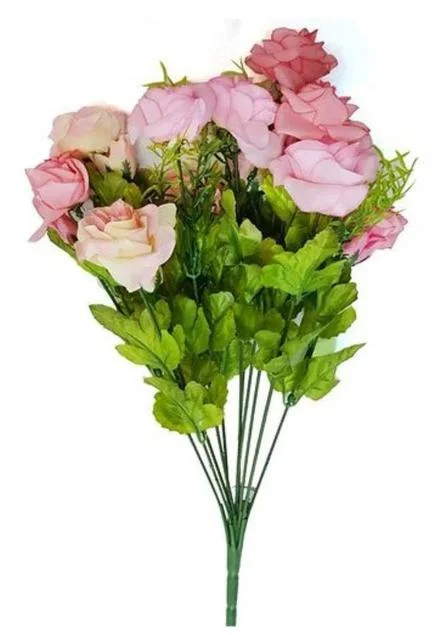
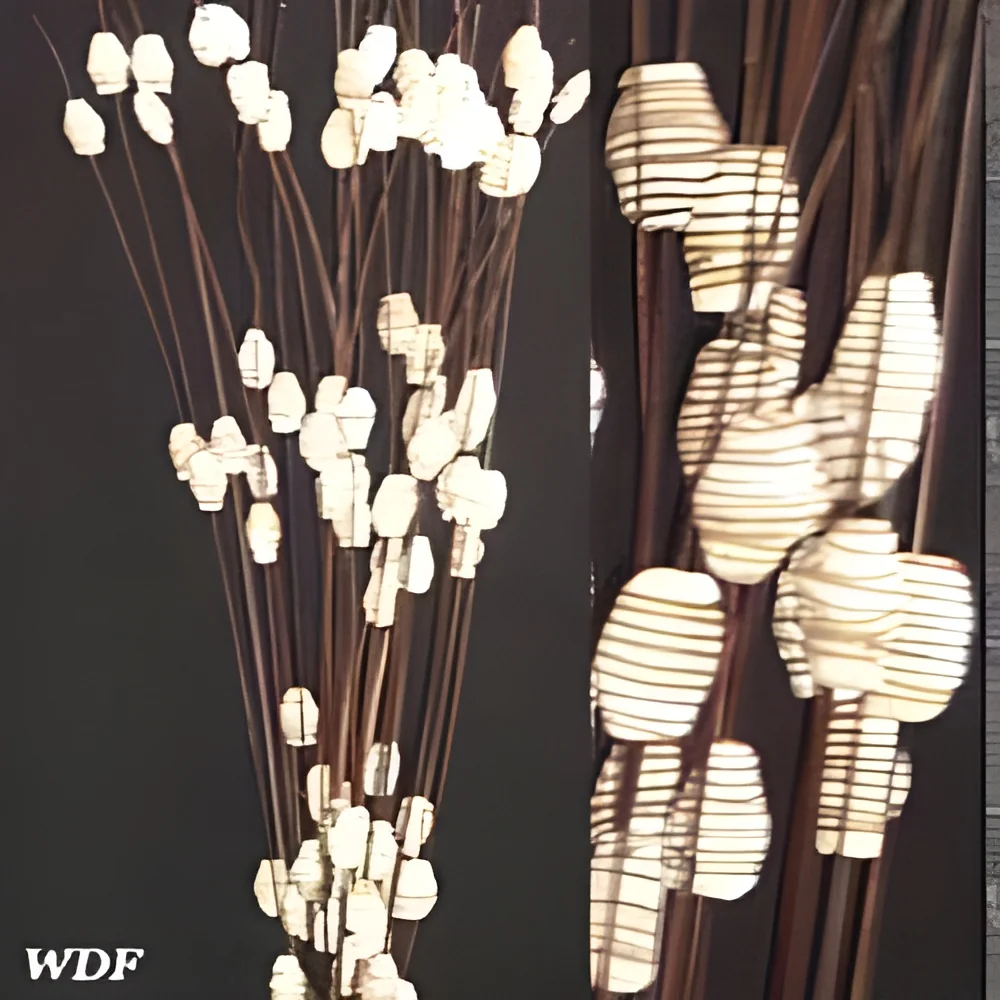
Foam, fabric, and silk flowers are artificial floral products designed to mimic the appearance of real flowers. These products are crafted using various materials, including lightweight foam, synthetic fabrics, and silk, which provide durability and a lifelike aesthetic. They are popular in decorative arrangements, events, and retail displays, offering a long-lasting alternative to fresh flowers.
These flowers are commonly used in several business applications such as event planning, interior design, and retail merchandising. They can enhance the visual appeal of spaces without the maintenance required for live plants. Additionally, foam, fabric, and silk flowers are utilized in creating custom arrangements for weddings, corporate events, and seasonal decorations, making them valuable assets in the decorative and event industries.
In the current market context, the demand for artificial flowers has increased due to a growing preference for low-maintenance decor solutions. Industries ranging from hospitality to retail are integrating these products into their offerings, reflecting broader trends towards sustainability and cost-effectiveness.
Key Features and Specifications
Foam, fabric, and silk flowers offer a range of features that cater to diverse industry needs. Understanding these specifications is crucial for selecting the right products for specific applications.
Key specifications include:
1. Material Composition
- Made from foam, polyester fabric, or silk
- Provides durability and a realistic appearance
2. Color Options
- Available in various colors and designs
- Customization options for specific branding needs
3. Size Variability
- Offered in multiple sizes to suit different arrangements
- Standard sizes typically range from small buds to large blooms
4. UV Resistance
- Some variants are treated for UV protection
- Suitable for both indoor and outdoor use
5. Weight
- Lightweight options available for easy handling
- Heavier variants provide stability in arrangements
6. Maintenance Requirements
- Low maintenance with easy cleaning
- No need for watering or sunlight
7. Price Range
- Pricing varies based on material and design complexity
- Bulk purchase discounts may apply
In summary, these specifications highlight the versatility and practicality of foam, fabric, and silk flowers for various commercial uses.
Common Applications and Use Cases
Foam, fabric, and silk flowers find applications across multiple industries due to their adaptability and aesthetic appeal.
1. Event Planning: These flowers are widely used in weddings and corporate events for centerpieces and decoration, providing a cost-effective and long-lasting solution.
2. Retail Displays: Retailers often utilize artificial flowers to enhance visual merchandising, drawing customer attention to products and creating an inviting atmosphere.
3. Interior Design: Designers incorporate these flowers into home and office decor to add color and life without the upkeep associated with real plants.
4. Hospitality: Hotels and restaurants use foam and silk flowers to create elegant table settings and lobby displays, improving guest experiences.
5. Crafting: Crafters use these flowers in various projects, from DIY home decor to gifts, due to their versatility and ease of use.
6. Education: Schools and educational institutions often use artificial flowers in art projects and classroom decorations, promoting creativity without the mess of real plants.
7. Seasonal Displays: Businesses use these flowers to create seasonal decorations, such as holiday displays, that can be reused year after year.
Product Variants and Subcategories
The market for foam, fabric, and silk flowers offers a broad range of product variants, catering to differing tastes and applications.
Foam Flowers
These flowers are lightweight and durable, making them ideal for event decorations and crafts. They come in various colors and styles, allowing for creative arrangements without the worry of wilting.
Silk Flowers
Silk flowers offer a more refined look, often used in high-end decor and arrangements. Their realistic texture and appearance make them suitable for upscale events and luxury settings.
Fabric Flowers
These flowers are made from different fabrics, providing a unique touch to arrangements. They can be customized in various colors and patterns, catering to specific themes and branding needs.
Benefits and Advantages
Foam, fabric, and silk flowers provide several advantages that make them an appealing choice for businesses.
1. Cost-Effectiveness: These flowers are a one-time investment, eliminating the recurring costs associated with fresh flowers.
2. Longevity: Unlike real flowers, artificial options do not wilt or decay, ensuring lasting beauty throughout their intended use.
3. Versatility: They can be used in various settings, from weddings to retail displays, adapting to different themes and seasons.
4. Low Maintenance: No watering or sunlight is required, making them perfect for busy environments.
5. Customization: Many suppliers offer customization options, allowing businesses to order specific colors and sizes to match branding or decor themes.
6. Environmental Impact: By choosing artificial flowers, businesses can reduce waste associated with fresh flowers, aligning with sustainability goals.
Buying Guide for B2B Buyers
When sourcing foam, fabric, and silk flowers, B2B buyers should consider several key factors to ensure a successful procurement process.
1. Quality Assessment: Evaluate the materials used to ensure durability and lifelike appearance. Look for samples to assess texture and color fidelity.
2. Supplier Verification: Research potential suppliers to confirm their reliability and track record. Check for customer reviews and industry experience.
3. Pricing and MOQ: Understand the pricing structure and minimum order quantities (MOQ) to align with budget constraints and inventory needs.
4. Delivery and Lead Times: Inquire about shipping options and expected delivery times to ensure timely access to products, especially for events.
5. Compliance Requirements: Be aware of any industry-specific regulations or standards that may apply to the products, ensuring compliance with local laws.
Compliance and Certifications
Foam, fabric, and silk flowers must meet certain quality standards and compliance requirements to ensure safety and industry acceptance.
Relevant quality standards include ISO 9001, which focuses on quality management systems, ensuring consistent product quality and customer satisfaction. Compliance with HACCP and GDP may also be relevant in specific industries, emphasizing the importance of safety and quality throughout the supply chain.
Industry certifications, such as CE marking, indicate that products meet European health, safety, and environmental protection standards. This certification can enhance trust and credibility in the marketplace.
Additionally, regional compliance considerations may vary, so it is essential for buyers to understand the specific regulations applicable in their geographic area to avoid potential compliance issues.
Why Source Foam, Fabric, and Silk Flowers from Pepagora?
Pepagora offers a trusted platform for sourcing foam, fabric, and silk flowers, providing numerous advantages for B2B buyers.
Verified Supplier Network: Pepagora connects businesses with a network of verified suppliers, ensuring quality and reliability in product offerings. This network helps buyers find trusted sources quickly.
Streamlined RFQ Process: The request for quotation (RFQ) process is designed to be efficient, enabling buyers to receive competitive quotes from multiple suppliers, facilitating informed purchasing decisions.
Trade Assurance and Support: Buyers benefit from trade assurance programs that protect their investments and provide support throughout the procurement process, enhancing overall buyer confidence.
Regional Coverage: With a focus on markets in India, the GCC, and Southeast Asia, Pepagora ensures that buyers have access to a wide range of products tailored to their regional needs. This geographic reach enhances convenience and accessibility for businesses operating in these areas.

 IN
IN