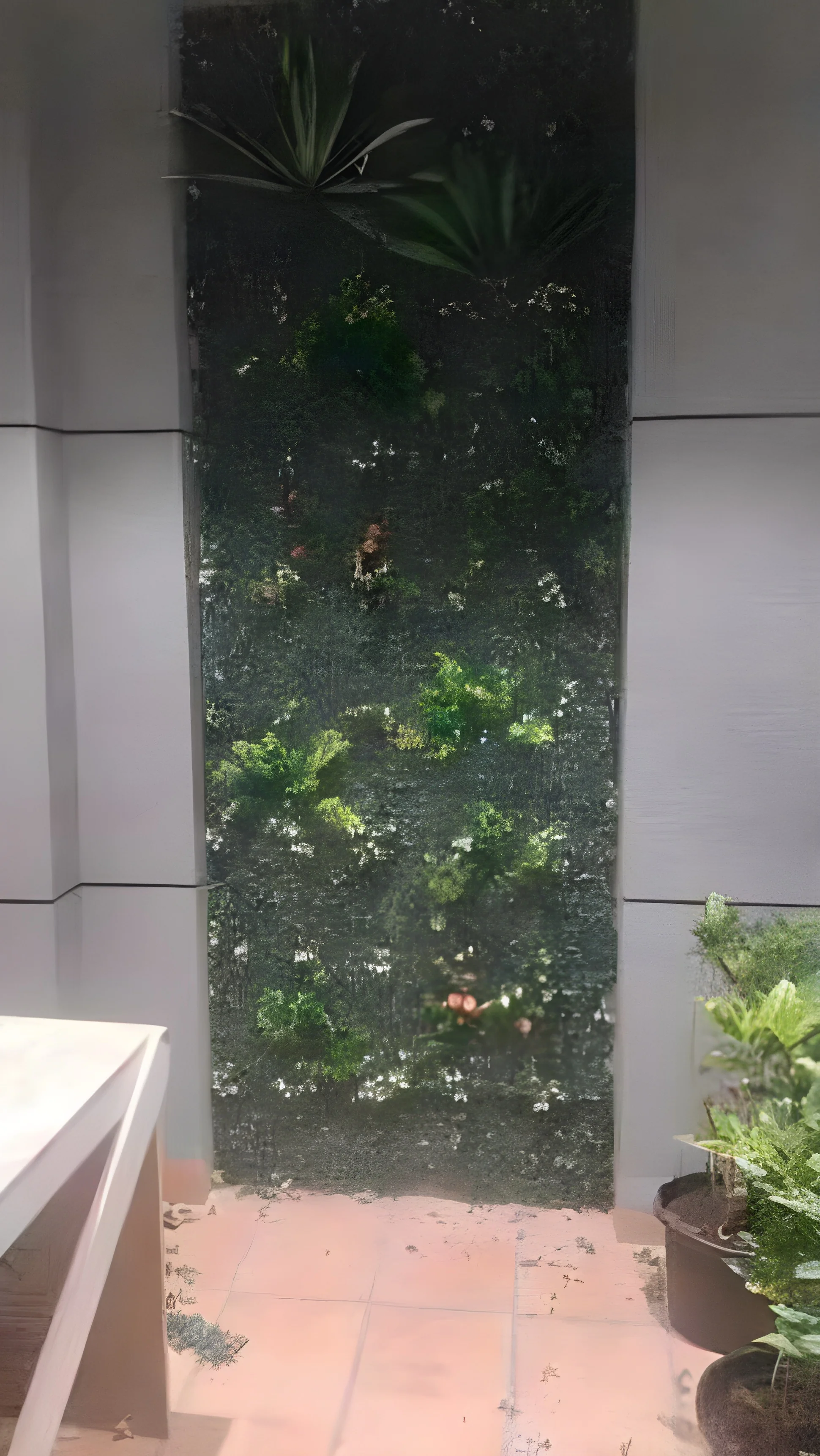
What are Vertical Garden Panels?
Vertical Garden Panels are innovative structures designed for growing plants in vertical spaces, making them ideal for urban environments where horizontal land is limited. These panels are typically made from durable materials that support soil and plant growth, allowing for a space-efficient way to create green walls and gardens. The vertical design not only maximizes available area but also enhances aesthetic appeal, promoting greenery in both residential and commercial settings.
These panels find primary applications in various industries, including landscaping, architecture, and urban agriculture. Businesses utilize them to create living walls for buildings, decorative plant displays, or even functional gardens that contribute to sustainability. The increasing urbanization and demand for green spaces within cities further emphasize the relevance of Vertical Garden Panels, making them a valuable product in the market.
As cities strive to integrate nature into urban design, Vertical Garden Panels play a crucial role in promoting biodiversity and improving air quality. Their ability to transform spaces while providing environmental benefits underscores their importance in contemporary landscaping and construction projects.
Key Features and Specifications
Vertical Garden Panels offer several key features that enhance their functionality and usability. Designed for both indoor and outdoor applications, these panels come with various specifications to meet diverse requirements.
Key specifications include:
1. Material Composition
- Typically constructed from weather-resistant materials like recycled plastics or metal.
- Ensures durability and longevity in various environmental conditions.
2. Panel Size and Dimensions
- Available in multiple sizes to accommodate different spaces.
- Common dimensions range from small modular units to large wall installations.
3. Planting Capacity
- Designed to hold a specific amount of soil and plant material.
- Capacities can vary depending on the panel size, often accommodating multiple plants.
4. Irrigation System
- Some panels feature built-in irrigation systems for efficient watering.
- Options may include drip irrigation or self-watering capabilities.
5. Weight Capacity
- Engineered to support a predetermined weight load, including soil and plants.
- Essential for ensuring structural integrity when installed on walls.
6. Installation Method
- Panels may come with various installation options, such as wall-mounted or freestanding.
- Allows for flexibility in design and placement.
7. Maintenance Requirements
- Panels designed for easy access to facilitate maintenance and plant care.
- May include features for easy replacement of plants.
8. Aesthetic Options
- Available in different colors, textures, and designs.
- Offers customization for matching various architectural styles.
Vertical Garden Panels are designed with versatility in mind, making them suitable for a wide range of applications while providing essential features to enhance plant growth.
Common Applications and Use Cases
Vertical Garden Panels are versatile products that serve various industries.
1. Landscaping: In landscaping, these panels are used to create stunning green walls in parks, commercial buildings, and residential areas, enhancing visual appeal and promoting biodiversity.
2. Interior Design: Architects and interior designers utilize Vertical Garden Panels to incorporate nature into indoor spaces, improving air quality and providing a refreshing ambiance in offices, hotels, and restaurants.
3. Urban Agriculture: These panels are increasingly used in urban agriculture initiatives, allowing for efficient food production in limited spaces. They enable city dwellers to grow herbs and vegetables vertically.
4. Retail Spaces: Retailers use Vertical Garden Panels as engaging displays to attract customers, create unique shopping environments, and promote sustainability.
5. Hospitality: Hotels and resorts incorporate these panels into their designs to create lush outdoor spaces, providing guests with immersive nature experiences.
6. Educational Institutions: Schools and universities use Vertical Garden Panels for educational purposes, teaching students about gardening and sustainability while enhancing campus aesthetics.
7. Healthcare Facilities: Hospitals and clinics implement these panels in therapeutic gardens, helping to promote healing and well-being through the presence of greenery.
Product Variants and Subcategories
Vertical Garden Panels come in various forms to cater to different needs and preferences.
Modular Panels
Modular panels consist of interlocking units that can be configured to fit specific spaces. They are versatile and easy to install, making them popular for both residential and commercial applications.
Pre-Planted Panels
Pre-planted panels come with mature plants already installed. These are ideal for clients looking for immediate greenery without the wait for plants to grow, simplifying installation and maintenance.
Customizable Panels
Customizable panels allow buyers to choose plant types, colors, and materials. This flexibility is beneficial for businesses wanting to create a unique brand identity through their green spaces.
Hydroponic Panels
Hydroponic panels use soil-free growing methods, allowing for efficient plant growth. These are suitable for urban agriculture and can produce plants in limited spaces without traditional gardening constraints.
Benefits and Advantages
Vertical Garden Panels offer numerous benefits that appeal to businesses seeking to enhance their environments.
1. Space Efficiency: Vertical Garden Panels make use of vertical space, allowing for more greenery in confined areas, which is especially valuable in urban settings.
2. Aesthetic Enhancement: These panels provide visual interest and beauty, transforming dull walls into vibrant green landscapes, which can attract customers and enhance property value.
3. Improved Air Quality: Plants naturally purify the air by absorbing pollutants, making Vertical Garden Panels beneficial for creating healthier indoor and outdoor environments.
4. Noise Reduction: Vertical gardens can help absorb sound and reduce noise pollution, creating a more serene atmosphere in busy urban areas.
5. Increased Biodiversity: By providing habitats for various plant species, these panels contribute to local biodiversity, benefiting the environment.
6. Sustainable Practices: Vertical Garden Panels promote sustainable practices by enabling urban agriculture, reducing the carbon footprint associated with transporting food.
Buying Guide for B2B Buyers
When sourcing Vertical Garden Panels, it is essential for B2B buyers to consider several factors to make informed decisions.
1. Quality Assessment: Evaluate the durability and material quality of the panels. Look for panels made from weather-resistant and environmentally friendly materials to ensure longevity.
2. Supplier Verification: Research and verify potential suppliers to ensure they have a good reputation and can meet your specific needs. Look for customer reviews and ask for references.
3. Pricing and MOQ: Understand the pricing structure and minimum order quantities (MOQ) required when purchasing. This information helps in budgeting and managing inventory.
4. Delivery and Lead Times: Discuss logistics with suppliers to determine delivery times and ensure they align with project schedules. Timely delivery can be crucial for installation projects.
5. Compliance Requirements: Familiarize yourself with any relevant compliance or regulatory requirements related to Vertical Garden Panels in your region. This ensures that the products meet safety and quality standards.
Compliance and Certifications
Vertical Garden Panels must adhere to several compliance standards and certifications to ensure quality and safety.
Relevant quality standards include ISO 9001, which focuses on quality management systems, ensuring that manufacturers maintain consistent product quality.
Industry certifications, such as CE marking, indicate that the products meet European safety and environmental standards. This certification is crucial for businesses looking to sell or install these panels in Europe.
Safety and testing requirements may include assessments for structural integrity and material safety to ensure the panels can withstand environmental conditions.
Additionally, regional compliance considerations may vary, so it is important to verify that the panels meet local regulations to avoid issues during installation.
Why Source Vertical Garden Panels from Pepagora?
Pepagora provides a trusted platform for sourcing Vertical Garden Panels with several key advantages.
Verified Supplier Network: Pepagora connects buyers with a network of verified suppliers, ensuring that businesses can find reliable partners who meet their quality standards.
Streamlined RFQ Process: The platform features a streamlined request for quotation (RFQ) process, allowing buyers to easily obtain quotes from multiple suppliers and compare options efficiently.
Trade Assurance and Support: Pepagora offers trade assurance to protect buyers, providing support throughout the purchasing process to ensure a smooth transaction.
Regional Coverage: With a strong presence in India, the GCC, and Southeast Asia, Pepagora facilitates regional sourcing, making it easier for businesses to find local suppliers and reduce shipping times.
This comprehensive approach positions Pepagora as a valuable resource for businesses looking to invest in Vertical Garden Panels, ensuring they make informed and confident purchasing decisions.

 IN
IN