What are Bonsai & Mini Plants?
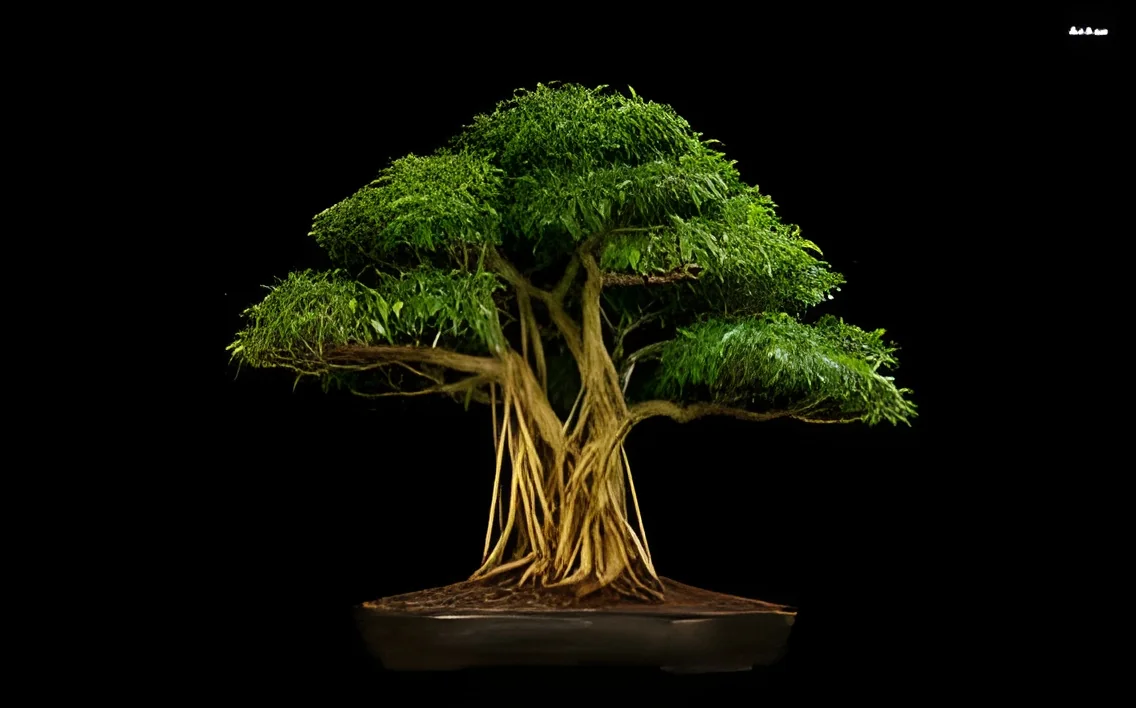
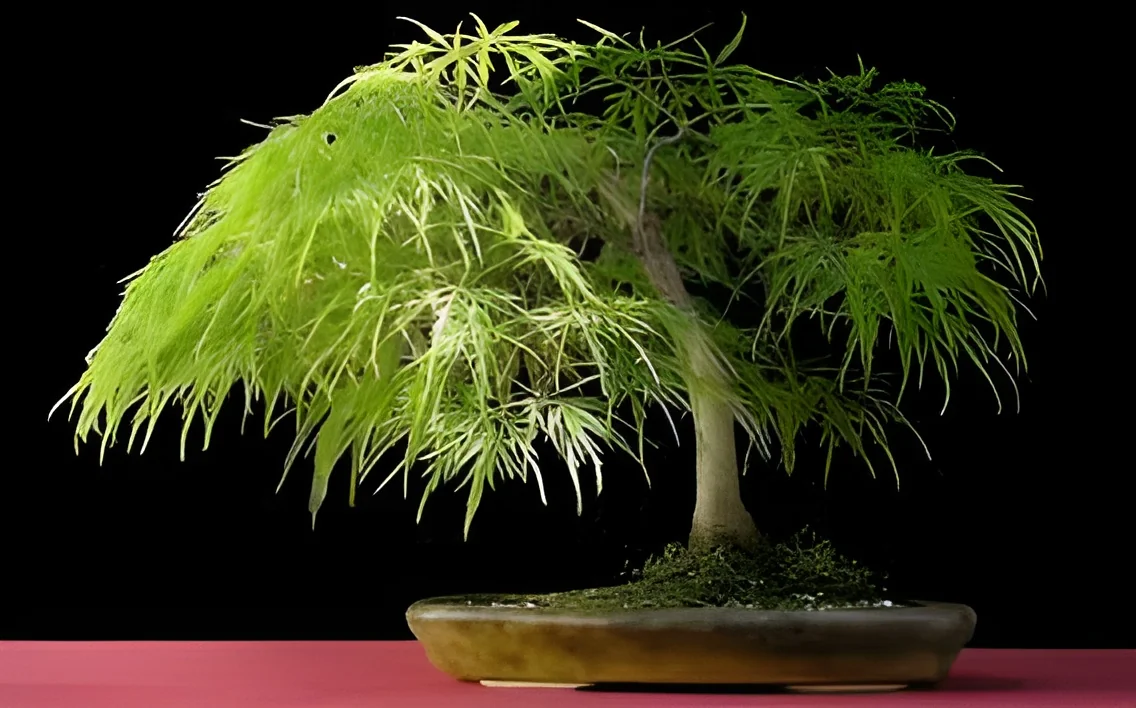
Bonsai and mini plants refer to small-scale, meticulously cultivated trees and plants that are designed to mimic the appearance of full-sized varieties. Bonsai, a traditional Japanese art form, involves growing trees in a way that limits their growth while maintaining their natural beauty and features. Mini plants, on the other hand, encompass a broader range of small plants that can be used for decorative purposes or indoor gardening. Both types of plants are popular for their aesthetic appeal and ability to enhance environments without requiring extensive space.
These plants are commonly used in various business applications, such as interior landscaping for offices, retail environments, and hospitality spaces. They serve not only decorative purposes but also contribute to air quality and overall employee well-being. In recent years, there has been a growing trend toward incorporating greenery into urban settings, making bonsai and mini plants increasingly relevant in industries focused on sustainability and wellness.
The market for bonsai and mini plants continues to expand as consumers and businesses alike seek to create greener spaces. With the rise of urban living and the need for sustainable solutions, these products have gained significant traction in the landscaping and horticulture sectors. Businesses that offer bonsai and mini plants are well-positioned to meet this demand, providing unique options for customers looking to enhance their surroundings.
Key Features and Specifications
Bonsai and mini plants come with various features that make them suitable for both personal and professional use. Understanding these specifications is crucial for B2B buyers when selecting the right products for their needs.
Key specifications include:
1. Size and Dimensions
- Bonsai trees typically range from 2 inches to 4 feet in height.
- Mini plants vary in size but generally do not exceed 12 inches in height.
2. Potting Options
- Available in various materials such as ceramic, plastic, and biodegradable options.
- Different pot shapes and designs to suit decorative needs.
3. Growth Conditions
- Ideal temperature ranges usually between 60°F to 75°F.
- Humidity levels should be maintained between 40% to 60%.
4. Watering Needs
- Bonsai and mini plants typically require watering every few days, depending on the species and pot size.
- Drainage systems are essential to prevent root rot.
5. Light Requirements
- Most varieties thrive in bright, indirect light.
- Some species may require full sun for optimal growth.
6. Lifespan
- With proper care, bonsai trees can live for decades, while mini plants may have a shorter lifespan based on species.
7. Customization Options
- Availability of tailored designs for corporate branding or specific aesthetics.
- Options for unique pot designs or plant arrangements.
8. Environmental Considerations
- Many suppliers offer sustainably sourced plants.
- Some products may comply with eco-friendly certifications.
Overall, understanding these specifications allows buyers to make informed decisions that align with their business needs.
Common Applications and Use Cases
Bonsai and mini plants serve various industries with their versatility and aesthetic appeal.
1. Corporate Offices: These plants enhance workplace environments, improve air quality, and boost employee morale. They are often used in reception areas and conference rooms.
2. Retail Spaces: Retailers utilize bonsai and mini plants to create inviting atmospheres that attract customers. They can be displayed near product showcases or checkout areas.
3. Hospitality: Hotels and restaurants incorporate these plants into their interior designs to create tranquil settings. They can be placed in lobbies, dining areas, or outdoor patios.
4. Event Planning: Bonsai and mini plants are used as decorative elements for events, weddings, and parties. They add a natural touch to themes and can be arranged in creative ways.
5. Educational Institutions: Schools and universities use these plants for educational purposes, teaching students about horticulture and environmental science.
6. Home Decor: Many consumers choose bonsai and mini plants for personal use, enhancing their living spaces with greenery and unique designs.
7. Landscaping: Landscaping companies often use mini plants in urban gardens, rooftop gardens, and small outdoor spaces to maximize greenery in limited areas.
Product Variants and Subcategories
Bonsai and mini plants come in a range of variants, allowing businesses to select products that best fit their needs.
Ficus Bonsai
Ficus bonsai trees are popular for their resilience and ease of care. They feature lush green leaves and can thrive in various indoor conditions, making them suitable for corporate environments and homes.
Succulent Mini Plants
Succulents are a favored choice for mini plants due to their low maintenance requirements. These plants store water in their leaves, making them ideal for busy professionals or environments where consistent care may be challenging.
Cactus Varieties
Cacti offer unique shapes and textures, adding interest to any space. They require minimal watering and can thrive in various light conditions, making them an excellent choice for office settings.
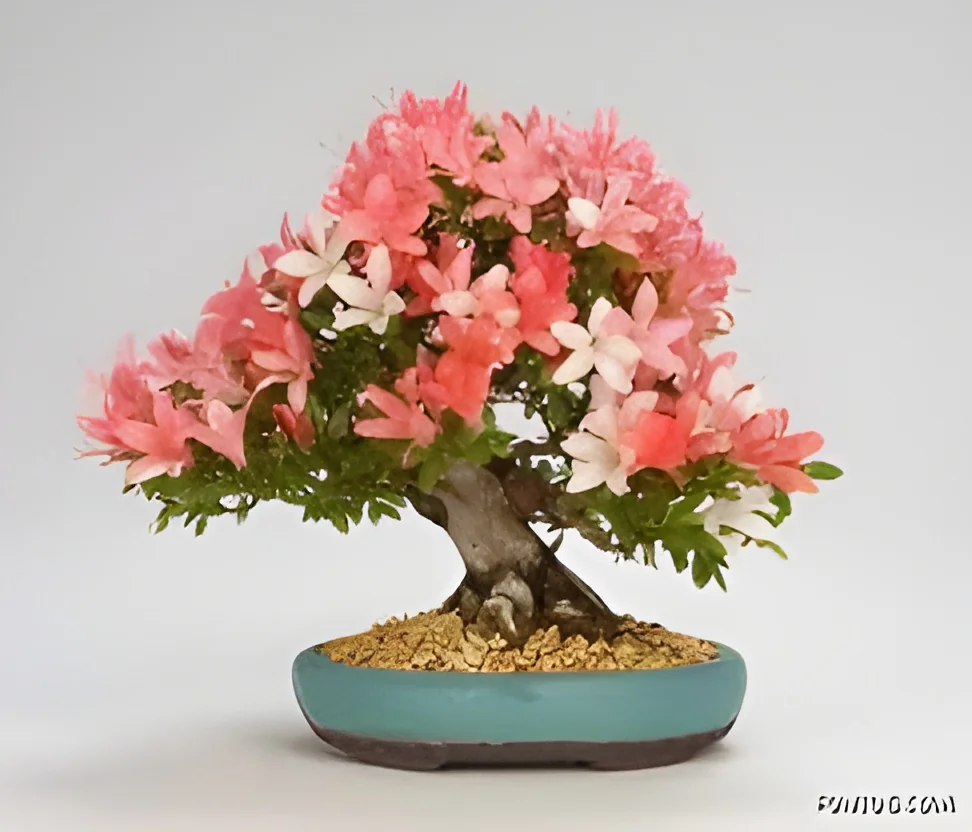
Flowering Bonsai
These bonsai trees produce beautiful blooms, adding vibrant colors to indoor or outdoor spaces. They require specific care and conditions to flourish but offer significant aesthetic value.
Benefits and Advantages
Investing in bonsai and mini plants offers numerous benefits for businesses and consumers alike.
1. Aesthetic Appeal: These plants enhance the visual appeal of any space, creating a welcoming atmosphere that can impress clients and customers.
2. Improved Air Quality: Plants contribute to cleaner air by filtering pollutants and providing oxygen, which can lead to healthier indoor environments.
3. Stress Reduction: Studies show that greenery can reduce stress and enhance mood, contributing to better employee well-being and productivity.
4. Space Efficiency: Bonsai and mini plants are perfect for small spaces, making them suitable for urban environments where space is limited.
5. Versatility: They can be used in various applications, from home decor to corporate settings, appealing to a wide range of customers.
6. Customization: Businesses can offer bespoke options, allowing clients to select plants and pots that align with their branding or personal preferences.
Buying Guide for B2B Buyers
When sourcing bonsai and mini plants, B2B buyers should consider several critical factors to ensure they make the best purchase decisions.
1. Quality Assessment: Evaluate the health and appearance of the plants. Look for vibrant colors, healthy leaves, and well-maintained root systems to ensure quality.
2. Supplier Verification: Research and vet suppliers to confirm their reliability and reputation. Check reviews and ask for references to ensure you are working with a trusted partner.
3. Pricing and MOQ: Understand the cost structure and minimum order quantities (MOQ) to ensure the purchase aligns with your budget and needs.
4. Delivery and Lead Times: Discuss logistics with suppliers to ascertain delivery schedules and lead times, ensuring timely receipt of your order.
5. Compliance Requirements: Be aware of any regional compliance standards or certifications required for importing or selling these plants, ensuring that all regulatory needs are met.
Compliance and Certifications
Bonsai and mini plants are subject to various quality standards and certifications that ensure their safety and reliability.
Relevant quality standards, such as ISO 9001, focus on ensuring consistent quality management systems across suppliers. This helps buyers ensure that they receive high-quality products.
Industry certifications like CE indicate compliance with European health, safety, and environmental protection standards, which can be essential for suppliers targeting international markets.
Safety and testing requirements, though not explicitly detailed, generally involve ensuring that plants are free from pests and diseases that could affect their health or that of surrounding flora.
Regional compliance considerations may vary depending on the geographic area of sale. Buyers should ensure they are familiar with local regulations regarding the import and sale of plants.
Why Source Bonsai & Mini Plants from Pepagora?
Pepagora provides a trusted platform for sourcing bonsai and mini plants, offering several key advantages that benefit buyers.
Verified Supplier Network: Pepagora features a network of verified suppliers, ensuring that buyers can trust the quality and reliability of the products they purchase.
Streamlined RFQ Process: The platform simplifies the request for quotation (RFQ) process, allowing buyers to efficiently obtain quotes from multiple suppliers, facilitating competitive pricing.
Trade Assurance and Support: Buyers benefit from trade assurance programs that protect their purchases, providing peace of mind and support throughout the sourcing process.
Regional Coverage: Pepagora has a strong presence in regions like India, the GCC, and Southeast Asia, enabling buyers to access a diverse range of bonsai and mini plants tailored to various market needs.

 IN
IN