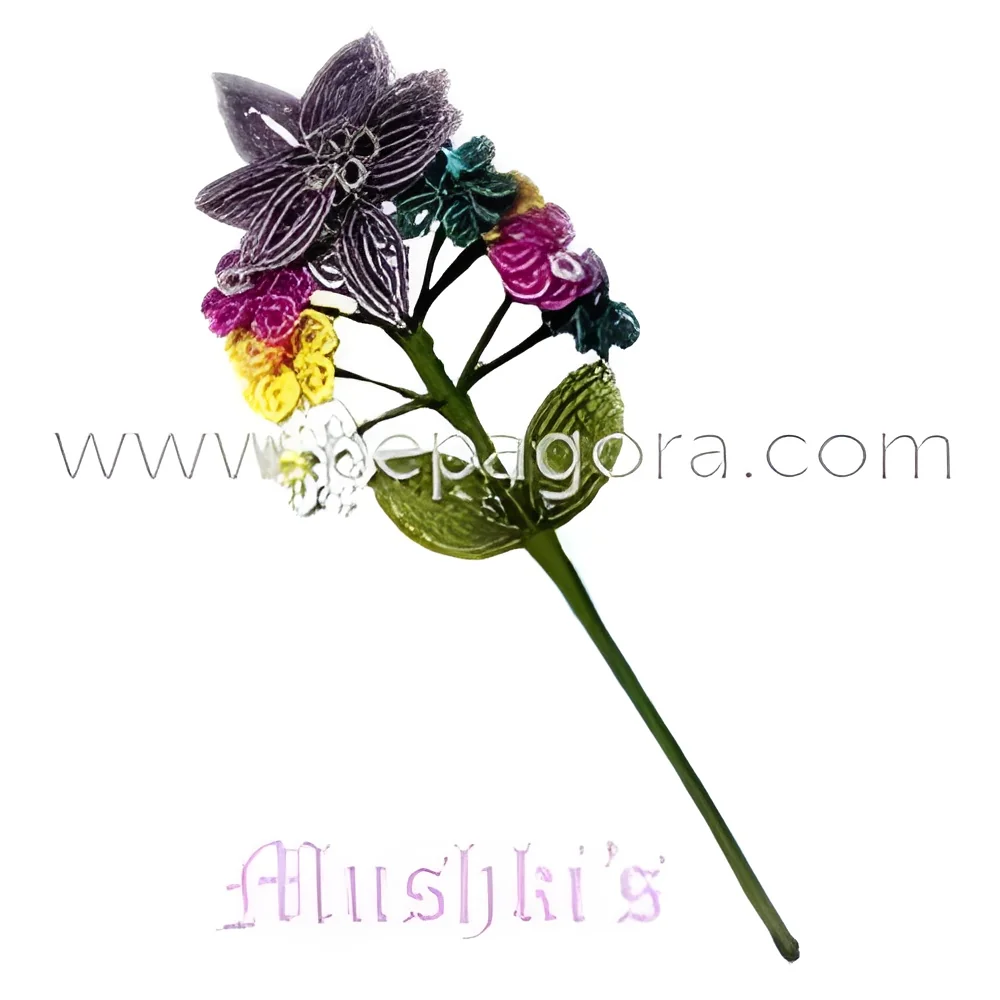
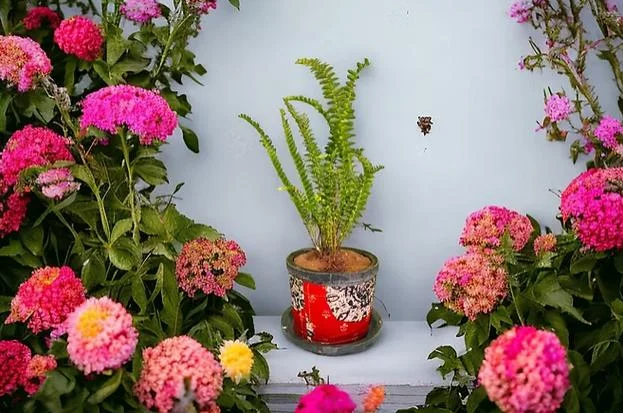
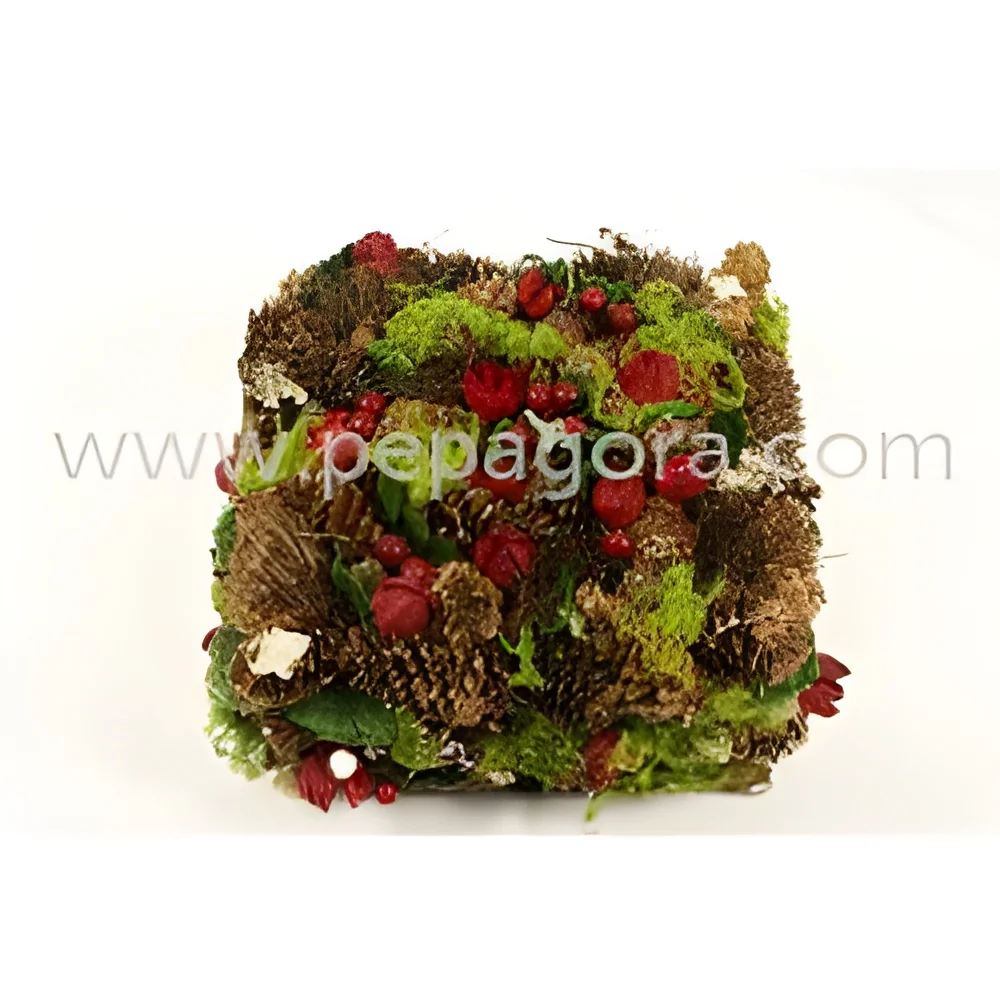
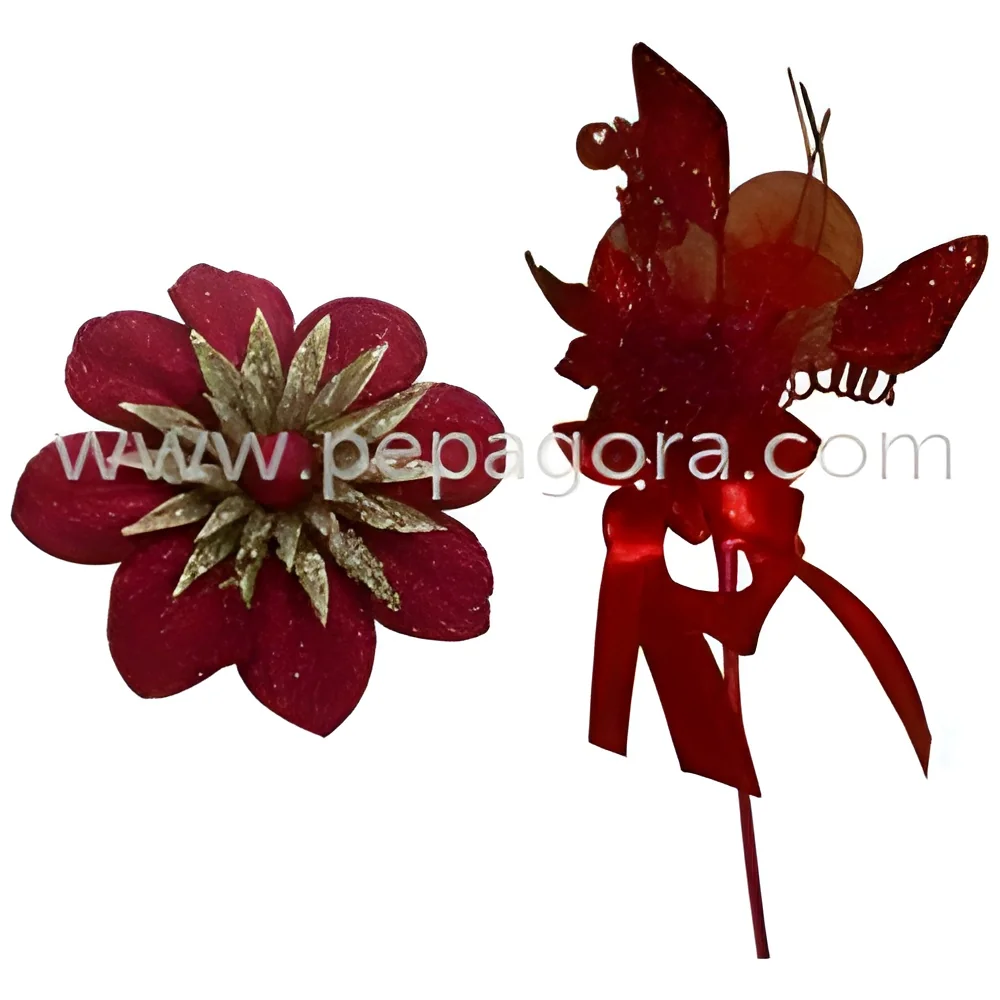
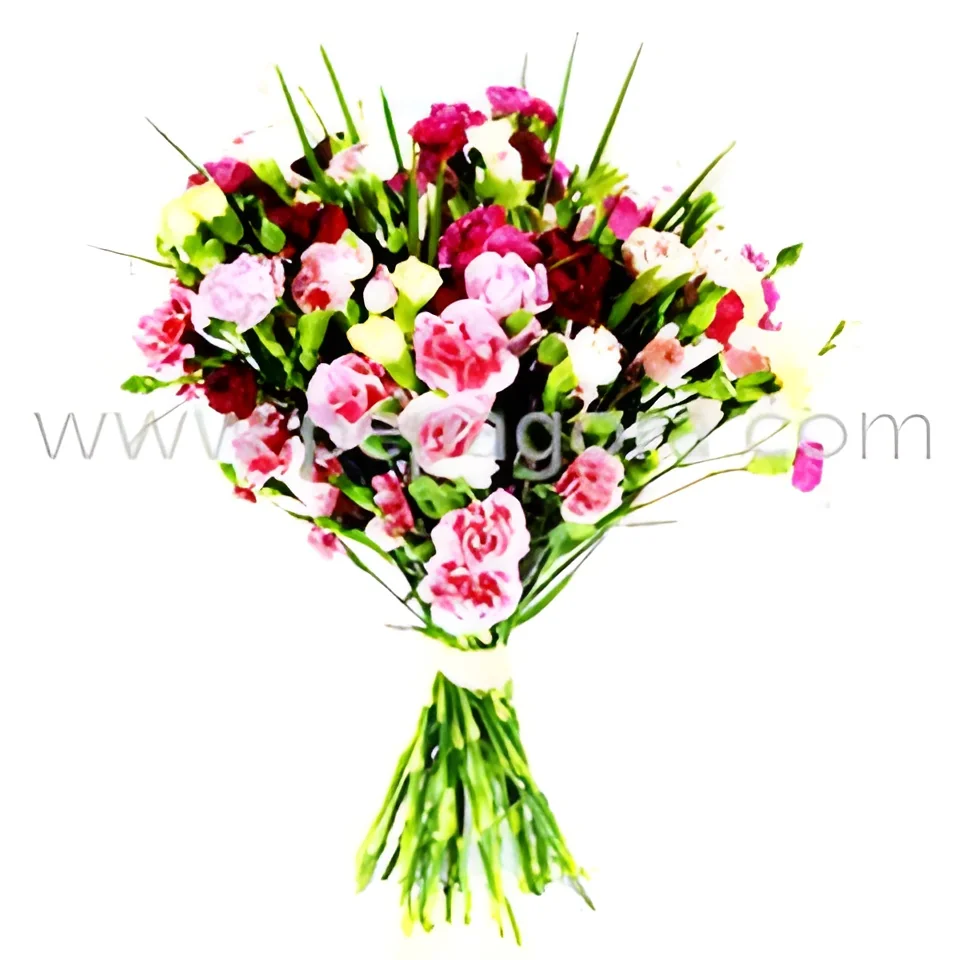
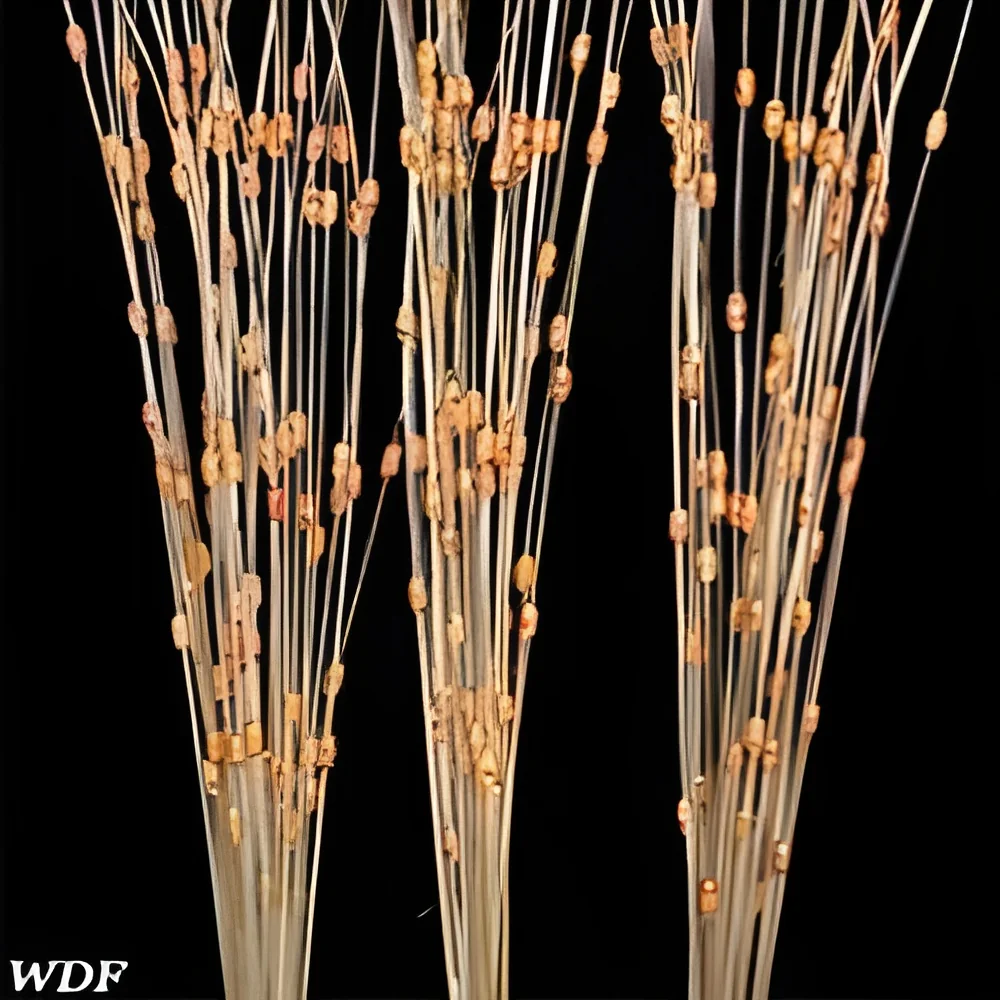
𝗪𝗵𝗮𝘁 𝗮𝗿𝗲 𝗔𝗿𝘁𝗶𝗳𝗶𝗰𝗶𝗮𝗹 𝗣𝗹𝗮𝗻𝘁𝘀 & 𝗙𝗹𝗼𝘄𝗲𝗿𝘀?
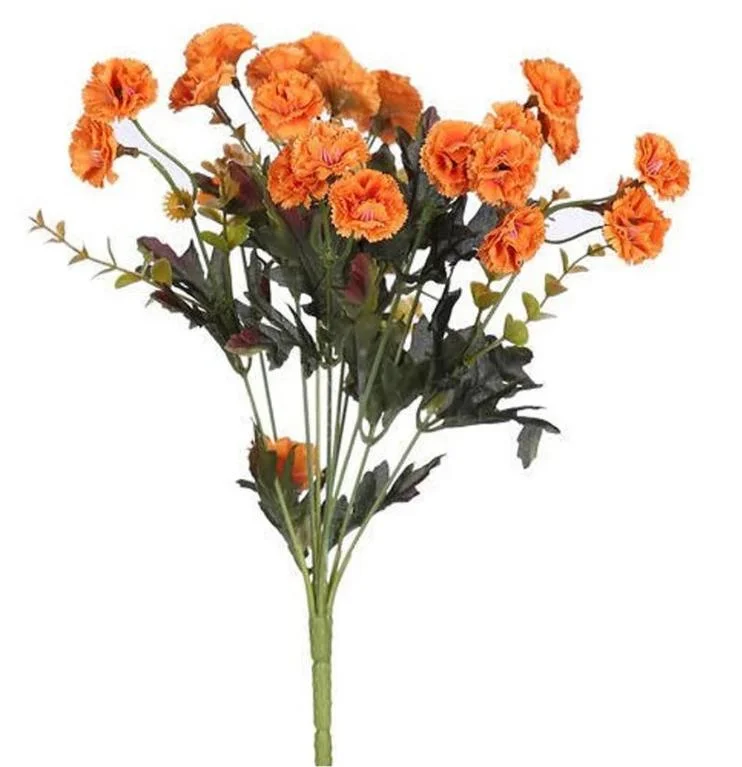
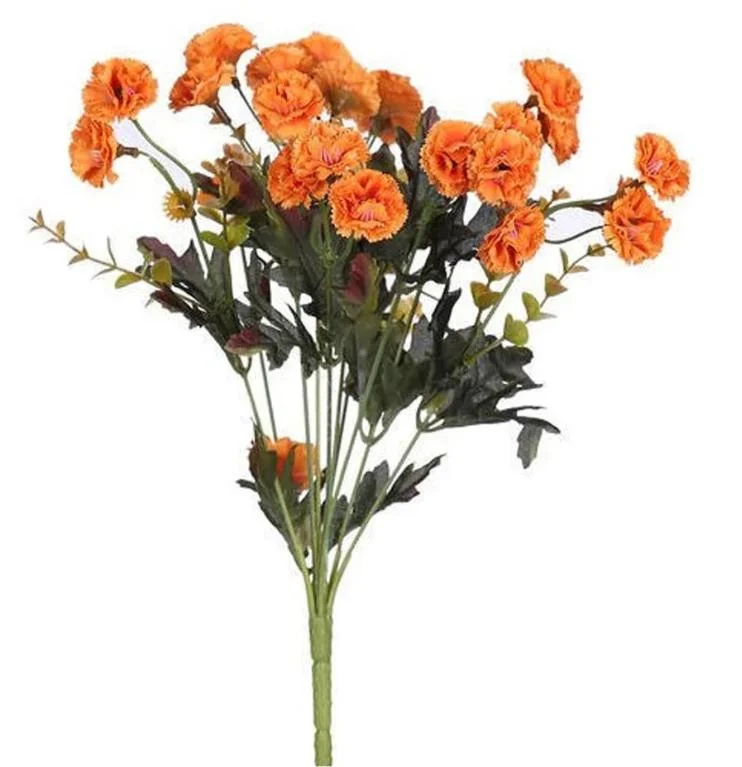
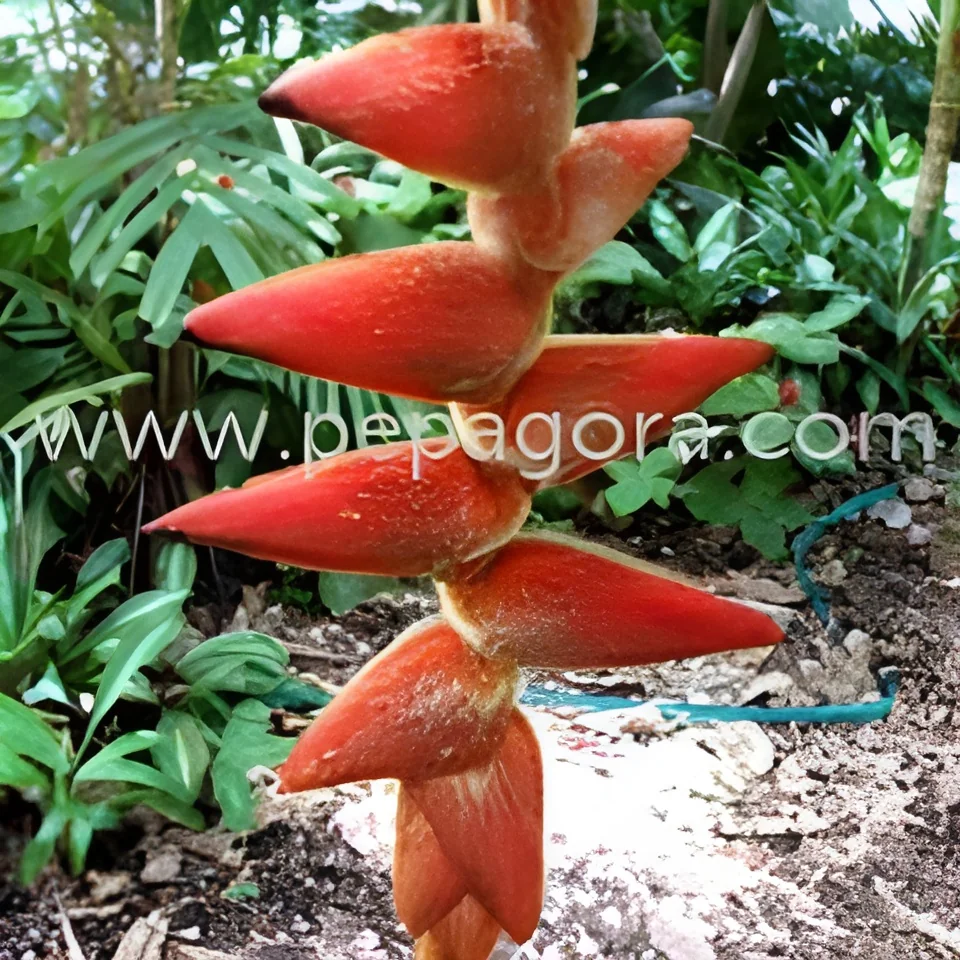
Artificial plants and flowers are crafted replicas of real flora, designed to mimic the appearance and texture of natural plants. These products are made from materials such as plastic, silk, and other synthetic substances, allowing them to maintain their shape and color without the need for water, sunlight, or soil. They offer a practical solution for enhancing spaces with greenery while eliminating the challenges associated with caring for live plants.
The primary uses of artificial plants and flowers span various business applications, including interior decoration, event planning, and product display. Businesses utilize them to create inviting environments, improve aesthetics, and convey a sense of nature in settings where real plants may not thrive. Common venues include offices, hotels, restaurants, and retail spaces. The increasing demand for low-maintenance decor solutions has solidified the relevance of artificial plants in today's market.
In terms of industry context, the market for artificial plants and flowers has seen significant growth, driven by advancements in manufacturing techniques and materials. This growth reflects a broader trend of incorporating sustainable and maintenance-free design elements into commercial and residential spaces. As businesses look for effective ways to enhance their ambiance while keeping costs manageable, artificial plants and flowers have emerged as a favored choice.
𝗞𝗲𝘆 𝗙𝗲𝗮𝘁𝘂𝗿𝗲𝘀 𝗮𝗻𝗱 𝗦𝗽𝗲𝗰𝗶𝗳𝗶𝗰𝗮𝘁𝗶𝗼𝗻𝘀
Artificial plants and flowers offer a range of features that cater to various aesthetic and functional needs. They are designed to be durable, versatile, and low-maintenance, making them suitable for diverse applications.
Key specifications include:
1. Material Composition
- Made from high-quality synthetic materials like silk, plastic, or polyester
- Resistant to fading and wear, ensuring longevity
2. Size Variability
- Available in various heights and sizes to fit different spaces
- Customizable dimensions for specific applications
3. Color Range
- Offered in a wide spectrum of colors to match any decor
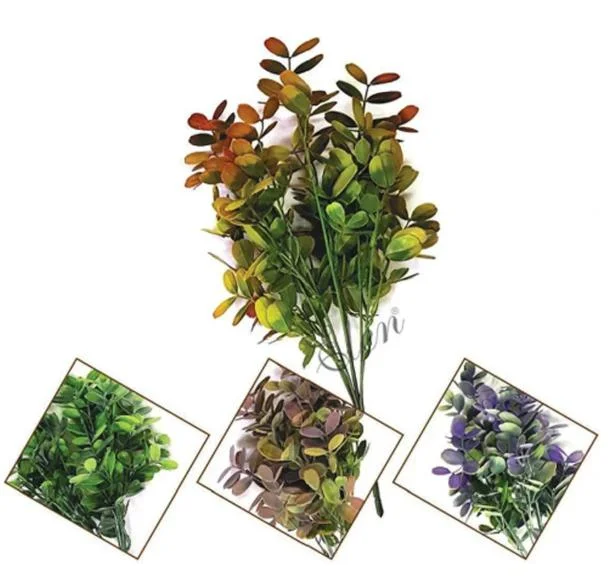
- Available in realistic shades that mimic natural plants
4. Maintenance Requirements
- Requires minimal upkeep, typically just occasional dusting
- No watering or sunlight needed
5. Fire Resistance
- Some products may meet fire safety standards, enhancing safety in commercial spaces
- Important for settings like hotels and restaurants
6. Eco-Friendly Options
- Certain variants are made from recycled materials
- Appeal to environmentally conscious consumers
7. Seasonal Adaptability
- Available in seasonal designs, suitable for holidays and events
- Allows for easy decoration changes throughout the year
8. Customization Options
- Many suppliers offer tailored solutions based on client specifications
- Includes bespoke arrangements for specific themes or events
In summary, artificial plants and flowers provide an extensive range of features and specifications that make them highly adaptable for various business needs.
𝗖𝗼𝗺𝗺𝗼𝗻 𝗔𝗽𝗽𝗹𝗶𝗰𝗮𝘁𝗶𝗼𝗻𝘀 𝗮𝗻𝗱 𝗨𝘀𝗲 𝗖𝗮𝘀𝗲𝘀
Artificial plants and flowers serve diverse industries with specific applications that enhance visual appeal and functionality.
1. Hospitality: Hotels and resorts use artificial plants to create inviting lobbies and guest rooms without the maintenance burden of real plants.
2. Retail: Stores utilize artificial florals for product displays and merchandising, drawing customer attention and enhancing brand aesthetics.
3. Event Planning: Event planners rely on artificial arrangements for weddings, corporate events, and exhibitions, ensuring beautiful decor that is cost-effective and easy to manage.
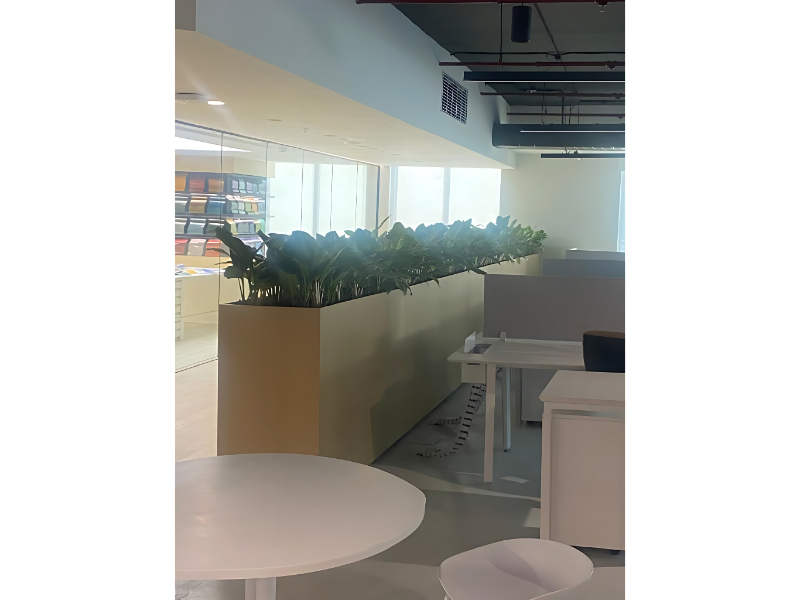
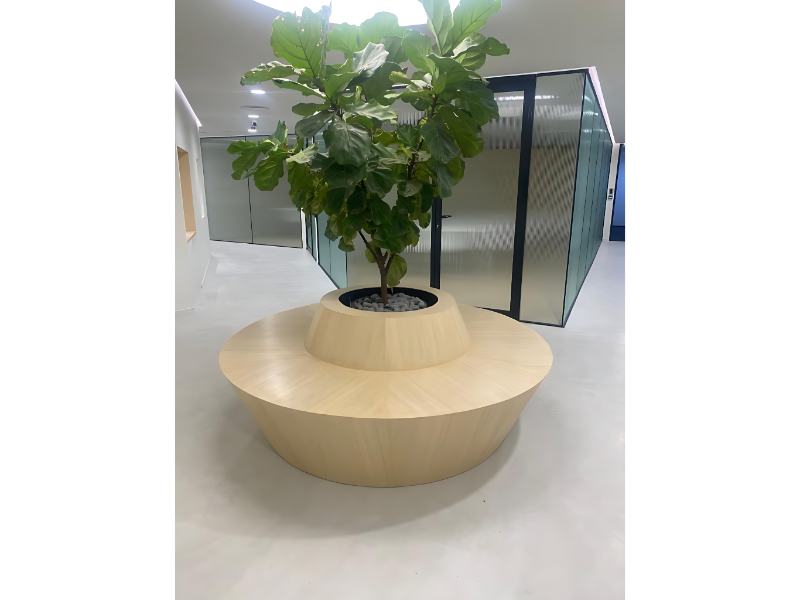
4. Corporate Offices: Businesses incorporate artificial greenery into office spaces to promote a calming environment and improve employee morale without the need for plant care.
5. Healthcare: Hospitals and clinics use artificial plants to create healing environments, enhancing aesthetics while minimizing allergens and maintenance.
6. Residential: Homeowners choose artificial plants for decoration, especially in spaces with low natural light, allowing for vibrant greenery year-round.
7. Education: Schools and universities use artificial plants in classrooms and common areas to create engaging learning environments without the upkeep.
𝗣𝗿𝗼𝗱𝘂𝗰𝘁 𝗩𝗮𝗿𝗶𝗮𝗻𝘁𝘀 𝗮𝗻𝗱 𝗦𝘂𝗯𝗰𝗮𝘁𝗲𝗴𝗼𝗿𝗶𝗲𝘀
Artificial plants and flowers are available in various types, catering to different styles and applications.
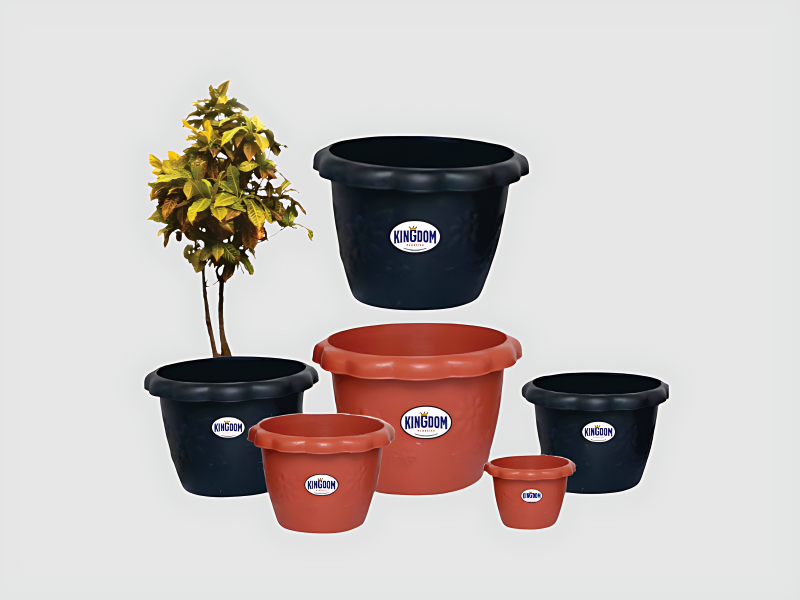
Potted Plants
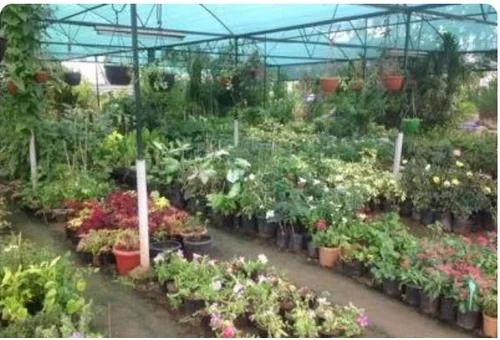
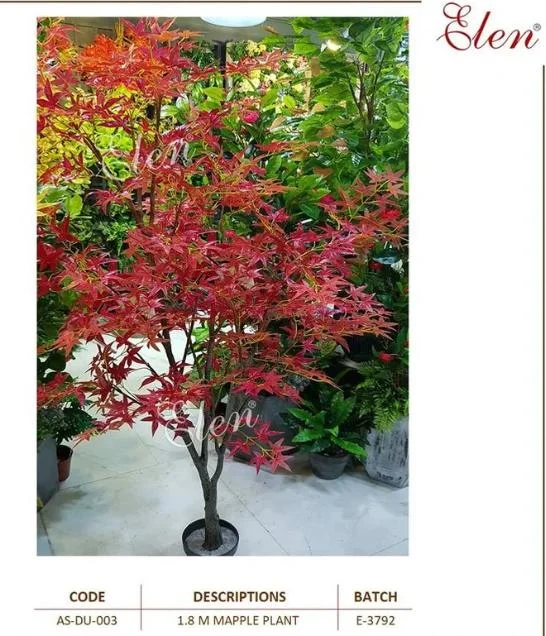
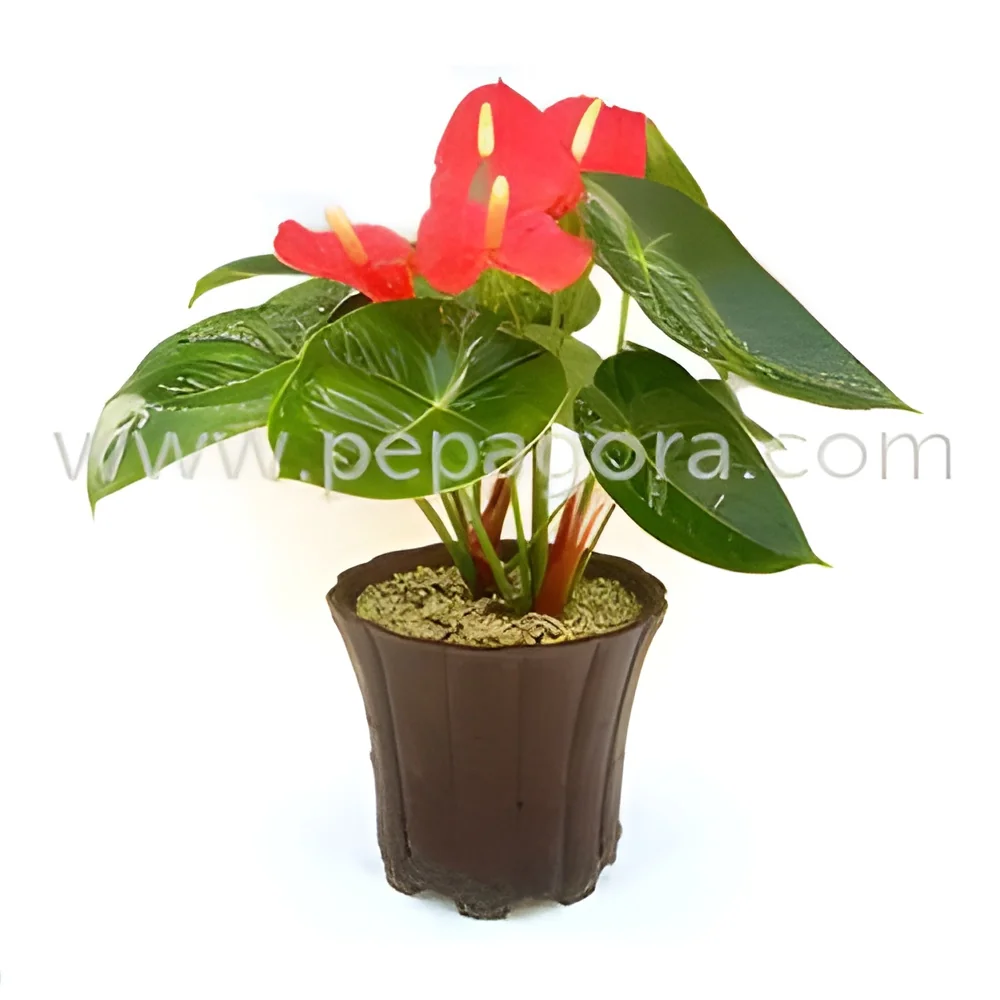
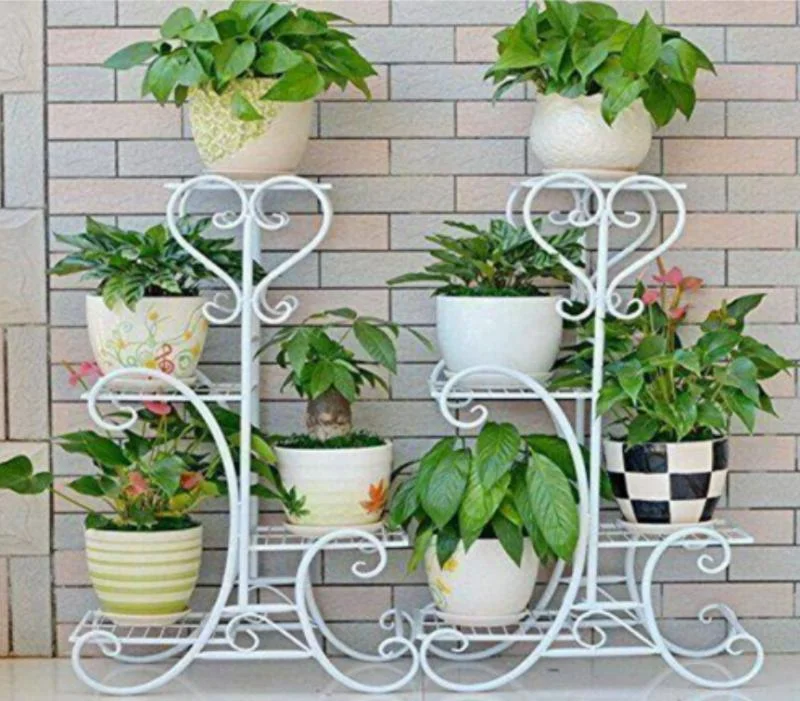
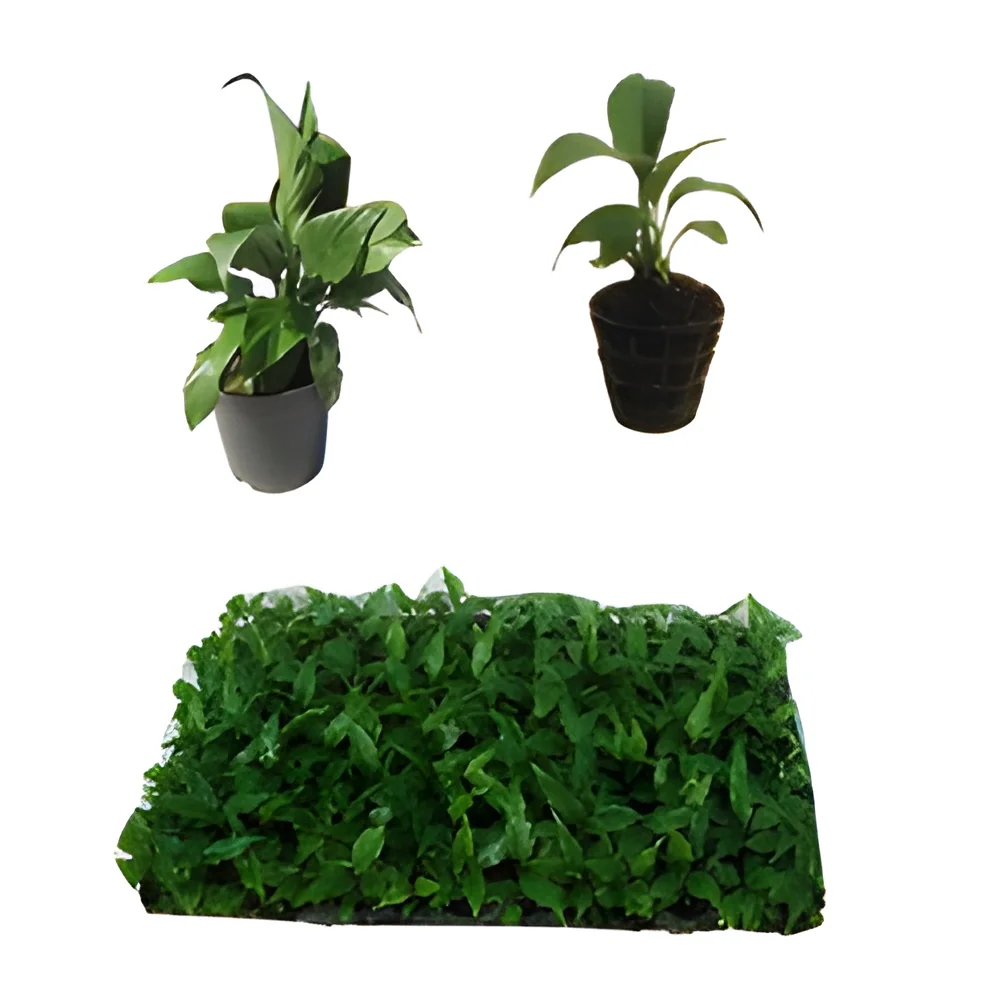
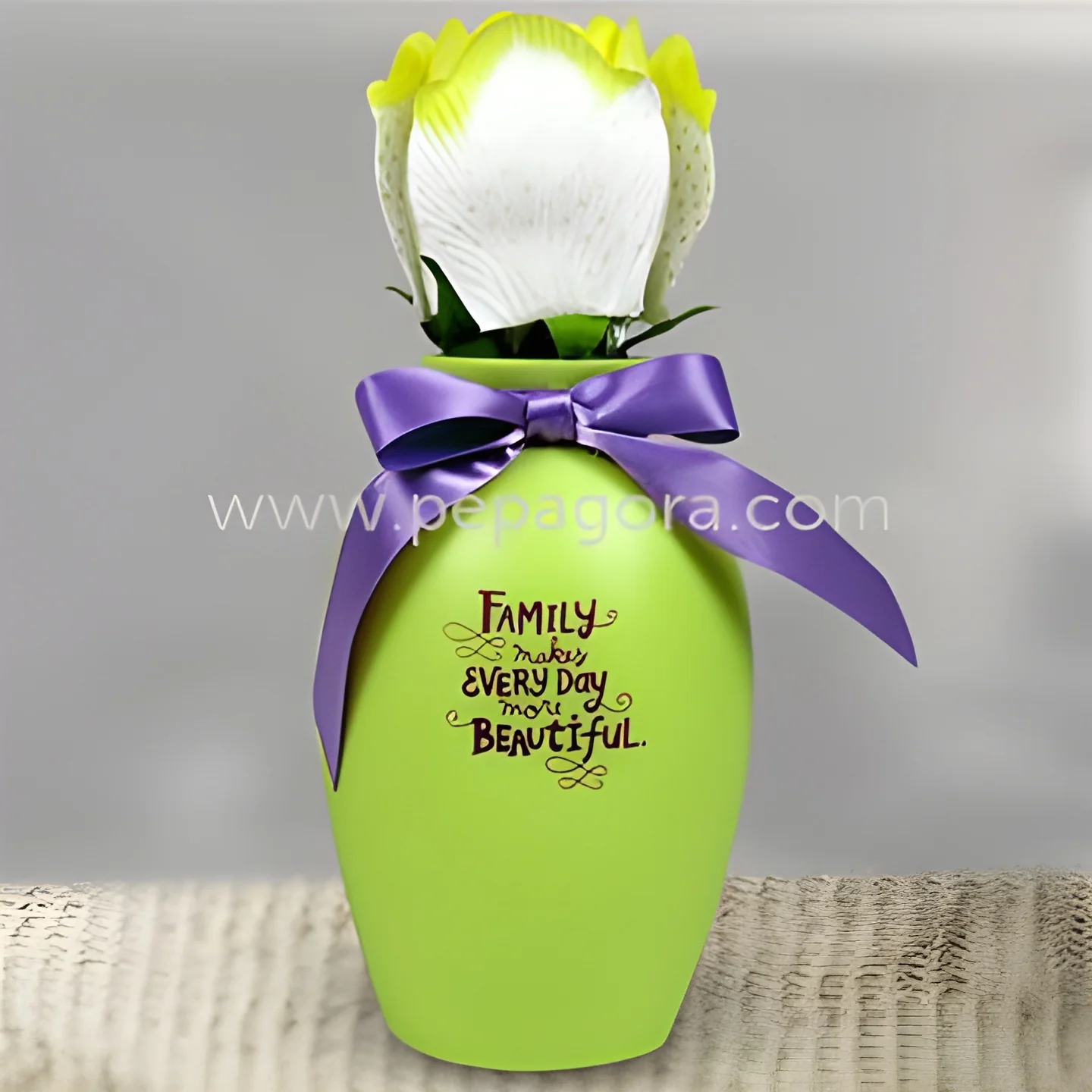
These are designed to look like real plants in pots, suitable for indoor or outdoor settings. They come in various species, sizes, and pot designs, allowing for easy integration into any decor.
Floral Arrangements
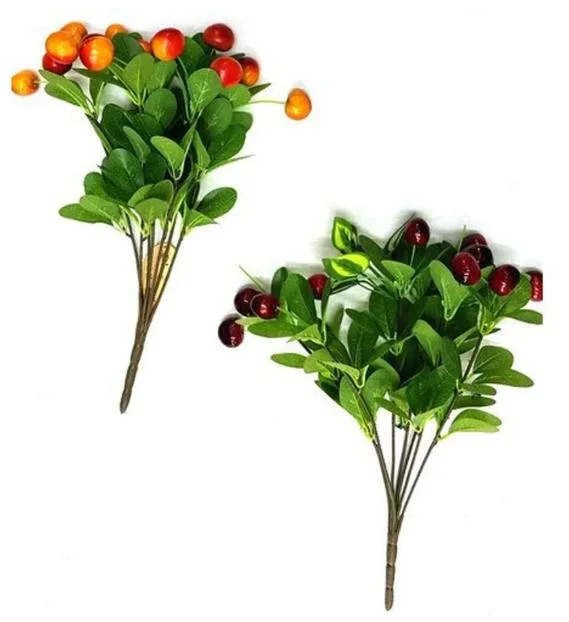
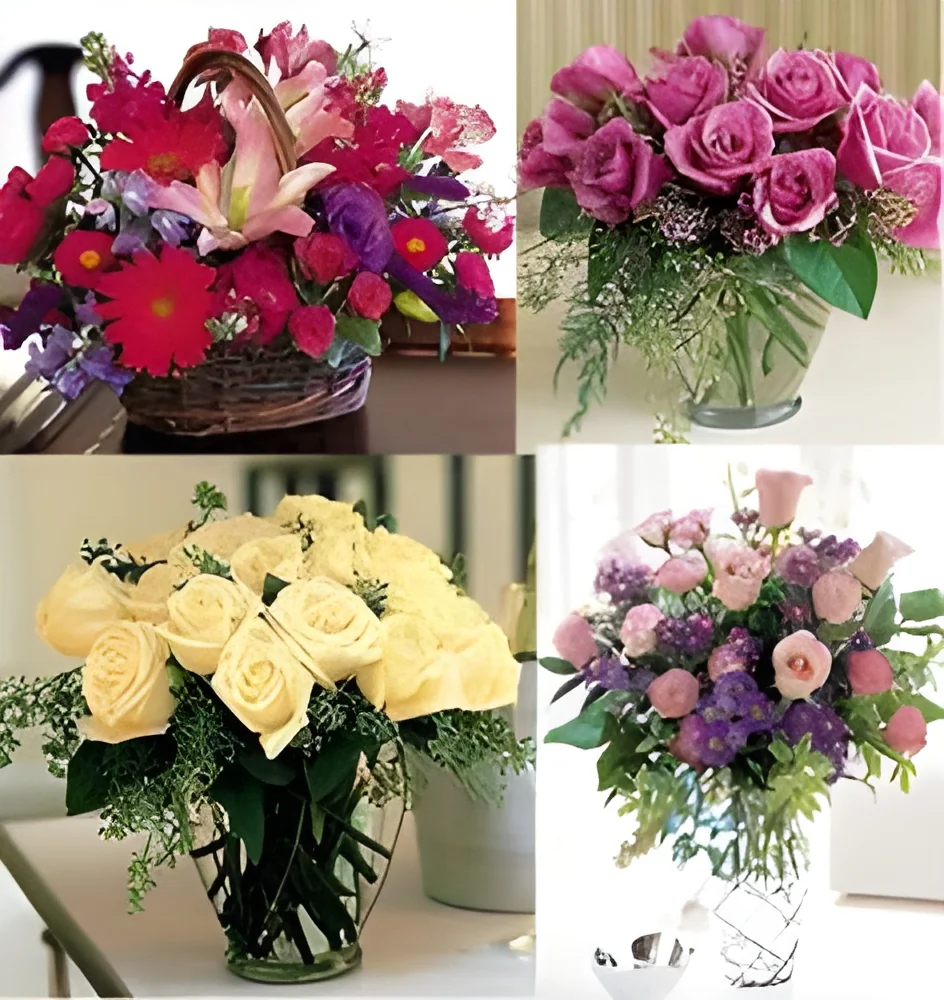
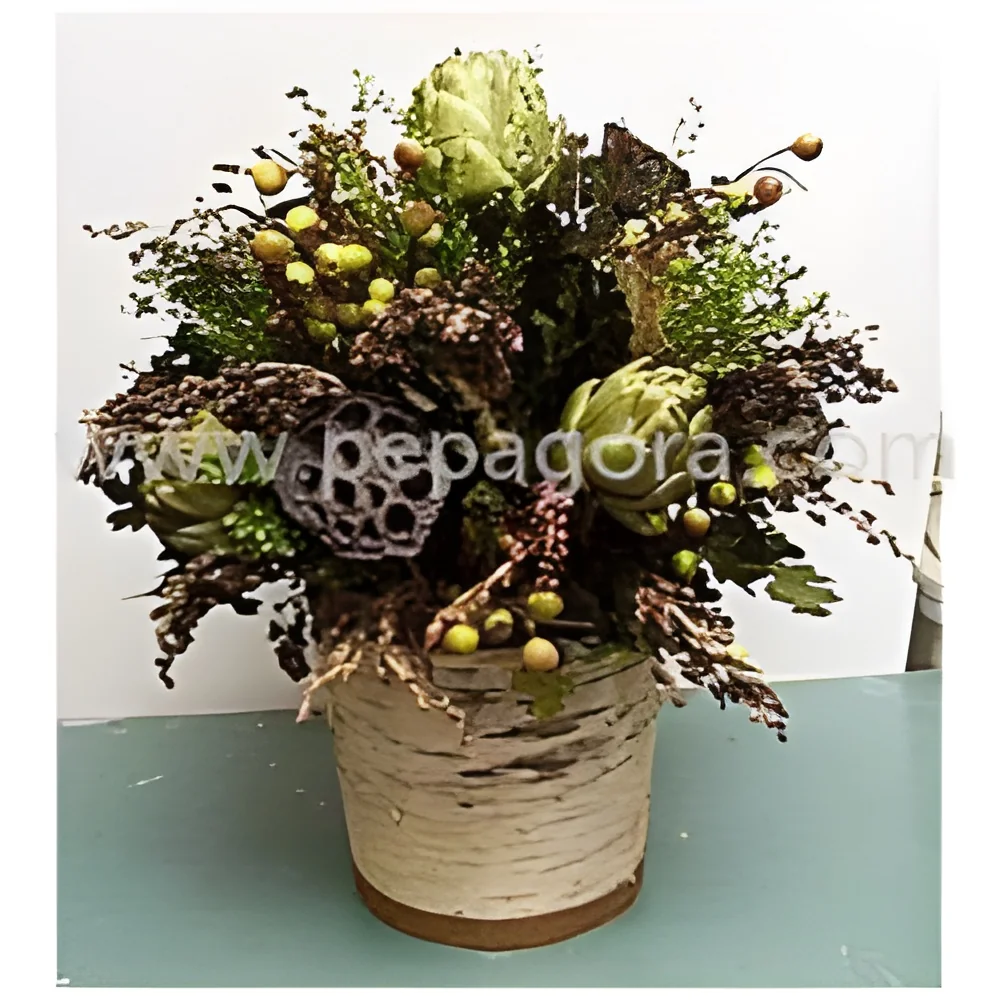
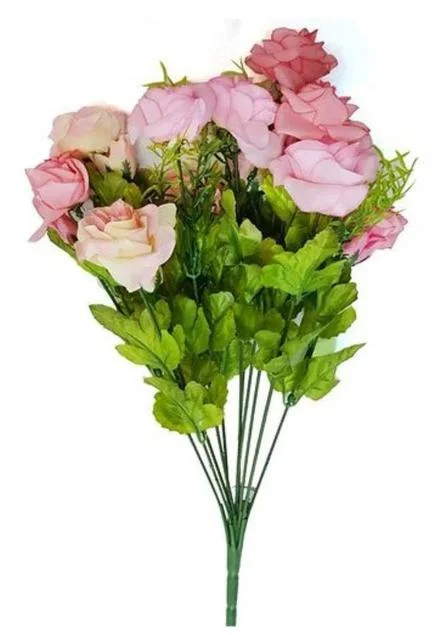
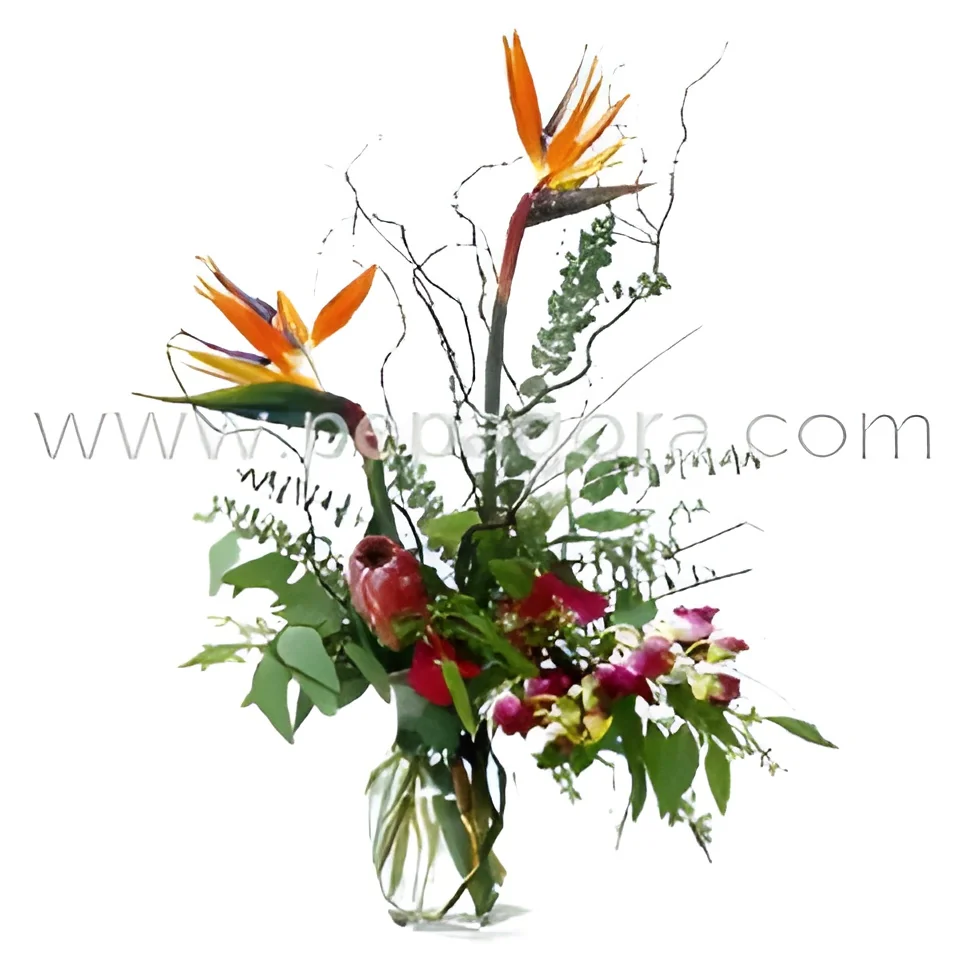
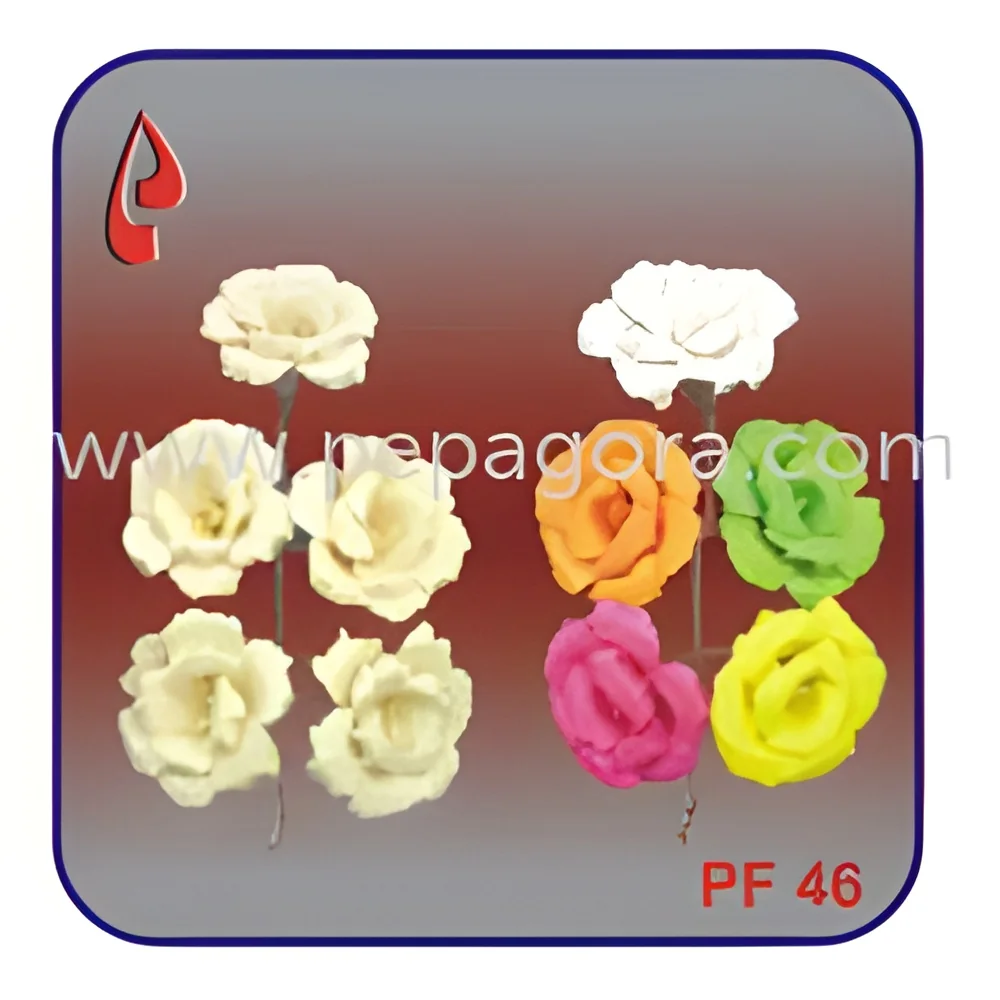
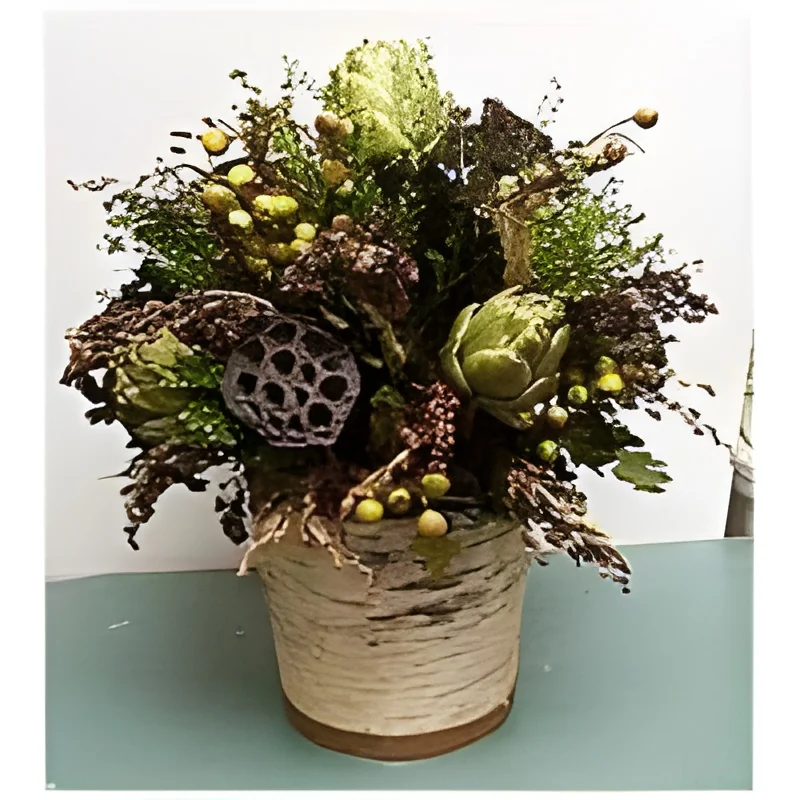
These feature a combination of flowers and foliage, often designed for table centerpieces or decorative displays. They can be customized for specific themes, such as weddings or corporate events.
Hanging Plants
Ideal for vertical spaces, hanging plants add dimension to decor. They are perfect for areas where floor space is limited and are available in various styles and colors.
Wall Decor
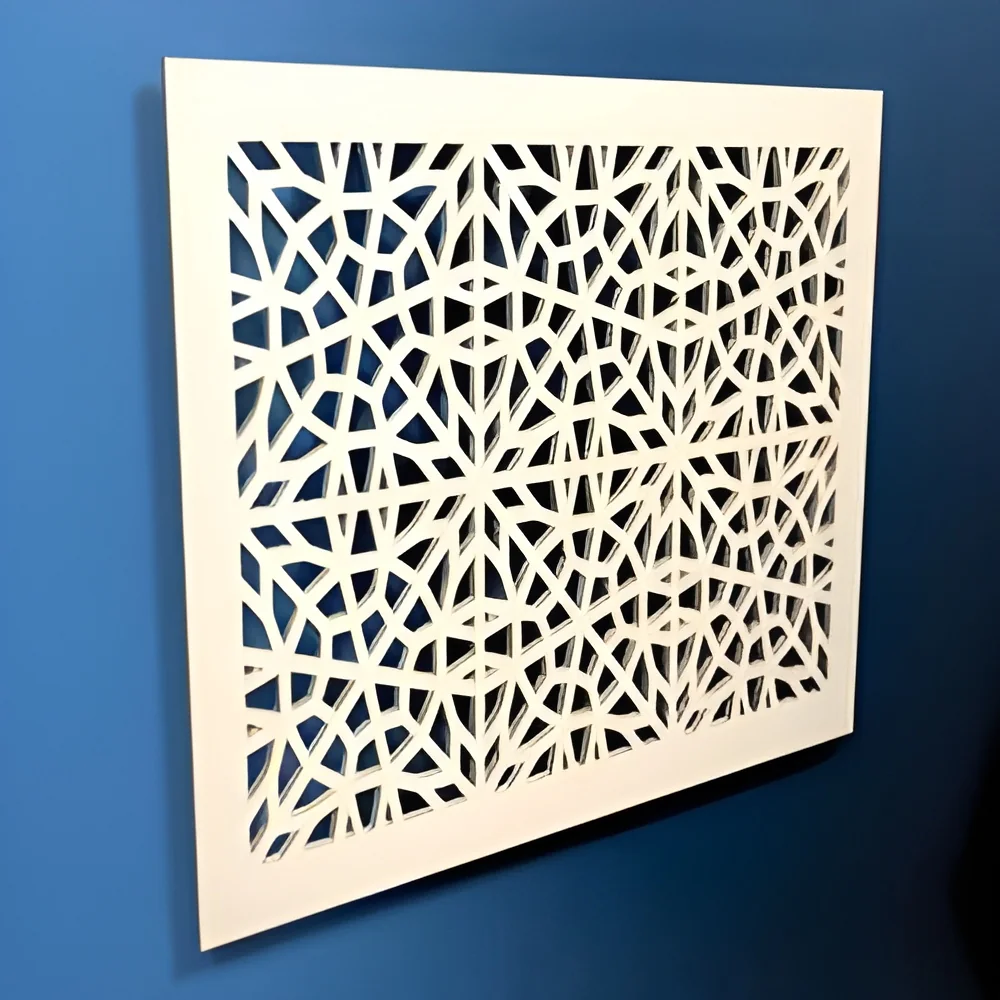
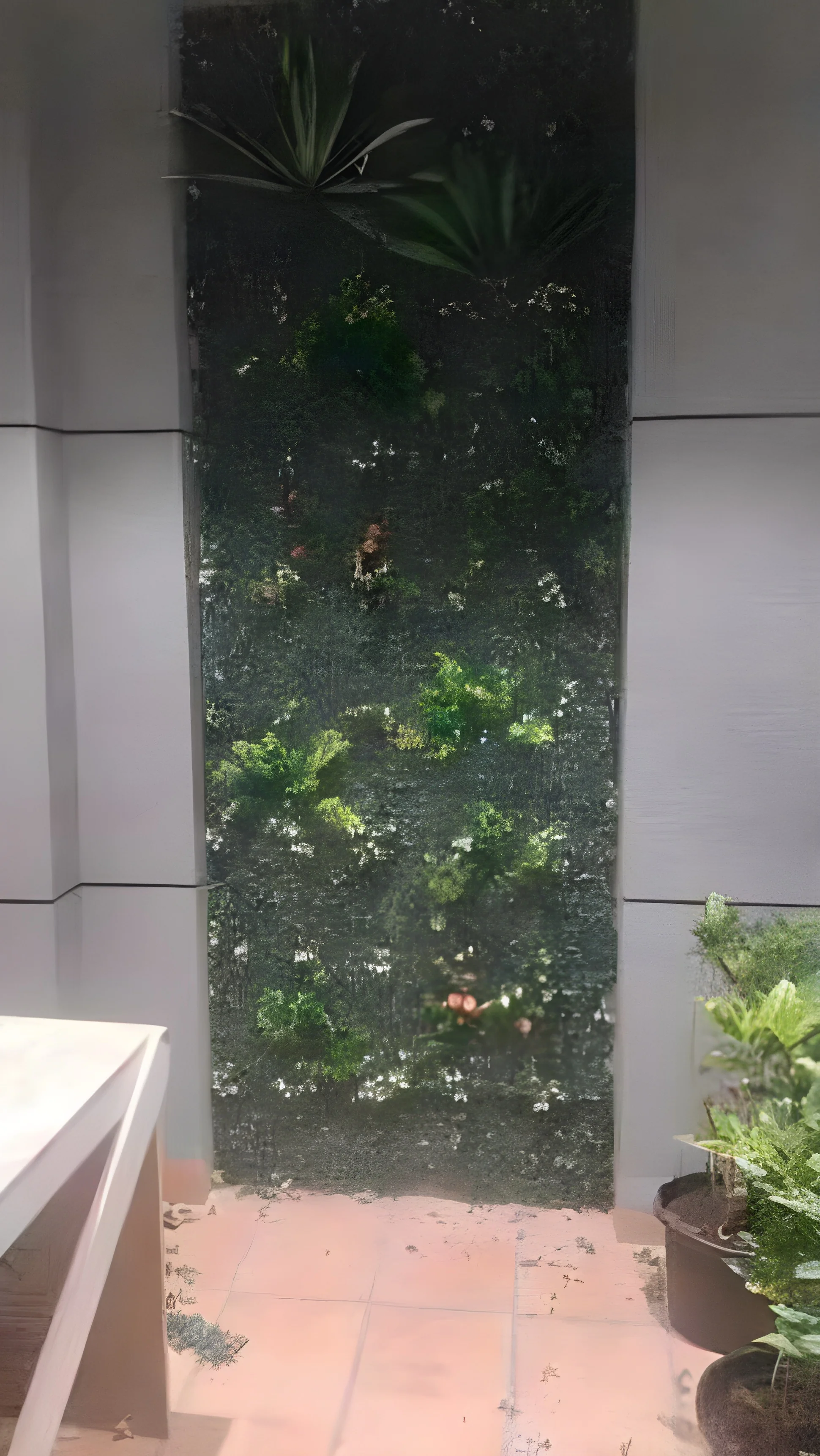
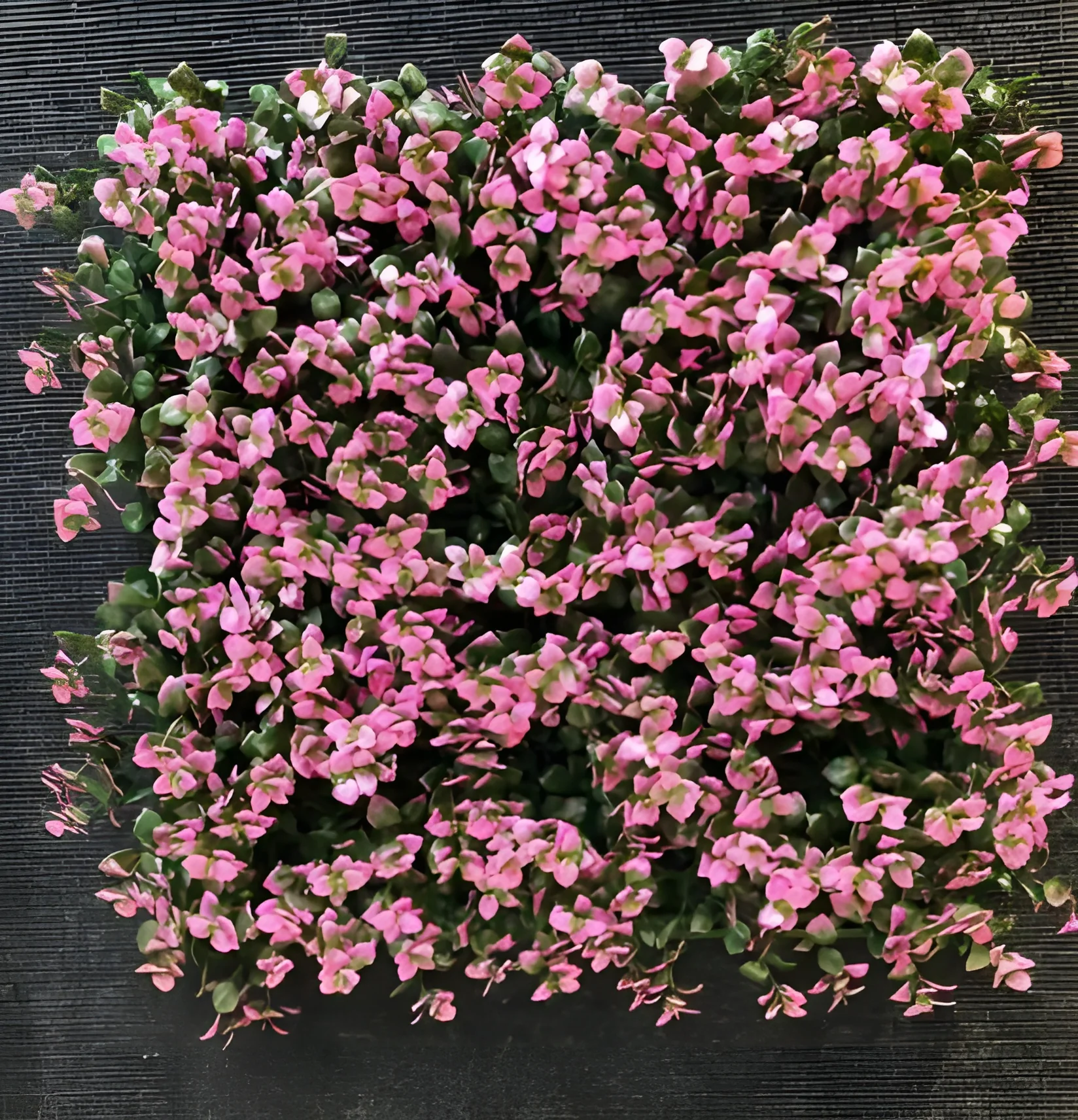
Artificial plants can be integrated into wall art or vertical gardens, offering innovative ways to incorporate greenery into interior design. They are often used in modern office spaces and residential areas.
𝗕𝗲𝗻𝗲𝗳𝗶𝘁𝘀 𝗮𝗻𝗱 𝗔𝗱𝘃𝗮𝗻𝘁𝗮𝗴𝗲𝘀
Artificial plants and flowers offer numerous advantages that make them an attractive choice for businesses.
1. Low Maintenance: Unlike live plants, artificial options do not require watering, pruning, or sunlight, saving time and resources.
2. Long Lifespan: Made from durable materials, artificial plants maintain their appearance for years, making them a cost-effective investment.
3. Versatility: They can be used in various settings, from offices to events, and are available in numerous styles and colors.
4. Allergy-Friendly: Artificial plants do not produce pollen or other allergens, making them suitable for sensitive environments like healthcare facilities.
5. Year-Round Availability: With artificial plants, businesses can enjoy greenery regardless of seasonal changes or climate conditions.
6. Customization: Many suppliers offer tailored solutions, allowing businesses to create unique arrangements that suit their branding and decor.
𝗕𝘂𝘆𝗶𝗻𝗴 𝗚𝘂𝗶𝗱𝗲 𝗳𝗼𝗿 𝗕𝟮𝗕 𝗕𝘂𝘆𝗲𝗿𝘀
When sourcing artificial plants and flowers, B2B buyers should consider several important factors to ensure a satisfactory purchase.
1. Quality Assessment: Evaluate the quality of materials and craftsmanship. Look for products that are durable and realistic in appearance to enhance the overall decor.
2. Supplier Verification: Conduct thorough research to ensure that suppliers are reputable. Check for customer reviews and ask for references to confirm their reliability.
3. Pricing and MOQ: Understand the pricing structure and minimum order quantities. This helps in budgeting and ensures that you get the best value for your investment.
4. Delivery and Lead Times: Inquire about delivery schedules and lead times to ensure that products arrive when needed. This is crucial for event planning and seasonal displays.
5. Compliance Requirements: Be aware of any regulatory needs, including safety standards and certifications, particularly when sourcing for public spaces.
𝗖𝗼𝗺𝗽𝗹𝗶𝗮𝗻𝗰𝗲 𝗮𝗻𝗱 𝗖𝗲𝗿𝘁𝗶𝗳𝗶𝗰𝗮𝘁𝗶𝗼𝗻𝘀
Artificial plants and flowers are subject to various industry standards and certifications that ensure product quality and safety. Relevant quality standards may include ISO 9001, which focuses on quality management systems, ensuring that manufacturers adhere to stringent quality controls throughout production.
In addition, compliance with CE certification indicates that products meet EU safety and health standards. This is particularly important for businesses operating in regions where such regulations apply.
Safety and testing requirements are crucial, especially for products used in public spaces. Manufacturers should conduct thorough testing to ensure that materials used are non-toxic and safe for indoor use.
Finally, regional compliance considerations may vary, so it is essential for buyers to understand local regulations regarding synthetic materials and safety standards to avoid any legal issues.
𝗪𝗵𝘆 𝗦𝗼𝘂𝗿𝗰𝗲 𝗔𝗿𝘁𝗶𝗳𝗶𝗰𝗶𝗮𝗹 𝗣𝗹𝗮𝗻𝘁𝘀 & 𝗙𝗹𝗼𝘄𝗲𝗿𝘀 𝗳𝗿𝗼𝗺 𝗣𝗲𝗽𝗮𝗴𝗼𝗿𝗮?
Pepagora provides a trusted platform for sourcing artificial plants and flowers, offering several key advantages that benefit B2B buyers.
Verified Supplier Network: Pepagora connects buyers with a network of verified suppliers, ensuring that every seller meets high standards of quality and reliability. This reduces the risk of sourcing from untrustworthy vendors.
Streamlined RFQ Process: The request for quotation (RFQ) system simplifies the procurement process. Buyers can easily request quotes from multiple suppliers, allowing for competitive pricing and better decision-making.
Trade Assurance and Support: Pepagora offers trade assurance, providing buyer protection throughout the purchasing process. This ensures that buyers receive the products as described and on time.
Regional Coverage: With a broad geographic reach that includes India, the GCC, and Southeast Asia, Pepagora can cater to diverse markets. This makes it easier for businesses to find suitable suppliers regardless of their location.
In conclusion, Pepagora is committed to facilitating a reliable and efficient sourcing experience for artificial plants and flowers, helping businesses enhance their environments with ease.

 IN
IN