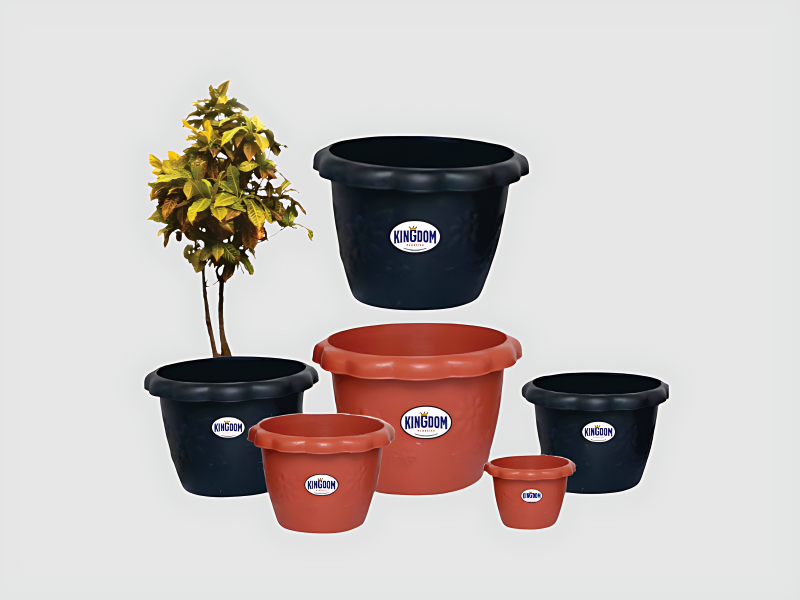
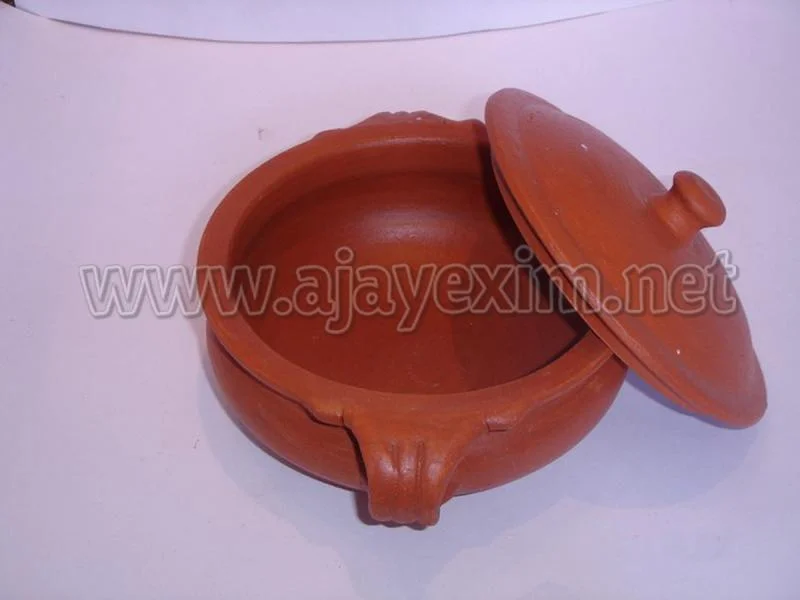
What are Ceramic & Terracotta Look Pots?
Ceramic and terracotta look pots are decorative containers made from materials designed to mimic the appearance of traditional ceramics and terracotta. These products are often crafted from a variety of durable materials that offer aesthetic appeal as well as practical functionality. Designed in a range of styles and sizes, these pots are utilized in both indoor and outdoor settings. Their visual similarity to ceramic and terracotta makes them popular among consumers who appreciate classic design but seek more lightweight or cost-effective options.
These pots are primarily used in horticulture, landscaping, and interior design. Businesses such as nurseries, garden centers, and home decor retailers frequently stock these items, catering to both commercial and residential customers. Their versatility allows for a wide array of uses, from showcasing plants and flowers to serving as standalone decorative pieces. In an increasingly eco-conscious market, the ability to offer visually appealing yet sustainable products positions companies favorably within the industry.
Ceramic and terracotta look pots are relevant in various market segments, including gardening, home décor, and event planning. As consumers lean toward sustainable and aesthetically pleasing options, the demand for such products continues to grow. This trend has led to increased competition among manufacturers and suppliers, emphasizing the need for quality and innovative designs.
Key Features and Specifications
Ceramic and terracotta look pots come with a variety of features that make them appealing to businesses and consumers alike. Understanding these specifications is crucial for making informed purchasing decisions.
Key specifications include:
1. Material Composition
- Typically made from high-quality plastics or composites
- Designed to closely resemble ceramic and terracotta finishes
2. Size Options
- Available in various diameters and heights
- Common sizes range from small (6 inches) to large (24 inches)
3. Drainage Features
- Many pots include drainage holes to prevent waterlogging
- Some models feature removable trays for easier maintenance
4. Color Variability
- Offered in a wide array of colors to suit different aesthetic preferences
- Custom color options may be available from certain manufacturers
5. Weather Resistance
- Designed to withstand varying outdoor conditions
- UV-resistant coatings available to prevent fading
6. Lightweight Design
- Significantly lighter than traditional ceramic or terracotta pots
- Easier to handle and transport for retail and consumers
7. Customization Options
- Potential for branding or decorative customization
- Some manufacturers offer personalized designs for bulk orders
8. Sustainability Features
- Some products made from recycled materials
- Eco-friendly options available in certain lines
In summary, ceramic and terracotta look pots feature a variety of specifications that enhance their functionality and aesthetic appeal. Businesses should consider these features when selecting products to meet customer demands.
Common Applications and Use Cases
Ceramic and terracotta look pots serve various industries, each benefiting from their unique characteristics.
1. Horticulture: These pots are widely used in nurseries and garden centers, allowing for attractive plant displays. Their lightweight design is ideal for plant transport and arrangement.
2. Home Decor: Retailers utilize these pots as decorative items for indoor and outdoor spaces. They can enhance the aesthetic of homes and businesses, making them popular among interior designers.
3. Event Planning: Event planners often incorporate these pots into decorations for weddings and corporate events. Their versatility allows for creative arrangements that suit various themes.
4. Landscaping: Landscape architects use these pots to create visually appealing outdoor spaces. They can add height and dimension to gardens while providing functional plant housing.
5. Retail Displays: Retailers use these pots to enhance product displays, attracting customers with their attractive designs. They can also serve as point-of-sale items for additional revenue.
6. Educational Institutions: Schools may use these pots for educational gardening projects, encouraging students to engage with nature. They serve as practical tools for teaching about plant care.
7. Hospitality: Hotels and restaurants may incorporate these pots into their outdoor and indoor decor. They can improve ambiance and provide a welcoming atmosphere for guests.
Product Variants and Subcategories
Ceramic and terracotta look pots are diverse, allowing businesses to cater to various customer needs.
Classic Terracotta Style
This variant mimics the traditional terracotta finish, offering a rustic look. It is ideal for outdoor use and complements natural landscaping.
Modern Ceramic Finish
This variant features a sleek and contemporary design, suitable for indoor applications. It often comes in vibrant colors, appealing to modern decor enthusiasts.
Vintage Aesthetic
These pots are designed to resemble aged ceramic and terracotta. They are perfect for creating a nostalgic feel in gardens and interior spaces.
Textured Designs
These pots feature unique textures that enhance their appearance. They are popular for decorative purposes and can serve as eye-catching focal points.
Benefits and Advantages
Ceramic and terracotta look pots offer several advantages that make them an attractive choice for consumers and businesses.
1. Aesthetic Appeal: These pots provide the classic look of ceramic and terracotta without the weight or fragility. They enhance the visual appeal of any space.
2. Durability: Made from resilient materials, these pots can withstand various environmental conditions, ensuring longevity and usability.
3. Lightweight: Their lightweight nature makes them easy to handle, transport, and arrange, which is particularly beneficial for retailers and event planners.
4. Cost-Effective: Compared to traditional ceramic and terracotta options, these pots are often more affordable, providing cost savings for businesses.
5. Versatility: Suitable for both indoor and outdoor use, these pots can accommodate a variety of plants and decorative purposes.
6. Customization Potential: Many manufacturers offer options for branding or personalization, allowing businesses to create unique products that stand out in the market.
Buying Guide for B2B Buyers
When sourcing ceramic and terracotta look pots, businesses should consider several key factors to ensure they make informed purchases.
1. Quality Assessment: Buyers should evaluate the materials used and the overall craftsmanship of the pots to ensure they meet quality standards. Checking for durability and finish is essential.
2. Supplier Verification: It is crucial to vet suppliers to ensure they have a reliable track record. Researching reviews and requesting samples can help ascertain supplier credibility.
3. Pricing and MOQ: Understanding the price range and minimum order quantities (MOQ) is important for budget planning. Buyers should compare prices across different suppliers for the best value.
4. Delivery and Lead Times: Assessing logistics is vital. Buyers should inquire about delivery times and shipping options to ensure timely product availability.
5. Compliance Requirements: Businesses should be aware of any regulatory compliance needed for products, including safety standards and certifications, to avoid potential issues.
Compliance and Certifications
Ceramic and terracotta look pots must adhere to relevant quality standards and certifications to ensure safety and reliability.
ISO 9001 is a widely recognized standard that outlines requirements for quality management systems. Manufacturers should aim for compliance to demonstrate their commitment to quality.
CE certification is also significant for products sold in the European market. This certification indicates that the product meets European safety, health, and environmental protection standards.
Safety and testing requirements are crucial to ensure that products are safe for consumers and meet applicable regulations. Buyers should confirm that manufacturers conduct necessary tests before placing orders.
Additionally, regional compliance considerations may vary by location. Understanding local regulations can help avoid potential legal issues and ensure product acceptance in target markets.
Why Source Ceramic & Terracotta Look Pots from Pepagora?
Pepagora provides a trusted platform for sourcing ceramic and terracotta look pots, offering several key advantages to B2B buyers.
Verified Supplier Network: Pepagora ensures that all suppliers are thoroughly vetted, providing buyers with confidence in the quality and reliability of their products. This network allows for peace of mind when sourcing goods.
Streamlined RFQ Process: The request for quotation (RFQ) process is designed to be user-friendly, enabling buyers to easily request and receive quotes from multiple suppliers. This efficiency helps in making quicker purchasing decisions.
Trade Assurance and Support: Pepagora offers trade assurance to protect buyers against potential issues, such as delivery delays or product quality concerns. This added layer of security enhances the sourcing experience.
Regional Coverage: With a strong presence in India, the GCC, and Southeast Asia, Pepagora ensures that buyers can access a wide range of products from various suppliers across these regions. This geographic reach provides opportunities for diverse sourcing options and competitive pricing.

 IN
IN