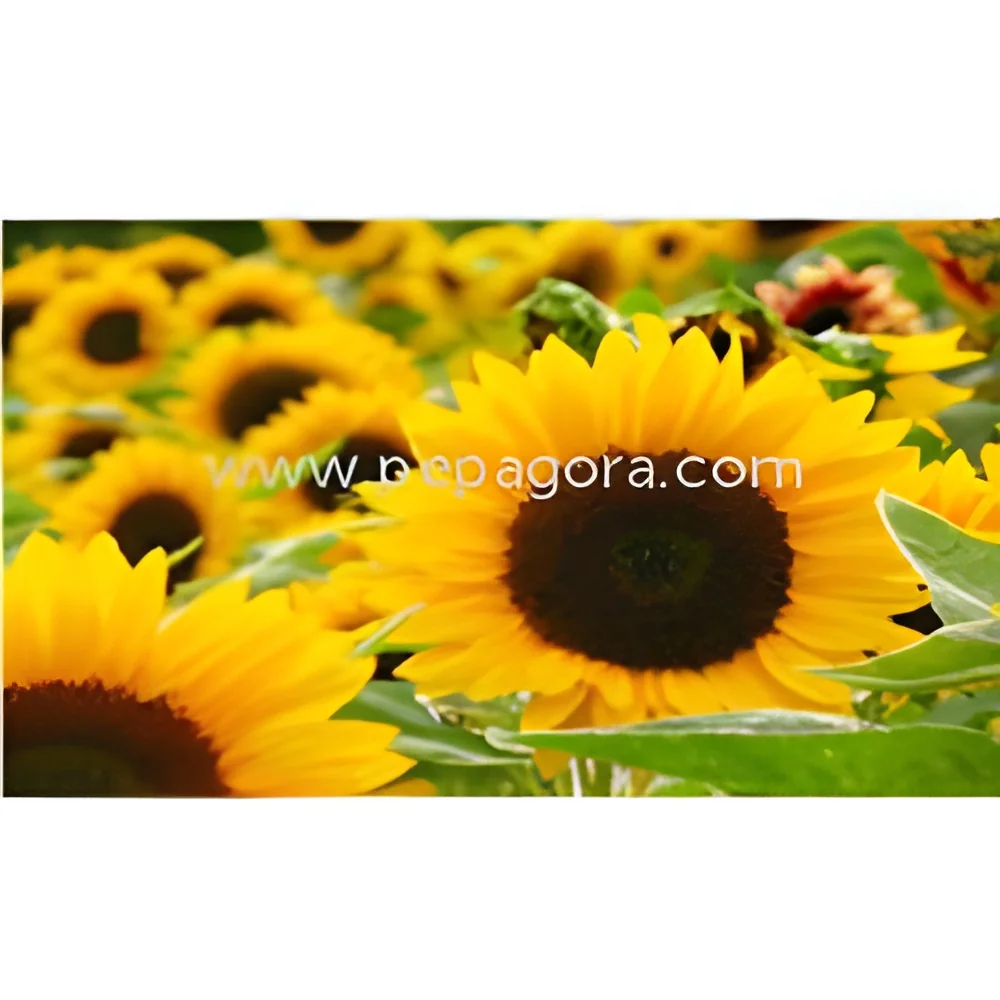
What are Tulips, Sunflowers & Daisies?
Tulips, sunflowers, and daisies are popular flowering plants known for their striking appearances and versatility in various applications. Tulips are characterized by their cup-shaped blooms that come in a wide range of colors. Sunflowers are easily recognized by their large, round flower heads that follow the sun, while daisies are known for their simple yet elegant white petals surrounding a yellow center. Each of these flowers has unique characteristics that make them suitable for different uses in both ornamental and functional contexts.
In the business world, tulips, sunflowers, and daisies find applications across multiple sectors. They are commonly used in floral arrangements for events, weddings, and corporate gifts. Additionally, these flowers play a role in agricultural industries, where they are cultivated for seeds, ornamental value, and even for research purposes. The market for these flowers is significant, with demand driven by both aesthetic appeal and their cultural symbolism in various regions.
Key Features and Specifications
Tulips, sunflowers, and daisies possess distinctive features that set them apart from other flowering plants. Their specifications provide essential information for buyers seeking quality products.
Key specifications include:
1. Flower Type
- Tulips: Known for their smooth, elongated petals and vibrant colors.
- Sunflowers: Notable for their large, seed-filled heads and tall stalks.
- Daisies: Recognized for their simple, classic shape and bright centers.
2. Growth Conditions
- Tulips thrive in well-drained soil and require moderate watering.
- Sunflowers prefer full sun and can tolerate drought conditions once established.
- Daisies grow well in a variety of soils, typically preferring full sun.
3. Blooming Season
- Tulips typically bloom in early spring.
- Sunflowers bloom in mid-summer.
- Daisies can bloom from spring through late summer.
4. Height
- Tulips generally range from 6 to 18 inches in height.
- Sunflowers can reach heights of 3 to 12 feet, depending on the variety.
- Daisies usually grow to about 1 to 2 feet tall.
5. Color Variations
- Tulips are available in nearly every color imaginable.
- Sunflowers primarily feature yellow but can also be found in orange and red varieties.
- Daisies are most commonly white with a yellow center, although some variations exist.
6. Lifespan
- Tulips typically last a week to ten days after being cut.
- Sunflowers can last up to a week in a vase.
- Daisies generally last about a week when properly cared for.
7. Pest Resistance
- Tulips are relatively resistant to pests but can be affected by aphids.
- Sunflowers are hardy and can withstand some pest pressures, though they are susceptible to beetles.
- Daisies may attract certain insects but are generally low-maintenance.
8. Use in Landscaping
- Tulips are often used in spring gardens for color bursts.
- Sunflowers are popular in community gardens and for attracting pollinators.
- Daisies are used in borders and as ground cover for their aesthetic appeal.
These specifications help businesses and gardeners choose the right flowers for their needs.
Common Applications and Use Cases
Tulips, sunflowers, and daisies serve various industries, showcasing their versatility and appeal.
1. Floral Industry: These flowers are widely used in bouquets, arrangements, and decorations for events such as weddings, parties, and corporate functions. Their vibrant colors and shapes enhance the aesthetic of any occasion.
2. Agriculture: Sunflowers are cultivated for their seeds, which are used in food products and oils. Tulips and daisies are grown for ornamental purposes in gardens and landscapes, contributing to biodiversity.
3. Retail: Florists and garden centers stock these flowers to meet consumer demand for seasonal blooms. Their popularity ensures consistent sales throughout the year.
4. Landscaping: Landscape designers incorporate these flowers into designs for parks, public spaces, and private gardens. Their ease of growth and maintenance makes them ideal for various settings.
5. Education: These flowers are often used in educational programs about plant biology and ecology. They serve as practical examples in botanical studies.
6. Eco-therapy: Sunflowers and daisies are used in therapeutic settings to promote well-being and mental health. Their bright colors and natural beauty can enhance mood and reduce stress.
7. Art and Craft: These flowers are popular subjects in various art forms, including painting and photography. Their unique shapes and colors inspire creativity.
Product Variants and Subcategories
The diversity of tulips, sunflowers, and daisies allows for multiple variants within each category, catering to different preferences and applications.
Tulip Varieties: These include Triumph, Darwin Hybrid, and Parrot tulips. Each variety has unique shapes, colors, and bloom times, making them suitable for various display purposes.
Sunflower Varieties: Common types include Giant, Dwarf, and Multi-Headed sunflowers. These variations allow for different heights and flower head sizes, appealing to gardeners and commercial growers alike.
Daisy Varieties: Variants such as Shasta, Oxeye, and African daisies offer diverse colors and growth habits. This variety allows for creative landscaping and garden designs.
Each of these variants serves specific needs and enhances the overall appeal of gardens and floral arrangements.
Benefits and Advantages
Sourcing tulips, sunflowers, and daisies offers several advantages for businesses and consumers alike.
1. Aesthetic Appeal: These flowers provide vibrant colors and unique shapes that enhance any environment, making them desirable for decorative purposes.
2. Versatility: They can be used in a wide range of applications, from floral arrangements to landscaping, catering to various market needs.
3. Ease of Cultivation: Many of these flowers are easy to grow and maintain, making them suitable for both novice and experienced gardeners.
4. Eco-friendly: Sunflowers, in particular, attract pollinators, contributing to a more sustainable ecosystem and supporting biodiversity.
5. Cultural Significance: These flowers carry cultural meanings and are often used in celebrations, enhancing their value in various markets.
6. Cost-effective: With various price ranges and growing conditions, these flowers can be sourced and cultivated affordably, benefiting businesses and consumers.
Buying Guide for B2B Buyers
When sourcing tulips, sunflowers, and daisies, it is essential for B2B buyers to consider several key factors to ensure quality and reliability.
1. Quality Assessment: Buyers should evaluate the freshness and health of the flowers. Look for vibrant colors, sturdy stems, and minimal signs of damage or pests.
2. Supplier Verification: Vet suppliers through reviews and references to ensure reliability. Seek suppliers who adhere to industry standards and have a proven track record.
3. Pricing and MOQ: Understand the price ranges for different flower types and establish minimum order quantities that fit within budgetary constraints.
4. Delivery and Lead Times: Assess logistics and ensure that suppliers can meet delivery timelines. Timely delivery is crucial for maintaining product quality and customer satisfaction.
5. Compliance Requirements: Familiarize yourself with any regional regulations regarding the import and sale of flowers. Compliance with safety and quality standards is essential for legal and operational success.
Compliance and Certifications
Compliance with quality standards and certifications is vital for businesses dealing in tulips, sunflowers, and daisies. Relevant standards include ISO 9001, which ensures quality management systems are in place. HACCP (Hazard Analysis and Critical Control Points) is important for food safety in agricultural contexts.
Industry certifications such as CE and UL signal compliance with safety and performance standards. These certifications provide assurance to buyers that products meet necessary regulations for quality and safety.
Testing requirements often include assessments for pesticide residues and overall plant health. Regional compliance considerations may vary, so it is essential to stay informed about local regulations regarding flower cultivation and sale.
Why Source Tulips, Sunflowers & Daisies from Pepagora?
Pepagora provides a trusted platform for sourcing tulips, sunflowers, and daisies, offering several key advantages that appeal to B2B buyers.
Verified Supplier Network: Pepagora has established a comprehensive network of verified suppliers, ensuring that buyers can source high-quality flowers with confidence. This network streamlines the procurement process and enhances reliability.
Streamlined RFQ Process: Pepagora offers a user-friendly request for quotation system that simplifies the sourcing process. Buyers can easily compare prices and offerings from various suppliers, making informed purchasing decisions.
Trade Assurance and Support: With features designed to protect buyers, Pepagora provides trade assurance and support throughout the sourcing process. This commitment to buyer protection fosters trust and security.
Regional Coverage: Pepagora's geographic reach extends across India, the GCC, and Southeast Asia, allowing buyers to access a broad market for tulips, sunflowers, and daisies. This regional focus enhances logistics and delivery efficiency, ensuring timely access to products.

 IN
IN