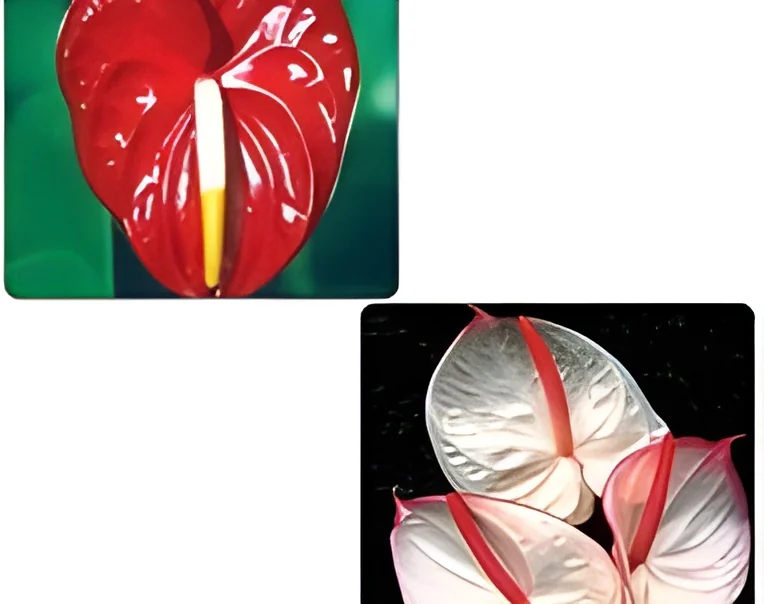
What are Seasonal Floral Arrangements?
Seasonal floral arrangements are decorative compositions of flowers that are specifically curated based on seasonal availability. These arrangements typically feature blooms that are at their peak during a particular time of year, ensuring freshness and vibrancy. Seasonal floral arrangements can vary significantly in color, texture, and style, reflecting the unique characteristics of each season. The use of locally sourced flowers not only supports regional growers but also contributes to an eco-friendly approach to floral design.
These arrangements have a variety of applications in the B2B sector. Businesses often utilize seasonal floral arrangements for events, corporate gatherings, and as gifts for clients. They enhance the aesthetic of venues and can create a welcoming atmosphere. Additionally, seasonal arrangements are popular among retailers and hospitality businesses, where they can be used to attract customers and elevate brand image. As consumers increasingly seek sustainability, the demand for seasonal floral arrangements has grown in relevance, making them a vital product in the floral industry.
Key Features and Specifications
Seasonal floral arrangements come with several key features and specifications that distinguish them from other floral products. Understanding these features is crucial for businesses looking to purchase high-quality arrangements that meet their specific needs.
Key specifications include:
1. Flower Variety
- Each arrangement features a selection of flowers available during the season.
- Examples include tulips in spring, sunflowers in summer, and poinsettias in winter.
2. Arrangement Size
- Various sizes are available to suit different settings, from small tabletop arrangements to large event displays.
- Typical sizes may range from 12 inches to over 36 inches in height.
3. Customization Options
- Many suppliers offer customization based on client preferences or event themes.
- Options may include specific flower types, color schemes, and arrangement styles.
4. Packaging
- Arrangements are packaged to ensure protection during transportation.
- Eco-friendly materials are often used to align with sustainability initiatives.
5. Shelf Life
- Seasonal arrangements are designed to last for a specific duration, typically ranging from 5 to 14 days.
- Proper handling and care can extend their longevity.
6. Pricing Tiers
- Prices vary based on flower selection, arrangement complexity, and order volume.
- Bulk purchasing may offer discounted rates.
7. Supplier Certifications
- Many suppliers adhere to quality standards and certifications, ensuring high-quality products.
- Common certifications include CE for compliance with safety standards.
In summary, understanding the features and specifications of seasonal floral arrangements allows businesses to make informed purchasing decisions that meet their needs.
Common Applications and Use Cases
Seasonal floral arrangements serve various industries and applications, enhancing environments and experiences.
1. Hospitality Industry: Hotels and restaurants often utilize seasonal floral arrangements to enhance ambiance and create inviting spaces. Fresh flowers can be found in lobbies, dining areas, and special event spaces.
2. Event Planning: Event organizers use seasonal arrangements for weddings, corporate events, and parties, providing thematic decor that resonates with the season.
3. Retail Spaces: Retailers use floral arrangements to attract customers and create seasonal displays, increasing foot traffic and sales during peak seasons.
4. Corporate Gifting: Businesses frequently send seasonal floral arrangements as gifts to clients and partners, conveying appreciation and fostering relationships.
5. Interior Design: Interior decorators incorporate seasonal arrangements into design schemes, making spaces feel more vibrant and seasonal.
6. Educational Institutions: Schools and universities use seasonal arrangements for events and campus beautification, enhancing the overall environment.
7. Nonprofit Events: Charitable organizations often use floral arrangements for fundraising events or galas, creating a visually appealing atmosphere that encourages donations.
Product Variants and Subcategories
Seasonal floral arrangements come in various forms, allowing businesses to select options that best suit their needs.
Traditional Bouquets
These are classic arrangements that typically feature a mix of seasonal flowers, arranged in a traditional style. They are suitable for gifting and decorative purposes.
Centerpieces
Designed for tables, these arrangements are often more compact and stylish. They serve as focal points during events and meals, enhancing the overall dining experience.
Wreaths
Seasonal floral wreaths incorporate a mix of flowers and greenery, making them perfect for door decor or as centerpieces for events. They often symbolize various seasonal themes.
Baskets
Floral baskets contain seasonal blooms arranged in a basket, offering a rustic charm. They are often used as gifts for various occasions or as decor.
Benefits and Advantages
Choosing seasonal floral arrangements offers numerous benefits for businesses.
1. Freshness: Seasonal arrangements utilize flowers that are at their peak, ensuring vibrancy and longevity.
2. Cost-Effectiveness: By sourcing locally available flowers, businesses can often save on transportation costs compared to out-of-season floral options.
3. Sustainability: Seasonal arrangements promote eco-friendly practices by reducing carbon footprints associated with long-distance transportation.
4. Unique Aesthetics: Each season brings unique floral options, allowing businesses to refresh their decor throughout the year.
5. Customization: Many suppliers offer tailored arrangements, enabling businesses to align floral designs with branding or event themes.
6. Supporting Local Economies: Purchasing seasonal flowers often supports local growers, contributing to community sustainability and economic health.
Buying Guide for B2B Buyers
When sourcing seasonal floral arrangements, several factors should be considered to ensure quality and satisfaction.
1. Quality Assessment: Evaluate the quality of flowers and arrangements. Look for suppliers who prioritize freshness and use high-quality blooms.
2. Supplier Verification: Research potential suppliers to ensure they have a good reputation and verify their certifications. This will help ensure compliance with industry standards.
3. Pricing and MOQ: Understand the pricing structure and minimum order quantities required by suppliers. Compare prices across different suppliers to find the best fit for your budget.
4. Delivery and Lead Times: Assess the delivery options and lead times offered by suppliers. Ensure they can meet your scheduling needs, particularly for events or seasonal promotions.
5. Compliance Requirements: Be aware of any compliance requirements specific to your region or industry. Ensure that the supplier adheres to necessary regulations and safety standards.
Compliance and Certifications
Seasonal floral arrangements must meet various quality standards and certifications to ensure safety and reliability in the marketplace.
ISO 9001 is a widely recognized quality management standard that ensures suppliers maintain high-quality processes in their production. Compliance with this standard indicates that the supplier is committed to delivering products that consistently meet customer expectations.
HACCP, or Hazard Analysis Critical Control Point, is a management system designed to ensure food safety. While primarily associated with food products, suppliers of floral arrangements may adopt similar principles to ensure that floral products are handled and stored safely.
CE certification indicates that products meet European safety, health, and environmental protection standards. Suppliers displaying this certification demonstrate that their arrangements comply with relevant regulations.
Safety and testing requirements may vary based on regional considerations, especially when it comes to the sourcing and handling of flowers. Businesses should inquire about specific safety protocols used by suppliers.
Why Source Seasonal Floral Arrangements from Pepagora?
Pepagora offers a trusted platform for sourcing seasonal floral arrangements with several key advantages that benefit B2B buyers.
Verified Supplier Network: Pepagora maintains a network of verified suppliers who meet strict quality standards. This ensures that businesses can source high-quality floral arrangements with confidence.
Streamlined RFQ Process: The request for quotation process on Pepagora is designed to be efficient. Buyers can easily compare options from multiple suppliers, saving time and making informed decisions.
Trade Assurance and Support: Pepagora provides trade assurance, protecting buyers’ interests and ensuring that suppliers deliver as promised. This support fosters trust and encourages long-term partnerships.
Regional Coverage: Pepagora has a broad geographic reach, covering India, the GCC region, and Southeast Asia. This allows businesses to source seasonal floral arrangements from a diverse range of suppliers, enhancing their options and availability.

 IN
IN