Key Features and Specifications
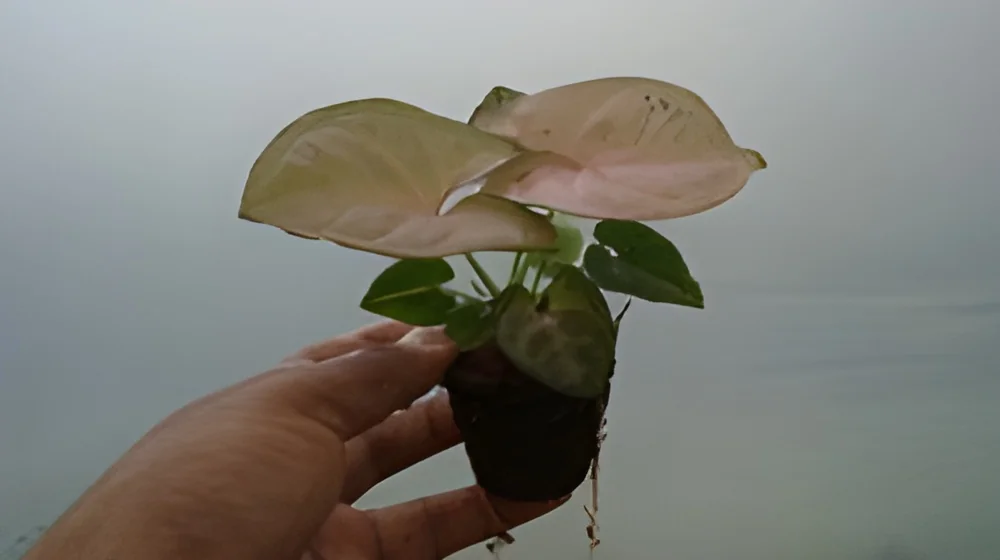
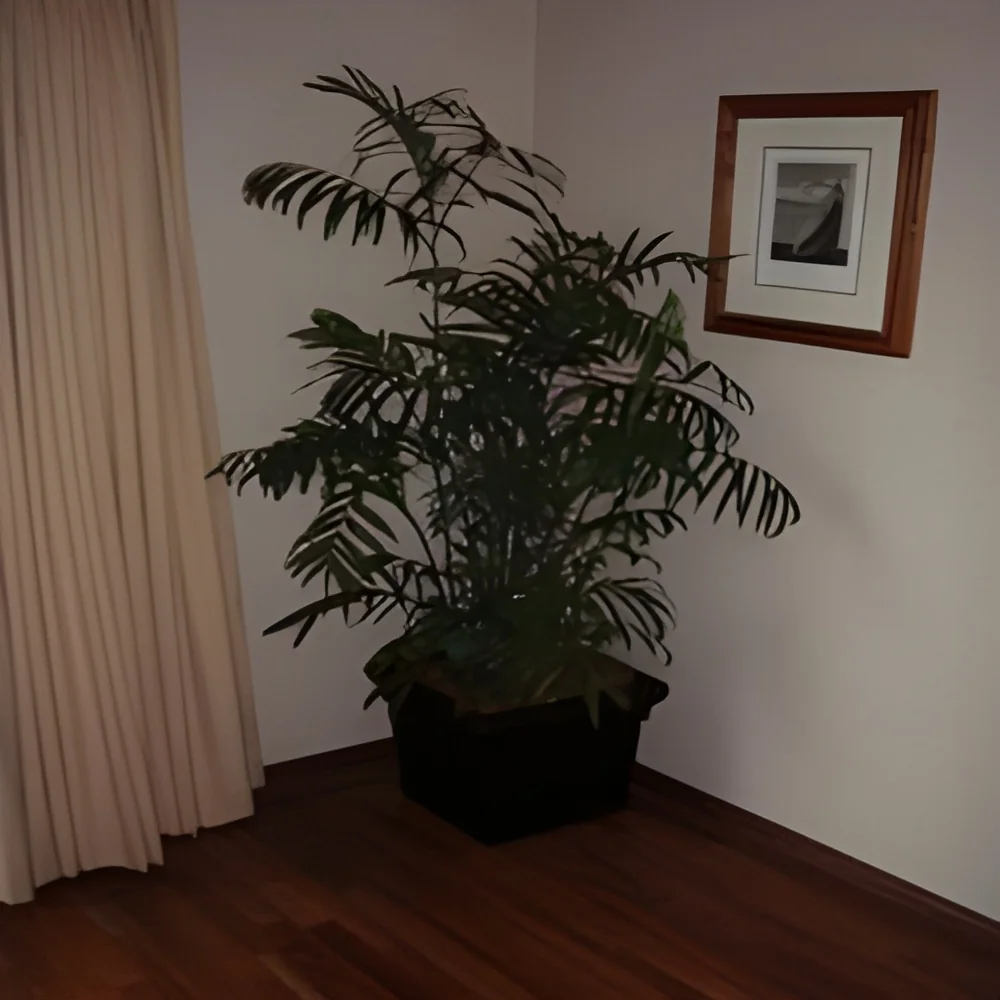
Potted indoor plants, including palms, ferns, and fiddle leaf figs, offer several features that make them appealing for both personal and professional use. Their specifications can vary based on the plant type and intended environment. Understanding these features helps businesses select the right plants for their specific needs.
Key specifications include:
1. Plant Type
- Categories include palms, ferns, and fiddle leaf figs, each with distinct growth habits and care requirements.
- Ideal for various indoor environments, ranging from low-light areas to bright spaces.
2. Size
- Available in different sizes from small tabletop versions to tall floor plants.
- Height can range from 1 to 10 feet depending on the species and maturity.
3. Light Requirements
- Varies among species; palms generally prefer indirect light, while fiddle leaf figs thrive in bright, filtered light.
- Understanding light needs is crucial for optimal growth.
4. Watering Needs
- Frequency varies; ferns may require more moisture, while palms are more drought-tolerant.
- Consistent watering schedules promote healthy growth.
5. Soil Type
- Different plants may prefer specific soil types, such as well-draining potting mix for palms and moisture-retentive mix for ferns.
- Soil quality affects overall plant health.
6. Humidity Preferences
- Many indoor plants, particularly ferns, benefit from higher humidity levels.
- Consideration of humidity can enhance growth and longevity.
7. Fertilization Requirements
- Regular fertilization may be necessary for optimal growth, especially during the growing season.
- Organic or synthetic fertilizers can be used depending on care preferences.
8. Lifespan
- With proper care, potted indoor plants can live for several years.
- Longevity is affected by environmental conditions and maintenance practices.
In summary, knowing the features and specifications helps businesses choose the right potted indoor plants that fit their specific environments and aesthetic preferences.
Common Applications and Use Cases
Potted indoor plants are versatile and applicable in various industries. They contribute to enhancing spaces and improving overall atmospheres.
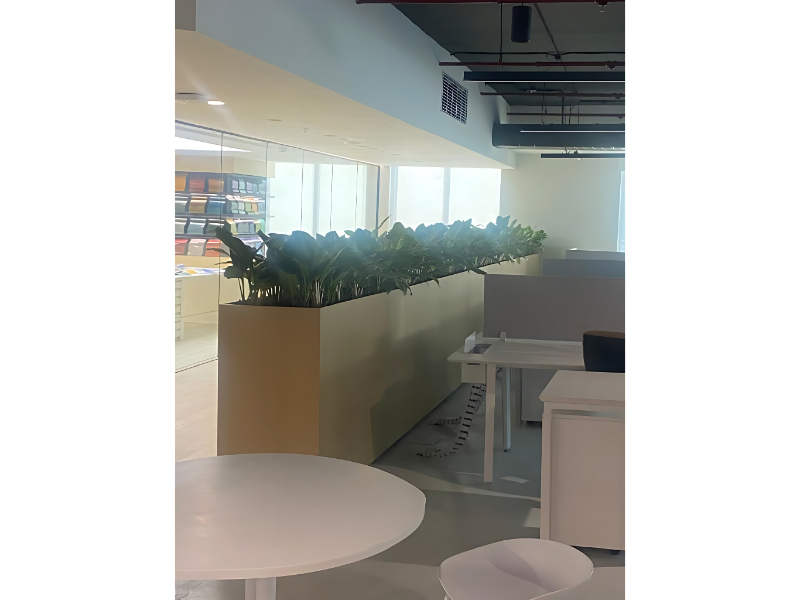
1. Office Spaces: Potted plants are used in corporate offices to create a calming environment, reduce stress, and improve employee productivity. They also enhance the overall aesthetic of workspaces.
2. Hospitality: Hotels and restaurants utilize indoor plants to create inviting atmospheres for guests. The presence of greenery can significantly enhance customer experience and satisfaction.
3. Retail: Stores incorporate potted plants to attract customers and create a pleasant shopping experience. They are often placed strategically to enhance visual merchandising.
4. Healthcare: Hospitals and clinics use plants to promote a healing environment. Studies indicate that greenery can aid in stress reduction and improve overall patient well-being.
5. Residential: Homeowners use potted plants to decorate living spaces, adding color and life to interiors. They are popular in urban environments where outdoor space is limited.
6. Educational Institutions: Schools and universities incorporate plants into classrooms and common areas to create a welcoming environment that fosters learning and creativity.
7. Event Spaces: Potted plants are often used in event venues to enhance decor, create backdrops, and improve air quality during gatherings.
Product Variants and Subcategories
Potted indoor plants come in various forms, each offering unique features and benefits. The diversity allows for a wide range of applications in different settings.
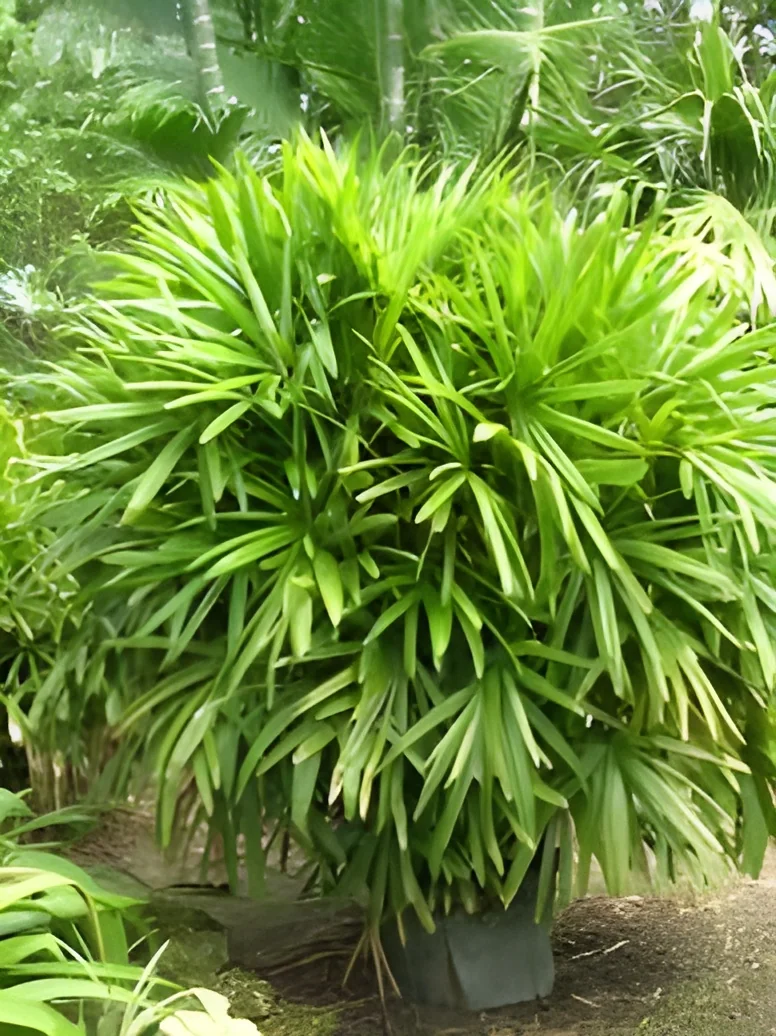
Palm Plants: Palms are known for their tall, elegant appearance. They are often used in offices and commercial spaces due to their low maintenance and ability to thrive in indirect light.
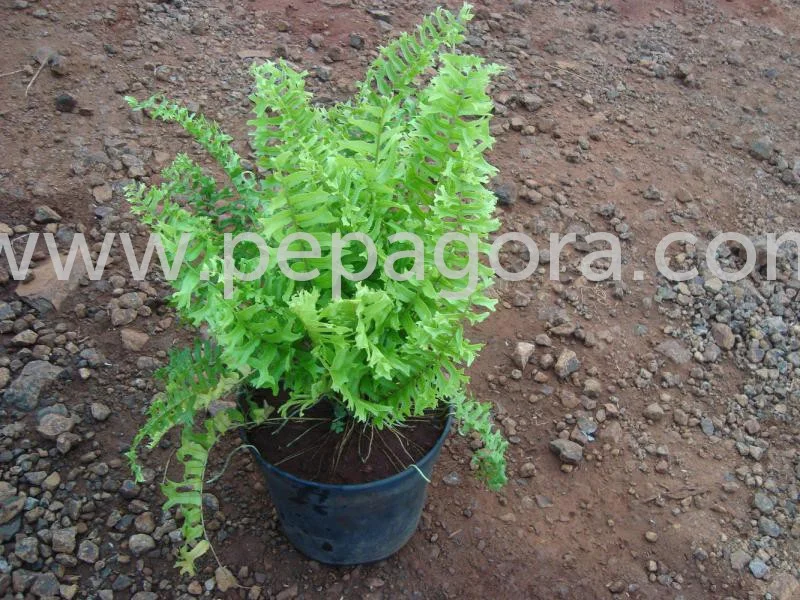
Fern Plants: Ferns are appreciated for their lush foliage and adaptability to different indoor conditions. They are commonly used in homes and wellness facilities due to their air-purifying qualities.
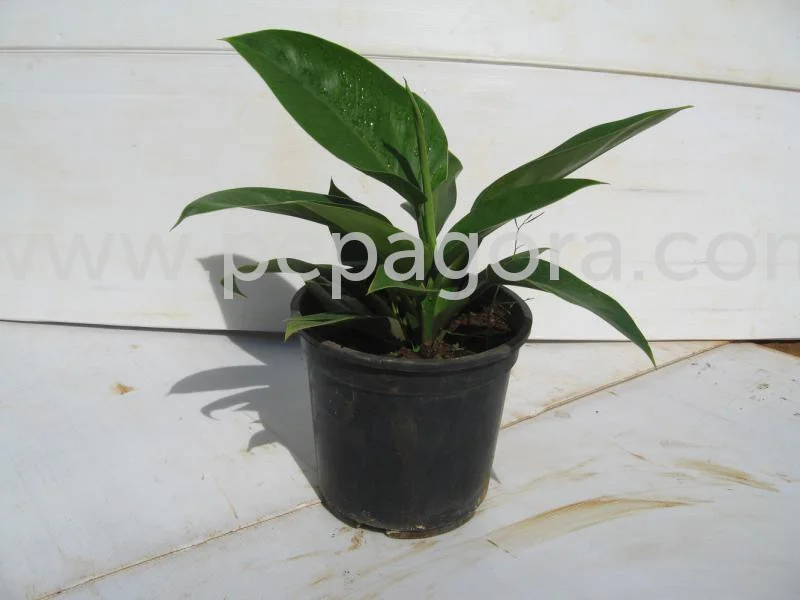
Fiddle Leaf Figs: These plants feature broad, glossy leaves and have become a popular choice for interior decor. They require bright light and are often used as statement pieces in modern interiors.
Benefits and Advantages
Potted indoor plants provide numerous benefits beyond aesthetic appeal. They contribute positively to the environments they occupy.
1. Improved Air Quality: Indoor plants help filter toxins from the air, leading to a healthier indoor environment. They can significantly improve air quality in commercial and residential spaces.
2. Enhanced Aesthetics: The presence of greenery adds visual interest and warmth to interiors, making spaces more inviting and enjoyable for occupants.
3. Stress Reduction: Studies show that indoor plants can reduce stress levels, promoting relaxation and well-being among individuals in various environments.
4. Increased Productivity: In office settings, plants have been linked to increased productivity and creativity among employees, contributing to a more efficient workplace.
5. Biophilic Design: Incorporating plants into interiors supports the biophilic design philosophy, which emphasizes the connection between people and nature, enhancing overall well-being.
6. Versatility: Potted indoor plants can be used in diverse settings, from homes to commercial spaces, offering flexibility in design and functionality.
Buying Guide for B2B Buyers
When sourcing potted indoor plants, businesses should consider several essential factors to ensure they make informed purchasing decisions.
1. Quality Assessment: Evaluate the health and condition of the plants before purchasing. Look for signs of disease or pests, and ensure the foliage is vibrant and free from damage.
2. Supplier Verification: Vet potential suppliers to ensure they provide high-quality plants and reliable service. Check for customer reviews and industry reputation.
3. Pricing and MOQ: Understand the pricing structure and minimum order quantities (MOQ) required by suppliers. This will help in budgeting and planning for inventory.
4. Delivery and Lead Times: Inquire about logistics, including delivery schedules and lead times. Timely delivery is crucial for maintaining inventory levels.
5. Compliance Requirements: Be aware of any regulatory standards that apply to indoor plants, such as regional import/export regulations and safety certifications.
Compliance and Certifications
Compliance with relevant standards and certifications is crucial for ensuring the quality and safety of potted indoor plants. The industry may adhere to various quality standards, including ISO 9001, which focuses on quality management systems. Additionally, HACCP principles may apply to ensure the safe handling and transport of plants, particularly in relation to pest control and disease prevention.
CE certification is important for products sold within certain markets, ensuring they meet specific safety and environmental standards. Moreover, safety testing requirements may be necessary to validate the health of plants, particularly if they are intended for use in sensitive environments such as healthcare facilities.
Regionally, compliance considerations may vary, necessitating a thorough understanding of local regulations and requirements. Businesses should stay informed about compliance needs to avoid potential legal issues and ensure the safe sourcing of potted indoor plants.
Why Source Potted Indoor Plants (Palm, Fern, Fiddle Leaf) from Pepagora?
Pepagora offers a trusted platform for sourcing potted indoor plants, including palms, ferns, and fiddle leaf figs, providing several key advantages to B2B buyers.
Verified Supplier Network: Pepagora connects buyers with a network of verified suppliers, ensuring that businesses receive high-quality plants from reputable sources. This reduces the risk of purchasing substandard products.
Streamlined RFQ Process: The platform simplifies the request for quotation (RFQ) process, allowing buyers to efficiently compare prices and offerings from multiple suppliers. This saves time and promotes better decision-making.
Trade Assurance and Support: Pepagora provides trade assurance, protecting buyers throughout the purchasing process. Dedicated support is available to address any concerns or queries, ensuring a smooth transaction.
Regional Coverage: With a broad geographic reach across India, the GCC, and Southeast Asia, Pepagora facilitates access to a diverse range of potted indoor plants, catering to the varying needs of businesses in different regions.

 IN
IN