
 IN
Other telecommunication equipment
77 products available
What are Other telecommunication equipment?
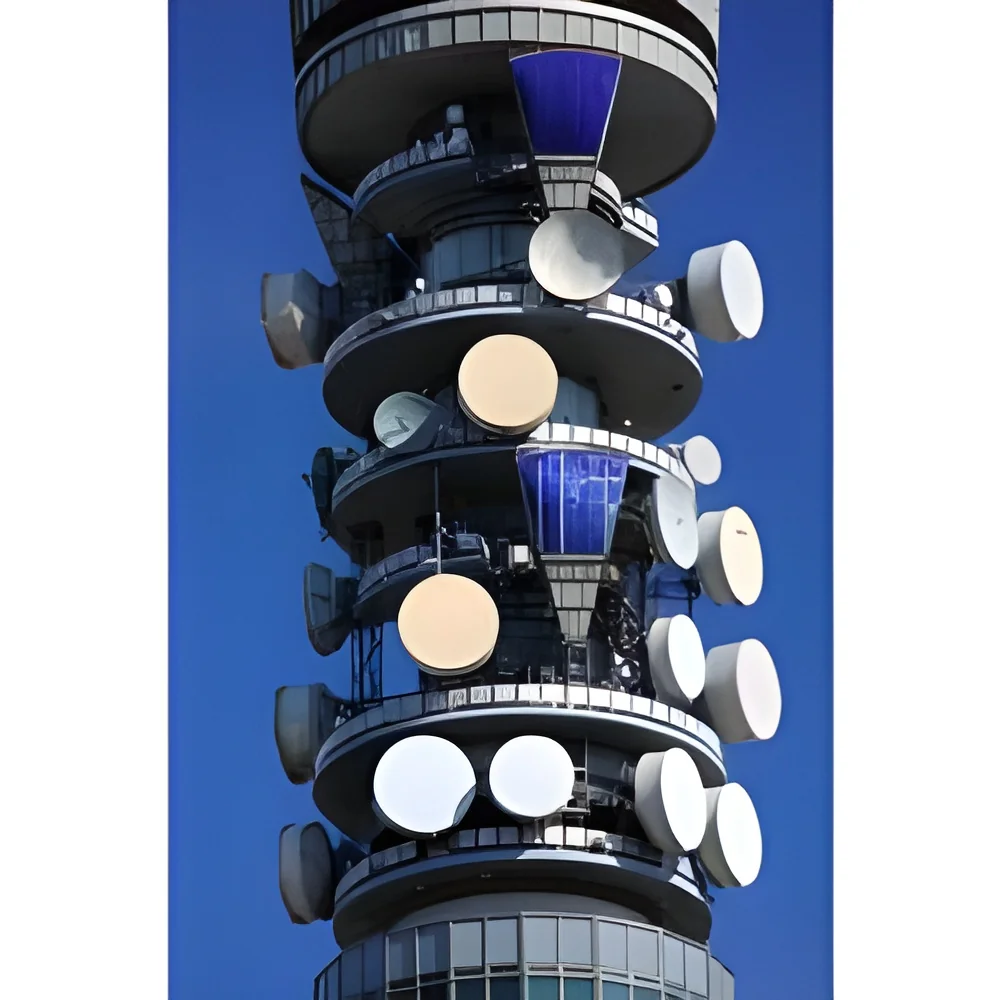
Other telecommunication equipment refers to a broad range of devices and systems that facilitate communication over distances. This category includes various tools and technologies used to enhance connectivity and transmission in telecommunication networks. Unlike standard telecommunications products like phones and routers, this segment encompasses specialized equipment that supports a wide array of functions, such as signal processing, data transmission, and network management.
These products are primarily utilized in industries such as telecommunications, broadcasting, and data centers, where reliable communication is crucial. Businesses rely on other telecommunication equipment for enhancing their operational efficiency, ensuring uninterrupted service, and improving overall communication quality. The equipment plays a significant role in managing and optimizing network performance, which is vital in today's digital landscape where data-driven decisions are essential for growth and competitiveness.
As industries continue to evolve with the advent of advanced technologies, the relevance of other telecommunication equipment becomes even more pronounced. The market for these products is growing rapidly, driven by the increasing demand for high-speed internet, cloud computing, and the Internet of Things (IoT). Companies are investing in innovative solutions that not only enhance communication capabilities but also support their digital transformation initiatives.
Key Features and Specifications
When assessing other telecommunication equipment, it is important to consider its key features and specifications. These attributes greatly influence performance, reliability, and suitability for specific applications.
Key specifications include:
1. Signal Processing Capability
- Ability to amplify and modulate signals
- Supports various frequencies and bandwidths
2. Data Transmission Rate
- Speed of data transfer between devices
- Measured in Mbps or Gbps
3. Network Compatibility
- Interoperability with different network standards
- Supports both wired and wireless technologies
4. Environmental Tolerance
- Operating temperature ranges for different environments
- Humidity control features
5. Monitoring Features
- Real-time performance tracking
- Alerts for system anomalies
6. Physical Dimensions
- Size and weight of the equipment
- Rack-mountable or standalone options
7. Power Consumption
- Efficiency ratings for energy usage
- Voltage requirements
8. Compliance Standards
- Adherence to industry certifications such as CE
- Safety and testing requirements
In summary, understanding these specifications helps businesses choose the right equipment that aligns with their operational needs and compliance requirements.
Common Applications and Use Cases
Other telecommunication equipment serves various industries with specific applications tailored to their unique requirements.
1. Telecommunications: This industry uses equipment for signal modulation, routing, and transmission. It ensures seamless connectivity for voice and data services.
2. Broadcasting: Equipment is essential for transmitting audio and video signals over various media channels, enabling reliable broadcasting to wide audiences.
3. Data Centers: In data centers, equipment supports high-speed data transmission and efficient network management, ensuring optimal performance for cloud services and enterprise applications.
4. Smart Cities: Other telecommunication equipment facilitates the integration of IoT devices, enhancing urban infrastructure through real-time data collection and communication.
5. Emergency Services: Reliable telecommunication equipment is crucial for emergency response systems, enabling swift communication in critical situations.
6. Manufacturing: In industrial settings, equipment supports machine-to-machine communication, improving automation and operational efficiency.
7. Healthcare: Telecommunication solutions enable remote patient monitoring and telemedicine, enhancing healthcare delivery and patient engagement.
Product Variants and Subcategories
The diversity of other telecommunication equipment allows for tailored solutions across different applications and industries.
Signal Amplifiers: These devices enhance the strength of signals in communication networks, ensuring clear and reliable transmission. They are widely used in both telecommunications and broadcasting to improve coverage.
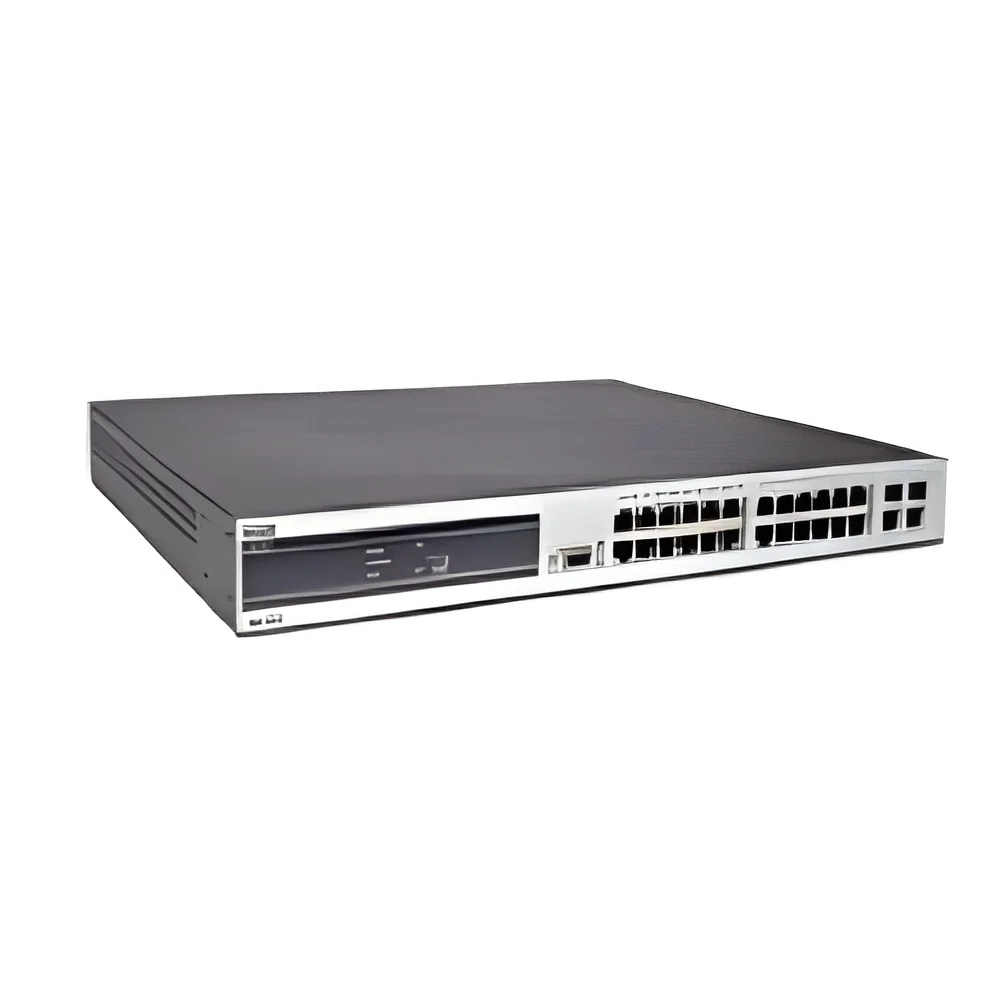
Network Switches: These devices facilitate efficient data transfer between multiple devices within a network. They are essential in data centers and enterprise environments for managing traffic and optimizing performance.
Routers: Routers direct data packets between networks, ensuring efficient communication across various devices. They are critical in both residential and commercial settings for internet connectivity.
Modems: Modems serve as a bridge between an internet service provider and a local network, converting digital signals into analog for transmission. They are commonly used in residential and commercial applications.
Benefits and Advantages
Investing in other telecommunication equipment offers several key benefits to businesses.
1. Enhanced Communication: This equipment improves the quality and reliability of communication across various platforms, enabling smoother operations.
2. Increased Efficiency: Streamlined processes and optimized network performance lead to significant improvements in operational efficiency.
3. Scalability: Many solutions are designed to grow with your business, allowing for easy upgrades and expansions as communication needs evolve.
4. Cost Savings: Improved efficiency and reduced downtime can lead to substantial cost savings over time.
5. Compliance Assurance: Adhering to industry standards ensures that your equipment meets regulatory requirements, minimizing risks.
6. Innovation Support: Up-to-date telecommunication equipment enables businesses to leverage new technologies and stay competitive in their respective markets.
Buying Guide for B2B Buyers
When sourcing other telecommunication equipment, it is crucial for B2B buyers to consider several factors to ensure they make informed decisions.
1. Quality Assessment: Evaluate the quality of the equipment by examining manufacturer reputation, customer reviews, and product certifications. Reliable equipment should meet industry standards and perform consistently under various conditions.
2. Supplier Verification: Vet potential suppliers by checking their credentials, experience, and customer feedback. A verified supplier can provide assurance of product quality and reliability.
3. Pricing and MOQ: Consider the pricing structure and minimum order quantities (MOQ) set by suppliers. Understanding these financial aspects is essential for budgeting and planning.
4. Delivery and Lead Times: Inquire about the expected delivery times and lead times for orders. Timely delivery is critical for maintaining operational efficiency.
5. Compliance Requirements: Ensure that the equipment complies with relevant regulations and standards in your industry. This can help avoid legal issues and improve safety.
Compliance and Certifications
Compliance and certifications play a vital role in the reliability and safety of other telecommunication equipment. Relevant quality standards such as ISO 9001 ensure that manufacturers adhere to consistent quality management practices. These standards provide a framework for improving processes, reducing waste, and ensuring customer satisfaction.
Industry certifications like CE indicate that the equipment meets European health, safety, and environmental protection standards. This certification is essential for businesses operating within the European market, as it assures buyers of product safety and compliance.
Additionally, safety and testing requirements are crucial for ensuring that equipment operates reliably under various conditions. Thorough testing helps identify potential issues before deployment, reducing the risk of failures in critical applications.
Regional compliance considerations should also be taken into account, as different regions may have specific regulatory requirements that must be met. Understanding these local regulations is essential for businesses to operate legally and efficiently in their respective markets.
Why Source Other telecommunication equipment from Pepagora?
Pepagora provides a trusted platform for sourcing other telecommunication equipment, offering several key advantages to B2B buyers.
Verified Supplier Network: Pepagora connects buyers with a network of verified suppliers. This ensures that buyers can find quality equipment from reputable sources, reducing the risk of subpar products.
Streamlined RFQ Process: The platform features a streamlined Request for Quotation (RFQ) process that simplifies the procurement process. Buyers can easily request quotes from multiple suppliers, making it easier to compare options and make informed decisions.
Trade Assurance and Support: Pepagora offers trade assurance and support to protect buyers throughout the purchasing process. This includes assistance with order management and dispute resolution, ensuring a smoother experience.
Regional Coverage: With a strong presence in India, the GCC, and Southeast Asia, Pepagora offers extensive geographic reach. This allows buyers to access a wide range of products and suppliers tailored to their regional needs, facilitating efficient procurement.






Frequently Asked Questions
What are Other telecommunication equipment?
Other telecommunication equipment refers to a variety of devices and systems used to facilitate communication over distances. This category includes items such as modems, routers, signal boosters, and other supporting technologies not classified under standard telecommunication equipment.
What are the different types of Other telecommunication equipment?
Different types of Other telecommunication equipment include network switches, VoIP phones, fiber optic converters, and wireless access points. Each type serves a specific function in enhancing communication networks and ensuring efficient data transmission.
How do I choose the right Other telecommunication equipment?
To choose the right Other telecommunication equipment, consider factors such as compatibility with existing systems, the scale of your operation, and specific communication needs. Additionally, reviewing technical specifications and consulting with suppliers can aid in making an informed decision.
What are the standard specifications for Other telecommunication equipment?
Standard specifications for Other telecommunication equipment often include data transfer rates, frequency ranges, power requirements, and compatibility with various network protocols. It's essential to check these specifications to ensure optimal performance in your communication setup.
What is the price range for Other telecommunication equipment?
The price range for Other telecommunication equipment can vary widely based on the type and specifications, typically ranging from a few thousand to several lakhs of Indian Rupees. Factors such as brand, features, and technology advancements also influence pricing.
What quality standards apply to Other telecommunication equipment?
Quality standards for Other telecommunication equipment are often governed by international regulations and certifications, such as ISO and CE marking. These standards ensure that the equipment meets specific safety and performance criteria essential for reliable communication.
Where can I find Other telecommunication equipment suppliers in India?
You can find Other telecommunication equipment suppliers in India through online B2B marketplaces like Pepagora, trade shows, and industry directories. It's advisable to compare multiple suppliers to find those that best meet your quality and pricing needs.
Can Other telecommunication equipment be customized?
Yes, Other telecommunication equipment can often be customized to meet specific operational requirements. Many manufacturers offer customization options for features, configurations, and branding to suit individual business needs.
What is the typical minimum order quantity for Other telecommunication equipment?
The typical minimum order quantity (MOQ) for Other telecommunication equipment varies by supplier and product type, but it generally ranges from 10 to 100 units. It's best to confirm the MOQ with your chosen supplier before placing an order.
What is the typical lead time for Other telecommunication equipment?
The typical lead time for Other telecommunication equipment can range from a few days to several weeks, depending on the supplier's inventory and the complexity of the order. It's important to discuss lead times with suppliers to plan your procurement effectively.
Why Businesses Trust Pepagora
Thousands of companies trust Pepagora to source smarter and sell faster
Expand Your Sales Globally

Source Smarter,Grow Faster
