
 IN
Other Pneumatic Tools
35 products available
What are Other Pneumatic Tools?
Other pneumatic tools encompass a wide range of equipment that operates using compressed air. These tools are essential in various industrial and commercial settings where efficiency and power are critical. Unlike traditional electric tools, pneumatic tools harness the energy from compressed air, making them lighter and often more powerful for certain applications. They are designed to perform tasks ranging from fastening and cutting to sanding and polishing.
The primary uses of other pneumatic tools extend across multiple industries, including manufacturing, construction, automotive, and maintenance. Businesses leverage these tools for their speed and efficiency, which can significantly enhance productivity. Common applications include assembly lines, auto repair shops, and construction sites, where they help streamline processes and improve worker safety. The relevance of these tools in the market cannot be understated, as they are pivotal in industries that demand quick turnaround and high levels of output.
Key Features and Specifications
When considering other pneumatic tools, it is important to understand their key features and specifications that determine their performance and suitability for various tasks. These specifications often dictate the tool's efficiency, reliability, and application versatility.
Key specifications include:
1. Power Source
- Operates using compressed air
- Allows for continuous operation without overheating
2. Air Consumption
- Defined in cubic feet per minute (CFM)
- Varies based on tool type and application
3. Maximum Pressure
- Typically rated in pounds per square inch (PSI)
- Determines the tool's capacity to perform heavy-duty tasks
4. Weight
- Generally lighter than electric counterparts
- Enhances maneuverability and ease of use
5. Noise Level
- Measured in decibels (dB)
- Important for workplace safety and compliance
6. Durability
- Constructed from high-quality materials
- Designed to withstand harsh working conditions
7. Maintenance Requirements
- Low maintenance due to fewer moving parts
- Regular lubrication and air filter checks recommended
8. Compatibility with Accessories
- Wide range of attachments and accessories available
- Enhances versatility for specific tasks
In summary, understanding these specifications is vital for selecting the right pneumatic tools that meet operational needs and ensure efficiency.
Common Applications and Use Cases
Other pneumatic tools find application in a variety of industries, each benefiting from their unique capabilities.
1. Manufacturing: In manufacturing, pneumatic tools are used for assembly operations, where speed and precision are crucial. They help in tasks like fastening, drilling, and painting.
2. Automotive: In the automotive industry, these tools are widely utilized for tasks such as tire changing, engine assembly, and bodywork repair, allowing for quick and efficient service.
3. Construction: Pneumatic tools are essential on construction sites for tasks like nailing, stapling, and demolition, providing the power needed for heavy-duty applications.
4. Maintenance and Repair: Maintenance professionals use pneumatic tools for quick fixes and routine repairs, ensuring equipment operates smoothly and efficiently.
5. Woodworking: In woodworking, pneumatic tools are employed for sanding, cutting, and drilling, enhancing the quality and speed of the finishing process.
6. Aerospace: The aerospace industry uses pneumatic tools for precision assembly and maintenance of aircraft components, ensuring safety and compliance with industry standards.
7. Metalworking: In metalworking, these tools facilitate cutting, grinding, and shaping metals, providing the power required for high-performance tasks.
Product Variants and Subcategories
Other pneumatic tools come in various types, each designed for specific applications.
Impact Wrenches: These tools are essential in automotive and construction applications for loosening and tightening bolts quickly and efficiently. They are designed to deliver high torque with minimal effort.
Pneumatic Sanders: Used primarily in woodworking and automotive refinishing, pneumatic sanders provide a smooth finish with less fatigue for the user. Their lightweight design enhances maneuverability.
Pneumatic Nailers: These tools streamline fastening tasks in construction and woodworking, allowing for rapid nailing without manual effort. They are designed for use with various nail sizes.
Pneumatic Drills: Ideal for drilling holes in various materials, pneumatic drills offer high speeds and power, making them suitable for heavy-duty applications.
Benefits and Advantages
Pneumatic tools offer numerous benefits that make them a preferred choice in industrial settings.
Key benefits include:
1. Lightweight Design: Pneumatic tools are generally lighter than electric tools, reducing operator fatigue during extended use.
2. High Power Output: These tools deliver more power for heavy-duty tasks, enabling faster completion of work.
3. Durability: Built to withstand tough conditions, pneumatic tools often have a longer lifespan with proper maintenance.
4. Lower Operating Costs: Compressed air is often less expensive than electricity, making pneumatic tools cost-effective over time.
5. Versatility: With a wide range of attachments and accessories available, these tools can be adapted for various tasks and industries.
6. Safety: Pneumatic tools are less likely to cause electrical hazards, making them safer to operate in wet or hazardous environments.
Buying Guide for B2B Buyers
When sourcing other pneumatic tools, businesses should consider several factors to ensure they make informed purchases.
1. Quality Assessment: Evaluate the quality of materials and construction. Look for reputable brands known for durability and reliability.
2. Supplier Verification: Vet suppliers for their industry reputation, customer reviews, and certifications to ensure they provide high-quality products.
3. Pricing and MOQ: Understand the pricing structure and minimum order quantities (MOQ) to align with budgetary and operational needs.
4. Delivery and Lead Times: Inquire about delivery schedules and lead times to ensure timely availability of tools for projects.
5. Compliance Requirements: Check for compliance with industry standards and regulations to ensure tools meet safety and operational requirements.
Compliance and Certifications
Compliance with industry standards and certifications is crucial for ensuring the quality and safety of other pneumatic tools.
ISO 9001 is a widely recognized quality management standard that ensures manufacturers maintain high quality throughout their production processes. Compliance with this standard indicates a commitment to quality and customer satisfaction.
CE certification is essential for products sold in European markets, signifying that the tools meet safety, health, and environmental protection requirements. This certification is crucial for companies looking to expand their market reach.
Safety and testing requirements are also paramount. Tools should undergo rigorous testing to ensure they can withstand operational stresses and maintain performance.
Regional compliance considerations may vary, so businesses must be aware of local regulations regarding pneumatic tools to avoid legal issues and ensure safe operation.
Why Source Other Pneumatic Tools from Pepagora?
Pepagora offers a trusted platform for sourcing other pneumatic tools, providing several key advantages for B2B buyers.
Verified Supplier Network: Pepagora has a strong network of verified suppliers, ensuring that businesses can access high-quality tools from reputable manufacturers. This verification process helps buyers make informed decisions and reduces risks associated with sourcing.
Streamlined RFQ Process: The platform features a streamlined Request for Quotation (RFQ) process, allowing buyers to easily request quotes from multiple suppliers. This competitive environment fosters better pricing and options for buyers.
Trade Assurance and Support: Pepagora provides trade assurance, protecting buyers from potential issues during transactions. Their support services ensure a smooth purchasing process, offering assistance when needed.
Regional Coverage: With a geographical reach across India, GCC, and Southeast Asia, Pepagora connects buyers with suppliers in key markets, facilitating easier access to pneumatic tools for various business needs.
In conclusion, sourcing other pneumatic tools through Pepagora not only simplifies the buying process but also ensures access to quality products and reliable suppliers, crucial for enhancing operational efficiency.


 India
 India

 India
 India
 India
 India
 India
 India
 India

 India
 India
 India
 India

 India
Frequently Asked Questions
What are Other Pneumatic Tools?
Other Pneumatic Tools refer to a range of tools that utilize compressed air to perform various tasks, distinct from more commonly known tools like pneumatic drills or hammers. These tools can include items such as pneumatic sanders, riveters, and impact wrenches, designed for efficiency in industrial and construction applications.
What are the different types of Other Pneumatic Tools?
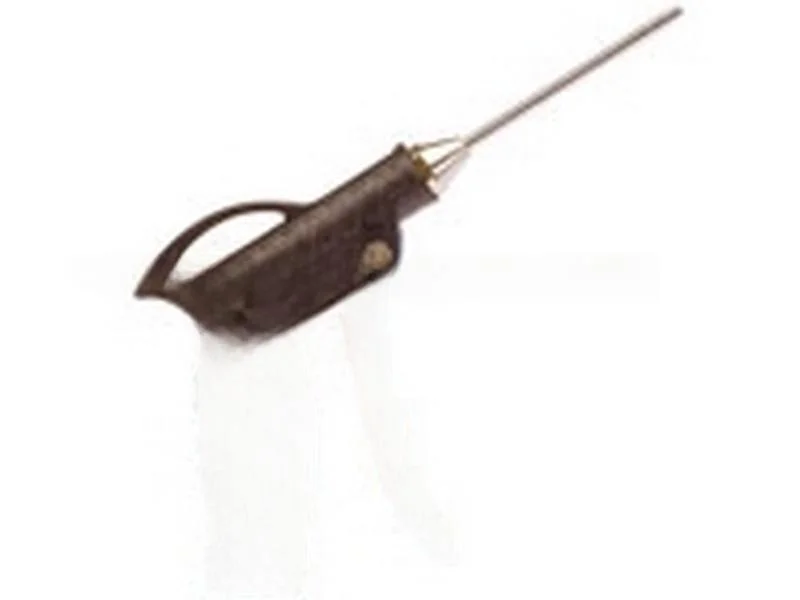
The different types of Other Pneumatic Tools include pneumatic sanders, impact wrenches, riveters, and blow guns. Each tool serves specific purposes, such as smoothing surfaces, fastening components, or cleaning work areas, contributing to enhanced productivity and effectiveness in various tasks.
How do I choose the right Other Pneumatic Tools?
Choosing the right Other Pneumatic Tools involves assessing your specific application needs, considering factors such as power requirements, tool weight, and compatibility with existing equipment. It is also essential to evaluate the manufacturer's reputation and customer reviews to ensure reliability and performance.
What are the standard specifications for Other Pneumatic Tools?
Standard specifications for Other Pneumatic Tools typically include air pressure requirements, airflow consumption, and tool dimensions. Additionally, specifications may outline the materials used in construction, which impact durability and performance in demanding environments.
What is the price range for Other Pneumatic Tools?
The price range for Other Pneumatic Tools can vary widely based on the type, brand, and specifications. Generally, prices can range from a few thousand to several tens of thousands of Indian Rupees, depending on the complexity and features of the tool.
What quality standards apply to Other Pneumatic Tools?
Quality standards for Other Pneumatic Tools often include ISO certifications and compliance with local safety regulations. These standards ensure that the tools are manufactured to high levels of safety, durability, and performance, which is critical for user satisfaction and workplace safety.
Where can I find Other Pneumatic Tools suppliers in India?
You can find Other Pneumatic Tools suppliers in India through various online B2B marketplaces, trade shows, and industry-specific directories. Websites like Pepagora.com offer a comprehensive listing of manufacturers and suppliers, allowing you to compare options and make informed choices.
Can Other Pneumatic Tools be customized?
Yes, many manufacturers offer customization options for Other Pneumatic Tools to meet specific requirements or preferences. Customization may include alterations in design, size, or additional features, allowing businesses to tailor the tools for their unique applications.
What is the typical minimum order quantity for Other Pneumatic Tools?
The typical minimum order quantity (MOQ) for Other Pneumatic Tools varies by supplier and product type. Generally, MOQs can range from small quantities for standard tools to larger orders for customized or specialized equipment.
What is the typical lead time for Other Pneumatic Tools?
The typical lead time for Other Pneumatic Tools can range from a few days to several weeks, depending on the supplier's production capacity and inventory levels. Custom orders may require longer lead times due to the additional manufacturing processes involved.
Why Businesses Trust Pepagora
Thousands of companies trust Pepagora to source smarter and sell faster
Expand Your Sales Globally

Source Smarter,Grow Faster
