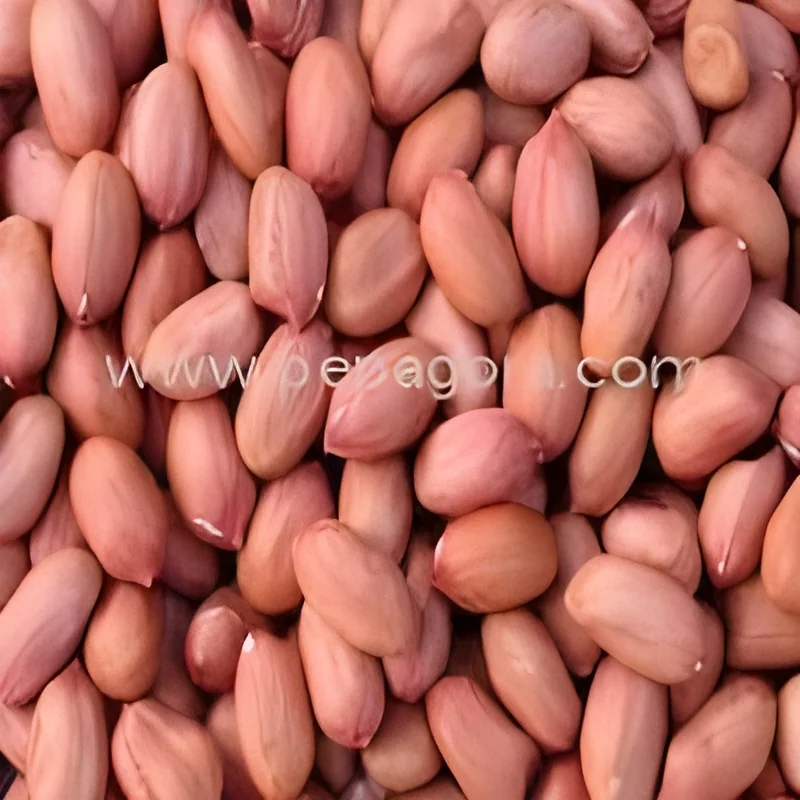
What are Oilseeds (Groundnut, Mustard, Sesame)?
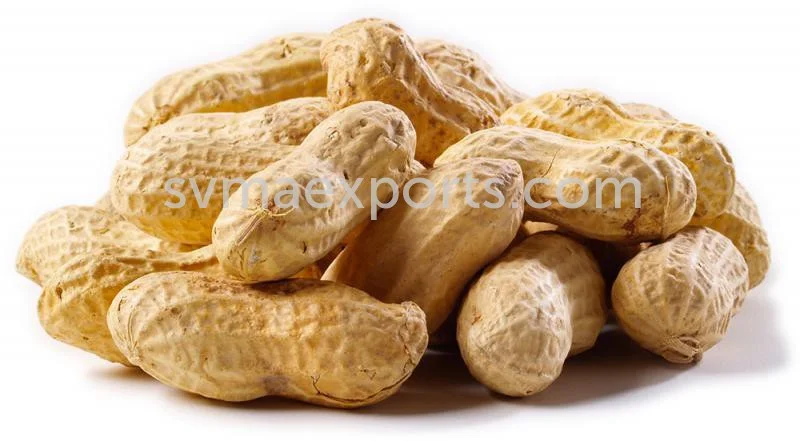
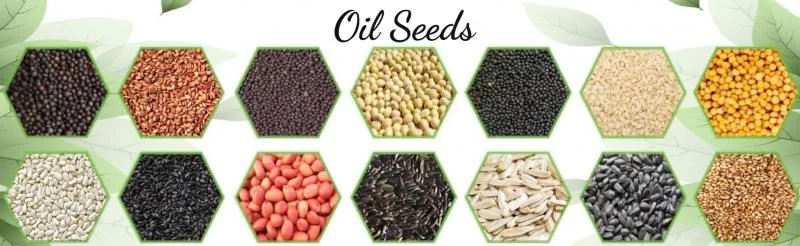
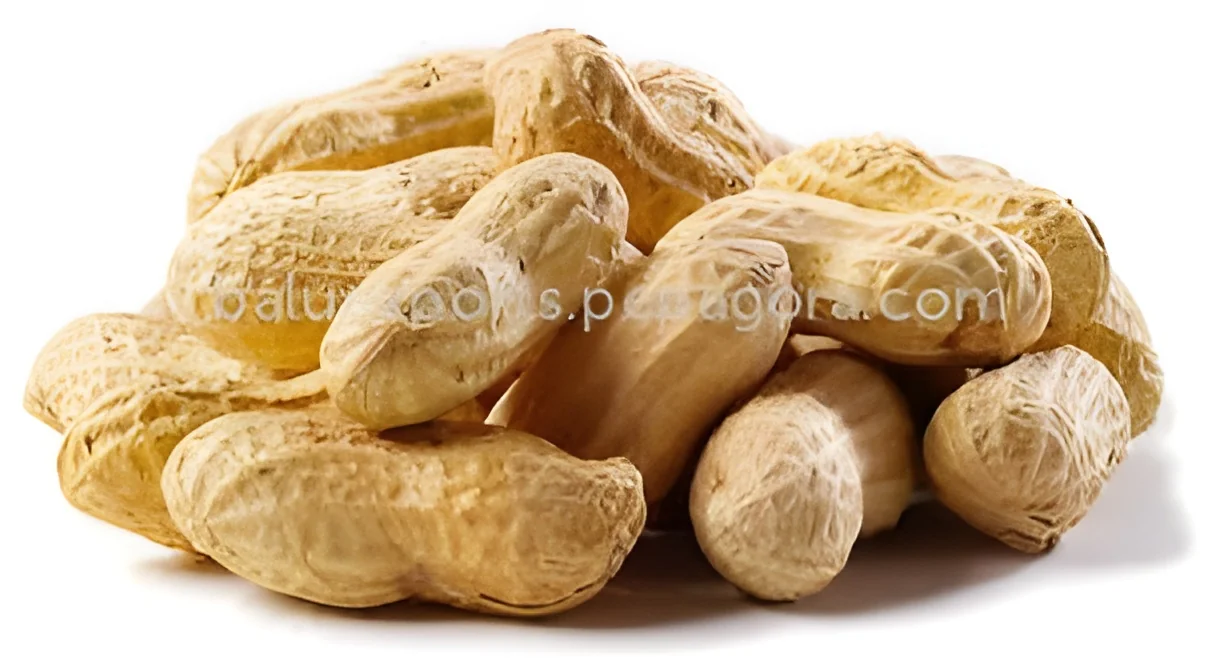
Oilseeds are seeds that are cultivated for their oil content and are significant in the agricultural and industrial sectors. The primary oilseeds include groundnut, mustard, and sesame. Groundnut, also known as peanut, is a leguminous crop known for its high oil content and protein. Mustard seeds are primarily used for oil extraction and as a spice, while sesame seeds are valued for their oil and culinary applications. These seeds are rich in essential fatty acids and offer nutritional benefits.
The primary uses of these oilseeds extend across various industries, including food processing, cosmetics, and biofuel production. Groundnut oil is extensively used in cooking, while mustard oil is popular in various cuisines for its pungent flavor. Sesame oil is renowned for its flavor and health benefits, making it a staple in Asian cooking. Additionally, the oilseed market plays a crucial role in global trade, impacting economies in oil-producing regions.
In today’s market, oilseeds are increasingly relevant due to rising consumer demand for healthy oils and plant-based products. As sustainable practices gain importance, oilseeds are positioned as a vital component in the transition to healthier food options and environmentally friendly products. The growing awareness of the health benefits associated with these seeds ensures their continued market relevance.
𝗞𝗲𝘆 𝗙𝗲𝗮𝘁𝘂𝗿𝗲𝘀 𝗮𝗻𝗱 𝗦𝗽𝗲𝗰𝗶𝗳𝗶𝗰𝗮𝘁𝗶𝗼𝗻𝘀
Oilseeds such as groundnut, mustard, and sesame come with distinct features that cater to various industrial needs. The specifications for these oilseeds are essential for ensuring quality and suitability for intended applications. Understanding these specifications helps businesses make informed sourcing decisions.
Key specifications include:
1. Oil Content
- Groundnut: Approximately 40-50%
- Mustard: Approximately 30-45%
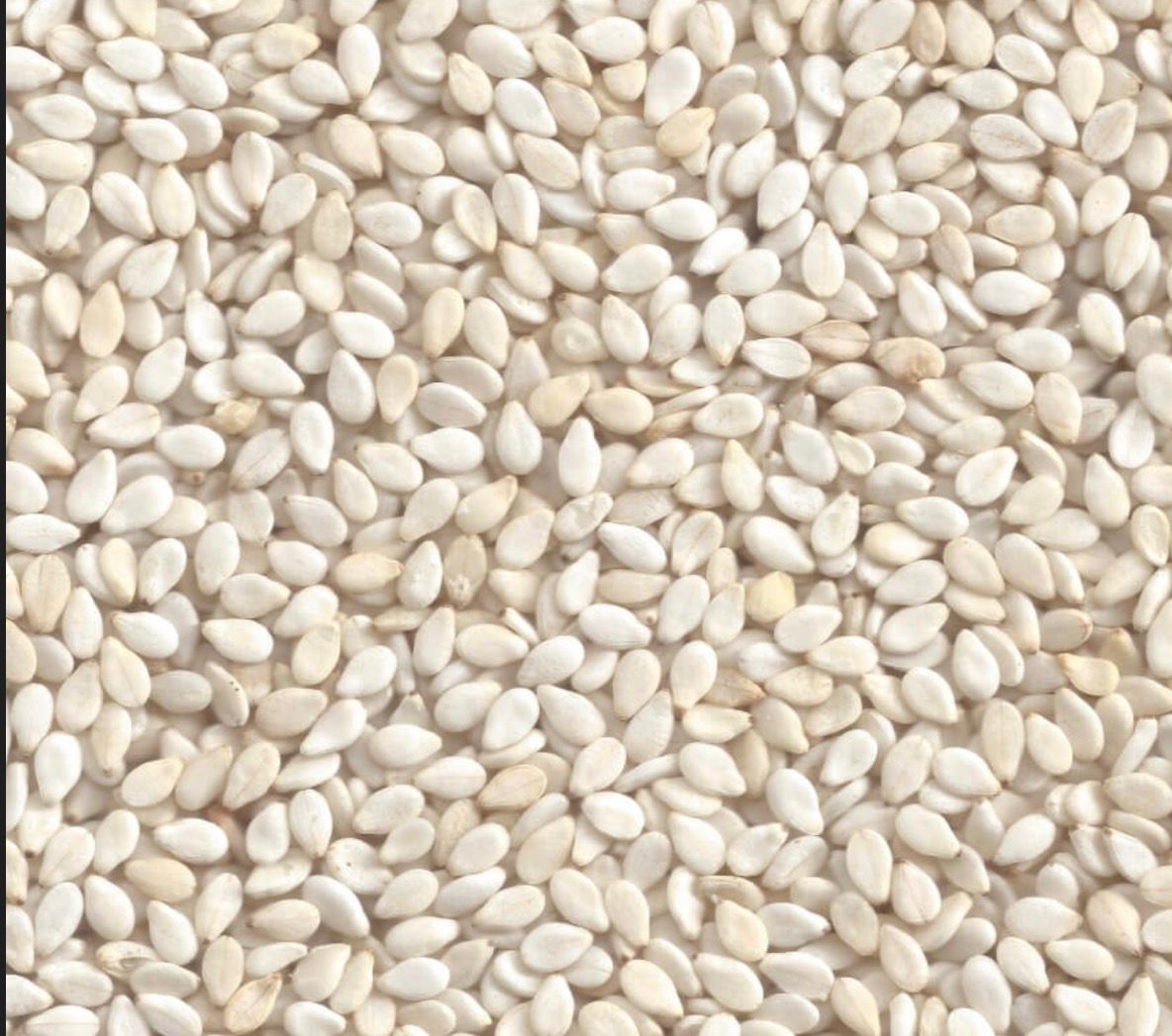
- Sesame: Approximately 45-55%
2. Moisture Content
- Recommended maximum moisture: 6-9%
3. Purity
- Minimum purity level: 95%
4. Free Fatty Acids (FFA)
- Groundnut: Less than 2%
- Mustard: Less than 5%
- Sesame: Less than 3%
5. Impurities
- Maximum allowable impurities: 1-2%
6. Color
- Groundnut: Light yellow to golden
- Mustard: Yellow to brown
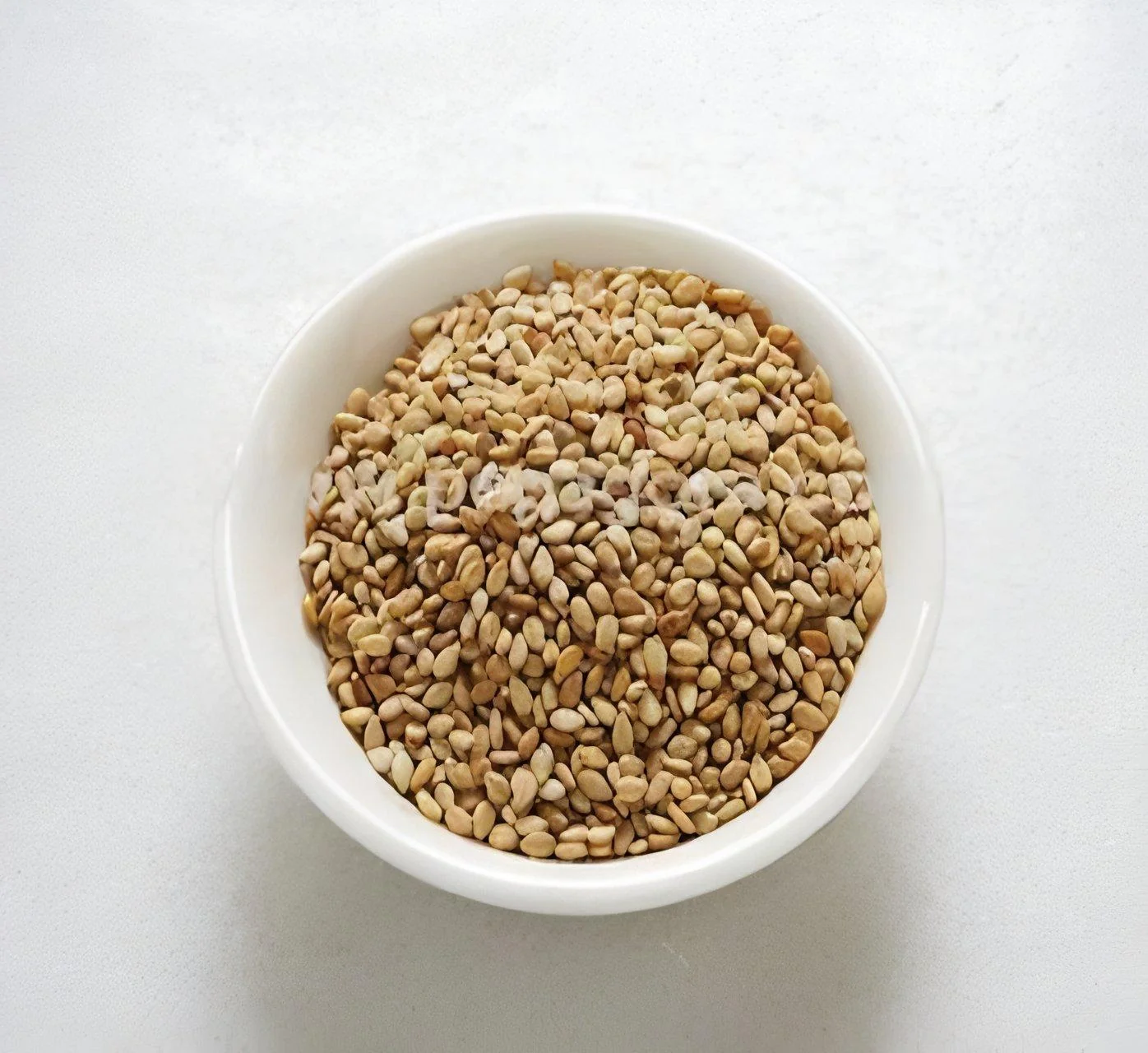
- Sesame: Light to dark brown
7. Shelf Life
- Recommended shelf life: 12-24 months under proper storage conditions
8. Packaging
- Standard packaging: 25 kg to 50 kg bags
These specifications highlight the importance of quality control in the oilseed industry, ensuring that products meet market demands and standards.
𝗖𝗼𝗺𝗺𝗼𝗻 𝗔𝗽𝗽𝗹𝗶𝗰𝗮𝘁𝗶𝗼𝗻𝘀 𝗮𝗻𝗱 𝗨𝘀𝗲 𝗖𝗮𝘀𝗲𝘀
Oilseeds find applications across a wide range of industries due to their versatile properties.
1. Food Industry: Groundnut oil, mustard oil, and sesame oil are widely used in cooking and food preparation, enhancing flavor and providing health benefits.
2. Cosmetics: Mustard and sesame oils are commonly incorporated into skincare products for their moisturizing properties and nutritional value.
3. Biofuels: Oilseeds are increasingly being used in the production of biodiesel, contributing to sustainable energy solutions.
4. Animal Feed: The byproducts from oil extraction, such as cake and meal, are used as high-protein animal feed.
5. Pharmaceuticals: Groundnut and sesame oils are utilized in various medicinal applications, including the formulation of supplements.
6. Industrial Applications: These oils are used as lubricants and in the manufacture of soaps, paints, and coatings.
7. Nutraceuticals: Groundnut and sesame are recognized for their health benefits, making them popular in dietary supplements.
𝗣𝗿𝗼𝗱𝘂𝗰𝘁 𝗩𝗮𝗿𝗶𝗮𝗻𝘁𝘀 𝗮𝗻𝗱 𝗦𝘂𝗯𝗰𝗮𝘁𝗲𝗴𝗼𝗿𝗶𝗲𝘀
Oilseeds exhibit diversity in terms of variants, catering to varied consumer preferences and industrial requirements.
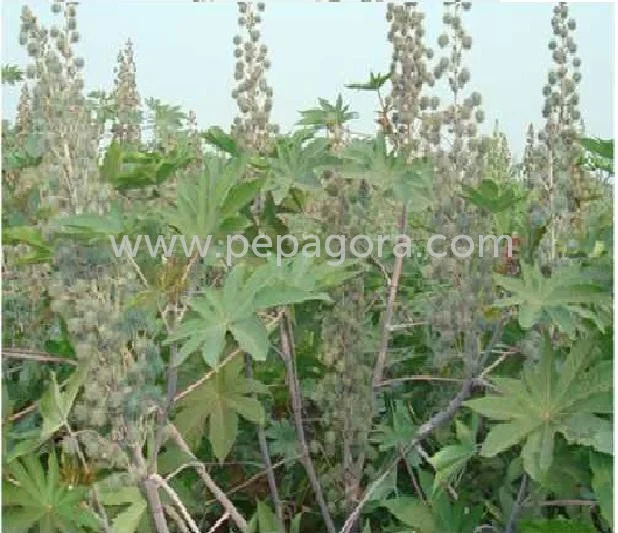
Groundnut
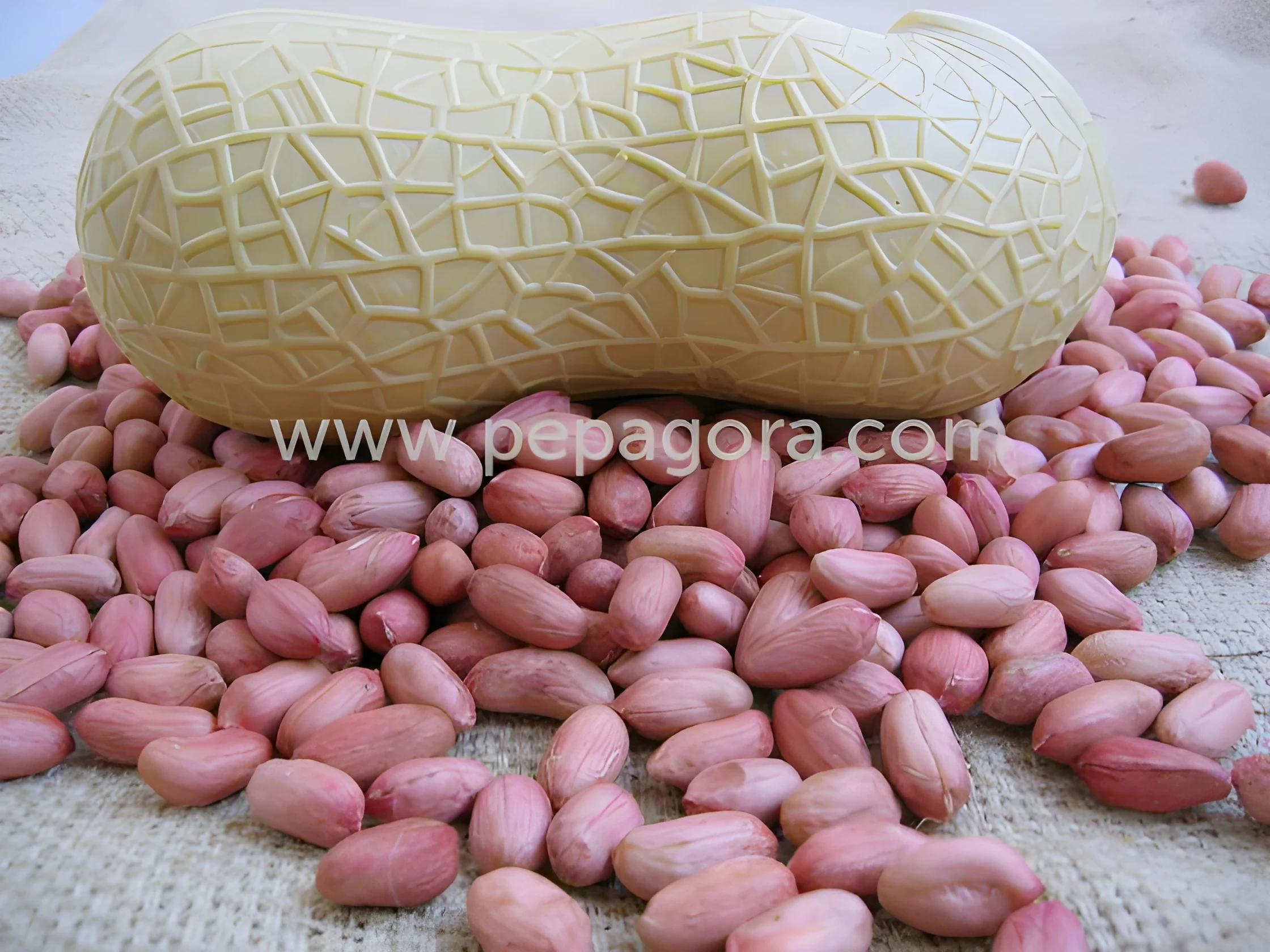
Groundnut or peanuts are available in several varieties, each with unique flavor and oil content. They are commonly used in cooking oils, snacks, and confectionery.
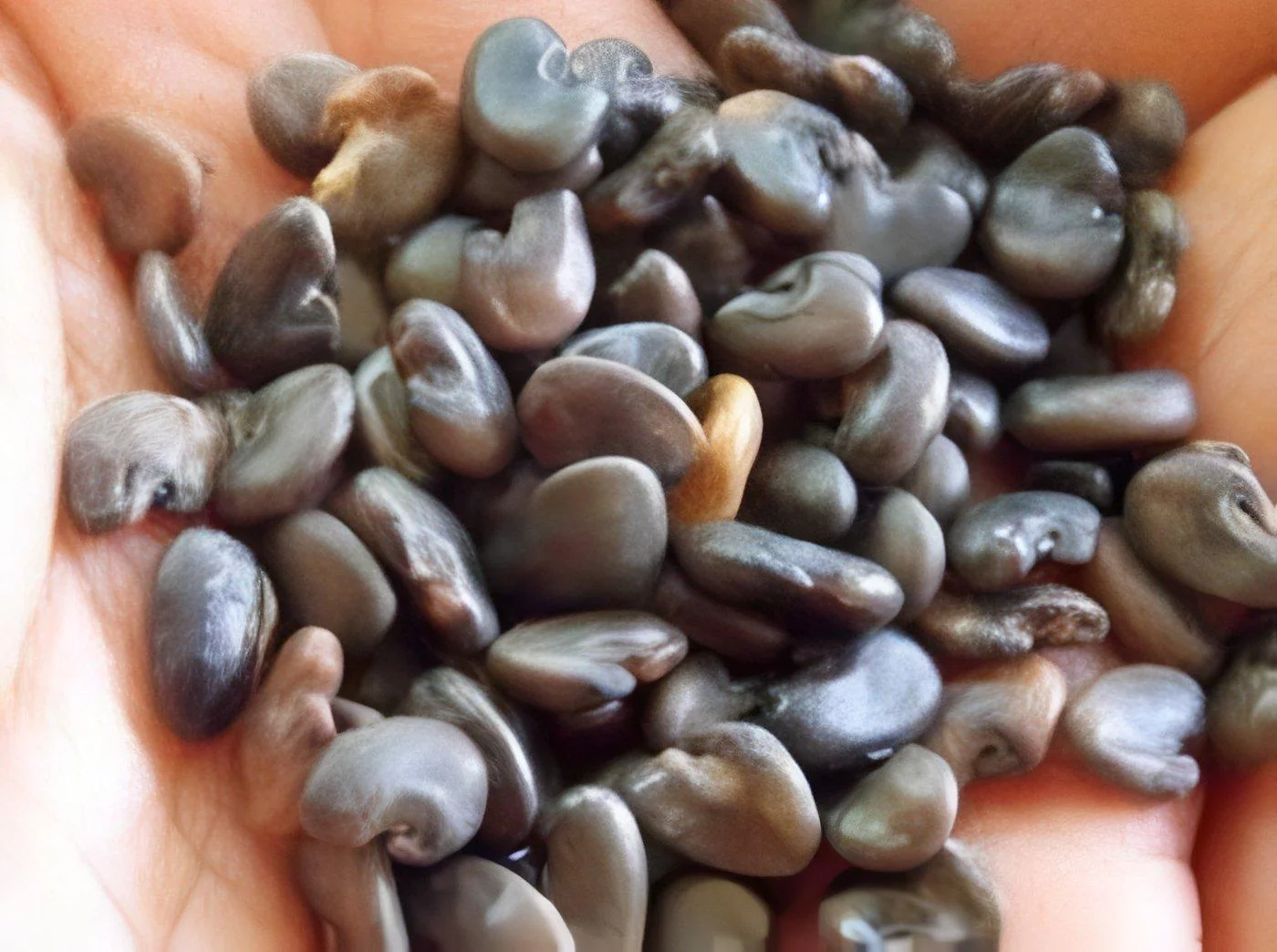
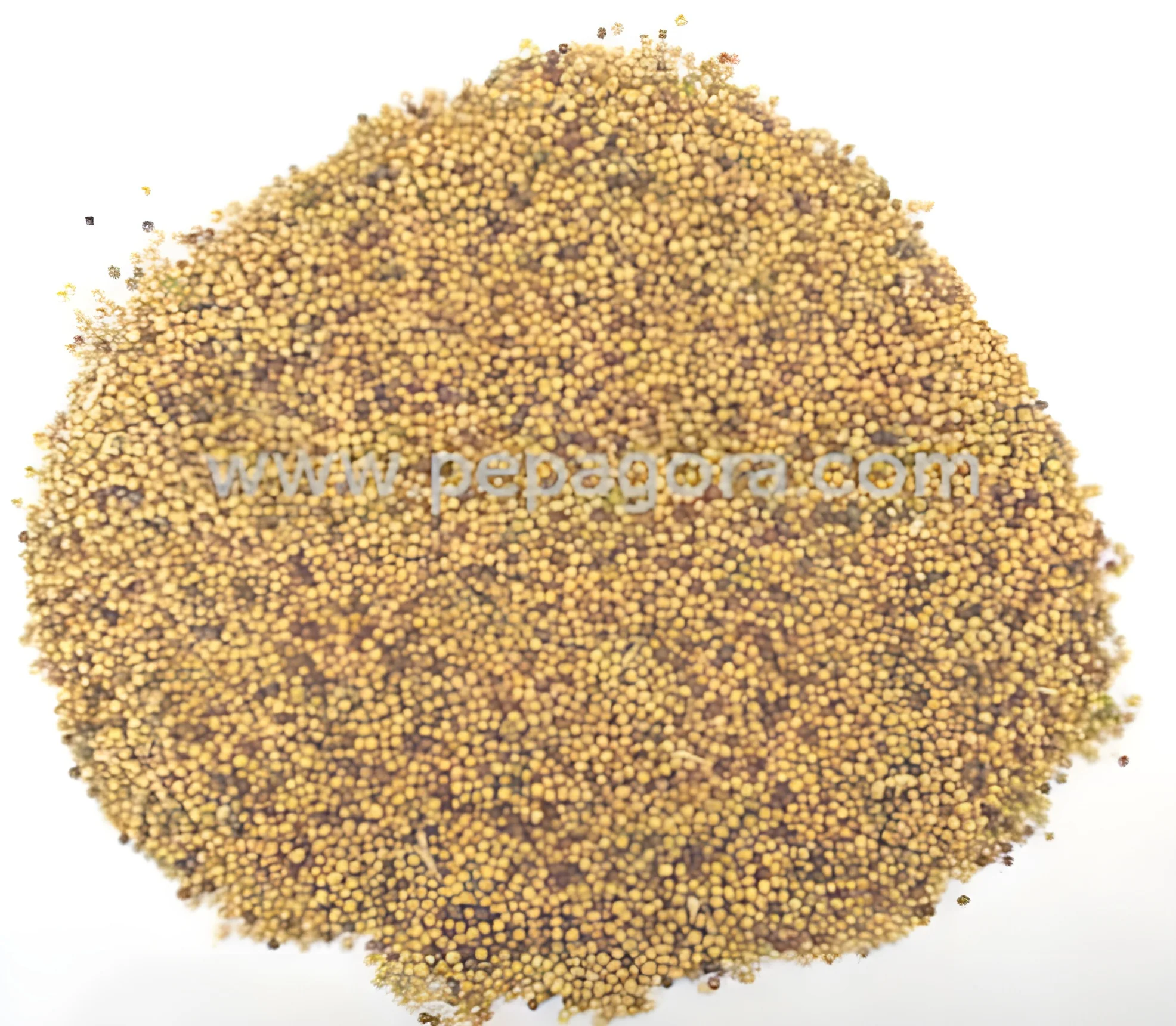
Mustard
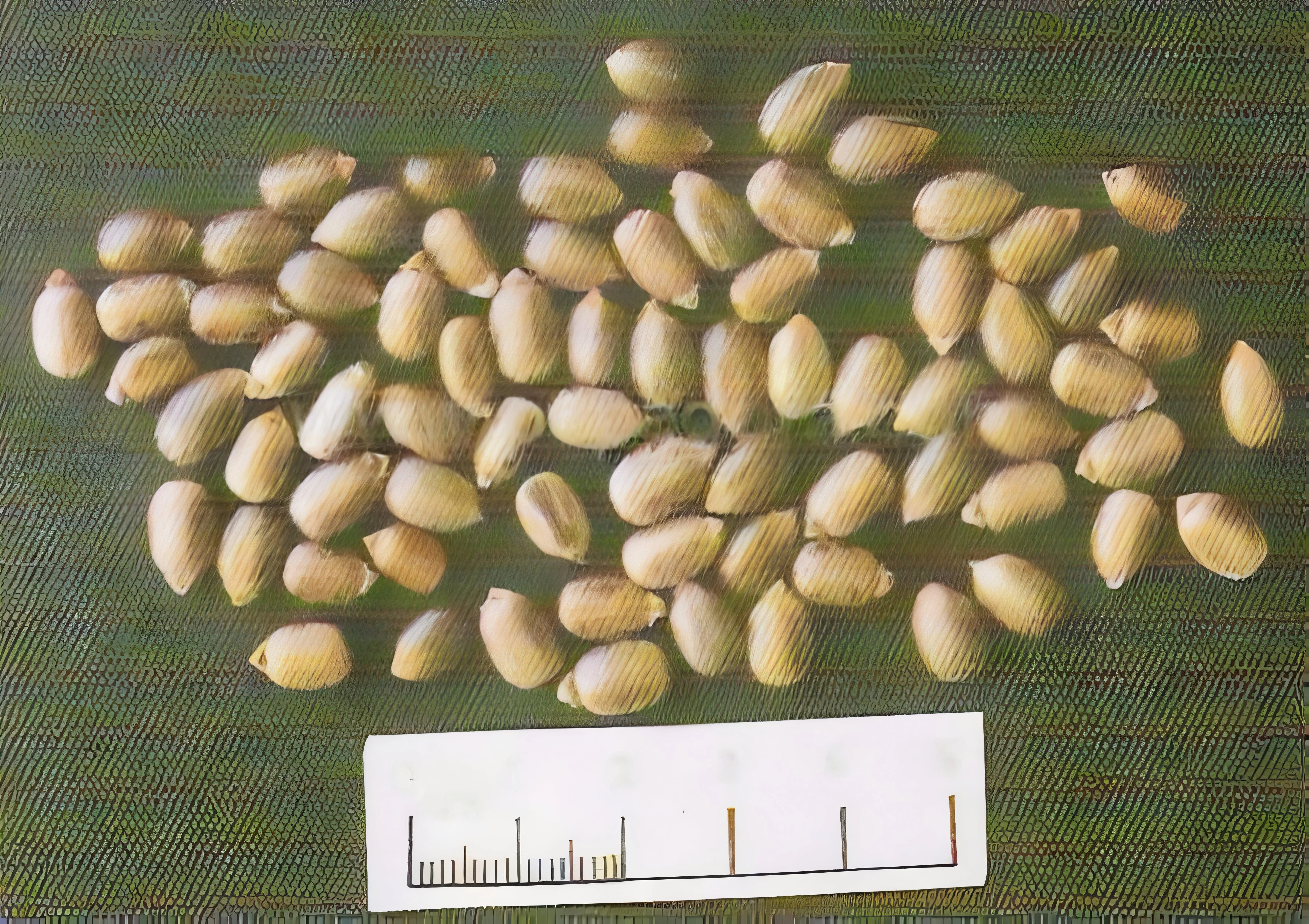
Mustard seeds come in different types, including yellow and black mustard, each offering distinct flavor profiles. They are primarily used for oil extraction and as a spice.
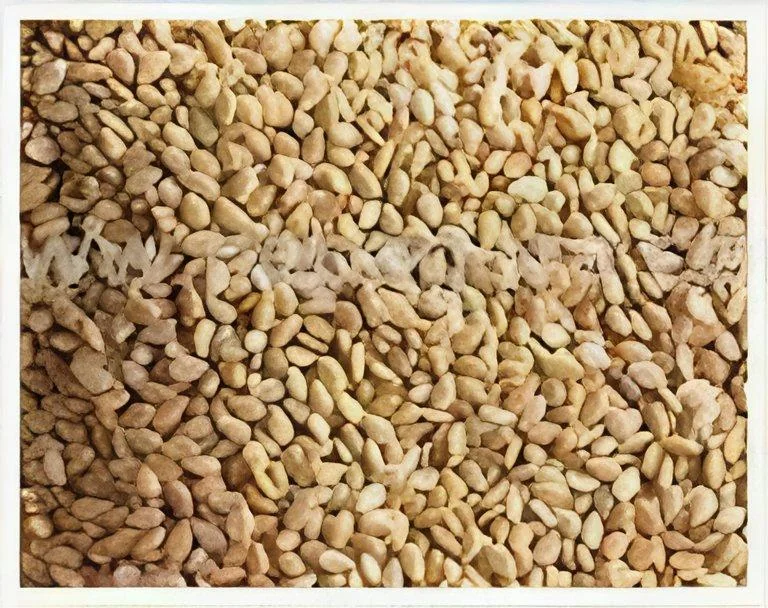
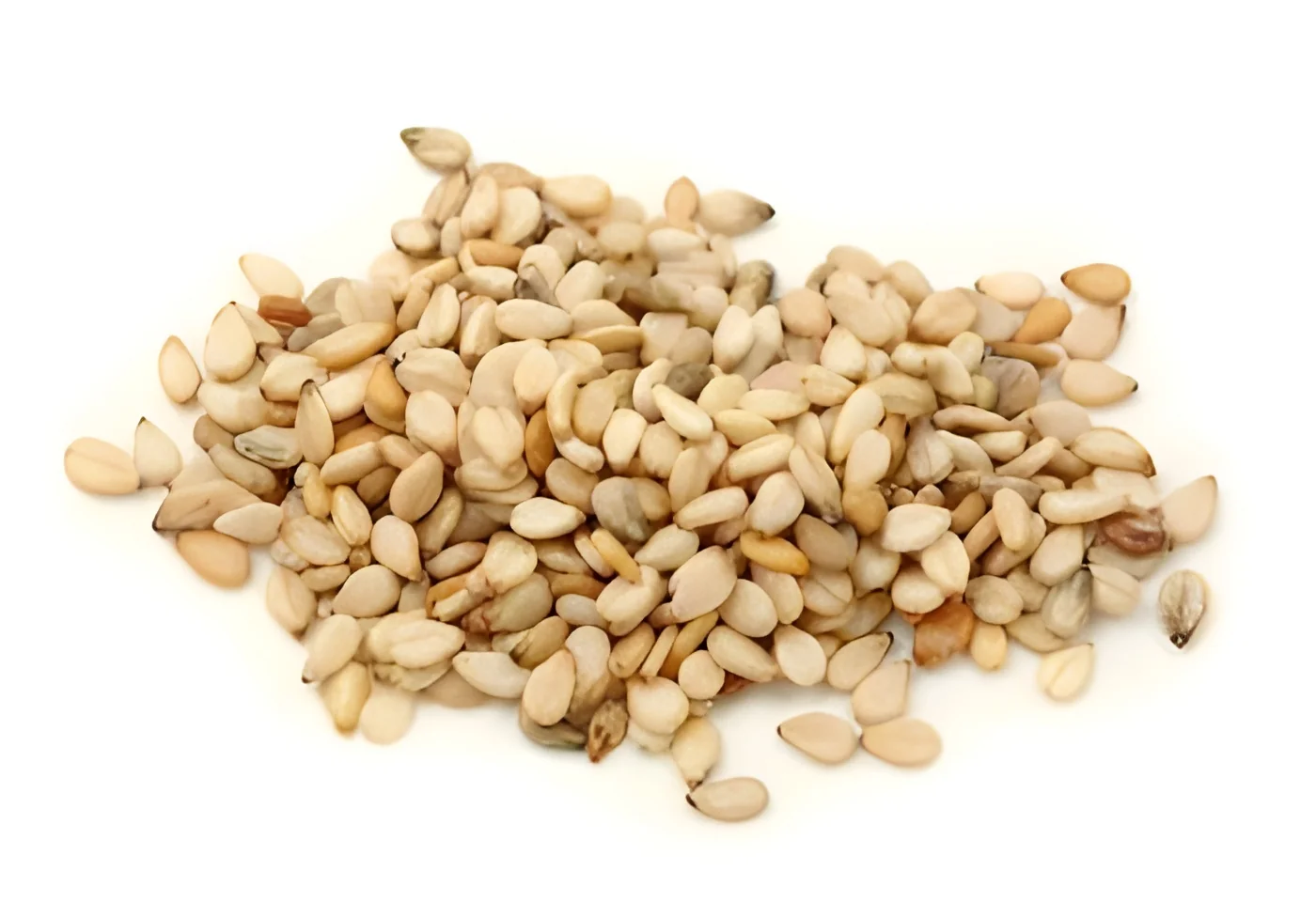
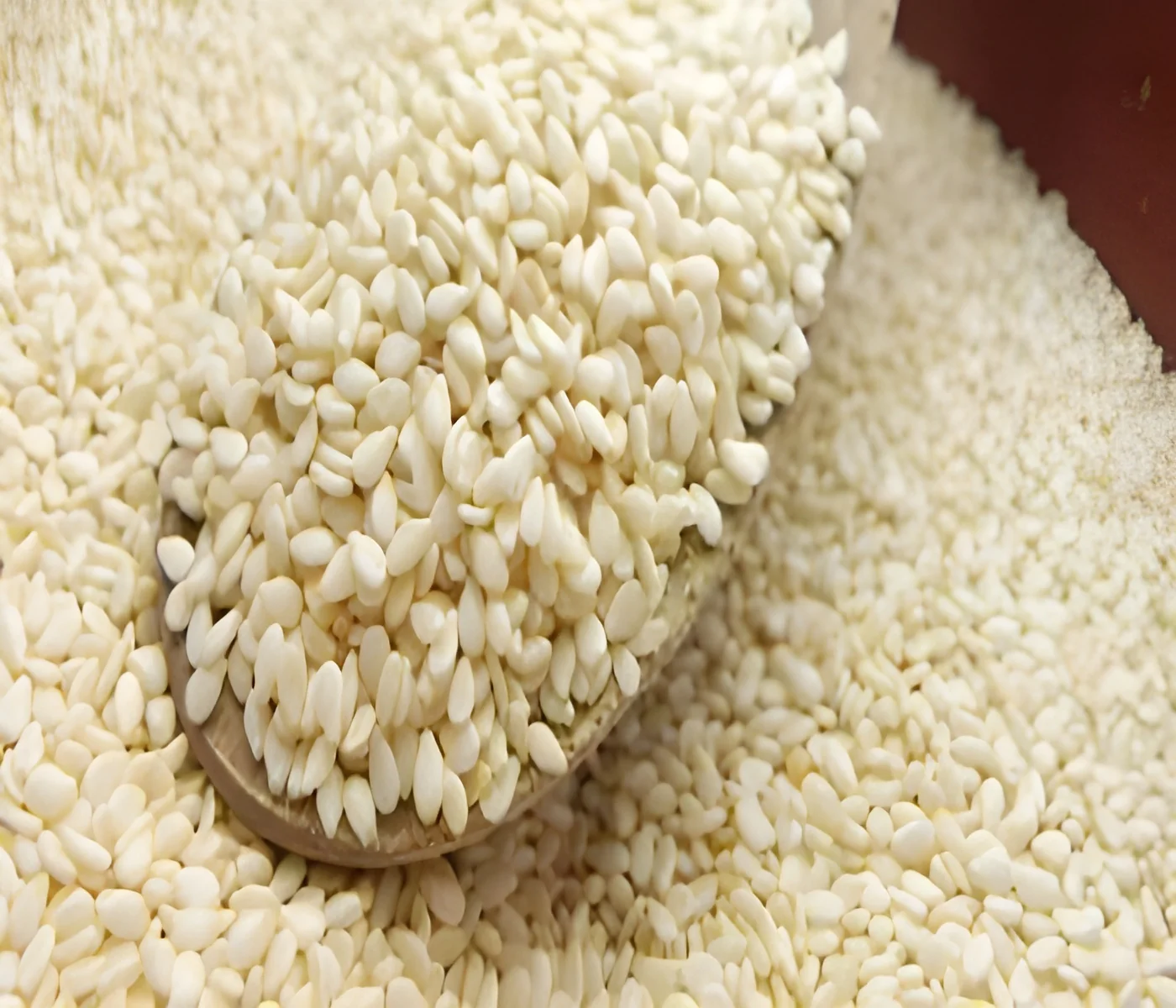
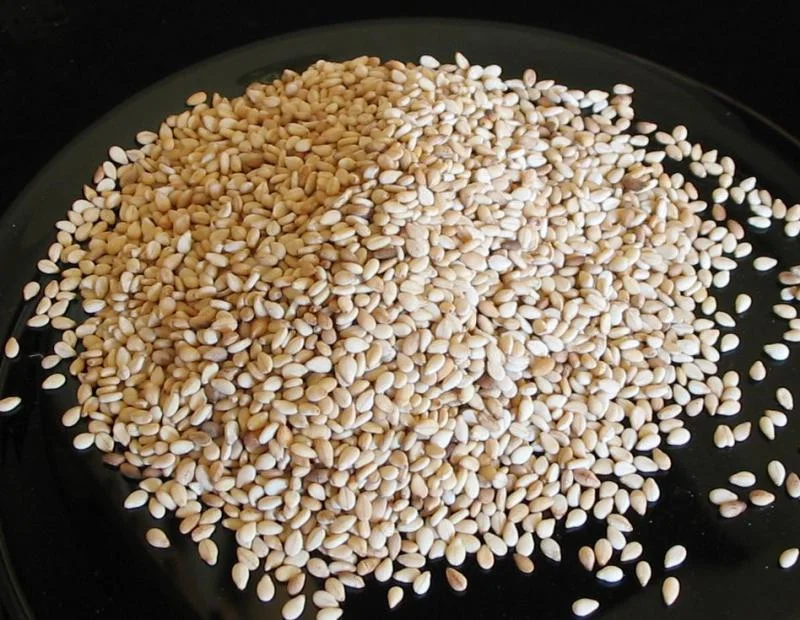
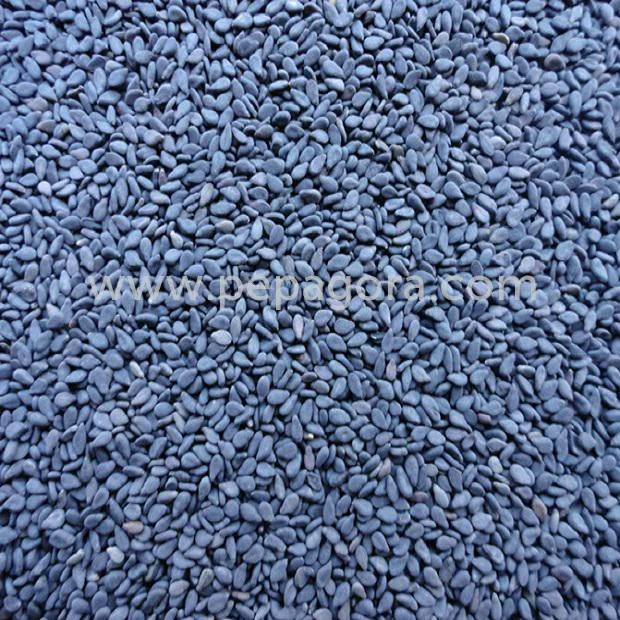
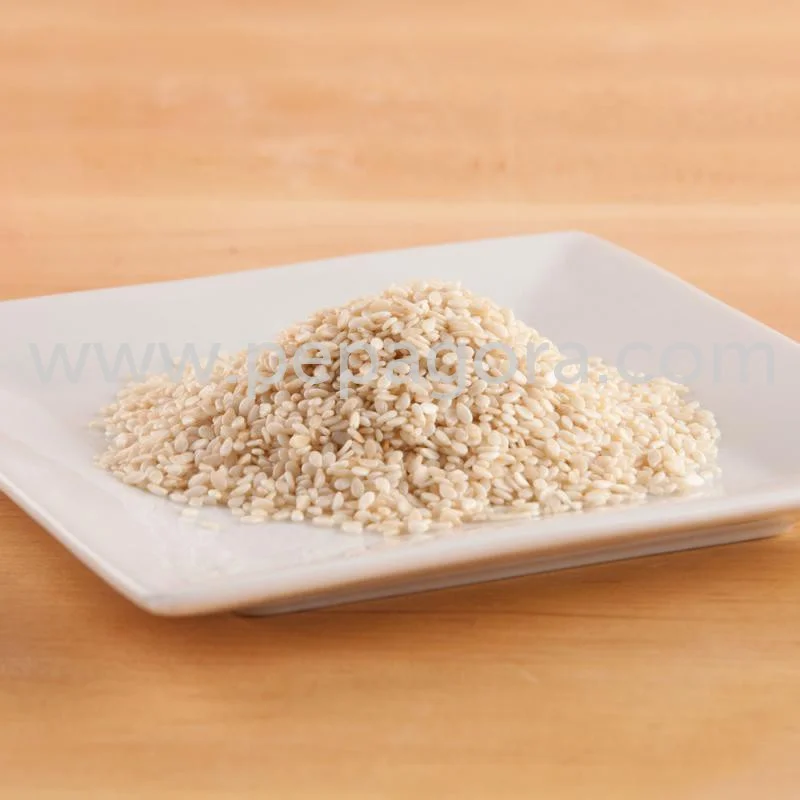
Sesame
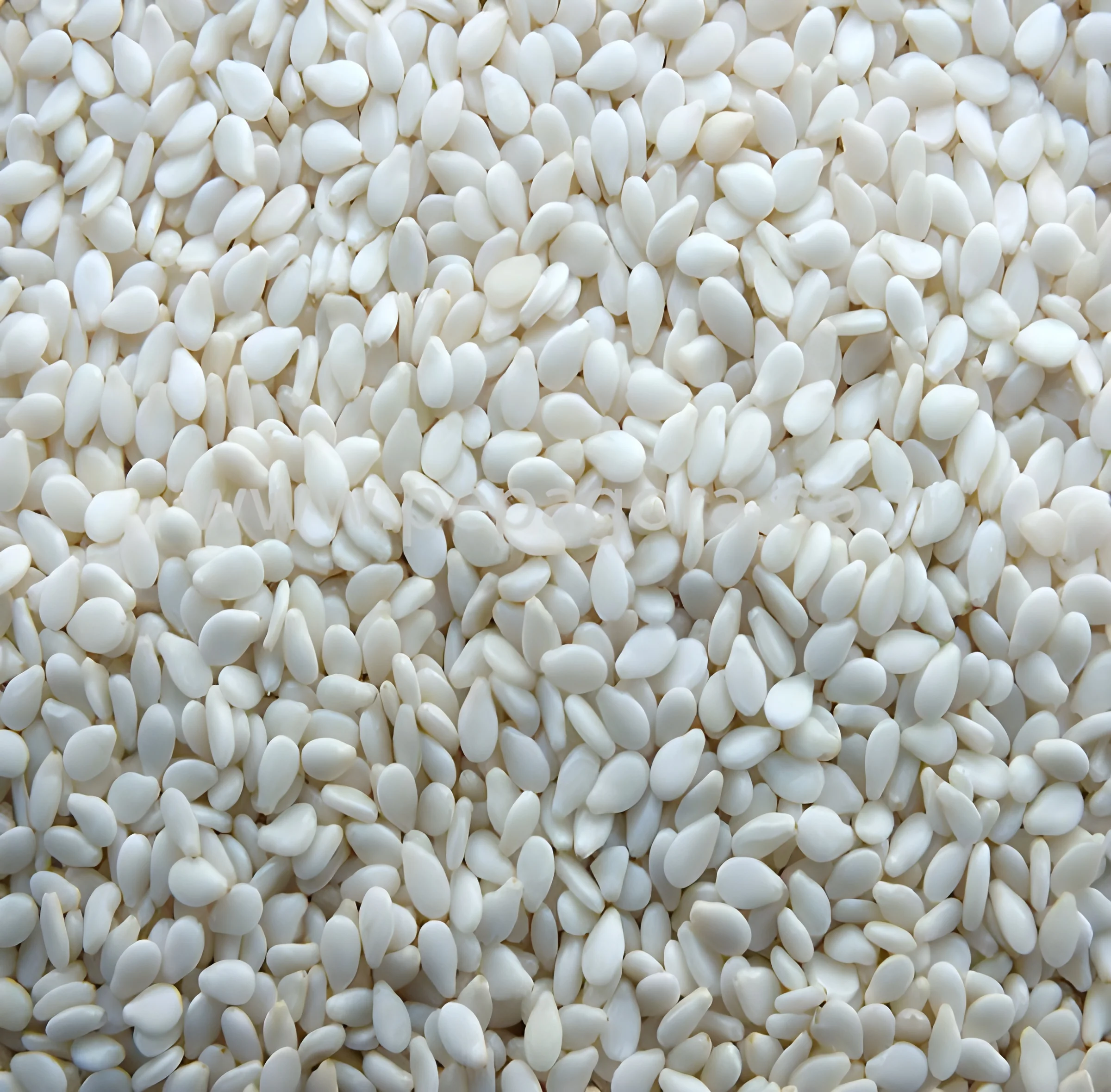
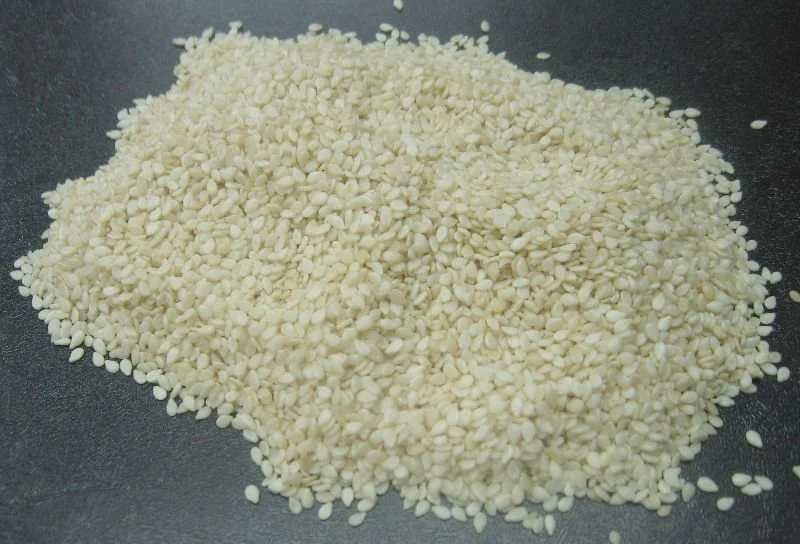
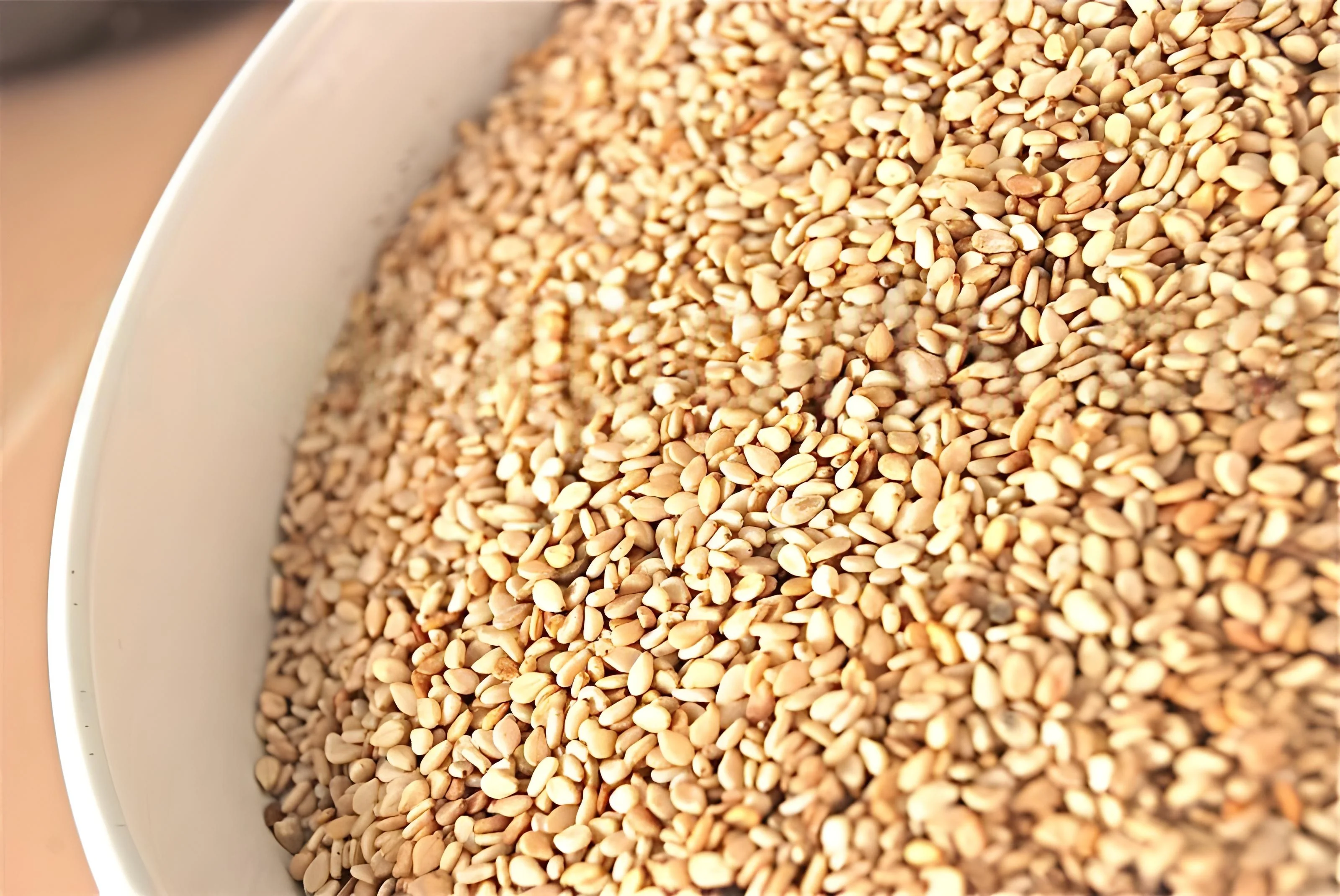
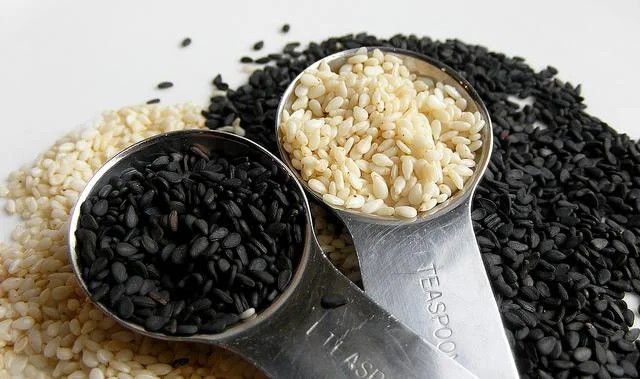
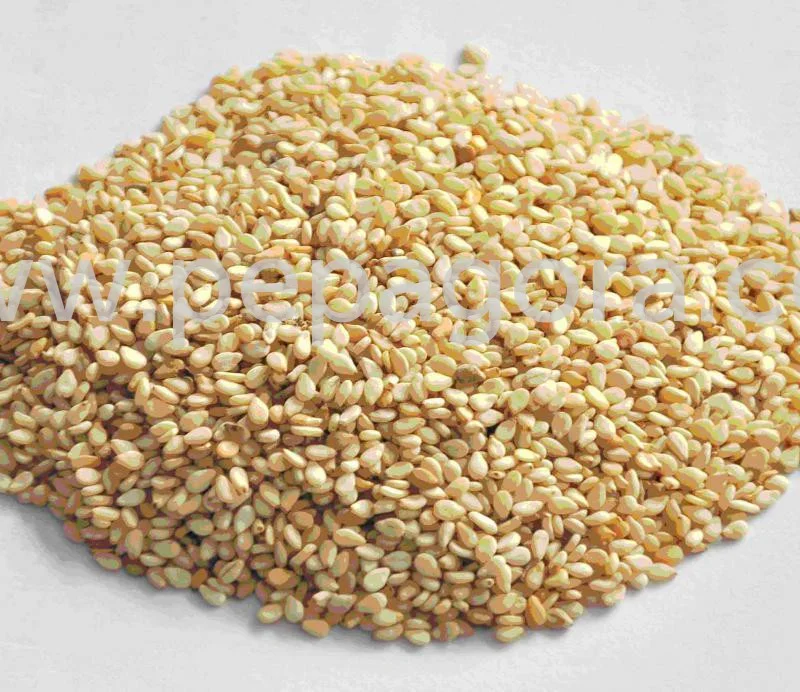
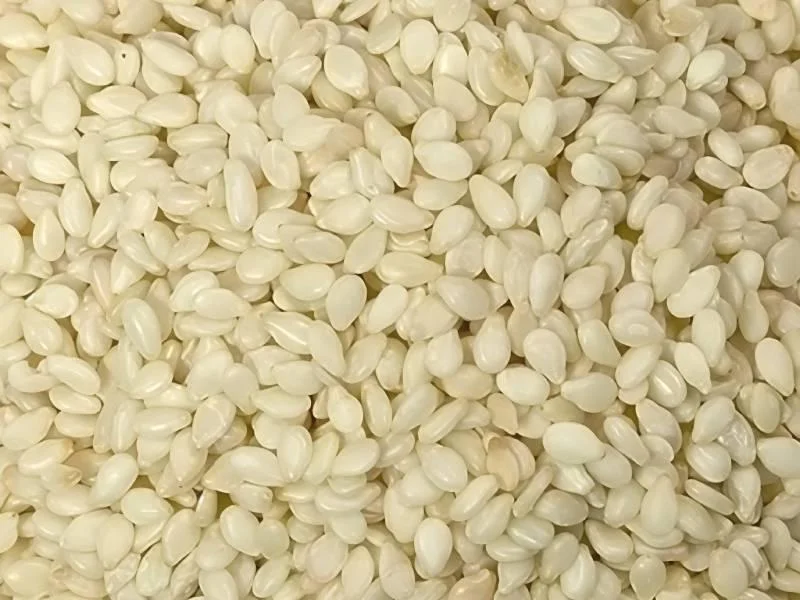
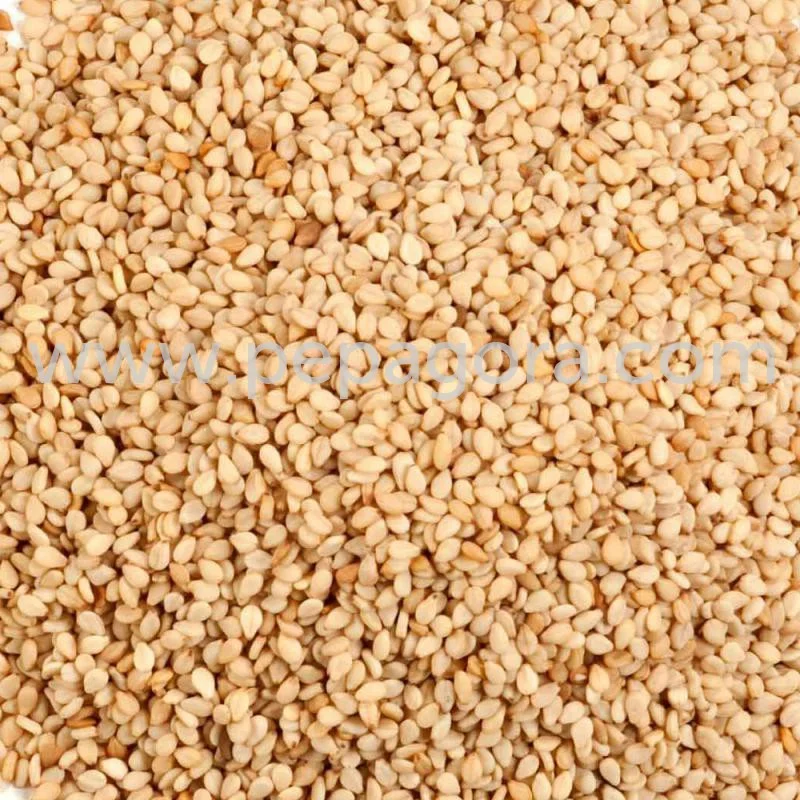
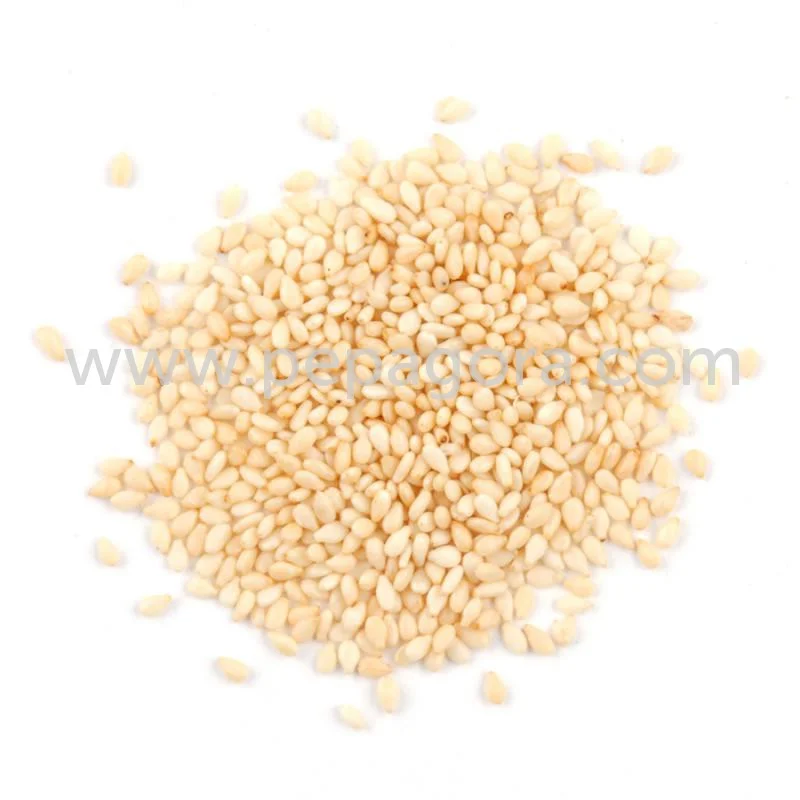
Sesame seeds are available as hulled and unhulled varieties. Hulled sesame seeds have a milder flavor, while unhulled seeds provide a nuttier taste and higher nutritional value.
𝗕𝗲𝗻𝗲𝗳𝗶𝘁𝘀 𝗮𝗻𝗱 𝗔𝗱𝘃𝗮𝗻𝘁𝗮𝗴𝗲𝘀
Sourcing oilseeds like groundnut, mustard, and sesame offers numerous advantages for businesses.
1. Nutritional Value: Oilseeds are rich in essential fatty acids, vitamins, and minerals, making them a healthy choice for consumers.
2. Versatility: They can be used in various applications, from cooking to cosmetics, providing flexibility for businesses.
3. Sustainable Sourcing: Many oilseeds are grown with sustainable practices, appealing to environmentally conscious consumers.
4. Competitive Pricing: Oilseeds are available at various price points, allowing businesses to find suitable options for their budgets.
5. High Demand: The growing consumer interest in healthy oils ensures a steady market demand.
6. Long Shelf Life: Properly stored oilseeds can have extended shelf lives, reducing waste and improving inventory management.
𝗕𝘂𝘆𝗶𝗻𝗴 𝗚𝘂𝗶𝗱𝗲 𝗳𝗼𝗿 𝗕𝟮𝗕 𝗕𝘂𝘆𝗲𝗿𝘀
When sourcing oilseeds such as groundnut, mustard, and sesame, businesses should consider several critical factors.
1. Quality Assessment: Evaluate oilseeds based on oil content, moisture levels, and purity to ensure they meet your quality standards.
2. Supplier Verification: Vet suppliers by checking their certifications, past performance, and customer reviews to ensure reliability.
3. Pricing and MOQ: Consider the cost per unit and the minimum order quantity to align with your budget and inventory needs.
4. Delivery and Lead Times: Assess logistics and ensure that suppliers can meet your required delivery timelines to avoid disruptions.
5. Compliance Requirements: Be aware of regulatory standards that apply to oilseed sourcing to ensure compliance with local and international regulations.
𝗖𝗼𝗺𝗽𝗹𝗶𝗮𝗻𝗰𝗲 𝗮𝗻𝗱 𝗖𝗲𝗿𝘁𝗶𝗳𝗶𝗰𝗮𝘁𝗶𝗼𝗻𝘀
Quality and safety are paramount in the oilseed industry. Relevant quality standards such as ISO 9001, HACCP, and GDP play a significant role in maintaining product integrity.
ISO 9001 ensures that suppliers adhere to quality management systems, leading to consistent product quality. HACCP focuses on food safety, identifying potential hazards in the production process. GDP outlines guidelines for the proper handling and storage of goods to maintain quality.
Certifications such as CE indicate compliance with European safety standards. Safety and testing requirements are crucial for ensuring that oilseeds are free from contaminants and suitable for consumption. Regional compliance considerations may vary, necessitating an understanding of local regulations to ensure lawful trading practices.
Why Source Oilseeds (Groundnut, Mustard, Sesame) from Pepagora?
Pepagora provides a trusted platform for sourcing oilseeds such as groundnut, mustard, and sesame, offering several key advantages for B2B buyers.
Verified Supplier Network: Pepagora has built a robust network of verified suppliers, ensuring that businesses can source high-quality oilseeds from reputable sources. This network adds a layer of security and trust for buyers.
Streamlined RFQ Process: The request for quotation (RFQ) process on Pepagora is designed to be user-friendly, enabling buyers to receive competitive quotes efficiently. This streamlined approach saves time and aids in decision-making.
Trade Assurance and Support: Pepagora offers trade assurance and support to protect buyers throughout the transaction process. This includes assistance with negotiations and conflict resolution, fostering a smooth purchasing experience.
Regional Coverage: With a strong presence in India, the GCC region, and Southeast Asia, Pepagora ensures extensive geographical reach, connecting buyers with suppliers across diverse markets. This regional coverage enhances sourcing options and facilitates international trade.