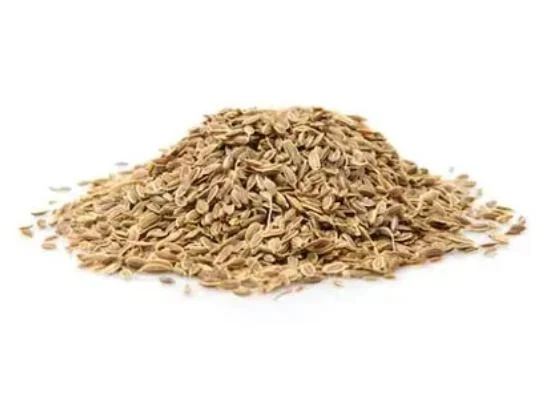
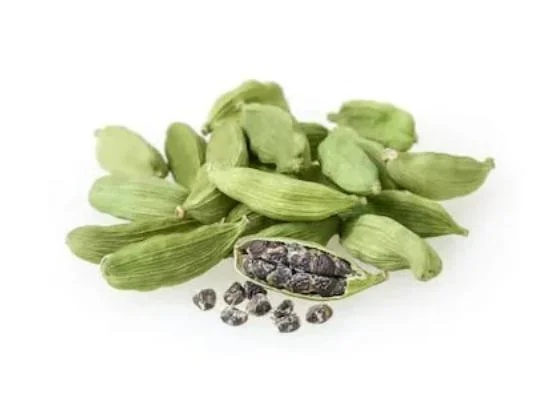
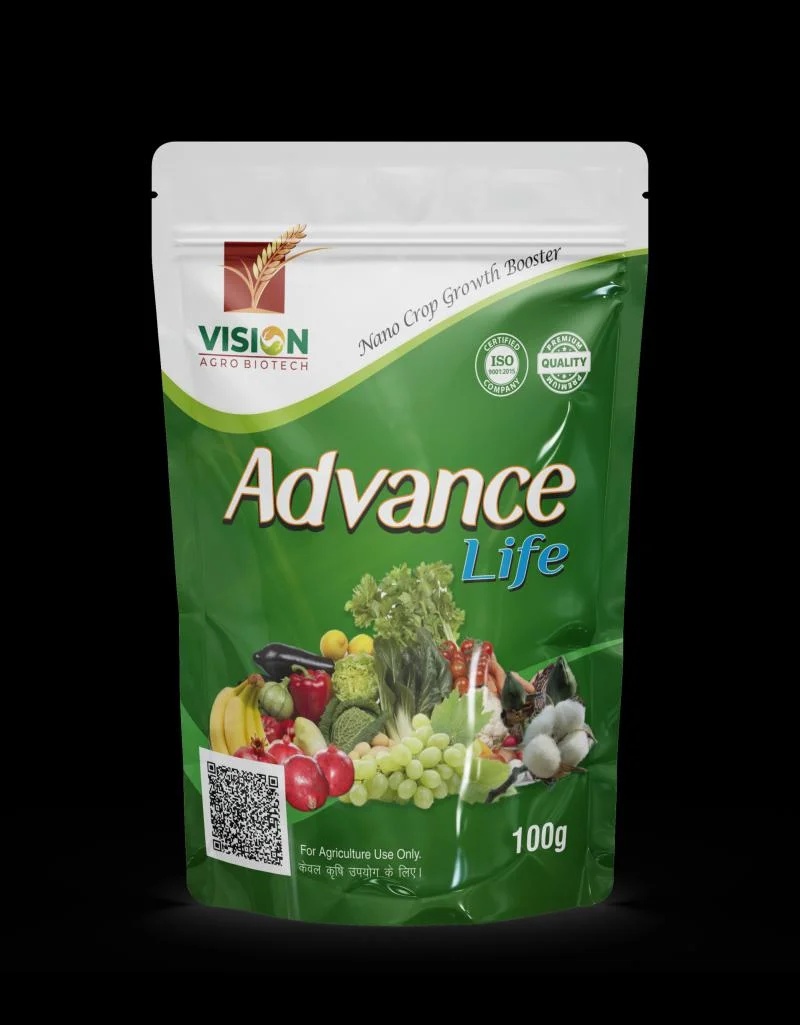
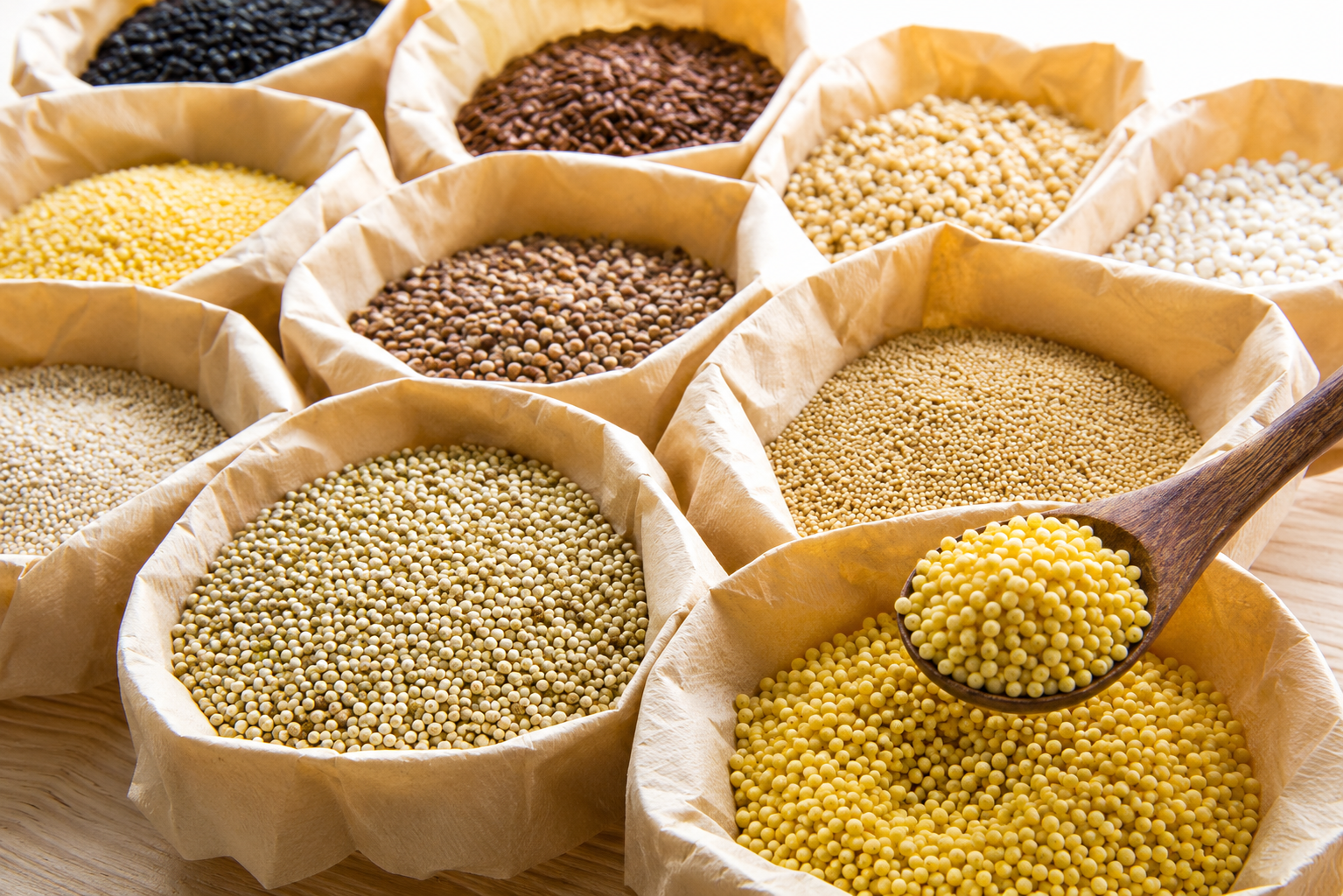
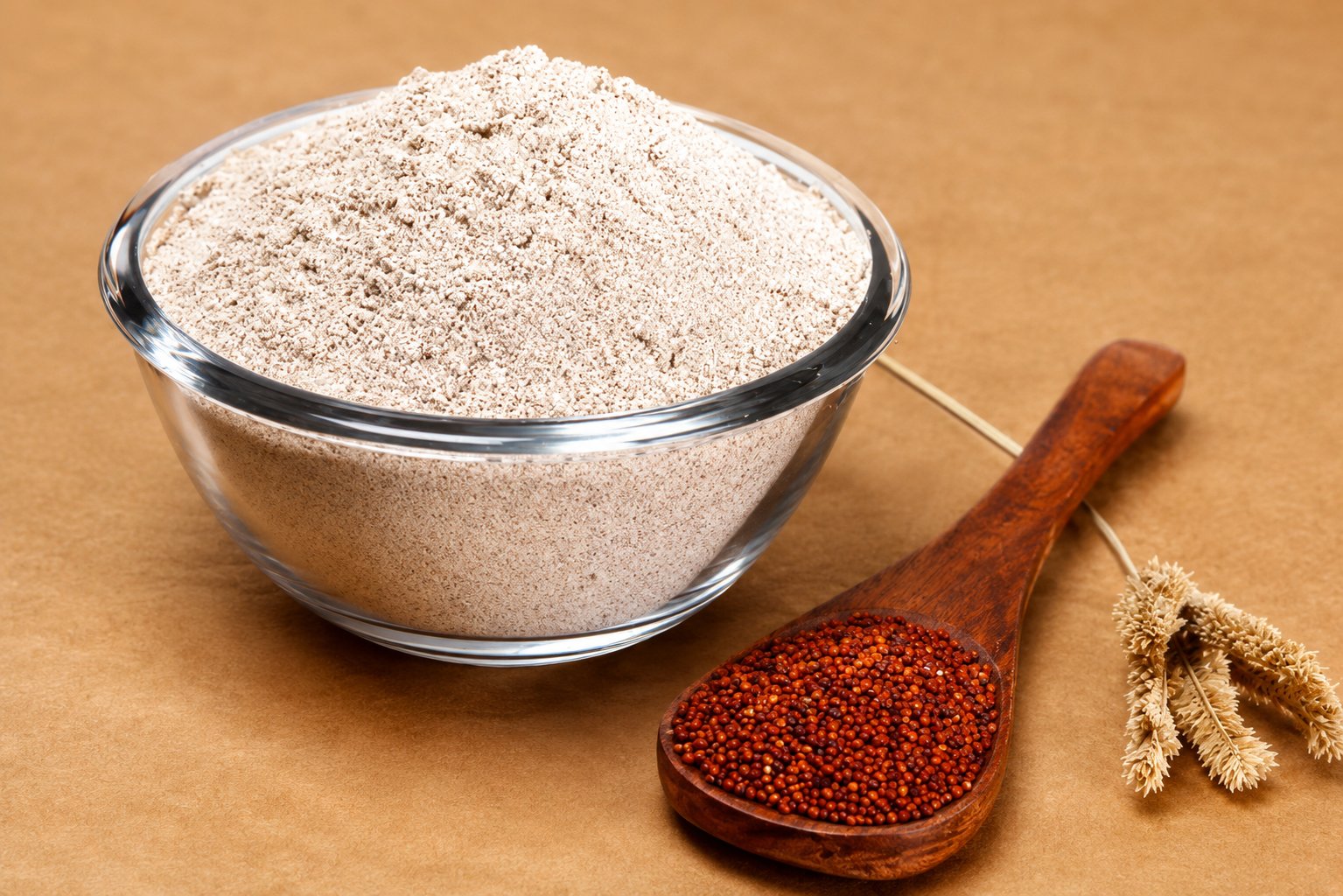
𝗪𝗵𝗮𝘁 𝗮𝗿𝗲 𝗡𝗲𝗲𝗺, 𝗧𝘂𝗹𝘀𝗶, 𝗔𝗺𝗹𝗮 𝗦𝗲𝗲𝗱𝘀?
Neem, Tulsi, and Amla seeds are derived from three significant plants known for their medicinal properties in traditional medicine. Neem seeds are known for their antibacterial and antifungal properties, making them valuable in agricultural applications. Tulsi seeds, sourced from the holy basil plant, are renowned for their adaptogenic qualities, promoting health and wellness. Amla seeds come from the Indian gooseberry, which is rich in vitamin C and antioxidants, offering numerous health benefits.
These seeds have a range of business applications. They are used in the production of herbal supplements, cosmetics, and natural pesticides. Industries such as agriculture, health and wellness, and skincare utilize these seeds for their beneficial properties. The growing trend towards natural ingredients and organic products has enhanced their market relevance.
In the current market context, the demand for herbal and organic products is on the rise. As consumers increasingly seek natural alternatives, industries are adapting their product lines to include Neem, Tulsi, and Amla seeds. This trend presents opportunities for businesses to engage in sustainable practices while meeting consumer expectations for health-conscious products.
𝗞𝗲𝘆 𝗙𝗲𝗮𝘁𝘂𝗿𝗲𝘀 𝗮𝗻𝗱 𝗦𝗽𝗲𝗰𝗶𝗳𝗶𝗰𝗮𝘁𝗶𝗼𝗻𝘀
Neem, Tulsi, and Amla seeds offer several features that make them valuable in various applications. These seeds are characterized by their high nutrient content and versatility in formulation.
Key specifications include:
1. Nutritional Content
- High in vitamins, minerals, and antioxidants
- Specific ranges of vitamin C in Amla seeds
2. Purity Levels
- Minimum purity standards for seed quality
- Technical parameters defining acceptable impurity levels
3. Moisture Content
- Standard moisture levels to ensure seed longevity
- Recommended percentage ranges for optimal storage
4. Germination Rate
- Minimum germination rates indicating seed viability
- Specified ranges for different seed types
5. Packaging Standards
- Recommended packaging materials for preserving seed quality
- Standard sizes and weight options for bulk orders
6. Shelf Life
- Typical shelf life based on storage conditions
- Recommended usage timelines for best results
In summary, these specifications highlight the critical attributes of Neem, Tulsi, and Amla seeds that buyers should consider for effective application in their respective industries.
𝗖𝗼𝗺𝗺𝗼𝗻 𝗔𝗽𝗽𝗹𝗶𝗰𝗮𝘁𝗶𝗼𝗻𝘀 𝗮𝗻𝗱 𝗨𝘀𝗲 𝗖𝗮𝘀𝗲𝘀
Neem, Tulsi, and Amla seeds serve various industries, showcasing their versatility.
1. Agriculture: Neem seeds are widely used to create natural pesticides, enhancing crop protection without harmful chemicals.
2. Health and Wellness: Amla seeds are often processed into supplements for their high vitamin C content, promoting immunity and overall health.
3. Skincare: Tulsi seeds are incorporated into cosmetic products for their antibacterial properties, providing natural solutions for skin issues.
4. Food and Beverage: Amla seeds are utilized in health drinks and herbal teas, appealing to health-conscious consumers.
5. Pharmaceuticals: Neem seeds are extracted for their medicinal properties, forming the basis of various herbal medicines.
6. Organic Farming: Farmers are increasingly turning to these seeds for sustainable agricultural practices, reducing reliance on synthetic inputs.
7. Nutraceuticals: The health benefits of these seeds have led to their inclusion in nutraceutical products aimed at enhancing well-being.
𝗣𝗿𝗼𝗱𝘂𝗰𝘁 𝗩𝗮𝗿𝗶𝗮𝗻𝘁𝘀 𝗮𝗻𝗱 𝗦𝘂𝗯𝗰𝗮𝘁𝗲𝗴𝗼𝗿𝗶𝗲𝘀
Neem, Tulsi, and Amla seeds come in different forms and variants, allowing for tailored applications.
Neem Seed Variant
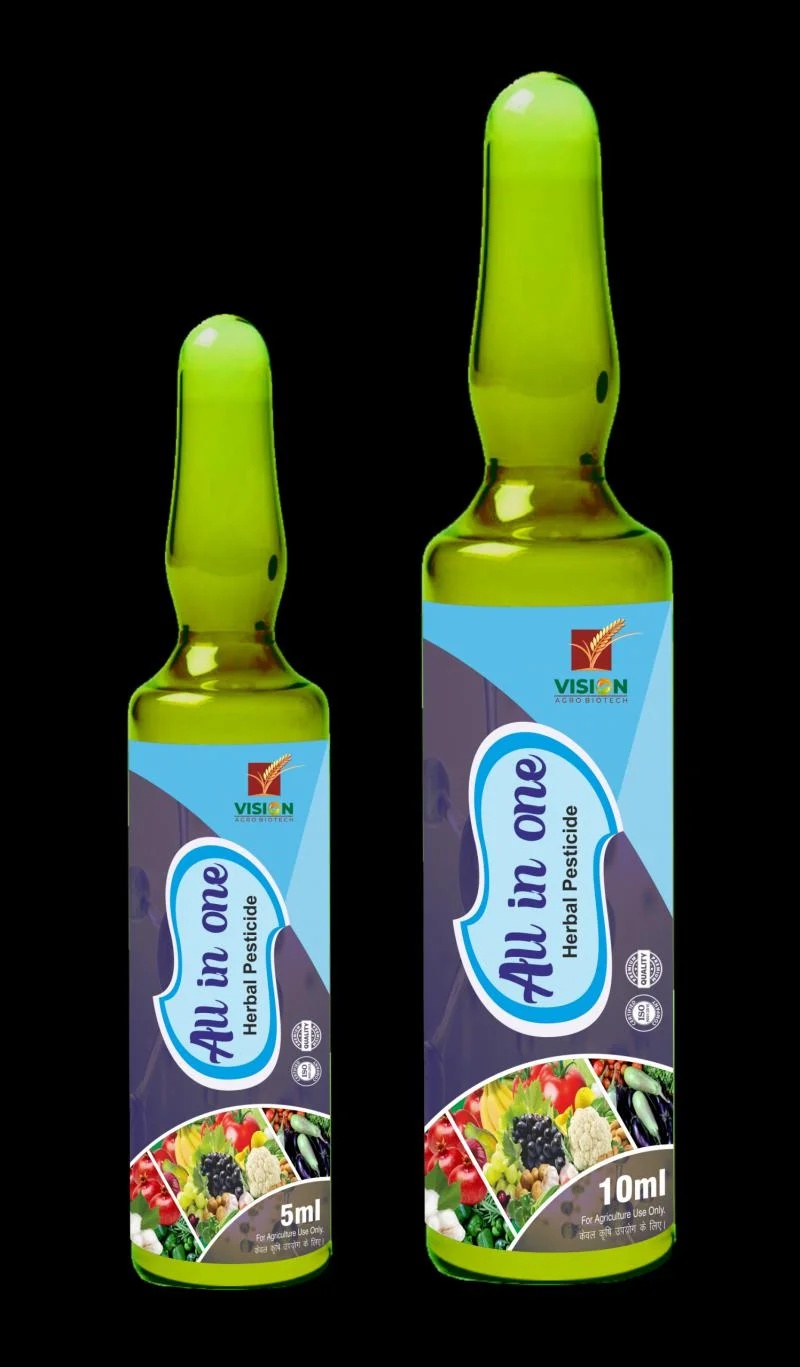
This variant is often processed into neem oil, known for its insecticidal properties. It is widely used in organic farming and pest control solutions.
Tulsi Seed Variant
Tulsi seeds can be found in various formulations for herbal teas and supplements. Their adaptogenic properties make them popular in wellness products.
Amla Seed Variant
Amla seeds are processed into powders and extracts, commonly included in dietary supplements for their health benefits. They are valued for their antioxidant properties.
𝗕𝗲𝗻𝗲𝗳𝗶𝘁𝘀 𝗮𝗻𝗱 𝗔𝗱𝘃𝗮𝗻𝘁𝗮𝗴𝗲𝘀
Sourcing Neem, Tulsi, and Amla seeds offers numerous benefits for businesses.
1. Natural Ingredients: These seeds are derived from plants and provide a natural alternative to synthetic chemicals.
2. Health Benefits: Rich in vitamins and antioxidants, they contribute to health and wellness products that appeal to consumers.
3. Versatility: The seeds can be used across various industries, enhancing product offerings and market reach.
4. Sustainability: Utilizing these seeds supports eco-friendly practices and aligns with the growing consumer demand for sustainable products.
5. Cost-Effectiveness: Sourcing these seeds can provide competitive pricing in the market, especially for organic products.
6. Market Demand: The increasing interest in herbal and natural products ensures a steady market for these seeds.
𝗕𝘂𝘆𝗶𝗻𝗴 𝗚𝘂𝗶𝗱𝗲 𝗳𝗼𝗿 𝗕𝟮𝗕 𝗕𝘂𝘆𝗲𝗿𝘀
When sourcing Neem, Tulsi, and Amla seeds, B2B buyers should consider several critical factors.
1. Quality Assessment: Evaluate the seeds based on purity, nutritional content, and germination rates. Look for certifications that validate quality standards.
2. Supplier Verification: Conduct thorough research on potential suppliers. Verify their reputation, compliance with industry standards, and previous customer feedback.
3. Pricing and MOQ: Understand the pricing structure and minimum order quantities. Compare prices across suppliers to ensure competitive rates.
4. Delivery and Lead Times: Discuss logistics to ensure timely delivery. Consider suppliers’ lead times to plan inventory management effectively.
5. Compliance Requirements: Be aware of any regulatory standards that apply to these seeds in your region. Ensure that suppliers comply with local and international regulations.
𝗖𝗼𝗺𝗽𝗹𝗶𝗮𝗻𝗰𝗲 𝗮𝗻𝗱 𝗖𝗲𝗿𝘁𝗶𝗳𝗶𝗰𝗮𝘁𝗶𝗼𝗻𝘀
Compliance with quality standards is essential when sourcing Neem, Tulsi, and Amla seeds. Relevant standards include ISO 9001, which emphasizes quality management systems. Additionally, HACCP ensures food safety, particularly for seeds intended for consumption or health products.
Industry certifications such as CE and UL indicate that products meet specific safety and performance standards. These certifications assure buyers of the reliability and quality of the seeds.
Safety and testing requirements must also be met to ensure that the seeds are free from contaminants. Regular testing for chemical residues and microbial safety is crucial, especially for seeds used in health and wellness products.
Regional compliance considerations vary, so it is essential to understand the specific requirements in your operational territory, whether it be in India or other regions.
𝗪𝗵𝘆 𝗦𝗼𝘂𝗿𝗰𝗲 𝗡𝗲𝗲𝗺, 𝗧𝘂𝗹𝘀𝗶, 𝗔𝗺𝗹𝗮 𝗦𝗲𝗲𝗱𝘀 𝗳𝗿𝗼𝗺 𝗣𝗲𝗽𝗮𝗴𝗼𝗿𝗮?
Pepagora provides a trusted platform for sourcing Neem, Tulsi, and Amla seeds, offering several key advantages to buyers.
Verified Supplier Network: Pepagora has a rigorous vetting process for suppliers, ensuring that only reliable and quality-focused vendors are part of their network. This helps buyers source high-quality seeds with confidence.
Streamlined RFQ Process: The request for quotation (RFQ) process at Pepagora is designed to be efficient, allowing buyers to quickly receive quotes from multiple suppliers. This saves time and simplifies the sourcing process.
Trade Assurance and Support: Pepagora offers buyer protection through trade assurance, ensuring that transactions are secure. Their support team is available to assist buyers throughout the procurement process.
Regional Coverage: With a strong presence in India, the GCC, and Southeast Asia, Pepagora provides extensive geographic coverage. This ensures that buyers can access Neem, Tulsi, and Amla seeds regardless of their location, facilitating international trade.

 IN
IN
 India
India