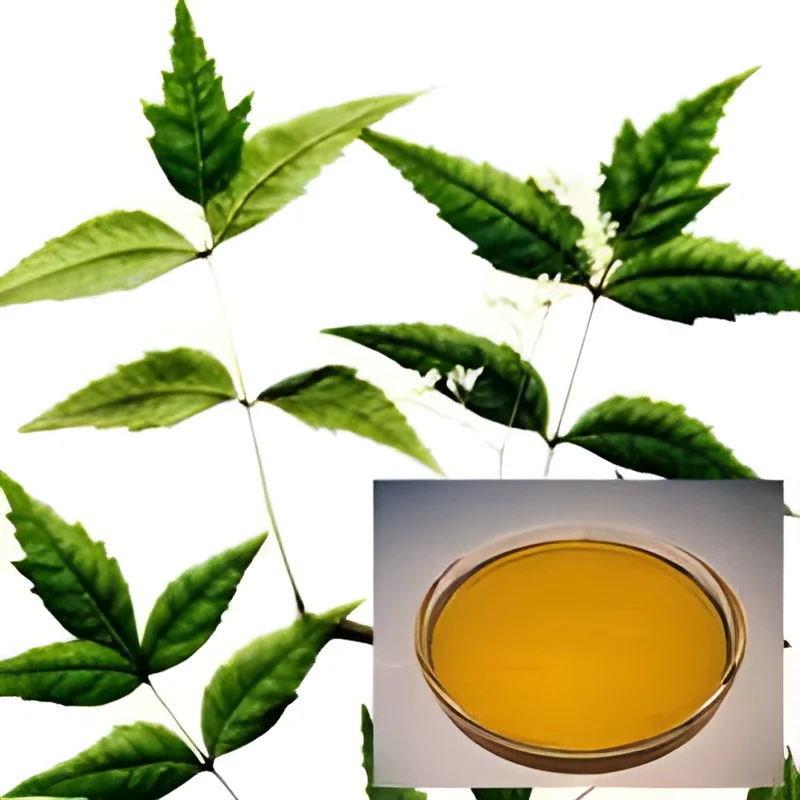
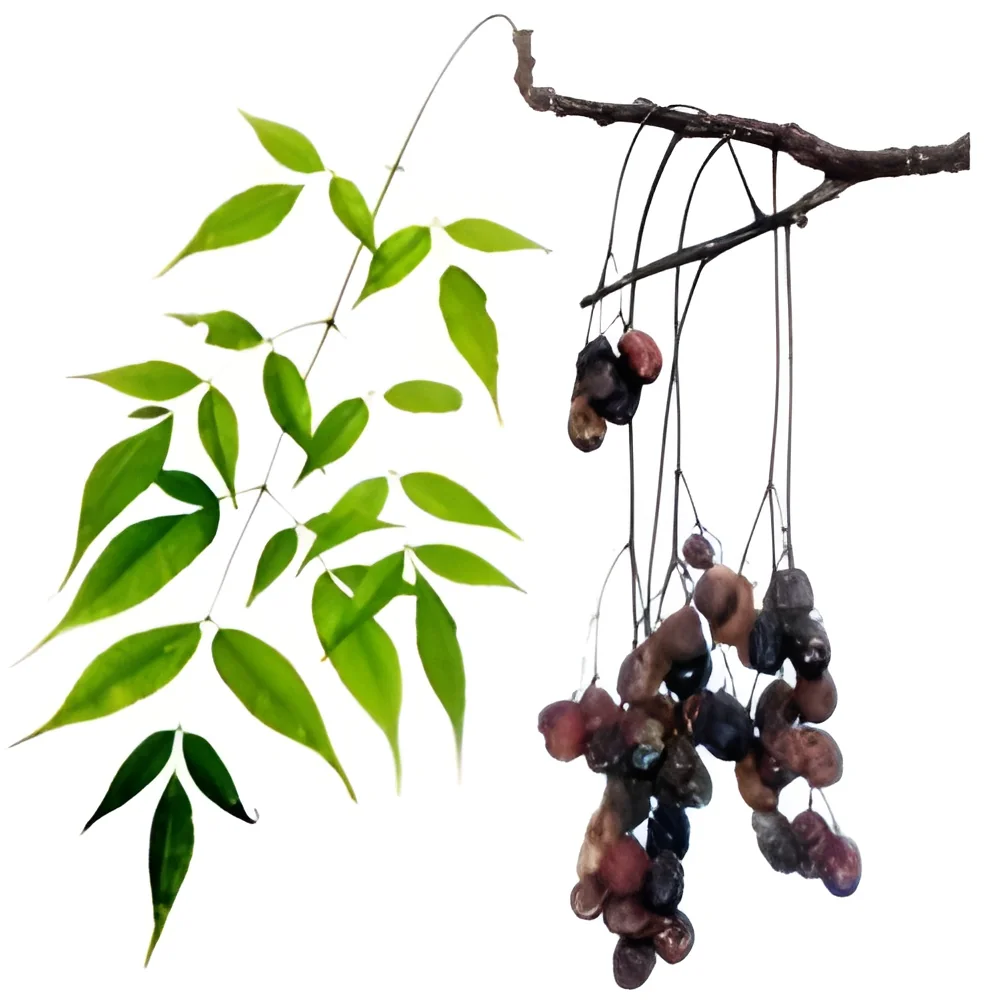
What are Neem-Based Biopesticides?
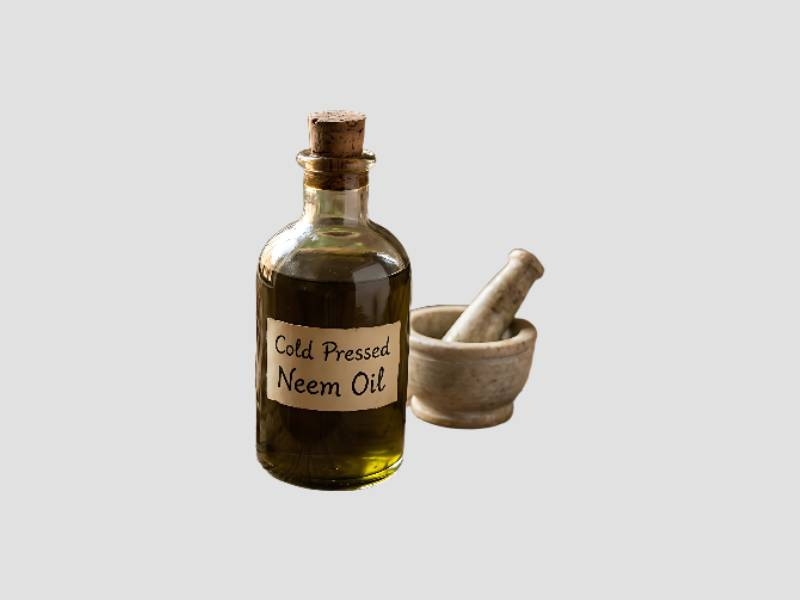
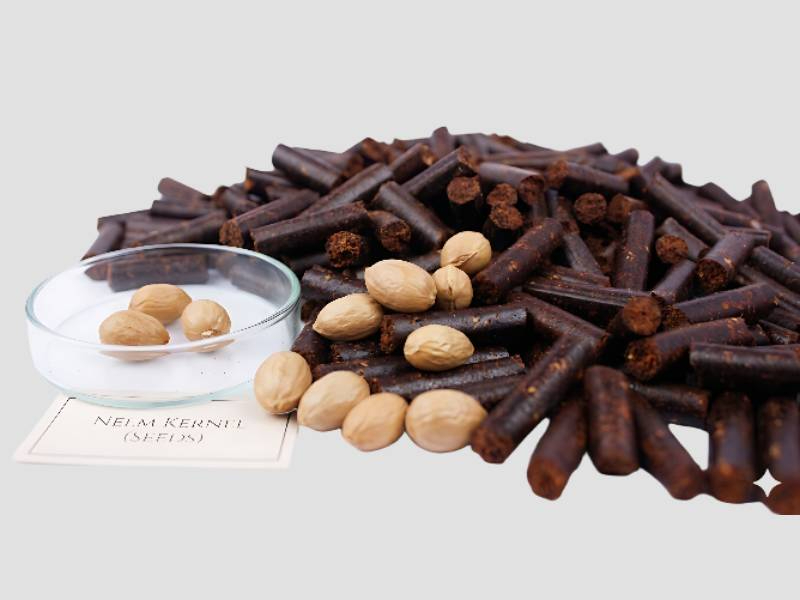
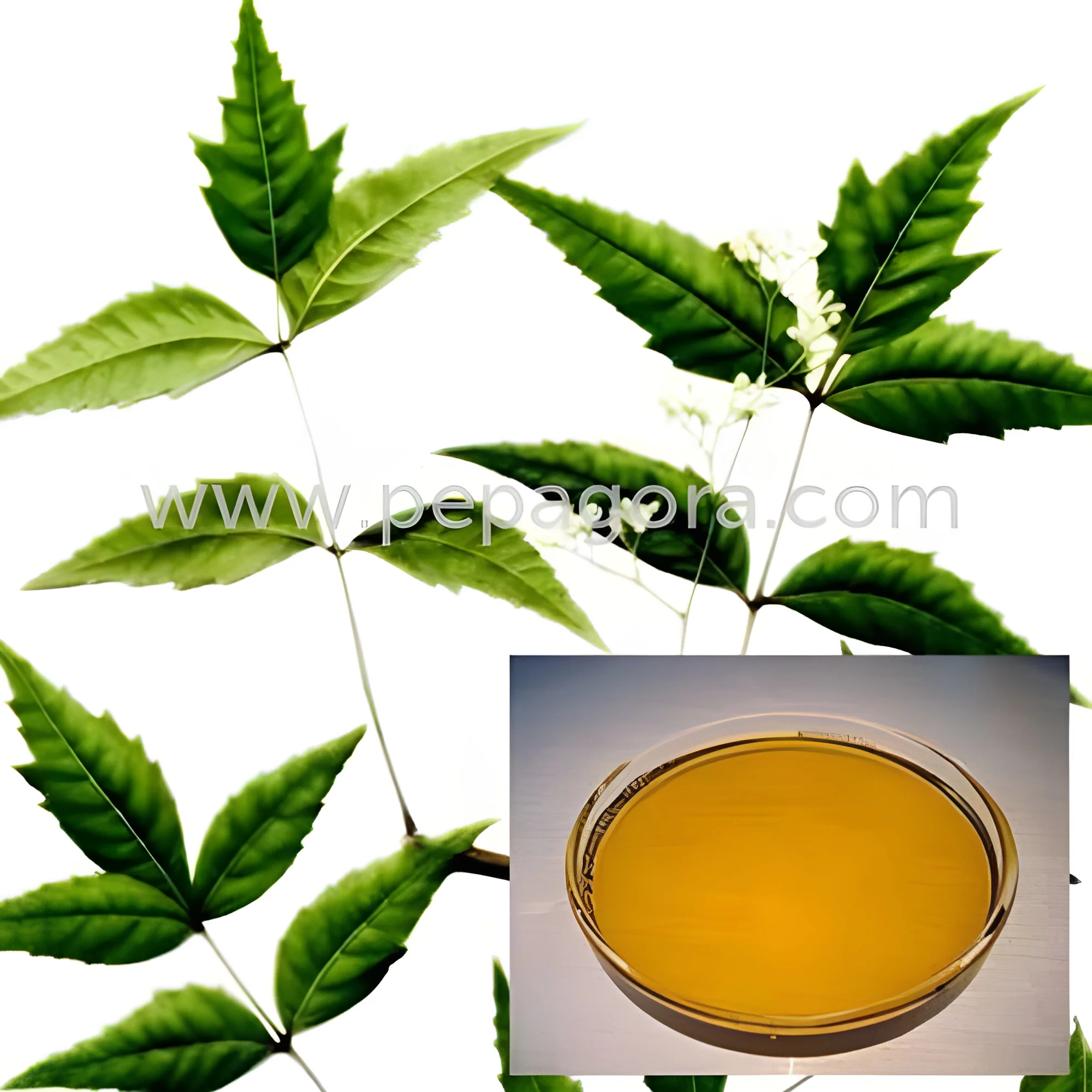
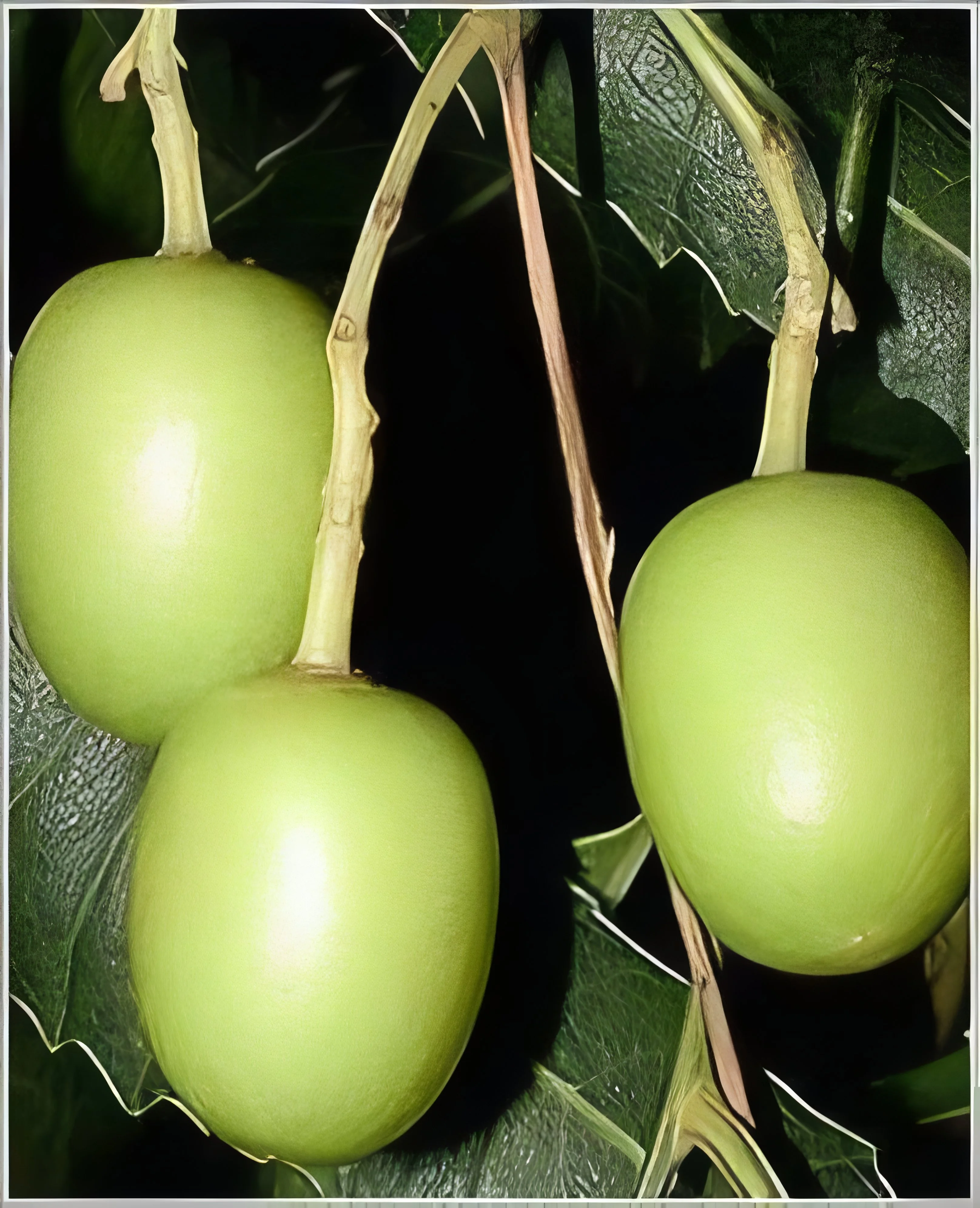
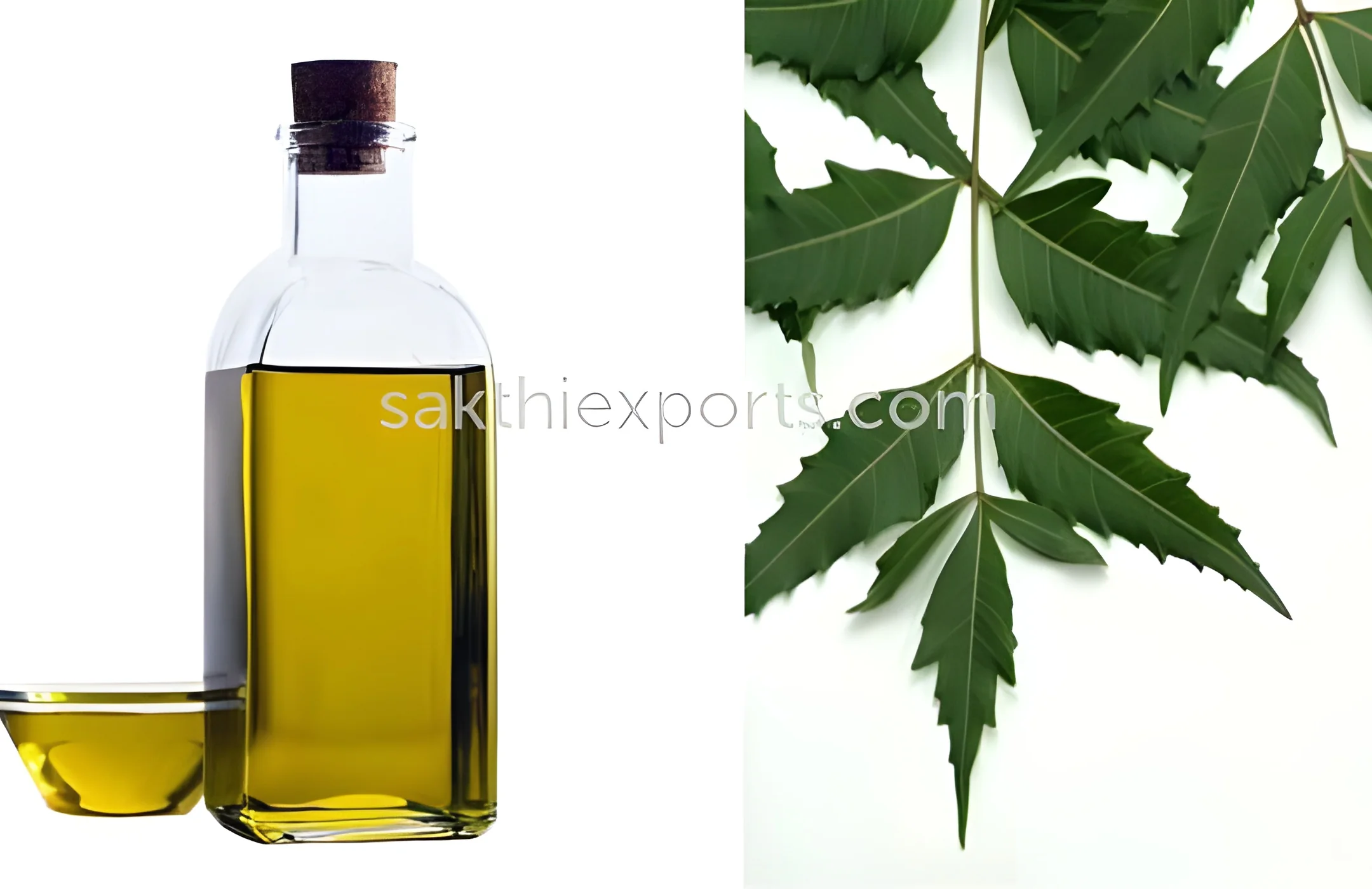
Neem-based biopesticides are natural pest control products derived from the seeds, leaves, and bark of the neem tree (Azadirachta indica). These biopesticides contain active compounds such as azadirachtin, which disrupt the life cycle of pests, making them effective in managing various agricultural and horticultural threats. Unlike synthetic pesticides, neem-based products are eco-friendly and promote sustainable agricultural practices, reducing the impact on non-target organisms and the environment.
Primarily, neem-based biopesticides are used in organic farming and integrated pest management (IPM) systems. They are suitable for controlling a wide range of pests, including aphids, whiteflies, and caterpillars, while being safe for beneficial insects. Businesses in agriculture, horticulture, and even home gardening utilize these biopesticides to enhance crop yields and maintain ecosystem balance. The market for neem-based biopesticides is expanding due to the growing demand for organic products and sustainable farming practices worldwide.
As environmental regulations tighten and consumer preference shifts towards organic produce, neem-based biopesticides are gaining traction in the agricultural sector. Their effectiveness, coupled with a lower environmental footprint, positions them as a vital alternative to chemical pesticides. The global market for biopesticides is projected to grow significantly, with neem-based solutions playing a crucial role in this evolution.
Key Features and Specifications
Neem-based biopesticides offer a range of features that make them suitable for diverse agricultural applications. These include their natural origin, low toxicity, and ability to target specific pests without harming beneficial insects.
Key specifications include:
1. Active Ingredient Concentration
- Typically containing 0.5% to 10% azadirachtin
- Varies based on formulation and intended use
2. Application Methods
- Can be applied via foliar spray, soil drenching, or as a seed treatment
- Flexibility allows for integration into various farming practices
3. pH Stability
- Effective within a pH range of 4 to 9
- Ensures product efficacy across different soil types
4. Shelf Life
- Generally ranges from 1 to 3 years when stored properly
- Packaging plays a crucial role in maintaining product integrity
5. Environmental Impact
- Biodegradable and non-toxic to humans and wildlife
- Supports sustainable agricultural practices
6. Efficacy Spectrum
- Effective against a broad range of pests, including sucking and chewing insects
- Targets pest development stages, including larvae and adults
7. Compatibility
- Can be used in combination with other organic inputs
- Enhances overall pest management strategies
In summary, neem-based biopesticides are characterized by their natural composition, effective pest control capabilities, and minimal environmental impact, making them a preferred choice in modern agriculture.
Common Applications and Use Cases
Neem-based biopesticides serve various industries, each benefiting from their unique properties.
1. Agriculture: Widely used in crop production to manage pests affecting fruits, vegetables, and grains, promoting higher yields without harmful residues.
2. Horticulture: Essential for protecting ornamental plants and flowers from pests while ensuring plant health and aesthetic quality.
3. Organic Farming: Integral to certified organic practices, providing farmers with an eco-friendly solution that aligns with organic standards.
4. Home Gardening: Popular among hobbyist gardeners for controlling pests in small-scale gardens, helping to maintain healthy plants naturally.
5. Forestry: Applied in forest management to prevent pest outbreaks that can threaten tree health and biodiversity.
6. Greenhouses: Utilized in controlled environments to manage pest populations without disrupting the ecosystem.
7. Turf Management: Effective in lawn care and sports field maintenance, ensuring healthy grass while deterring harmful insects.
Product Variants and Subcategories
Neem-based biopesticides come in various formulations tailored to specific applications and user needs.
Liquid Concentrate
This variant is designed for easy dilution and application, making it suitable for both large-scale and small-scale use. It provides effective pest control and is easy to integrate into existing agricultural practices.
Granular Formulation
These products are ideal for soil application, offering slow-release properties that provide long-term pest management. They are often used in gardening and agriculture for sustained protection against soil-borne pests.
Ready-to-Use Spray
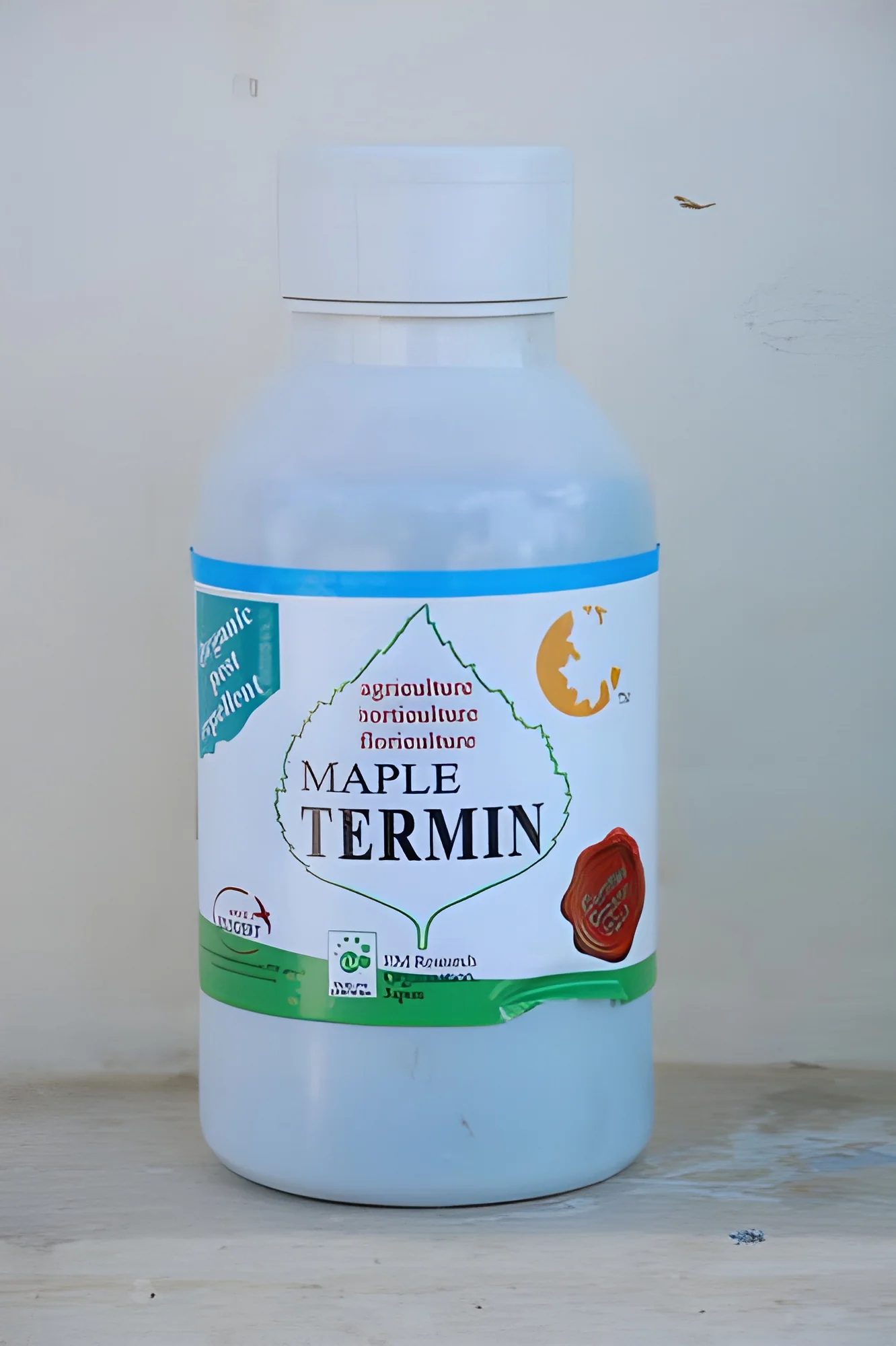
Convenient for immediate application, this variant requires no mixing. It is ideal for home gardeners and small-scale farmers looking for an easy-to-use solution.
Benefits and Advantages
Using neem-based biopesticides offers numerous advantages for agricultural practices.
1. Eco-Friendliness: They are made from natural materials, reducing the environmental impact compared to synthetic pesticides.
2. Targeted Pest Control: Neem-based products effectively target specific pests while minimizing harm to beneficial insects, maintaining ecological balance.
3. Reduced Chemical Residues: These biopesticides help produce cleaner crops with lower chemical residues, aligning with consumer demand for organic produce.
4. Cost-Effective: By reducing the need for multiple chemical treatments, neem-based biopesticides can lower overall pest management costs.
5. Versatile Application: They can be used in various forms, making them adaptable to different farming practices and environments.
6. Regulatory Compliance: Neem-based biopesticides often meet organic certification requirements, making them suitable for organic farming.
Buying Guide for B2B Buyers
When sourcing neem-based biopesticides, several factors should be considered to ensure quality and suitability for specific needs.
1. Quality Assessment: Verify the purity and concentration of active ingredients. Look for third-party testing results that confirm product efficacy and safety.
2. Supplier Verification: Research potential suppliers to ensure they have a good reputation and track record in the industry. Look for certifications and customer reviews to gauge reliability.
3. Pricing and MOQ: Understand the pricing structure and minimum order quantities (MOQ) offered by suppliers. This helps in budgeting and planning for procurement.
4. Delivery and Lead Times: Discuss logistics and ensure that suppliers can meet your delivery timelines. Consider their ability to provide timely support for urgent needs.
5. Compliance Requirements: Ensure that the products meet local regulatory standards and certification requirements. This is crucial for maintaining compliance in your operations.
Compliance and Certifications
Neem-based biopesticides must adhere to various quality standards and certifications to ensure safety and efficacy.
Relevant quality standards include ISO 9001, which emphasizes quality management systems, ensuring that products consistently meet customer requirements and regulatory demands. HACCP (Hazard Analysis Critical Control Point) is also significant, especially in food-related applications, ensuring that all potential hazards are identified and controlled.
Industry certifications such as CE are important for demonstrating compliance with EU regulations, providing assurance of product safety and effectiveness. Companies must also consider safety and testing requirements, which often involve rigorous trials to confirm product performance against pests.
Additionally, regional compliance considerations may vary depending on local laws governing pesticide use. It is essential for businesses to stay informed about these regulations to avoid legal issues and ensure safe product use.
Why Source Neem-Based Biopesticides from Pepagora?
Pepagora provides a trusted platform for sourcing neem-based biopesticides, offering several key advantages to B2B buyers.
Verified Supplier Network: Pepagora has established a comprehensive network of verified suppliers, ensuring that buyers can access high-quality products from reputable sources. This reduces the risk of sourcing substandard materials.
Streamlined RFQ Process: The request for quotation (RFQ) system simplifies the procurement process, allowing buyers to receive competitive quotes quickly. This efficiency saves time and helps businesses make informed purchasing decisions.
Trade Assurance and Support: Pepagora offers buyer protection through trade assurance, providing peace of mind that transactions are secure. In addition, dedicated support teams are available to assist with any inquiries or issues during the purchasing process.
Regional Coverage: With a strong presence in India, the GCC, and Southeast Asia, Pepagora can facilitate trade across regions. This geographic reach allows buyers to tap into local markets while benefiting from a global network of suppliers.
By choosing Pepagora, businesses can confidently source neem-based biopesticides that meet their specific needs while benefiting from a reliable and efficient procurement process.

 IN
IN

 India
India