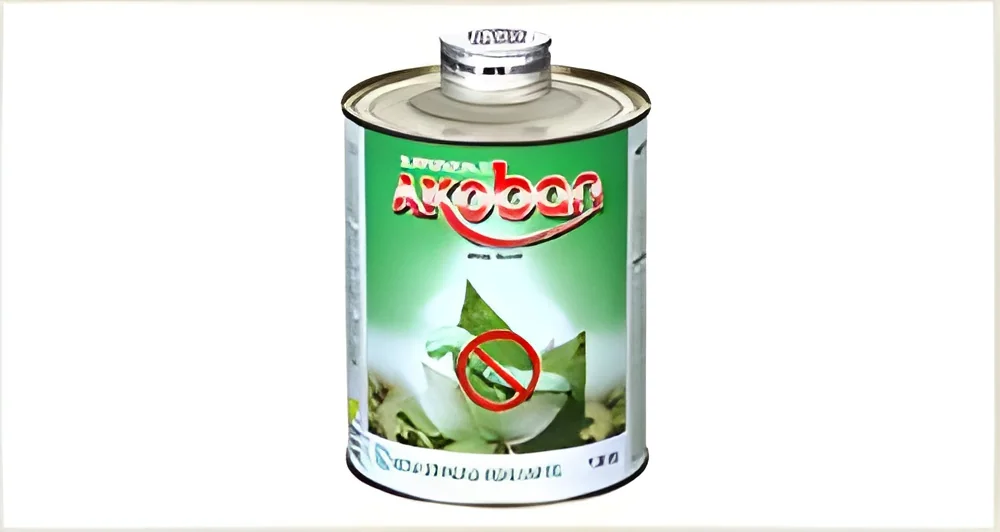
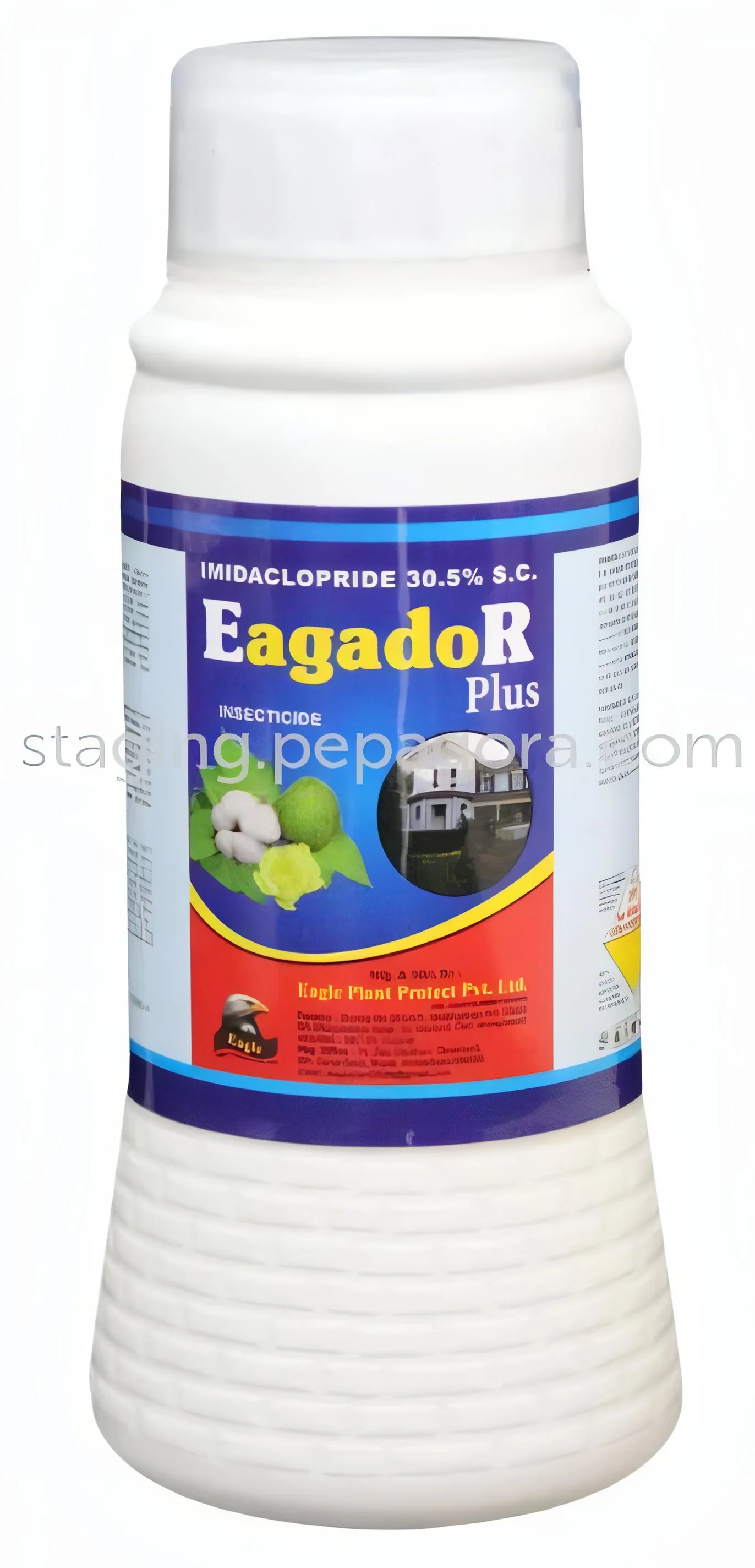
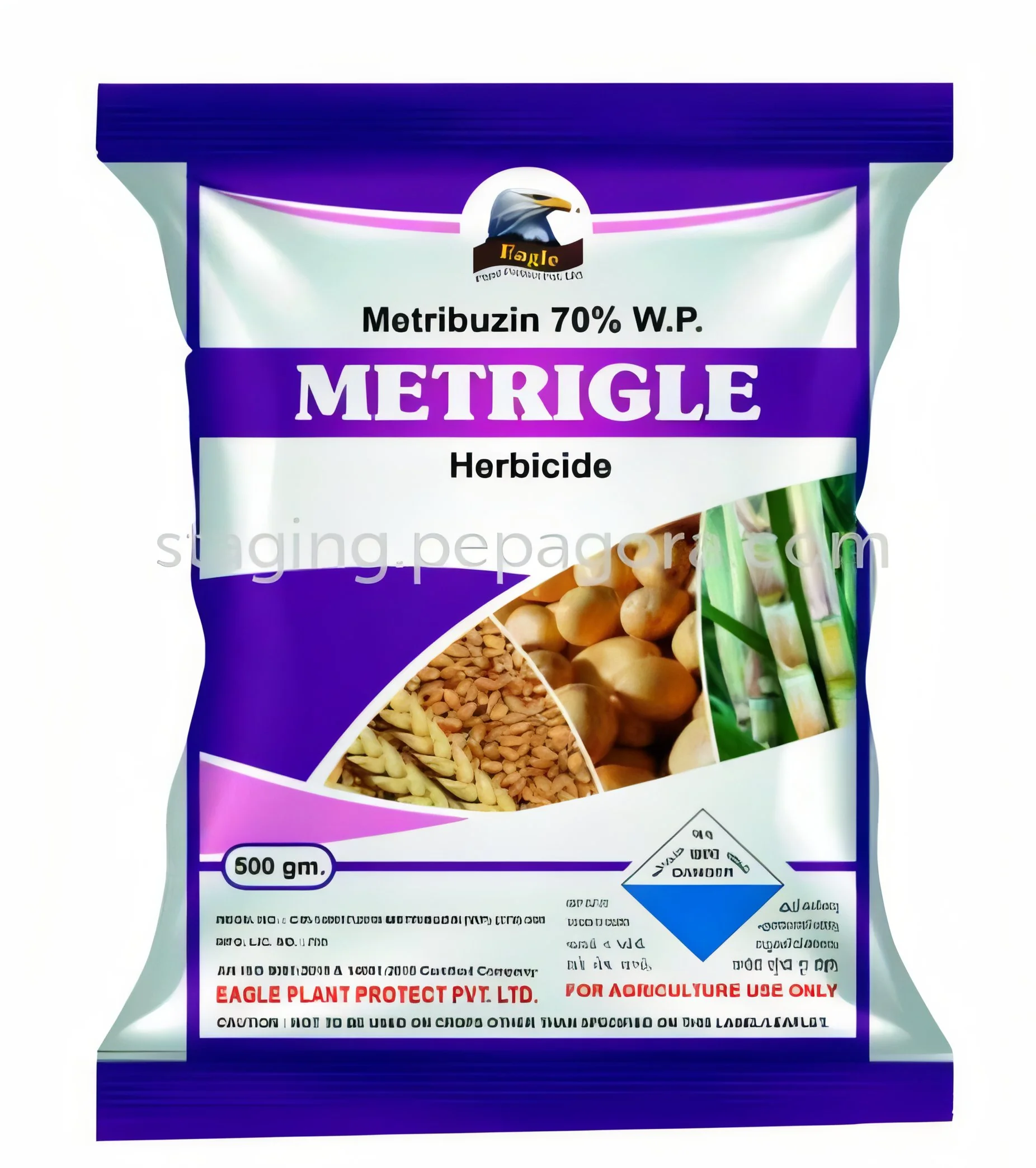
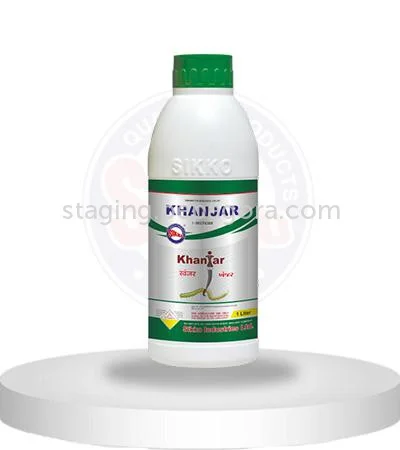
𝗪𝗵𝗮𝘁 𝗮𝗿𝗲 𝗣𝗲𝘀𝘁𝗶𝗰𝗶𝗱𝗲𝘀 & 𝗖𝗿𝗼𝗽 𝗣𝗿𝗼𝘁𝗲𝗰𝘁𝗶𝗼𝗻?
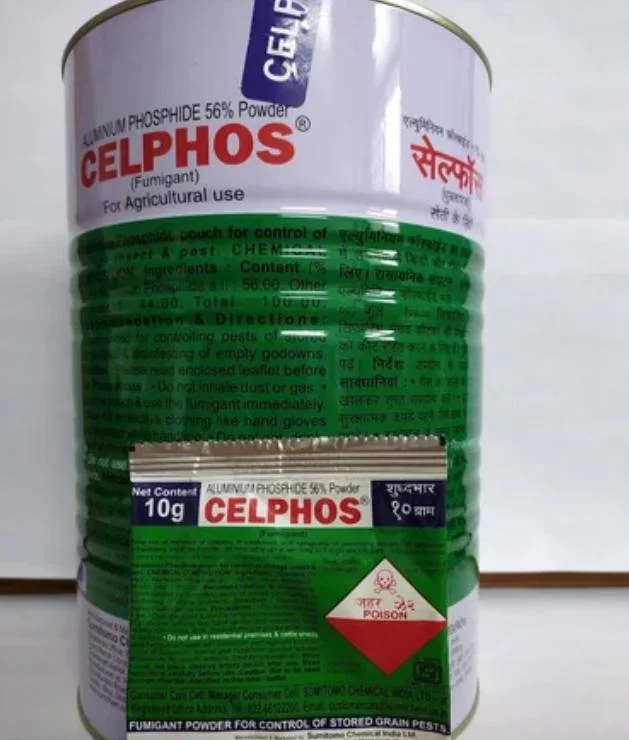
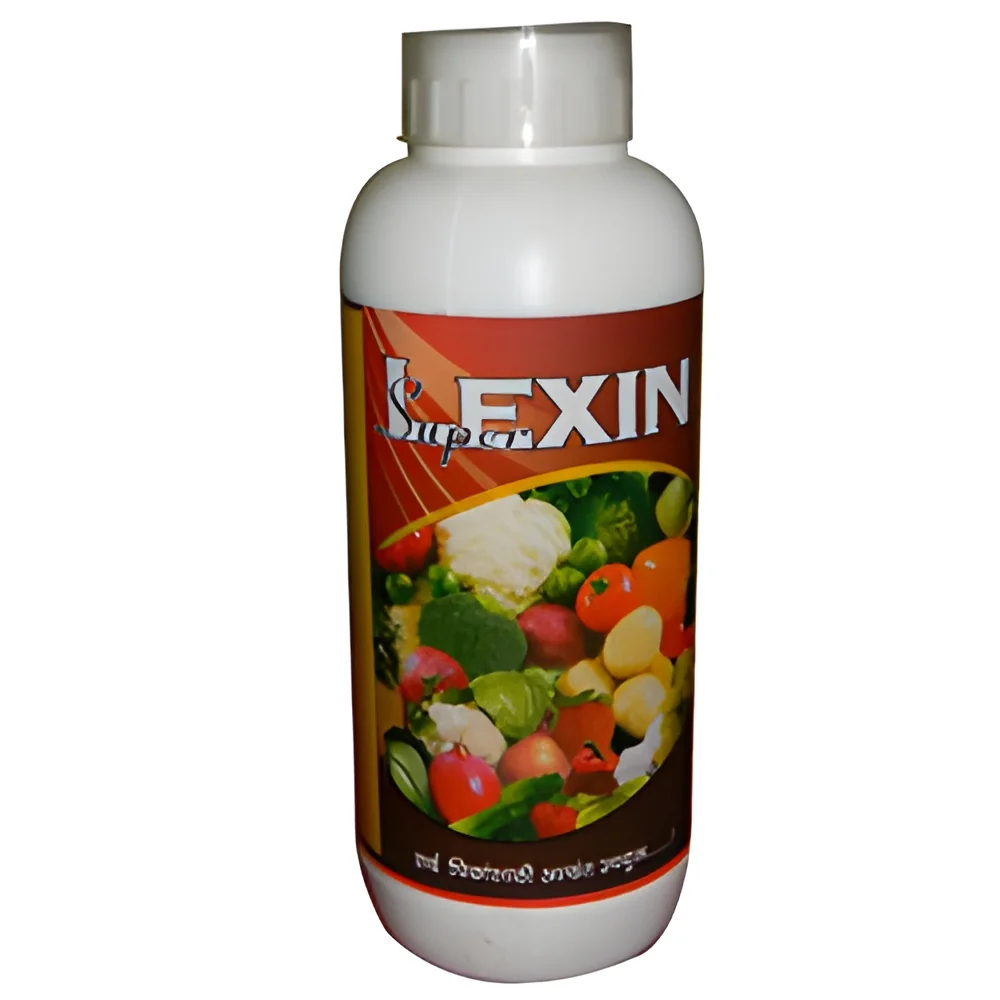
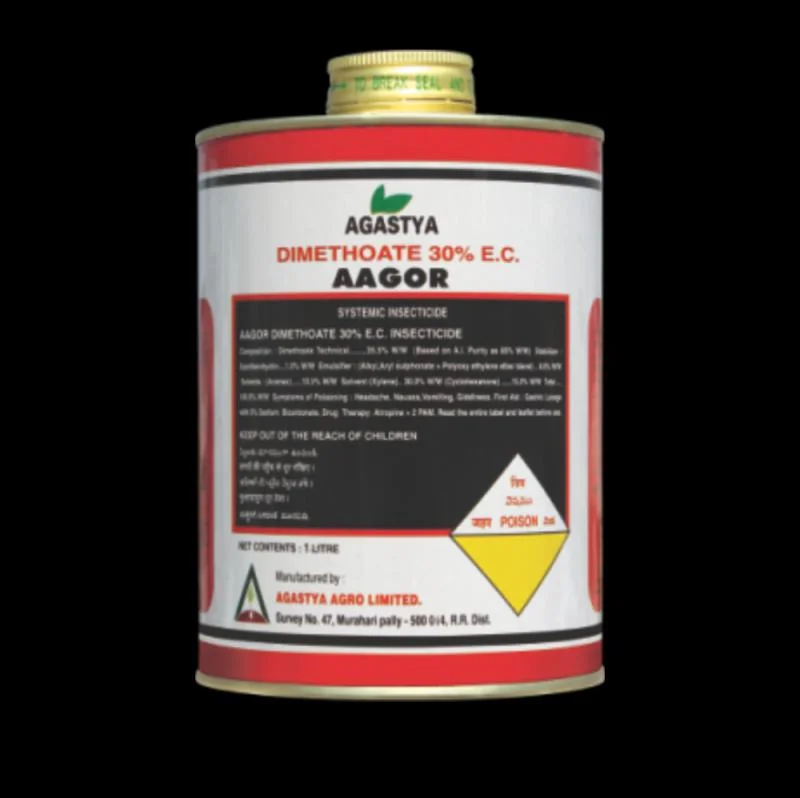
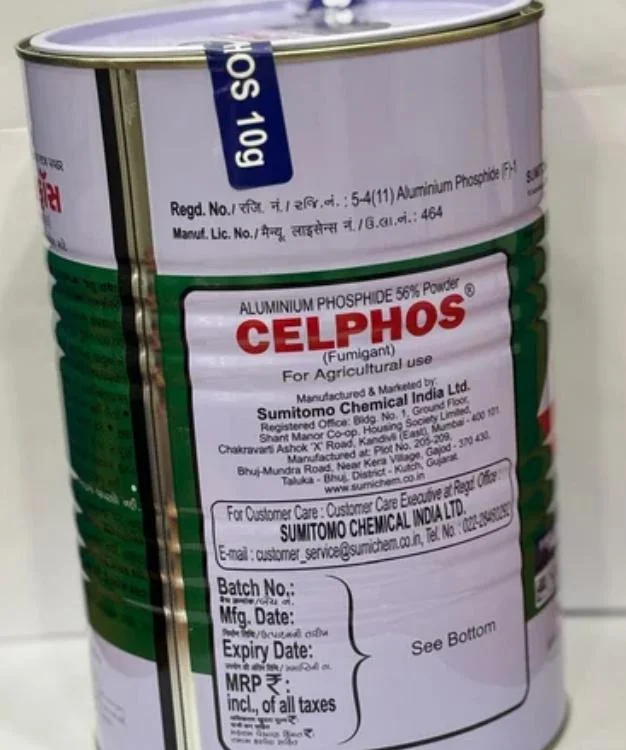
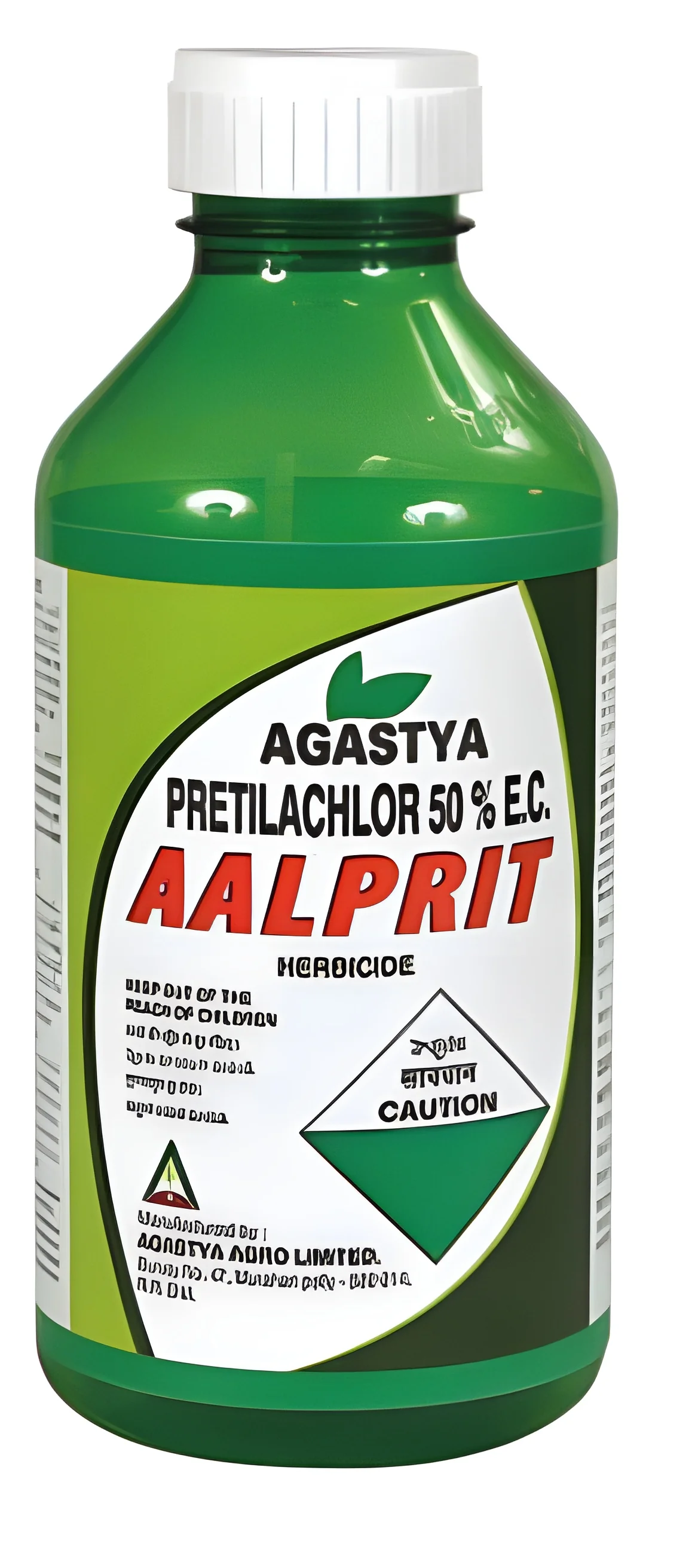
Pesticides and crop protection products are essential tools in modern agriculture, designed to protect crops from pests, diseases, and weeds. These products encompass a wide range of substances, including insecticides, herbicides, fungicides, and rodenticides, each formulated to target specific threats to agricultural yield. The goal is to safeguard plants while promoting healthy growth and maximizing productivity.
In a business context, pesticides and crop protection products are primarily used by farmers, agricultural businesses, and horticulturists. Their applications extend beyond conventional farming, playing a pivotal role in sustainable agriculture practices aimed at reducing crop loss and enhancing food security. The global market for pesticides and crop protection is significant, reflecting the increasing demand for agricultural efficiency and productivity in the face of growing global food needs.
𝗞𝗲𝘆 𝗙𝗲𝗮𝘁𝘂𝗿𝗲𝘀 𝗮𝗻𝗱 𝗦𝗽𝗲𝗰𝗶𝗳𝗶𝗰𝗮𝘁𝗶𝗼𝗻𝘀
Pesticides and crop protection products come with various features designed to meet the specific needs of agricultural operations. Understanding these specifications is crucial for businesses looking to optimize their crop management practices.
Key specifications include:
1. Active Ingredients
- The chemical compounds responsible for the pesticide's effect.
- Varies by product type, influencing efficacy and application rates.
2. Application Method
- Can include spray, granule, or liquid formulations.
- Important for determining how the product is used in the field.
3. Efficacy Rate
- The percentage of effectiveness against targeted pests or diseases.
- Typically ranges from 70% to 99%, depending on the formulation.
4. Residual Activity
- The duration that the pesticide remains active post-application.
- Can range from a few days to several weeks based on product formulation.
5. Toxicity Level
- Measured by LD50 values, indicating the potential harm to non-target organisms.
- Products are classified as low, moderate, or high toxicity.
6. Compatibility
- Refers to the ability to mix with other pesticides or fertilizers without affecting efficacy.
- Essential for integrated pest management strategies.
7. Environmental Impact
- Assessment of how the product affects non-target species and ecosystems.
- Products are often rated for their environmental safety.
8. Regulatory Compliance
- Must meet local and international standards for use.
- Importance of having certifications like CE to ensure product safety.
In summary, understanding the key features and specifications of pesticides and crop protection products helps businesses select the right solutions for their agricultural needs.
𝗖𝗼𝗺𝗺𝗼𝗻 𝗔𝗽𝗽𝗹𝗶𝗰𝗮𝘁𝗶𝗼𝗻𝘀 𝗮𝗻𝗱 𝗨𝘀𝗲 𝗖𝗮𝘀𝗲𝘀
Pesticides and crop protection products serve various industries, each with specific applications that enhance crop yield and quality.
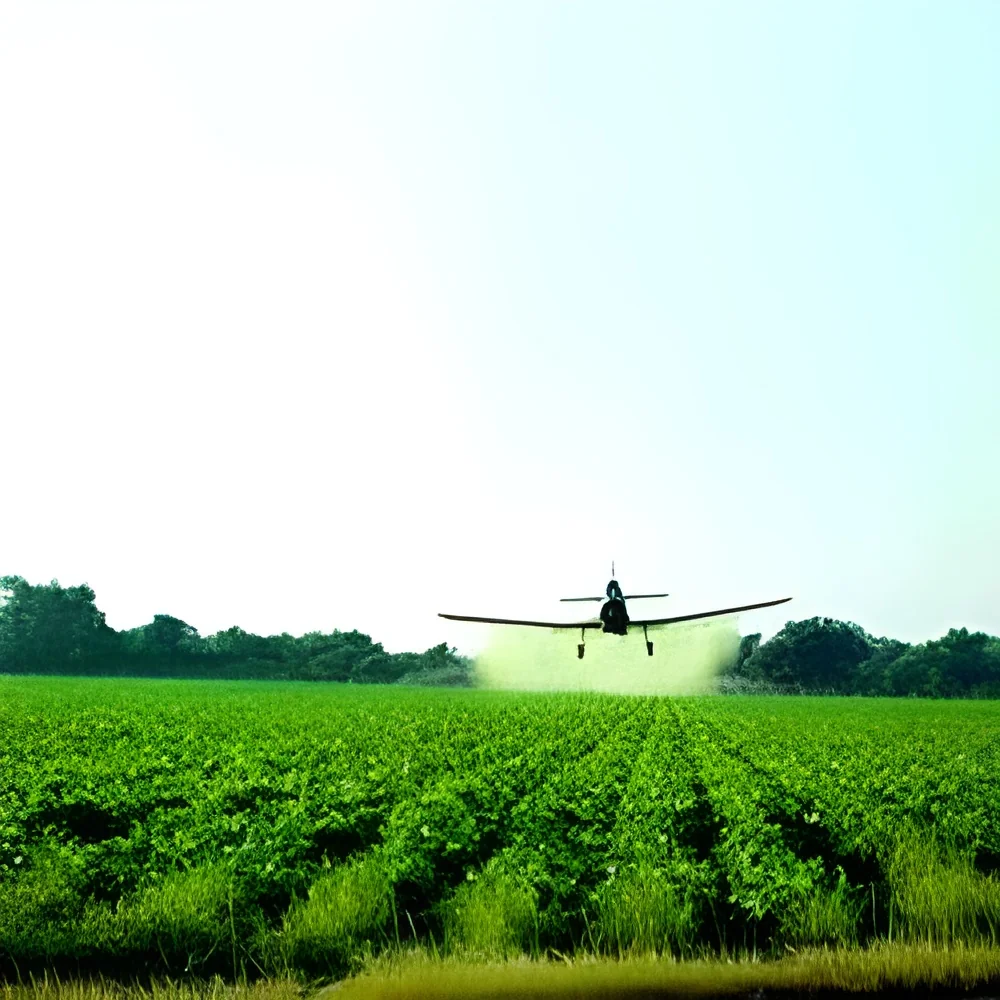
1. Agriculture: Farmers use these products to protect crops from insects, diseases, and weeds, ensuring higher yields and better quality produce.
2. Horticulture: Greenhouse operators and landscape professionals apply pesticides to manage plant health and prevent infestations that could damage ornamental plants.
3. Viticulture: Vineyards utilize crop protection products to safeguard grapes from pests and diseases, critical for maintaining wine quality and production.
4. Forestry: Pesticides help manage forest health by controlling invasive species and insects that threaten tree populations.
5. Turf Management: Golf courses and sports fields apply these products to maintain healthy grass and prevent pest-related damage.
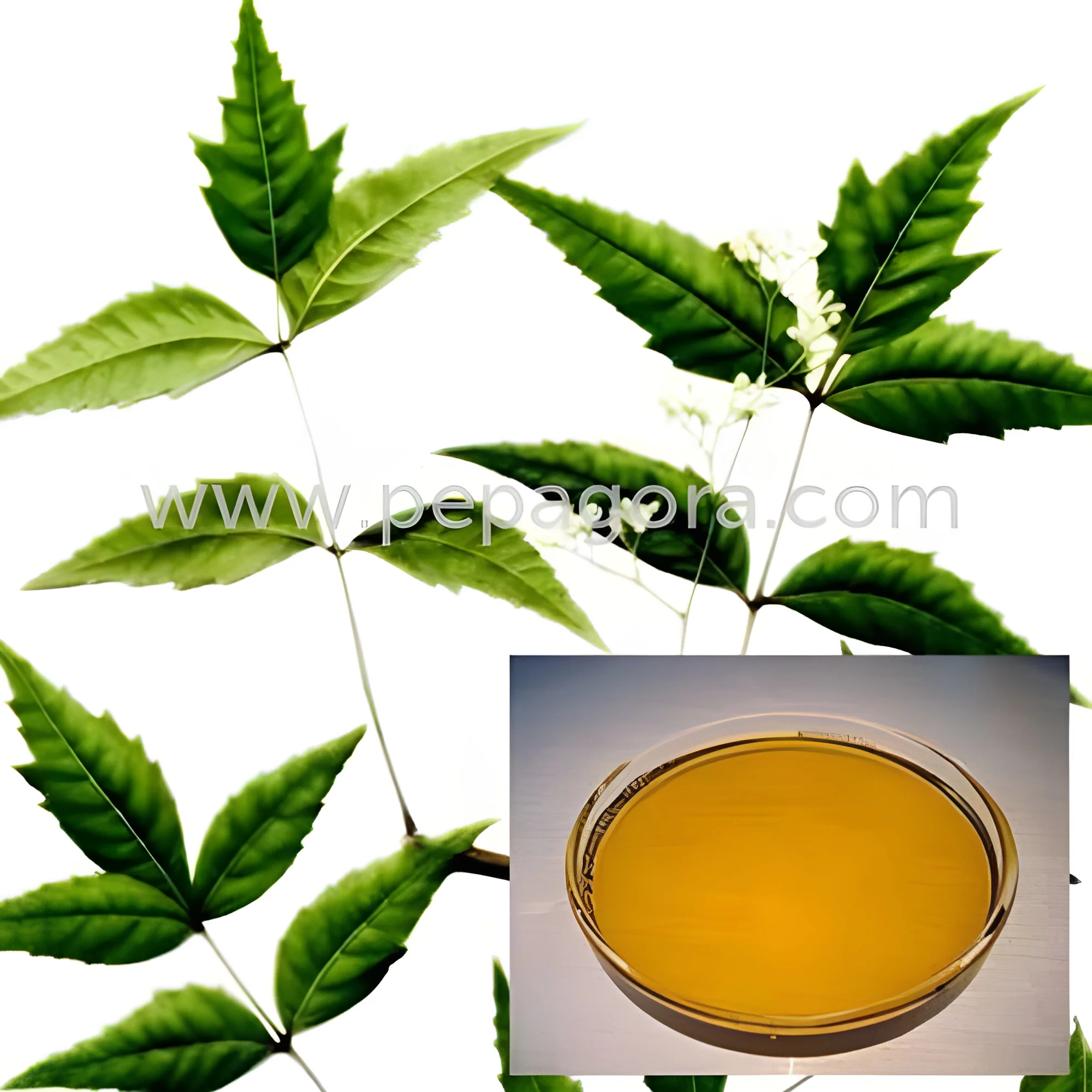
6. Organic Farming: Some natural pesticides are used to control pests while adhering to organic farming standards, promoting sustainable practices.
7. Food Processing: Crop protection solutions are employed in food supply chains to prevent contamination during storage and transport.
𝗣𝗿𝗼𝗱𝘂𝗰𝘁 𝗩𝗮𝗿𝗶𝗮𝗻𝘁𝘀 𝗮𝗻𝗱 𝗦𝘂𝗯𝗰𝗮𝘁𝗲𝗴𝗼𝗿𝗶𝗲𝘀
Pesticides and crop protection products come in various formulations to cater to different agricultural needs. Each variant is designed with specific features that enhance its effectiveness and usability.
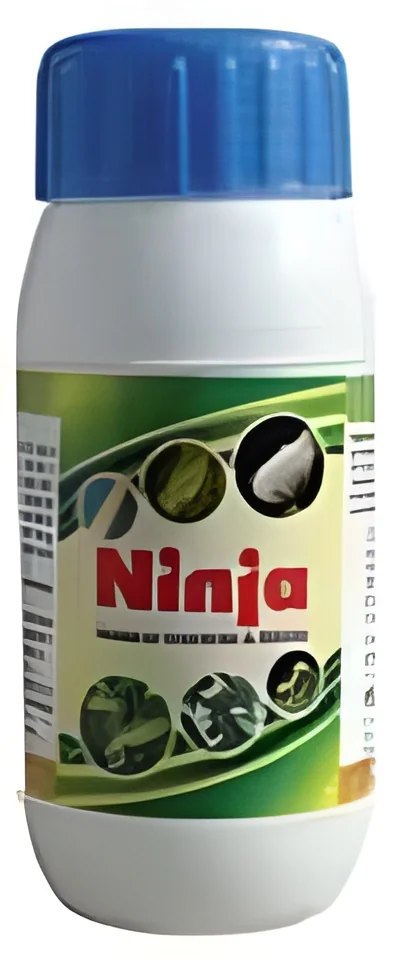
Liquid Pesticides
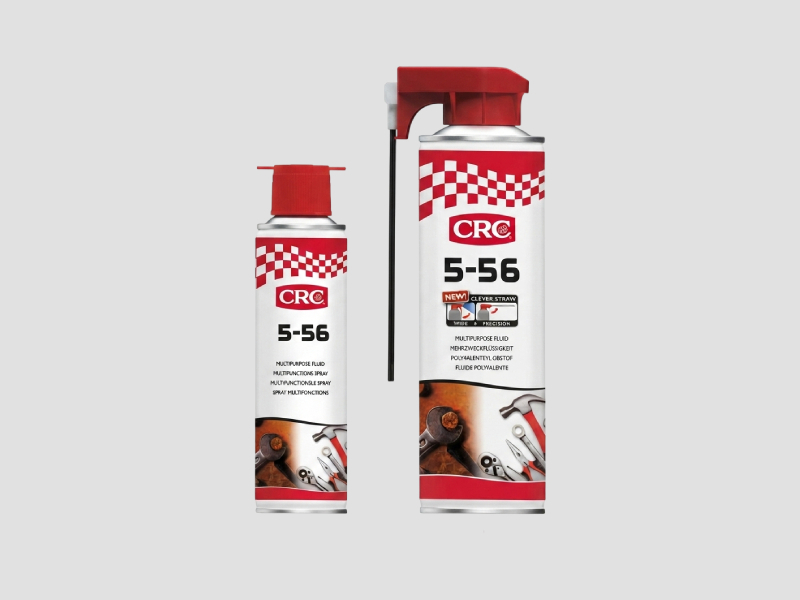
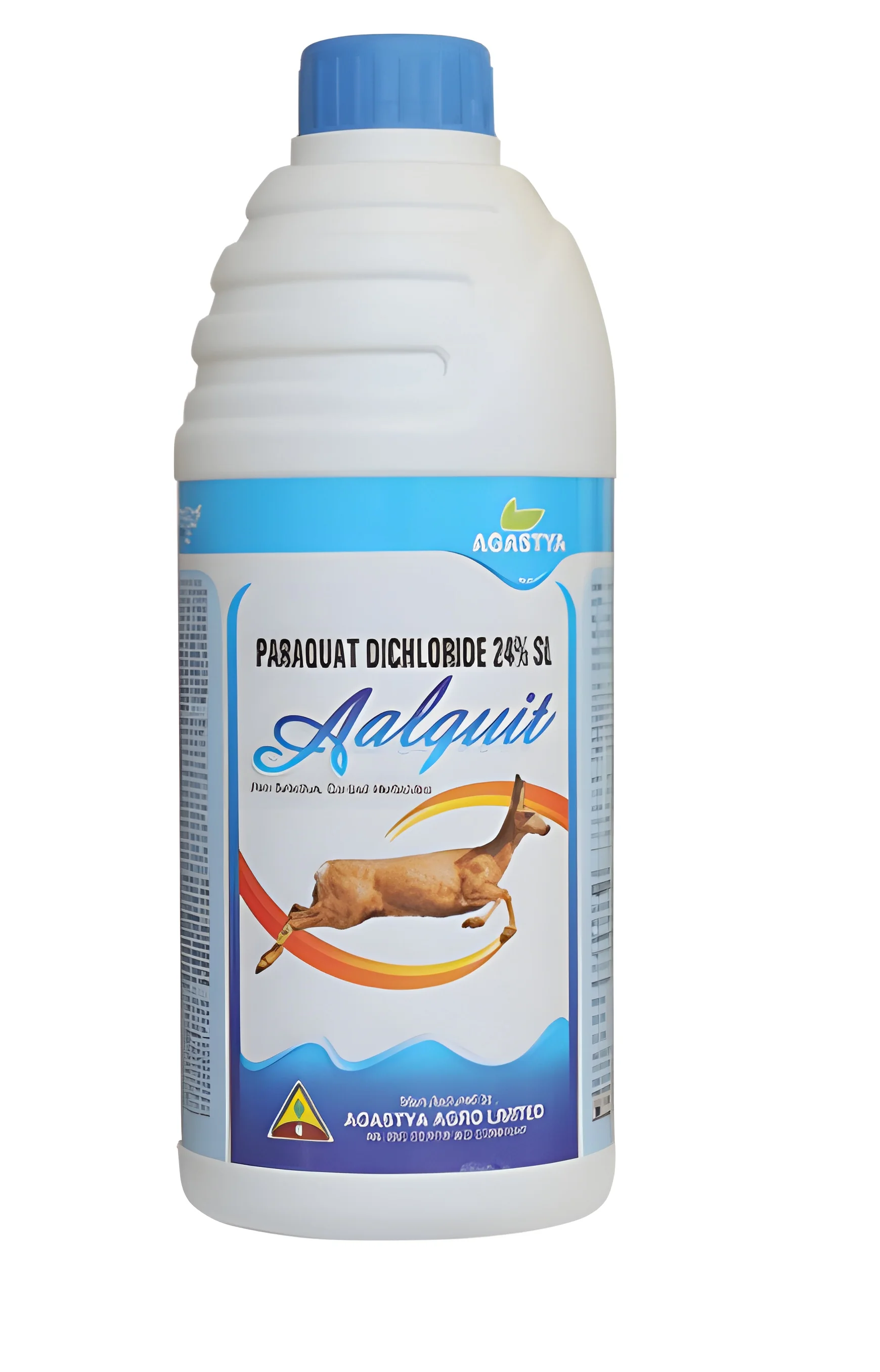
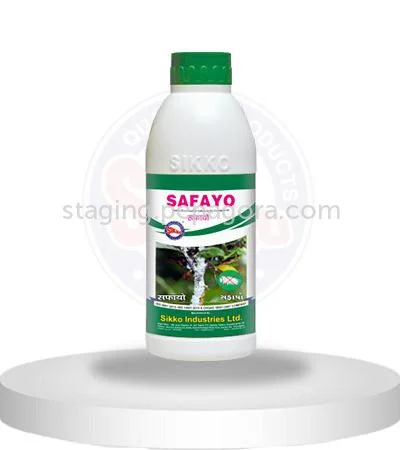
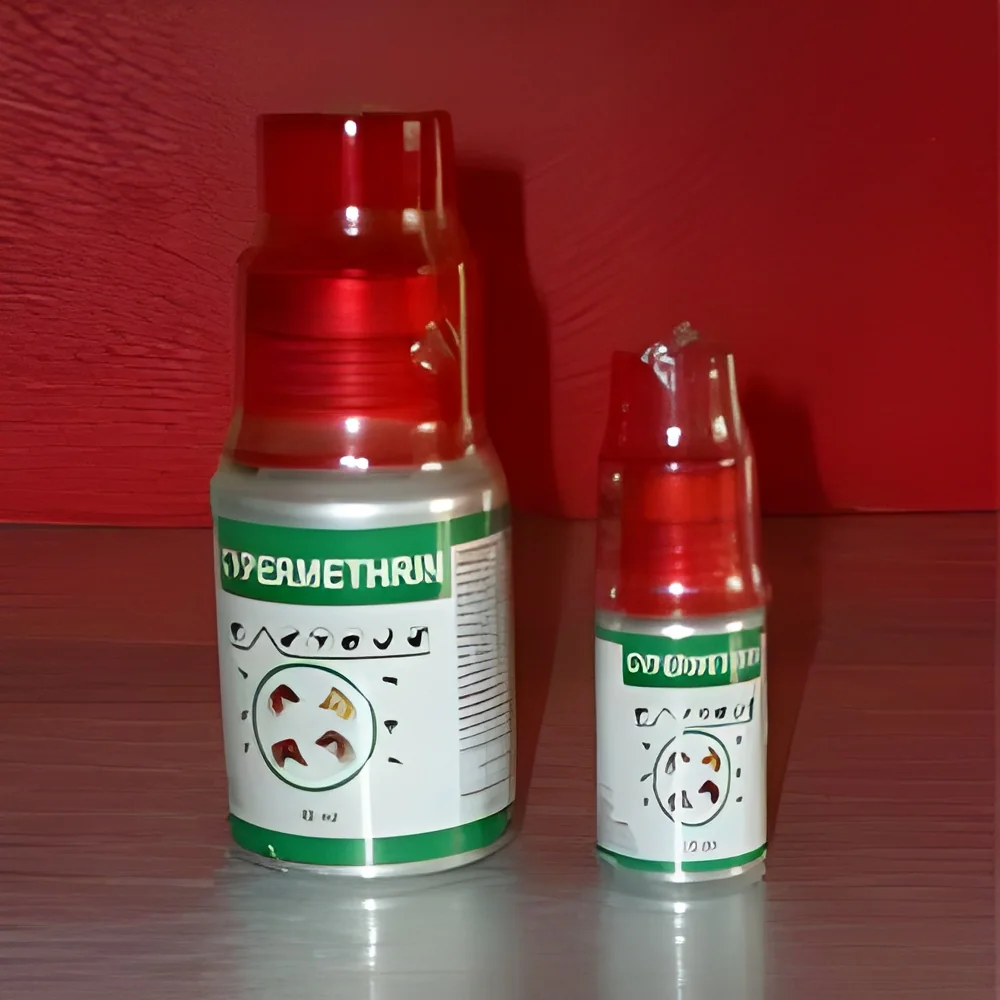
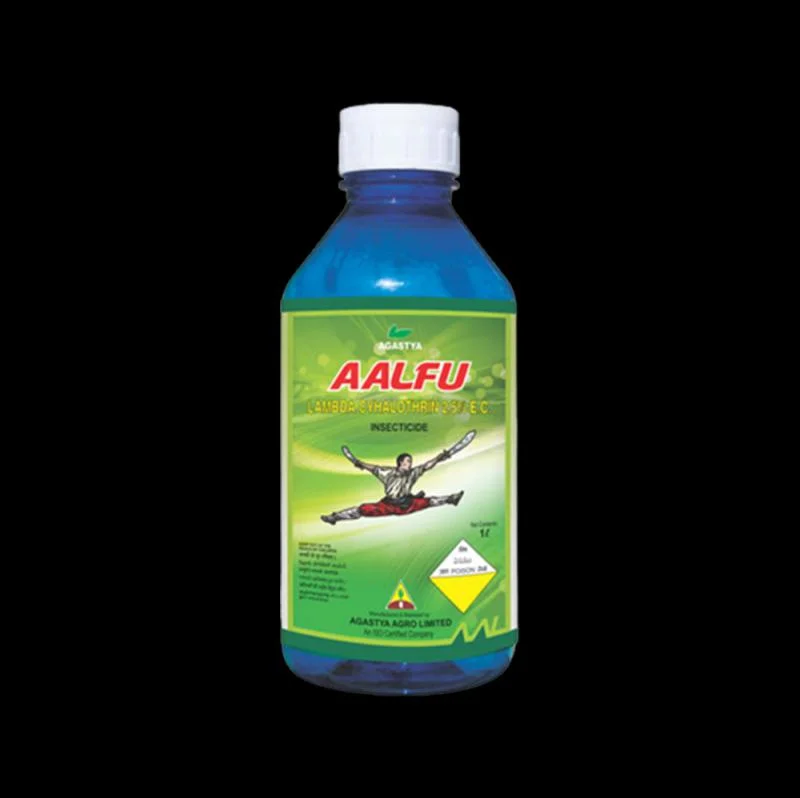
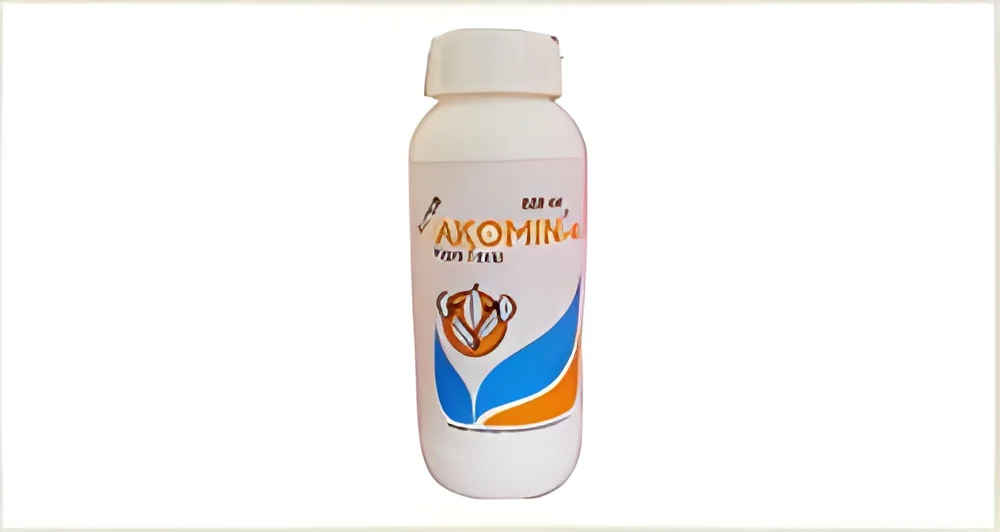
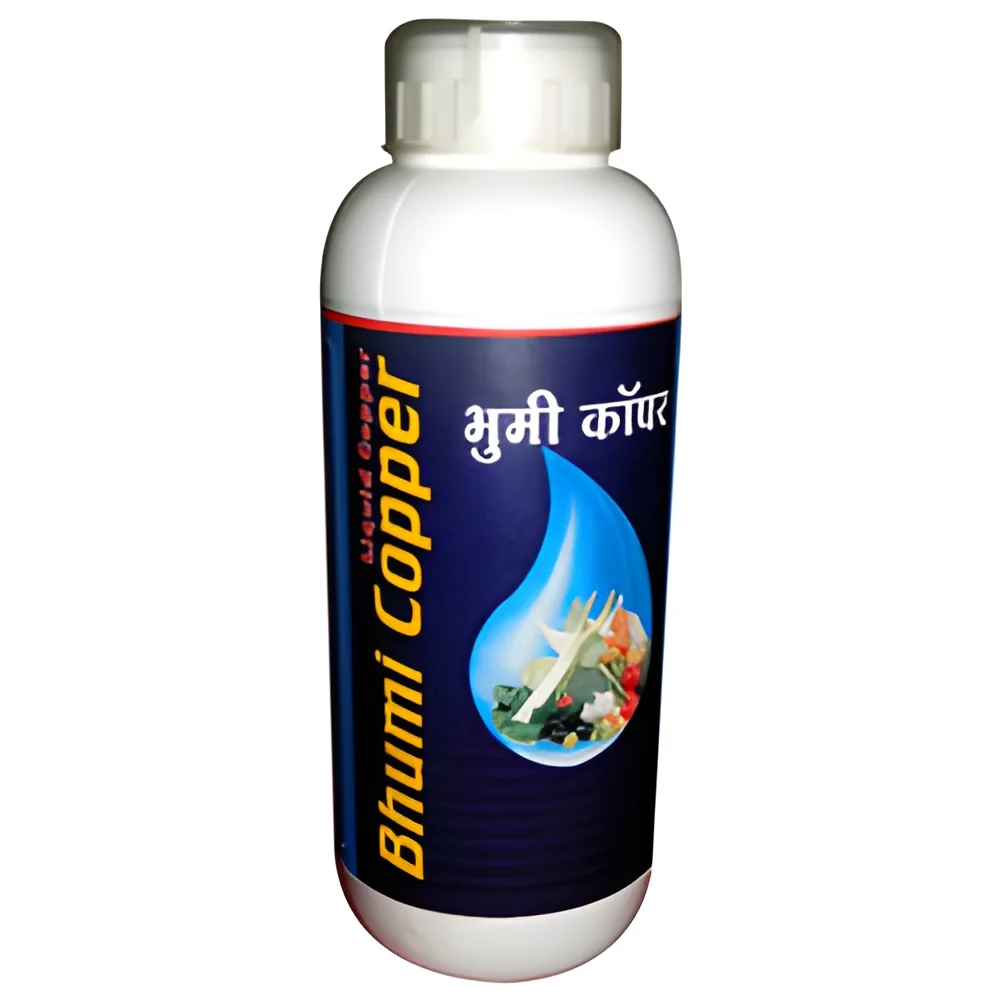
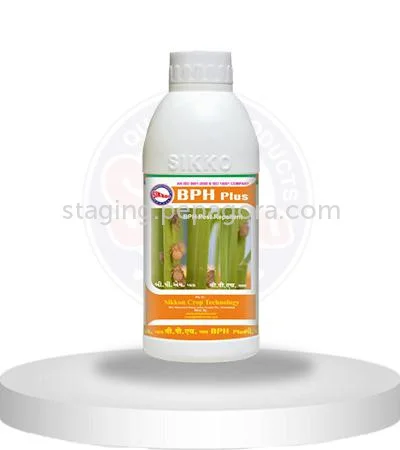
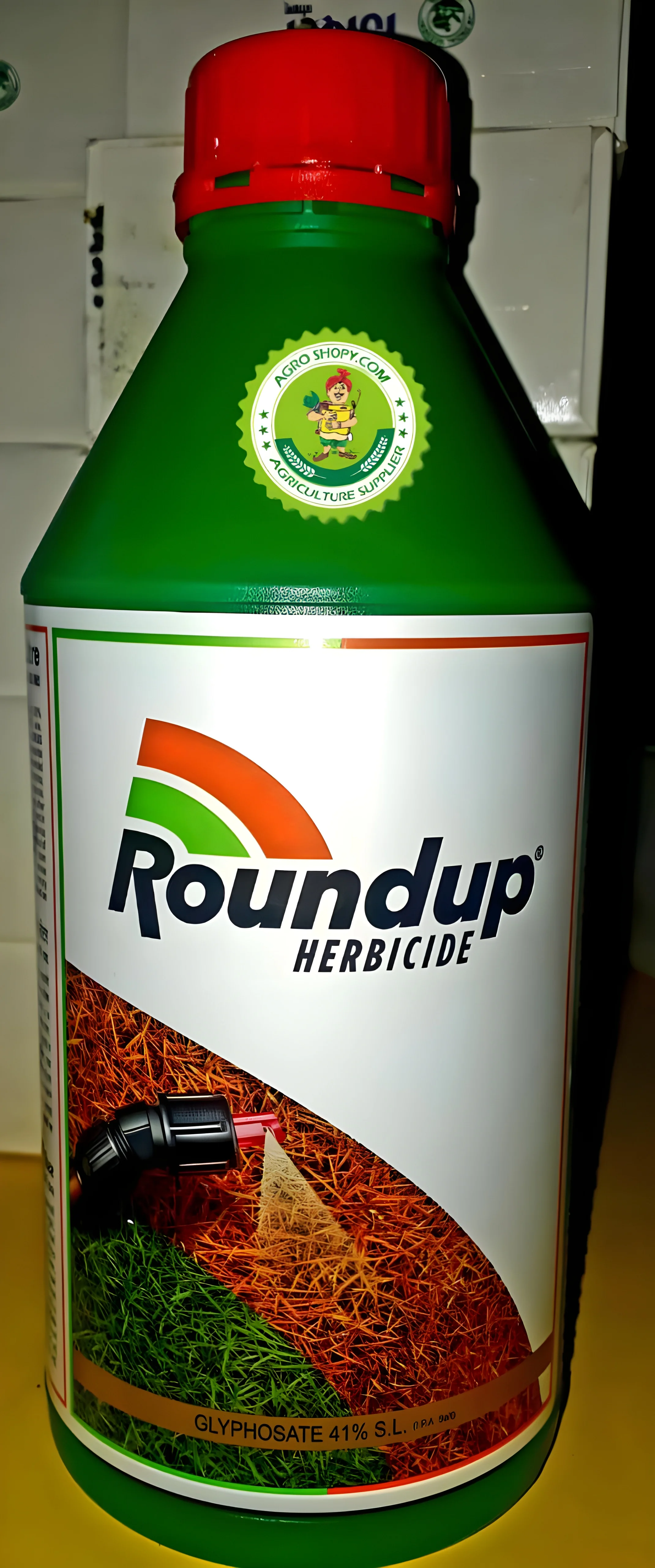
These are ready-to-use formulations that can be easily applied through sprayers. They provide rapid action against pests and are ideal for large-scale applications.
Granular Pesticides
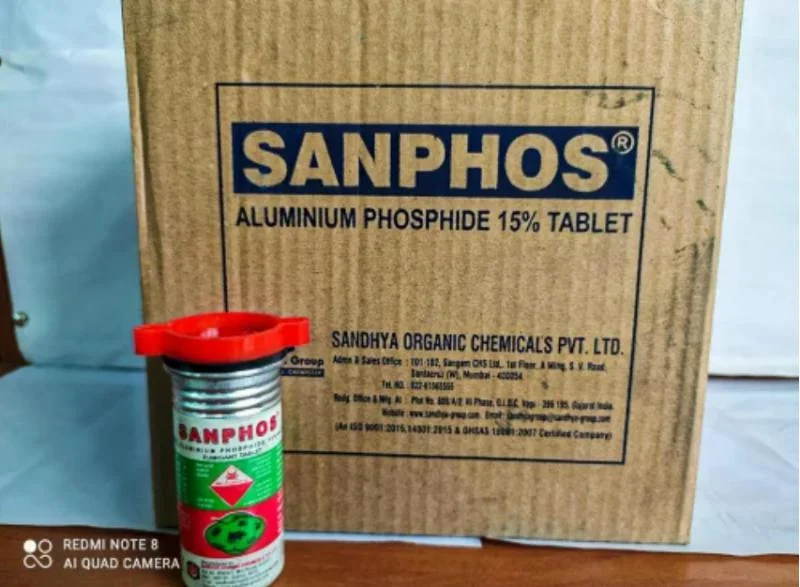
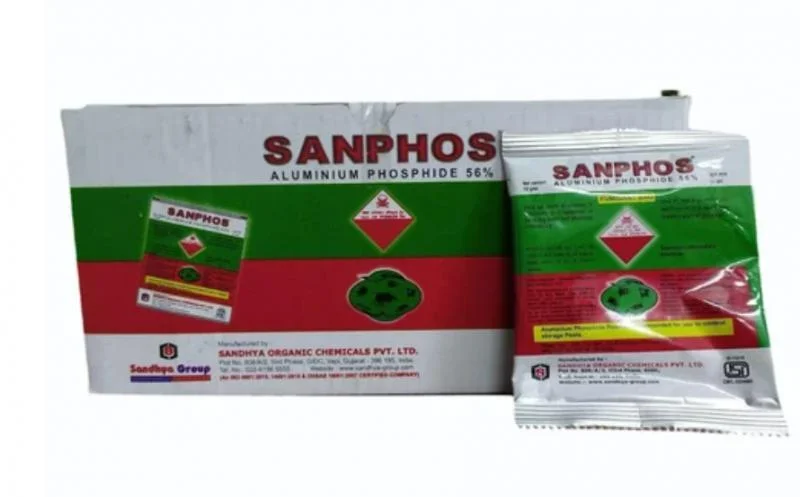
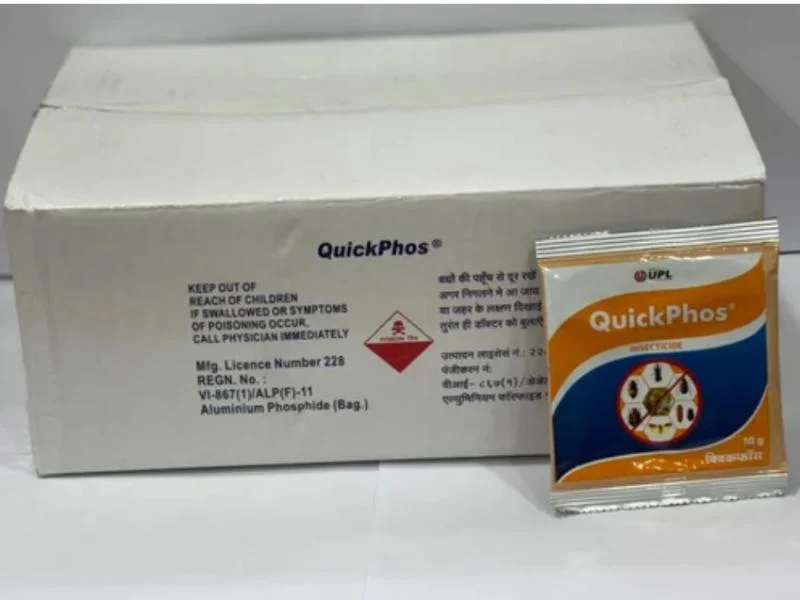
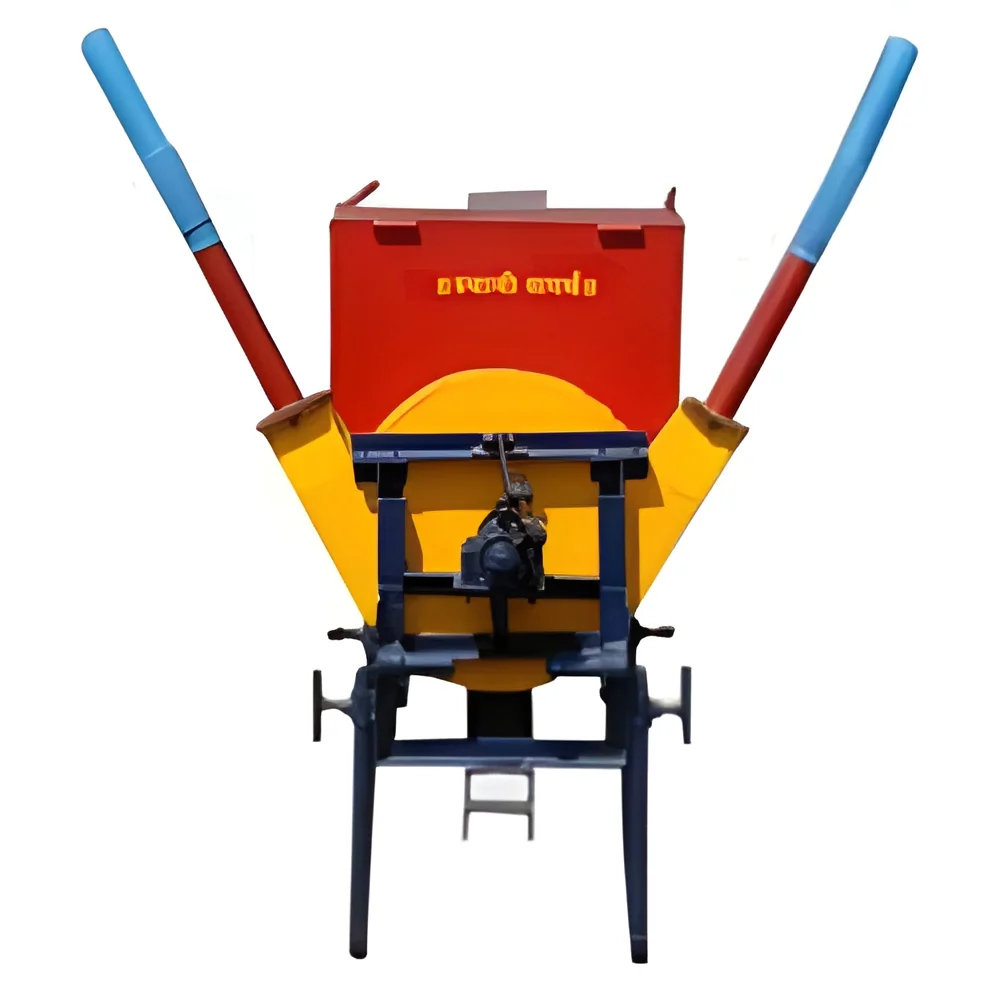
This form is often used for soil application, allowing for prolonged efficacy as they dissolve slowly. They are typically used in agricultural fields to target soil-borne pests.
Fungicidal Sprays
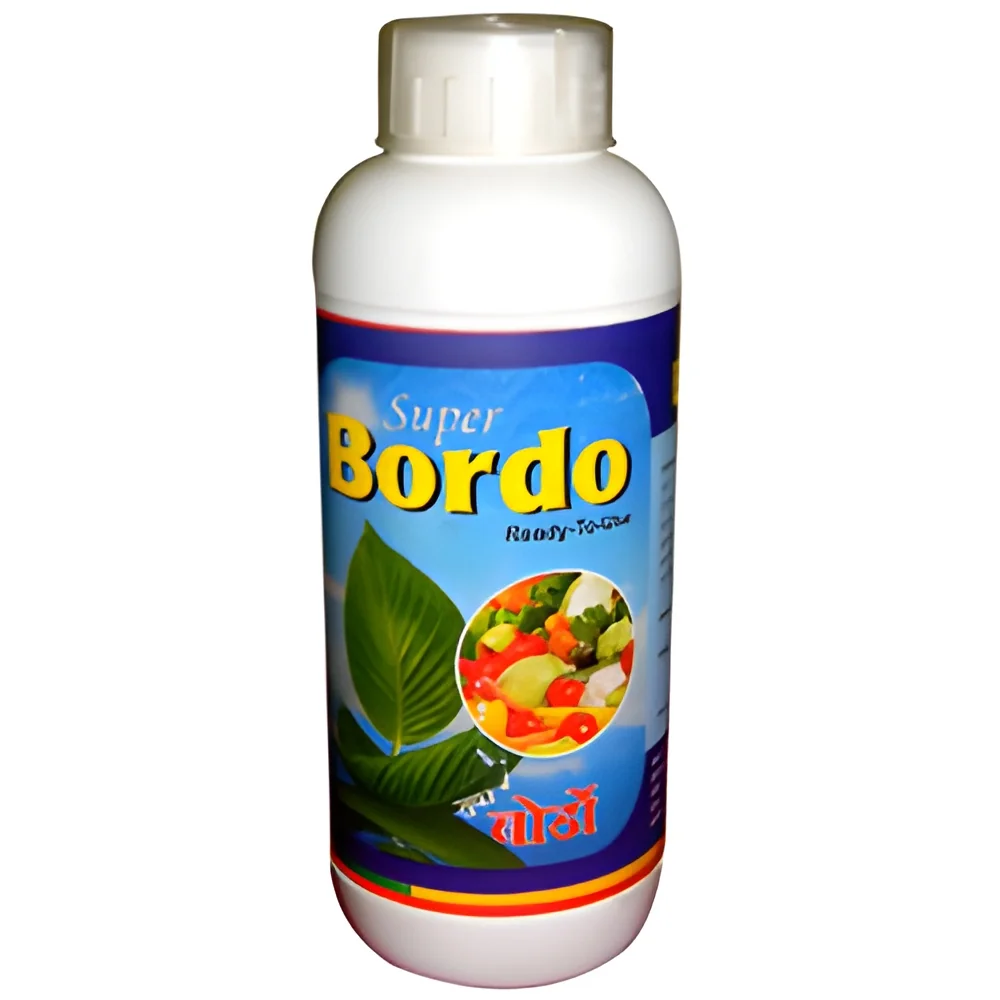
Specially formulated to combat fungal diseases, these sprays are essential in crop protection to prevent loss due to rot and blight.
Insecticidal Gels
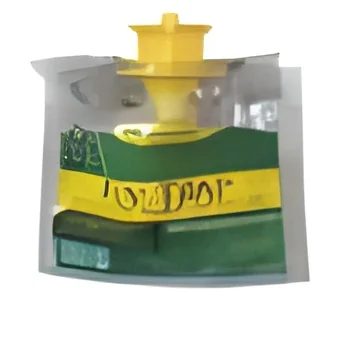
These are targeted solutions designed for indoor pest control. They are effective for small-scale applications in greenhouses and other confined spaces.
𝗕𝗲𝗻𝗲𝗳𝗶𝘁𝘀 𝗮𝗻𝗱 𝗔𝗱𝘃𝗮𝗻𝘁𝗮𝗴𝗲𝘀
Investing in pesticides and crop protection products offers numerous advantages for agricultural businesses.
Key benefits include:
1. Increased Crop Yields: Effective pest and disease management leads to higher agricultural productivity.
2. Cost-Effectiveness: By preventing crop loss, these products can save farmers significant amounts of money in potential losses.
3. Enhanced Quality: Pesticides help maintain the quality of produce, ensuring market competitiveness.
4. Time Efficiency: Modern formulations allow for quicker application and faster results, reducing labor time.
5. Improved Sustainability: Targeted applications can minimize environmental impact while maximizing agricultural efficiency.
6. Integrated Pest Management: These products can be part of broader pest management strategies that combine biological, cultural, and chemical methods.
𝗕𝘂𝘆𝗶𝗻𝗴 𝗚𝘂𝗶𝗱𝗲 𝗳𝗼𝗿 𝗕𝟮𝗕 𝗕𝘂𝘆𝗲𝗿𝘀
When sourcing pesticides and crop protection products, businesses should consider several critical factors to make informed purchasing decisions.
1. Quality Assessment: Evaluate products based on efficacy, ingredient safety, and environmental impact to ensure high standards.
2. Supplier Verification: Research suppliers to confirm their reliability and adherence to industry standards, ensuring access to quality products.
3. Pricing and MOQ: Understand the pricing structure and minimum order quantities to align purchases with budget constraints.
4. Delivery and Lead Times: Factor in logistics and delivery times to minimize disruptions in agricultural operations.
5. Compliance Requirements: Ensure that products meet all regulatory standards and certifications for safe usage in specific regions.
𝗖𝗼𝗺𝗽𝗹𝗶𝗮𝗻𝗰𝗲 𝗮𝗻𝗱 𝗖𝗲𝗿𝘁𝗶𝗳𝗶𝗰𝗮𝘁𝗶𝗼𝗻𝘀
Compliance and certifications are vital for ensuring the safety and effectiveness of pesticides and crop protection products. Relevant quality standards, such as ISO 9001, ensure that manufacturers maintain consistent quality and continuous improvement in their processes.
Industry certifications, like CE marking, indicate that products meet European safety, health, and environmental protection standards. These certifications are crucial for gaining market acceptance and for regulatory compliance in various regions.
In addition to these standards, safety and testing requirements necessitate thorough evaluations before products can be marketed. Manufacturers must conduct extensive testing to assess the environmental impact and potential risks associated with their products.
Regional compliance considerations vary based on local regulations, making it essential for businesses to stay informed about the specific requirements in their operational areas.
𝗪𝗵𝘆 𝗦𝗼𝘂𝗿𝗰𝗲 𝗣𝗲𝘀𝘁𝗶𝗰𝗶𝗱𝗲𝘀 & 𝗖𝗿𝗼𝗽 𝗣𝗿𝗼𝘁𝗲𝗰𝘁𝗶𝗼𝗻 𝗳𝗿𝗼𝗺 𝗣𝗲𝗽𝗮𝗴𝗼𝗿𝗮?
Pepagora provides a trusted platform for sourcing pesticides and crop protection products with several key advantages.
Verified Supplier Network: Pepagora ensures that all suppliers undergo rigorous verification processes, giving buyers confidence in the quality and reliability of the products they purchase.
Streamlined RFQ Process: The platform offers an efficient request for quotation process, allowing buyers to easily compare prices and terms from multiple suppliers, enhancing their purchasing decisions.
Trade Assurance and Support: Buyers benefit from trade assurance programs that protect their investments and provide support throughout the purchasing process, ensuring a smooth transaction experience.
Regional Coverage: With a broad geographic reach, including India, GCC, and Southeast Asia, Pepagora connects buyers with suppliers across diverse markets, facilitating access to a wide range of products and solutions.

 IN
IN