
 IN
Multi-Gym Machines
3 products available
What are Multi-Gym Machines?
Multi-gym machines are versatile fitness equipment designed to provide a comprehensive workout experience for users. They typically combine multiple exercise stations in one unit, allowing individuals to perform a variety of strength training exercises without the need for separate machines. This compact design makes them ideal for both commercial gyms and home fitness settings, enabling users to engage in a full-body workout efficiently.
These machines are primarily used for strength training, targeting various muscle groups, including arms, legs, back, and core. They can be adjusted to accommodate different fitness levels, making them suitable for beginners as well as experienced athletes. Multi-gym machines are widely utilized in gyms, fitness centers, rehabilitation facilities, and corporate wellness programs, enhancing their appeal across multiple sectors.
In the current fitness market, multi-gym machines are highly relevant due to the growing emphasis on health and wellness. As more individuals and organizations invest in fitness solutions, the demand for such versatile equipment continues to rise. This trend is further fueled by the increasing popularity of home workouts and the need for space-efficient fitness solutions in both urban and rural settings.
Key Features and Specifications
Multi-gym machines come with a range of features and specifications that cater to diverse workout needs. These specifications help buyers select the right equipment based on their requirements.
Key specifications include:
1. Weight Stack Capacity
- Varies by model, typically ranges from 50 to 300 pounds.
- Allows users to gradually increase resistance.
2. Exercise Stations
- Number of stations can range from 3 to 10.
- Includes options such as lat pull-down, chest press, and leg extension.
3. Adjustable Settings
- Features adjustable seats and arms for customized fit.
- Ensures comfort and proper body alignment during workouts.
4. Build Material
- Commonly constructed from steel or high-grade aluminum.
- Offers durability and stability during use.
5. Safety Features
- Includes safety locks and padded grips.
- Enhances user safety during workouts.
6. Dimensions
- Size ranges from compact models to larger multi-station setups.
- Important for fitting into designated workout spaces.
7. Warranty
- Typically offers warranties ranging from 1 to 5 years.
- Provides assurance of quality and reliability.
8. Assembly Requirements
- Some models require professional assembly, while others are user-friendly.
- Consideration for ease of setup is essential for buyers.
Multi-gym machines provide a practical solution for strength training with their diverse features and specifications. Understanding these details helps buyers make informed decisions.
Common Applications and Use Cases
Multi-gym machines are utilized across various industries due to their versatility and effectiveness in strength training.
1. Fitness Centers: These machines are staple equipment in gyms, allowing clients to engage in full-body workouts. They cater to different fitness levels and preferences.
2. Corporate Wellness Programs: Many businesses incorporate multi-gym machines in their fitness initiatives to promote employee health and productivity. These machines encourage regular exercise among staff.
3. Rehabilitation Facilities: Multi-gym machines are used in physical therapy settings to aid patients in recovering strength and mobility. Their adjustable settings support tailored rehabilitation exercises.
4. Educational Institutions: Schools and universities often include multi-gym machines in their sports facilities, promoting fitness among students and staff.
5. Home Gyms: With the rise of home fitness trends, many individuals invest in multi-gym machines for convenient workouts. They offer a comprehensive solution without requiring extensive space.
6. Military Training: Armed forces utilize multi-gym machines for physical training, helping recruits build strength and endurance effectively.
7. Community Centers: Local community centers often provide access to multi-gym machines, making fitness more accessible to residents.
Product Variants and Subcategories
Multi-gym machines come in several variants, each designed to meet specific user needs and preferences.
Compact Multi-Gym Machines: These machines are designed for home use or smaller spaces. They offer essential workout stations while saving space, making them ideal for personal fitness.
Commercial Multi-Gym Machines: Designed for high-traffic fitness centers, these machines are built to withstand heavy use and typically include multiple stations. They cater to a variety of workouts for different users.
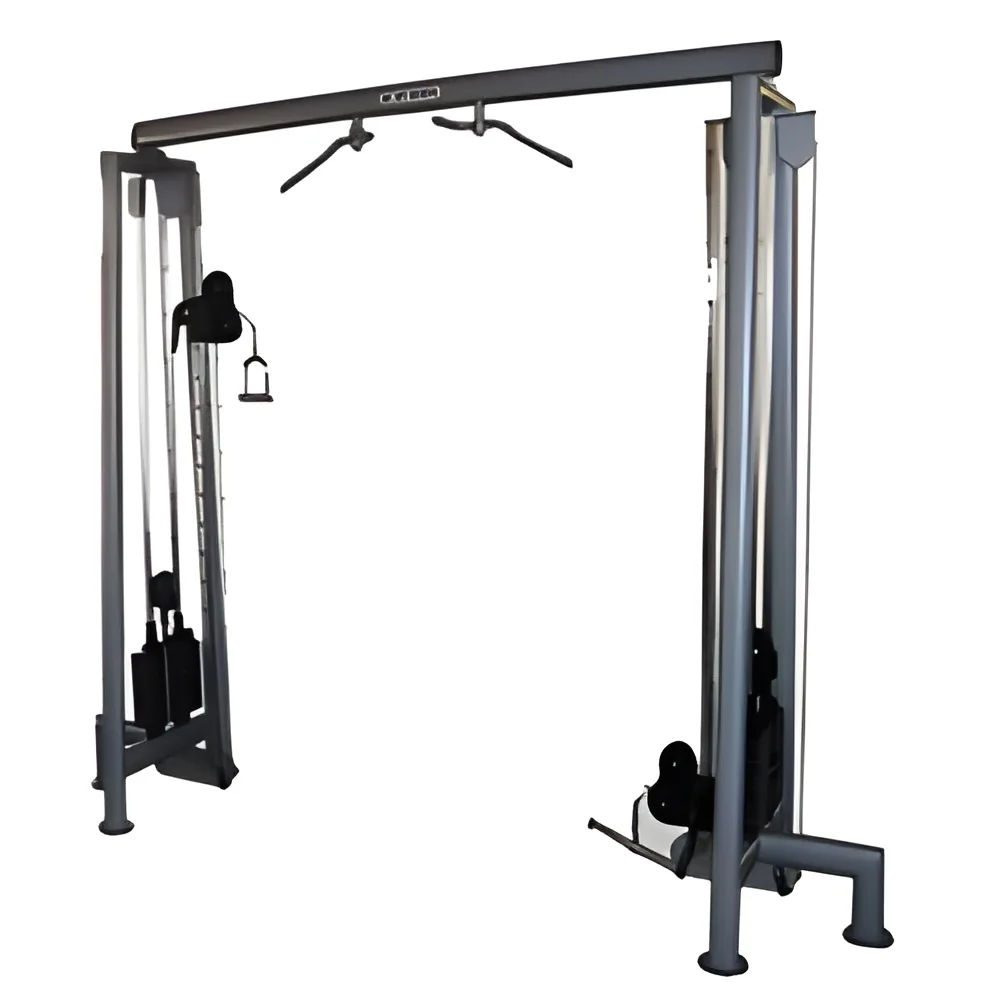
Functional Trainers: These machines focus on functional training exercises, allowing users to perform movements that mimic everyday activities. They often include adjustable pulleys and versatile attachments.
All-in-One Multi-Gym Systems: These comprehensive systems combine various exercise stations and features into one unit. They provide a full-body workout solution suitable for both home and commercial settings.
Benefits and Advantages
Investing in multi-gym machines offers numerous benefits for users and facilities alike.
1. Space Efficiency: Multi-gym machines consolidate multiple workout stations into one unit, saving valuable floor space in gyms and homes.
2. Versatility: They offer a wide range of exercises, allowing users to target different muscle groups effectively.
3. Cost-Effectiveness: Rather than purchasing multiple machines, a single multi-gym machine can fulfill various training needs, reducing overall costs.
4. Adjustable Resistance: Users can easily modify weight settings, making the equipment suitable for all fitness levels.
5. Enhanced Safety: With built-in safety features, multi-gym machines provide a secure workout environment, minimizing the risk of injury.
6. User-Friendly Design: Many models come with intuitive controls and adjustable settings, making them accessible even for beginners.
Buying Guide for B2B Buyers
When sourcing multi-gym machines for commercial or institutional use, several factors should be considered.
1. Quality Assessment: Evaluate machines based on durability and construction quality. Look for reputable brands with a proven track record in the fitness industry.
2. Supplier Verification: Research suppliers to ensure they are credible and reliable. Check for customer reviews and industry references.
3. Pricing and MOQ: Consider the cost of the machines as well as minimum order quantities. Negotiate pricing based on bulk purchases for better deals.
4. Delivery and Lead Times: Discuss logistics with suppliers to understand delivery schedules and lead times. Timely delivery is crucial for business operations.
5. Compliance Requirements: Ensure that the machines meet industry standards and local regulations, including safety certifications and quality standards.
Compliance and Certifications
Multi-gym machines must adhere to various quality standards and certifications to ensure safety and reliability.
ISO 9001 is a key standard that emphasizes quality management systems. Compliance with this standard indicates that a manufacturer follows consistent processes to deliver quality products.
Industry certifications such as CE and UL are essential for ensuring that multi-gym machines meet safety and performance requirements. CE marking indicates compliance with European health, safety, and environmental protection standards, while UL certification signifies adherence to stringent safety testing protocols.
Safety and testing requirements are critical in the manufacturing of multi-gym machines. These machines are often subjected to rigorous testing to ensure they can handle the demands of frequent use.
Regional compliance considerations should also be addressed, as different regions may have specific regulations regarding fitness equipment. Buyers should ensure that the machines they purchase comply with local laws to avoid potential issues.
Why Source Multi-Gym Machines from Pepagora?
Pepagora provides a trusted platform for sourcing multi-gym machines, offering numerous advantages for buyers.
Verified Supplier Network: Pepagora connects buyers with a network of verified suppliers, ensuring that all products meet quality standards and specifications. This network helps buyers find reliable manufacturers and vendors.
Streamlined RFQ Process: The Request for Quotation (RFQ) system simplifies the procurement process. Buyers can easily request quotes from multiple suppliers, enabling them to compare prices and features efficiently.
Trade Assurance and Support: Pepagora offers trade assurance to protect buyers throughout the purchasing process. This includes support for resolving disputes and ensuring satisfaction with the products received.
Regional Coverage: Pepagora has a wide geographic reach, serving buyers in India, the Gulf Cooperation Council (GCC), and Southeast Asia. This extensive coverage makes it easier for businesses in these regions to access quality multi-gym machines.




Frequently Asked Questions
What are Multi-Gym Machines?
Multi-Gym Machines are versatile fitness equipment designed to perform a variety of exercises targeting multiple muscle groups. They typically combine several workout stations into one compact unit, allowing users to engage in strength training, cardio, and flexibility exercises.
What are the different types of Multi-Gym Machines?
There are several types of Multi-Gym Machines, including home gym systems, commercial gym equipment, and adjustable multi-station gyms. Each type varies in size, function, and number of exercises it can perform, catering to different user needs and fitness levels.
How do I choose the right Multi-Gym Machines?
When selecting a Multi-Gym Machine, consider factors such as available space, intended use (home or commercial), and the specific exercises you want to perform. Additionally, assess the equipment's build quality, weight capacity, and user reviews to ensure it meets your requirements.
What are the standard specifications for Multi-Gym Machines?
Standard specifications for Multi-Gym Machines typically include dimensions, weight capacity, number of exercise stations, and the types of resistance mechanisms (like weight stacks or bands). It's also important to look at the materials used for construction and safety features.
What is the price range for Multi-Gym Machines?
The price range for Multi-Gym Machines can vary significantly based on the type, brand, and features. Generally, they can cost anywhere from INR 20,000 for basic home models to over INR 1,00,000 for advanced commercial-grade machines.
What quality standards apply to Multi-Gym Machines?
Quality standards for Multi-Gym Machines often include compliance with safety regulations, durability tests, and manufacturer certifications. Look for machines that have undergone quality assurance processes and are made from high-grade materials to ensure longevity and safety.
Where can I find Multi-Gym Machines suppliers in India?
You can find Multi-Gym Machines suppliers in India through B2B marketplaces like Pepagora, direct manufacturer websites, and fitness equipment distributors. It's advisable to compare multiple suppliers to ensure you get the best quality and pricing.
Can Multi-Gym Machines be customized?
Yes, many manufacturers offer customization options for Multi-Gym Machines to meet specific user requirements. Customizations may include modifications in design, additional attachments, or alterations in weight stacks.
What is the typical minimum order quantity for Multi-Gym Machines?
The typical minimum order quantity (MOQ) for Multi-Gym Machines can vary by supplier, but it often ranges from 1 to 10 units for individual buyers. Commercial buyers may encounter higher MOQs depending on the manufacturer's policies.
What is the typical lead time for Multi-Gym Machines?
The typical lead time for Multi-Gym Machines can range from 2 to 8 weeks, depending on factors such as the supplier's production capacity, customization requests, and shipping arrangements. Always confirm lead times with your chosen supplier before placing an order.
Why Businesses Trust Pepagora
Thousands of companies trust Pepagora to source smarter and sell faster
Expand Your Sales Globally

Source Smarter,Grow Faster
