
 IN
Motor Control Centers (MCC)
12 products available
Key Features and Specifications
Motor Control Centers are designed with several essential features that enhance their functionality and reliability. The specifications vary based on the application and industry requirements, ensuring that businesses can select the right MCC for their needs.
Key specifications include:
1. Motor Starter Types
- MCCs can include various motor starter types such as direct-on-line (DOL), star-delta, and variable frequency drives (VFD).
- These options allow for flexibility in motor control and efficiency in energy consumption.
2. Enclosure Ratings
- Enclosures are designed to meet specific environmental conditions, often rated IP54 or IP65.
- These ratings ensure protection against dust and water ingress.
3. Bus Bar Ratings
- Bus bars within MCCs are rated for current capacities, often ranging from 600A to 4000A.
- Adequate bus bar sizing is crucial for preventing overheating and ensuring safe operation.
4. Control Voltage
- Control circuits typically operate at low voltage, commonly 24V or 120V.
- This specification enhances safety and reduces shock hazards.
5. Communication Protocols
- Many MCCs now support various communication protocols such as Modbus, Profibus, and Ethernet/IP.
- This feature allows for integration with building management systems and remote monitoring.
6. Thermal Management
- MCCs may include features for thermal management, such as ventilation systems or cooling fans.
- Effective thermal control is essential for maintaining component life and reliability.
7. Safety Features
- Integrated circuit breakers and overload protection ensure the safety of both personnel and equipment.
- These features help to minimize the risk of electrical faults.
8. Modular Design
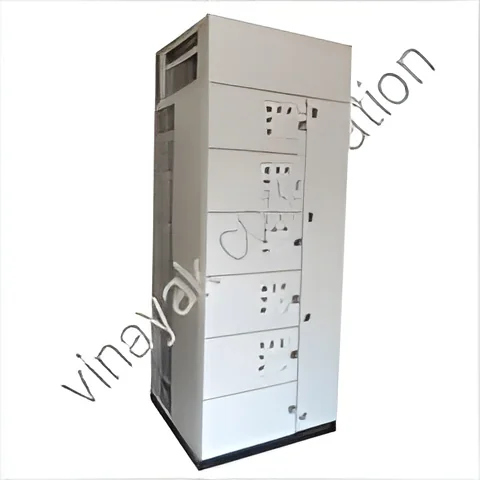
- Many MCCs are designed with modular components, allowing for easy upgrades and maintenance.
- This design approach facilitates customization and scalability.
In summary, selecting an MCC involves understanding these key features and specifications to ensure optimal performance in specific applications.
Common Applications and Use Cases
Motor Control Centers find extensive use across multiple industries, each with its unique applications.
1. Manufacturing: In manufacturing facilities, MCCs manage motors for conveyors, assembly lines, and robotic arms, ensuring seamless operations and production efficiency.
2. Water Treatment: In water treatment plants, MCCs control pumps and blowers, optimizing the processes of water purification and distribution.
3. Oil and Gas: In the oil and gas sector, MCCs are used to manage motors for drilling equipment, pipelines, and refining processes, enhancing operational safety and reliability.
4. Mining: In mining operations, MCCs control equipment such as crushers and conveyors, contributing to effective resource extraction and processing.
5. HVAC: In heating, ventilation, and air conditioning (HVAC) systems, MCCs manage motors that regulate airflow and temperature, improving building comfort and energy efficiency.
6. Food Processing: In food and beverage industries, MCCs control various motors for mixing, packing, and conveyor systems, ensuring compliance with safety and hygiene standards.
7. Renewable Energy: In renewable energy applications, such as wind and solar, MCCs manage motor functions in generators and tracking systems, supporting sustainable energy production.
Product Variants and Subcategories
Motor Control Centers come in various configurations to meet diverse industrial needs.
Standard MCC
This variant is designed for general applications, incorporating essential control and protection features. It is suitable for use in manufacturing and processing environments.
Intelligent MCC
Intelligent MCCs incorporate advanced monitoring and control systems, allowing for real-time data analysis and remote management. This variant is ideal for applications where efficiency and predictive maintenance are critical.
Containerized MCC
Containerized MCCs provide a mobile solution that can be deployed quickly on job sites. They offer flexibility and ease of transport, making them suitable for temporary installations or remote locations.
Benefits and Advantages
Investing in Motor Control Centers provides numerous advantages for businesses looking to enhance their operations.
Key benefits include:
1. Improved Efficiency: MCCs streamline motor control processes, leading to reduced energy consumption and operational costs.
2. Enhanced Safety: The integrated safety features in MCCs minimize risks associated with electrical faults, protecting both personnel and equipment.
3. Simplified Maintenance: Modular designs and centralized control facilitate easier access for maintenance, reducing downtime.
4. Customization: MCCs can be tailored to specific requirements, allowing businesses to optimize their performance.
5. Scalability: As operations grow, MCCs can be expanded or upgraded to accommodate new equipment and technologies.
6. Data Monitoring: Advanced MCCs provide real-time data, enabling better decision-making and improved operational insights.
Buying Guide for B2B Buyers
When sourcing Motor Control Centers, it is essential for businesses to consider several critical factors.
1. Quality Assessment: Evaluate the quality of MCCs based on industry standards and certifications. Look for products that meet ISO 9001 or similar quality benchmarks to ensure reliability.
2. Supplier Verification: Vet potential suppliers thoroughly by checking their reputation, experience, and customer reviews. A trusted supplier will provide assurance of product quality and support.
3. Pricing and MOQ: Understand the pricing structure and minimum order quantities (MOQ) to ensure that the costs align with the budget while meeting operational needs.
4. Delivery and Lead Times: Discuss logistics to ascertain delivery schedules and lead times, which are crucial for project planning and execution.
5. Compliance Requirements: Ensure that the MCCs meet all relevant regulatory and safety compliance standards specific to the industry and region of operation.
Compliance and Certifications
Motor Control Centers must adhere to various quality standards and certifications to ensure safety and reliability.
ISO 9001 is a widely recognized quality management standard that ensures consistent product quality and operational efficiency. Compliance with this standard indicates that a manufacturer follows best practices in quality management.
CE certification is essential for products sold in the European Economic Area, ensuring that they meet safety, health, and environmental protection requirements. This certification is particularly important in industries where safety standards are critical.
Safety and testing requirements for MCCs often include rigorous assessments to ensure they can withstand environmental conditions and operate safely under load. Manufacturers must conduct thorough testing and provide documentation to support compliance.
Regional compliance considerations vary based on local regulations and standards. It is crucial for buyers to be aware of these requirements to ensure that their MCCs are compliant with regional laws.
Why Source Motor Control Centers (MCC) from Pepagora?
Pepagora offers a reliable platform for sourcing Motor Control Centers, providing numerous advantages to buyers in the B2B space.
Verified Supplier Network: Pepagora connects businesses with a network of verified suppliers, ensuring that buyers can trust the quality and reliability of the products they purchase.
Streamlined RFQ Process: The request for quotation (RFQ) system on Pepagora simplifies the procurement process, allowing buyers to efficiently gather quotes and compare options from multiple suppliers.
Trade Assurance and Support: Pepagora offers buyer protection through trade assurance, providing peace of mind when making purchases. This support extends to after-sales services and dispute resolution.
Regional Coverage: With a strong presence in India, the GCC, and Southeast Asia, Pepagora provides extensive regional coverage, making it easier for businesses to find local suppliers and meet their specific needs.


Frequently Asked Questions
What are Motor Control Centers (MCC)?
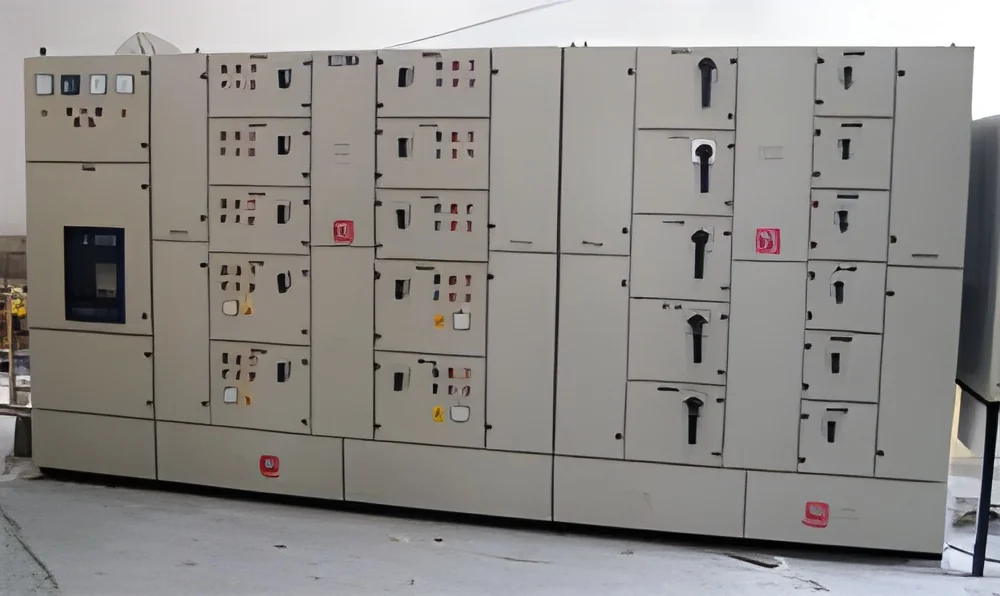
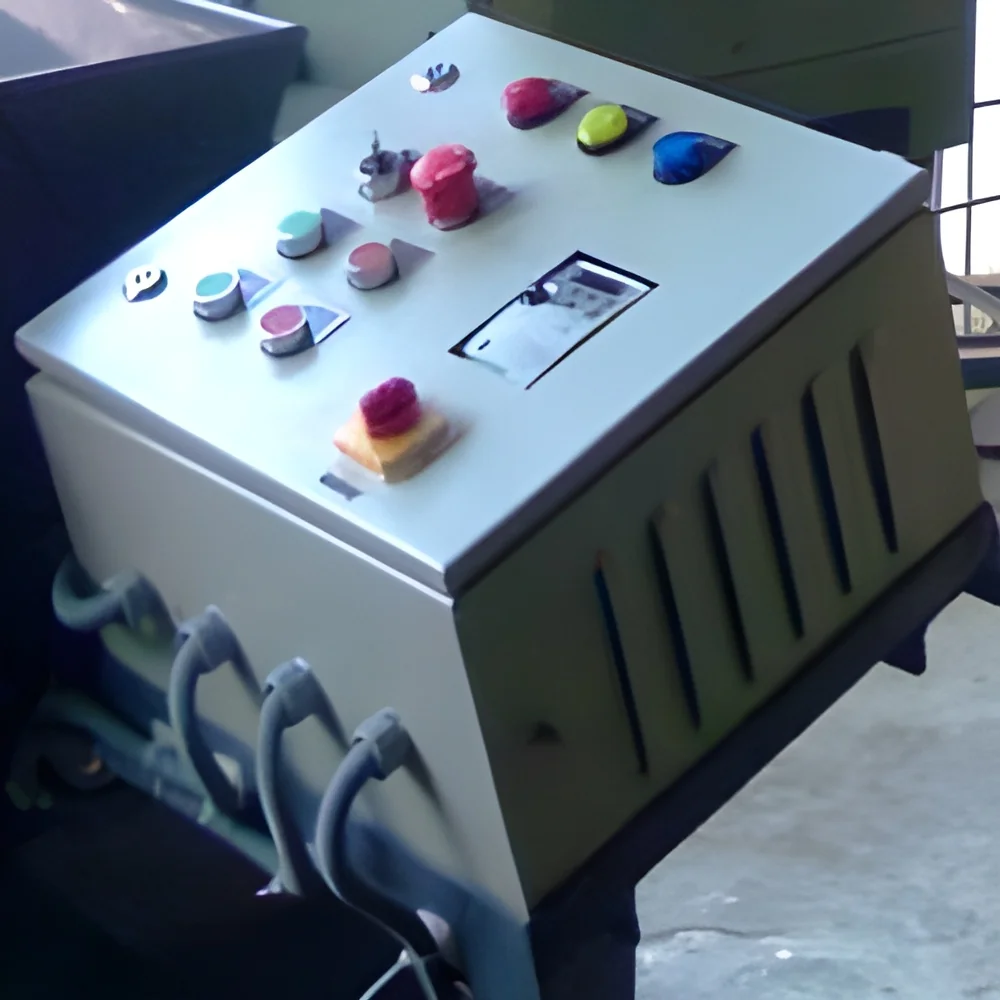
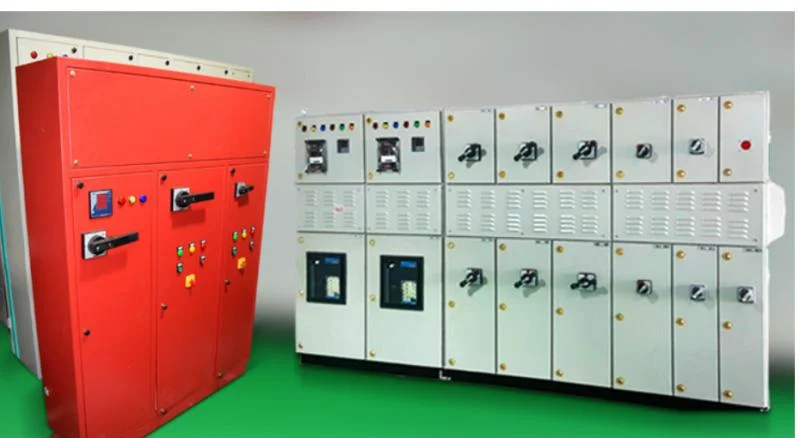
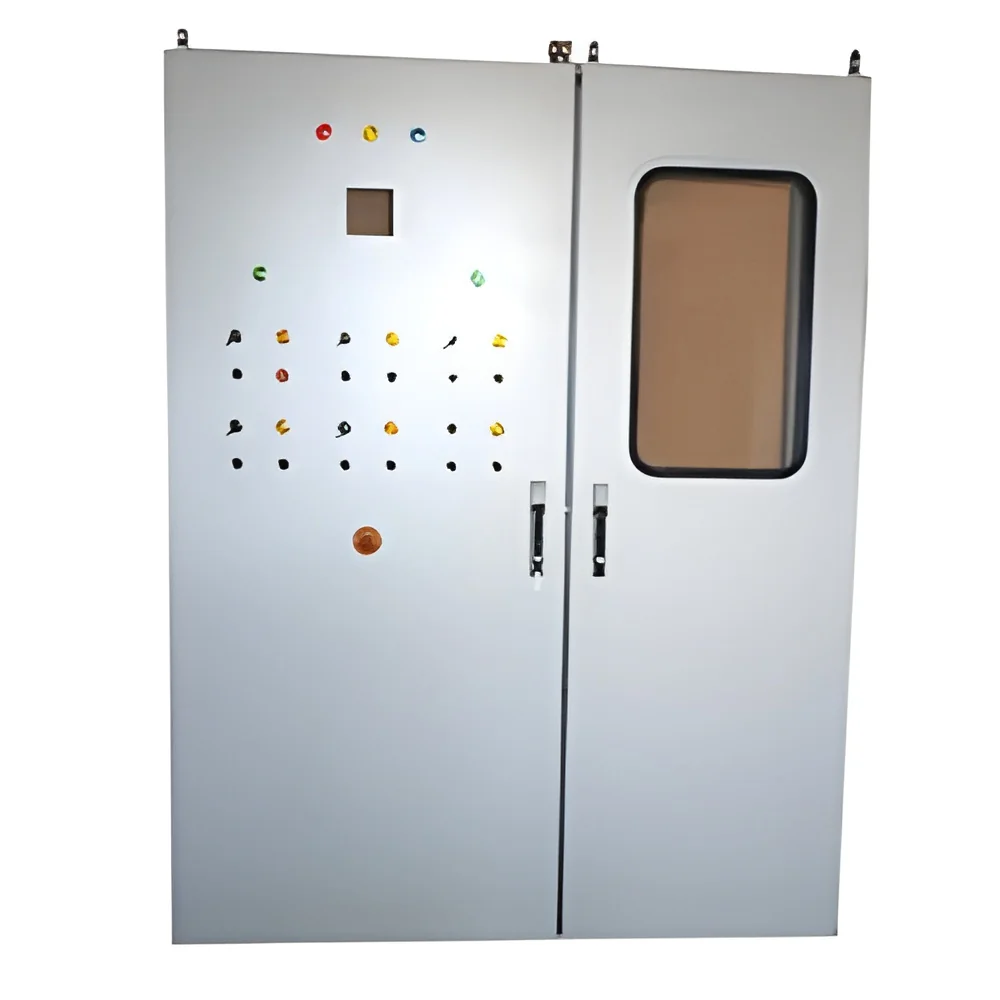
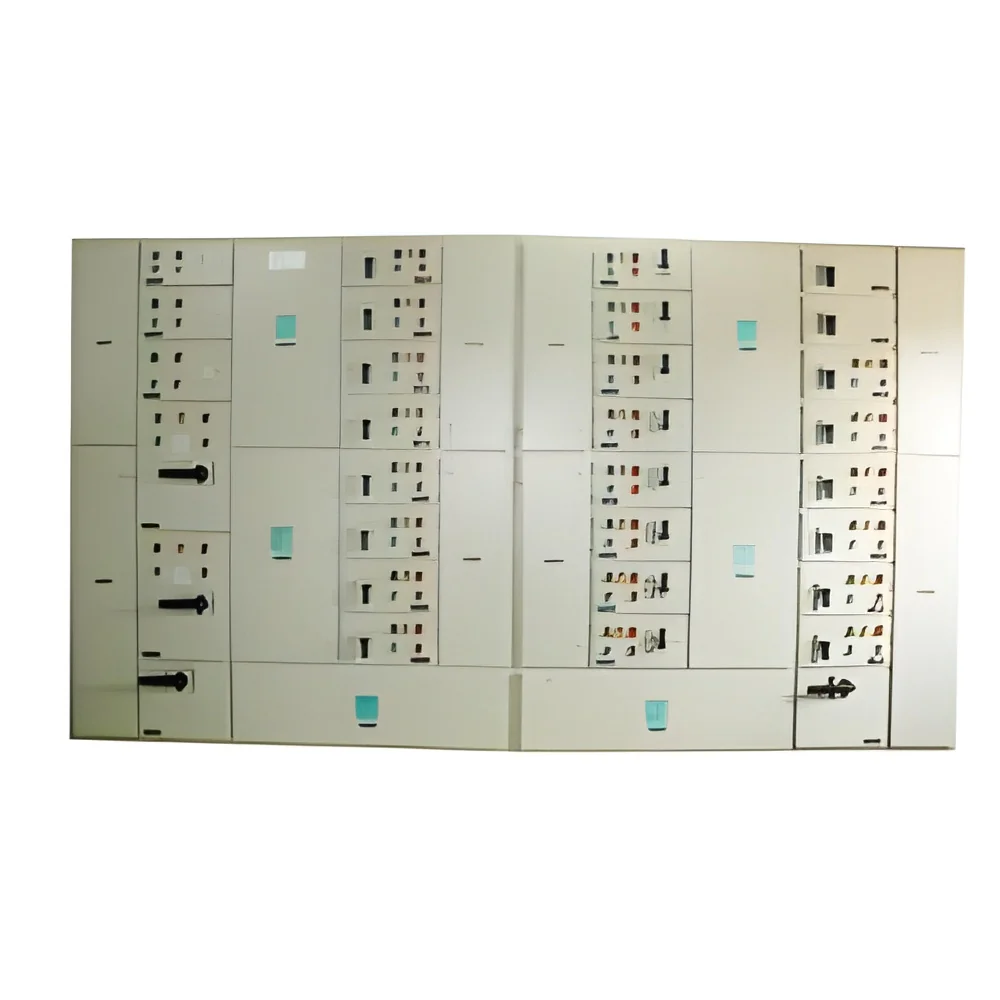
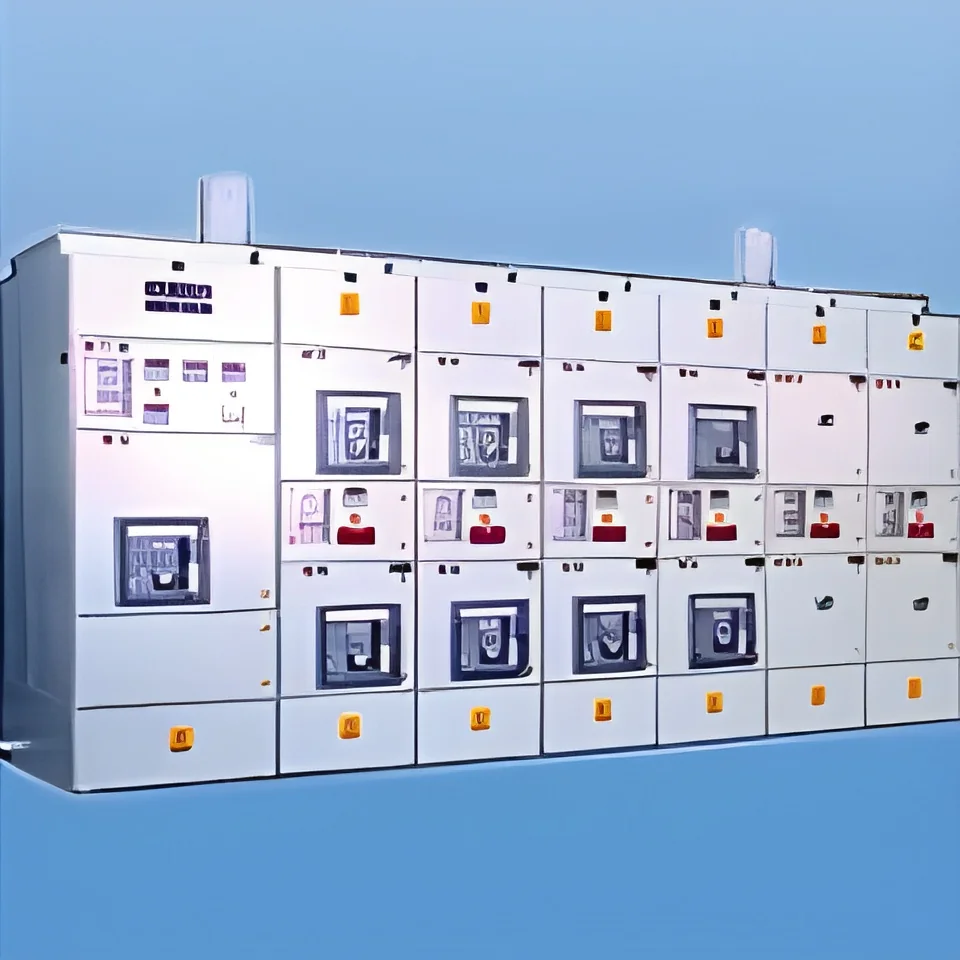
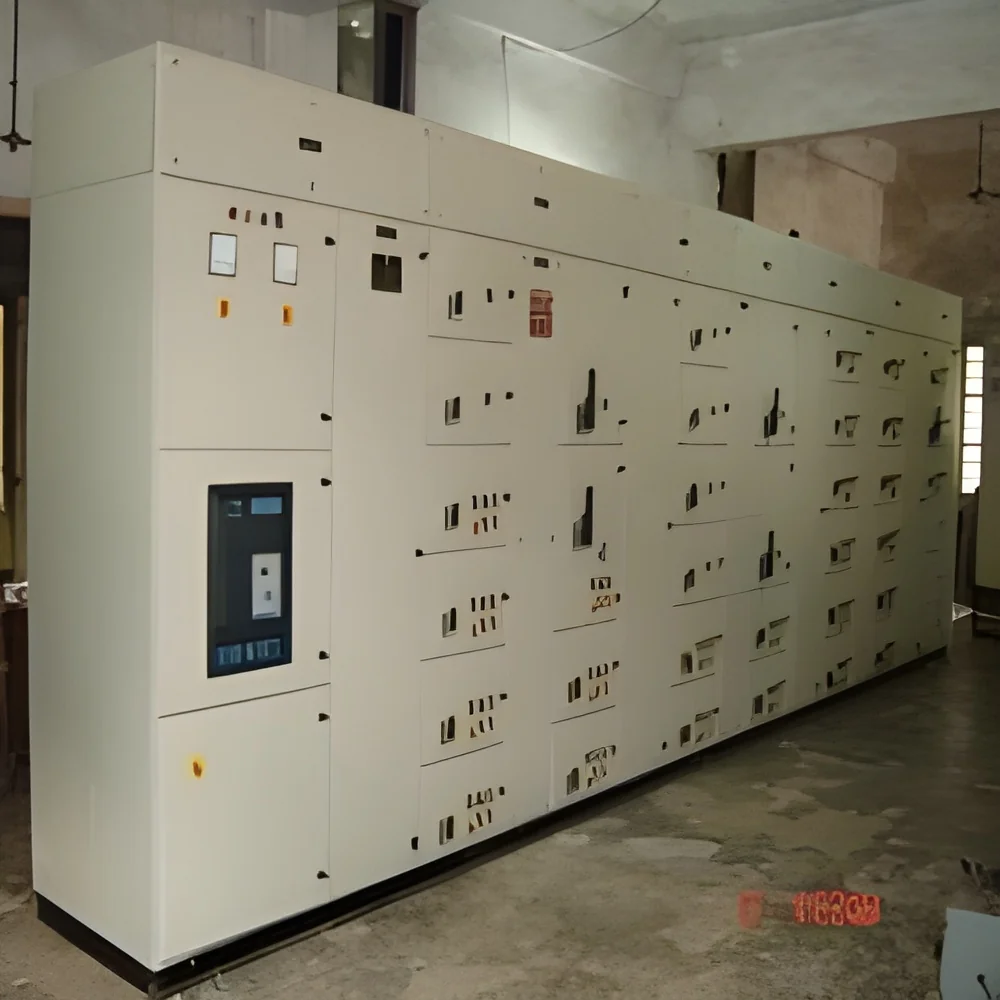
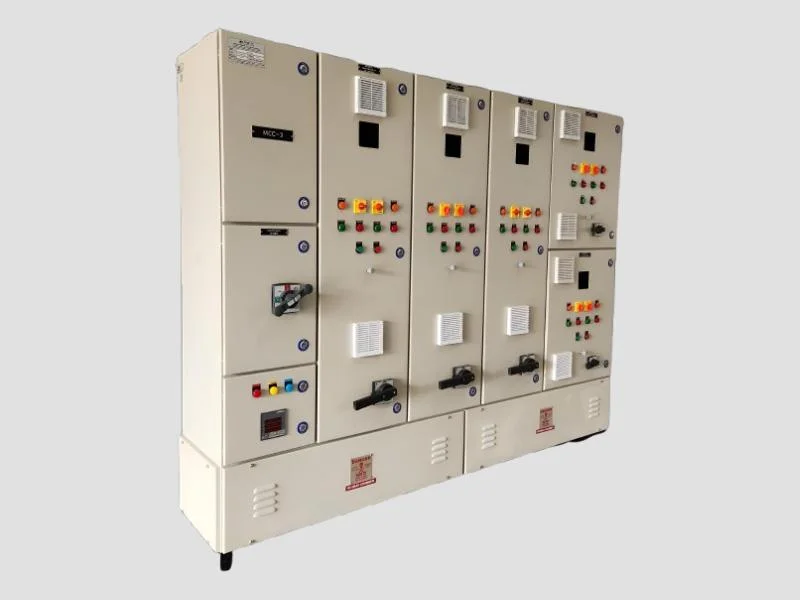
Motor Control Centers (MCC) are centralized systems that provide control and protection for electric motors. They typically consist of multiple motor starter units, circuit breakers, and control equipment, all housed in a single enclosure. MCCs are essential in industrial applications for managing motor operations efficiently and safely.
What are the different types of Motor Control Centers (MCC)?
There are several types of Motor Control Centers (MCC), including traditional MCCs, modular MCCs, and intelligent MCCs. Traditional MCCs use a basic design with individual starters, while modular MCCs allow for flexible configurations. Intelligent MCCs incorporate advanced monitoring and control features, enhancing automation and operational efficiency.
How do I choose the right Motor Control Centers (MCC)?
Choosing the right Motor Control Centers (MCC) involves assessing your specific application requirements, including the number of motors, load types, and control functions needed. Consider factors such as the environment in which the MCC will operate, available space, and compliance with safety standards. Consulting with manufacturers or suppliers can provide valuable insights into the best options for your needs.
What are the standard specifications for Motor Control Centers (MCC)?
Standard specifications for Motor Control Centers (MCC) typically include voltage ratings, current ratings, enclosure types, and protection classes. Common voltage ratings range from 415V to 690V, while current ratings may vary based on the application. Enclosure types should be selected based on environmental conditions, and compliance with industry standards such as IEC or NEMA is essential.
What is the price range for Motor Control Centers (MCC)?
The price range for Motor Control Centers (MCC) can vary significantly based on factors such as size, specifications, and manufacturer. Generally, prices can start from around INR 50,000 for basic models and can exceed several lakhs for advanced configurations with additional features. It's advisable to obtain quotes from multiple suppliers to compare costs.
What quality standards apply to Motor Control Centers (MCC)?
Motor Control Centers (MCC) must comply with various quality standards, including IEC 61439 for low-voltage switchgear and controlgear assemblies. Additionally, manufacturers may adhere to ISO certifications to ensure consistent quality in production. Compliance with local safety regulations and standards is also crucial for operational reliability.
Where can I find Motor Control Centers (MCC) suppliers in India?
You can find Motor Control Centers (MCC) suppliers in India through various online B2B marketplaces, industry trade shows, and local directories. Websites like Pepagora.com offer a comprehensive list of manufacturers and suppliers. Additionally, networking within industry associations can help identify reputable suppliers in your region.
Can Motor Control Centers (MCC) be customized?
Yes, Motor Control Centers (MCC) can often be customized to meet specific operational requirements. Customization may include changes in the size, configuration, and additional features such as remote monitoring. It is advisable to discuss customization options with the manufacturer or supplier to ensure that all requirements are met.
What is the typical minimum order quantity for Motor Control Centers (MCC)?
The typical minimum order quantity (MOQ) for Motor Control Centers (MCC) can vary based on the supplier and the specific product configurations. Generally, MOQs may range from one unit for standard models to larger quantities for customized or specialized MCCs. It is best to check with individual suppliers for their specific MOQ policies.
What is the typical lead time for Motor Control Centers (MCC)?
The typical lead time for Motor Control Centers (MCC) can vary based on the complexity of the order and the manufacturer's production schedule. Generally, standard models may have a lead time ranging from 4 to 8 weeks, while customized MCCs may take longer, often between 8 to 12 weeks. It is advisable to confirm the lead time with the supplier at the time of order.
Why Businesses Trust Pepagora
Thousands of companies trust Pepagora to source smarter and sell faster
Expand Your Sales Globally

Source Smarter,Grow Faster
