Key Features and Specifications
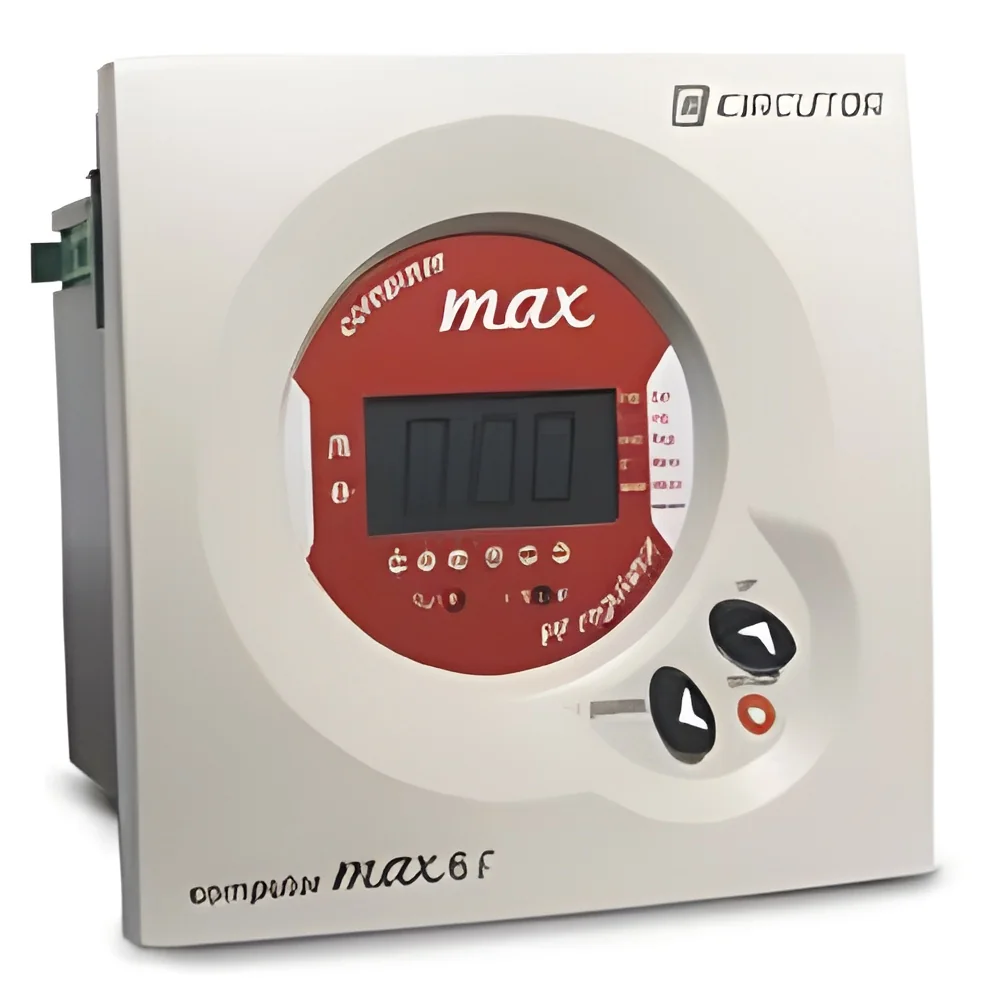
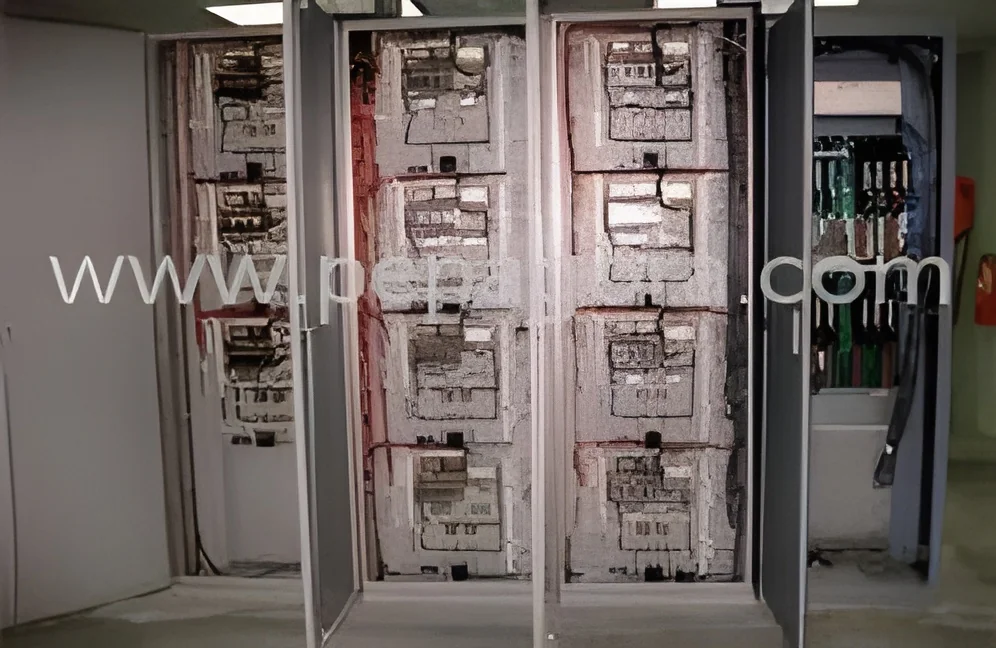
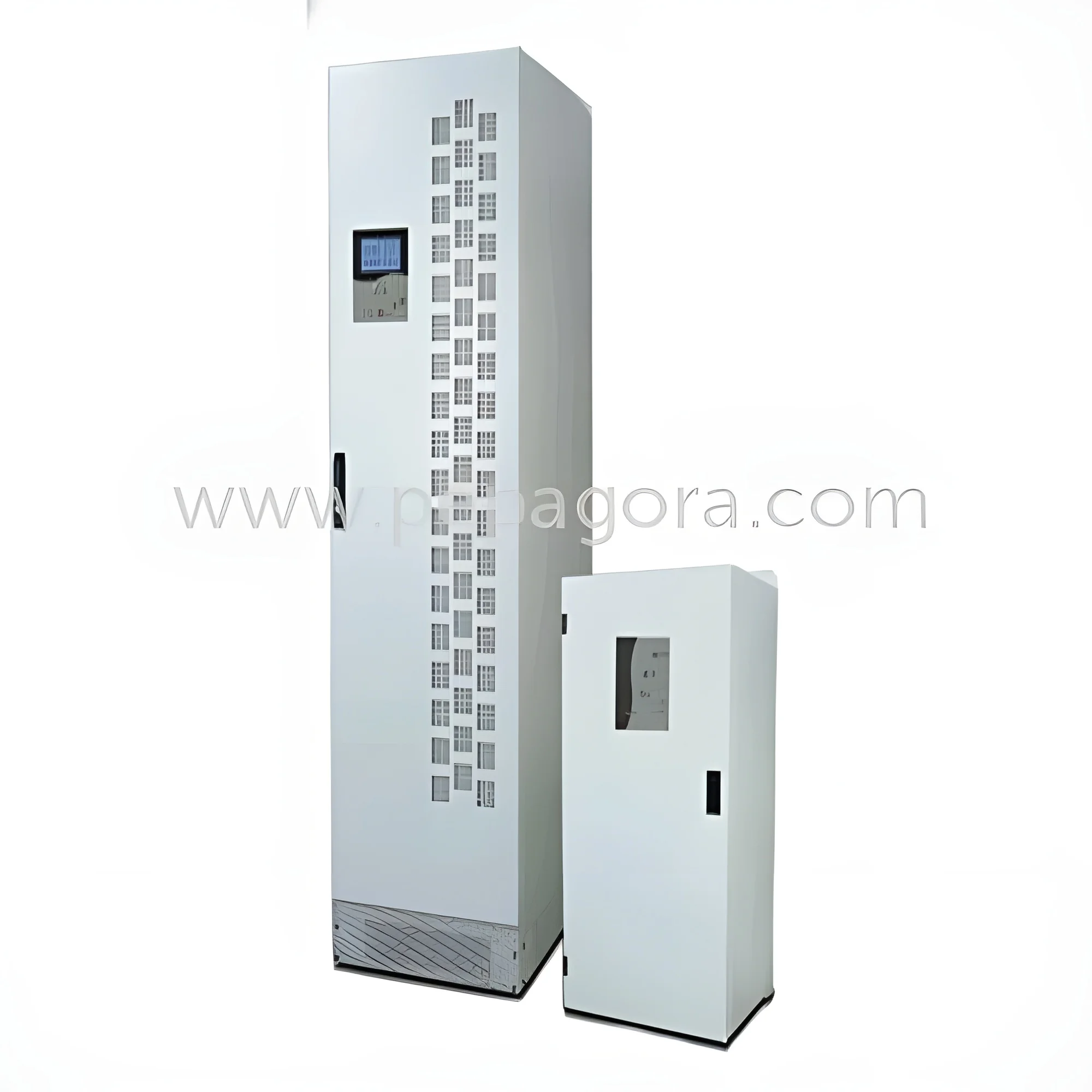
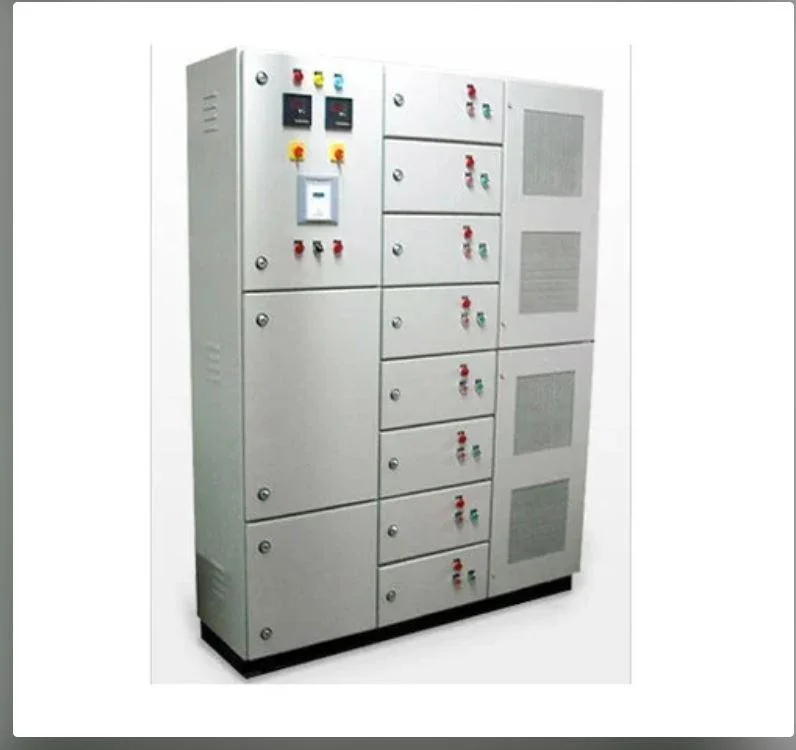
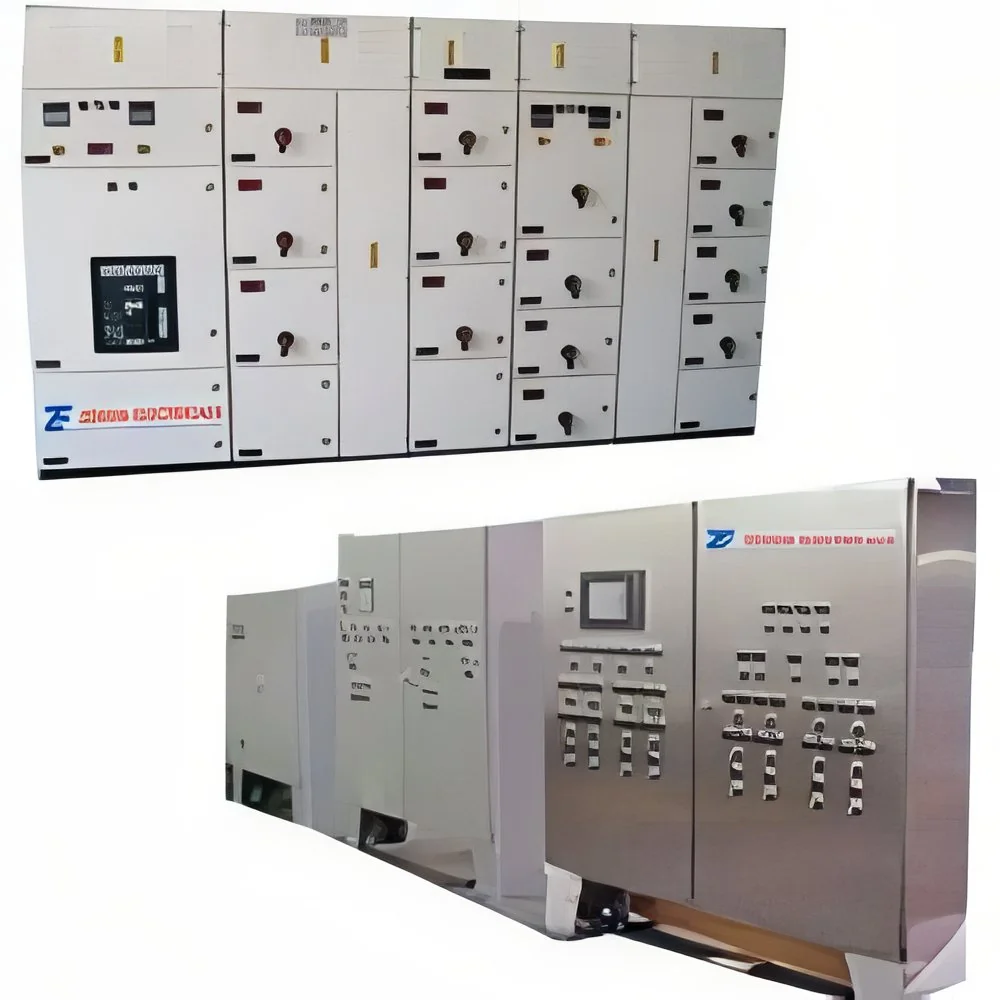
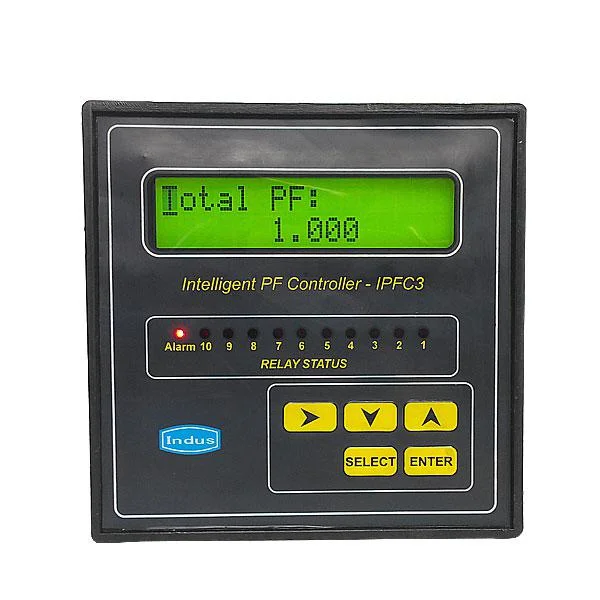
Automatic Power Factor Correction Panels come with a range of features designed to enhance their functionality and reliability. These panels are engineered to provide automatic adjustment of reactive power, ensuring optimal performance and energy savings.
Key specifications include:
1. Control System
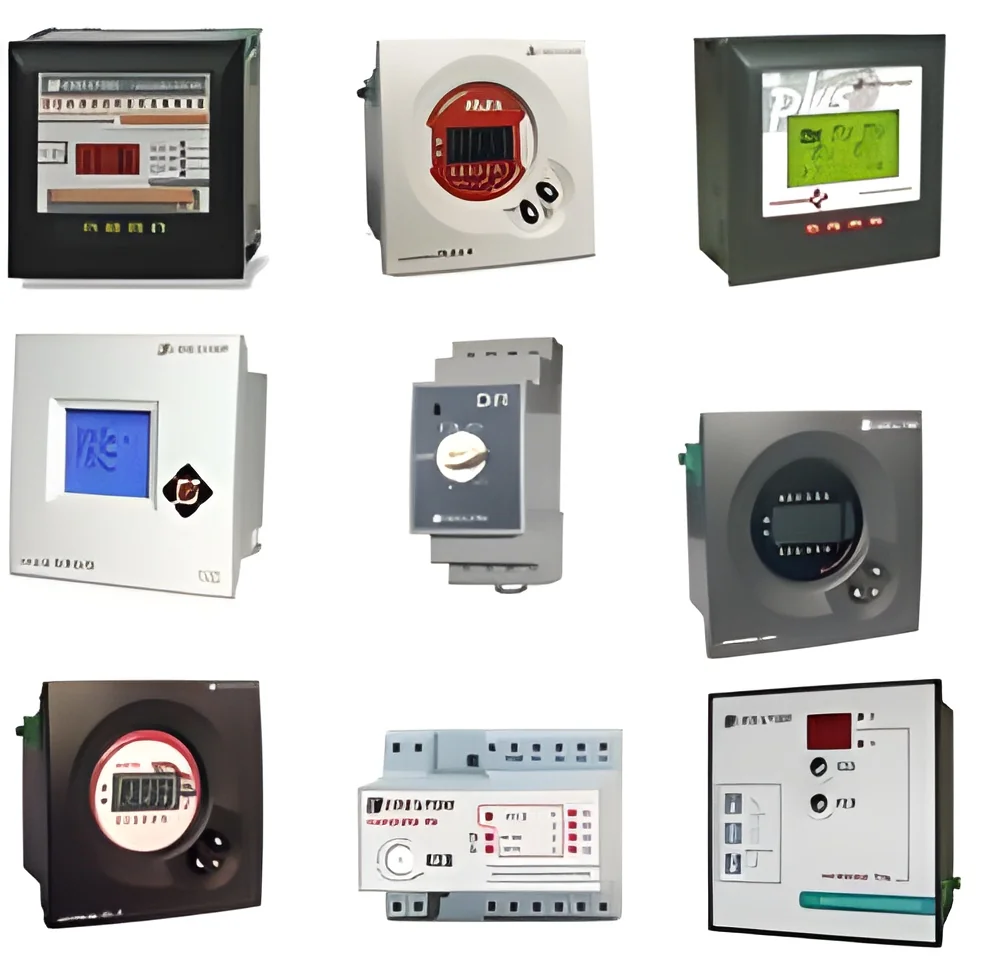
- Advanced microcontroller-based systems
- Real-time monitoring and adjustment capabilities
2. Capacitor Bank
- Modular design for easy scalability
- High-quality capacitors with long service life
3. Voltage Rating
- Typically available for 415V or 690V systems
- Custom options may be available based on requirements
4. Protection Features
- Over-voltage, under-voltage, and short-circuit protection
- Thermal protection for capacitors
5. Communication Interface
- Options for RS485 or Ethernet connectivity
- Compatibility with SCADA systems for remote monitoring
6. Enclosure Type
- IP-rated enclosures for dust and moisture resistance
- Indoor and outdoor installation options available
7. Operating Temperature Range
- Designed to operate in various temperature conditions
- Specific ranges not specified, typically between -10°C to 50°C
8. Compliance and Certification
- CE certified for safety and performance standards
- Compliance with relevant industry regulations
In summary, APFC panels are equipped with sophisticated control systems and protective features that ensure efficient operation, making them an essential investment for energy-conscious businesses.
Common Applications and Use Cases
Automatic Power Factor Correction Panels are utilized across various industries to enhance energy efficiency and reduce costs.
1. Manufacturing: In manufacturing facilities, APFC panels help manage the power factor of large machinery and equipment, leading to reduced energy consumption and lower utility bills.
2. Data Centers: Data centers use APFC technology to optimize power usage for servers and cooling systems, ensuring reliable operation while minimizing energy costs.
3. Commercial Buildings: In commercial properties, APFC panels improve power factor for lighting systems and HVAC units, contributing to overall energy efficiency and cost savings.
4. Mining: The mining industry employs APFC panels to manage heavy-duty machines, enhancing their efficiency and reducing the operational costs associated with power consumption.
5. Textile Industry: In textile manufacturing, APFC panels support the electrical systems of weaving and dyeing machines, promoting a stable power supply and lowering energy expenses.
6. Oil and Gas: The oil and gas sector benefits from APFC technology to manage the high inductive loads of pumps and compressors, ensuring operational efficiency.
7. Agriculture: In agricultural operations, APFC panels improve power quality for irrigation systems and machinery, helping farmers reduce energy costs.
Product Variants and Subcategories
Automatic Power Factor Correction Panels come in various configurations to suit different applications and industry needs.
Standard APFC Panels
These are the most common type, designed for general use in industrial and commercial settings. They feature modular capacitor banks and advanced control systems for automatic power factor correction.
Smart APFC Panels
These panels include enhanced monitoring and communication capabilities. They provide real-time data on power quality and can integrate with building management systems for optimized control.
Wall-Mounted APFC Panels
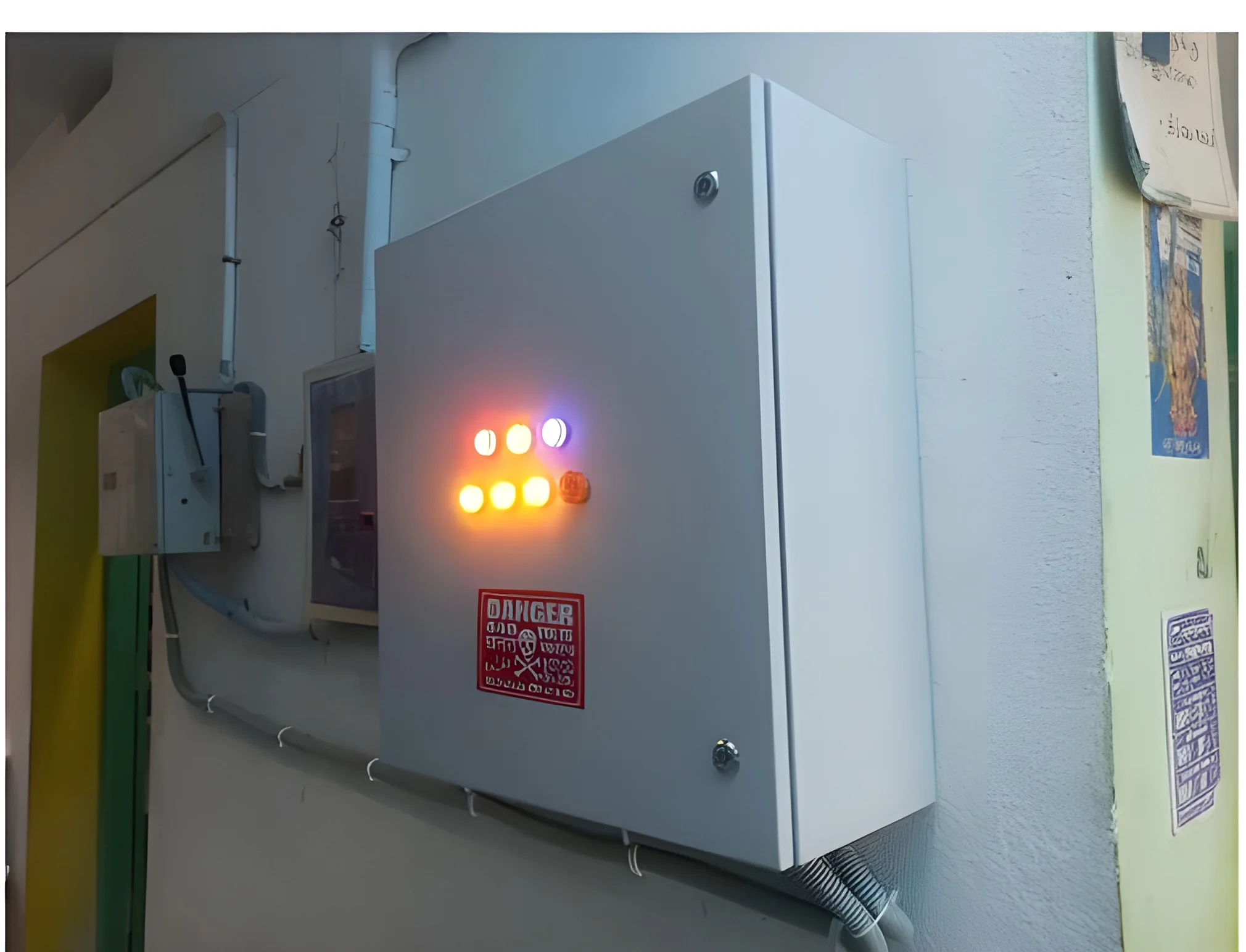
Ideal for smaller installations, these panels are designed to save space while still delivering effective power factor correction for low to medium loads.
Mobile APFC Units
These portable units are suited for temporary applications or projects where power factor correction is needed on a flexible basis, such as construction sites.
Benefits and Advantages
Investing in Automatic Power Factor Correction Panels offers several key benefits to businesses.
1. Cost Savings: By improving the power factor, businesses can significantly reduce their electricity bills and avoid penalties from utility companies.
2. Enhanced Equipment Lifespan: APFC panels help stabilize voltage and current levels, reducing wear and tear on electrical equipment and extending its lifespan.
3. Improved System Efficiency: These panels optimize reactive power usage, leading to improved overall system efficiency and performance.
4. Regulatory Compliance: Implementing APFC technology helps businesses comply with local regulations regarding power factor, avoiding potential fines.
5. Environmental Impact: By reducing energy consumption, APFC panels contribute to lower carbon emissions, supporting corporate sustainability initiatives.
6. Increased Reliability: Enhanced power quality leads to fewer outages and disruptions, ensuring a more reliable electrical supply for critical operations.
Buying Guide for B2B Buyers
When sourcing Automatic Power Factor Correction Panels (APFC), B2B buyers should consider several key factors to ensure they make informed decisions.
1. Quality Assessment: Evaluate the quality of the panels by reviewing manufacturer certifications and customer feedback. Look for panels that meet international quality standards.
2. Supplier Verification: Vet suppliers by checking their track record, customer reviews, and industry experience. A reliable supplier is crucial for ensuring product quality and support.
3. Pricing and MOQ: Understand the pricing structure and minimum order quantities (MOQ) offered by suppliers. Compare quotes to find the best value without compromising on quality.
4. Delivery and Lead Times: Inquire about logistics and lead times for delivery. Timely delivery is essential to keep projects on schedule and avoid operational delays.
5. Compliance Requirements: Ensure that the panels meet relevant compliance and safety standards for your industry and region. This helps avoid legal issues and ensures safe operation.
Compliance and Certifications
Automatic Power Factor Correction Panels are subject to various compliance standards and certifications that ensure their safety and performance.
ISO 9001: This quality management standard ensures that manufacturers meet customer and regulatory requirements consistently.
CE Certification: This certification indicates that the product meets European safety standards, providing assurance of quality and reliability for users.
Safety and Testing Requirements: APFC panels undergo rigorous testing to ensure they can operate safely under various conditions. This includes assessments for electrical safety, environmental impact, and performance efficiency.
Regional Compliance Considerations: Different regions may have specific regulations regarding electrical equipment. Buyers should familiarize themselves with local compliance requirements to ensure that the panels meet necessary standards.
Why Source Automatic Power Factor Correction Panels (APFC) from Pepagora?
Pepagora offers a trusted platform for sourcing Automatic Power Factor Correction Panels (APFC) with several key advantages that cater to B2B buyers.
Verified Supplier Network: Pepagora connects buyers with a network of verified suppliers, ensuring that only reputable manufacturers are featured. This reduces the risk of purchasing inferior products.
Streamlined RFQ Process: The request for quotation (RFQ) process is efficient and user-friendly, allowing buyers to quickly receive and compare quotes from multiple suppliers. This simplifies the sourcing process and promotes competitive pricing.
Trade Assurance and Support: Pepagora provides trade assurance, protecting buyers from potential issues during transactions. Customer support is readily available to assist with any concerns or inquiries.
Regional Coverage: With a strong presence in India, the GCC, and Southeast Asia, Pepagora supports businesses across various regions. This extensive coverage ensures that buyers can access quality products regardless of their location.

 IN
IN