IN
IN₹
Apparel & Fashion
Loading subcategories...
View More
Description
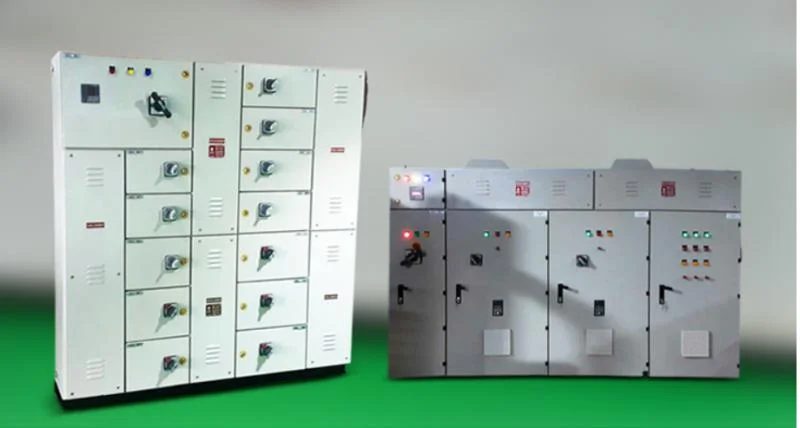
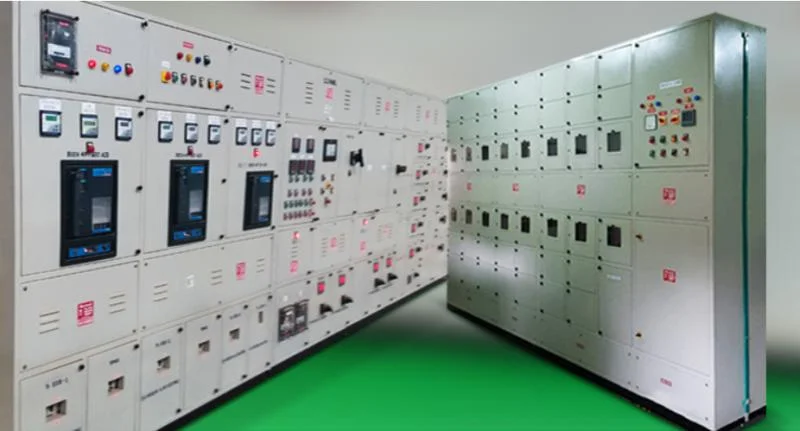
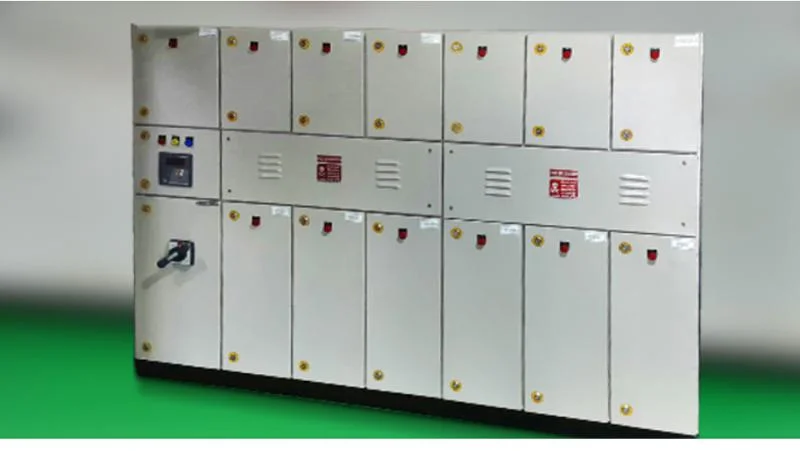
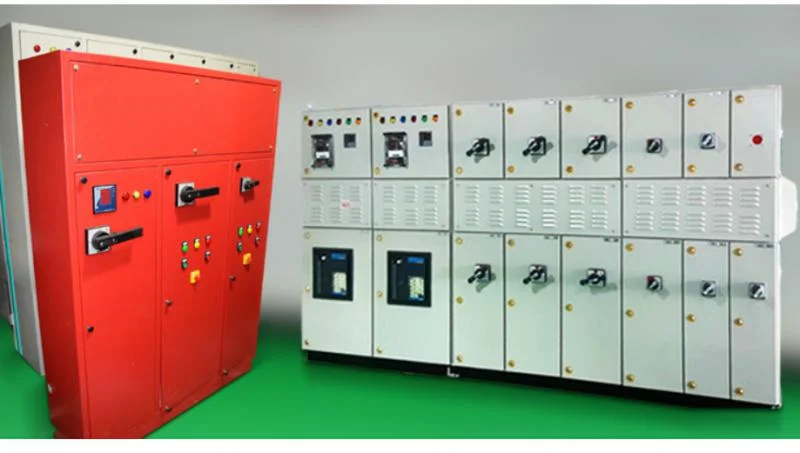
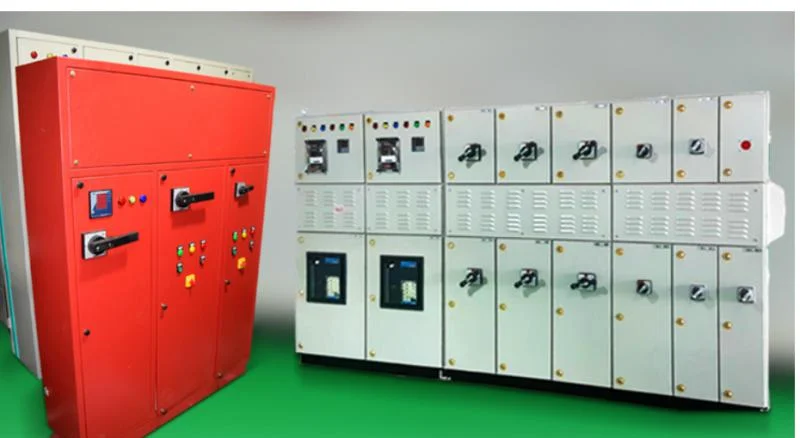
The Motor Control Centre (MCC) is an essential centralized assembly that brings control, protection, and monitoring of multiple electric motors into one unified panel. Designed for industrial rigor, it houses critical components like motor starters, contactors, overload relays, and circuit breakers in a compact, organized enclosure. This centralized approach eliminates the need for scattered individual controls, streamlining operations and significantly enhancing electrical safety for personnel and equipment. By providing a single point of command, it simplifies complex motor management tasks, reduces installation time, and offers a clear overview of the entire motor network's status, making it indispensable for modern industrial automation and process control.

Industries with extensive motor-driven operations rely heavily on MCCs for seamless functionality. In manufacturing plants, they control conveyor belts, machine tools, and robotic arms, ensuring synchronized production flow. Th...
The Motor Control Centre (MCC) is an essential centralized assembly that brings control, protection, and monitoring of multiple electric motors into one unified panel. Designed for industrial rigor, it houses critical components like motor starters, contactors, overload relays, and circuit breakers in a compact, organized enclosure. This centralized approach eliminates the need for scattered individual controls, streamlining operations and significantly enhancing electrical safety for personnel and equipment. By providing a single point of command, it simplifies complex motor management tasks, reduces installation time, and offers a clear overview of the entire motor network's status, making it indispensable for modern industrial automation and process control.

Industries with extensive motor-driven operations rely heavily on MCCs for seamless functionality. In manufacturing plants, they control conveyor belts, machine tools, and robotic arms, ensuring synchronized production flow. The water and wastewater treatment sector uses them to manage pumps, aerators, and mixers critical for continuous processing. Food and beverage facilities depend on MCCs for hygienic and reliable operation of processing equipment, while the pharmaceutical and chemical industries utilize them for precise control in sensitive batch processes. From mining and minerals to automotive assembly and textile manufacturing, any facility with numerous motors benefits from the organized control and protection an MCC delivers.

Investing in a robust Motor Control Centre delivers substantial business value through enhanced operational reliability and reduced lifecycle costs. Its design prioritizes durability with quality components and enclosures rated for harsh industrial environments, ensuring long-term service with minimal failure rates. The centralized protection scheme prevents minor electrical issues from escalating into major equipment damage or production halts, safeguarding capital investment. Furthermore, the organized layout and clear labeling drastically reduce troubleshooting and maintenance time, allowing technicians to resolve issues quickly and restore productivity. This combination of reliability, safety, and ease of maintenance translates directly into higher uptime, lower operational risks, and improved overall plant efficiency, providing a strong return on investment for serious industrial buyers.

Key Features:
- Centralized panel design for controlling multiple electric motors from a single location.
- Integrates motor starters, contactors, overload relays, and circuit protection devices.
- Robust industrial enclosure construction for durability in demanding environments.
- Modular design allowing for organized layout and potential future expansion.
- Includes monitoring capabilities for motor status, current, and fault indications.

Benefits:
- Enhances operational safety by centralizing control and incorporating comprehensive electrical protection.
- Reduces system downtime through quick fault detection and isolation of issues.
- Lowers installation and maintenance costs with simplified wiring and organized components.
- Improves process efficiency and reliability by ensuring consistent motor operation.
- Provides scalability and flexibility to accommodate plant growth and changing operational needs.
Specifications
| Additional Information | |
|---|---|
| Country of Origin | 106 |
| Customisable | No |
Application
The Motor Control Centre provides centralized command over numerous electric motors, allowing operators to start, stop, and monitor performance from a single, organized location. This consolidation simplifies complex industrial operations, reduces wiring clutter, and enhances overall system visibility for maintenance teams. It is the backbone for managing motor-driven equipment across continuous production lines.
By integrating protection devices like circuit breakers and overload relays, the MCC safeguards valuable machinery against electrical faults, phase failures, and overheating. This proactive protection minimizes unplanned downtime and prevents costly damage to motors and connected industrial assets. Its robust construction ensures reliable performance in demanding environments like manufacturing floors and processing plants.
- Centralized control of conveyor systems, pumps, and fans in large manufacturing facilities and assembly plants.
- Managing and protecting motor-driven machinery in water treatment plants for pumps, blowers, and mixers.
- Orchestrating automation processes in food and beverage production lines for consistent operation and safety.
- Providing reliable power distribution and motor control in chemical and pharmaceutical processing units.
- Supporting HVAC system operations in large commercial complexes by controlling air handling units and chillers.
Trade Details
| Available Stock | In Stock |
| Sample Availability | No |
Payment Terms
| Payment Terms |
|
Company Profile
Control Engineering, Tamil Nadu
 Tamil Nadu, India
Tamil Nadu, IndiaElectronics & Electrical•Manufacturer
Factory Details
Factory SizeBelow 1000 sqm
Industrial Motor Control Centre For Centralized Electric Motor Management
Motor Control Centre (MCC) is a centralized industrial panel from reliable manufacturers for controlling, monitoring, and protecting multiple electric motors with features like overload protection and modular design for factories and plants.
Min. Order Quantity: 1 Kiloampere
Shipping
Shipping fee and delivery date to be negotiated. Contact supplier now for more details.
Control Engineering
 Tamil Nadu, India
Tamil Nadu, IndiaElectronics & ElectricalManufacturer