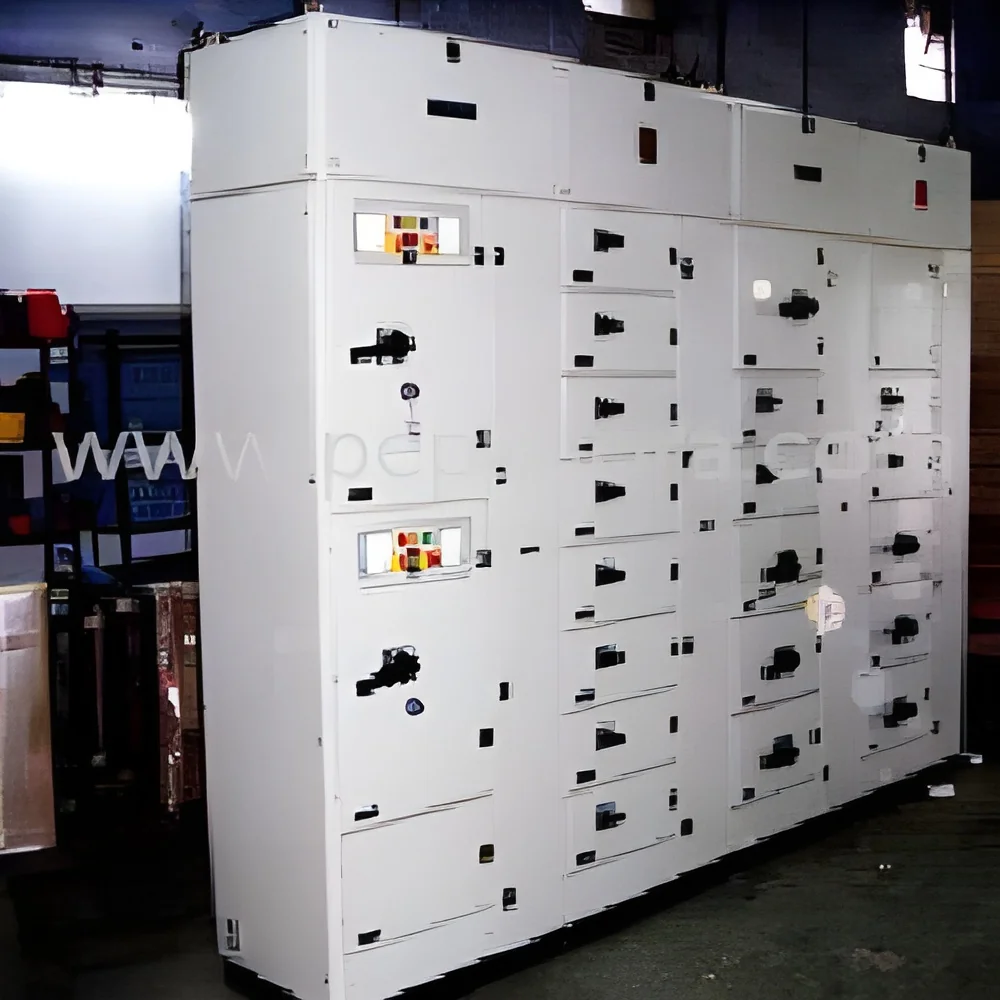
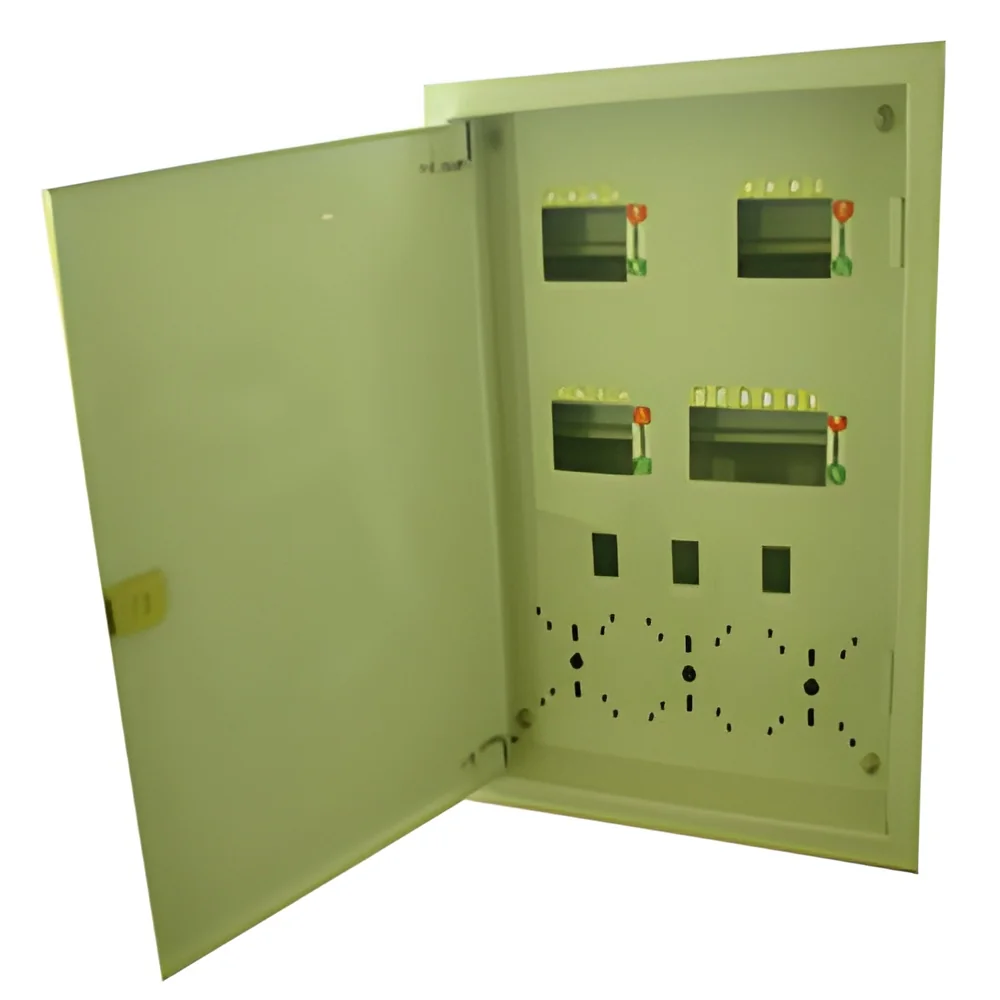
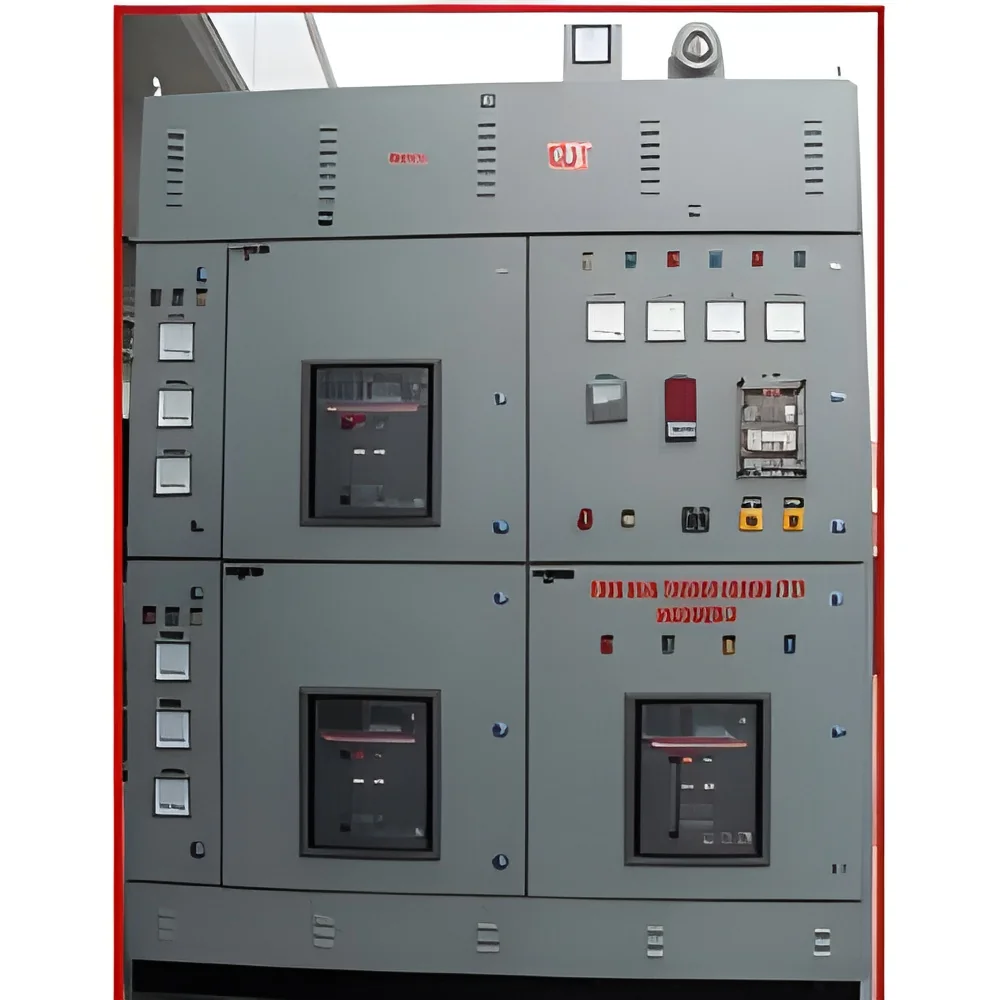
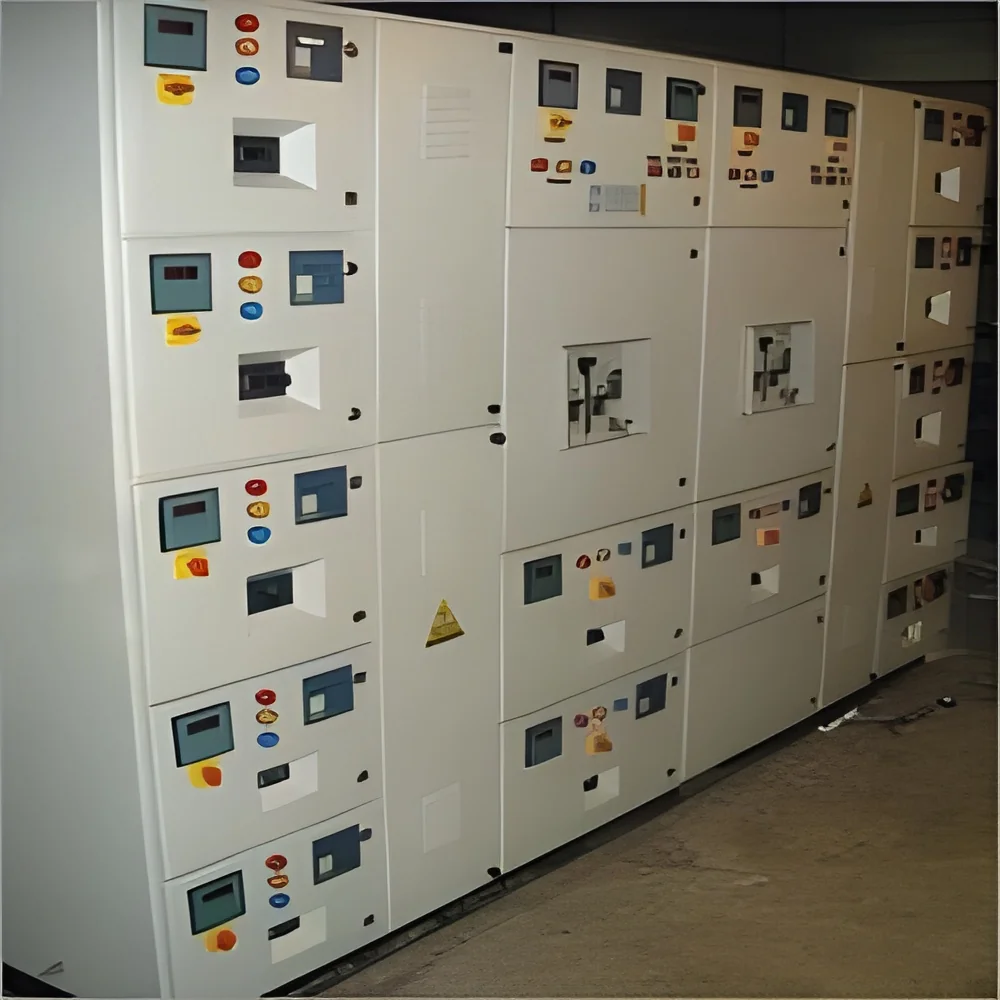
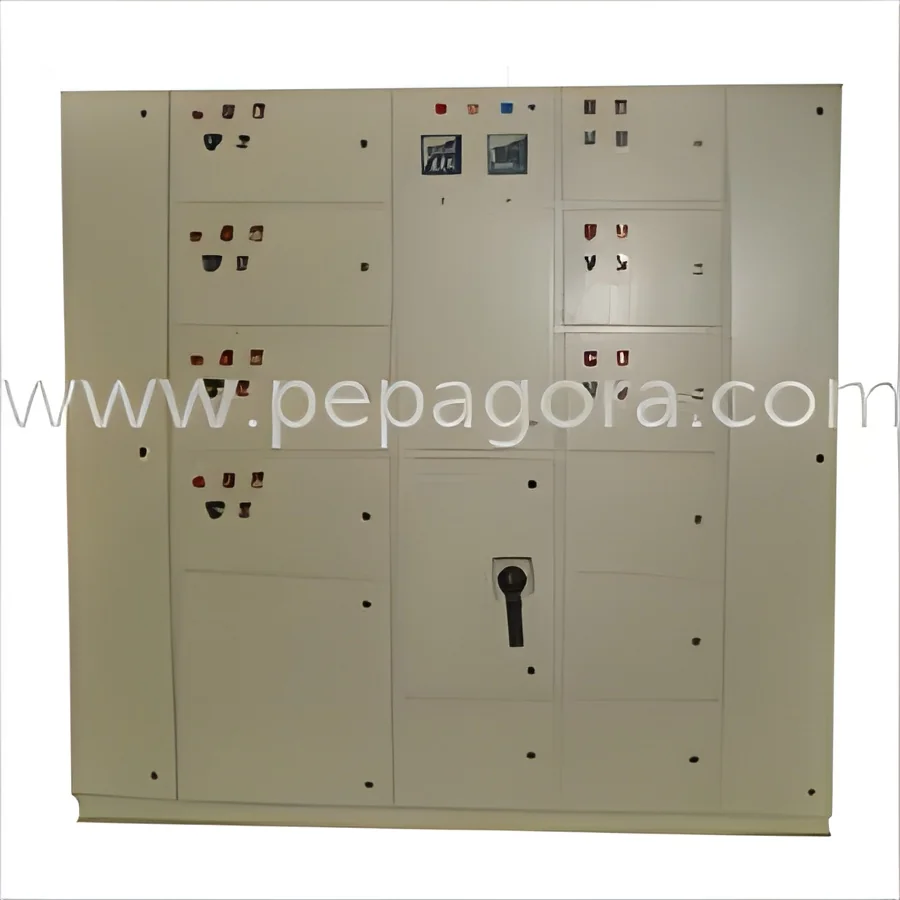
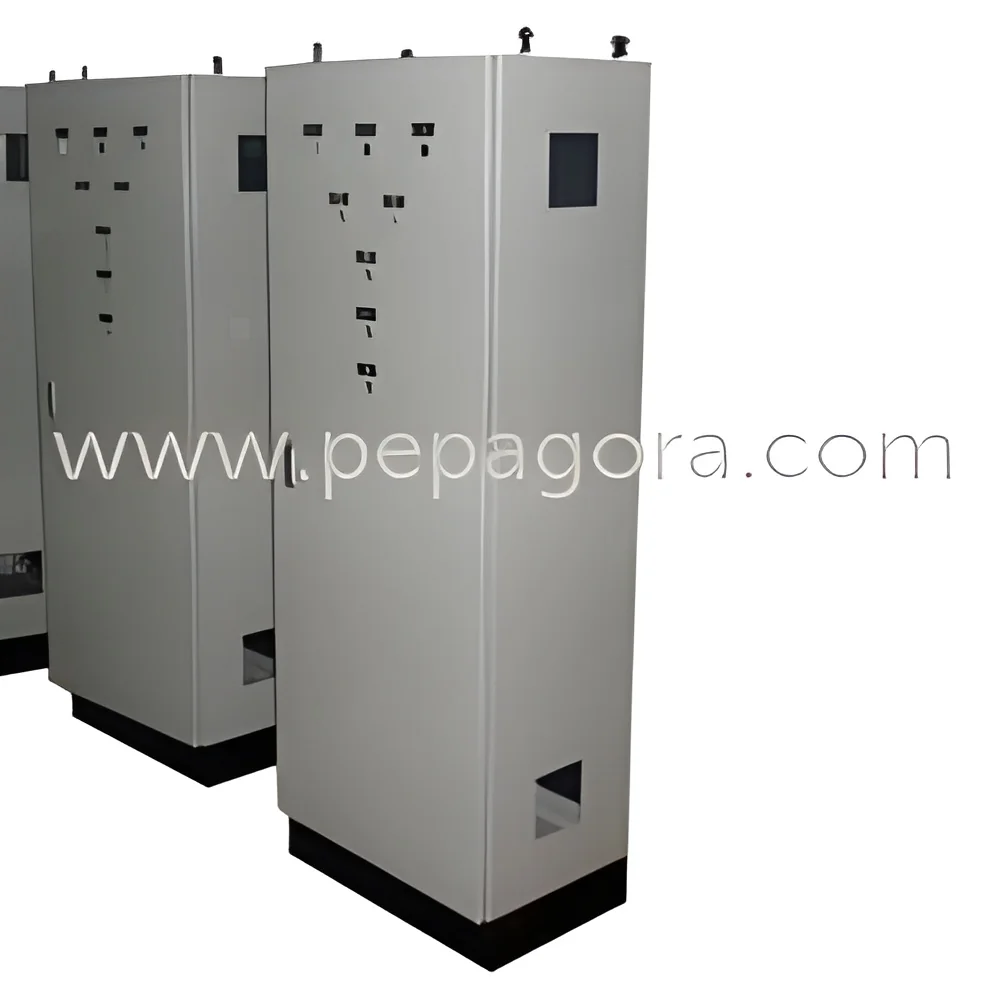
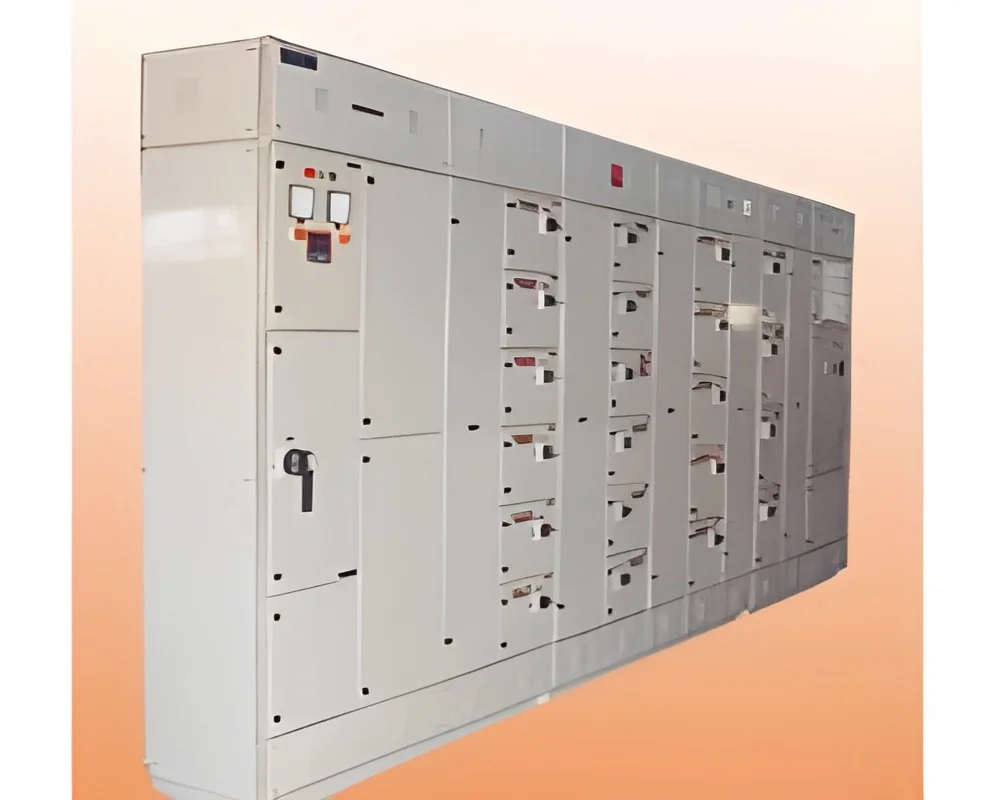
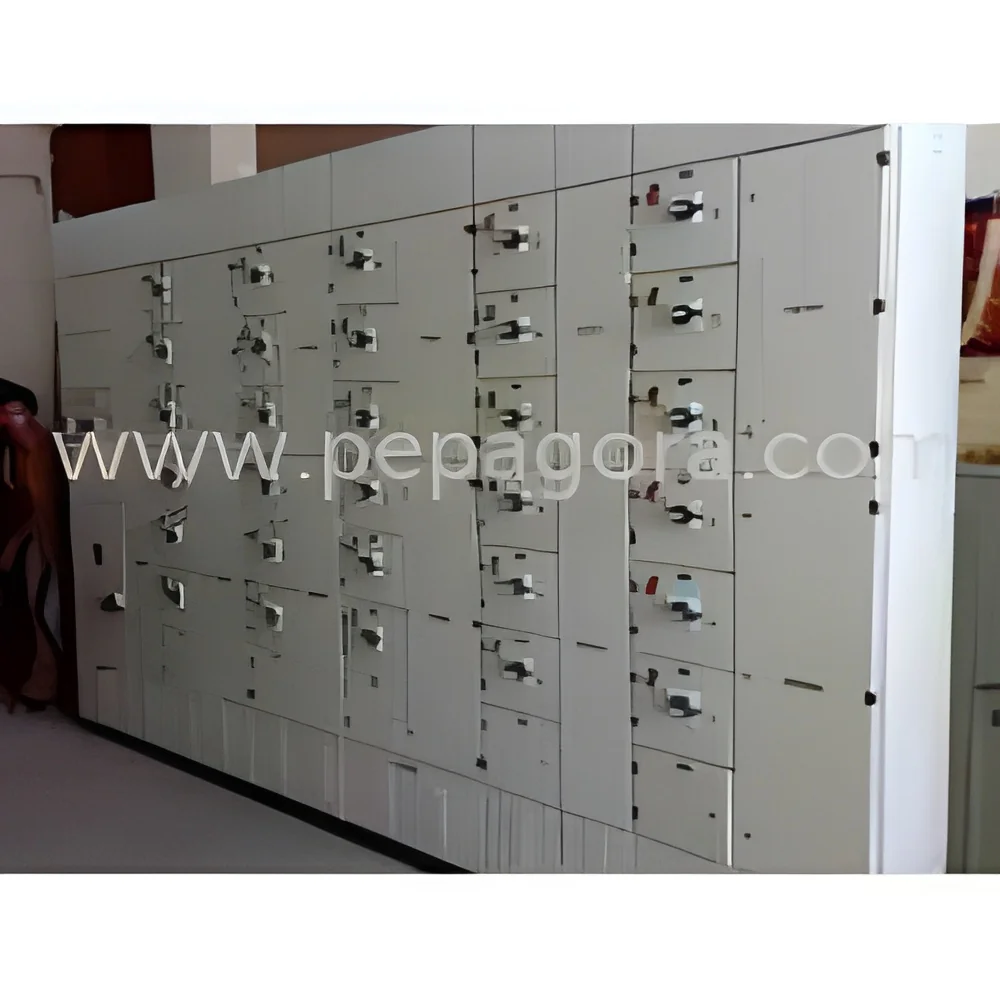
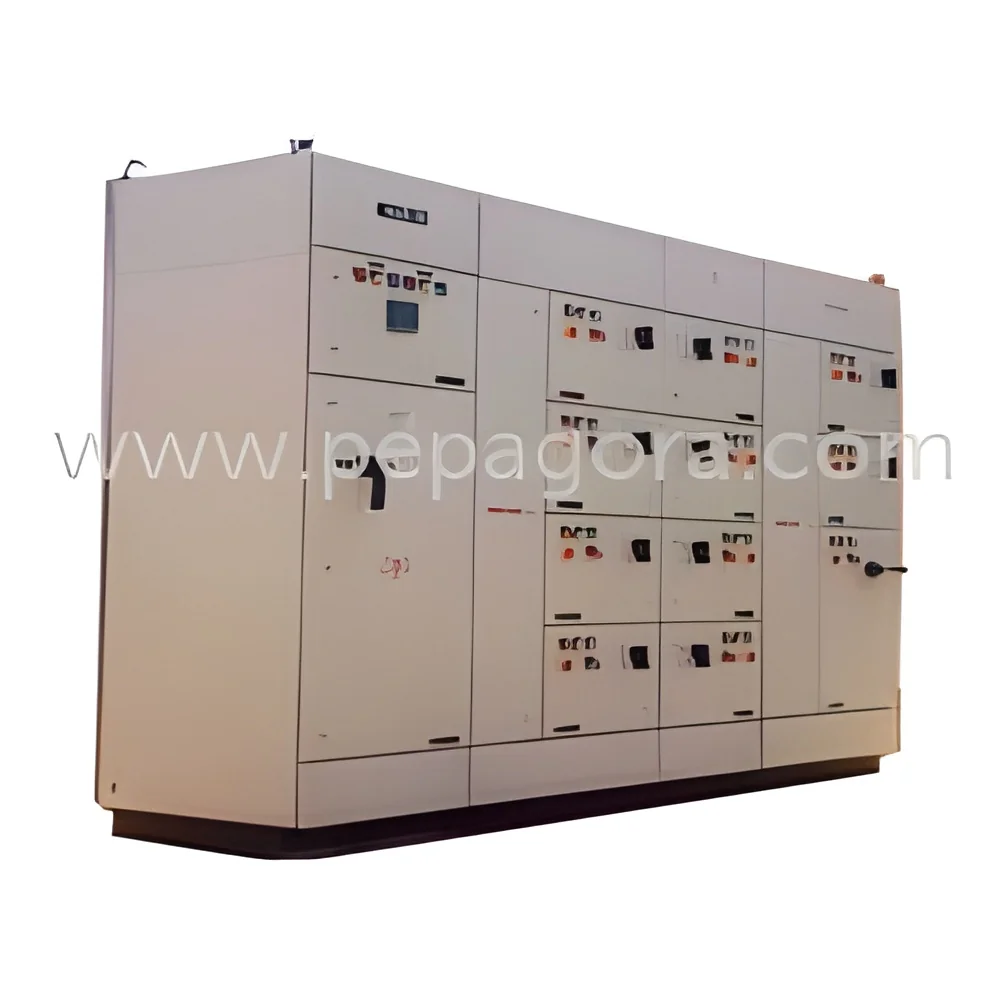
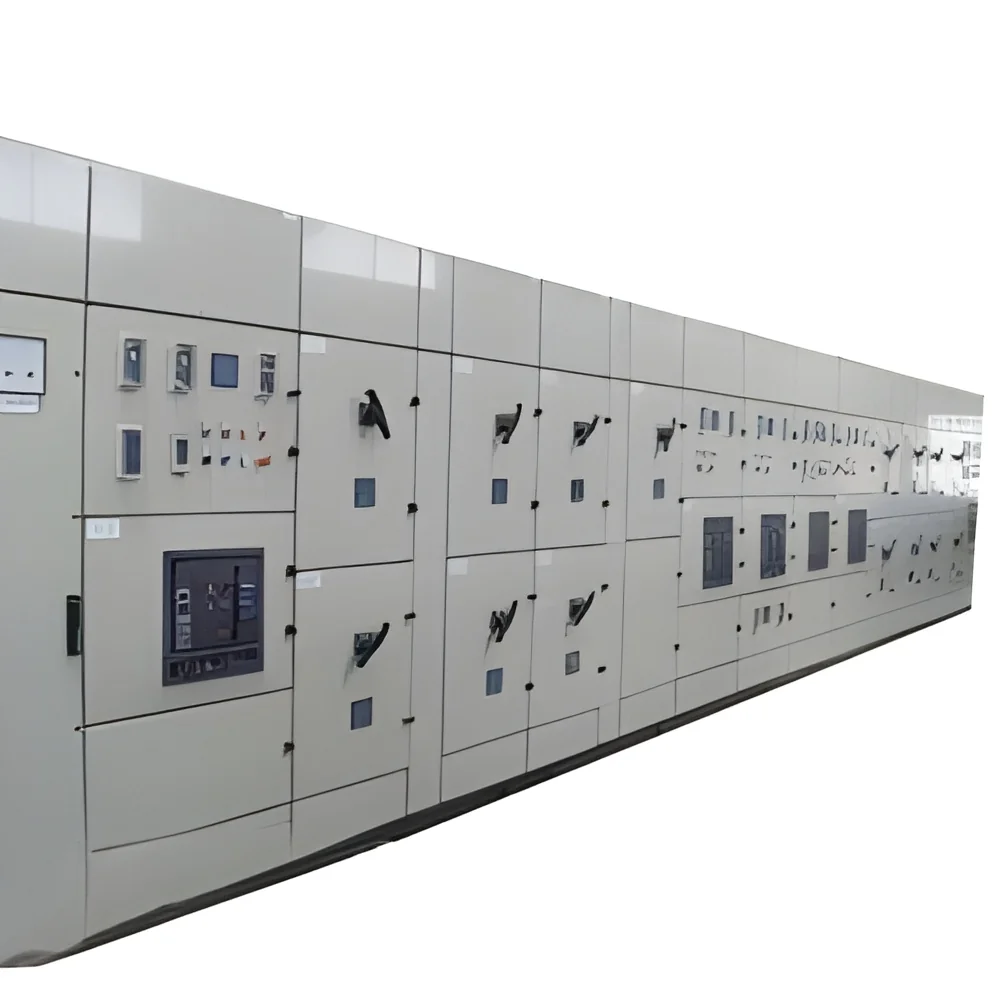
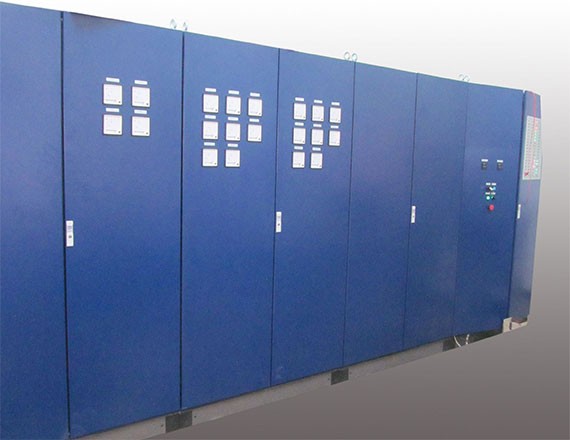
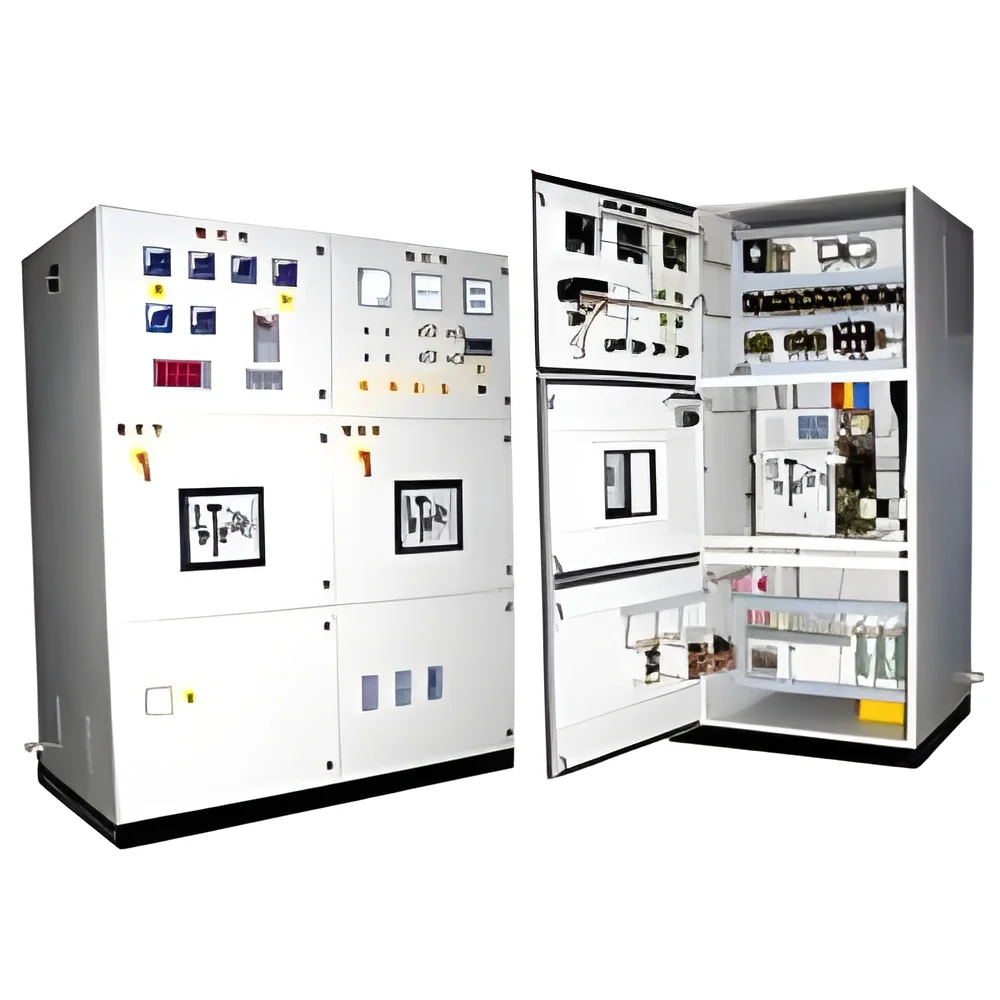
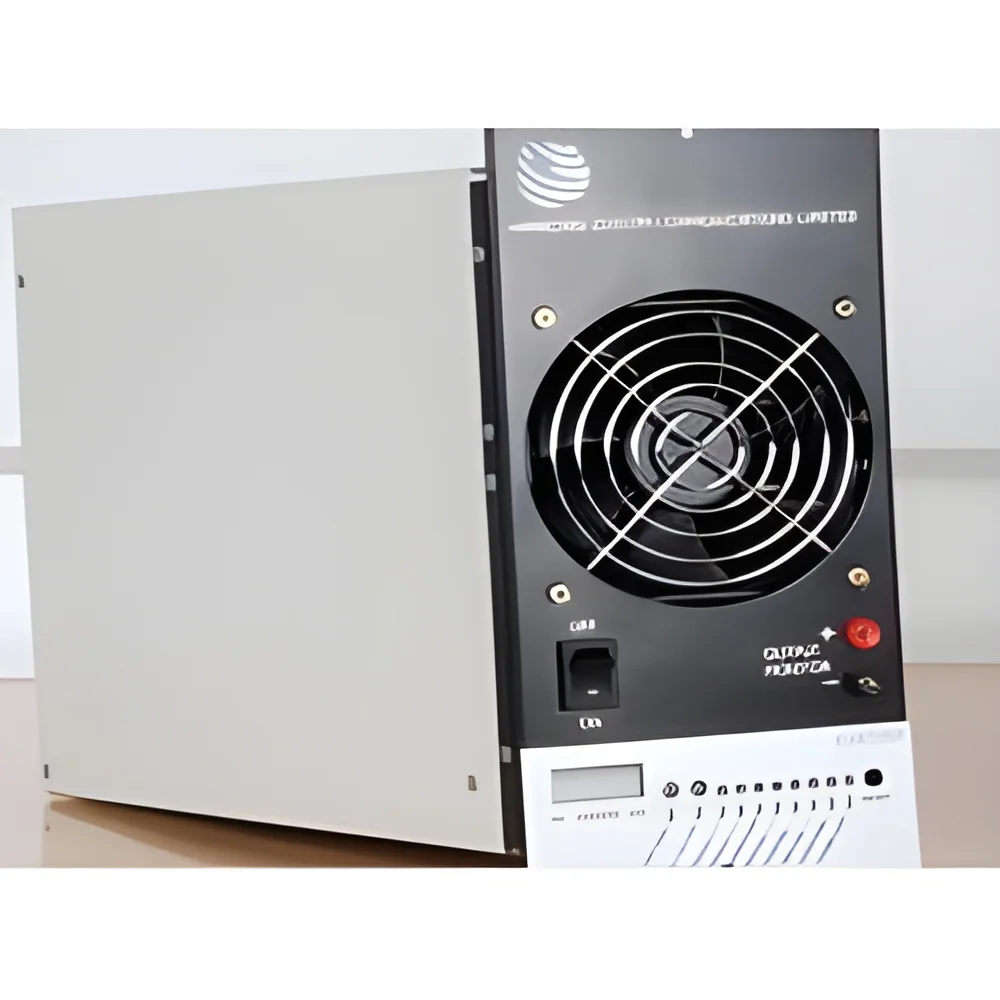
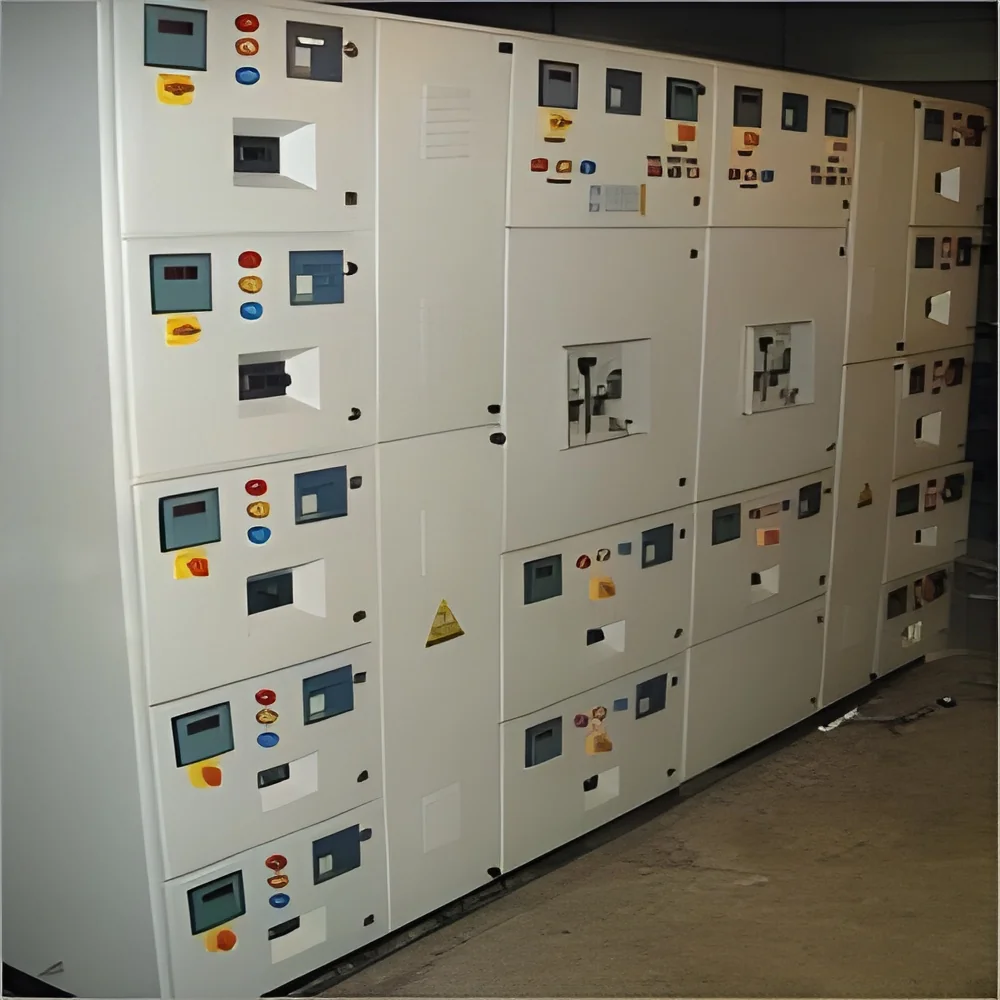
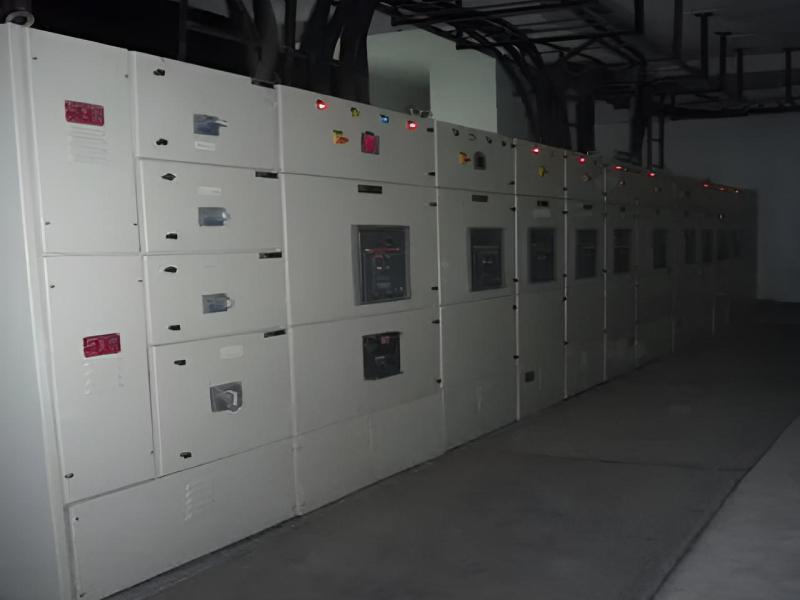
Key Features and Specifications
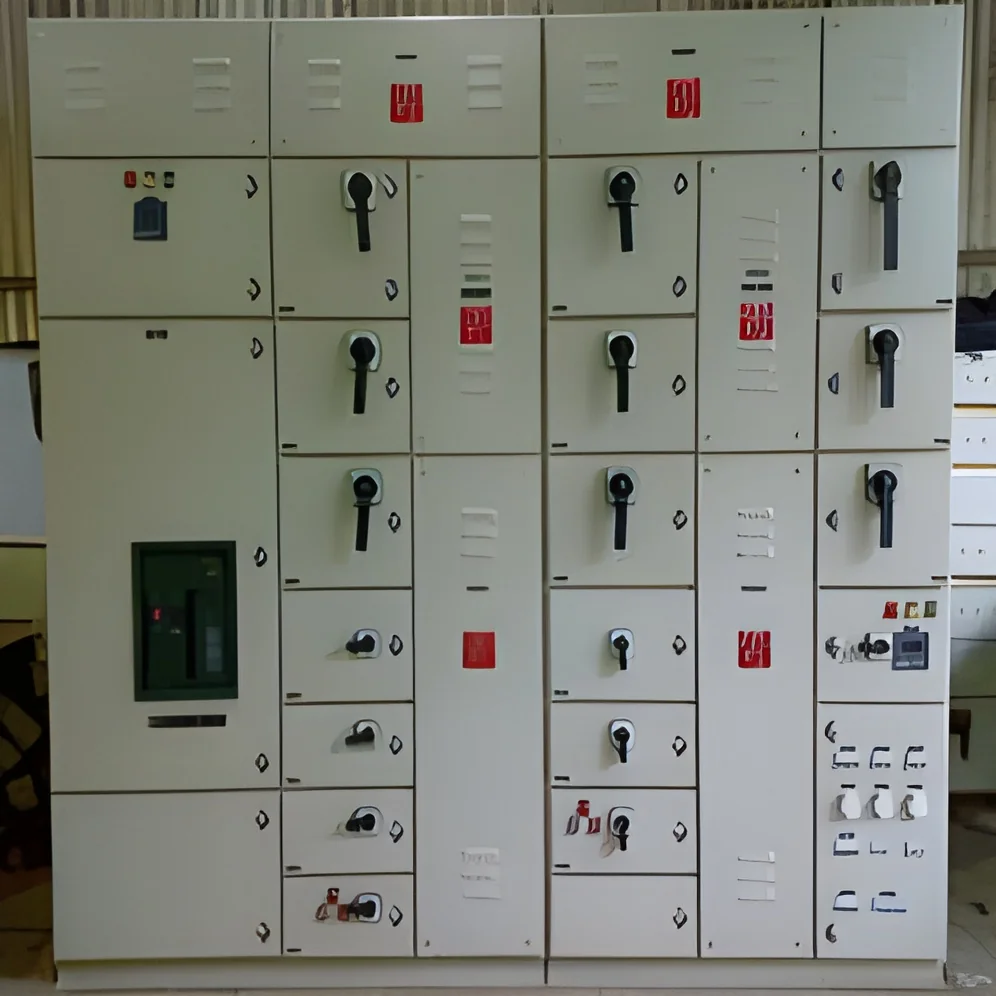
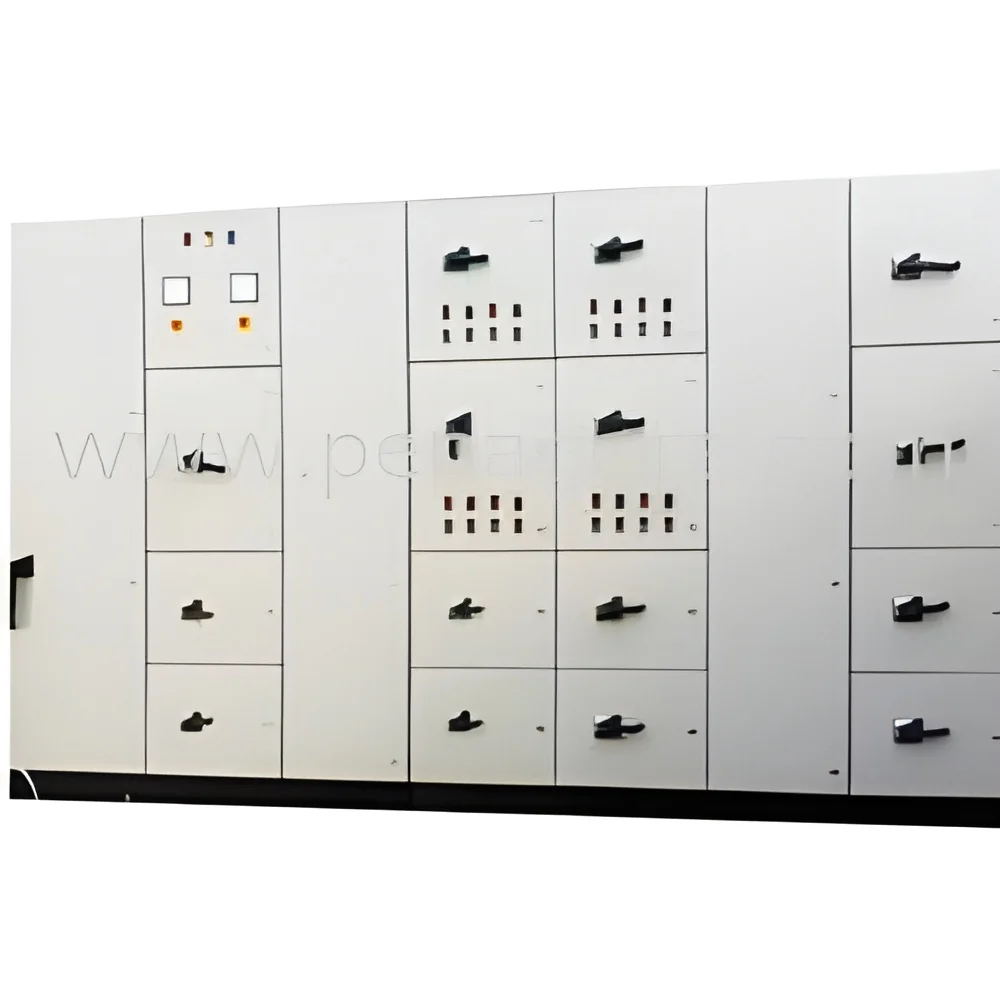
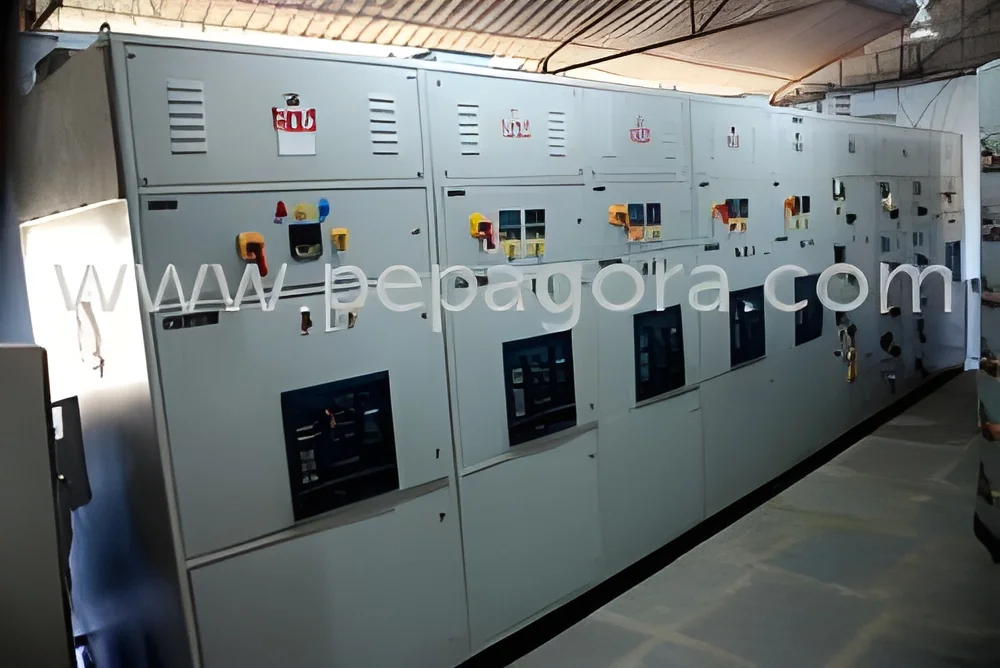
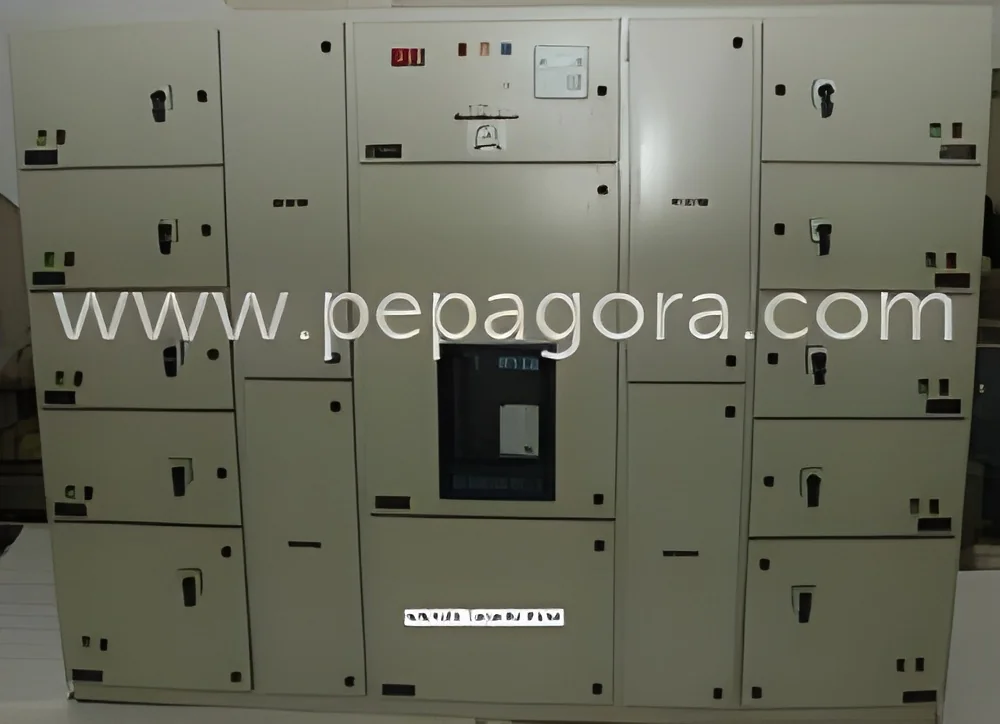
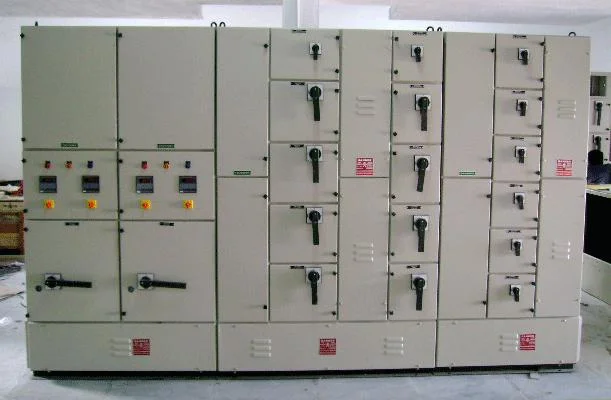
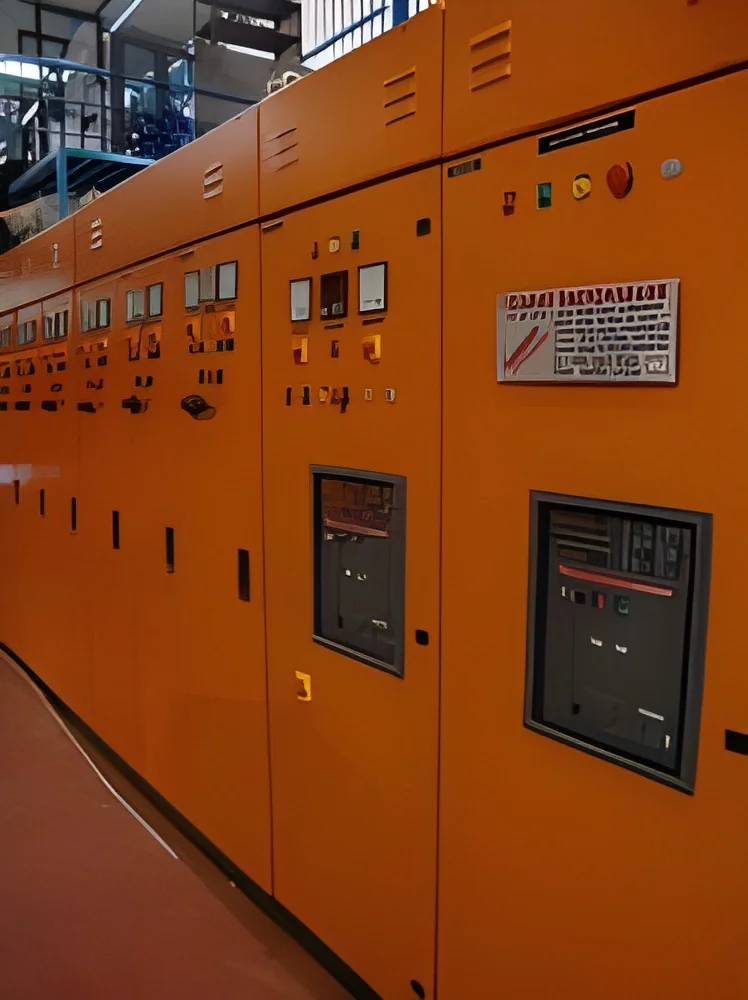
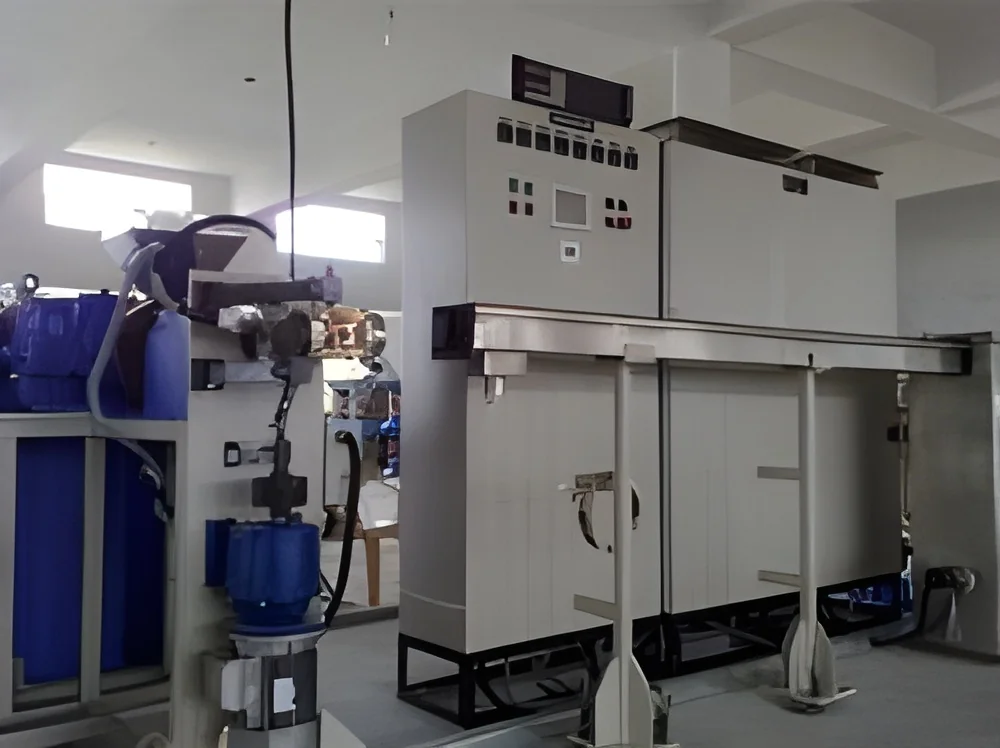
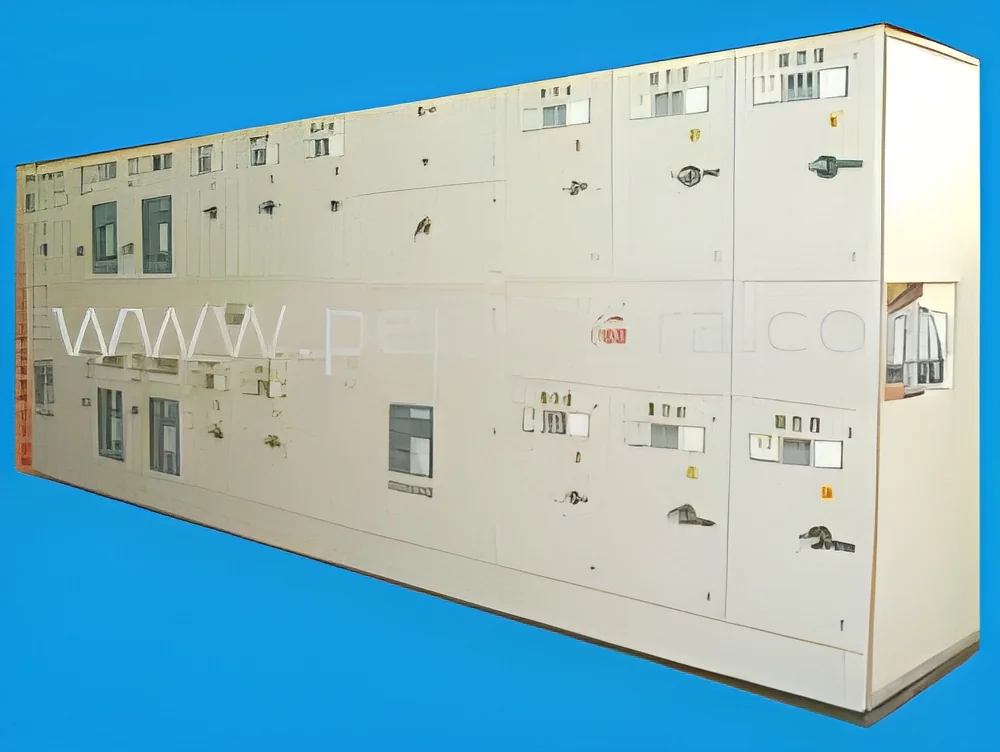
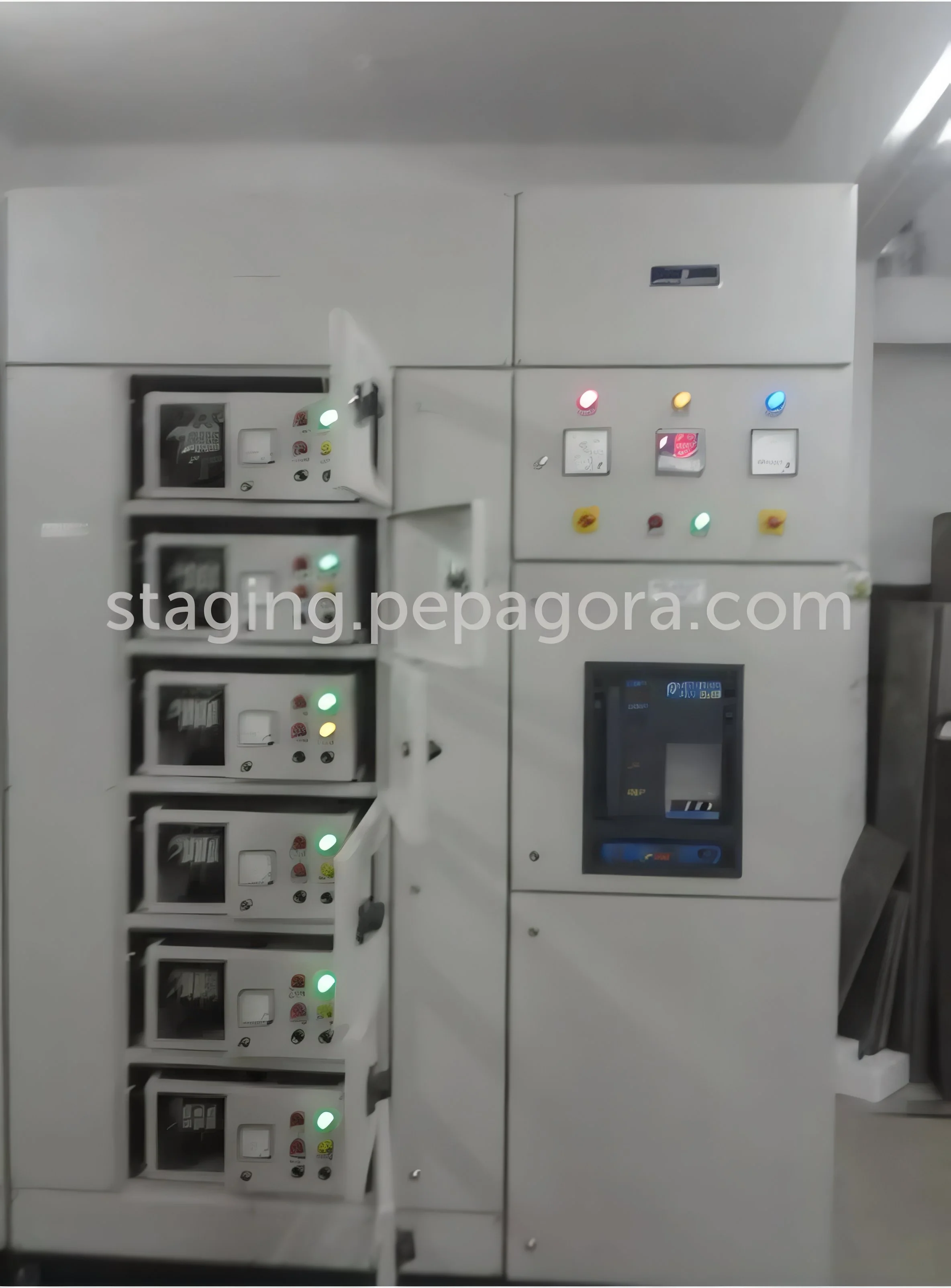
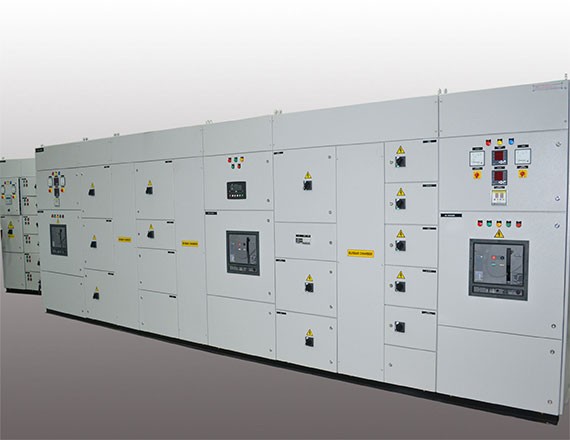
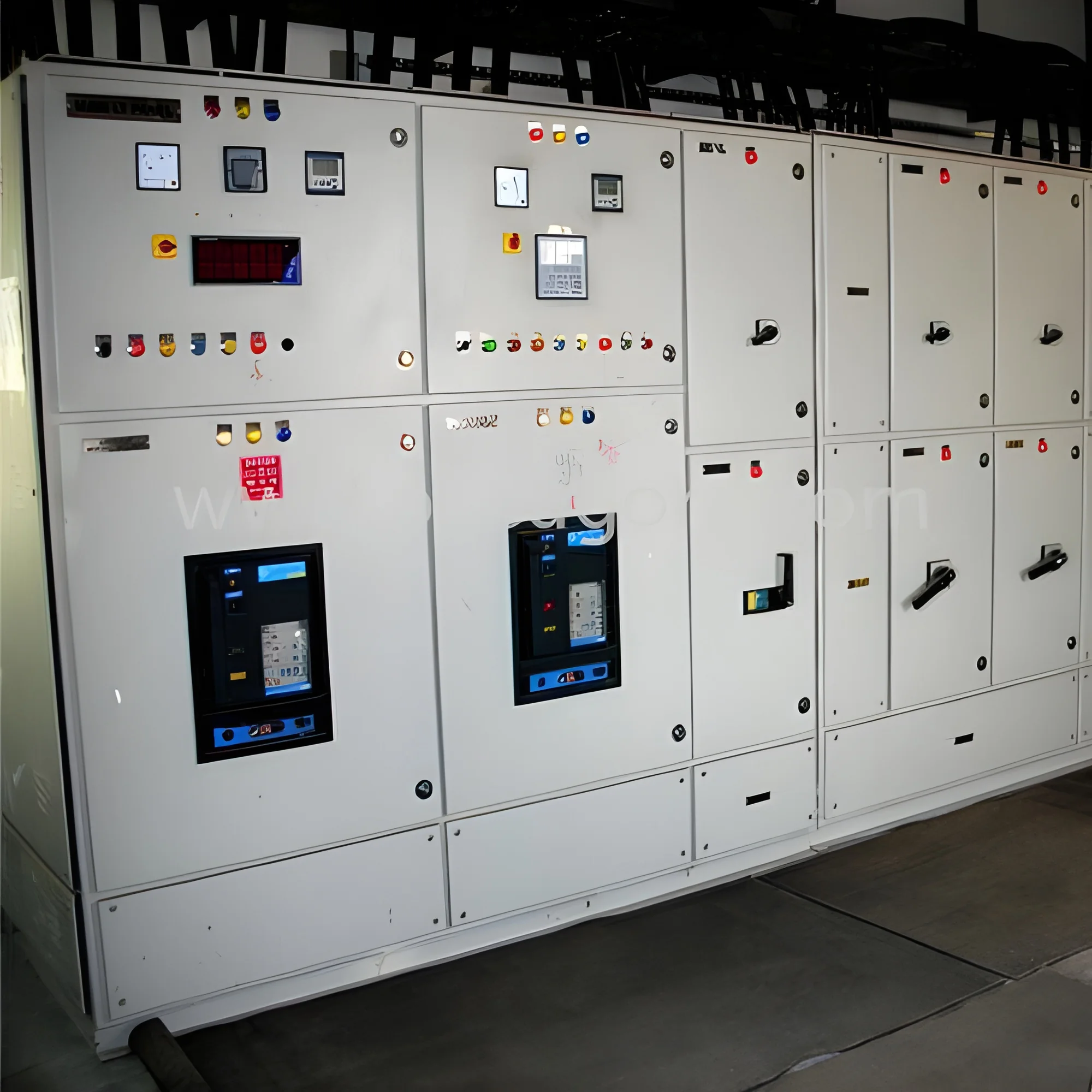
Power Control Centers come with several key features that enhance their functionality and reliability. Understanding these specifications is critical for businesses looking to invest in effective power management solutions.
Key specifications include:
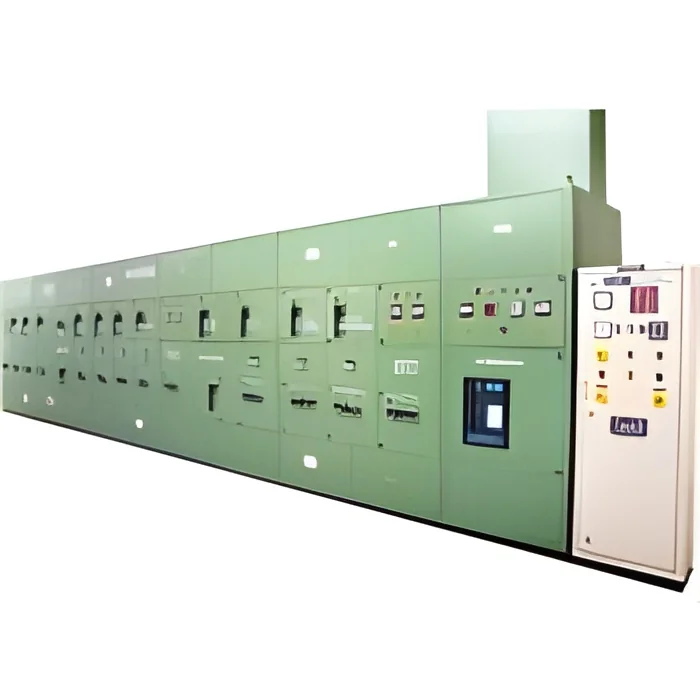
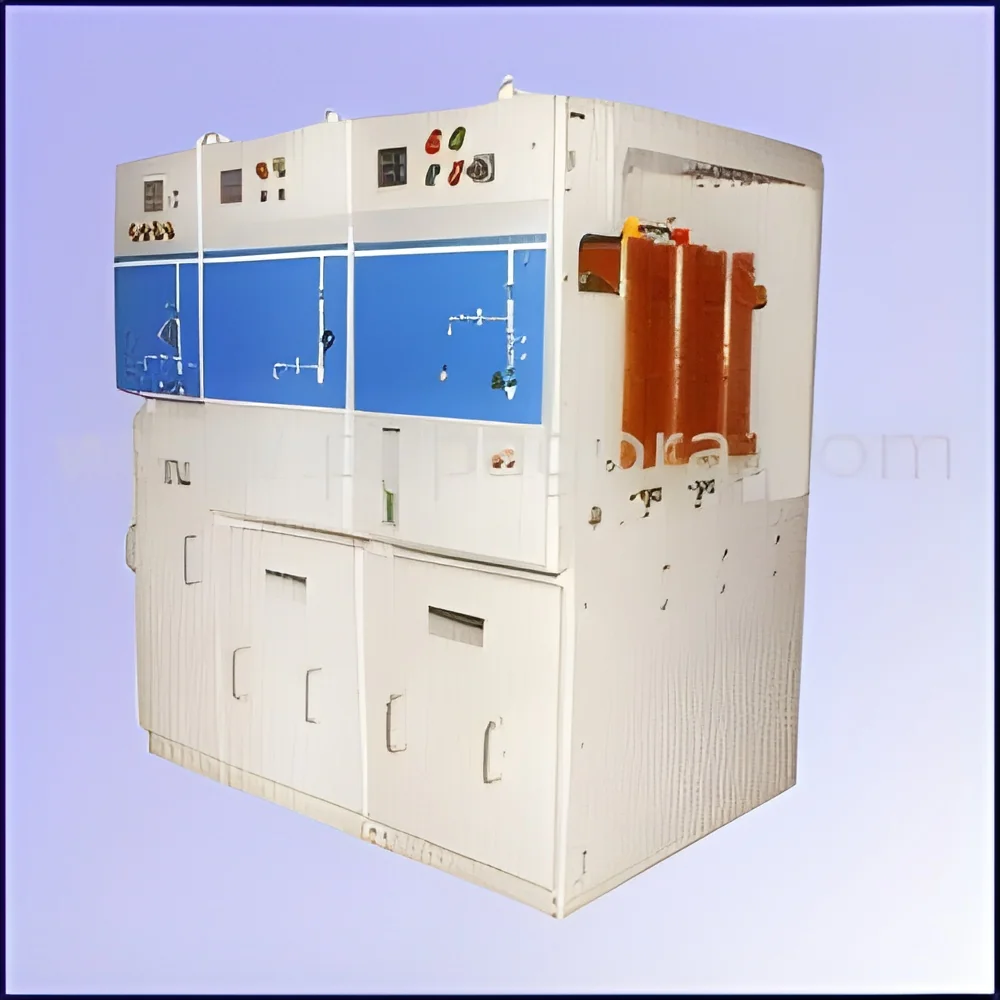
1. Switchgear Configuration
- PCCs often utilize medium and low voltage switchgear.
- Configurations can be tailored to meet specific load requirements.
2. Control Panel Integration
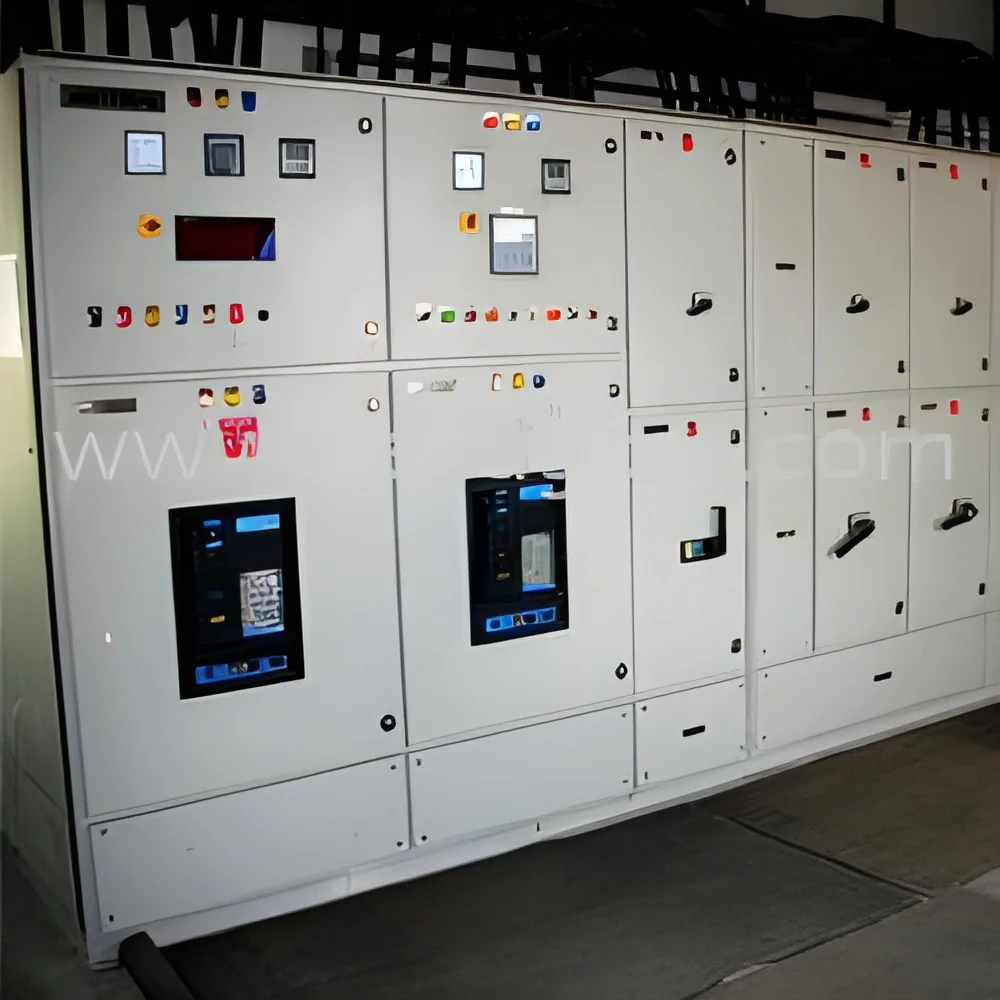
- Integrated control panels allow for centralized monitoring and operation.
- Features may include digital displays and remote access capabilities.
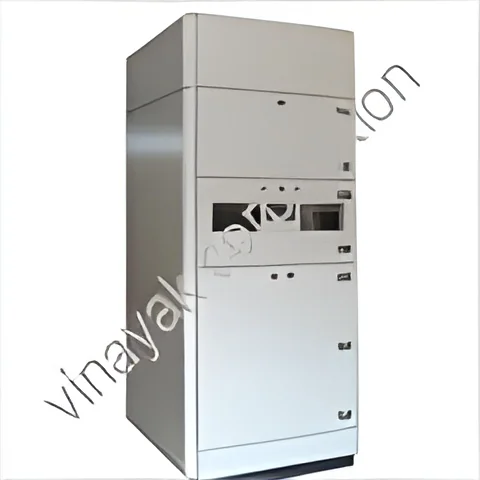
3. Enclosure Type
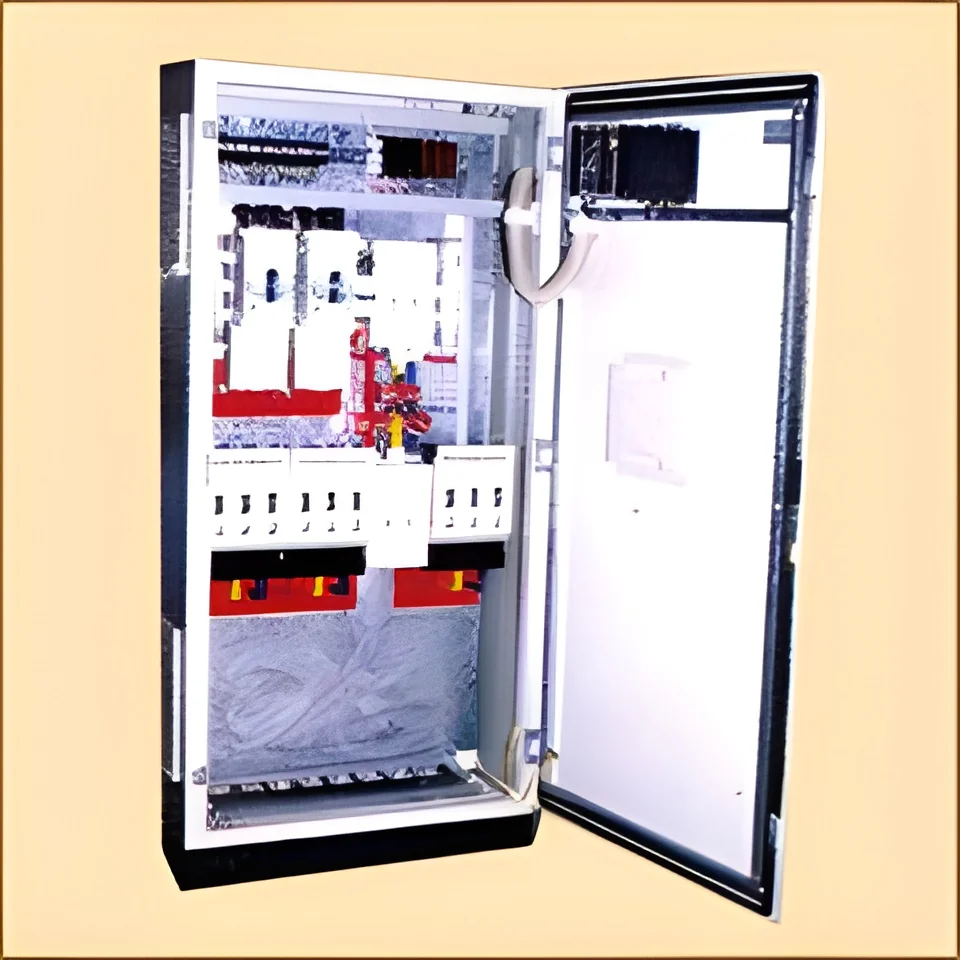
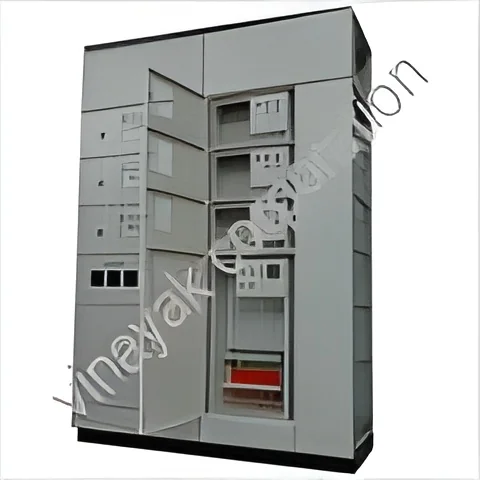
- PCCs are available in various enclosure types such as outdoor and indoor models.
- Enclosures are designed for durability and weather resistance.
4. Circuit Breaker Ratings
- Circuit breakers in PCCs are rated for different voltage and current levels.
- Ratings ensure protection against overloads and short circuits.
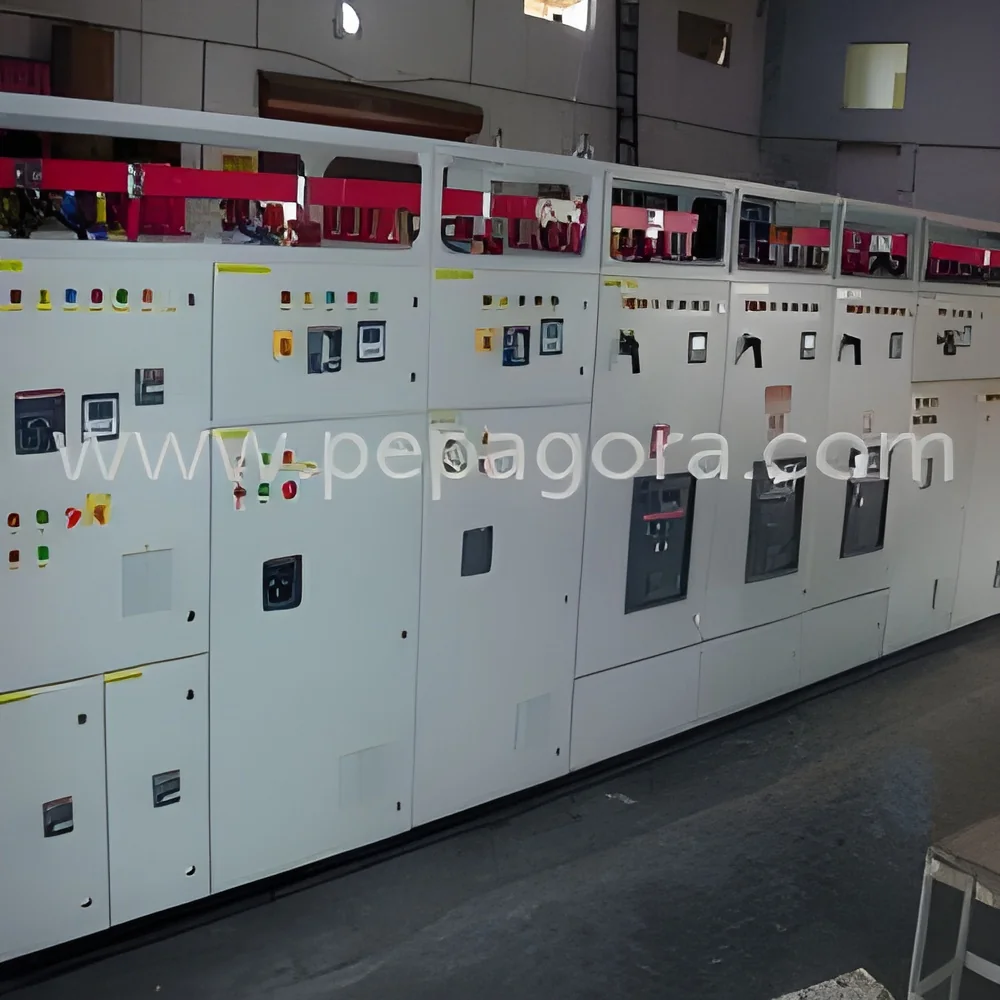
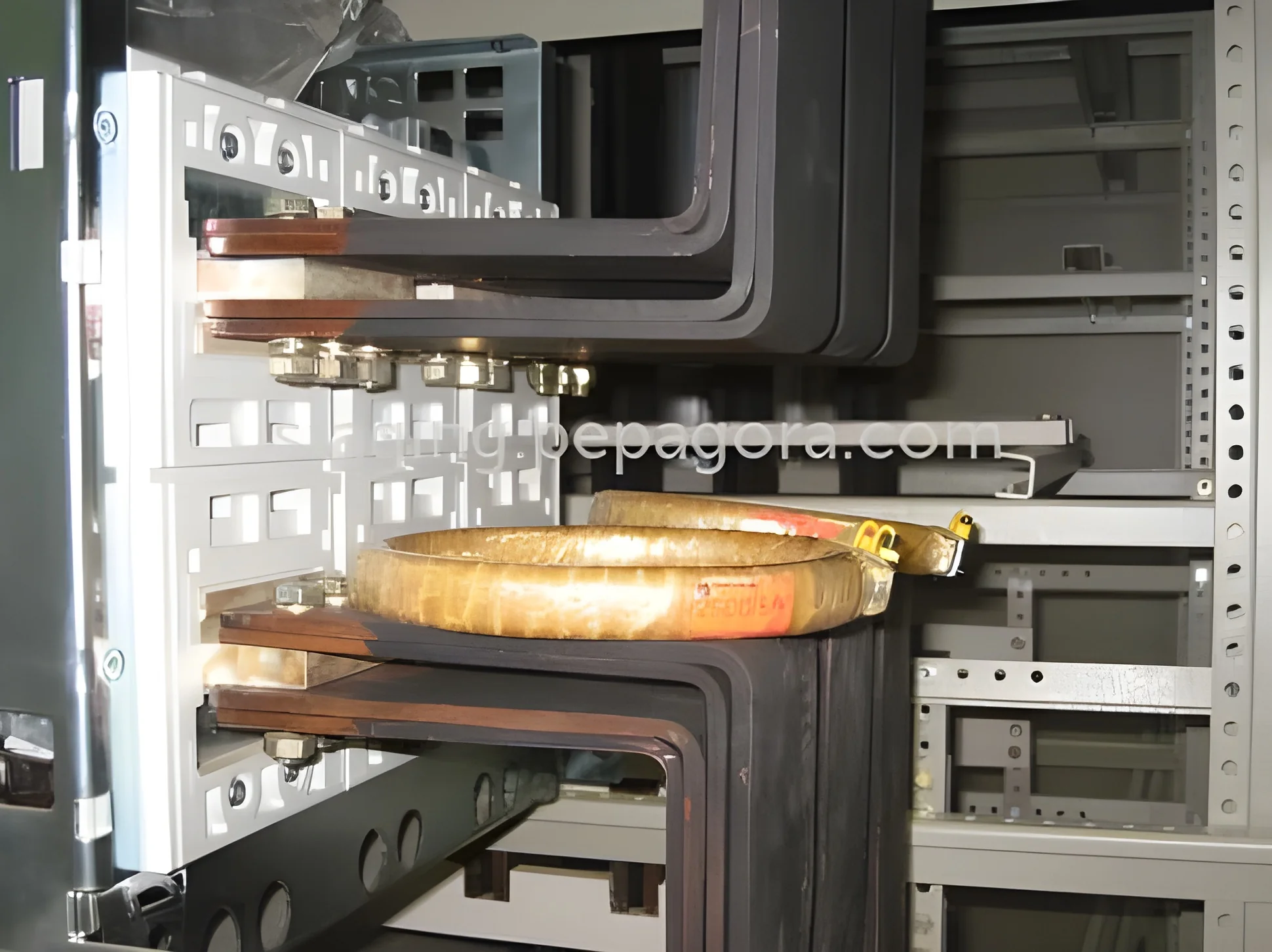
5. Busbar Capacity
- Busbars in PCCs are sized according to the expected load.
- Options are available for aluminum and copper busbars.
6. Monitoring Features
- Advanced monitoring systems can provide real-time data on power usage.
- Alerts and alarms for anomalies enhance safety.
7. Customization Options
- Many manufacturers offer customization to meet specific operational needs.
- This may include additional safety features or enhanced control capabilities.
8. Compliance Standards
- PCCs are designed to meet various industry standards, ensuring reliability.
- Compliance with CE certification is common in many regions.
In summary, understanding the features and specifications of Power Control Centers is essential for making informed purchasing decisions. Businesses can benefit from tailored solutions that align with their specific power management needs.
Common Applications and Use Cases
Power Control Centers find applications across diverse industries, serving critical functions in energy management.
1. Manufacturing: In manufacturing plants, PCCs ensure reliable power distribution to machinery, enhancing production efficiency and minimizing downtime.
2. Data Centers: PCCs are vital for data centers, managing power loads for servers and cooling systems, thereby ensuring uninterrupted operations.
3. Utilities: Electric utility companies use PCCs to control and monitor power distribution networks, facilitating efficient energy delivery to consumers.
4. Oil and Gas: In the oil and gas industry, PCCs provide essential power management for drilling and refining operations, supporting critical equipment.
5. Mining: PCCs are instrumental in mining operations, where consistent power supply is necessary for heavy machinery and processing equipment.
6. Construction: Temporary PCCs are often deployed at construction sites to manage power needs for tools and equipment.
7. Renewable Energy: PCCs play a significant role in integrating renewable energy sources, helping manage power generated from solar and wind installations.
Product Variants and Subcategories
Power Control Centers come in various configurations to meet the diverse needs of industries.
Standard PCC Model
This model features a robust enclosure and is designed for general industrial applications. It includes essential components like switchgear and control panels for effective power management.
Smart PCC Model
Equipped with advanced monitoring capabilities, the Smart PCC model allows for real-time data access and remote management. Ideal for facilities requiring precise power control and analytics.
Compact PCC Model
Designed for space-constrained environments, the Compact PCC offers essential functionalities in a smaller footprint. This model is suitable for smaller industrial operations or temporary setups.
Benefits and Advantages
Investing in Power Control Centers provides several key advantages for businesses.
1. Enhanced Reliability: PCCs ensure a stable and consistent power supply, reducing the risk of downtime in operations.
2. Improved Efficiency: By optimizing power distribution, PCCs help reduce energy waste, leading to lower operational costs.
3. Safety Assurance: Integrated safety features protect against electrical faults, ensuring a safer working environment.
4. Real-time Monitoring: Advanced monitoring capabilities allow businesses to track power usage, leading to informed decision-making.
5. Customization Flexibility: The ability to customize PCCs enables businesses to tailor solutions to their specific operational needs.
6. Regulatory Compliance: PCCs designed to meet industry standards help ensure compliance with safety and environmental regulations.
Buying Guide for B2B Buyers
When sourcing Power Control Centers, several factors should be considered to ensure a successful purchase.
1. Quality Assessment: Evaluate the quality of materials and components used in the PCC. Look for manufacturers that adhere to industry standards to ensure reliability.
2. Supplier Verification: Vet potential suppliers by checking their reputation, certifications, and customer reviews. A reliable supplier can provide support and service when needed.
3. Pricing and MOQ: Understand the pricing structure and minimum order quantities for PCCs. Compare quotes from different suppliers to find the best value.
4. Delivery and Lead Times: Inquire about delivery schedules and lead times to ensure that the PCC can be integrated into your operations without delays.
5. Compliance Requirements: Ensure that the PCC meets all relevant regulatory standards and certifications required for your industry.
Compliance and Certifications
Power Control Centers must adhere to various compliance and certification standards to ensure safety and reliability.
ISO 9001 is a critical quality management standard that ensures manufacturers maintain consistent quality in their processes and products. Compliance with this standard indicates a commitment to quality and customer satisfaction.
CE certification is essential for products sold in European markets, assuring that they meet safety and performance standards. This certification is crucial for gaining trust in regions with strict regulatory environments.
Safety and testing requirements are paramount for PCCs, as they must undergo rigorous testing to ensure they perform as intended under various operational conditions. This includes thermal testing, fault testing, and environmental testing to guarantee durability and safety.
Regional compliance considerations may vary based on local regulations and industry standards. It is important for buyers to verify that their chosen PCC meets all applicable requirements in their region.
Why Source Power Control Centers (PCC) from Pepagora?
Pepagora offers a trusted platform for sourcing Power Control Centers with numerous advantages for B2B buyers.
Verified Supplier Network: Pepagora connects buyers with a network of verified suppliers. This ensures that all suppliers meet stringent quality and reliability standards, providing peace of mind for buyers.
Streamlined RFQ Process: The platform simplifies the request-for-quotation (RFQ) process, allowing buyers to quickly obtain competitive quotes from multiple suppliers. This efficiency helps buyers make informed decisions faster.
Trade Assurance and Support: Pepagora provides trade assurance to protect buyers during transactions. This includes support services to address any concerns that may arise during the purchasing process.
Regional Coverage: With a strong presence in regions such as India, the GCC, and Southeast Asia, Pepagora offers comprehensive coverage for businesses looking to source PCCs in these markets. This regional reach ensures that buyers have access to a wide range of suppliers and products.
In conclusion, sourcing Power Control Centers from Pepagora not only simplifies the procurement process but also enhances the overall purchasing experience through verified suppliers and dedicated support.

 IN
IN