What are Electrical Control Panels?
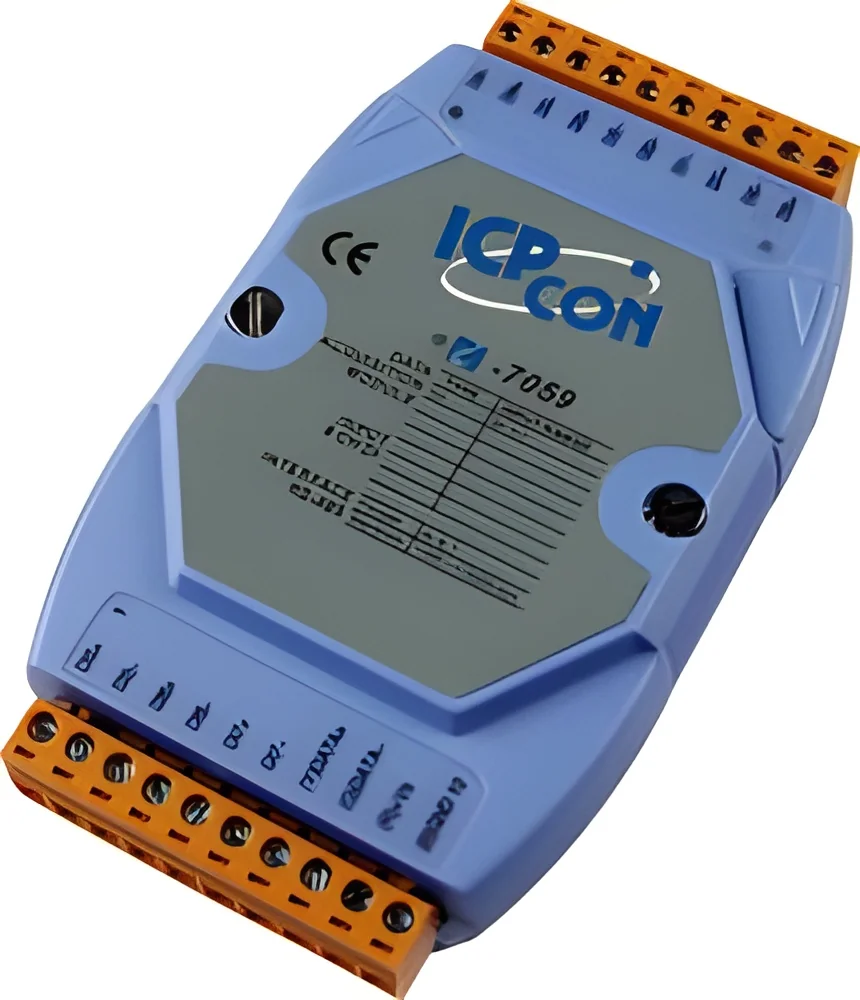
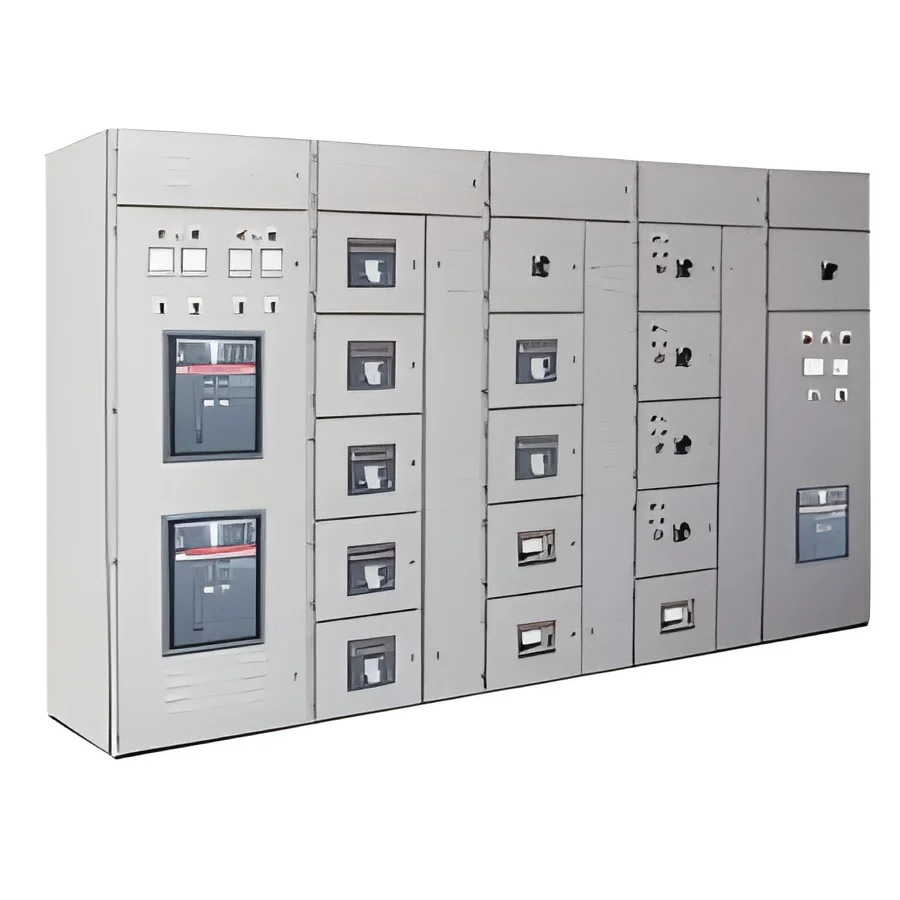
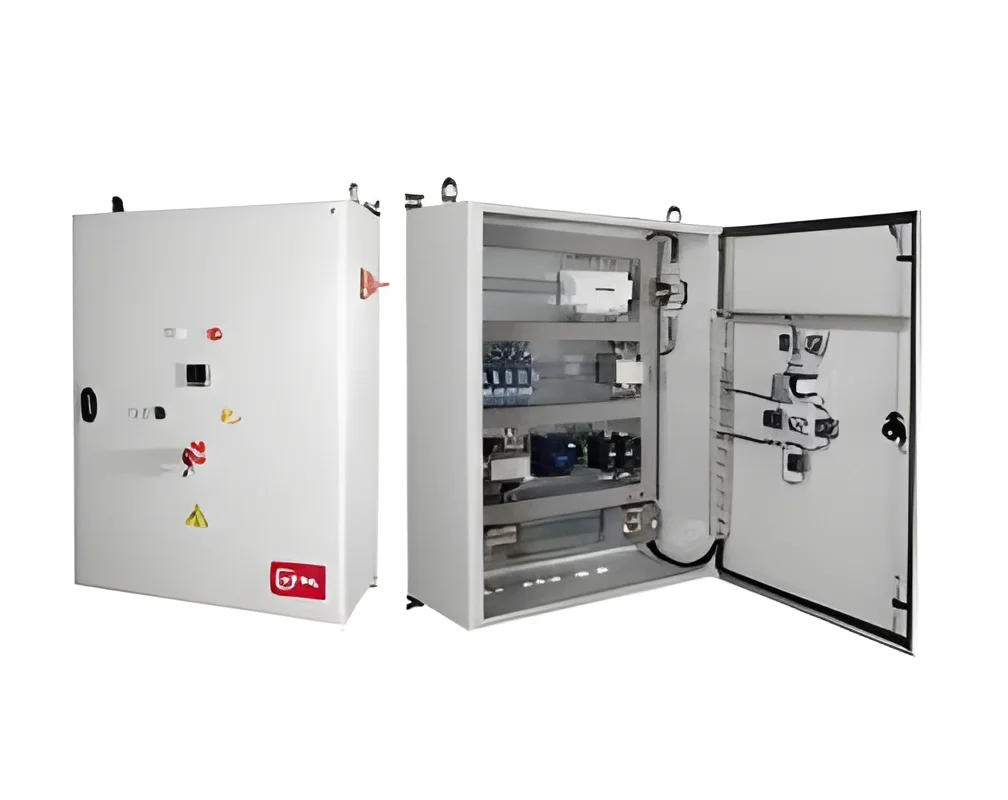
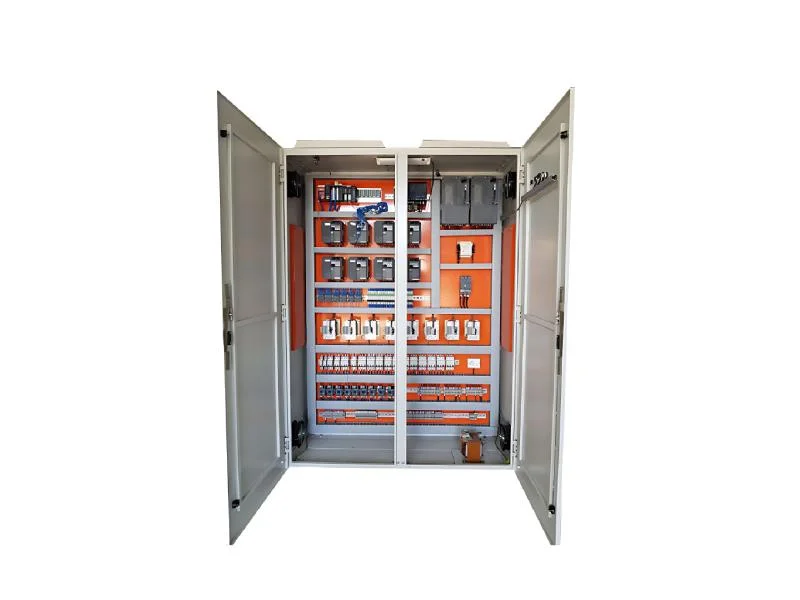
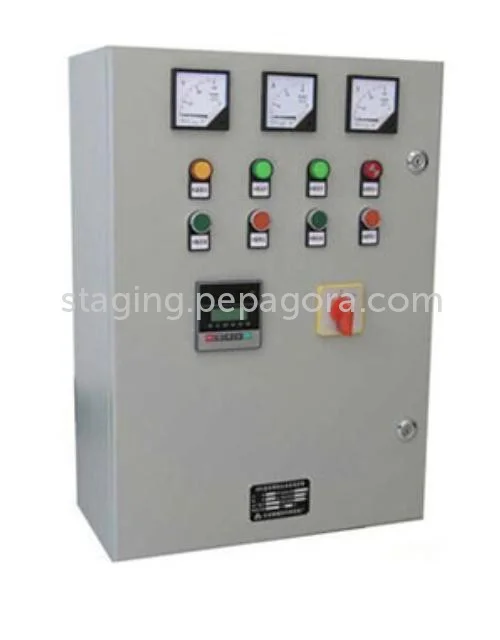
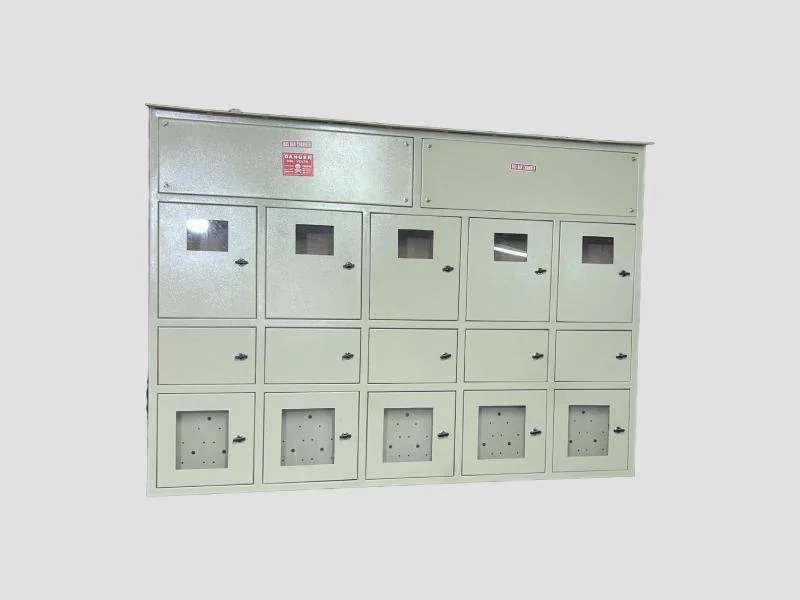
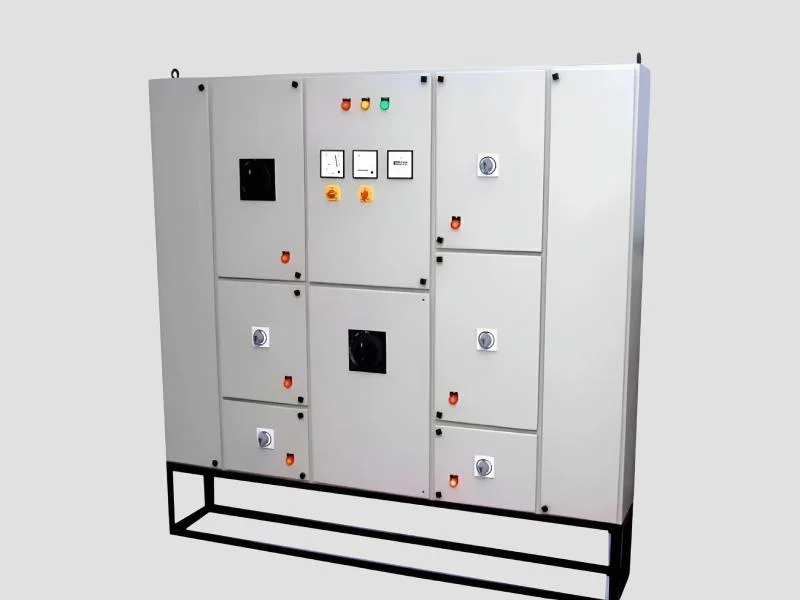
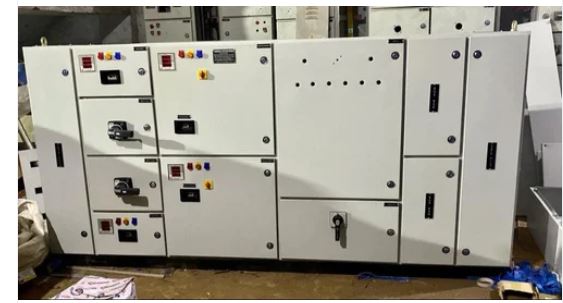
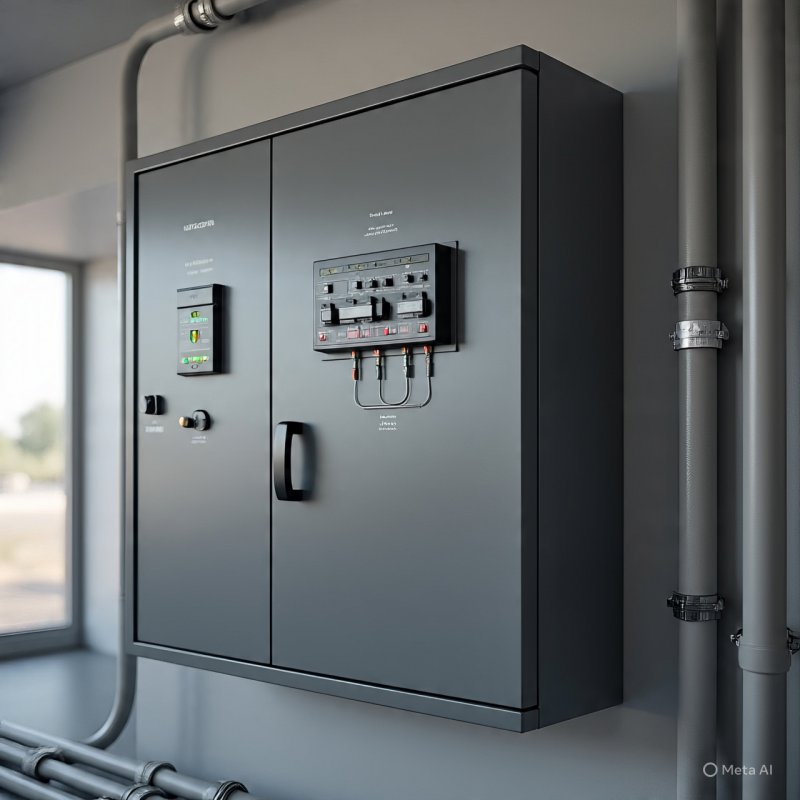
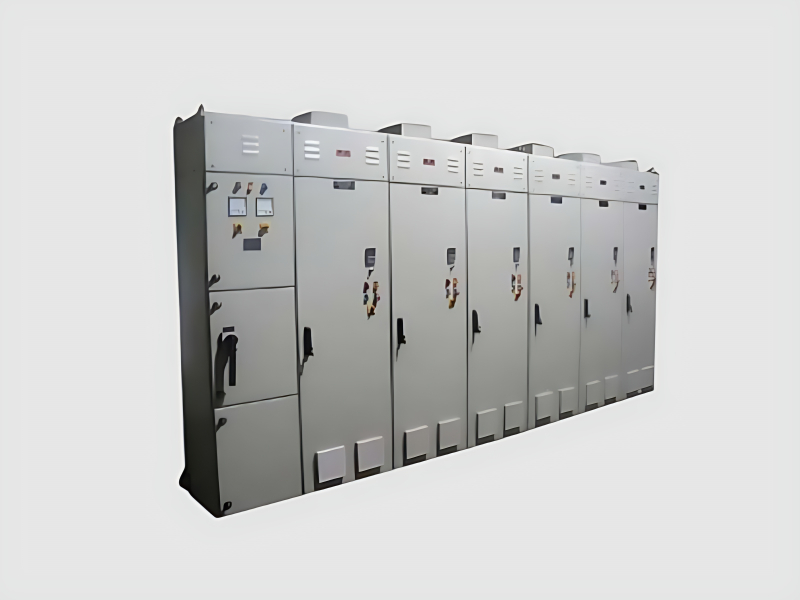
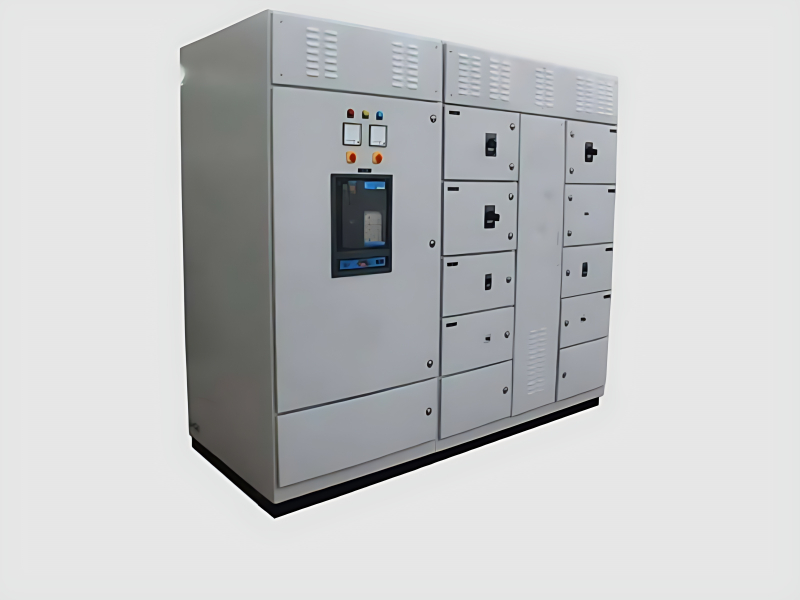
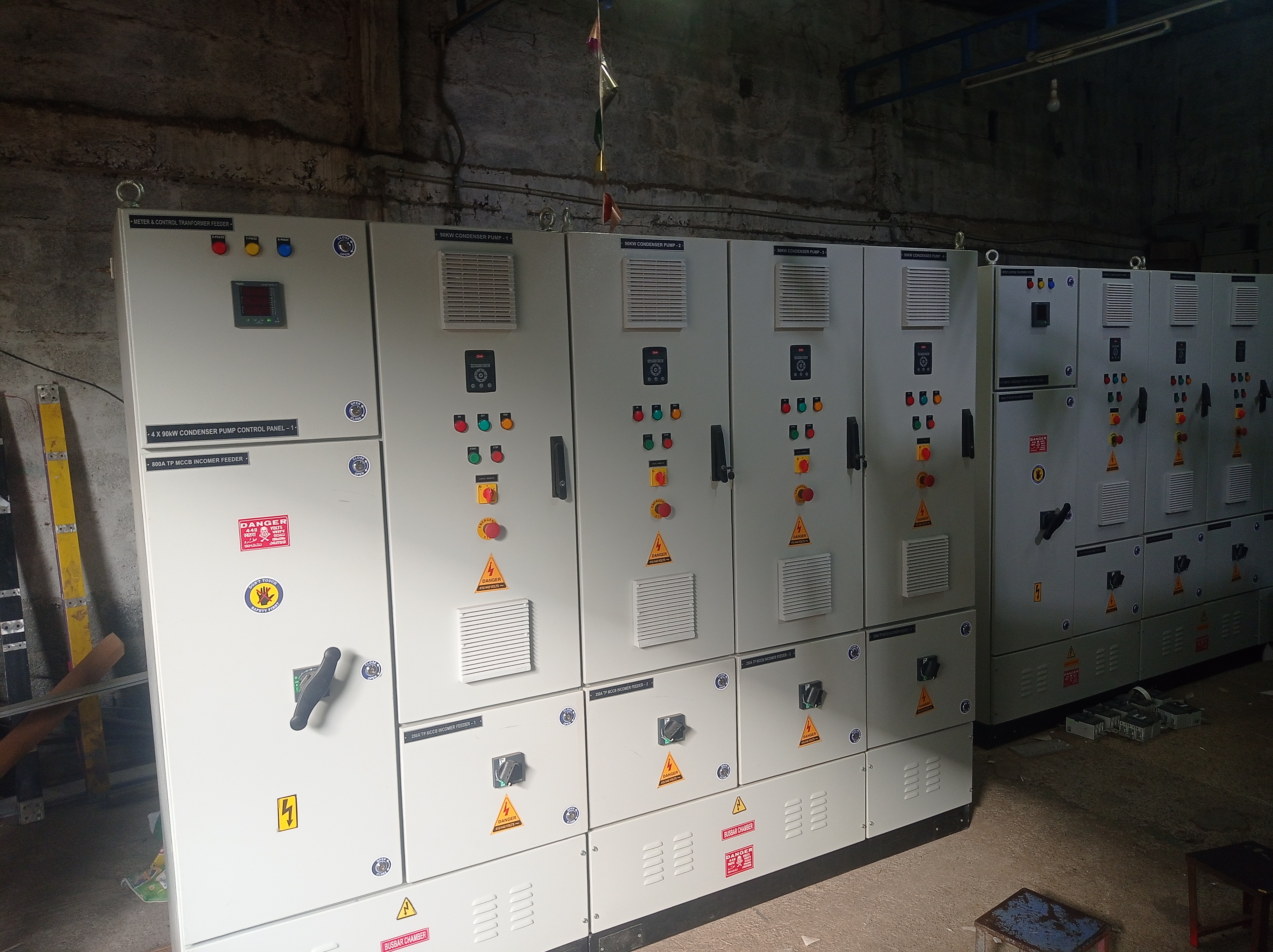
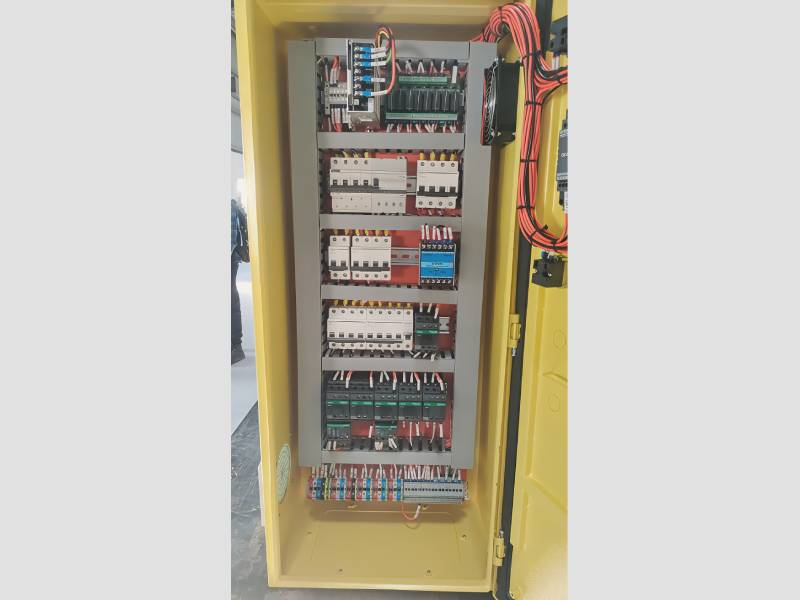
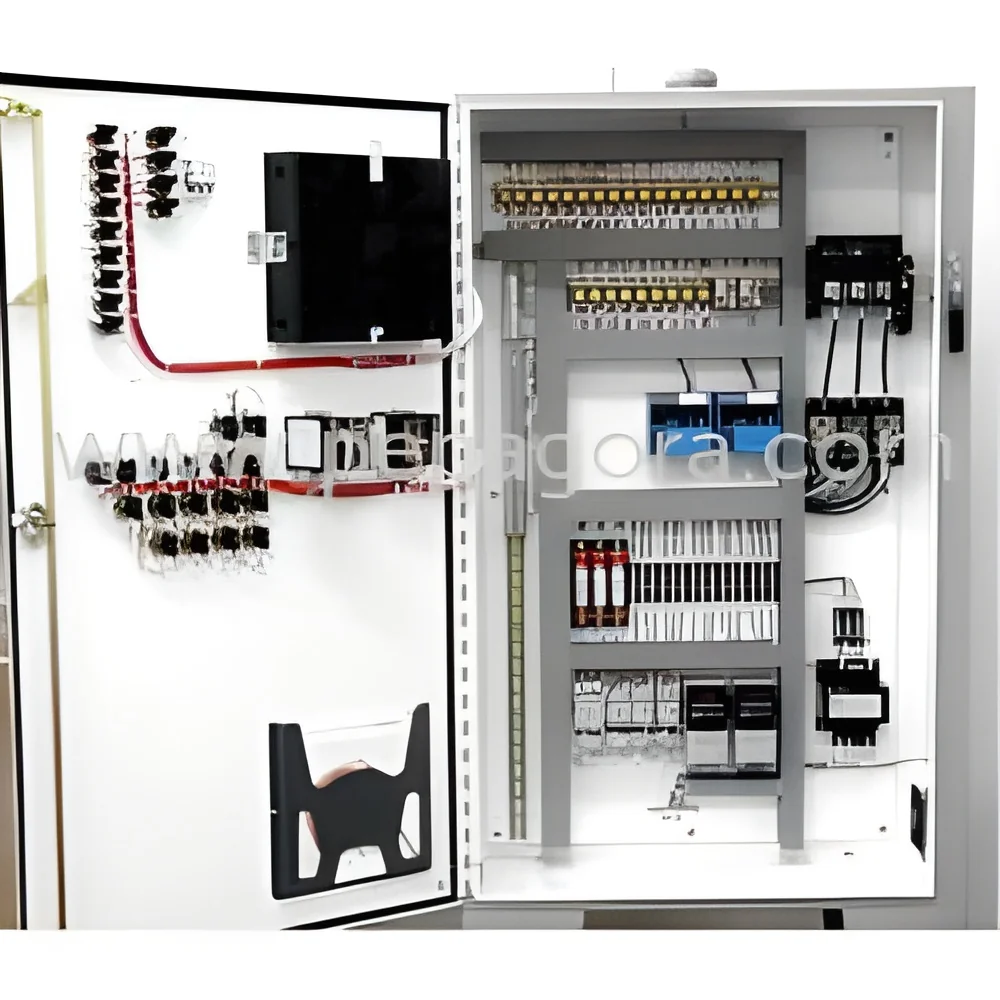
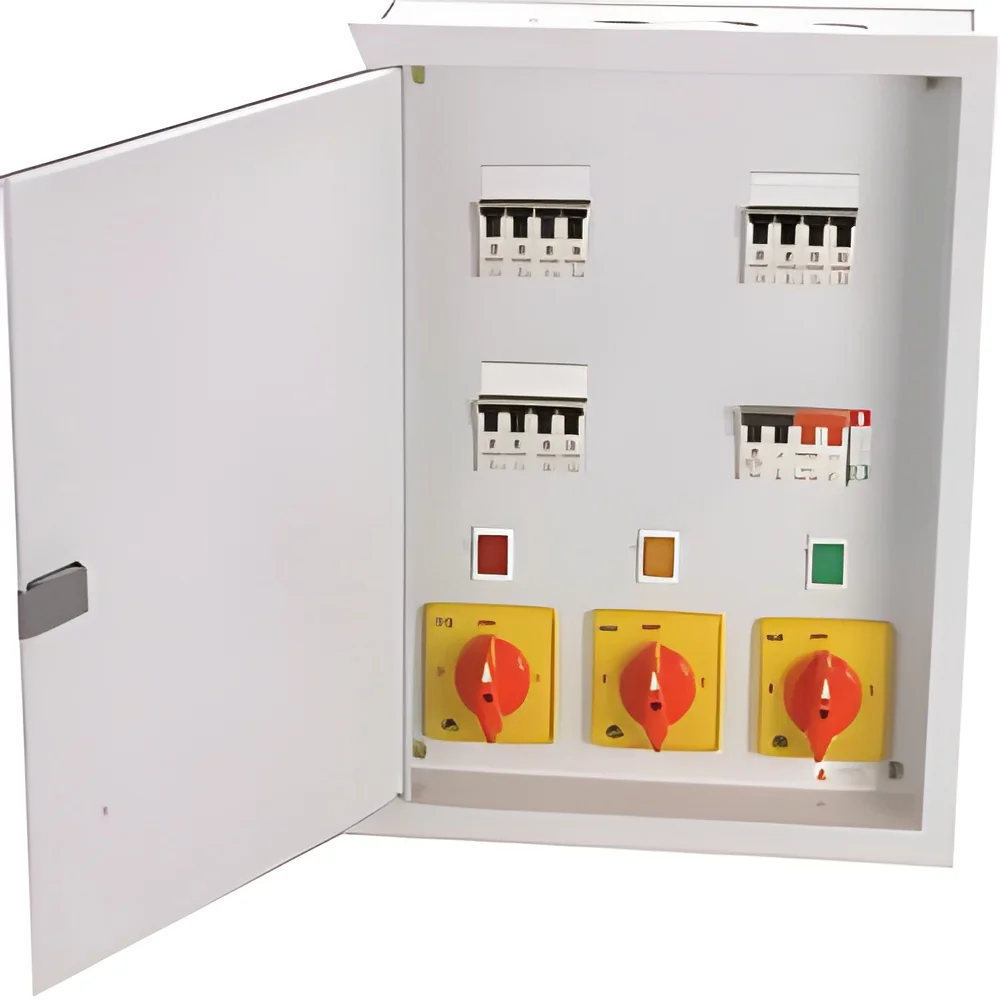
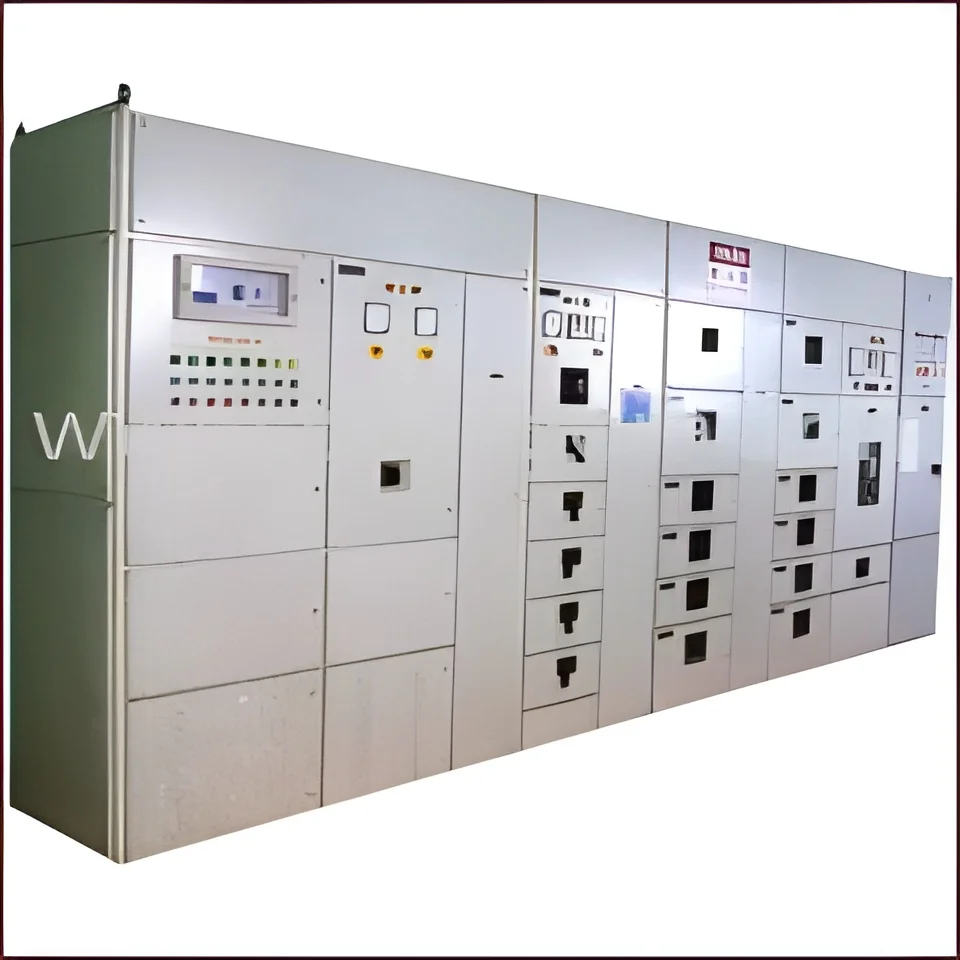
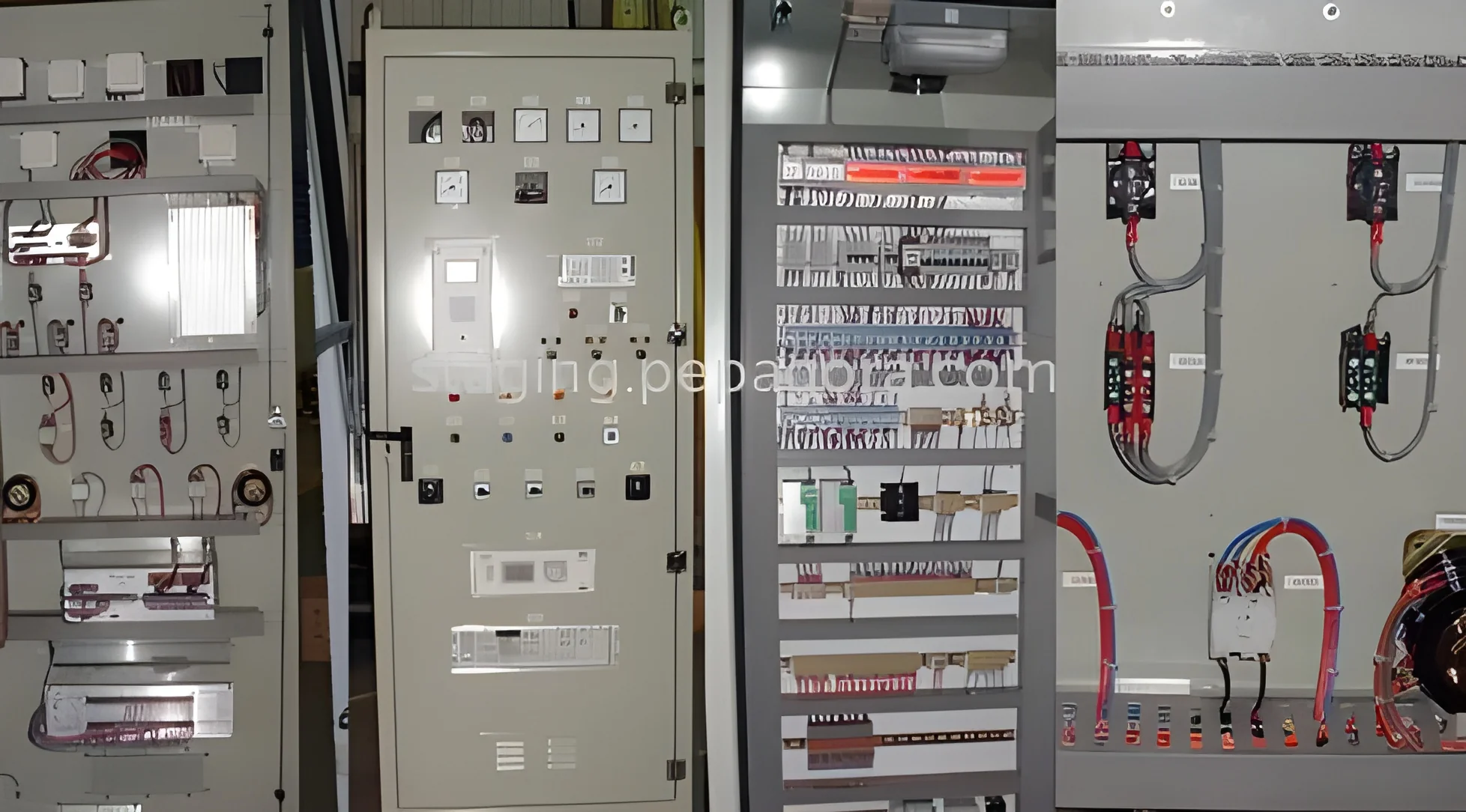
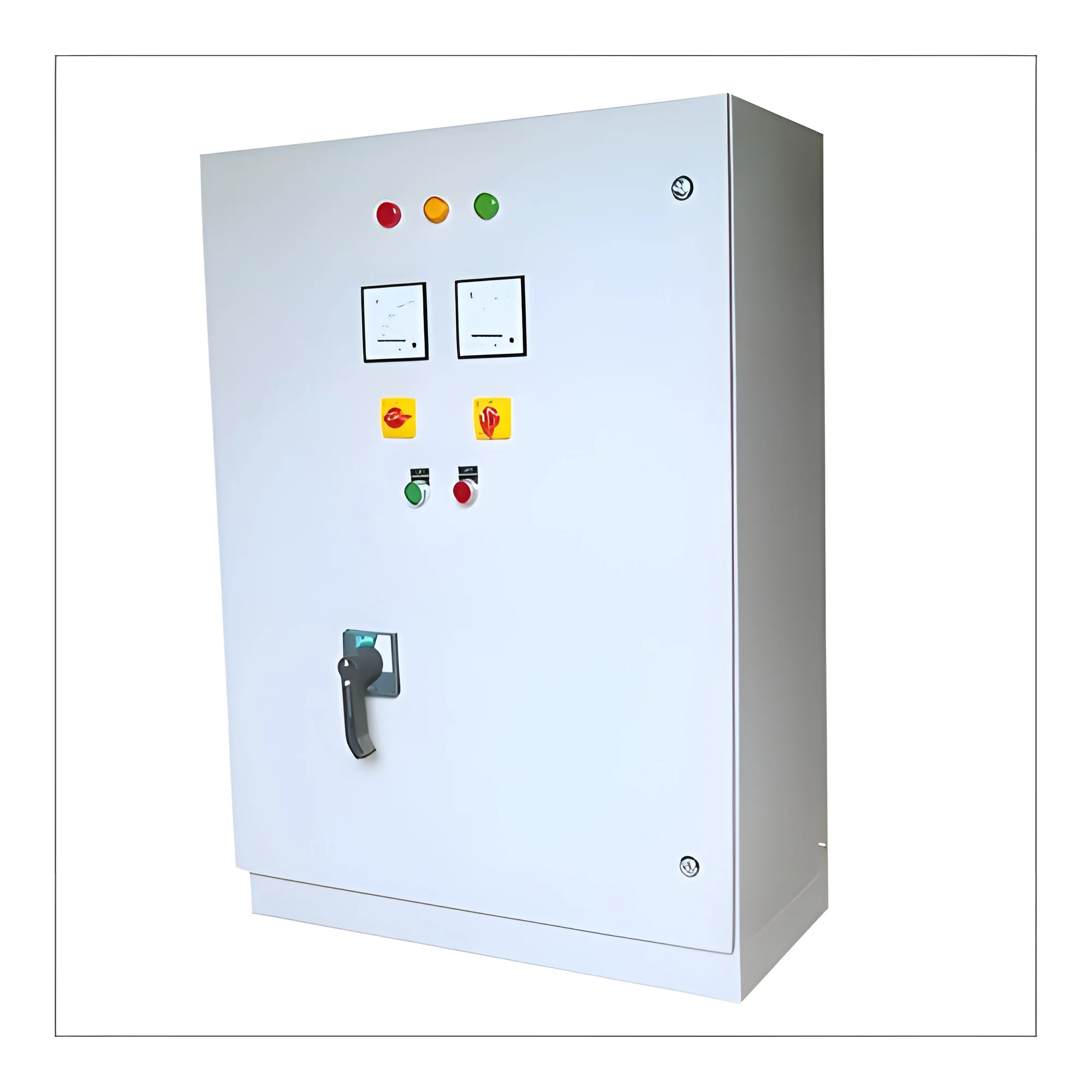
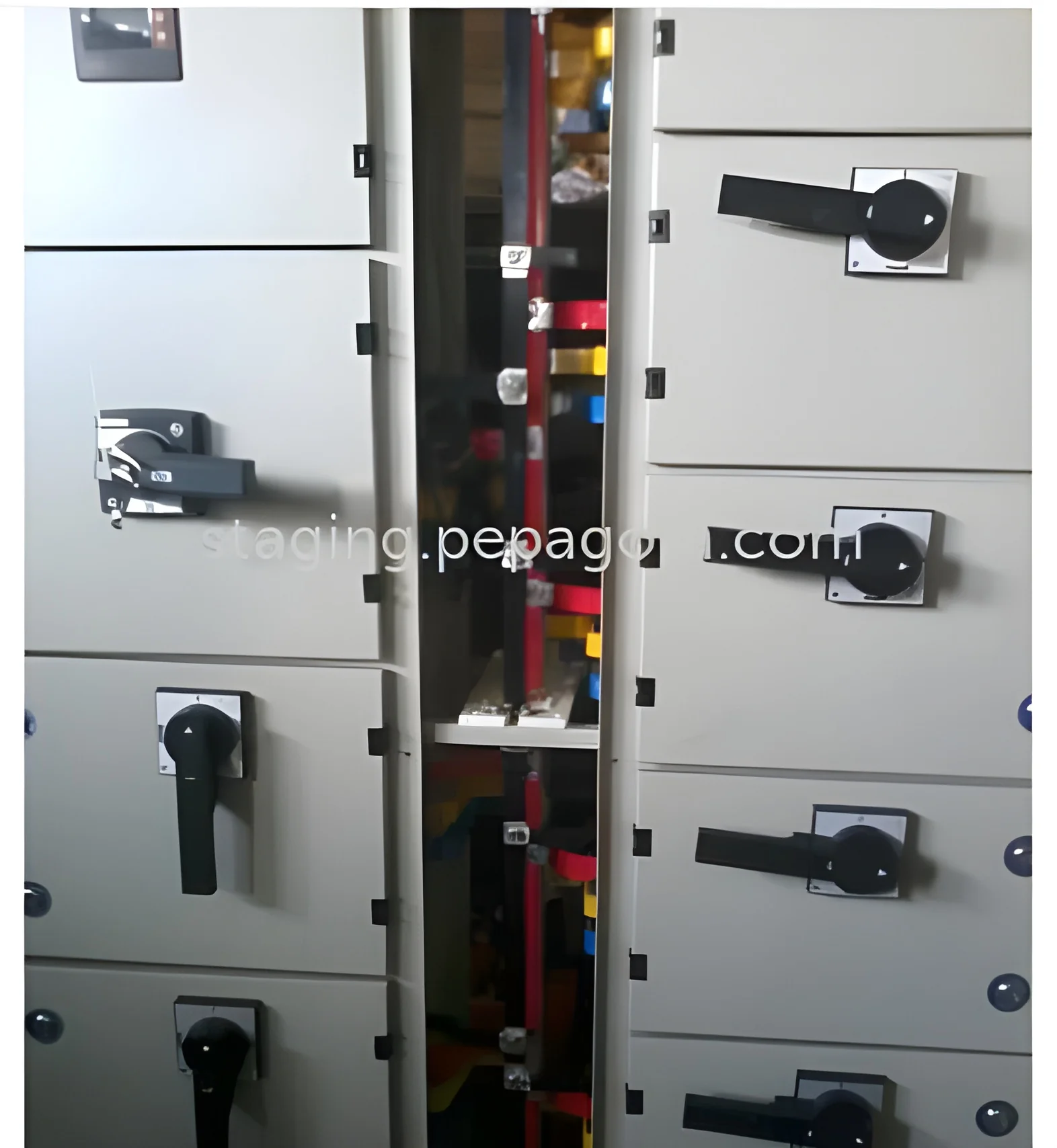
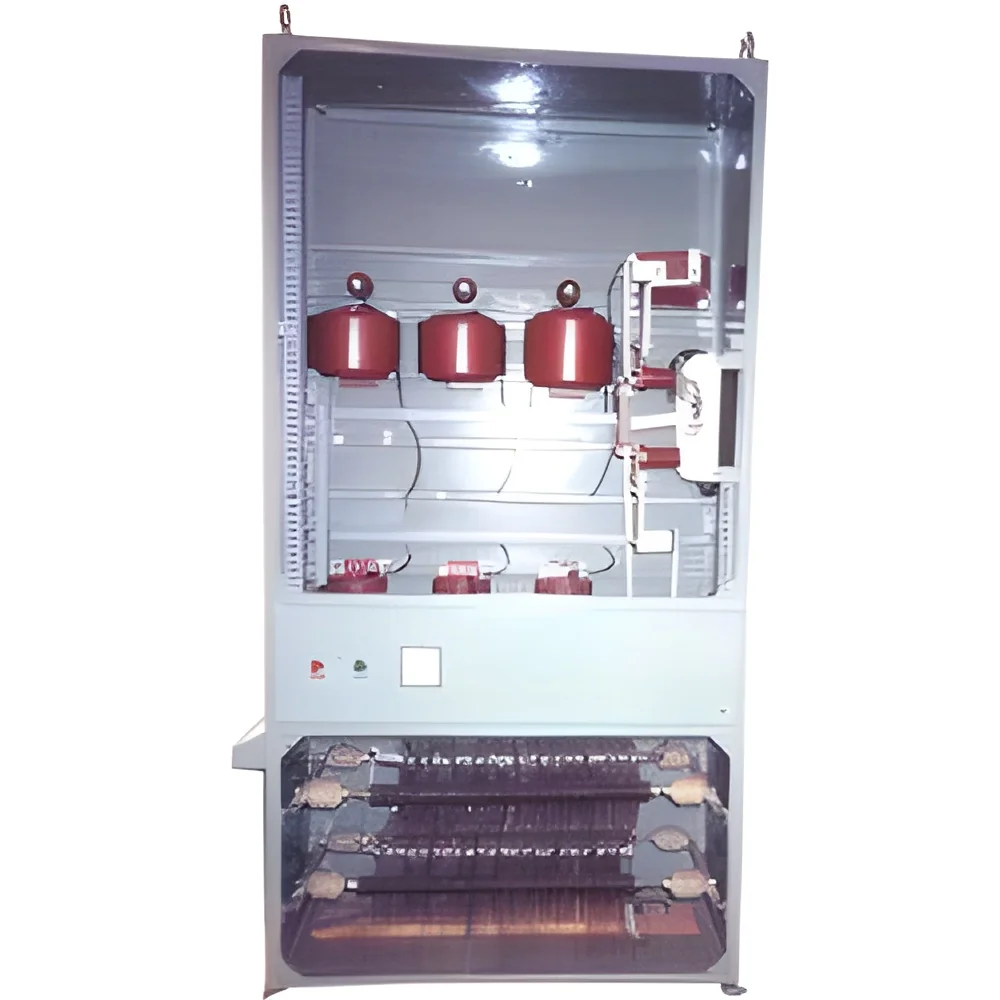
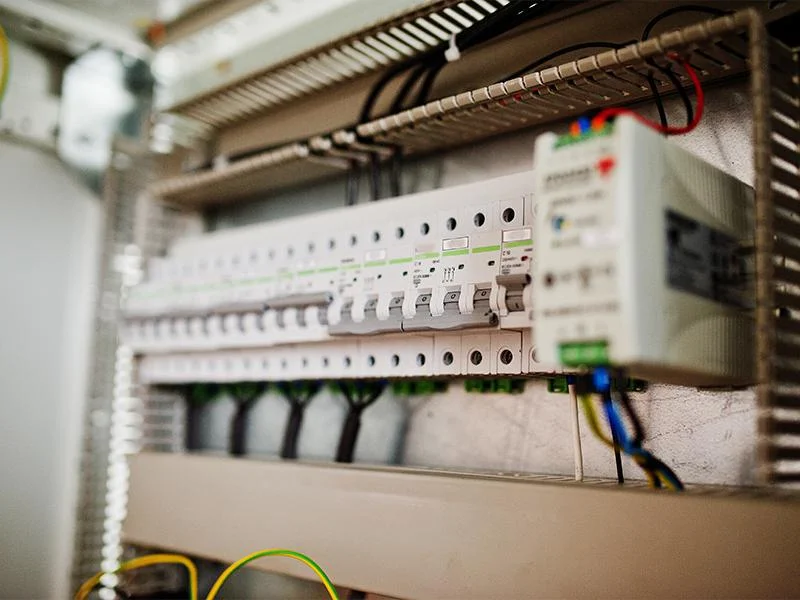
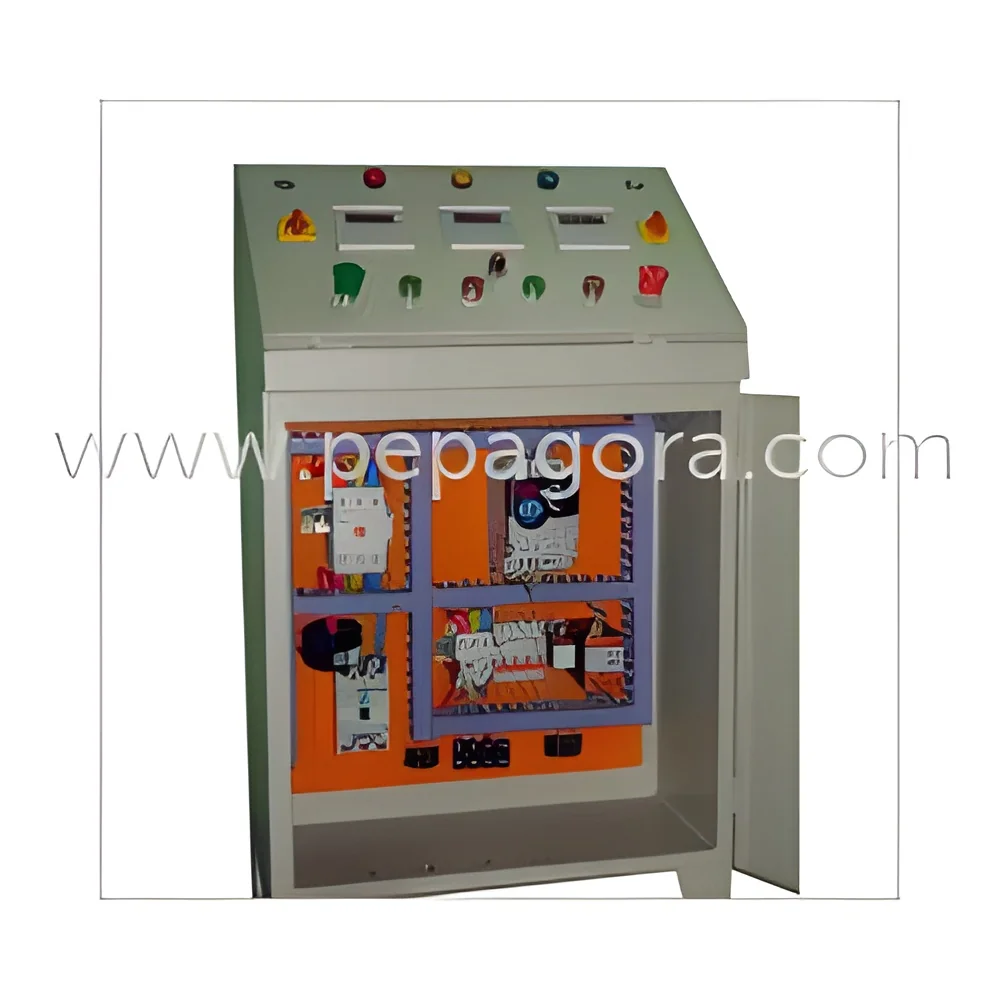
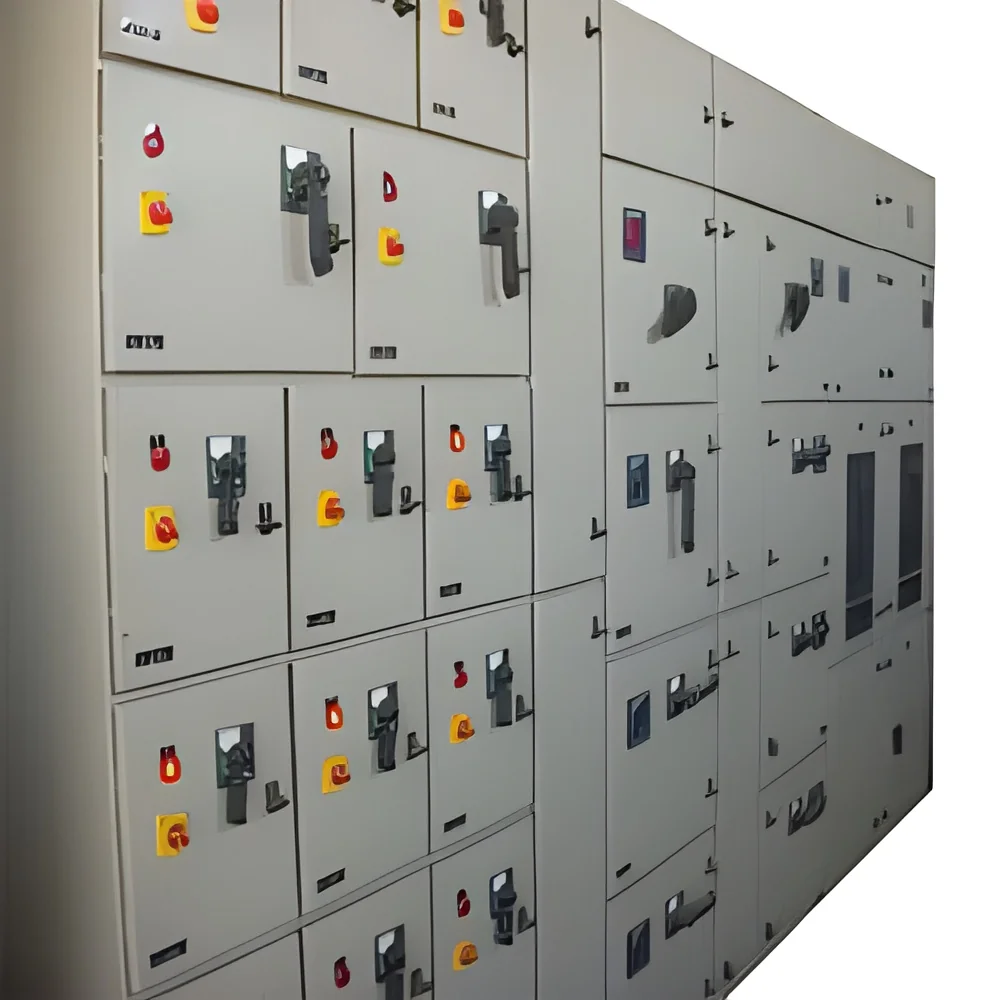
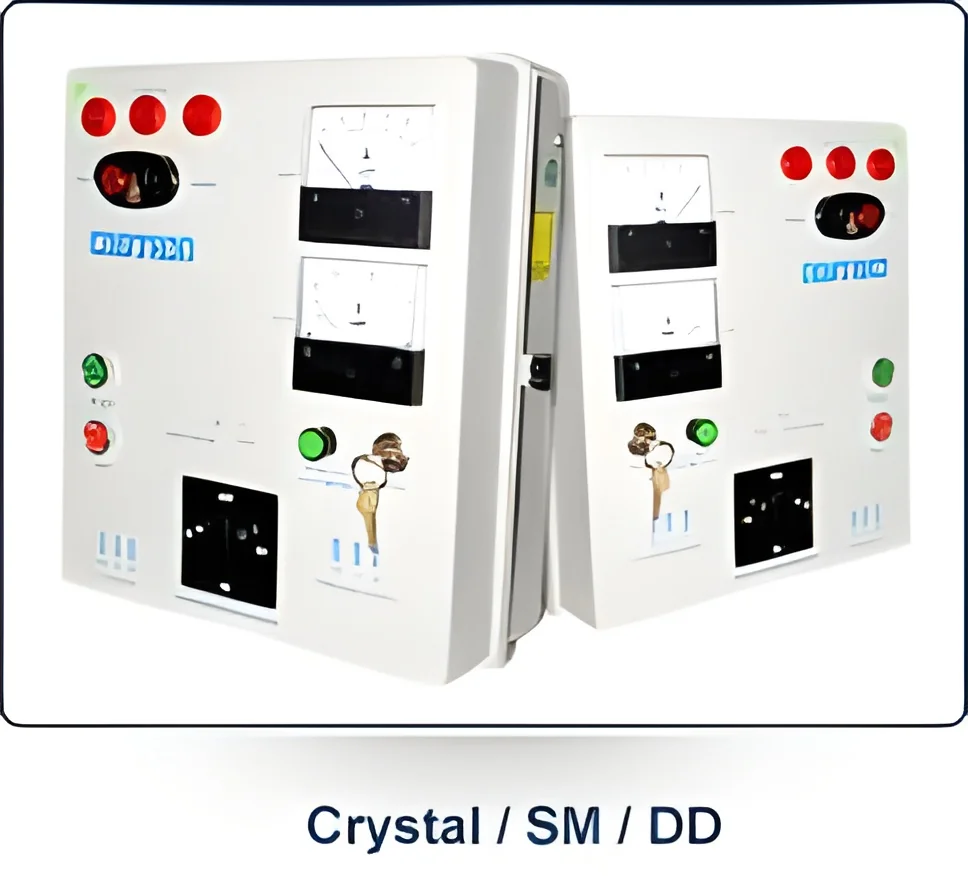
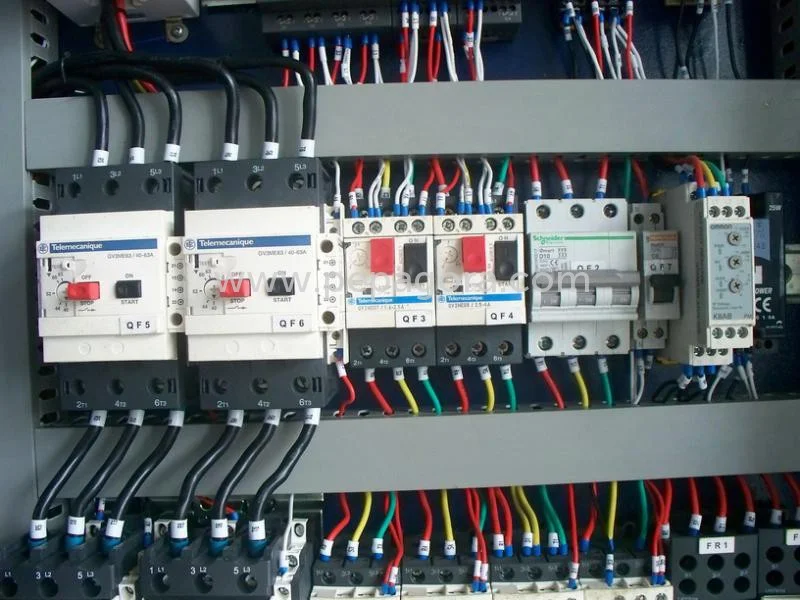
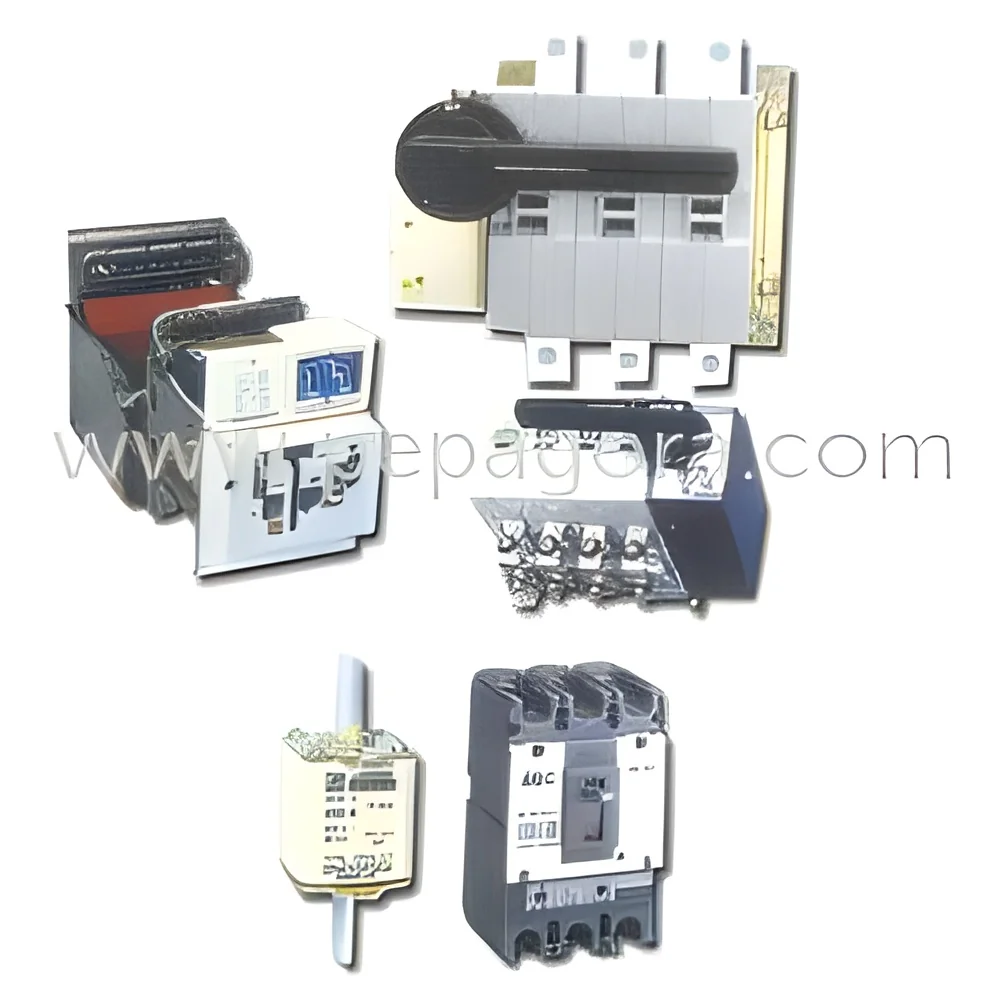
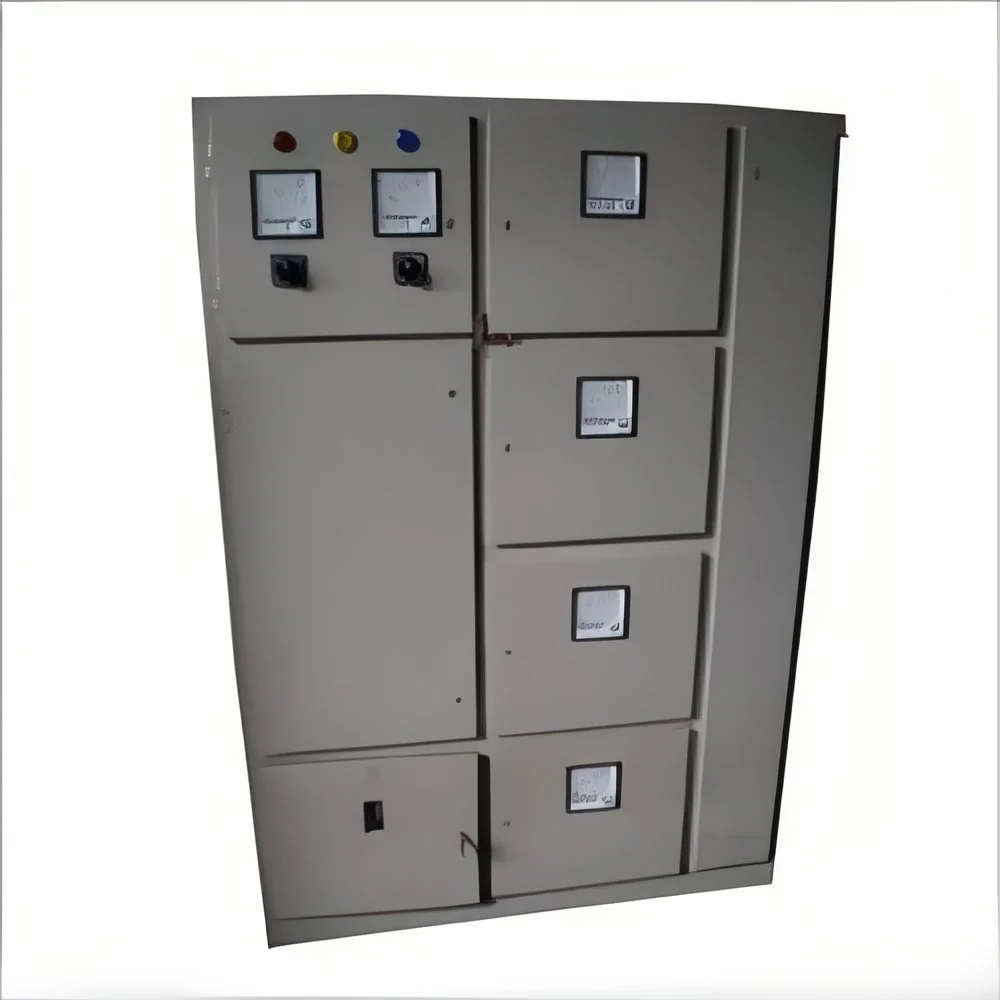
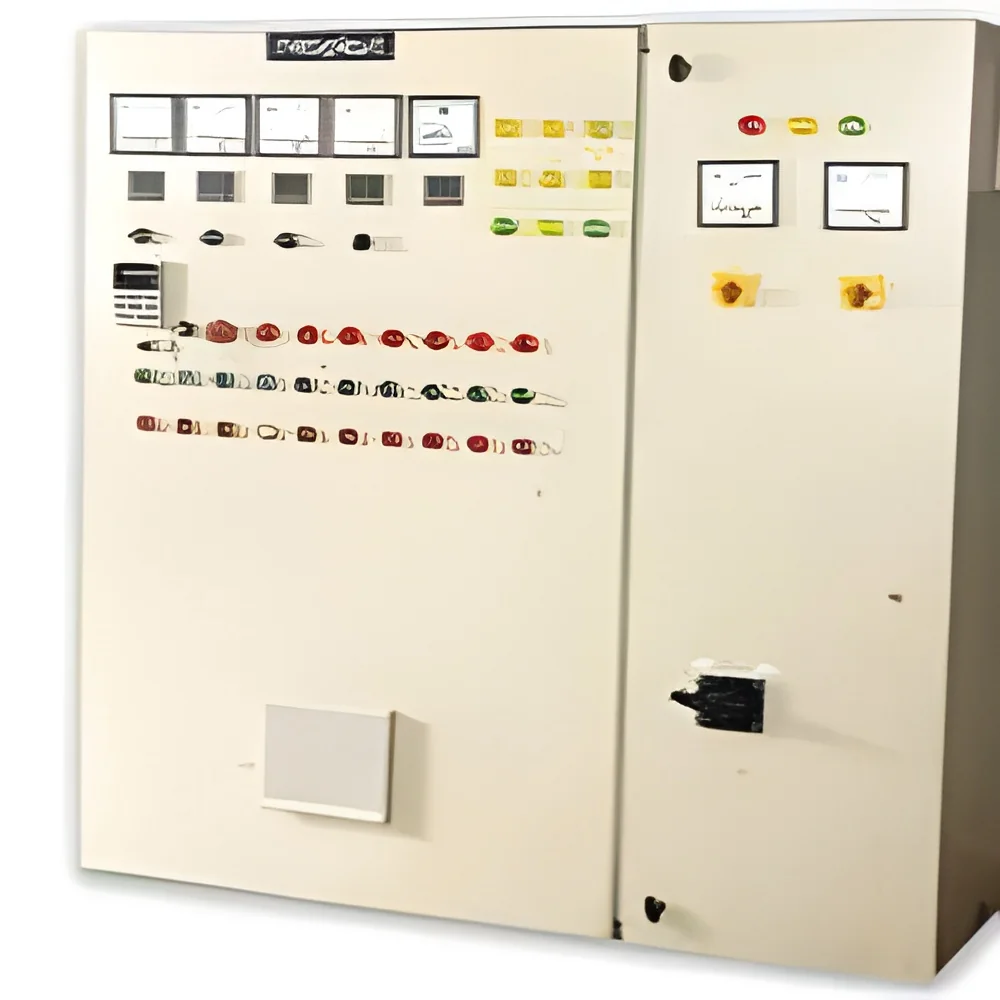
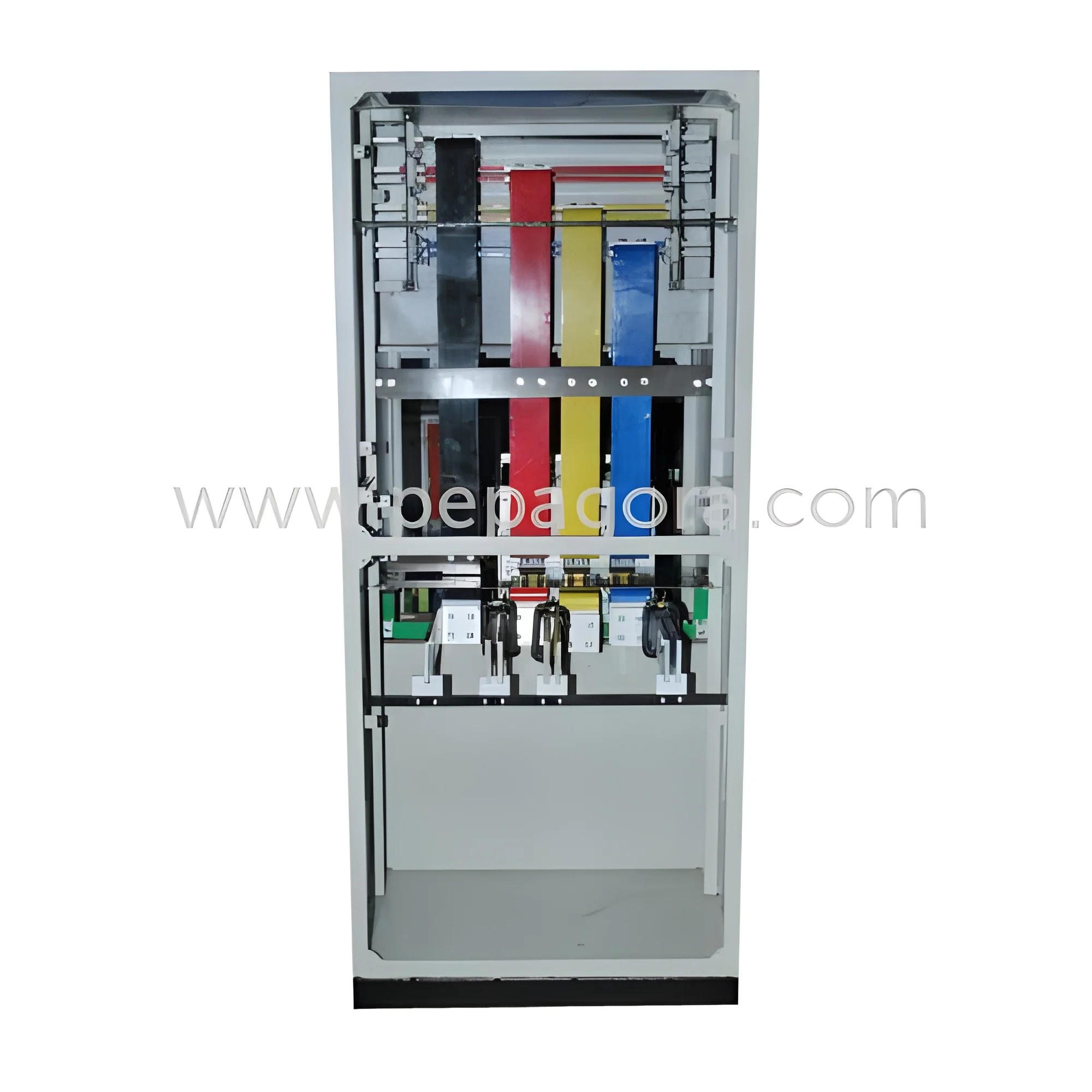
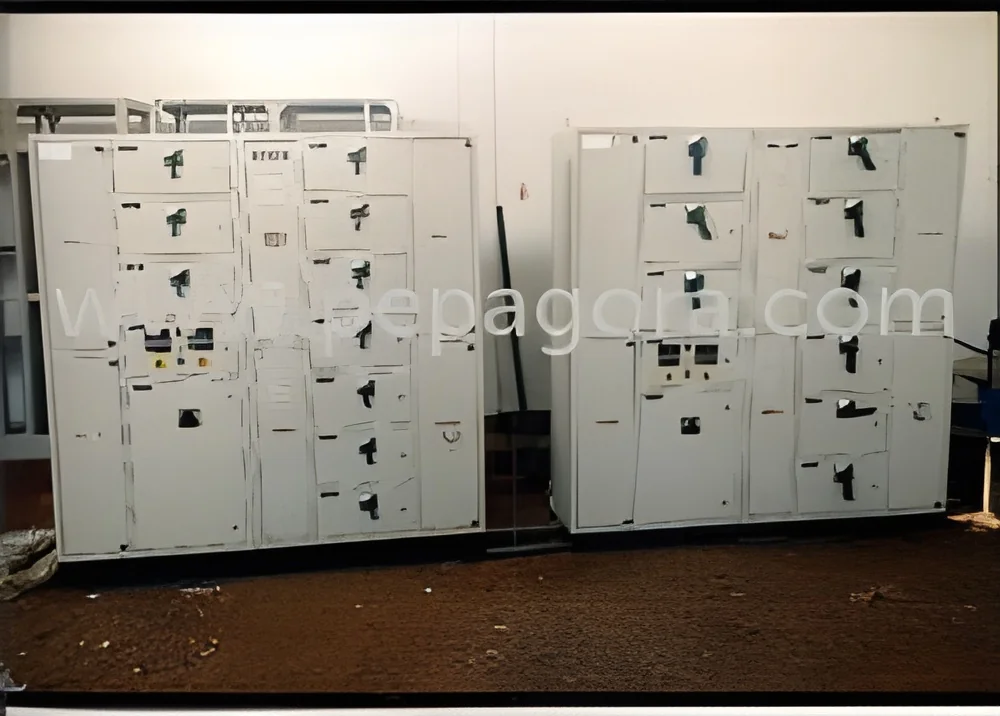
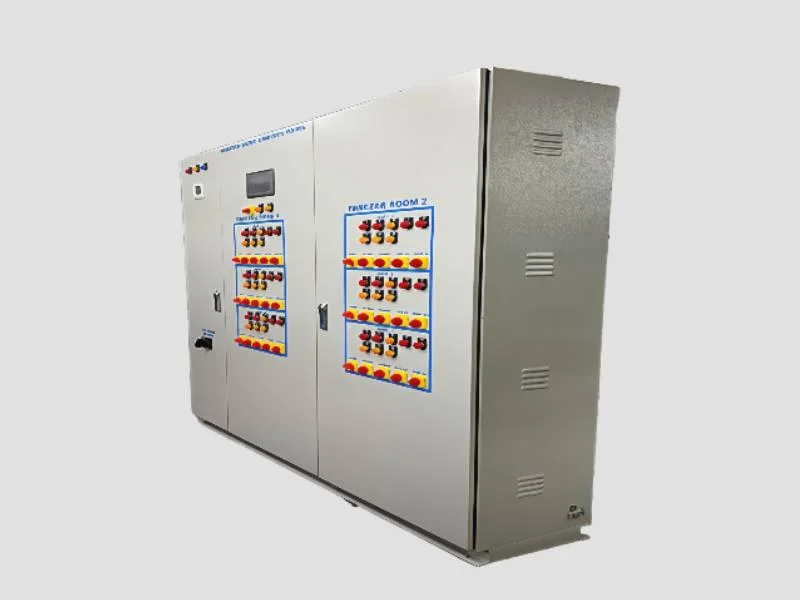
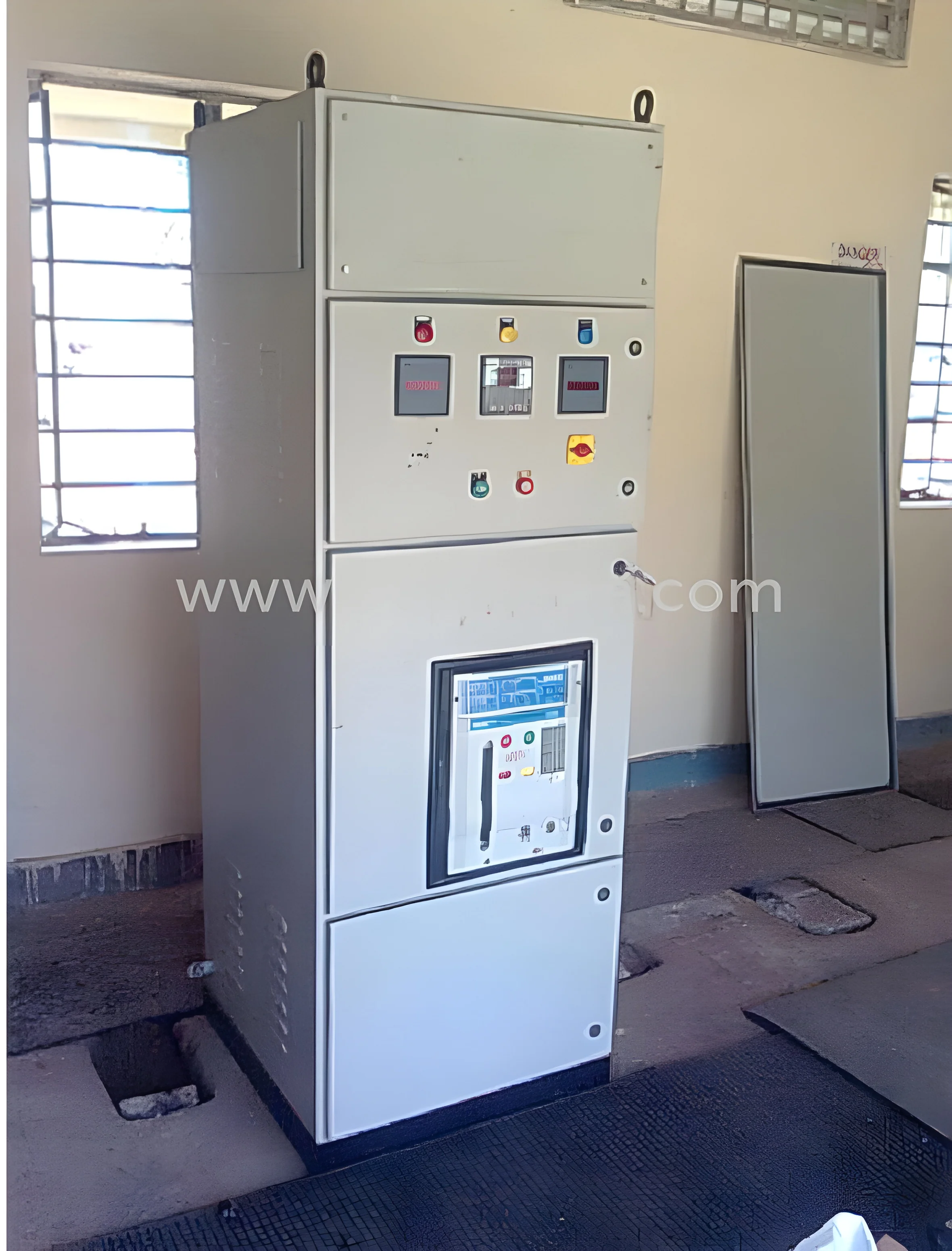
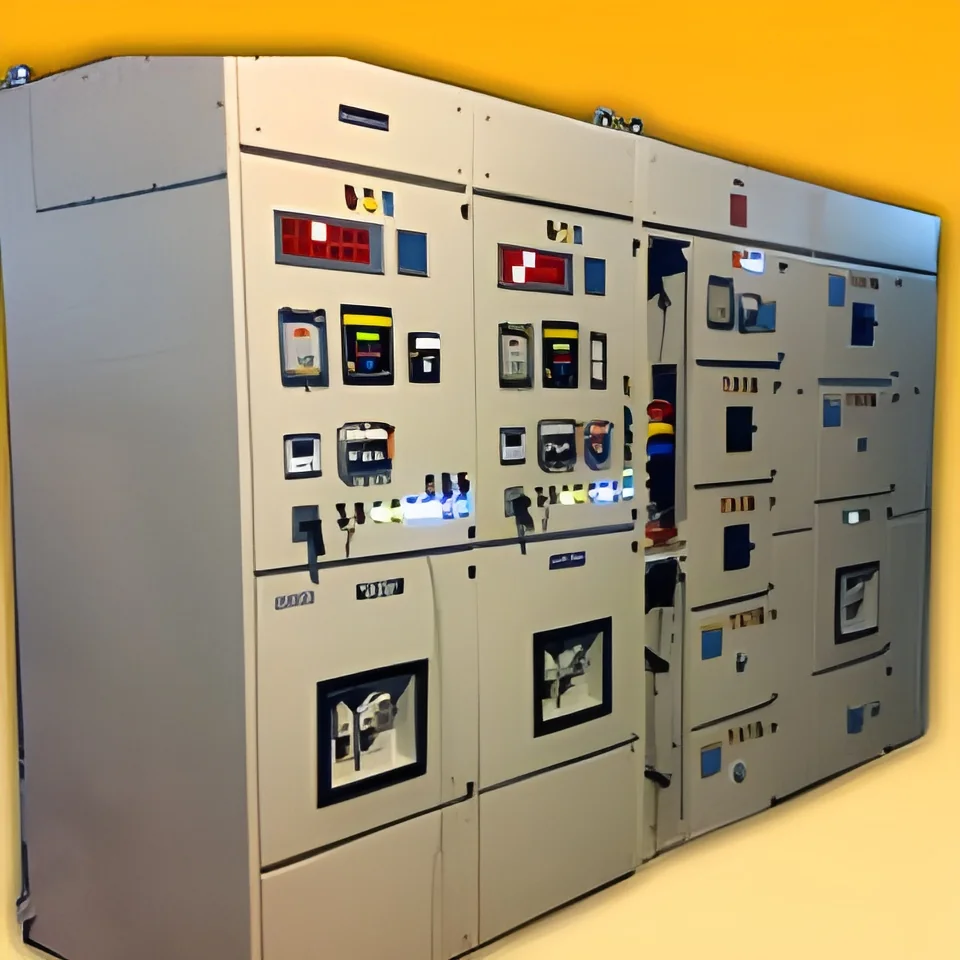
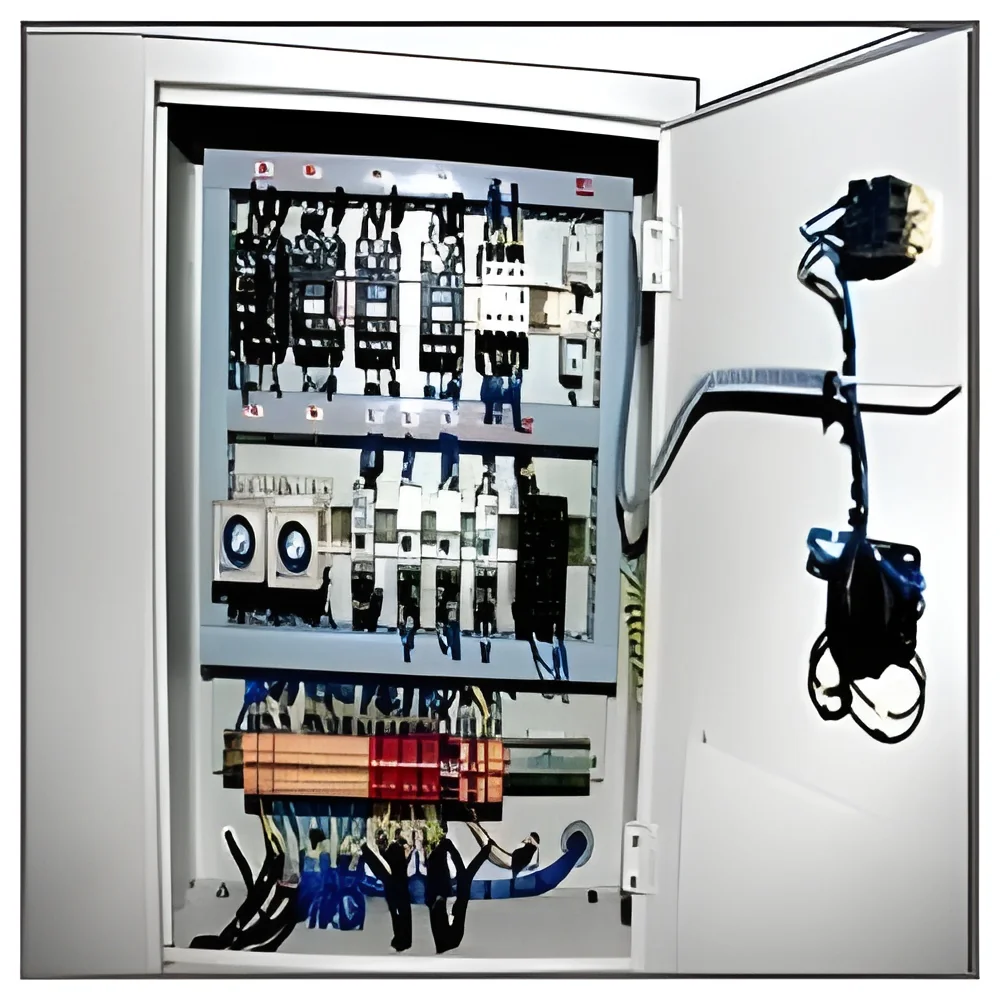
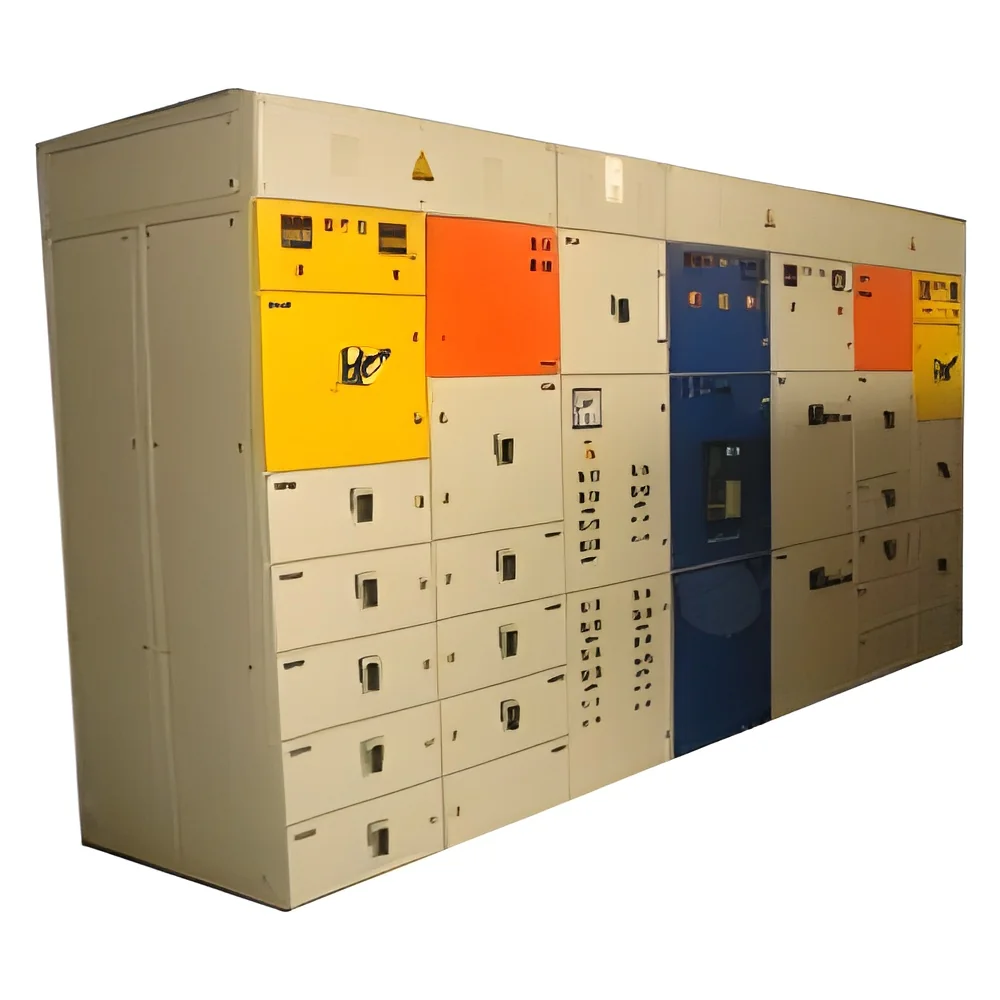
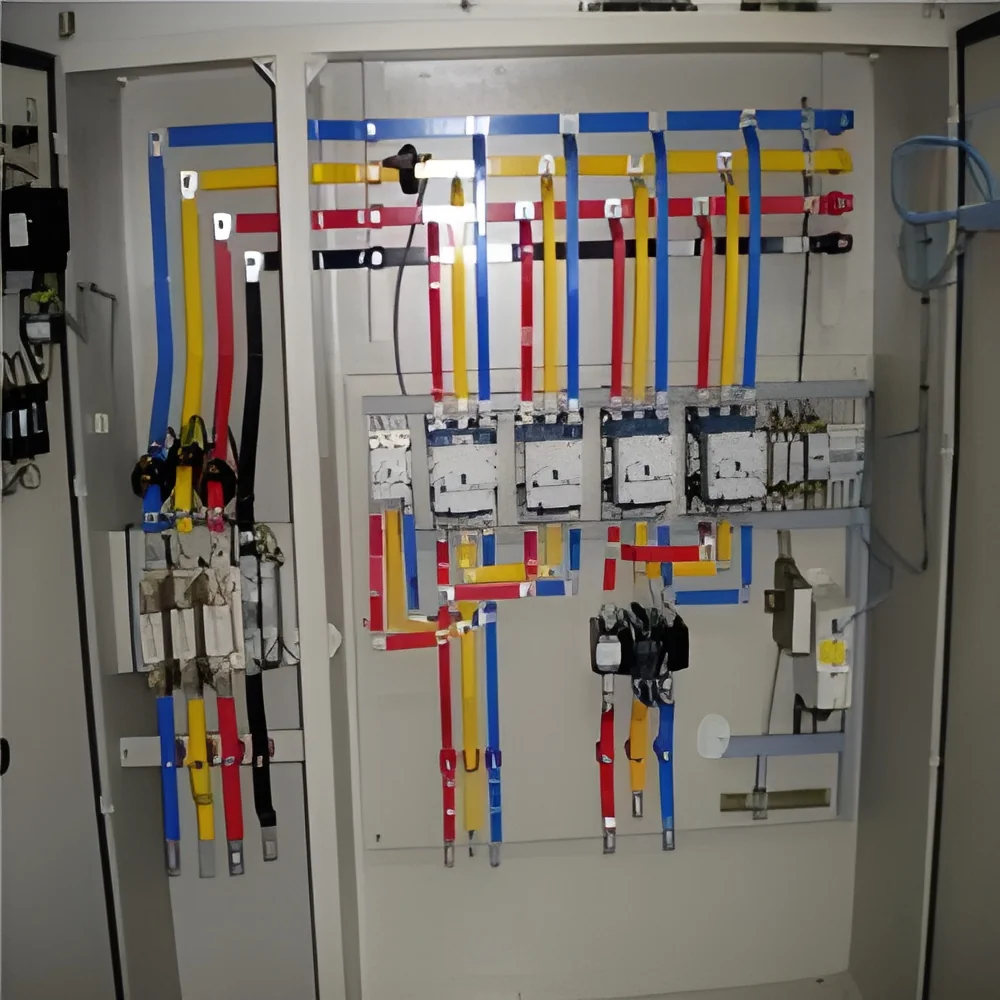
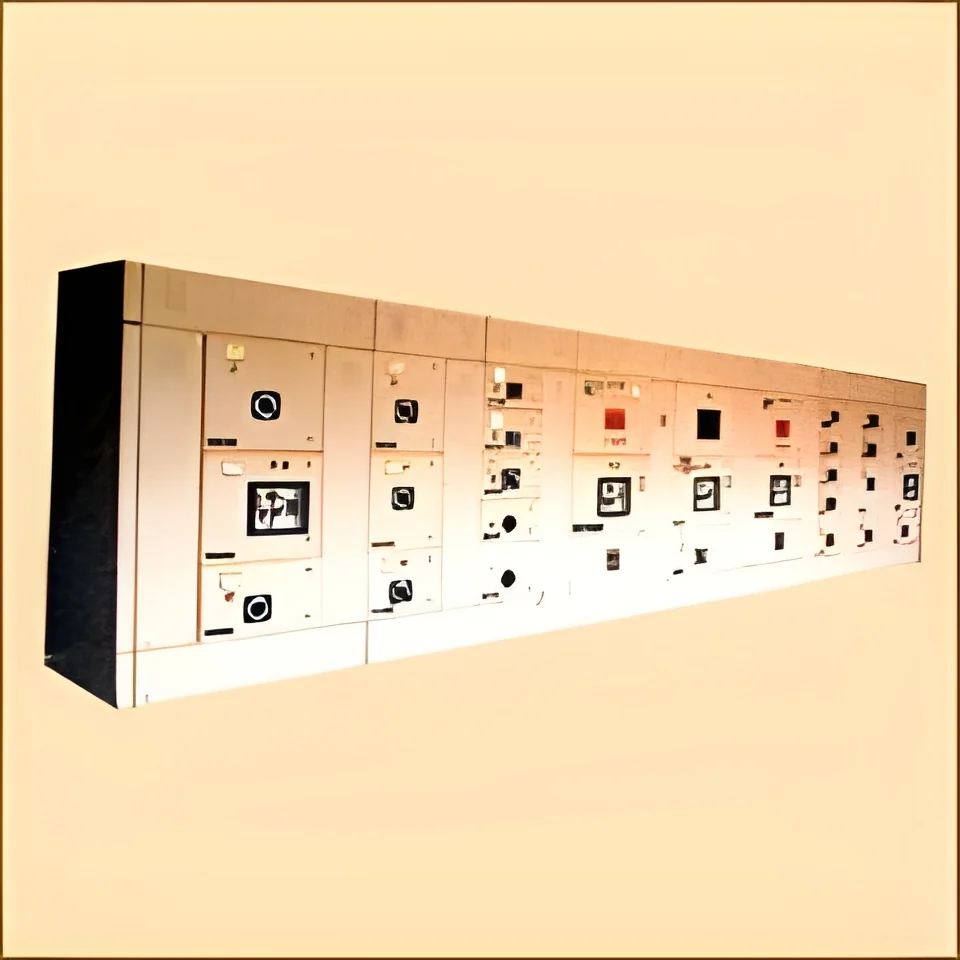
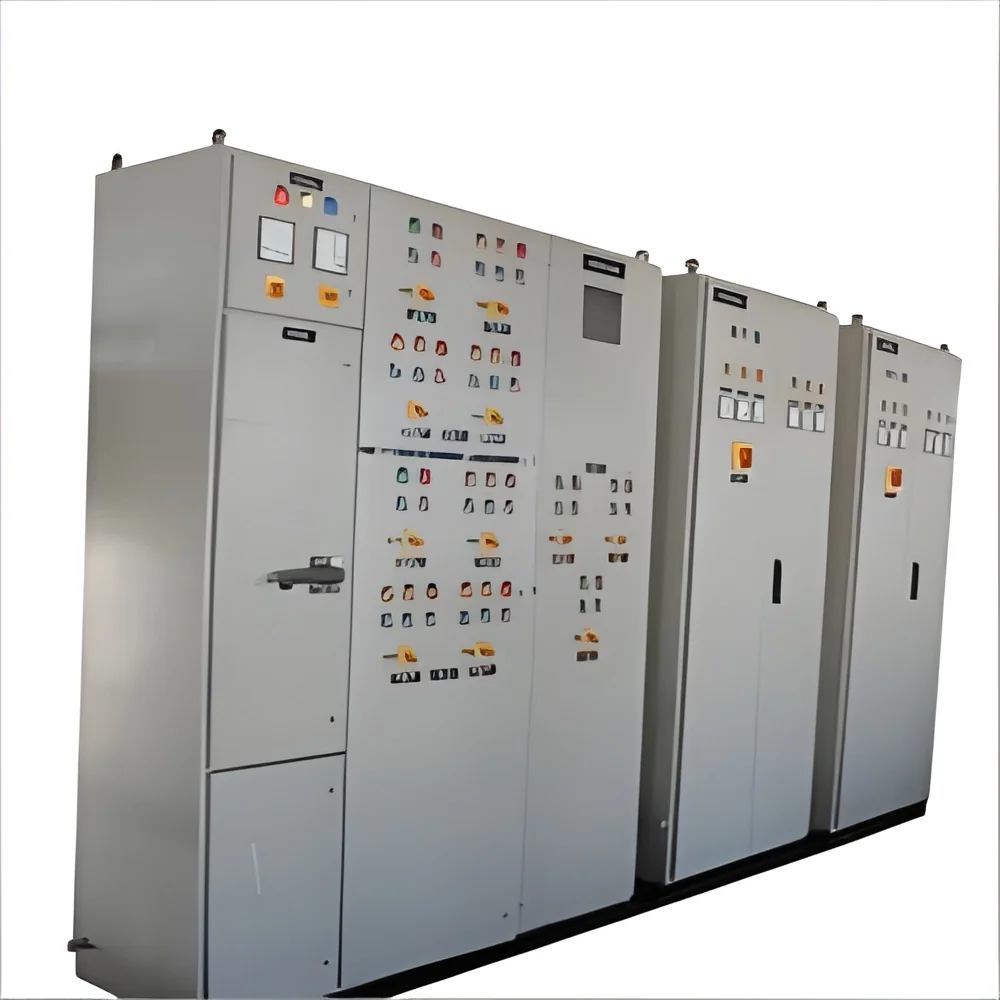
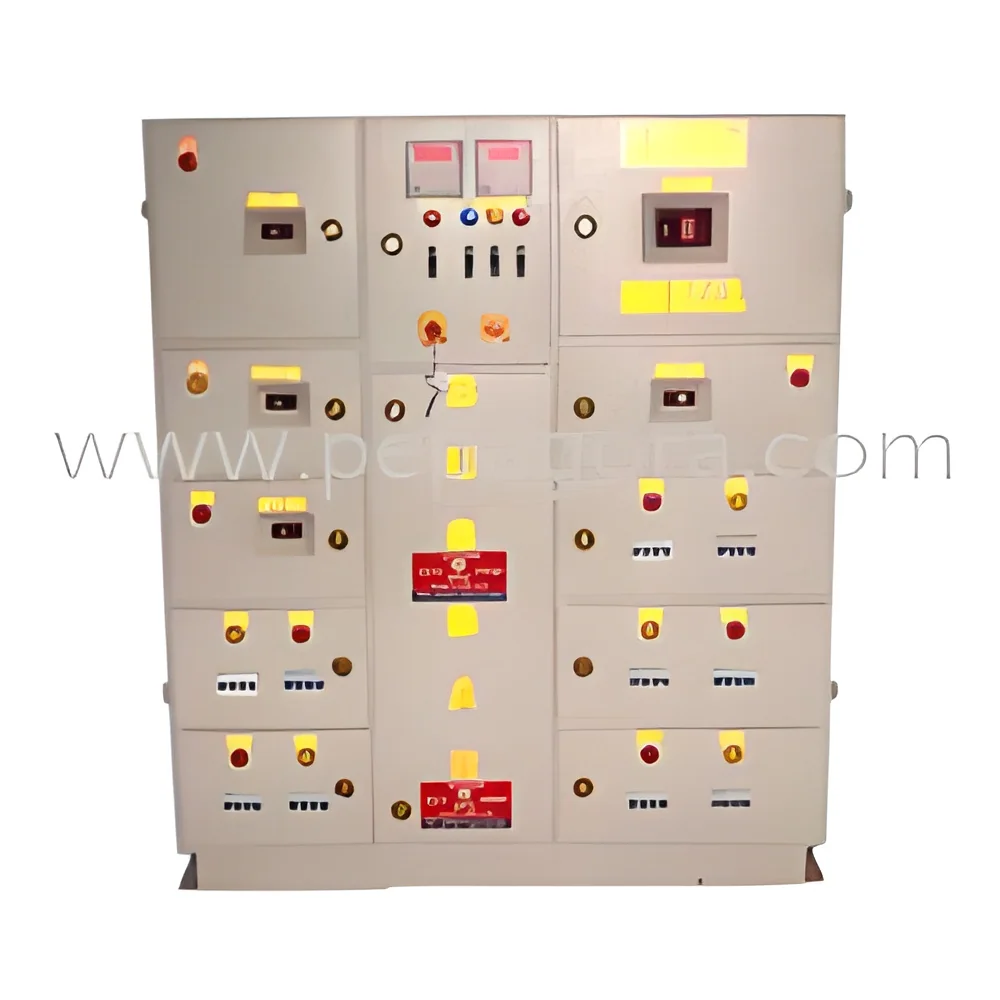
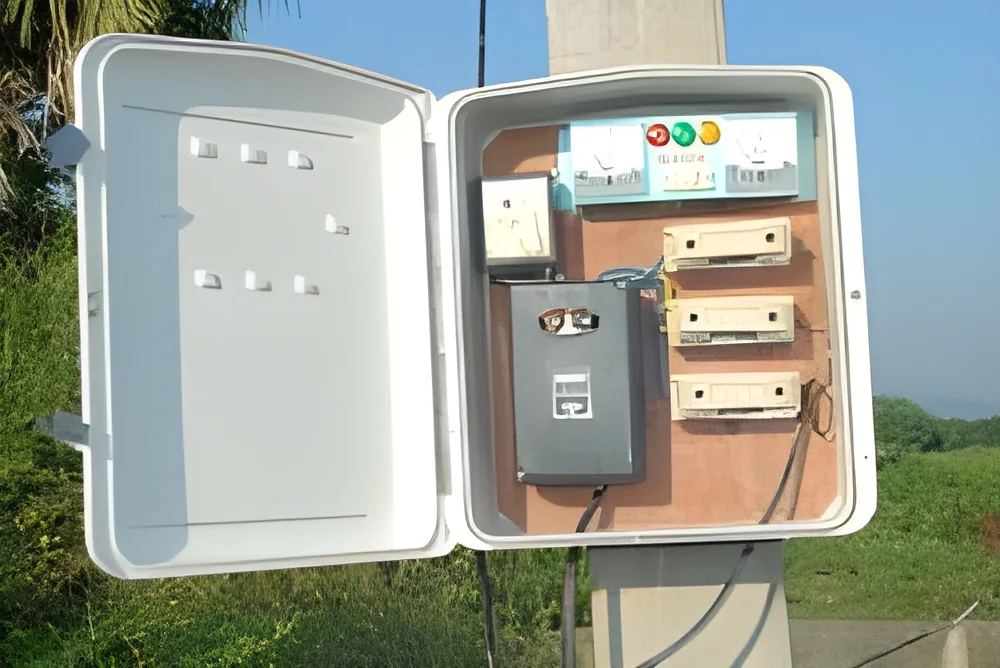
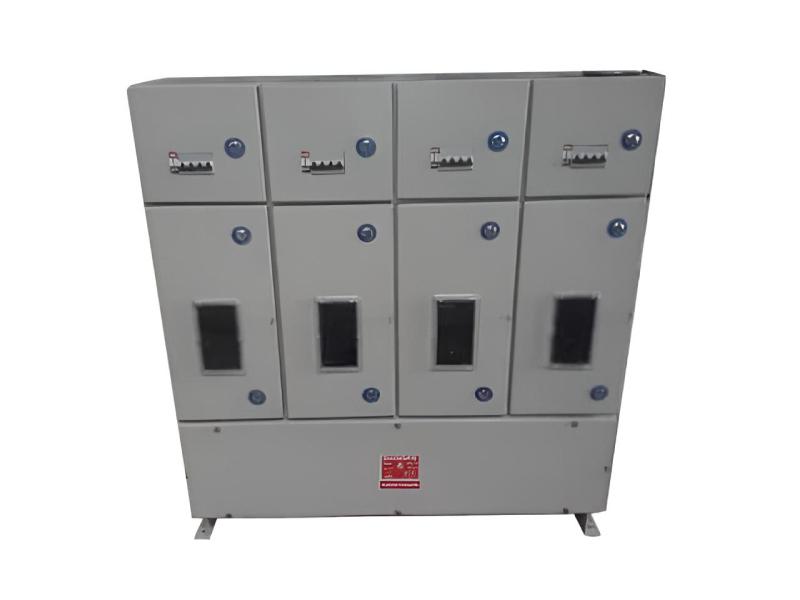
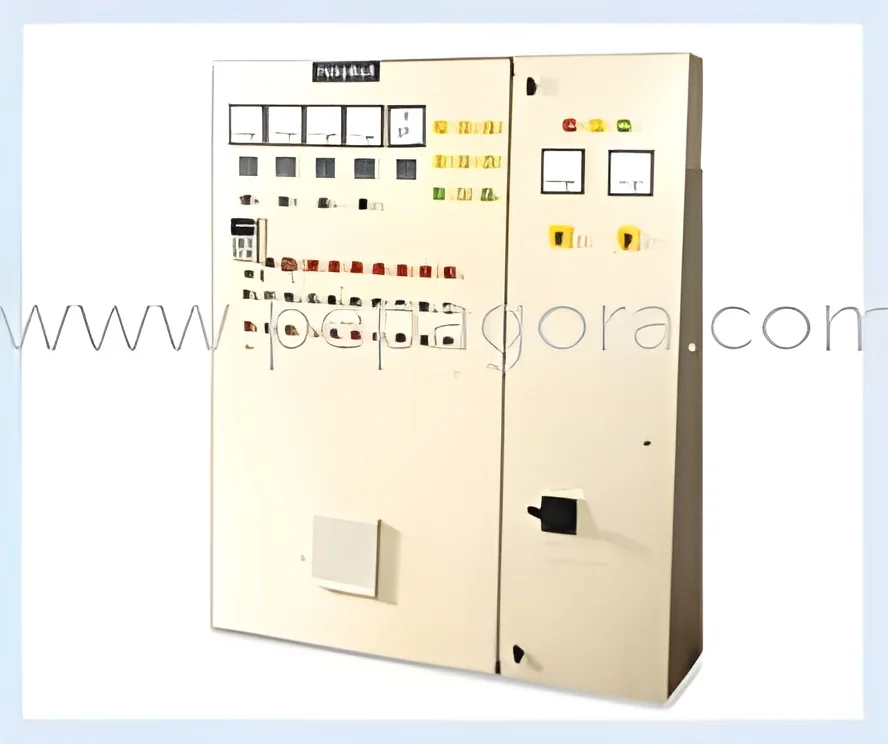
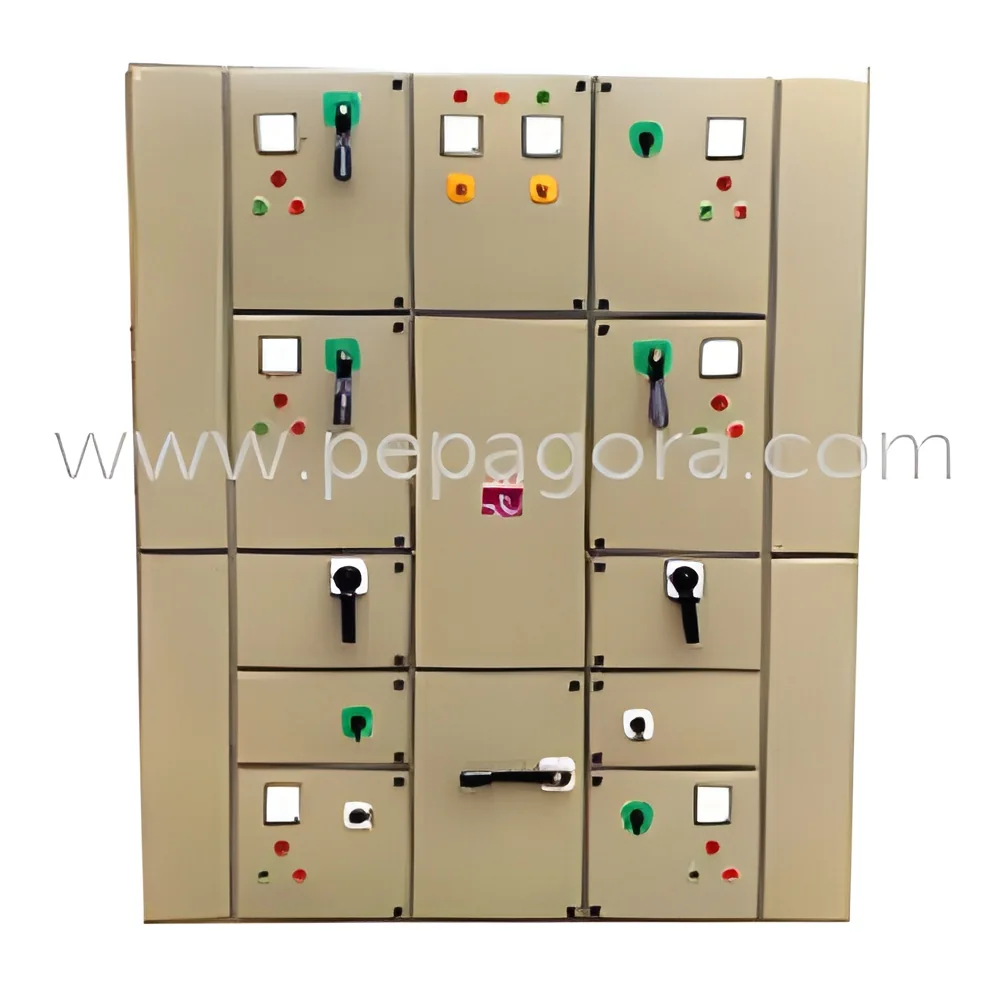
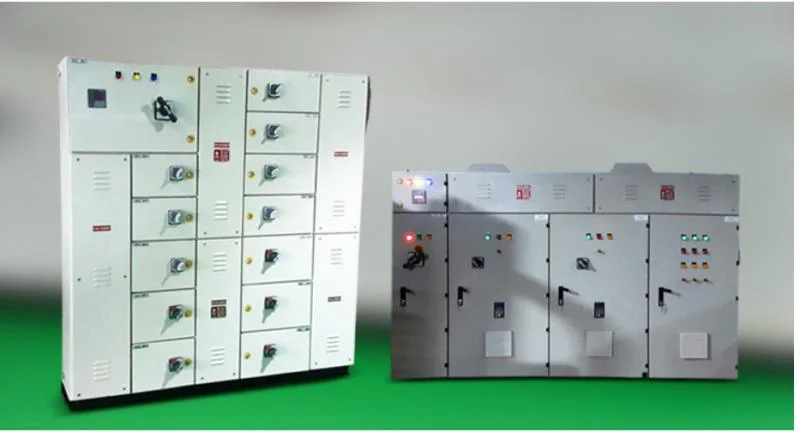
Electrical control panels are integral components in industrial and commercial settings that manage and distribute electrical power to various equipment and machinery. They serve as the central point for controlling electrical devices, enabling the monitoring and regulation of electrical systems. These panels can include switches, fuses, relays, and circuit breakers, all housed within a protective enclosure. Their design allows for easy access to controls and indicators, ensuring safe operation.
Electrical control panels are utilized across a wide range of applications, including manufacturing, HVAC systems, and automation processes. They play a critical role in ensuring the efficiency and safety of operations by allowing operators to monitor and control electrical functions effectively. As industries increasingly adopt automation and sophisticated electrical systems, the relevance of electrical control panels has grown significantly, making them essential in modern industrial infrastructure.
Key Features and Specifications
Electrical control panels come with various features and specifications that cater to different industrial needs. Understanding these specifications is crucial for selecting the appropriate panel for specific applications.
Key specifications include:
1. Enclosure Type
- Designed to protect internal components from dust, moisture, and environmental factors.
- Options include NEMA-rated, IP-rated, and custom enclosures.
2. Voltage Rating
- Specifies the maximum voltage the control panel can handle.
- Common ratings include 120V, 240V, 480V, and higher for industrial applications.
3. Current Rating
- Indicates the maximum current the panel can safely conduct.
- Typical ranges are from 10A to over 600A, depending on application requirements.
4. Number of Circuits
- Refers to how many individual circuits the panel can control.
- Panels can range from a few circuits to several dozen.
5. Mounting Options
- Options for how the panel can be installed, including wall-mounted, floor-mounted, or rack-mounted.
6. Control Type
- Differentiates between manual, semi-automated, and fully automated control systems.
7. Communication Interfaces
- Availability of connections for remote monitoring and control, such as Ethernet or Modbus.
8. Safety Features
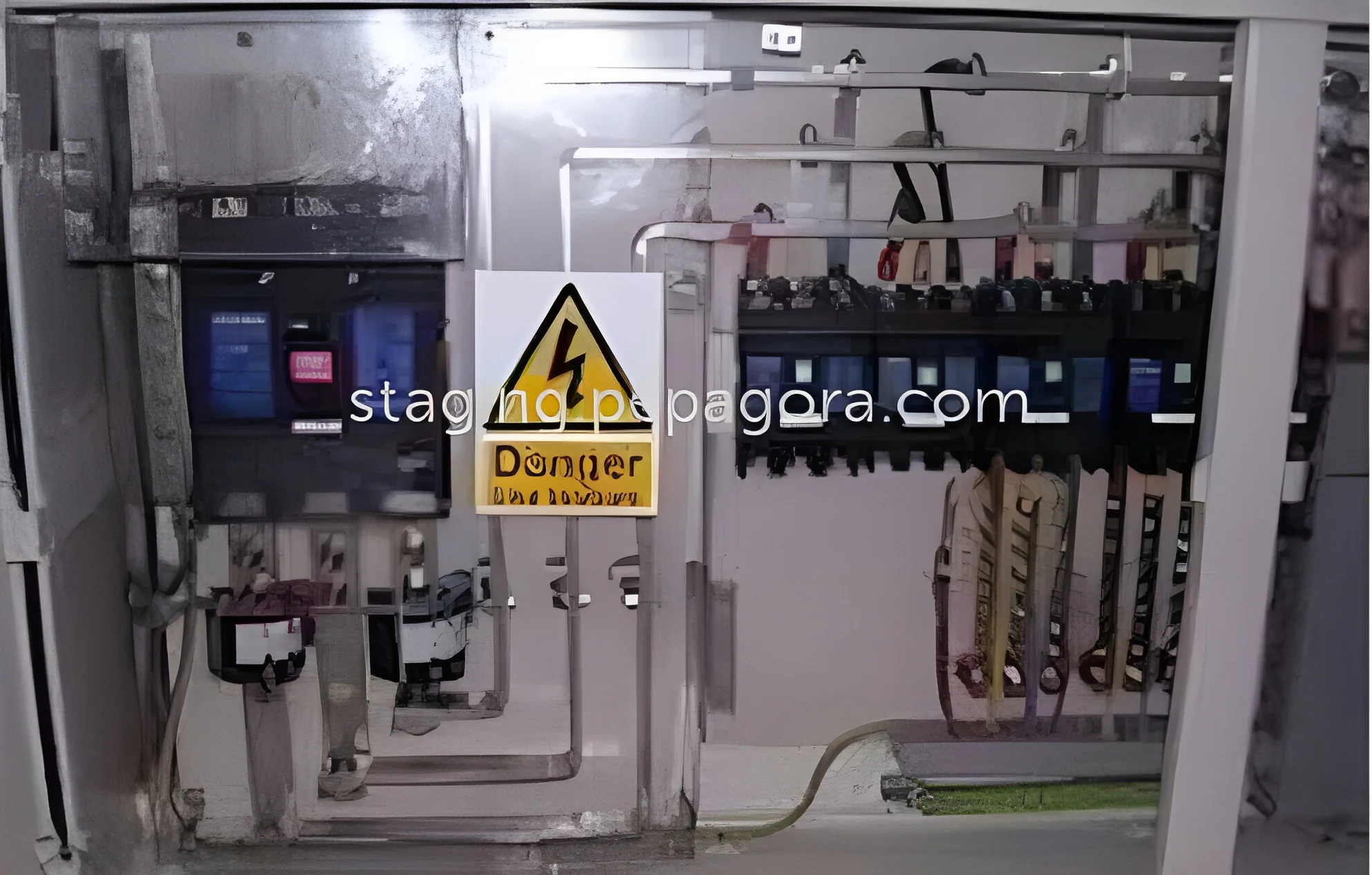
- Includes overcurrent protection, surge protection, and emergency shut-off capabilities.
In summary, understanding the key features and specifications of electrical control panels can aid businesses in selecting the right product for their applications, ensuring safety and efficiency.
Common Applications and Use Cases
Electrical control panels find applications across various industries due to their versatility and reliability.
1. Manufacturing: Control panels are essential in manufacturing settings for managing machinery operations, ensuring precise control over production processes.
2. HVAC Systems: These panels regulate heating, ventilation, and air conditioning systems, providing efficient climate control in commercial buildings.
3. Water Treatment: Control panels manage the operation of pumps, valves, and sensors in water treatment facilities, ensuring safe and efficient water processing.
4. Oil and Gas: In this sector, control panels are used to monitor and control various equipment, enhancing safety and operational efficiency.
5. Renewable Energy: Electrical control panels manage the distribution of power in solar and wind energy systems, optimizing energy production and consumption.
6. Transportation: Control panels are utilized in railway systems and traffic management, overseeing operations and ensuring safety.
7. Mining: In mining operations, these panels control machinery and equipment, improving safety and productivity in harsh environments.
Product Variants and Subcategories
Electrical control panels come in various types to address specific needs within different industries.
Industrial Control Panels
These panels are built to handle high voltage and current, designed for robust environments. They are commonly used in manufacturing and heavy machinery applications.
Smart Control Panels
Equipped with advanced monitoring features, smart control panels allow for remote access and control. They are ideal for applications requiring real-time data and management.
Modular Control Panels
These panels offer flexibility as they can be expanded or modified based on changing requirements. They are suitable for applications where future growth is anticipated.
Custom Control Panels
Designed to meet specific client needs, custom panels can integrate unique features and specifications. They are often used in specialized applications across various industries.
Benefits and Advantages
Investing in electrical control panels offers numerous advantages for businesses.
1. Enhanced Safety: These panels provide critical safety features that protect operators and equipment from electrical hazards.
2. Improved Efficiency: By automating processes and ensuring precise control, businesses can achieve greater efficiency in their operations.
3. Customization: Many panels can be tailored to meet specific operational needs, providing flexibility in functionality.
4. Monitoring Capabilities: Advanced panels offer monitoring features that allow for real-time data analysis and system management.
5. Cost-Effectiveness: Properly implemented control panels can lead to reduced operational costs through increased efficiency and reduced downtime.
6. Compliance Assurance: Electrical control panels can be designed to meet industry regulations and standards, ensuring compliance and safety.
Buying Guide for B2B Buyers
When sourcing electrical control panels, it is essential for B2B buyers to consider several factors to ensure they select the right product.
1. Quality Assessment: Evaluate the materials and construction of the panels to ensure durability and reliability. Look for panels that meet industry standards for quality.
2. Supplier Verification: Vet potential suppliers by checking their certifications, customer reviews, and track records. This helps ensure you are working with a reputable provider.
3. Pricing and MOQ: Understand the pricing structure and minimum order quantities. Compare quotes from different suppliers to find the best deal that meets your budget.
4. Delivery and Lead Times: Inquire about the expected lead times for delivery. Timely delivery is crucial for project planning and execution.
5. Compliance Requirements: Verify that the panels comply with relevant regulations and industry standards. This is essential for maintaining safety and operational efficiency.
Compliance and Certifications
Compliance with relevant standards and certifications is critical for electrical control panels.
Quality standards such as ISO 9001 ensure that manufacturing processes meet high-quality benchmarks. This is essential for reliability and performance.
Industry certifications, such as CE marking, indicate that the products adhere to European safety and environmental requirements, enhancing marketability and customer trust.
Safety and testing requirements play a vital role in the manufacturing of control panels. They must undergo rigorous testing to ensure they can operate safely under specified conditions.
Regional compliance considerations may vary based on local regulations. It is important to be aware of these requirements to ensure that the control panels are suitable for the intended market.
Why Source Electrical Control Panels from Pepagora?
Pepagora provides a trusted platform for sourcing electrical control panels with several key advantages.
Verified Supplier Network: Pepagora connects buyers with a network of verified suppliers, ensuring that you are sourcing from trusted manufacturers known for their quality products.
Streamlined RFQ Process: The platform offers a simplified request for quotation system, allowing buyers to easily communicate their needs and receive competitive quotes from multiple suppliers.
Trade Assurance and Support: Pepagora provides trade assurance, ensuring buyer protection throughout the purchasing process. This gives buyers confidence in their transactions.
Regional Coverage: With a strong presence in India, the GCC, and Southeast Asia, Pepagora offers extensive regional coverage, making it easier for businesses to find suitable suppliers in their specific markets.

 IN
IN