
 IN
INHT & LT Panels
16 products available
What are HT & LT Panels?
Key Features and Specifications
Common Applications and Use Cases
Product Variants and Subcategories
Benefits and Advantages
Buying Guide for B2B Buyers
Compliance and Certifications
Why Source HT & LT Panels from Pepagora?




Frequently Asked Questions
What are HT & LT Panels?
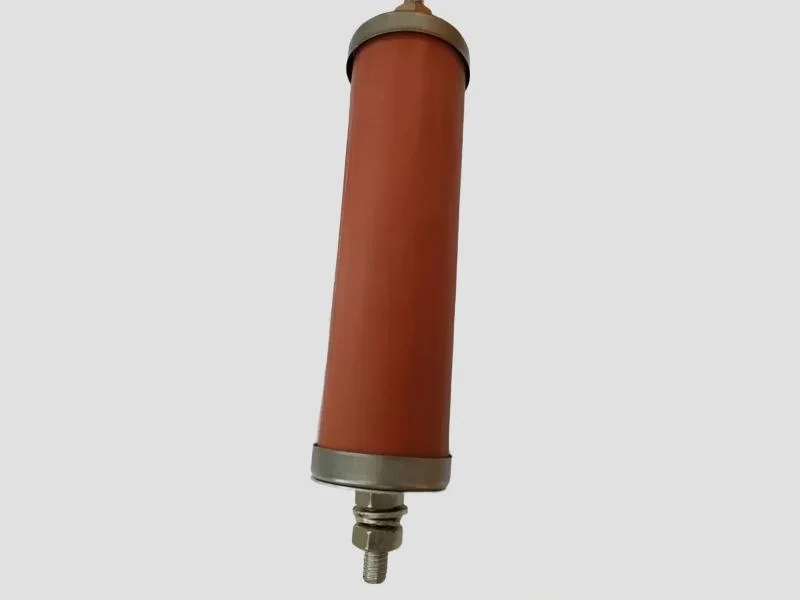
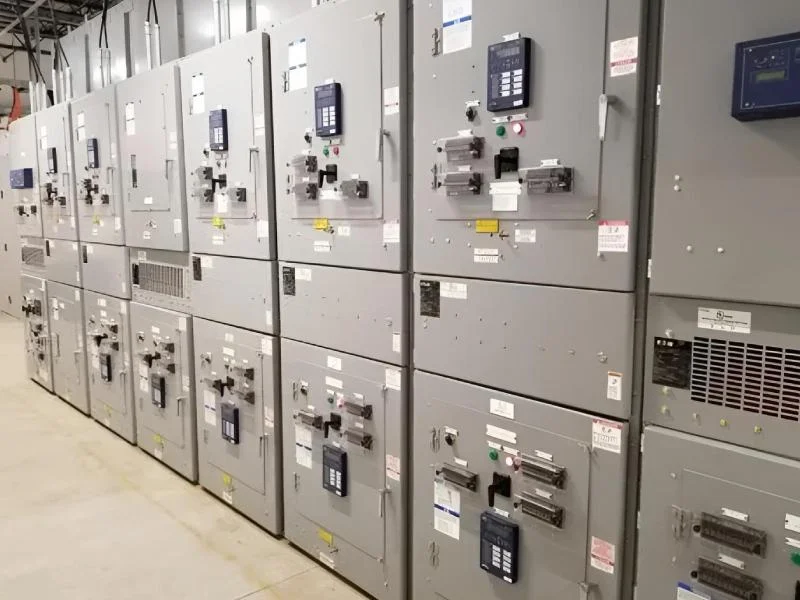
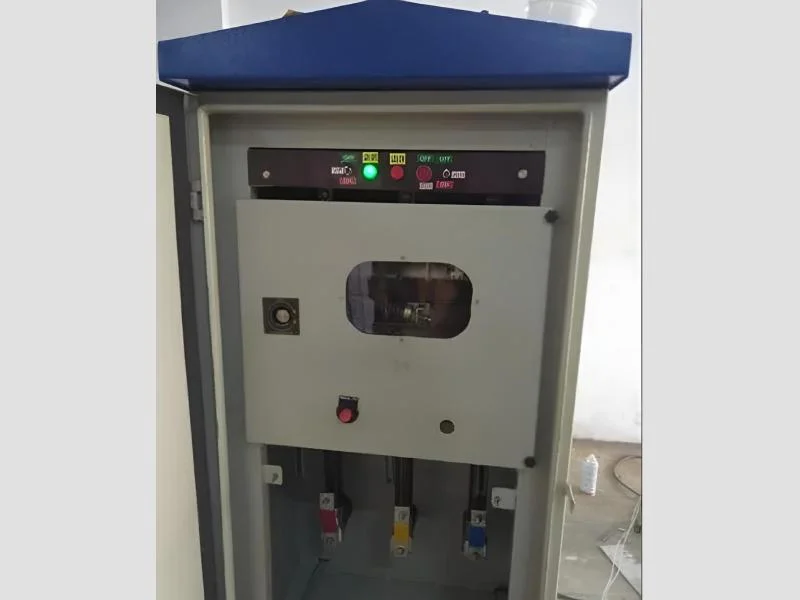
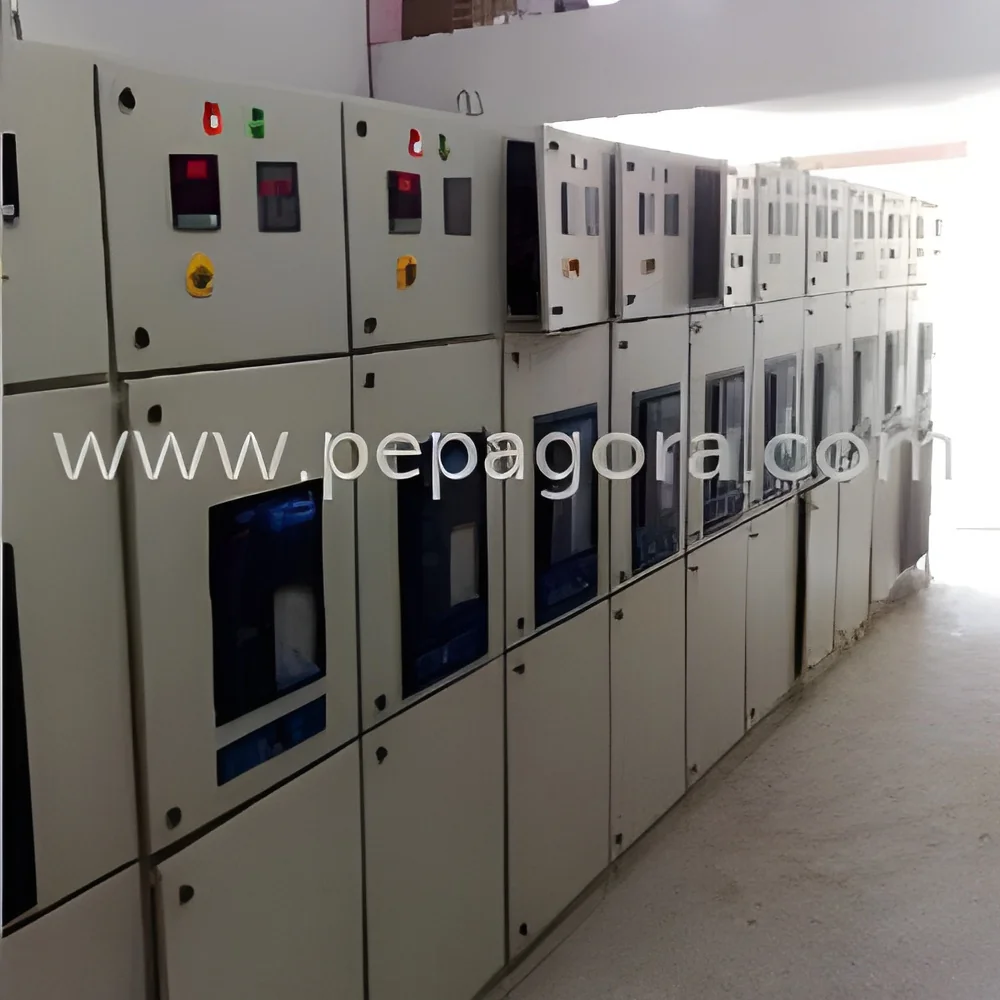
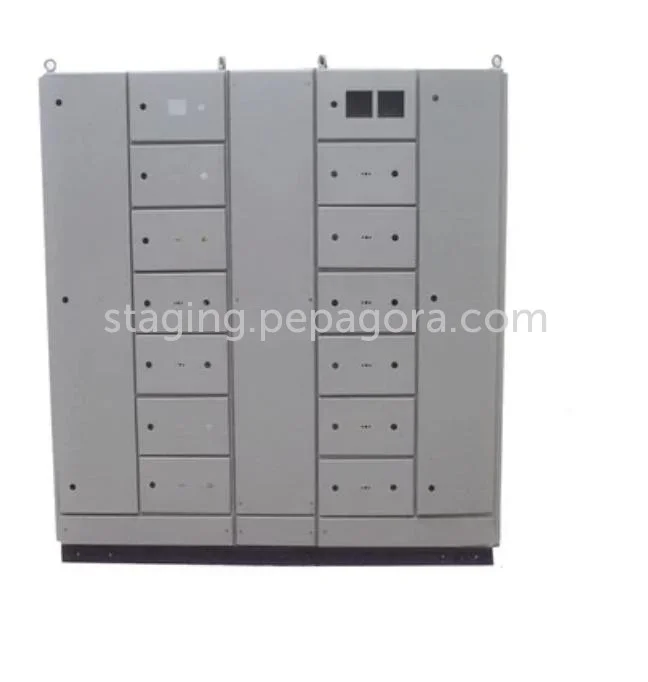
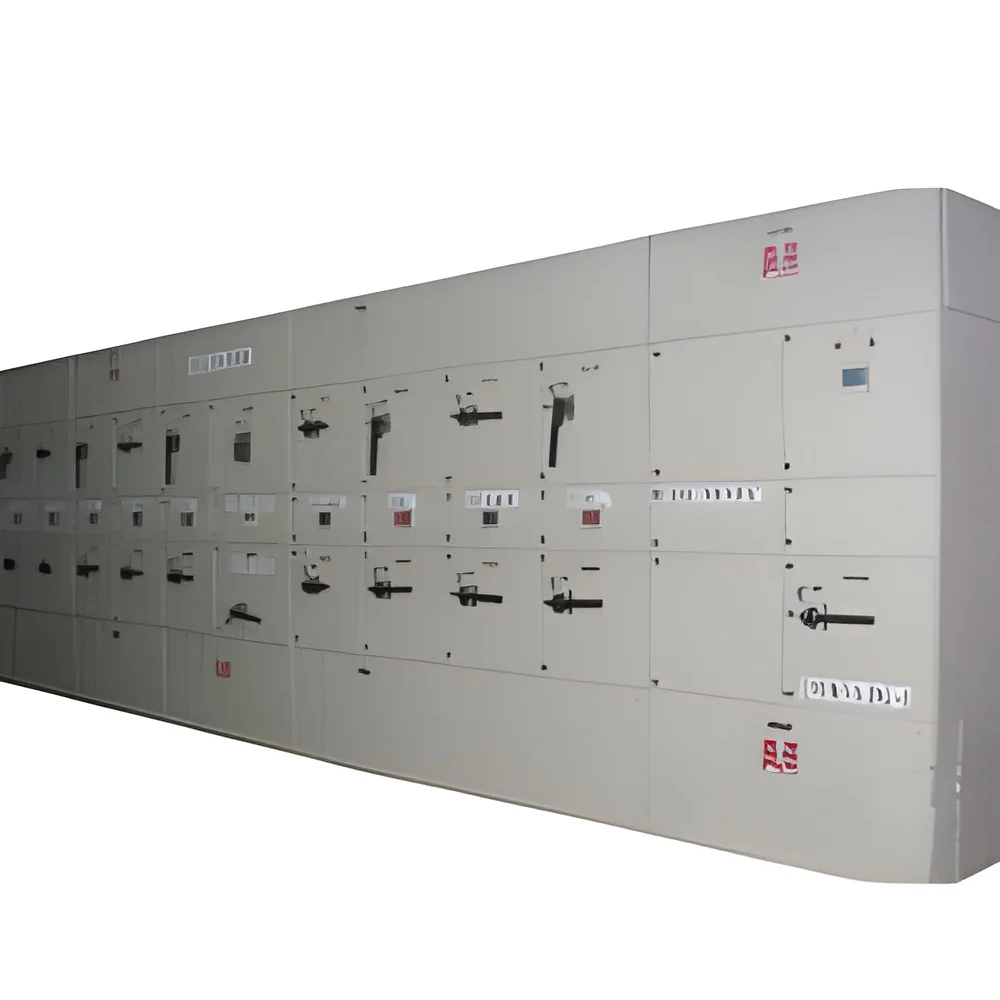
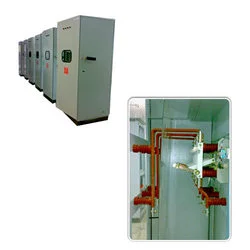
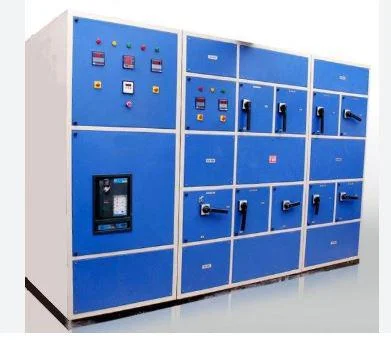
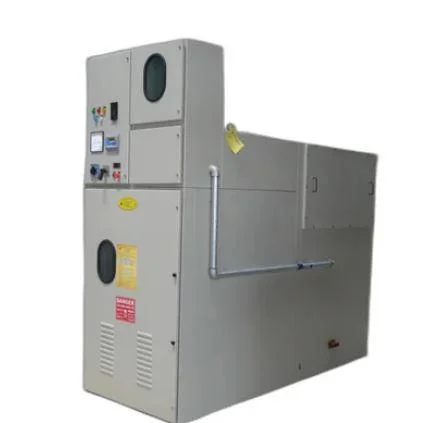
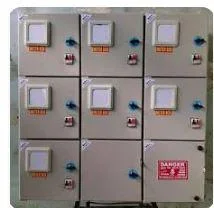
HT (High Tension) and LT (Low Tension) panels are essential electrical distribution systems used to manage and control the flow of electricity in various applications. HT panels operate at high voltage levels, typically above 33 kV, while LT panels function at lower voltages, generally below 1 kV. These panels provide safety, reliability, and control in electrical installations.
What are the different types of HT & LT Panels?
HT & LT Panels can be classified into several types based on their applications and configurations. Common types include distribution panels, motor control centers (MCCs), and switchgear panels for HT applications. LT panels can include feeder panels, sub-distribution boards, and lighting panels.
How do I choose the right HT & LT Panels?
Selecting the right HT & LT Panels involves considering factors such as voltage requirements, load capacity, and specific application needs. It is important to assess the electrical system's specifications and consult with a professional to ensure compliance with safety standards. Additionally, consider the panel's features like ease of maintenance and availability of spare parts.
What are the standard specifications for HT & LT Panels?
Standard specifications for HT & LT Panels include voltage ratings, current ratings, short circuit withstand capacity, and insulation levels. HT panels typically comply with IEC 62271 standards, while LT panels follow IEC 61439 standards. Other specifications may include the type of materials used, protection class, and operational temperature ranges.
What is the price range for HT & LT Panels?
The price range for HT & LT Panels can vary widely depending on factors such as specifications, manufacturer, and customizations. Generally, LT panels may start from a few thousand rupees, while HT panels can range from several lakhs to crores, depending on the complexity and features. It is advisable to compare quotes from different suppliers for accurate pricing.
What quality standards apply to HT & LT Panels?
HT & LT Panels must adhere to various quality standards to ensure safety and reliability. Common standards include IS (Indian Standards), IEC (International Electrotechnical Commission), and ASTM (American Society for Testing and Materials) specifications. Manufacturers should provide certifications that demonstrate compliance with these standards.
Where can I find HT & LT Panels suppliers in India?
HT & LT Panels suppliers in India can be found through various online B2B marketplaces, industry directories, and trade shows. Websites like Pepagora.com list numerous manufacturers and suppliers, allowing buyers to compare products and prices. Additionally, networking within industry associations can help locate reputable suppliers.
Can HT & LT Panels be customized?
Yes, HT & LT Panels can often be customized to meet specific requirements of a project. Customization options may include size, configuration, components, and additional features like monitoring systems. It is advisable to discuss customization needs with the manufacturer to ensure compatibility and adherence to safety standards.
What is the typical minimum order quantity for HT & LT Panels?
The minimum order quantity (MOQ) for HT & LT Panels varies by manufacturer and the type of panel being ordered. Generally, standard LT panels may have a lower MOQ, while custom HT panels may require larger orders. It is recommended to check with the supplier for their specific MOQ policies.
What is the typical lead time for HT & LT Panels?
The typical lead time for HT & LT Panels can range from a few weeks to several months, depending on factors such as the complexity of the order and the manufacturer's production capacity. Custom orders may take longer than standard ones. It's advisable to confirm the lead time with the supplier during the ordering process.
Why Businesses Trust Pepagora
Thousands of companies trust Pepagora to source smarter and sell faster
Expand Your Sales Globally

Source Smarter,Grow Faster
