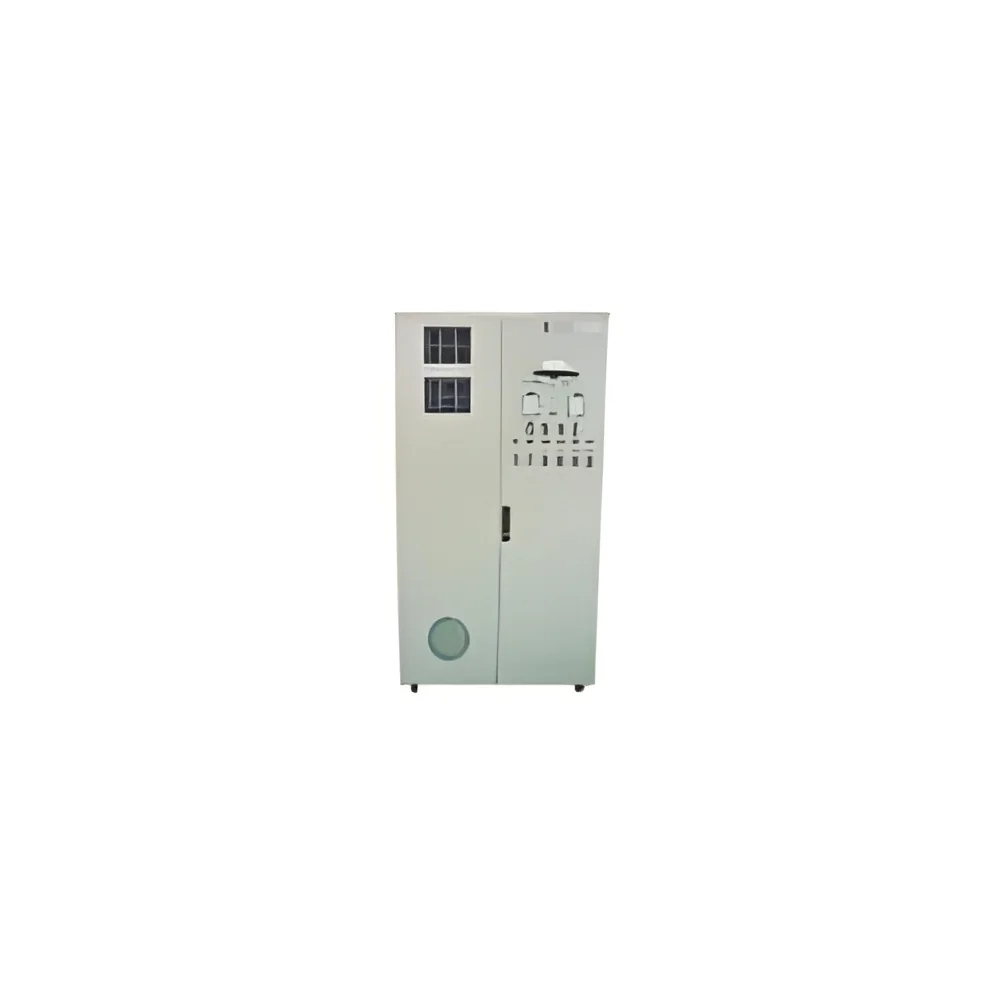
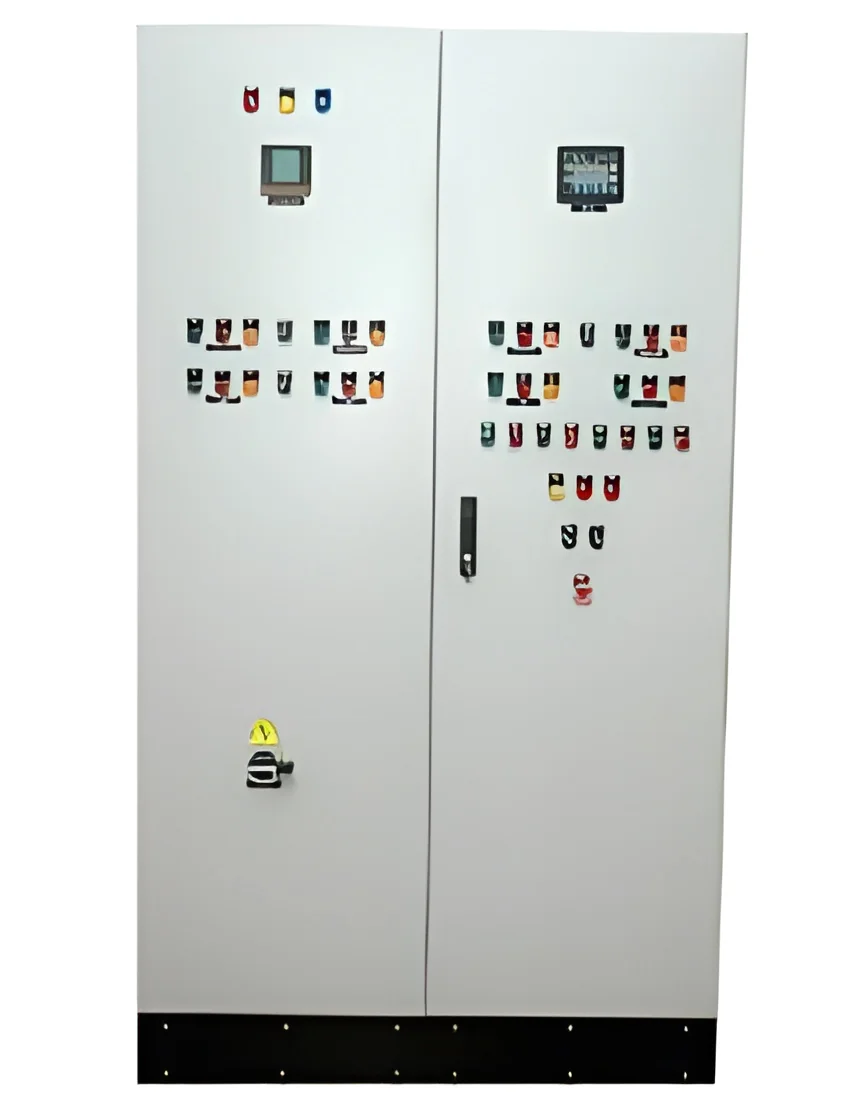
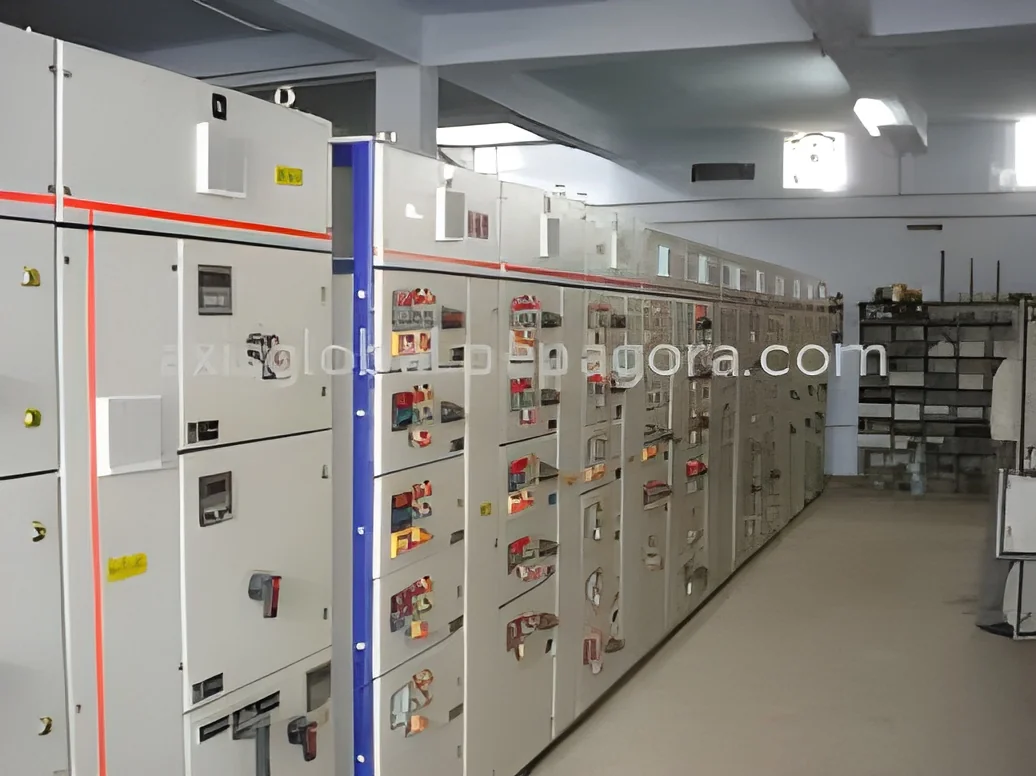
What are PLC Control Panels?
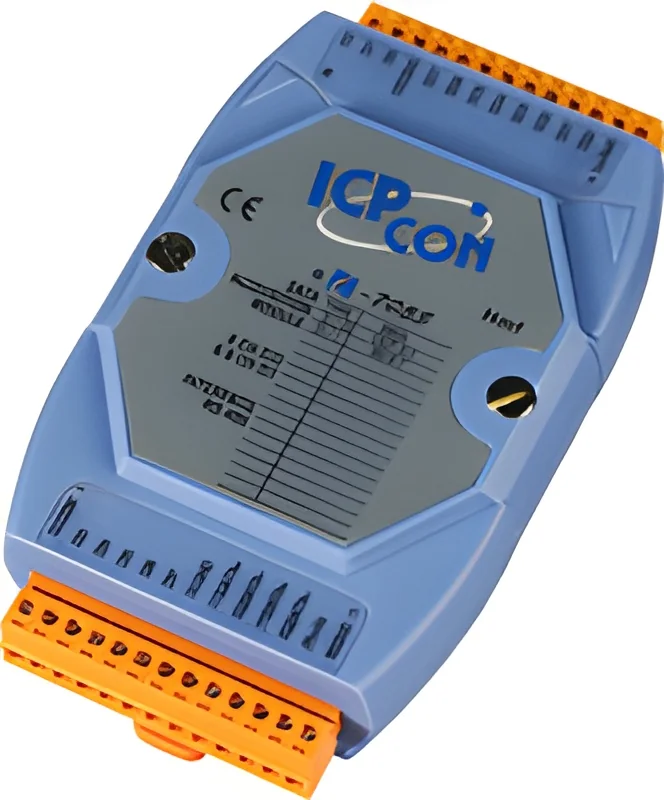
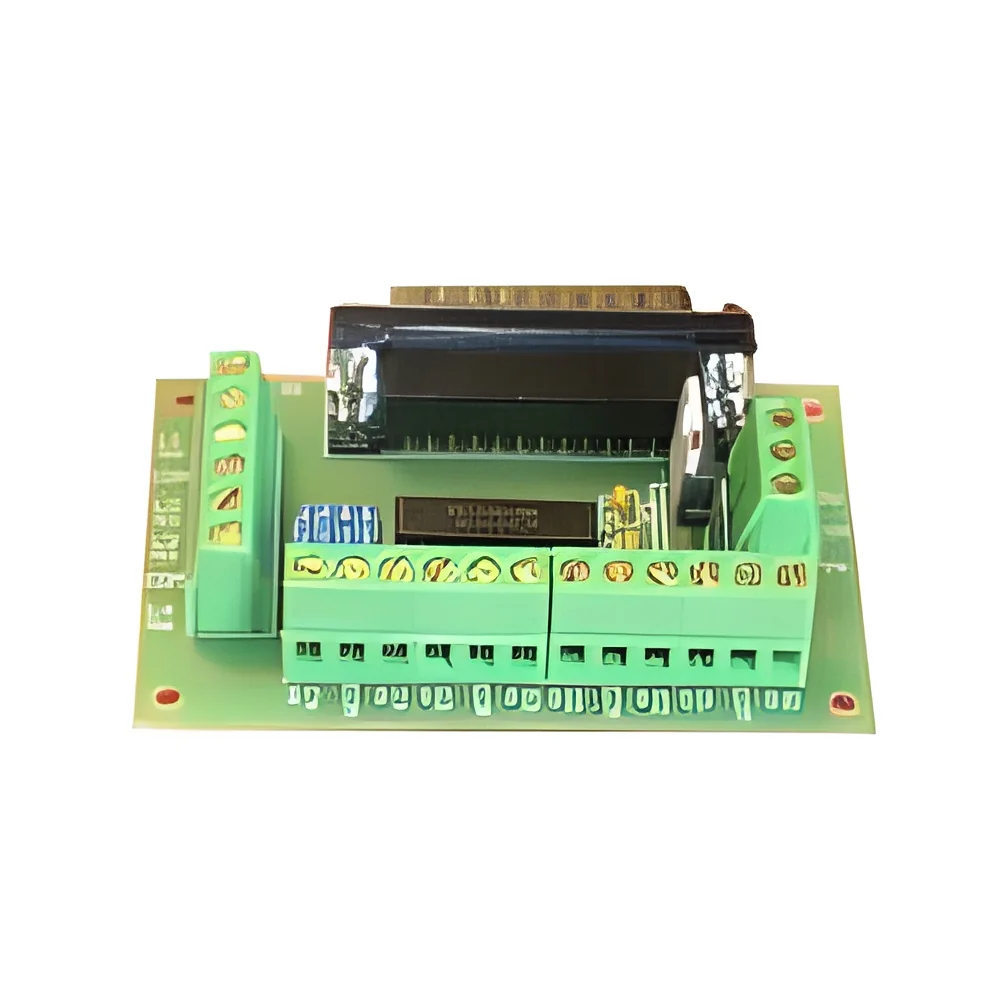
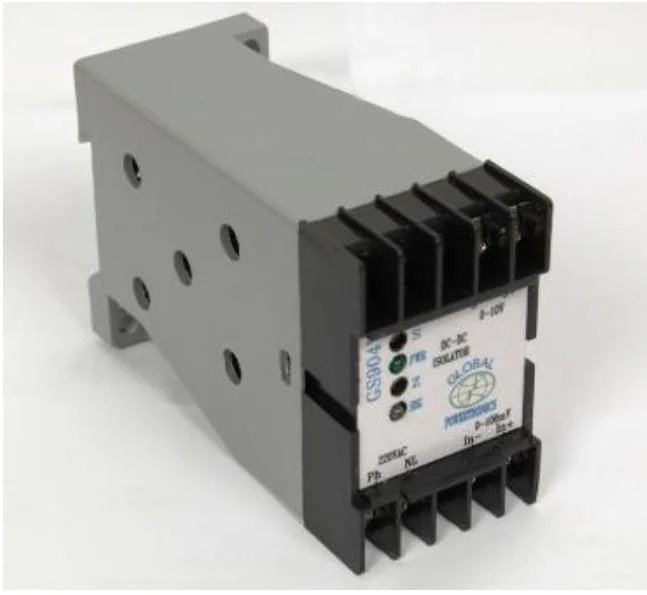
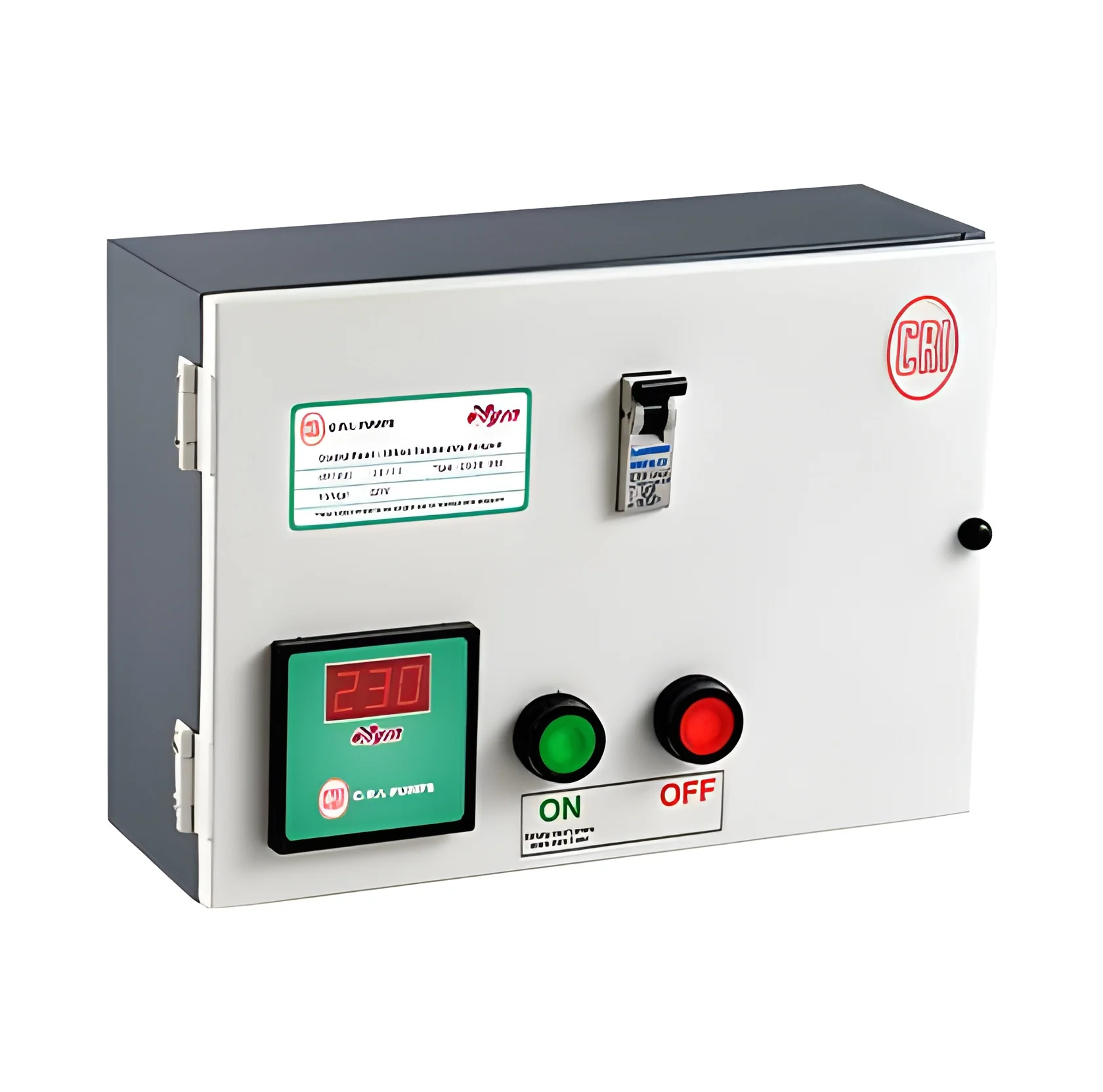
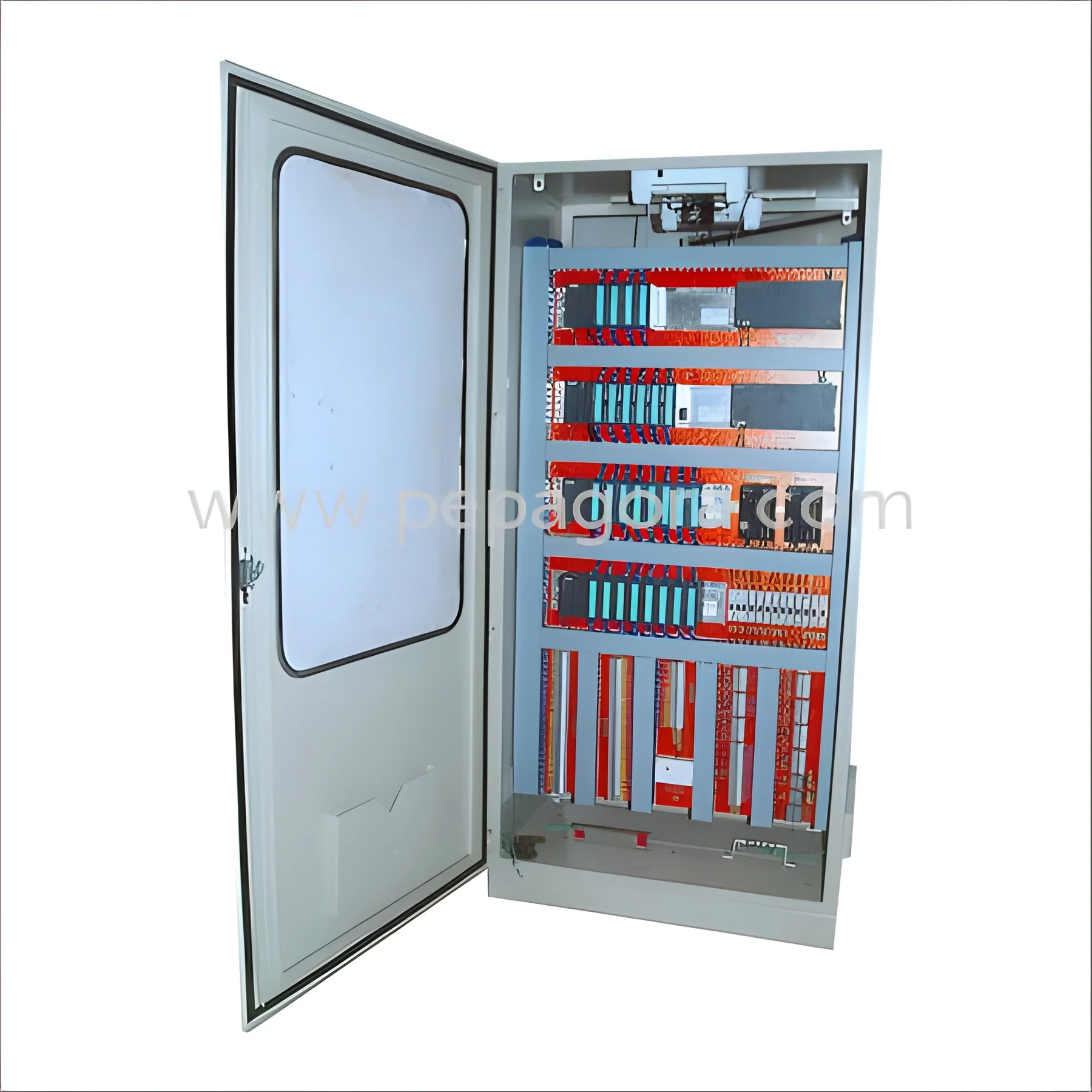
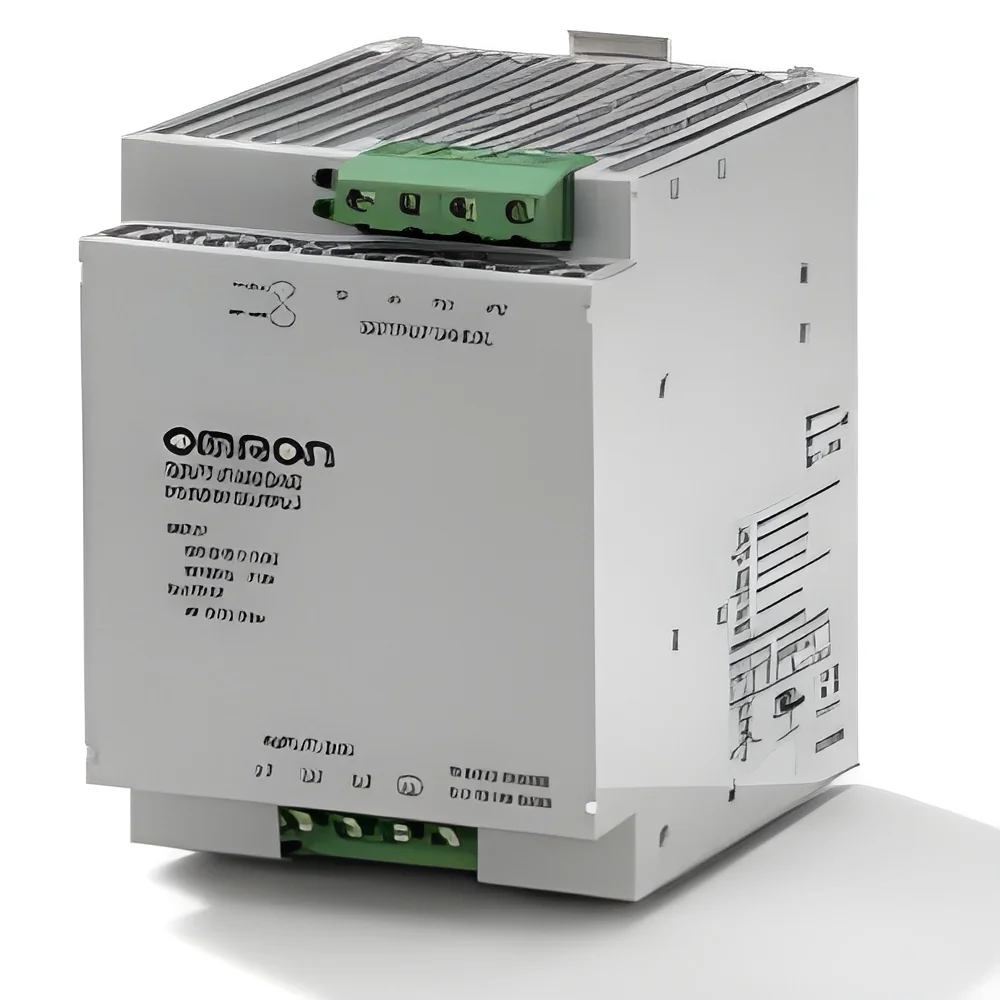
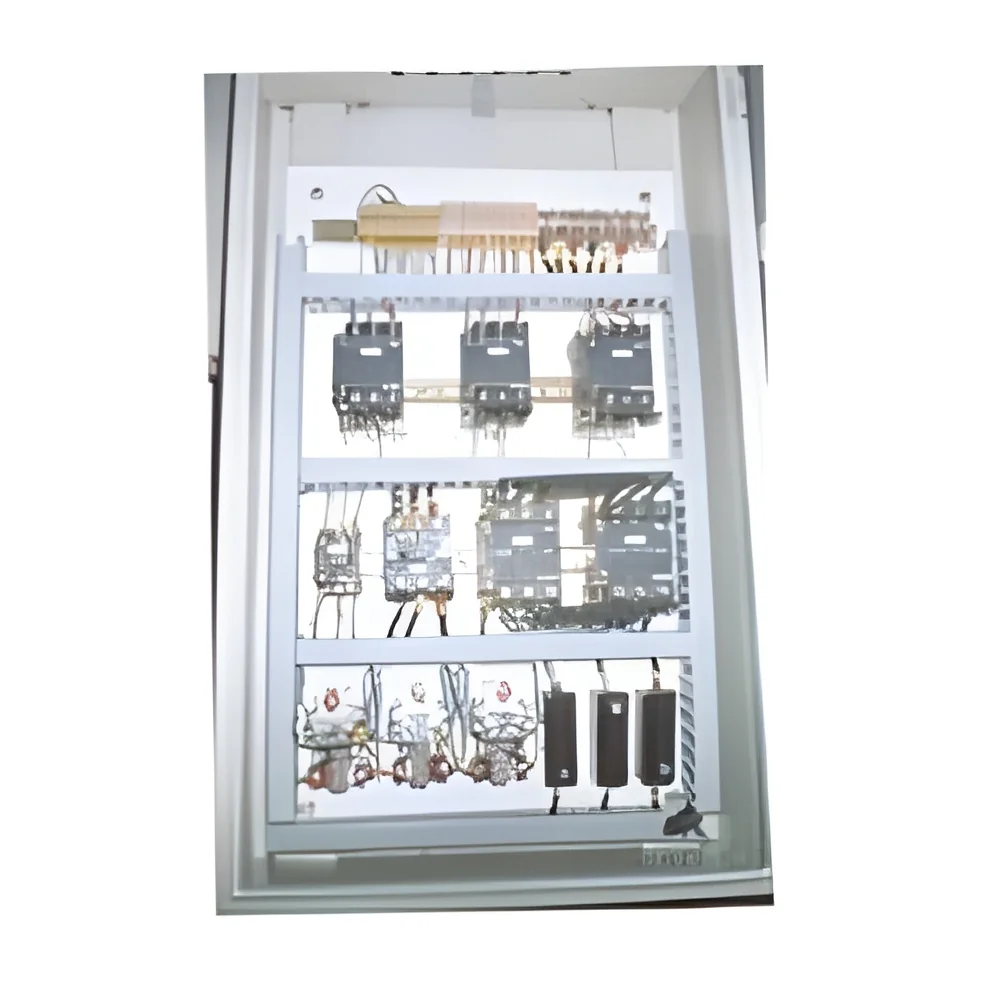
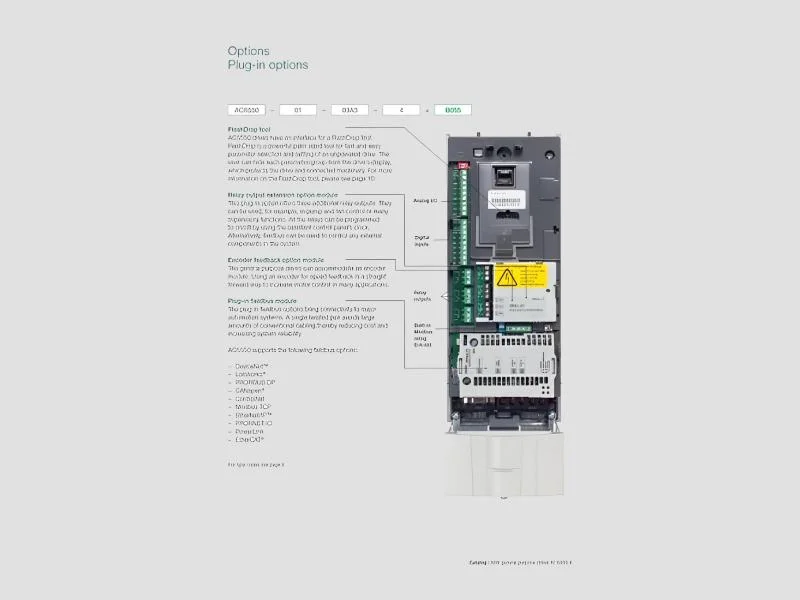
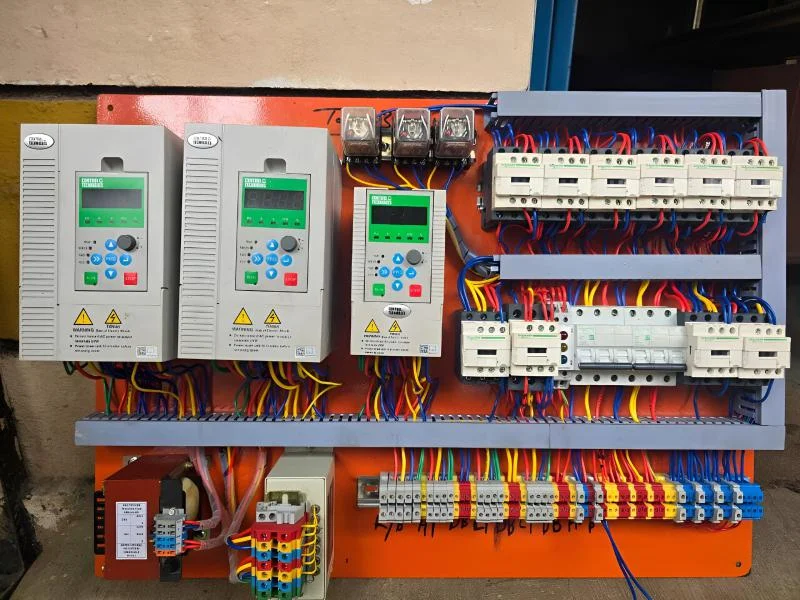
PLC Control Panels, or Programmable Logic Controller Control Panels, are essential components in industrial automation systems. They serve as the central hub for controlling machinery and equipment in various manufacturing processes. PLCs are designed to execute a predetermined set of instructions, allowing for automation of tasks that would otherwise require manual intervention. The panels house not only the PLC itself but also other crucial elements like power supplies, communication interfaces, and input-output devices.
These control panels find primary applications in a wide range of industries, including manufacturing, oil and gas, water treatment, and food processing. They enable businesses to enhance operational efficiency, improve safety, and achieve precise control over complex machinery. As industries increasingly adopt automation technologies, the relevance of PLC Control Panels continues to grow, driving demand for reliable and efficient solutions in the market.
Key Features and Specifications
PLC Control Panels are equipped with a variety of features and specifications that enhance their functionality and reliability. Understanding these specifications is crucial for businesses looking to invest in the right automation solutions.
Key specifications include:
1. Input/Output Capacity
- The number of input and output points the PLC can handle.
- Typically ranges from a few dozen to several thousand points.
2. Communication Protocols
- The types of communication methods supported, such as Modbus, Profibus, or Ethernet/IP.
- Ensures compatibility with existing systems and devices.
3. Power Supply Requirements
- Voltage and current specifications necessary for operation.
- Commonly available in 24V DC, 120V AC, and 240V AC options.
4. Operating Temperature Range
- The temperature conditions under which the PLC can operate effectively.
- Generally ranges from -20°C to 60°C.
5. Enclosure Rating
- The degree of protection against dust and moisture.
- Common ratings include IP54 and IP66.
6. Programming Software Compatibility
- The software tools used for programming and configuring the PLC.
- Often compatible with various programming languages such as Ladder Logic or Structured Text.
7. Memory Capacity
- The amount of memory available for storing programs and data.
- Ranges from a few kilobytes to several megabytes.
8. Safety Features
- Built-in safety mechanisms to prevent damage and ensure safe operation.
- May include emergency stops and fault detection systems.
In summary, understanding these key features and specifications is vital for businesses to select the appropriate PLC Control Panels that meet their operational needs and industry standards.
Common Applications and Use Cases
PLC Control Panels serve various industries with diverse applications. Their versatility makes them a preferred choice for many automation tasks.
1. Manufacturing: PLCs are widely used to control assembly lines, robotics, and material handling systems, ensuring efficient production processes.
2. Oil and Gas: In this sector, PLCs monitor and control drilling operations, pipeline management, and refinery processes to enhance safety and efficiency.
3. Water Treatment: PLC Control Panels regulate water quality and flow in treatment facilities, automating processes like filtration and chemical dosing.
4. Food Processing: These panels manage machinery for packaging, cooking, and quality control, ensuring compliance with safety standards.
5. Automotive: PLCs are integral in controlling various stages of vehicle production, from assembly to testing.
6. Pharmaceuticals: They enable precise control over production processes, ensuring compliance with regulatory requirements and maintaining product quality.
7. HVAC: PLCs regulate heating, ventilation, and air conditioning systems, optimizing energy use and maintaining comfort levels.
Product Variants and Subcategories
PLC Control Panels come in various configurations to meet specific needs across different applications. This diversity allows businesses to choose the right solution for their operational requirements.
Compact PLC Control Panels: These panels are designed for small spaces and low-capacity applications. They are ideal for simple automation tasks and can be easily integrated into existing systems.
Modular PLC Control Panels: Modular systems allow for scalability and customization. Users can add or remove components as needed, making them suitable for growing operations.
Distributed Control Systems: These panels manage processes across multiple locations. They are often used in large facilities where centralized control is not feasible.
Benefits and Advantages
Investing in PLC Control Panels offers multiple advantages that enhance operational efficiency and reliability.
1. Increased Efficiency: PLCs automate repetitive tasks, reducing human error and increasing speed in production processes.
2. Cost Savings: By optimizing operations and minimizing downtime, PLC Control Panels contribute to significant cost reductions over time.
3. Flexibility: PLCs can be easily reprogrammed for different tasks, allowing businesses to adapt to changing production needs.
4. Enhanced Safety: Built-in safety features help prevent accidents and ensure compliance with industry regulations.
5. Real-time Monitoring: PLCs provide real-time data on system performance, enabling quick decision-making and issue resolution.
6. Scalability: As operations grow, PLC Control Panels can be expanded or modified to accommodate increased demands.
Buying Guide for B2B Buyers
When sourcing PLC Control Panels, businesses should consider several important factors to ensure a successful purchase.
1. Quality Assessment: Evaluate the quality of the PLC and its components. Look for certifications and compliance with industry standards to ensure reliability.
2. Supplier Verification: Vet potential suppliers by checking their history, customer reviews, and references. A reputable supplier will provide reliable products and services.
3. Pricing and MOQ: Understand the pricing structure and minimum order quantities. Compare quotes from different suppliers to find the best value.
4. Delivery and Lead Times: Inquire about delivery schedules and lead times. Timely delivery is crucial for maintaining production schedules.
5. Compliance Requirements: Ensure that the products meet relevant regulatory standards for safety and performance. This is especially important in highly regulated industries.
Compliance and Certifications
Compliance with industry standards and certifications is critical for PLC Control Panels. Key quality standards include ISO 9001, which ensures effective quality management systems. Compliance with HACCP and GDP may also be required in food and pharmaceutical sectors.
The CE mark is another important certification, indicating that the panel meets European safety, health, and environmental protection standards. It is essential for products sold in European markets.
Additionally, safety and testing requirements must be adhered to, ensuring that the panels operate safely under various conditions. Regional compliance considerations may vary, so it is important for businesses to understand local regulations impacting the use of PLC Control Panels.
Why Source PLC Control Panels from Pepagora?
Pepagora provides a trusted platform for sourcing PLC Control Panels, offering several key advantages to businesses.
Verified Supplier Network: Pepagora features a network of verified suppliers, ensuring that buyers can source high-quality products with confidence. Each supplier is vetted for reliability and product standards.
Streamlined RFQ Process: The platform simplifies the request for quotation process, allowing businesses to easily compare options and make informed decisions without hassle.
Trade Assurance and Support: Pepagora offers buyer protection through trade assurance, ensuring that transactions are secure and that buyers receive what they pay for.
Regional Coverage: With a strong presence in India, GCC, and Southeast Asia, Pepagora can cater to a wide range of businesses, providing access to local and regional suppliers for PLC Control Panels.

 IN
IN