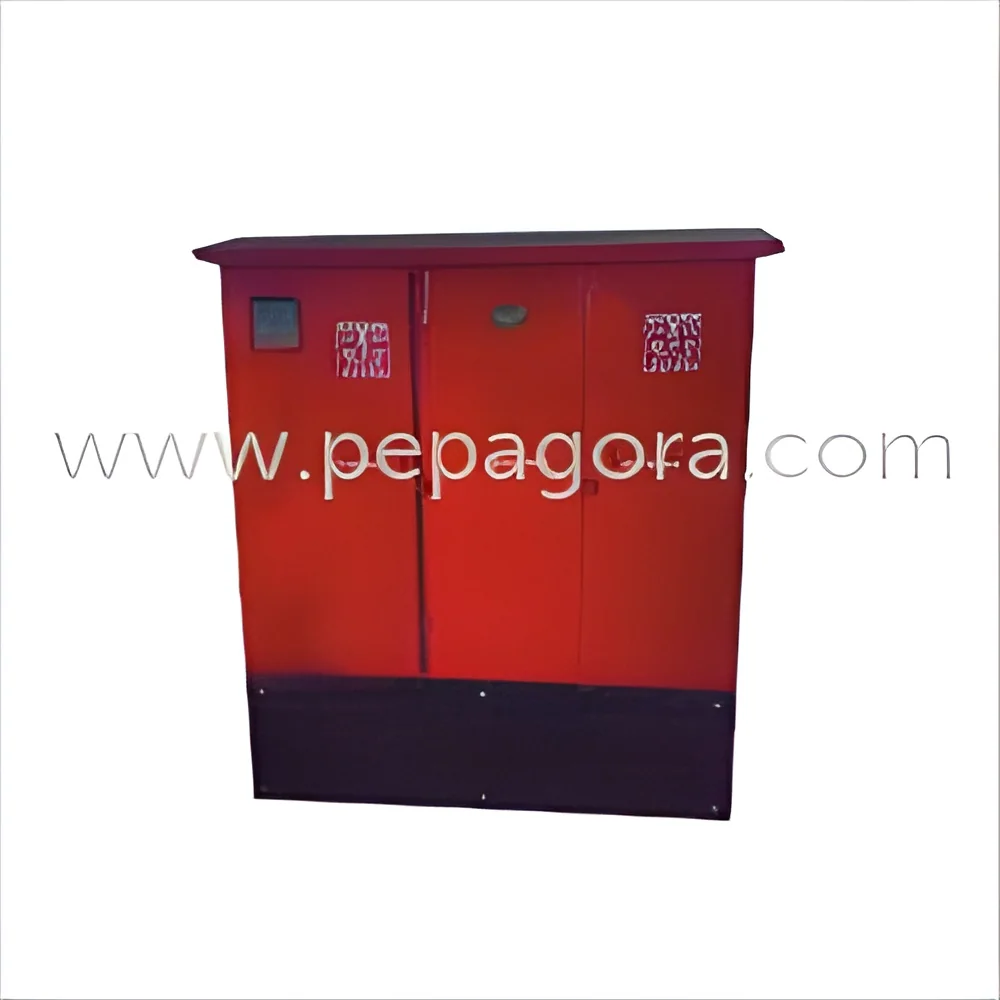
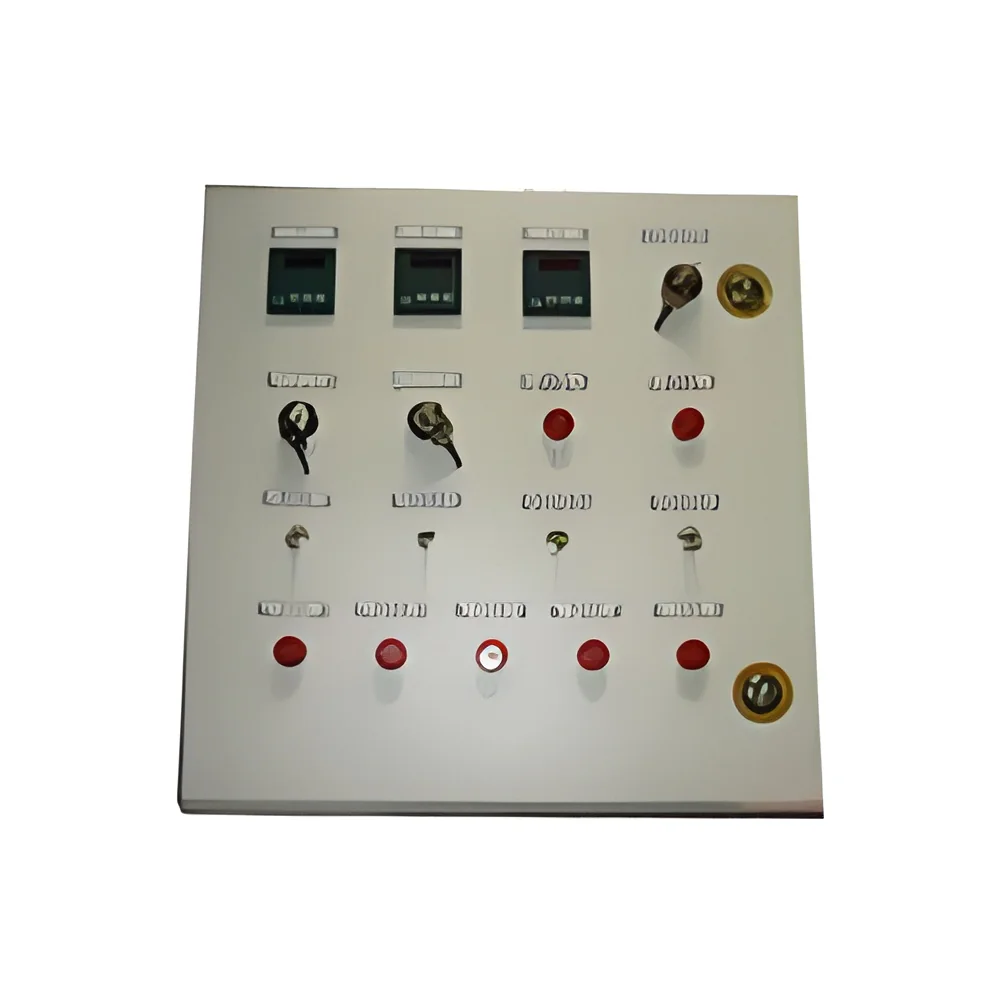
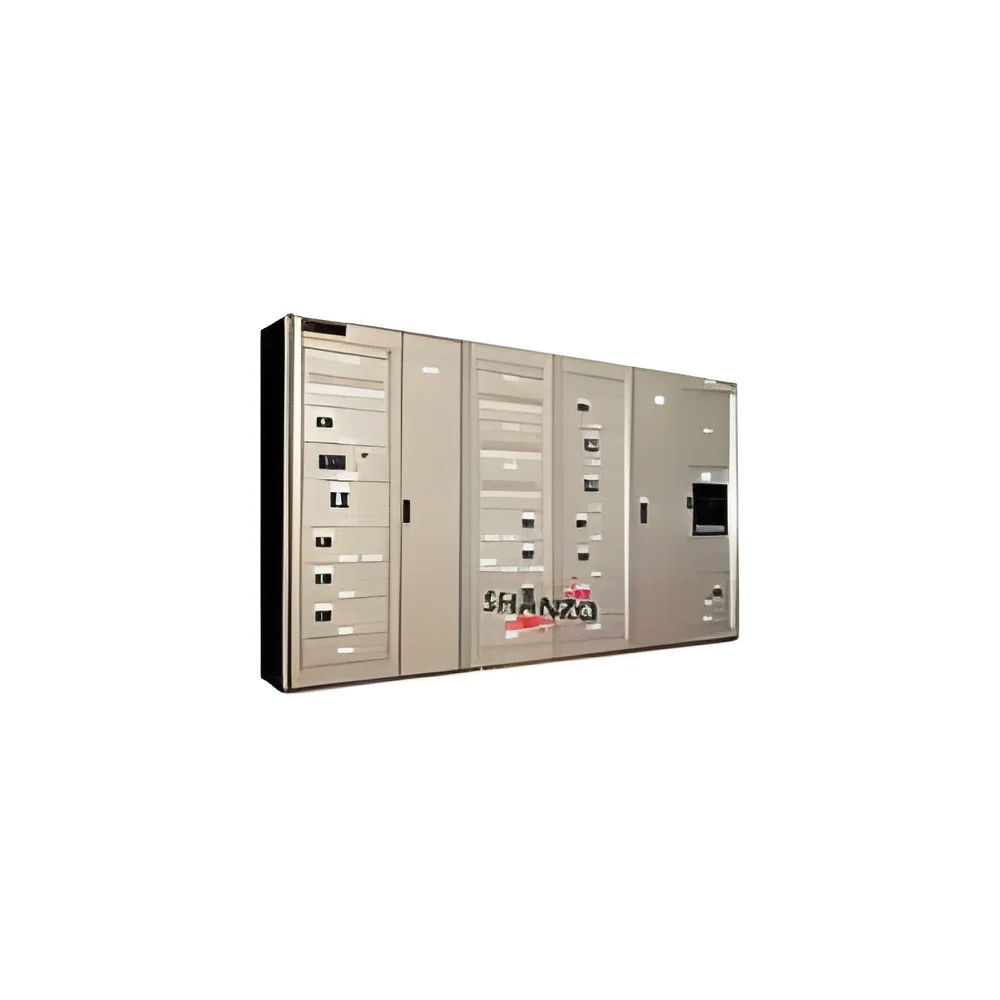
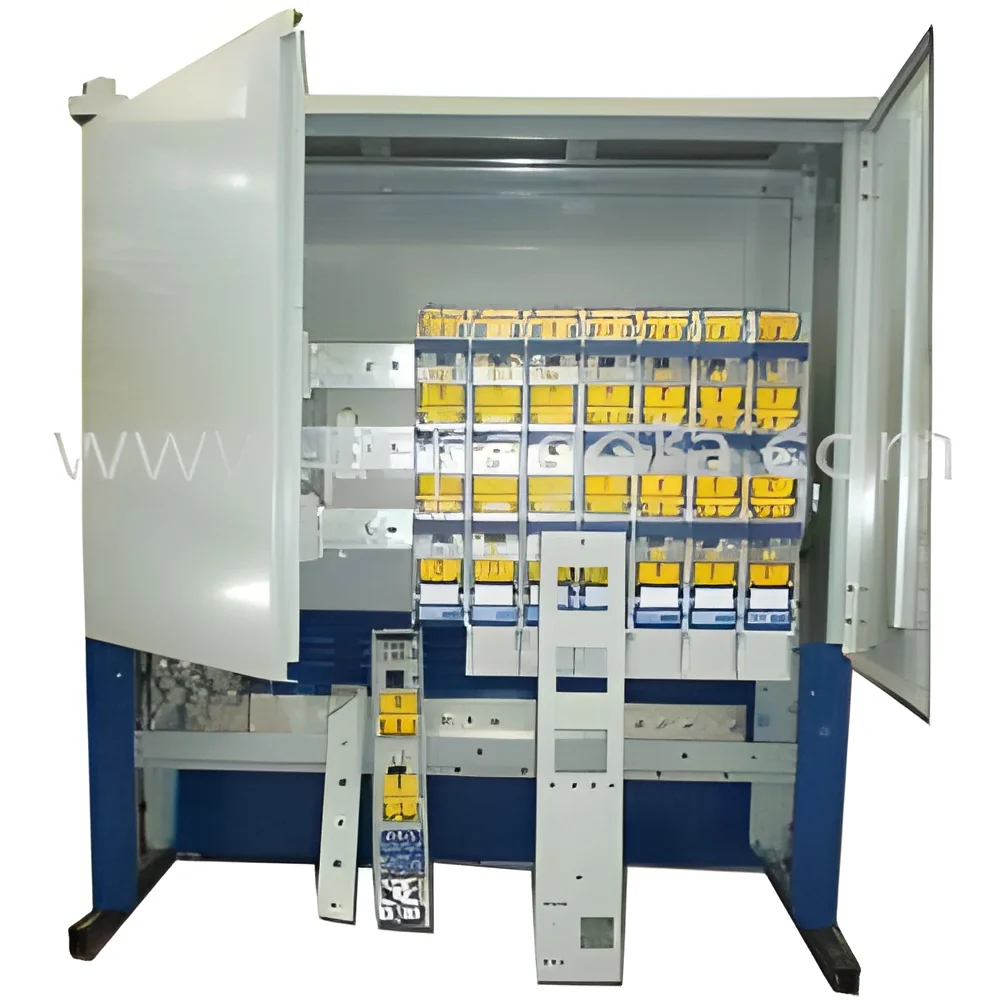
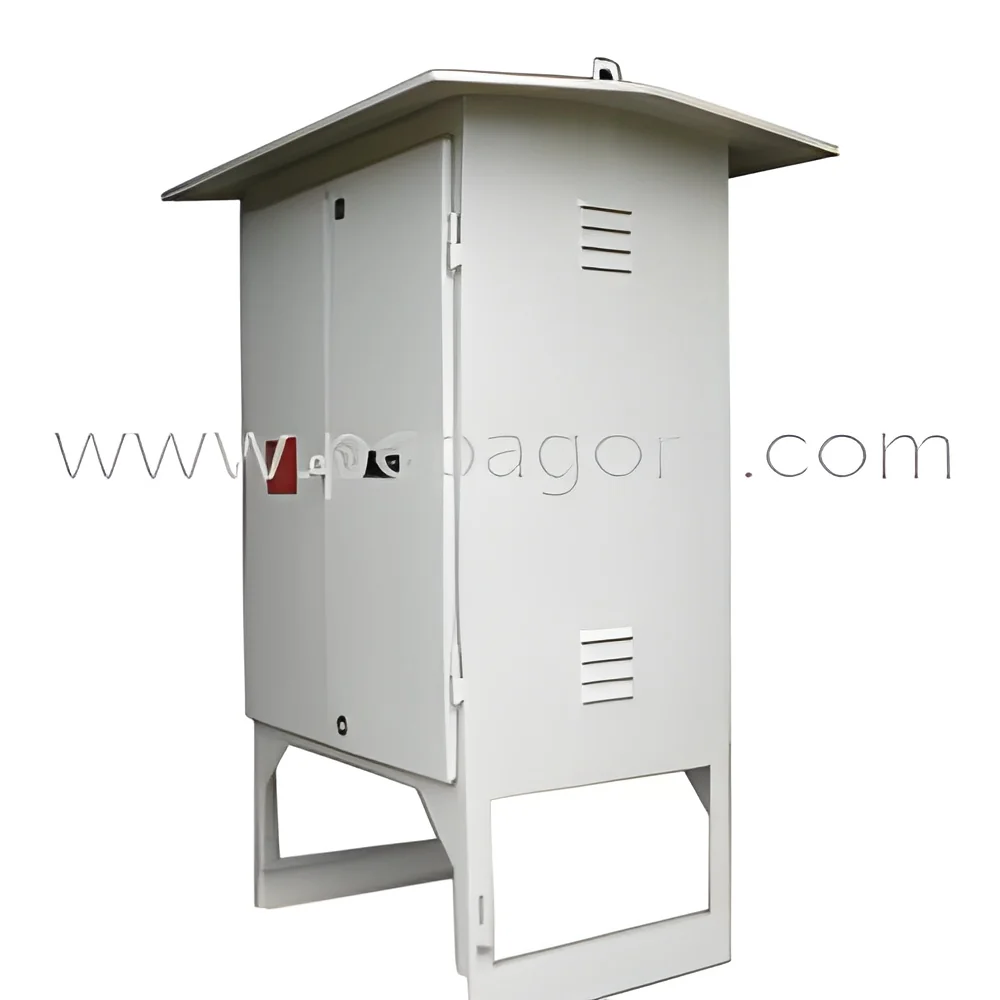
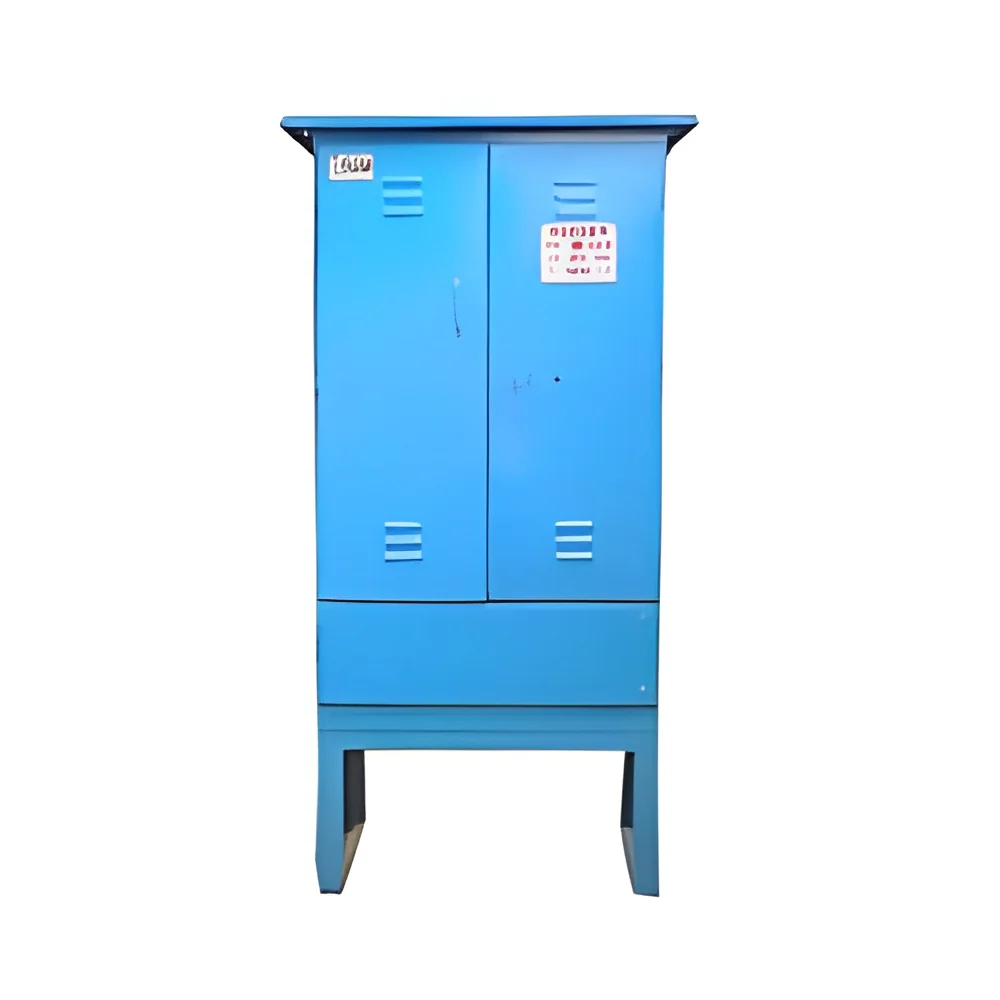
What are Feeder Pillars?
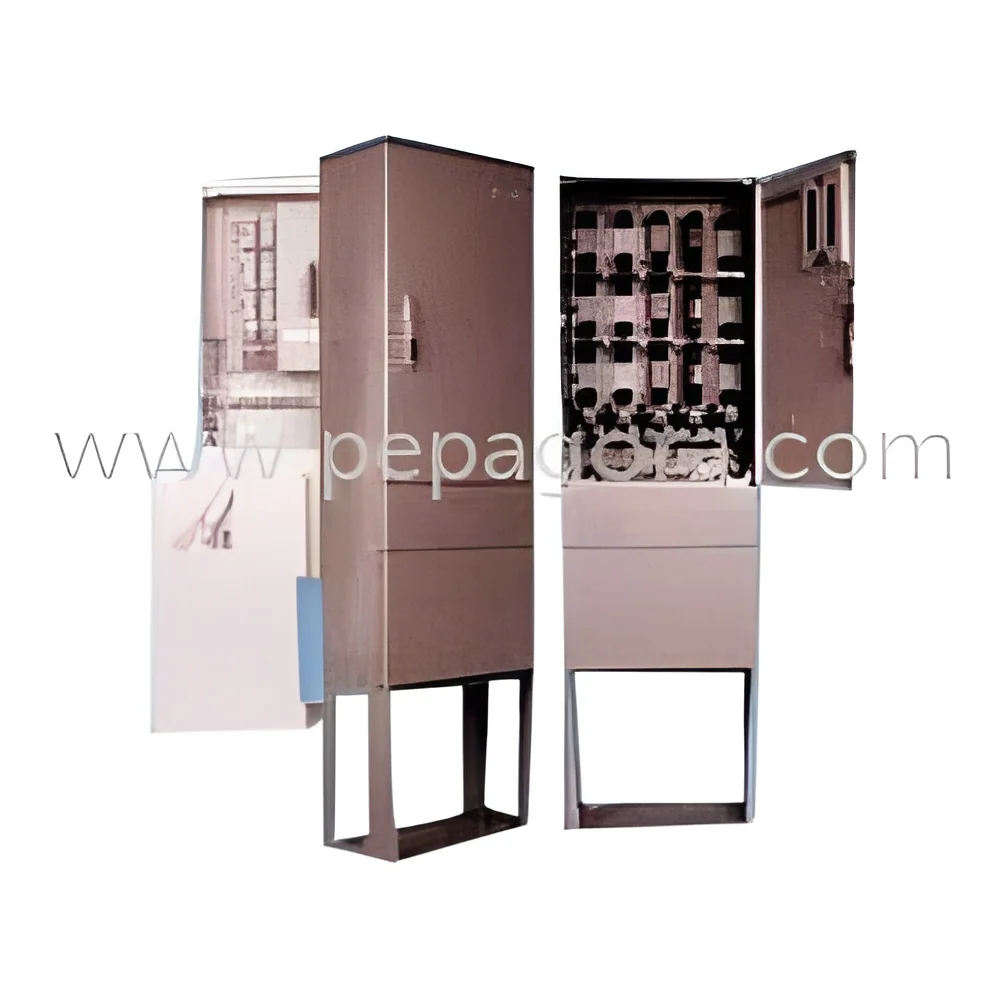
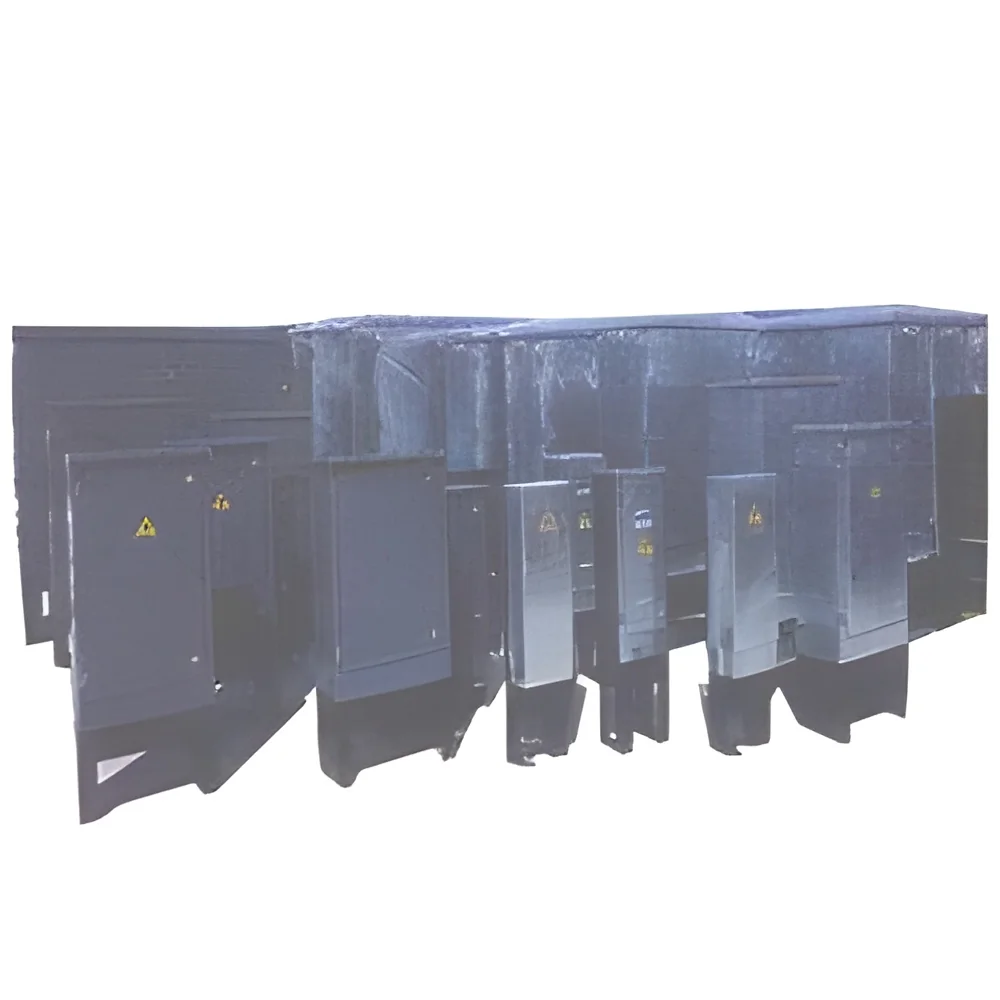
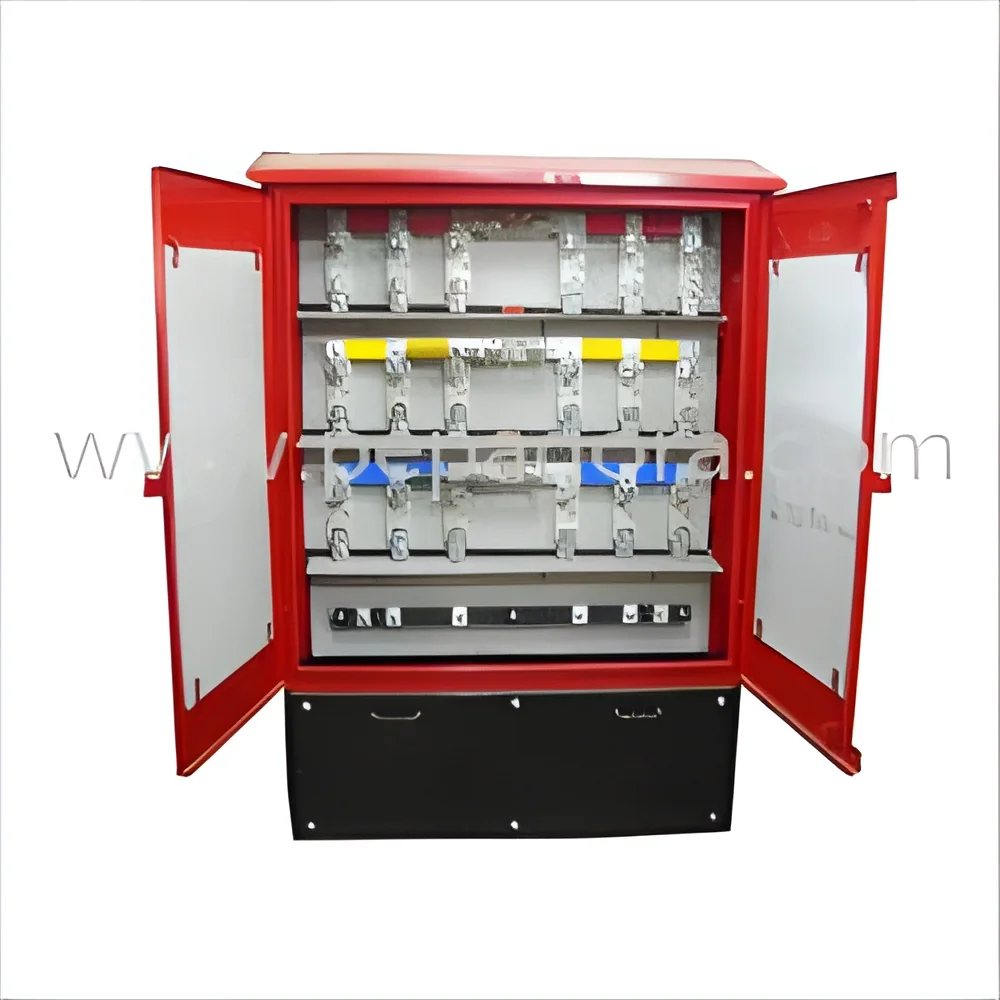
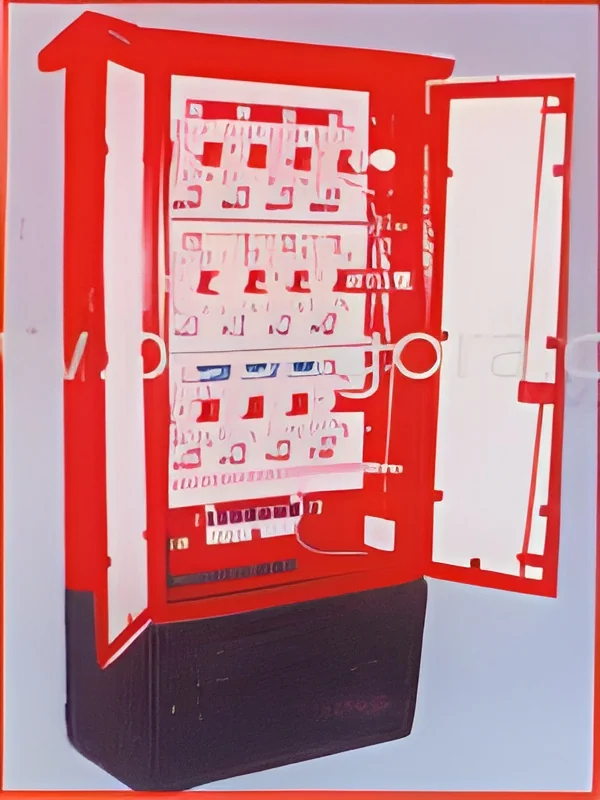
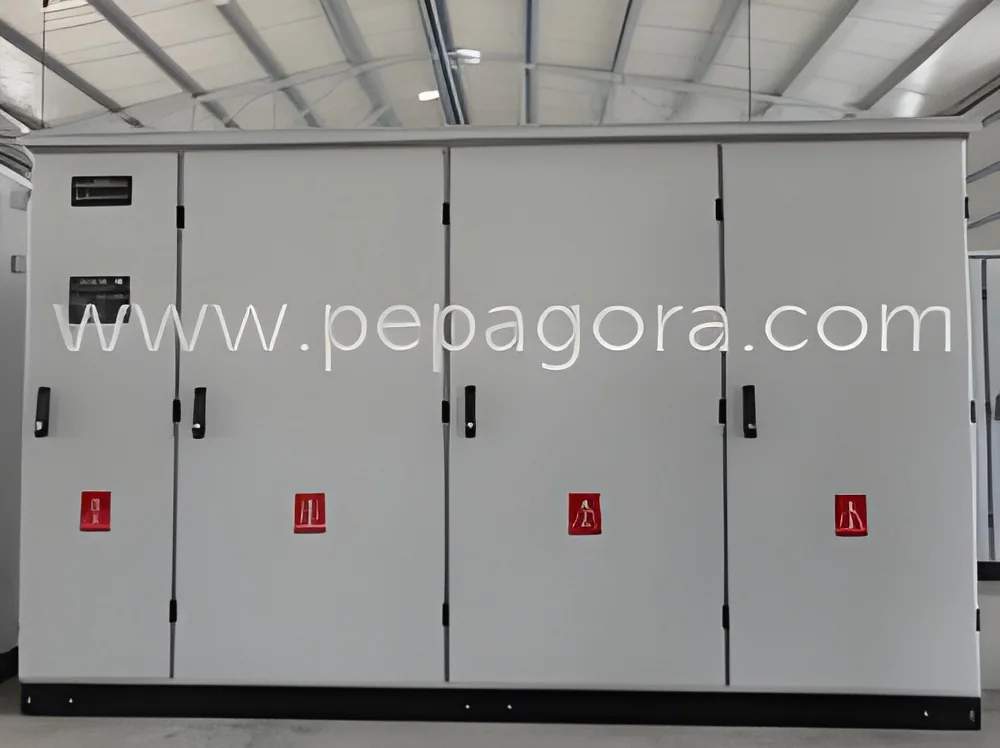
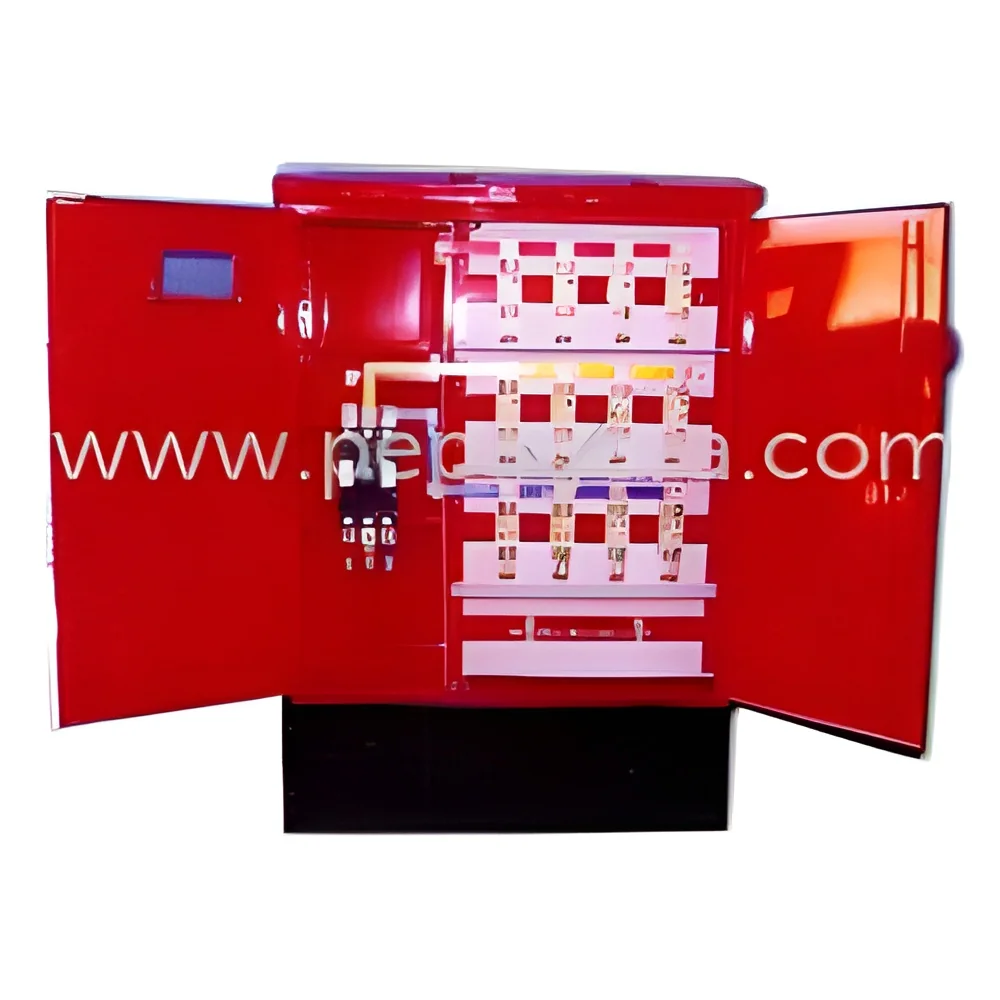
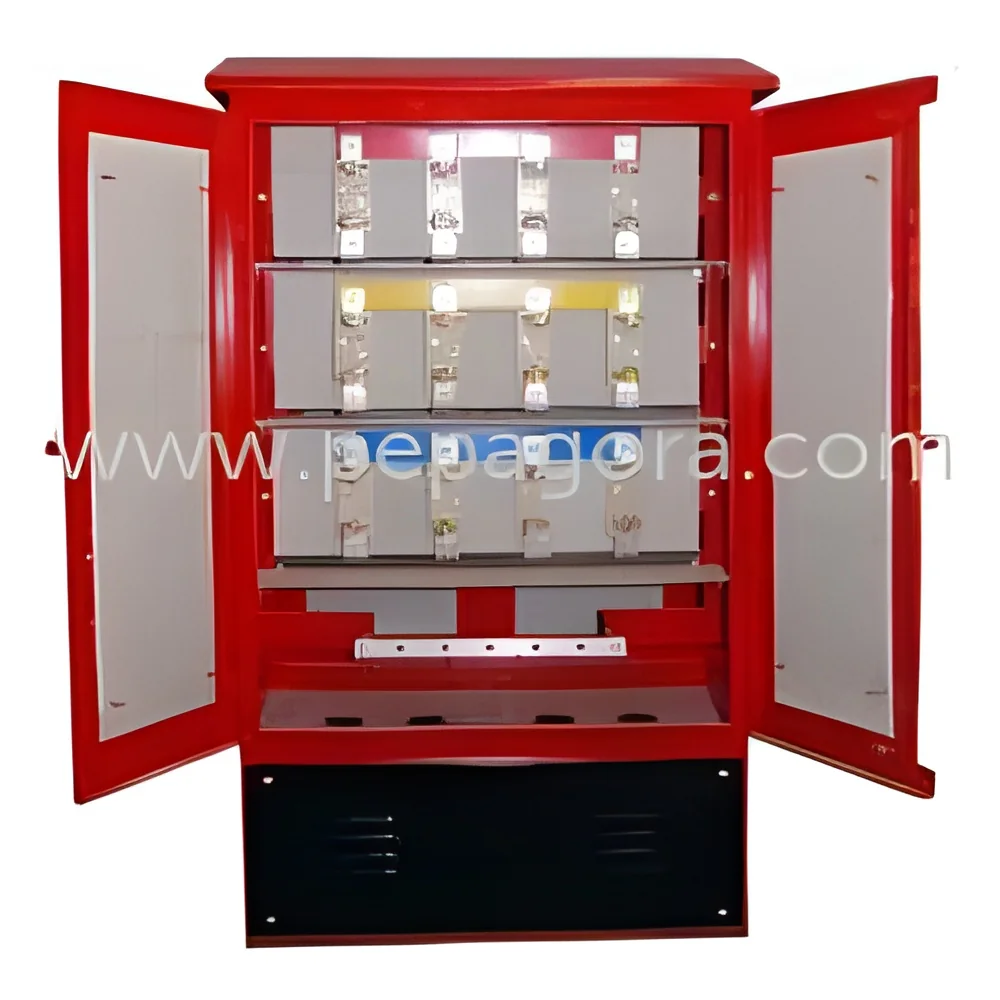
Feeder pillars are essential electrical distribution components used primarily in power supply networks. They serve as junction boxes that connect overhead or underground power lines to a secondary distribution network. Typically made from durable materials, these pillars are designed to protect electrical connections and provide an organized method for routing electricity to various locations, ensuring safety and reliability in electrical distribution.
Feeder pillars find application in various sectors, including commercial buildings, industrial facilities, and utility services. Their primary function is to facilitate the safe and efficient distribution of electricity, especially in locations where multiple connections are required. By housing electrical connections in a secure environment, feeder pillars prevent accidental contact and reduce the risk of electrical faults. Their significance is further underscored in urban development projects, where reliable electrical infrastructure is vital for productivity and safety.
In today's growing energy landscape, feeder pillars play a crucial role in ensuring that power distribution is both efficient and compliant with safety standards. As the demand for reliable electrical solutions increases, the market for feeder pillars continues to evolve, integrating advanced technology and enhanced safety measures to meet industry requirements.
Key Features and Specifications
Feeder pillars are characterized by several key features that enhance their functionality and suitability for various applications. These specifications ensure that the pillars meet safety and operational standards, making them a reliable choice for businesses.
Key specifications include:
1. Material Construction
- Typically made from corrosion-resistant materials like galvanized steel or fiberglass.
- Provides durability and longevity in various weather conditions.
2. Voltage Rating
- Designed to handle different voltage levels, commonly ranging from 415V to 11kV.
- Ensures compatibility with various electrical systems and applications.
3. IP Rating
- Ingress Protection (IP) ratings usually range from IP54 to IP68.
- Ensures that the pillars are protected against dust and water ingress.
4. Size and Dimensions
- Available in various sizes to accommodate different installation requirements.
- Customizable dimensions may be offered based on project specifications.
5. Mounting Options
- Designed for both wall-mounted and free-standing installations.
- Provides flexibility in placement according to site requirements.
6. Safety Features
- Equipped with lockable doors and safety interlocks to prevent unauthorized access.
- Enhances operational safety and compliance with regulatory standards.
7. Cable Entry Points
- Multiple cable entry points for easy connectivity to overhead or underground systems.
- Facilitates efficient wiring and maintenance.
8. Compliance Certifications
- Typically certified to meet industry standards such as CE.
- Ensures products are tested for safety and performance.
In summary, the key features and specifications of feeder pillars make them a vital component in electrical distribution networks, enhancing safety, reliability, and efficiency.
Common Applications and Use Cases
Feeder pillars are versatile components used across various industries, ensuring effective electrical distribution in diverse environments.
1. Commercial Buildings: In retail spaces and office complexes, feeder pillars manage electricity supply to multiple outlets, ensuring that businesses have a reliable power source for their operations.
2. Industrial Facilities: Manufacturing plants utilize feeder pillars to distribute power to machinery and equipment, allowing for efficient operations and minimizing downtime.
3. Utility Services: Power companies deploy feeder pillars to connect distribution networks to residential areas, facilitating the safe delivery of electricity to households.
4. Construction Sites: Temporary feeder pillars are often used on construction sites to provide electrical supply for tools and lighting, ensuring work can proceed safely and efficiently.
5. Public Infrastructure: Feeder pillars play a crucial role in urban infrastructure, providing power to streetlights, traffic signals, and other essential services in cities.
6. Renewable Energy Projects: In solar and wind energy installations, feeder pillars help integrate renewable energy sources into the grid, ensuring clean energy distribution.
7. Telecommunications: Used to supply power to communication equipment and relay stations, feeder pillars support the infrastructure of telecommunication networks.
Product Variants and Subcategories
Feeder pillars come in various designs and configurations to meet specific user needs and industry standards. This diversity allows for tailored solutions depending on application requirements.
Standard Feeder Pillars
These are commonly used in residential and commercial applications, offering robust construction and multiple cable entry points. They are designed for easy installation and maintenance.
Customizable Feeder Pillars
These variants allow for modifications based on specific project requirements, such as size, voltage rating, and additional safety features. They are ideal for unique installations that require tailored solutions.
Integrated Smart Feeder Pillars
Incorporating advanced monitoring technologies, these feeder pillars enable real-time tracking of energy consumption and system performance. They are suitable for smart grid applications and help optimize energy usage.
Benefits and Advantages
Feeder pillars offer numerous benefits that enhance their appeal to businesses and industries alike.
1. Enhanced Safety: By housing electrical connections securely, feeder pillars reduce the risk of accidents and electrical faults, ensuring a safer environment.
2. Durability: Constructed from robust materials, feeder pillars are built to withstand environmental stress, minimizing maintenance and replacement costs.
3. Flexibility: Their various designs and mounting options allow for easy integration into existing infrastructure, providing versatility in installation.
4. Improved Reliability: Feeder pillars ensure uninterrupted power supply by efficiently managing electrical distribution, which is crucial for operational continuity.
5. Compliance with Standards: Meeting industry certifications guarantees that feeder pillars adhere to safety regulations, building trust with end-users.
6. Cost-Effectiveness: The long lifespan and reduced maintenance needs of feeder pillars contribute to lower operational costs over time.
Buying Guide for B2B Buyers
When sourcing feeder pillars, various factors should be considered to ensure the right choice for your needs.
1. Quality Assessment: Evaluate the materials and construction quality of feeder pillars. Ensure they comply with industry standards for safety and performance.
2. Supplier Verification: Research potential suppliers to confirm their reputation and reliability. Look for reviews and feedback from previous customers.
3. Pricing and MOQ: Understand the pricing structure and minimum order quantities (MOQ) required by suppliers. This will help you budget accordingly.
4. Delivery and Lead Times: Inquire about delivery options and lead times to ensure timely availability of feeder pillars for your projects.
5. Compliance Requirements: Confirm that the feeder pillars meet all regulatory and compliance requirements specific to your industry and region.
Compliance and Certifications
Feeder pillars must adhere to various quality standards and certifications to ensure they are safe and reliable for use in electrical distribution.
Relevant quality standards include ISO 9001, which ensures that manufacturers maintain quality management systems. Compliance with this standard indicates that the products meet customer and regulatory requirements consistently.
Certifications such as CE are essential for feeder pillars, as they signify that the products comply with European safety standards. This certification ensures that the feeder pillars are tested for safety and performance before they reach the market.
Safety and testing requirements cover aspects such as electrical insulation, temperature tolerance, and protection against environmental factors. Manufacturers must conduct thorough testing to verify that their feeder pillars can withstand the conditions they will face in the field.
Additionally, regional compliance considerations may vary. It is crucial for manufacturers and suppliers to be aware of local regulations to ensure their products can be legally sold and used in different markets.
Why Source Feeder Pillars from Pepagora?
Pepagora provides a trusted platform for sourcing feeder pillars, offering several key advantages to buyers in the B2B space.
Verified Supplier Network: Pepagora ensures that all suppliers in its network are thoroughly vetted and verified. This gives buyers confidence in the quality and reliability of the products they are purchasing.
Streamlined RFQ Process: The request for quotation (RFQ) process is user-friendly, allowing buyers to easily obtain quotes from multiple suppliers. This efficiency helps businesses make informed decisions quickly.
Trade Assurance and Support: Pepagora offers trade assurance, providing protection for buyers throughout the purchasing process. This includes support for negotiating terms and resolving issues if they arise.
Regional Coverage: With a broad geographic reach across India, the GCC, and Southeast Asia, Pepagora connects buyers with suppliers in their region, facilitating local sourcing and reducing shipping times.
By choosing Pepagora, businesses can ensure they are sourcing high-quality feeder pillars from reliable suppliers, ultimately enhancing their operational efficiency and safety.

 IN
IN