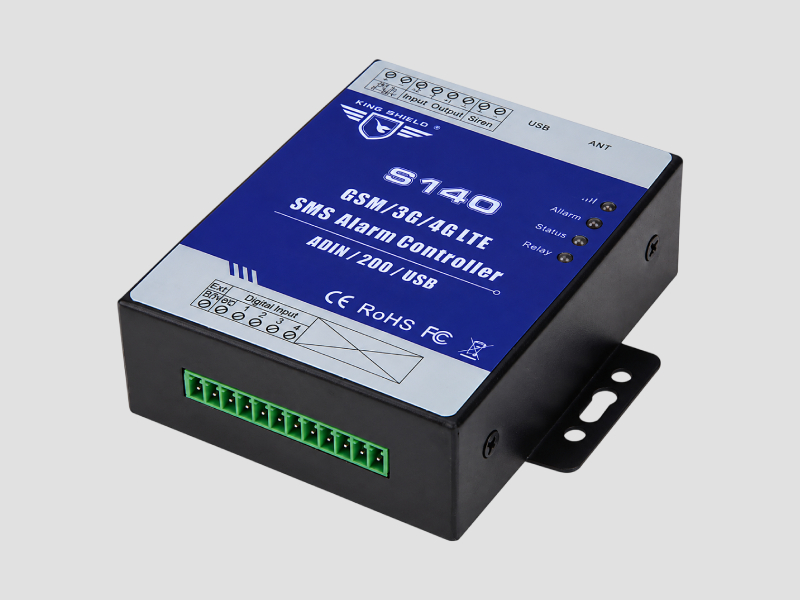
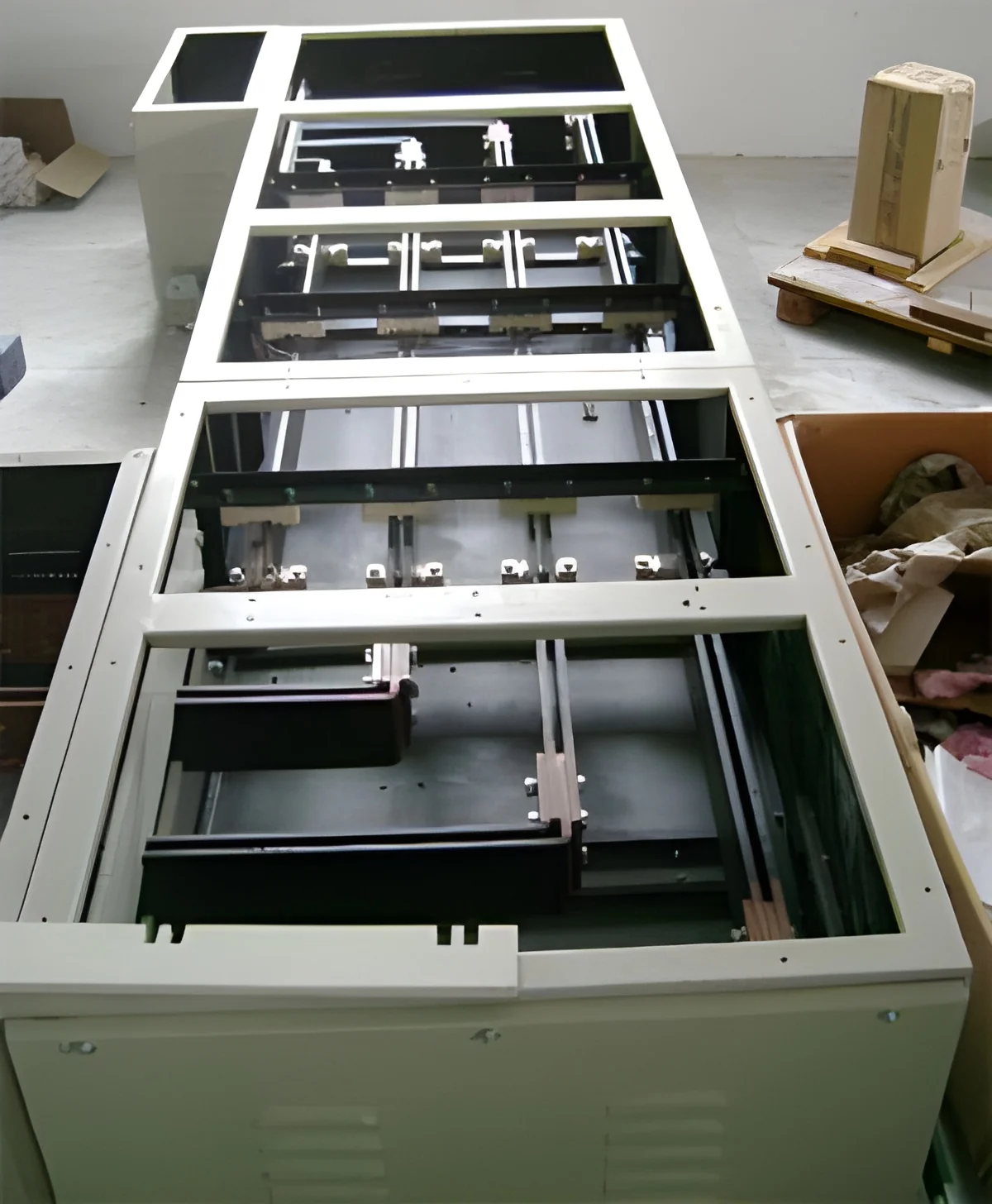
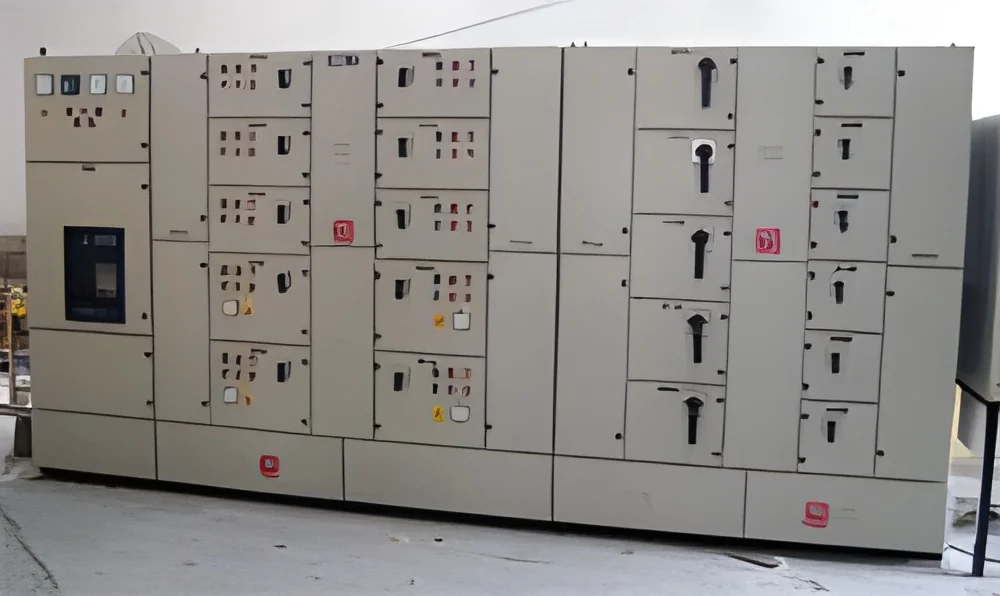
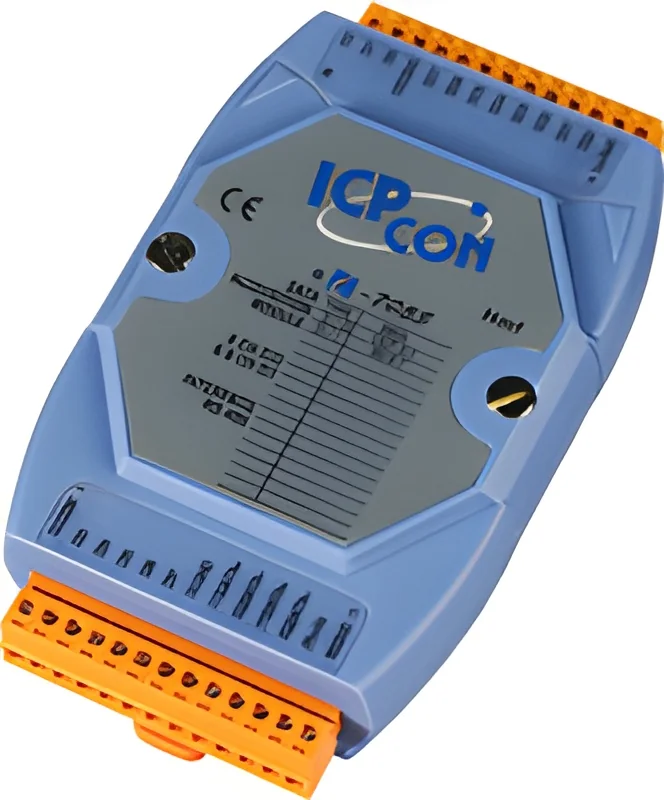
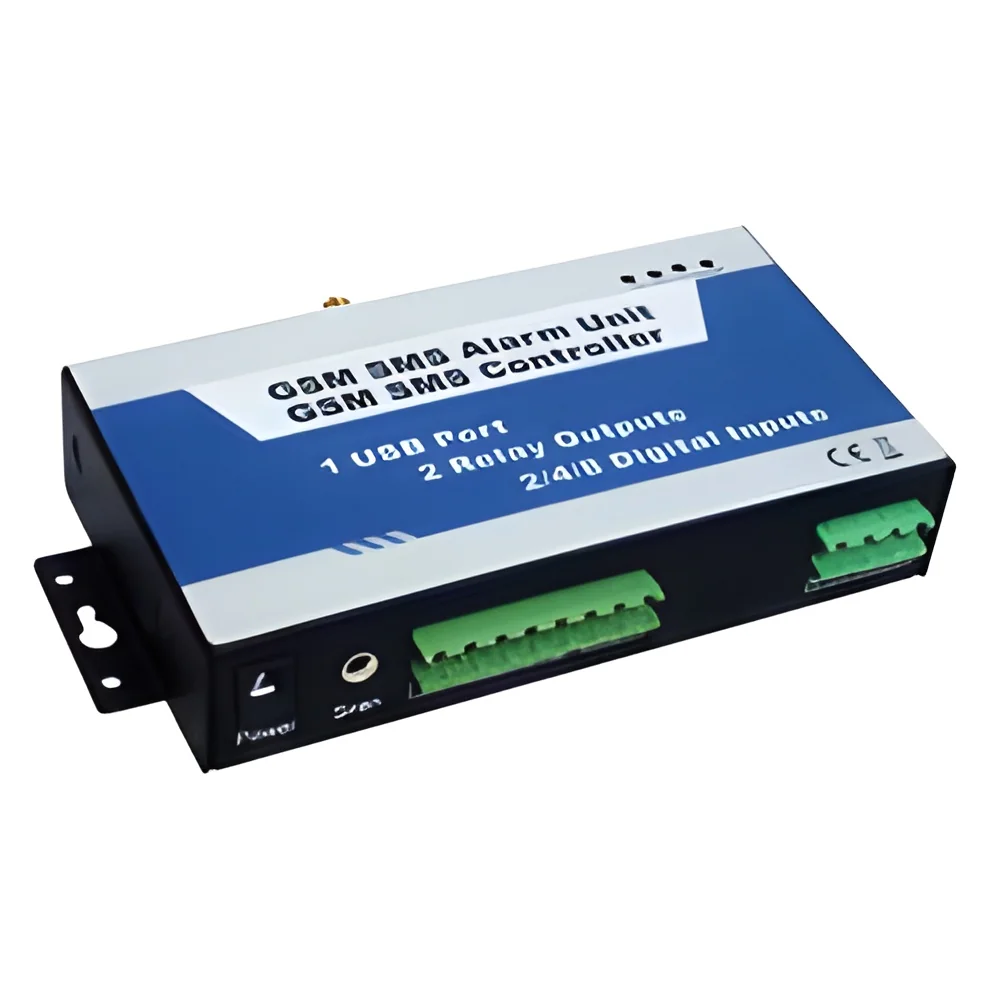
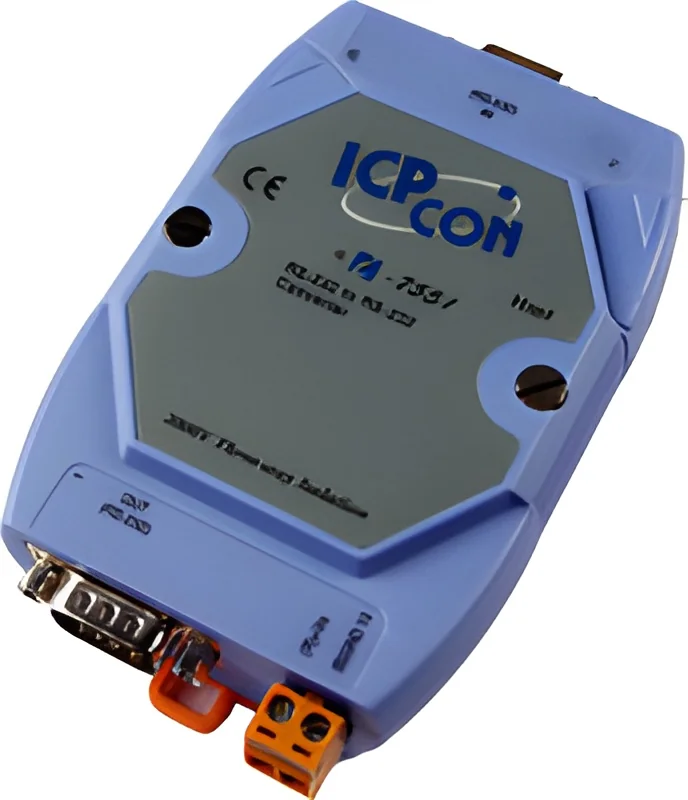
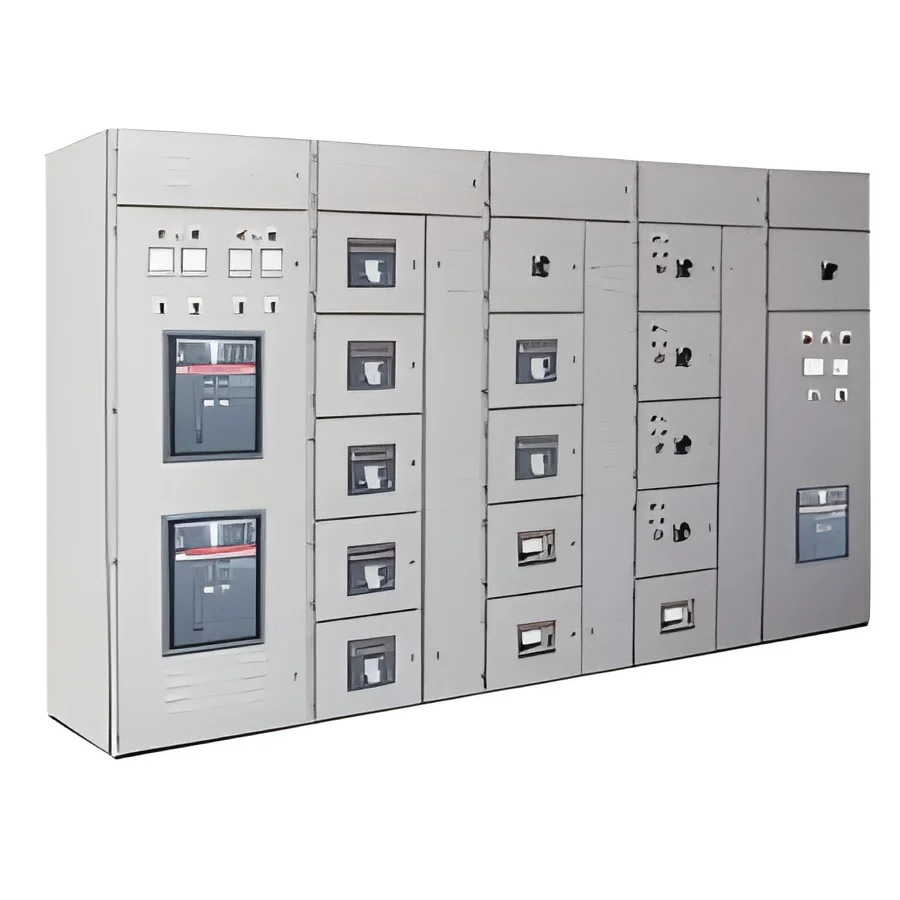
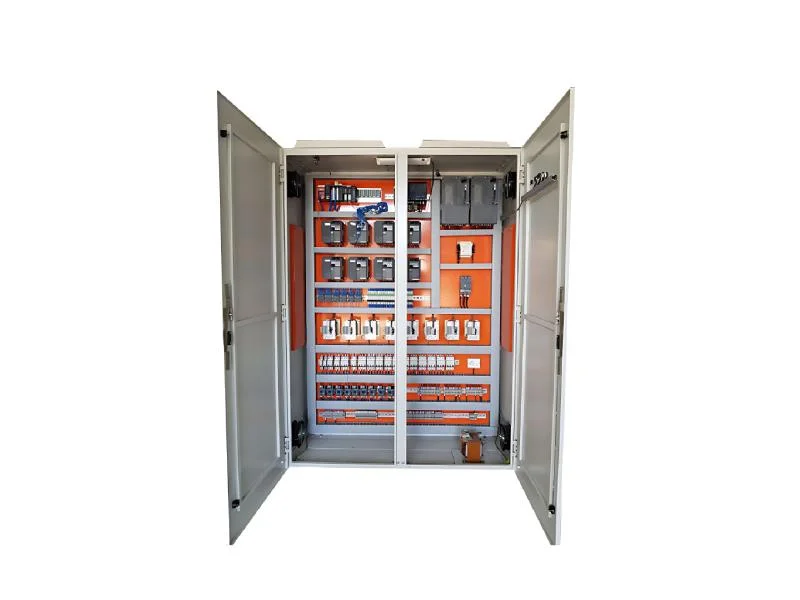
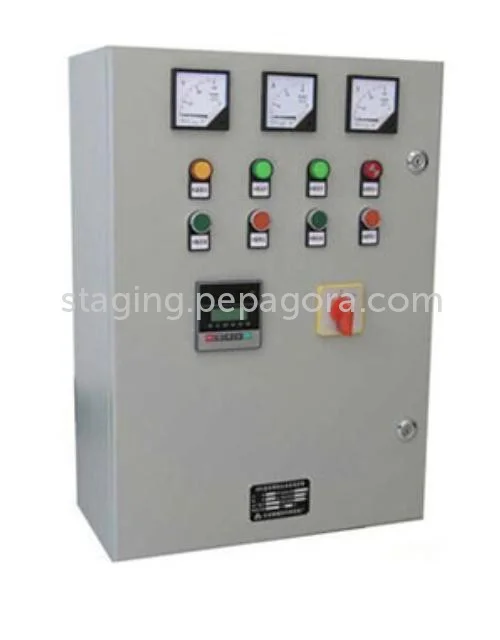
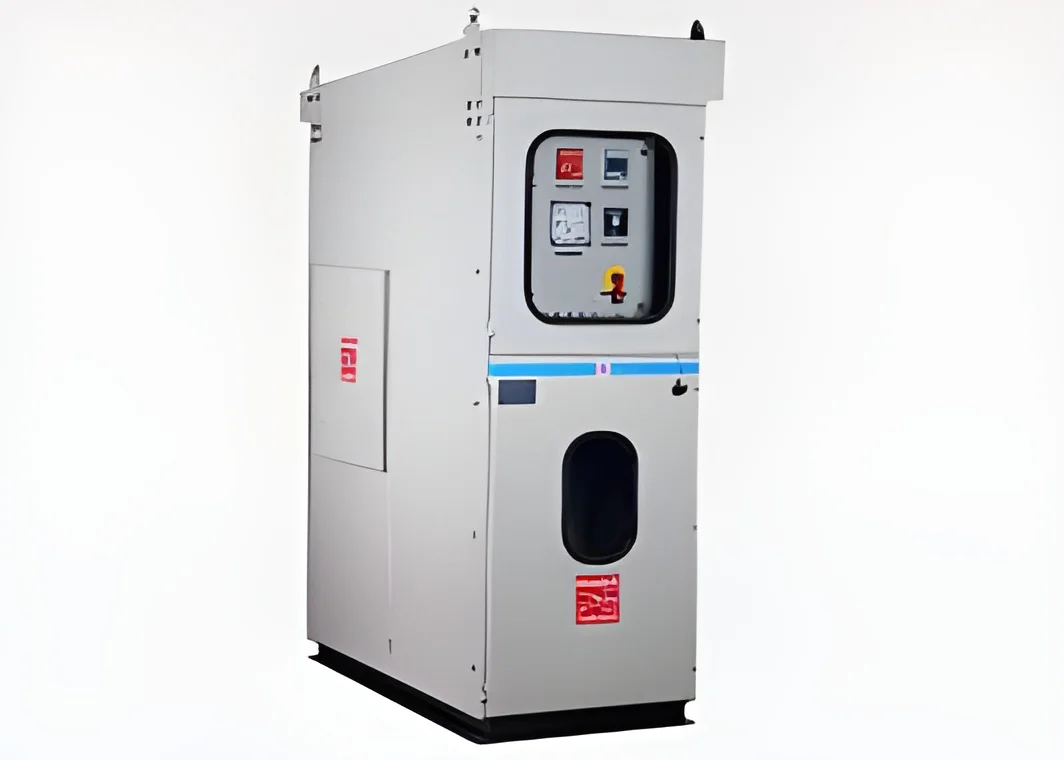
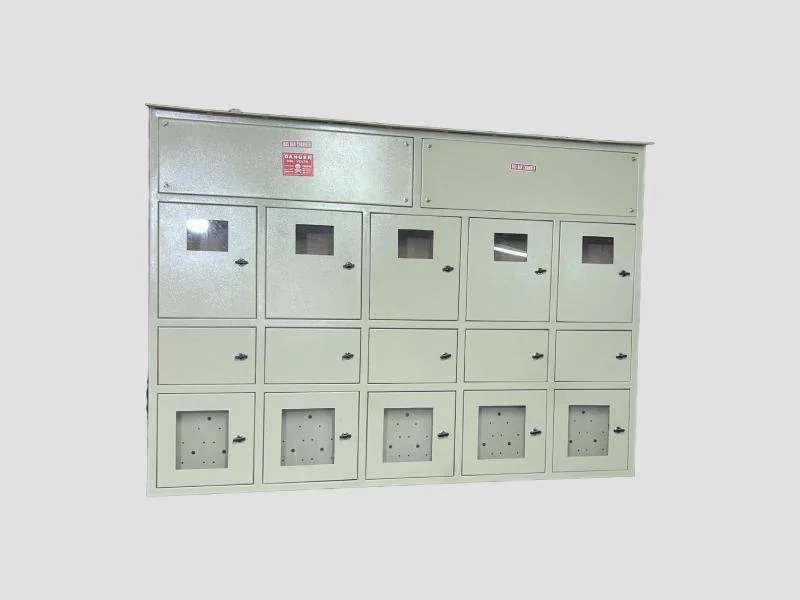
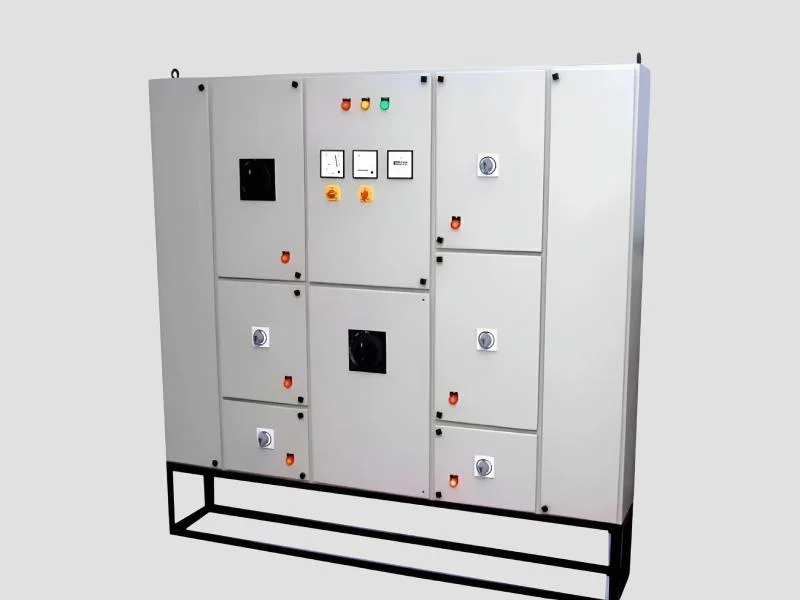
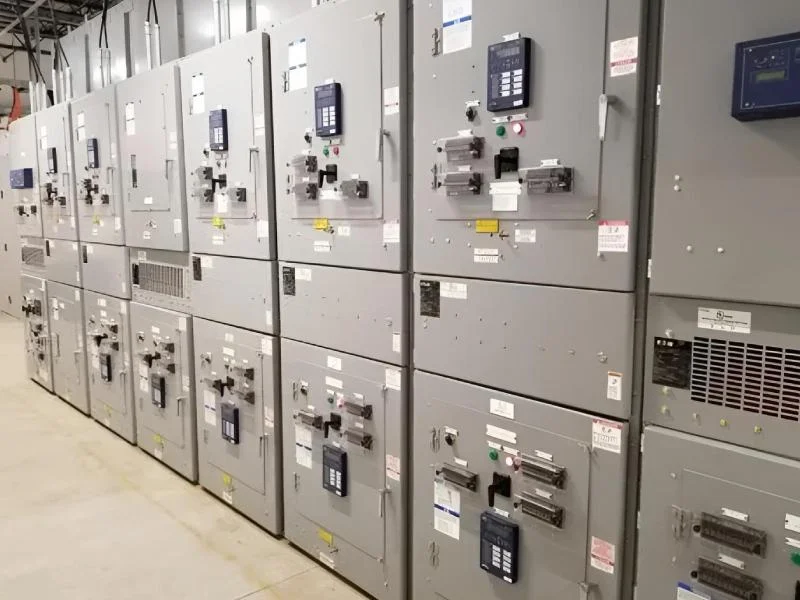
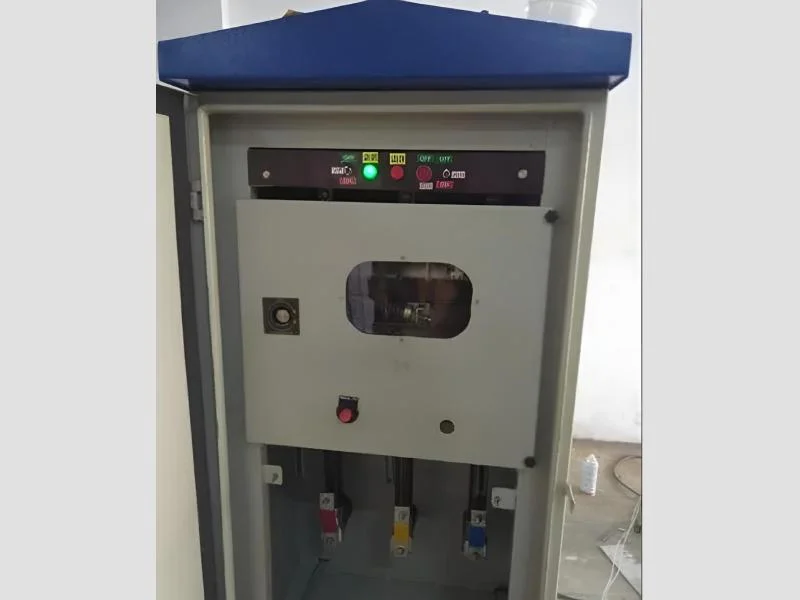
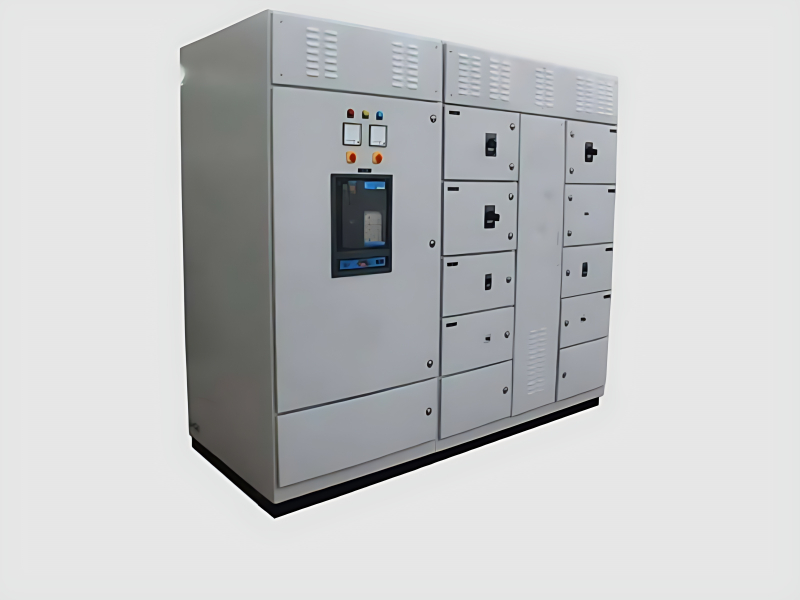
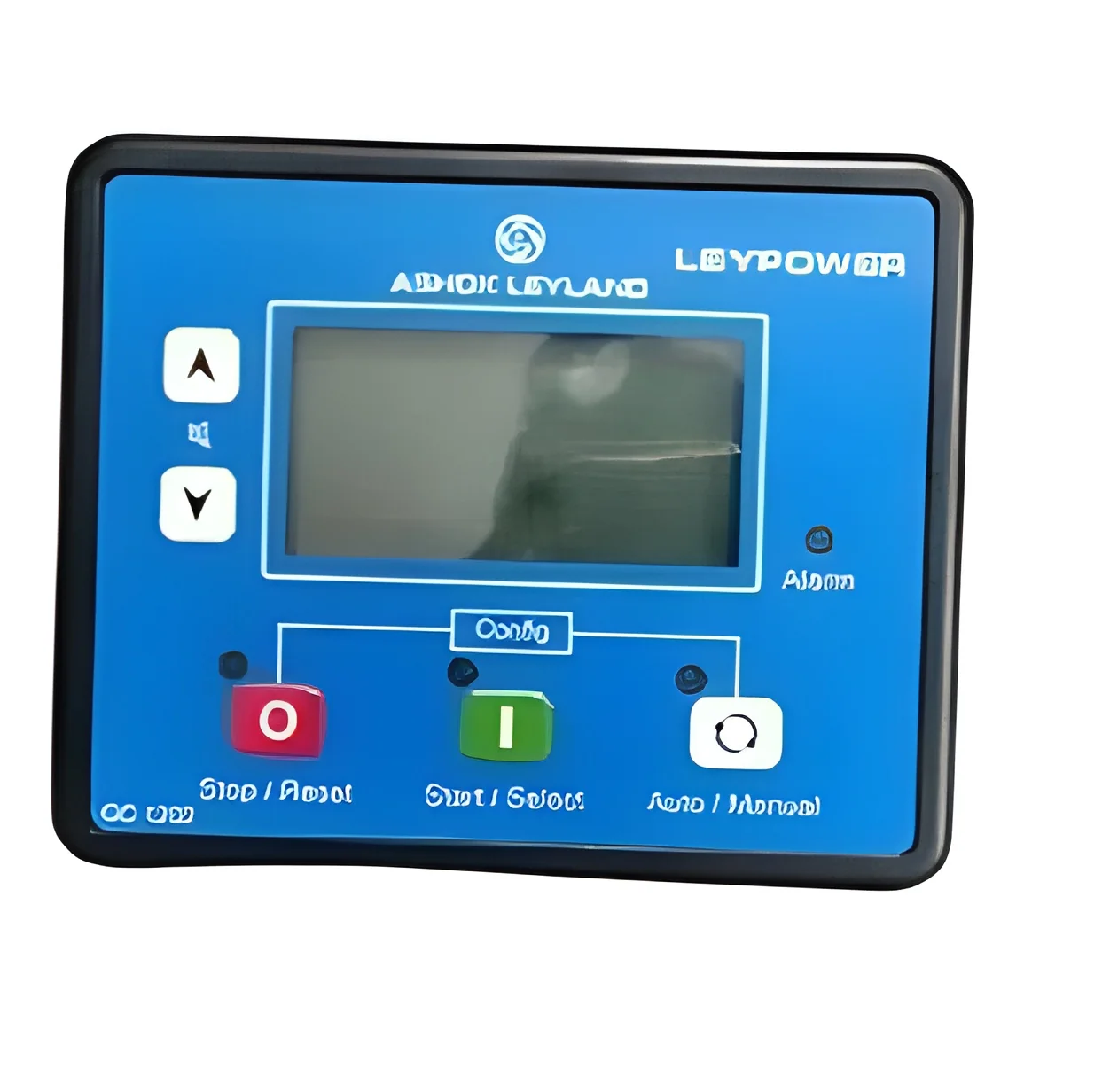
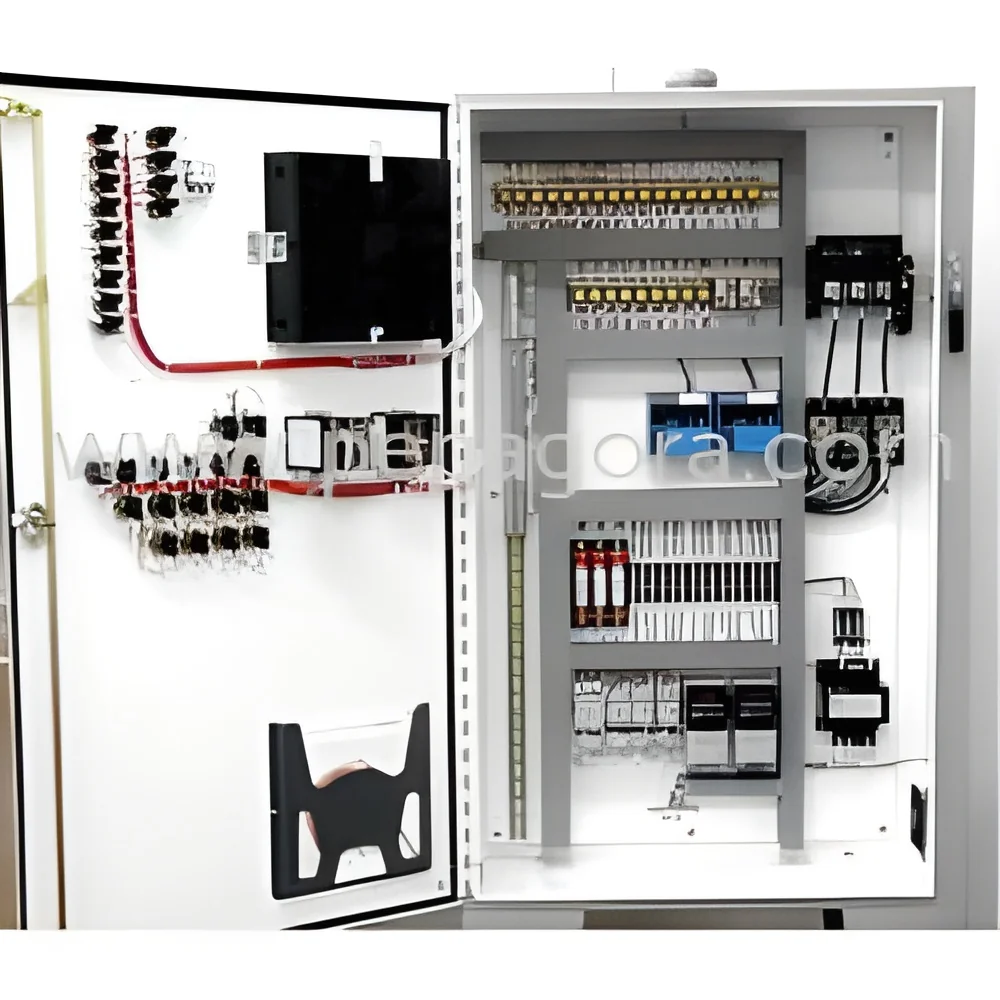
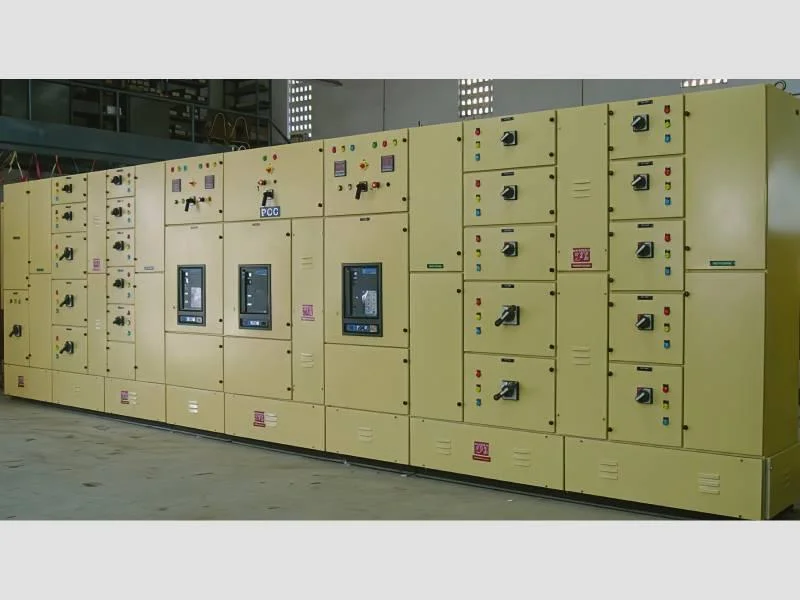
𝗪𝗵𝗮𝘁 𝗮𝗿𝗲 𝗖𝗼𝗻𝘁𝗿𝗼𝗹 𝗣𝗮𝗻𝗲𝗹𝘀 & 𝗦𝘄𝗶𝘁𝗰𝗵𝗴𝗲𝗮𝗿?
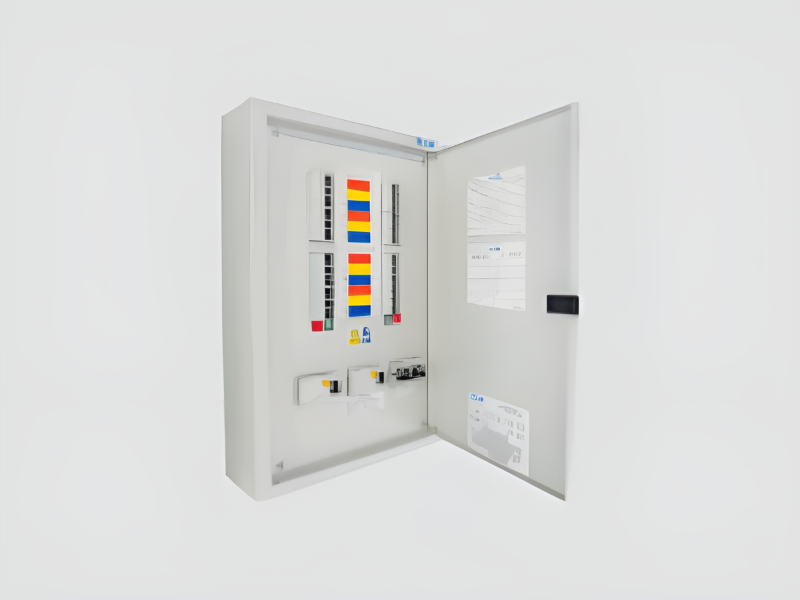
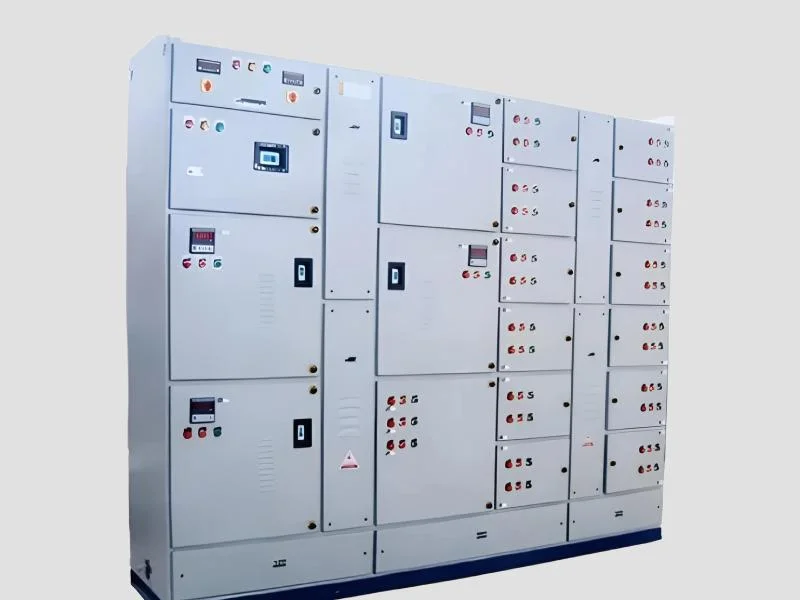
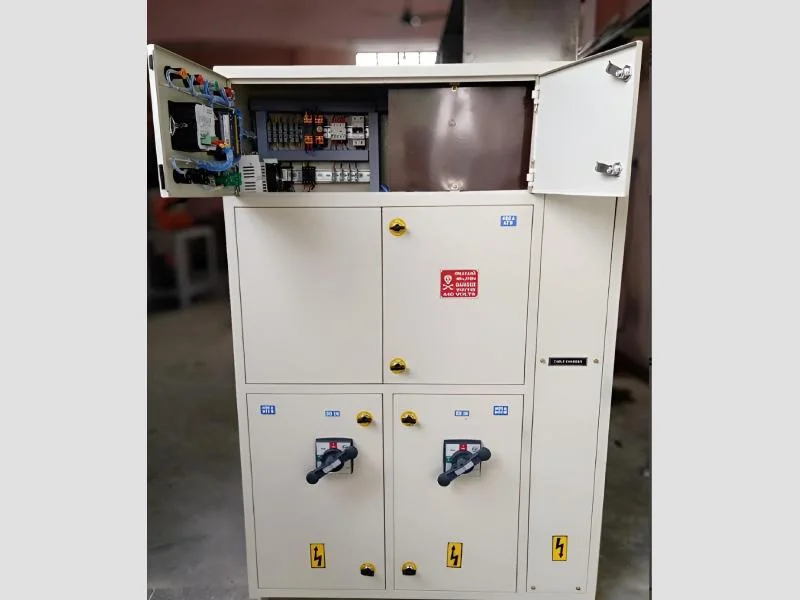
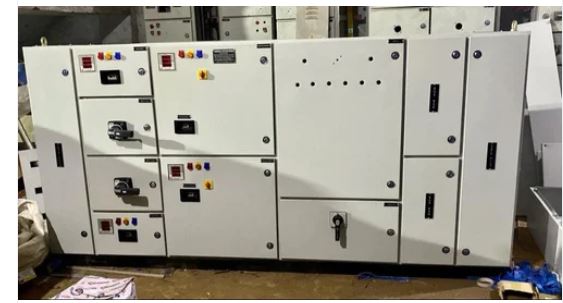
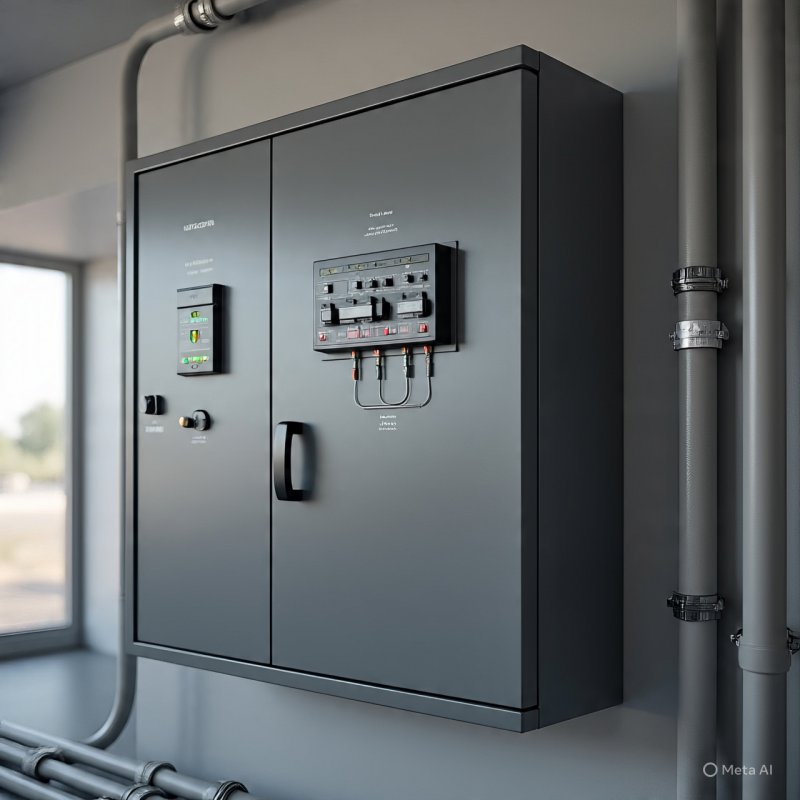
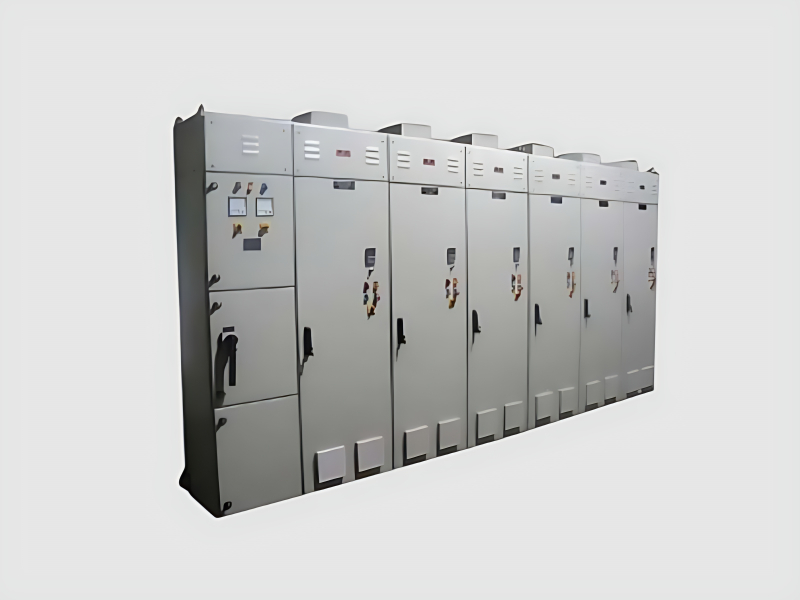
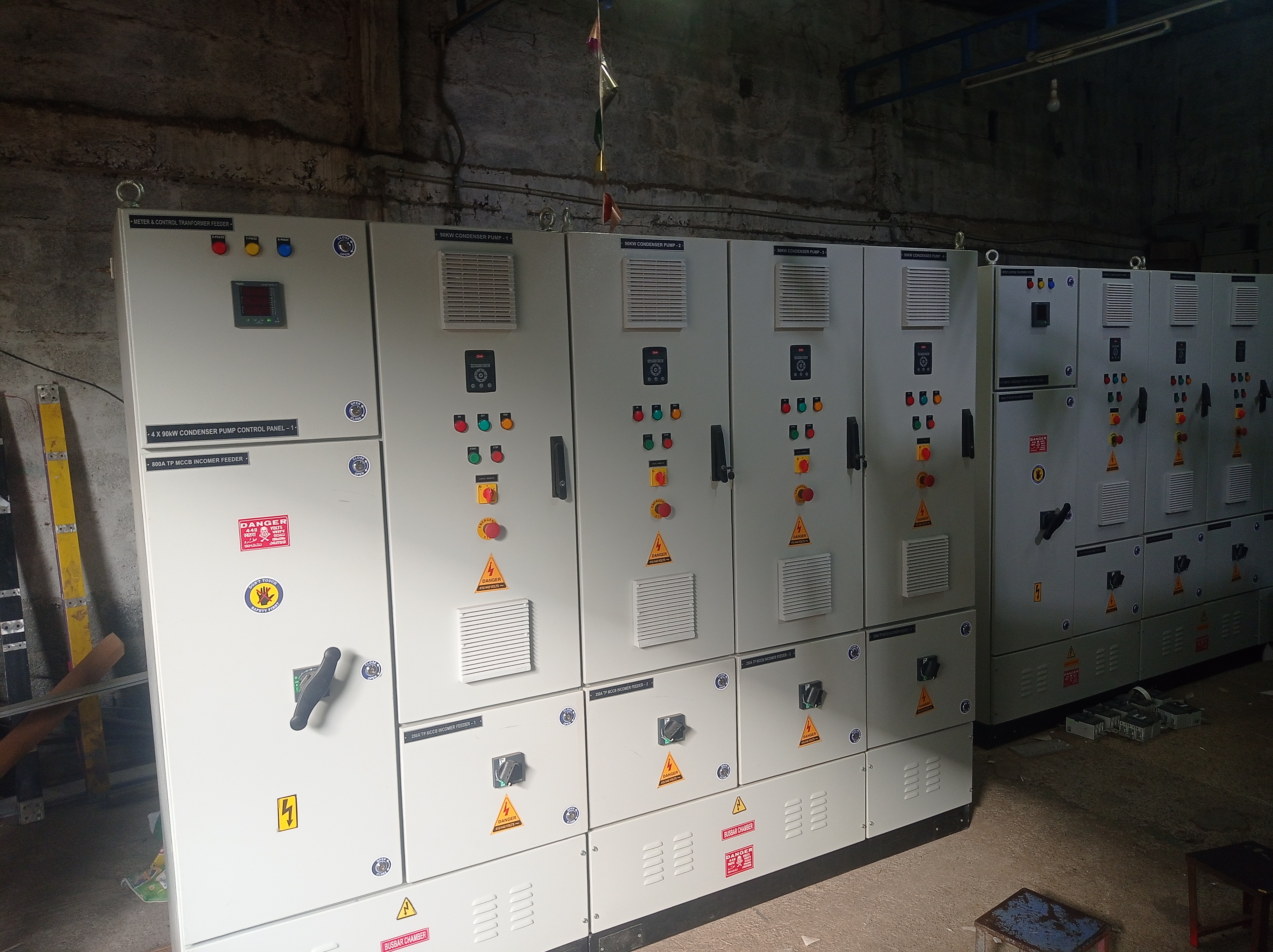
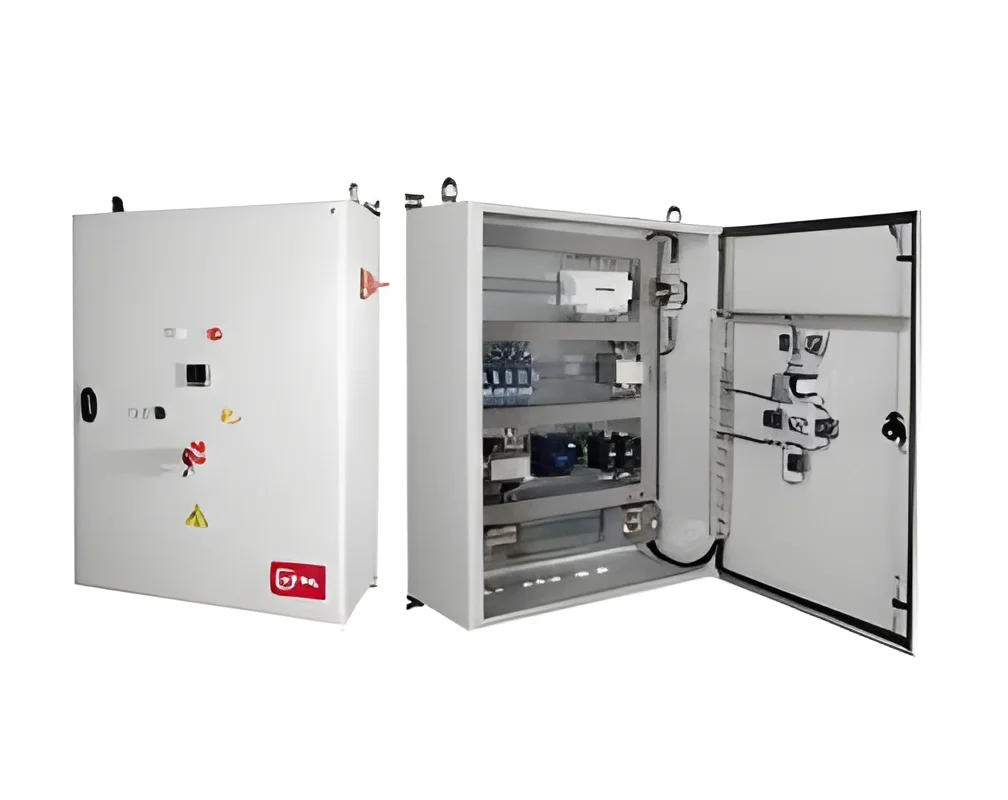
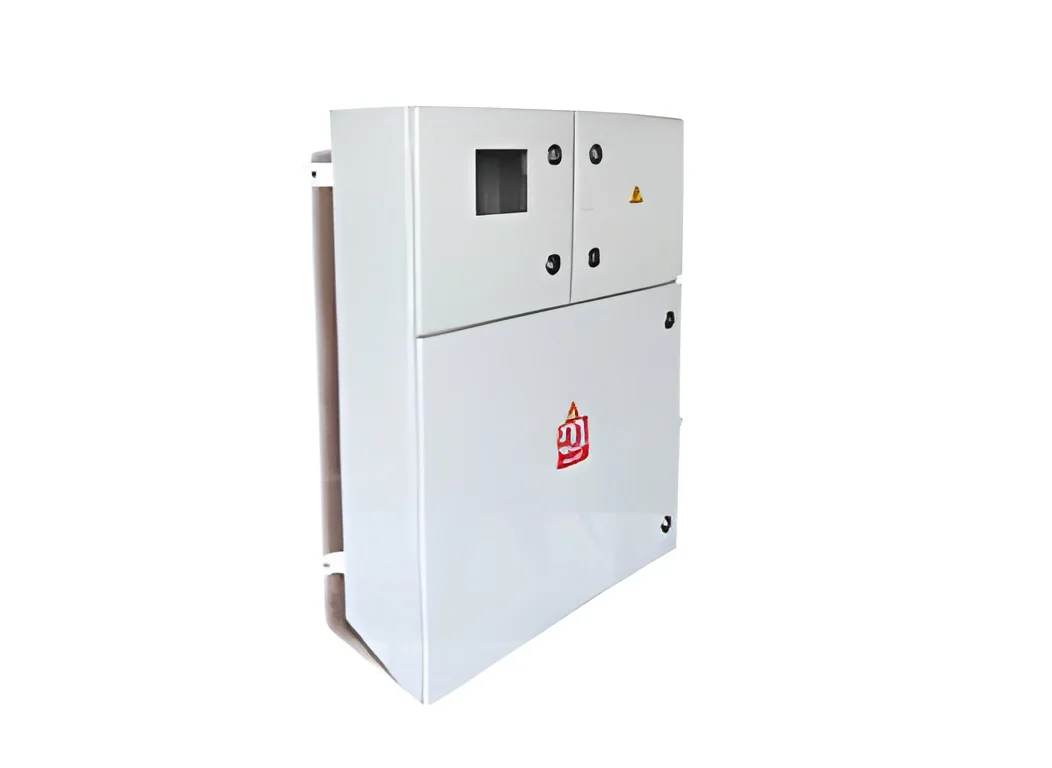
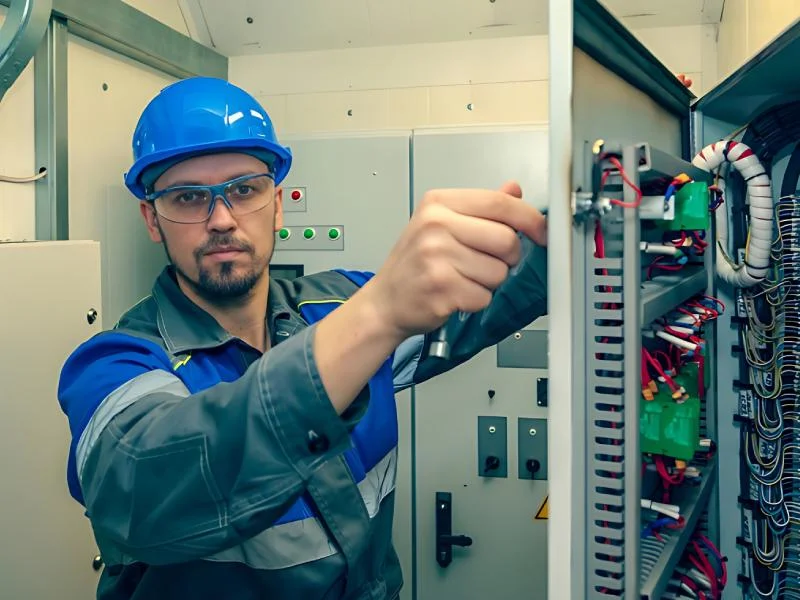
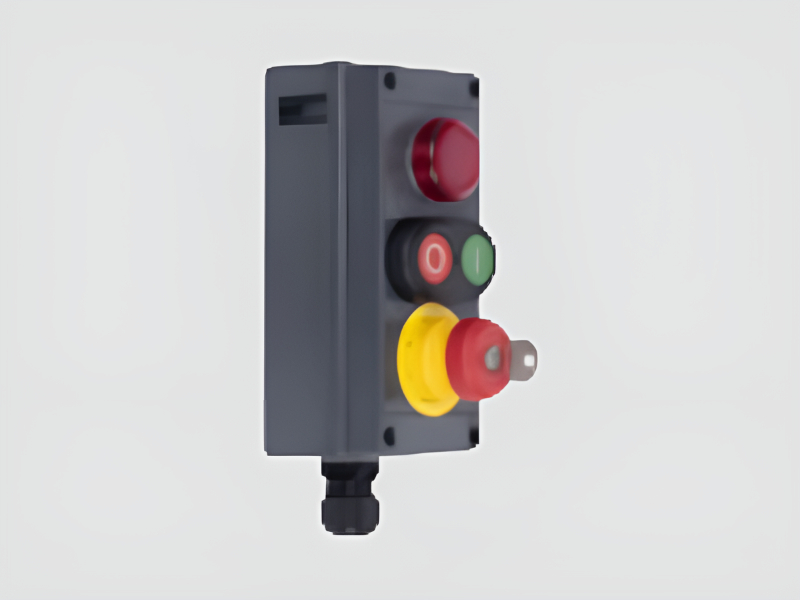
Control panels and switchgear are essential components in electrical distribution systems. Control panels serve as the central point for monitoring and controlling various electrical equipment, while switchgear provides the necessary protection for electrical circuits. Together, they manage the flow of electricity, ensuring safe and efficient operation.
These products find primary applications in a variety of industries, including manufacturing, energy, and construction. They are used to control machinery, protect electrical circuits from overloads, and facilitate the automation of processes. Control panels and switchgear are crucial in large facilities where managing electrical distribution is vital for operational efficiency and safety.
In the current market, the relevance of control panels and switchgear is significant. With the increasing demand for reliable electrical infrastructure, these products must adapt to evolving technologies and standards. Industries are focusing on energy efficiency and smart systems, which further emphasizes the need for high-quality control panels and switchgear.
𝗞𝗲𝘆 𝗙𝗲𝗮𝘁𝘂𝗿𝗲𝘀 𝗮𝗻𝗱 𝗦𝗽𝗲𝗰𝗶𝗳𝗶𝗰𝗮𝘁𝗶𝗼𝗻𝘀
Control panels and switchgear come with various features and specifications that enhance their functionality and safety. Understanding these specifications can help businesses make informed purchasing decisions.
Key specifications include:
1. Voltage Rating
- Indicates the maximum voltage the equipment can handle.
- Typically ranges from low voltage (up to 1,000 V) to medium voltage (1,000 V to 35 kV).
2. Current Rating
- Specifies the maximum current the equipment can carry.
- Common ranges vary based on application, typically from 100 A to 3,200 A.
3. Enclosure Type
- Describes the level of protection provided against environmental factors.
- Options include indoor, outdoor, and IP-rated enclosures.
4. Control Functions
- Details the types of controls available, such as manual, automatic, and remote operations.
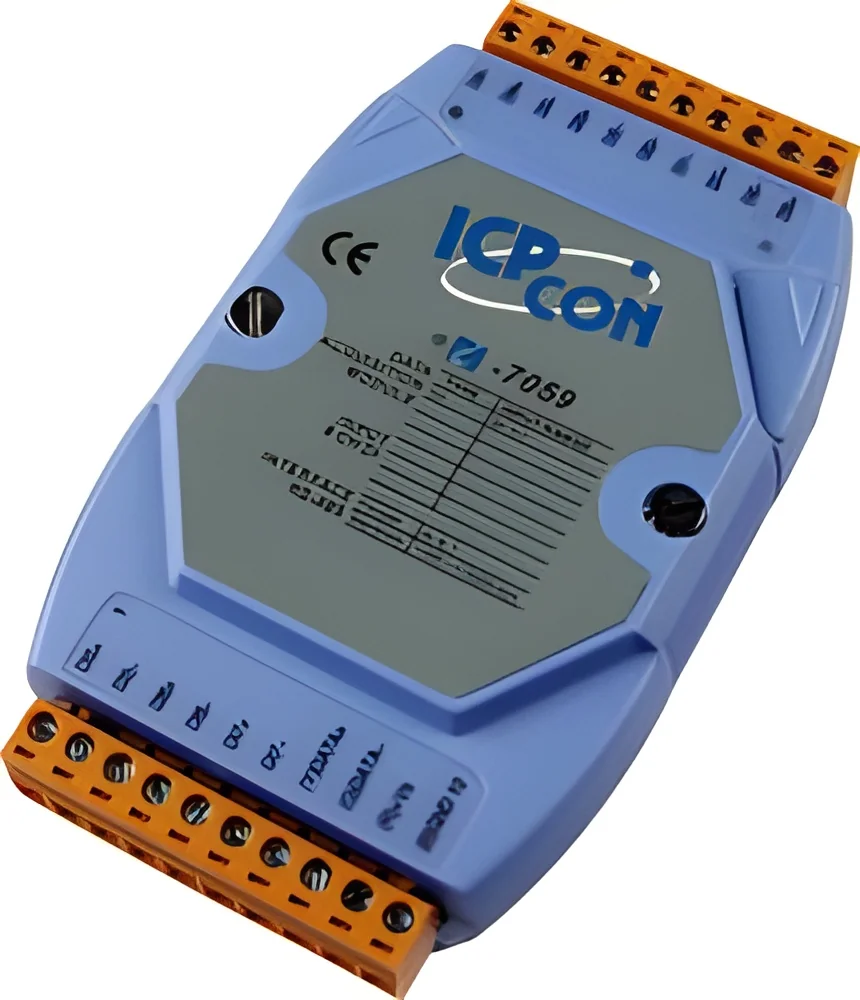
- Includes features like programmable logic controllers (PLCs).
5. Safety Standards
- Refers to compliance with industry safety standards, such as CE marking.
- Ensures reliability and safety in operation.
6. Monitoring Features
- Describes any built-in monitoring systems for performance and diagnostics.
- May include alarms, indicators, and data logging capabilities.
7. Customization Options
- Availability of tailored solutions for specific operational needs.
- Options may include specialized controls or configurations.
8. Temperature and Humidity Rating
- Indicates the operational limits for temperature and humidity.
- Specific ranges are not available, but should be assessed based on application.
Understanding these features can guide businesses in selecting the right control panels and switchgear for their specific needs.
𝗖𝗼𝗺𝗺𝗼𝗻 𝗔𝗽𝗽𝗹𝗶𝗰𝗮𝘁𝗶𝗼𝗻𝘀 𝗮𝗻𝗱 𝗨𝘀𝗲 𝗖𝗮𝘀𝗲𝘀
Control panels and switchgear are used across multiple industries for various applications.
1. Manufacturing: These products control machinery operations and ensure safety in production lines, managing electrical loads and automating processes.
2. Energy: In power generation and distribution, control panels and switchgear facilitate the safe distribution of electricity, protecting against faults and outages.
3. Construction: They are utilized in construction sites for power management and distribution, ensuring that tools and machinery operate safely and efficiently.
4. Water Treatment: Control panels help monitor and manage water treatment processes, ensuring optimal performance and compliance with safety standards.
5. Commercial Buildings: In large commercial spaces, they regulate lighting, HVAC systems, and other electrical loads, contributing to energy efficiency.
6. Transportation: Control panels are critical in transportation systems, managing signals and power for railways and airports.
7. Mining: In mining operations, switchgear protects electrical equipment and ensures safe power distribution in challenging environments.
𝗣𝗿𝗼𝗱𝘂𝗰𝘁 𝗩𝗮𝗿𝗶𝗮𝗻𝘁𝘀 𝗮𝗻𝗱 𝗦𝘂𝗯𝗰𝗮𝘁𝗲𝗴𝗼𝗿𝗶𝗲𝘀
Control panels and switchgear come in various forms to meet specific operational needs.
Fixed Control Panels
These panels are designed for stationary applications, providing centralized control for machinery and processes. They are often equipped with comprehensive control functions and safety features.
Modular Control Panels
Modular panels allow for flexible configurations, enabling businesses to customize their control systems easily. This adaptability makes them suitable for evolving operational requirements.
Smart Control Panels
These advanced panels integrate digital technology for real-time monitoring and remote access. They enhance operational efficiency through data analytics and automation capabilities.
Distribution Switchgear
This type of switchgear is specifically designed for managing electrical distribution. It provides essential protection and control for high-voltage systems, ensuring safe operation.
𝗕𝗲𝗻𝗲𝗳𝗶𝘁𝘀 𝗮𝗻𝗱 𝗔𝗱𝘃𝗮𝗻𝘁𝗮𝗴𝗲𝘀
Investing in control panels and switchgear offers numerous benefits for businesses.
1. Enhanced Safety: These products provide essential protections against electrical faults, reducing the risk of accidents and equipment damage.
2. Improved Efficiency: Automation and control features optimize machinery operations, leading to increased productivity and reduced energy consumption.
3. Flexibility: With customizable options, businesses can tailor their control systems to meet specific operational needs, ensuring they remain competitive.
4. Reliability: High-quality control panels and switchgear are built to withstand demanding conditions, ensuring consistent performance over time.
5. Regulatory Compliance: Sourcing compliant products helps businesses meet industry standards, avoiding legal issues and enhancing reputation.
6. Cost Savings: Efficient energy management and reduced downtime contribute to overall cost savings, making these products a valuable investment.
𝗕𝘂𝘆𝗶𝗻𝗴 𝗚𝘂𝗶𝗱𝗲 𝗳𝗼𝗿 𝗕𝟮𝗕 𝗕𝘂𝘆𝗲𝗿𝘀
When sourcing control panels and switchgear, it is crucial to consider several key factors.
1. Quality Assessment: Evaluate the quality of products based on certifications and standards. Ensure the equipment meets industry requirements for safety and performance.
2. Supplier Verification: Vet suppliers thoroughly to ensure they have a reliable track record and can provide the necessary support and service.
3. Pricing and MOQ: Understand the pricing structure and minimum order quantities. Compare offers from different suppliers to find the best value.
4. Delivery and Lead Times: Assess delivery times and logistics to ensure timely receipt of equipment. Plan ahead to avoid project delays.
5. Compliance Requirements: Confirm that products meet regional compliance standards. This includes understanding local regulations and safety requirements.
𝗖𝗼𝗺𝗽𝗹𝗶𝗮𝗻𝗰𝗲 𝗮𝗻𝗱 𝗖𝗲𝗿𝘁𝗶𝗳𝗶𝗰𝗮𝘁𝗶𝗼𝗻𝘀
Control panels and switchgear must adhere to various quality standards to ensure safety and reliability. ISO 9001 is a widely recognized standard that focuses on quality management systems. Compliance with this standard indicates that a manufacturer consistently meets customer and regulatory requirements.
Additionally, the CE marking is essential in ensuring that products meet European safety and environmental standards. This certification shows that the equipment is safe for use and complies with EU regulations.
Safety and testing requirements are also critical. Products should undergo thorough testing to ensure they can withstand operational stresses and function correctly in various environments. Regional compliance considerations may vary, so it is vital to be aware of specific local regulations that apply to the products in different markets.
𝗪𝗵𝘆 𝗦𝗼𝘂𝗿𝗰𝗲 𝗖𝗼𝗻𝘁𝗿𝗼𝗹 𝗣𝗮𝗻𝗲𝗹𝘀 & 𝗦𝘄𝗶𝘁𝗰𝗵𝗴𝗲𝗮𝗿 𝗳𝗿𝗼𝗺 𝗣𝗲𝗽𝗮𝗴𝗼𝗿𝗮?
Pepagora offers a reliable platform for sourcing control panels and switchgear. One of the key advantages is its verified supplier network, ensuring that buyers can trust the quality of products offered.
The streamlined RFQ process simplifies obtaining quotations, allowing businesses to compare multiple offers quickly and efficiently. This process saves time and helps in making informed purchasing decisions.
Pepagora also provides trade assurance and support, protecting buyers during transactions. This assurance fosters confidence in the sourcing process, allowing businesses to focus on their core operations.
Lastly, Pepagora's regional coverage extends across India, the GCC, and Southeast Asia, enabling businesses to access a wide range of suppliers and products tailored to their specific needs. This geographic reach ensures that companies can find the right solutions no matter where they operate.

 IN
IN