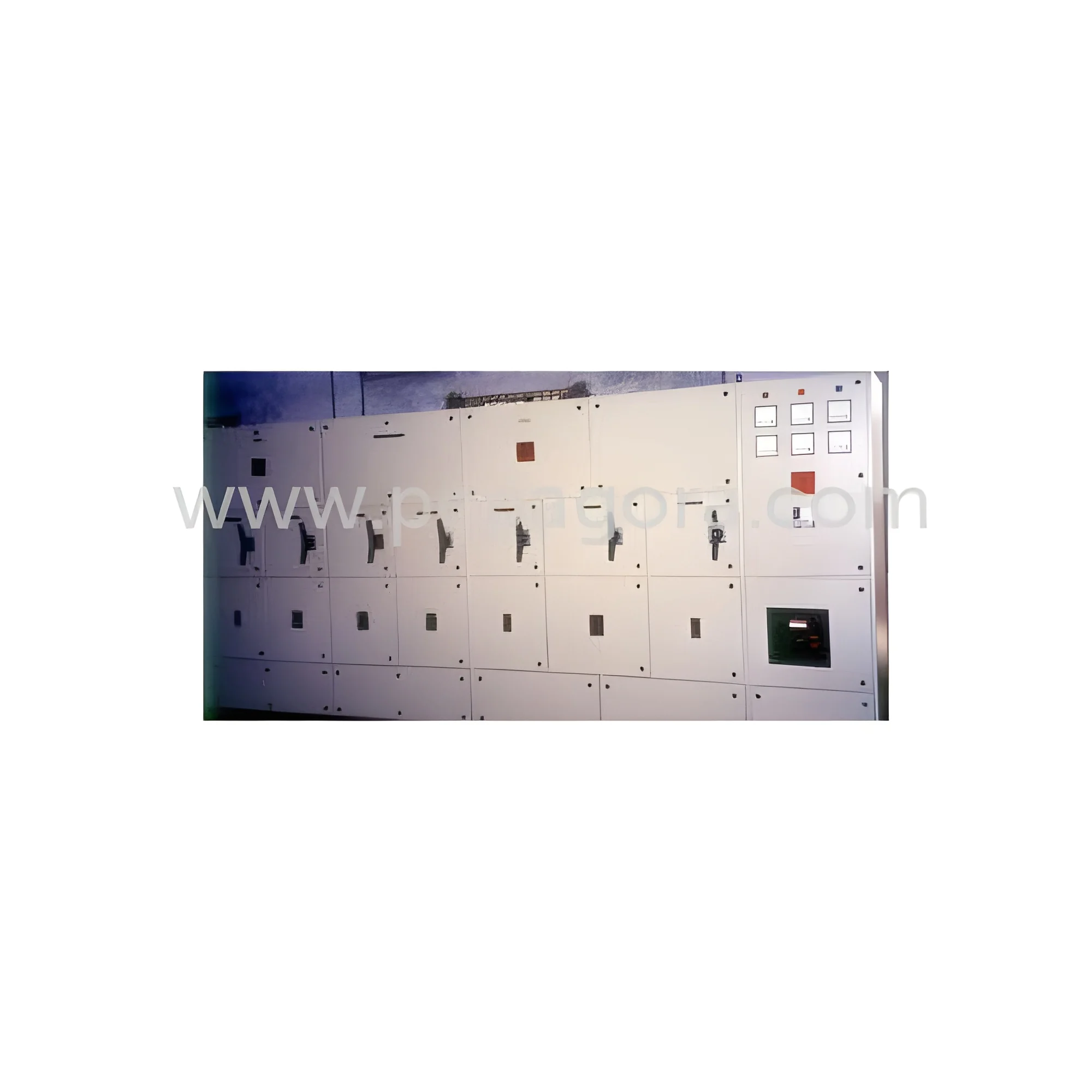
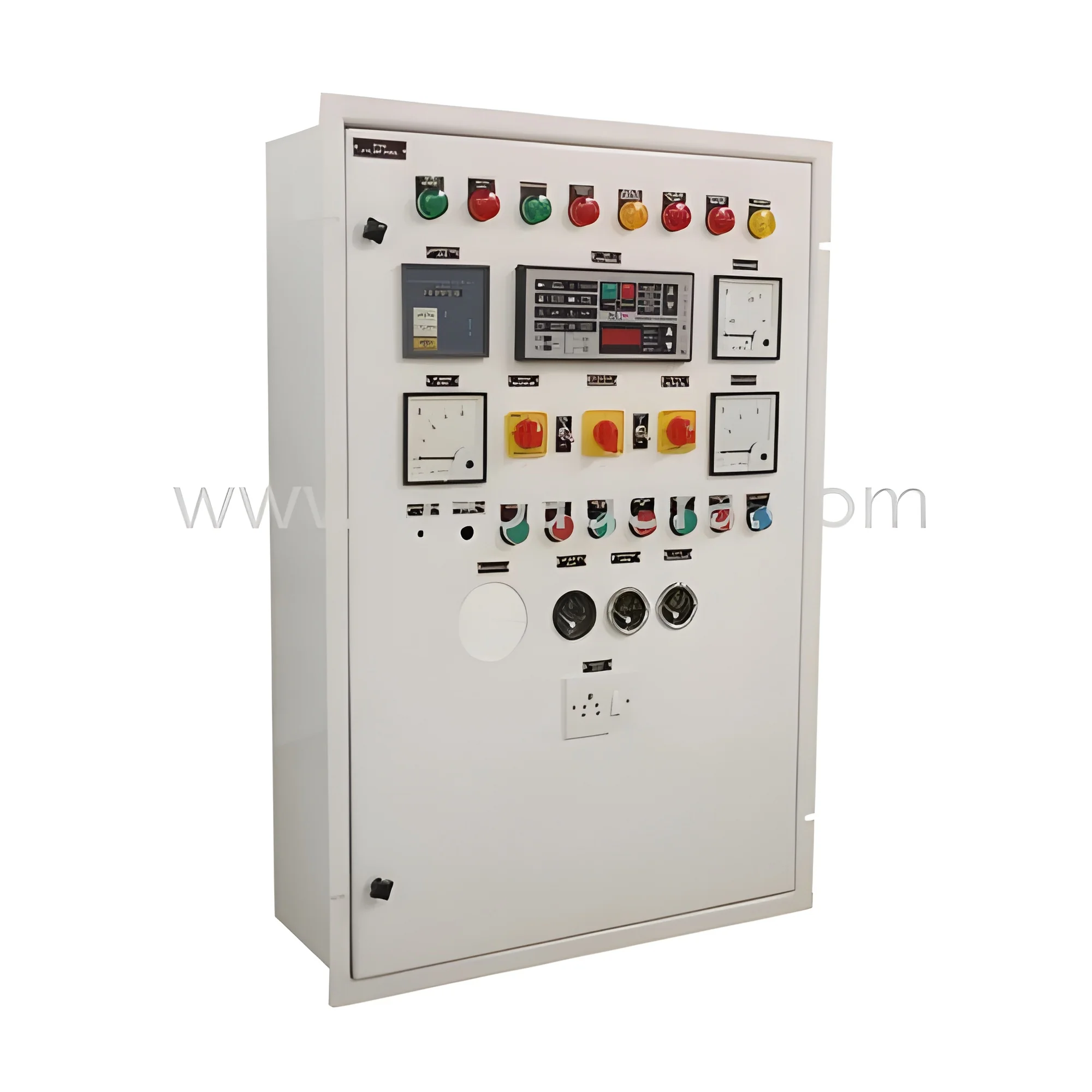
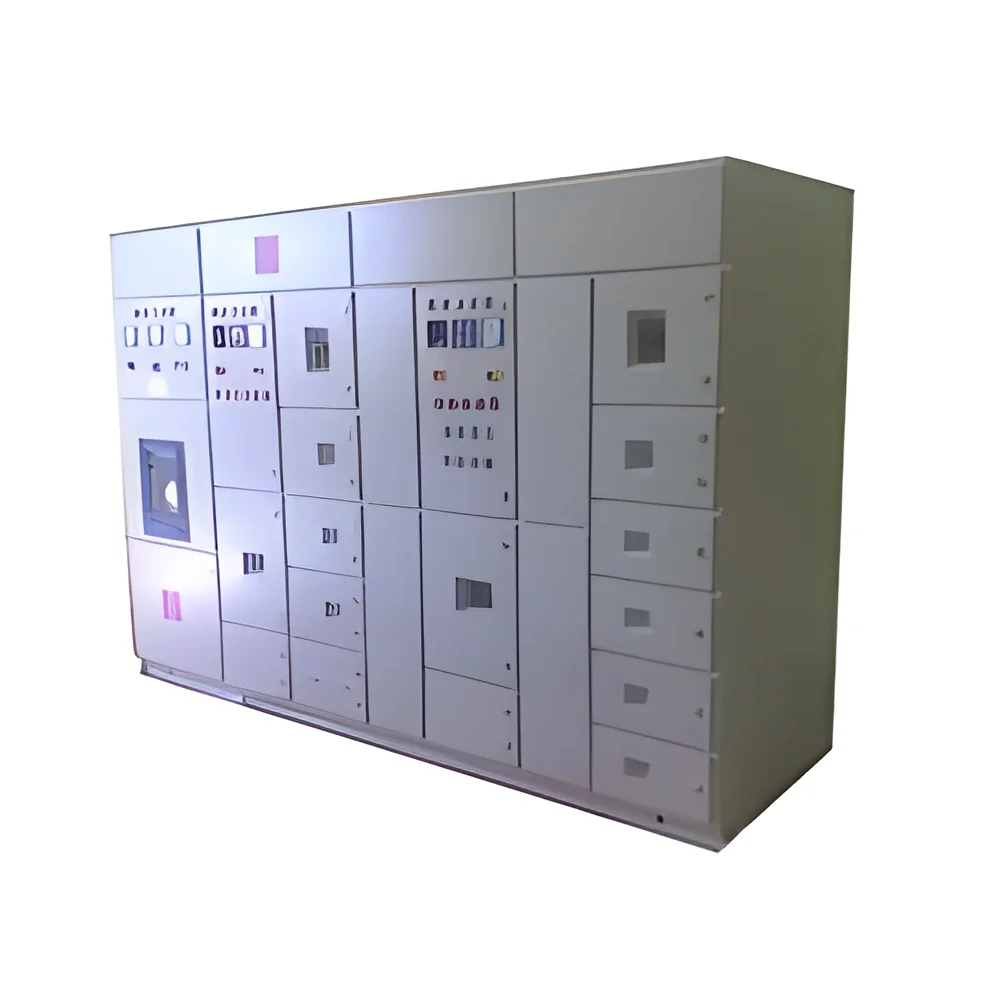
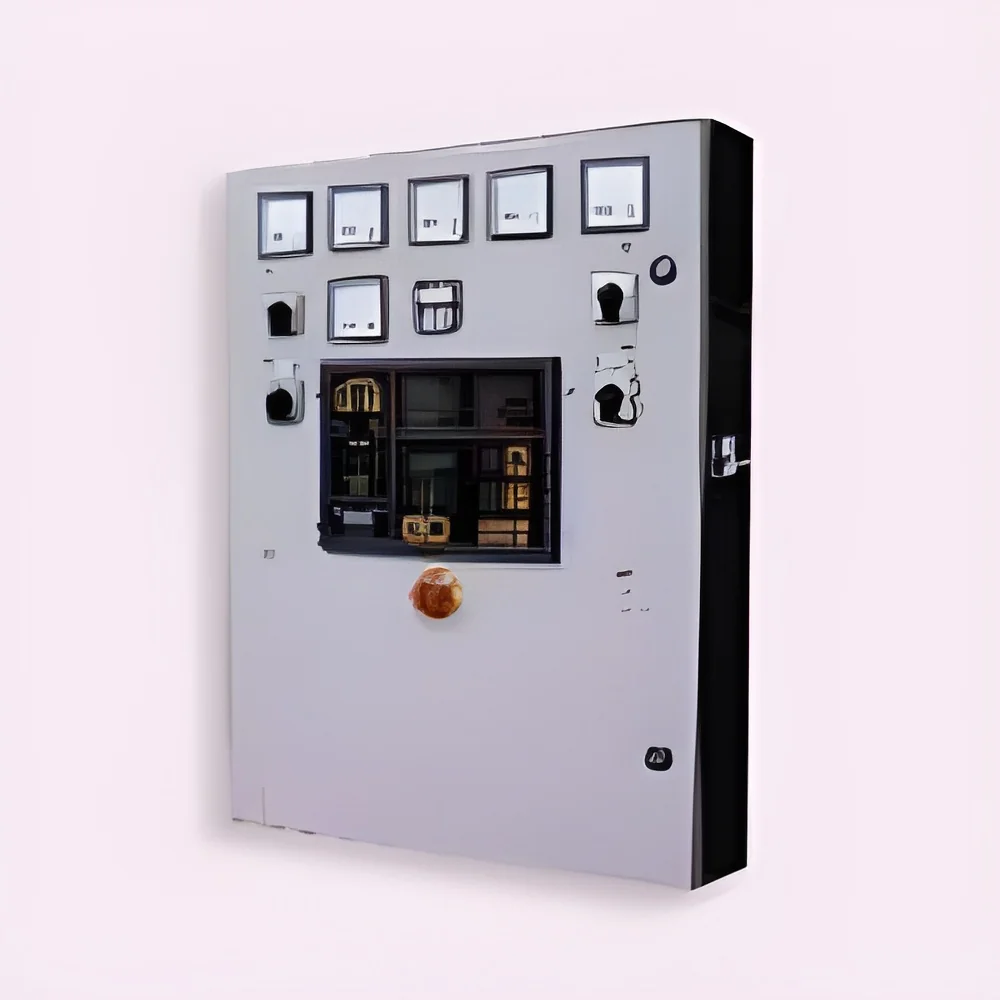
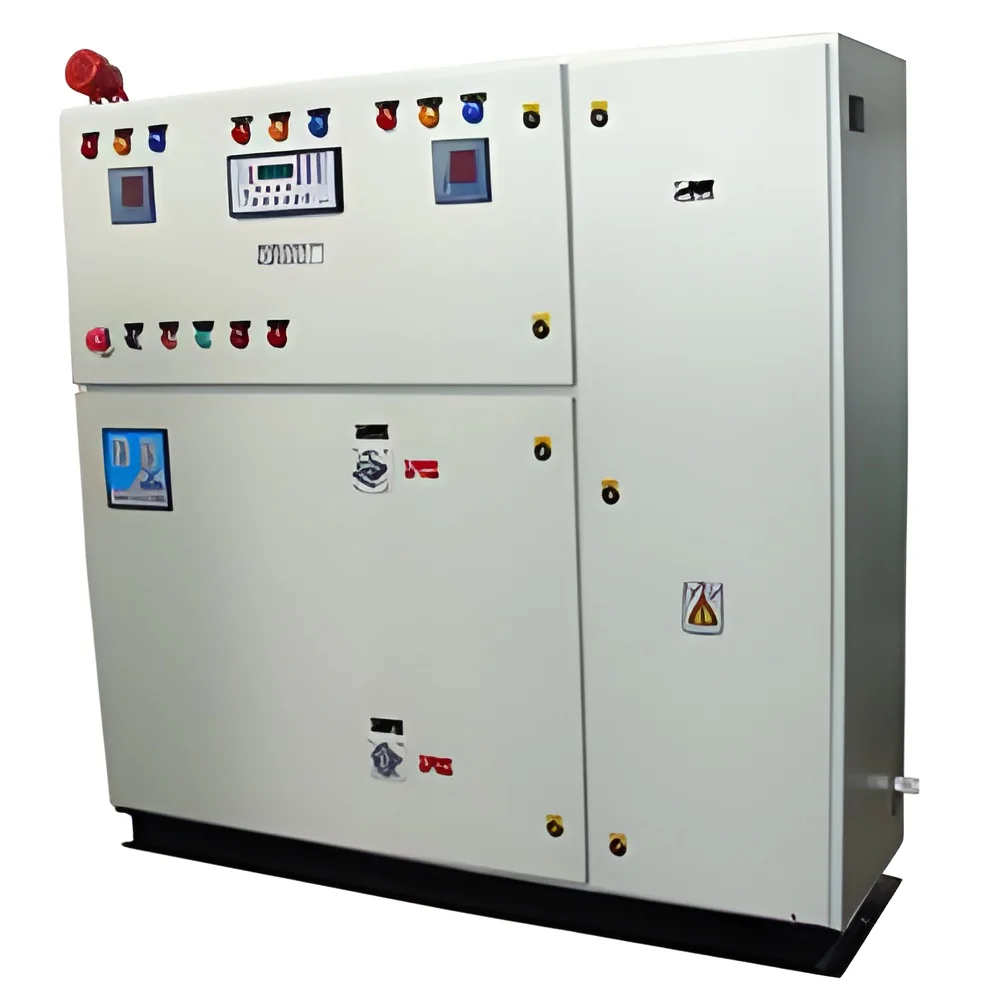
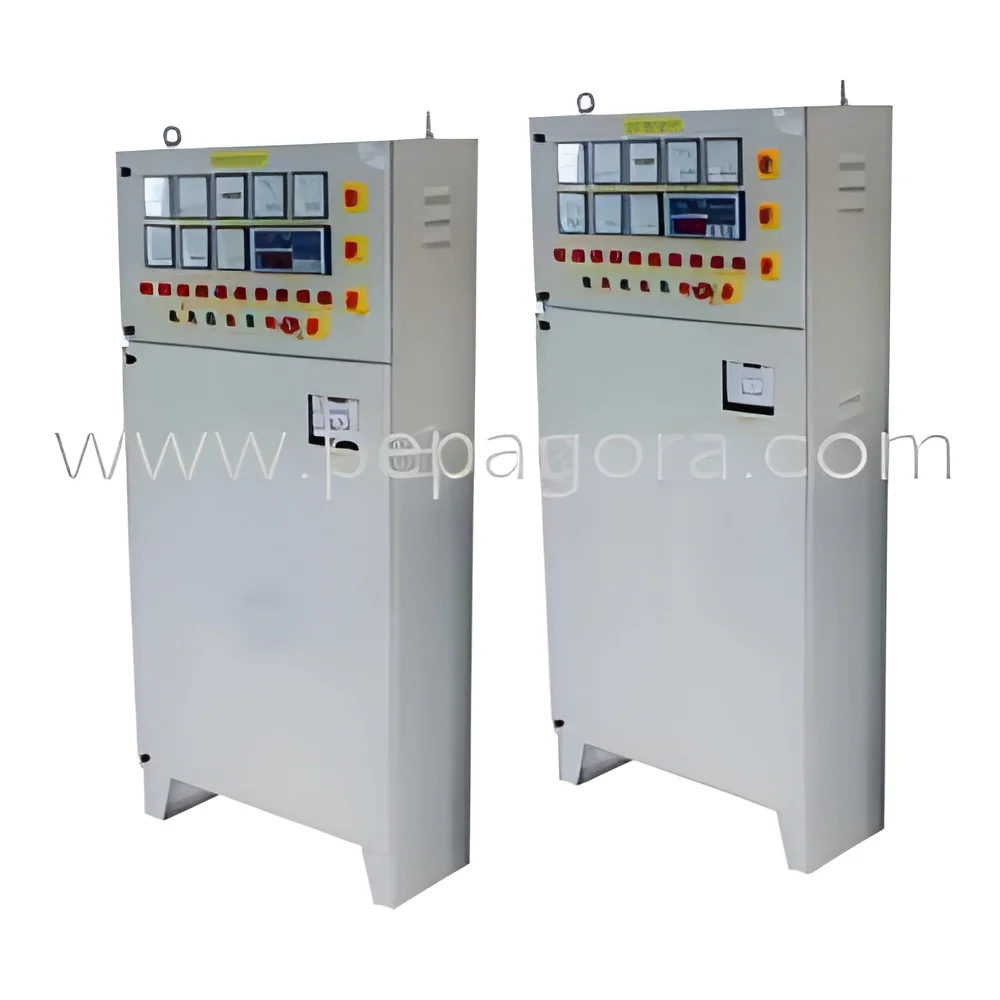
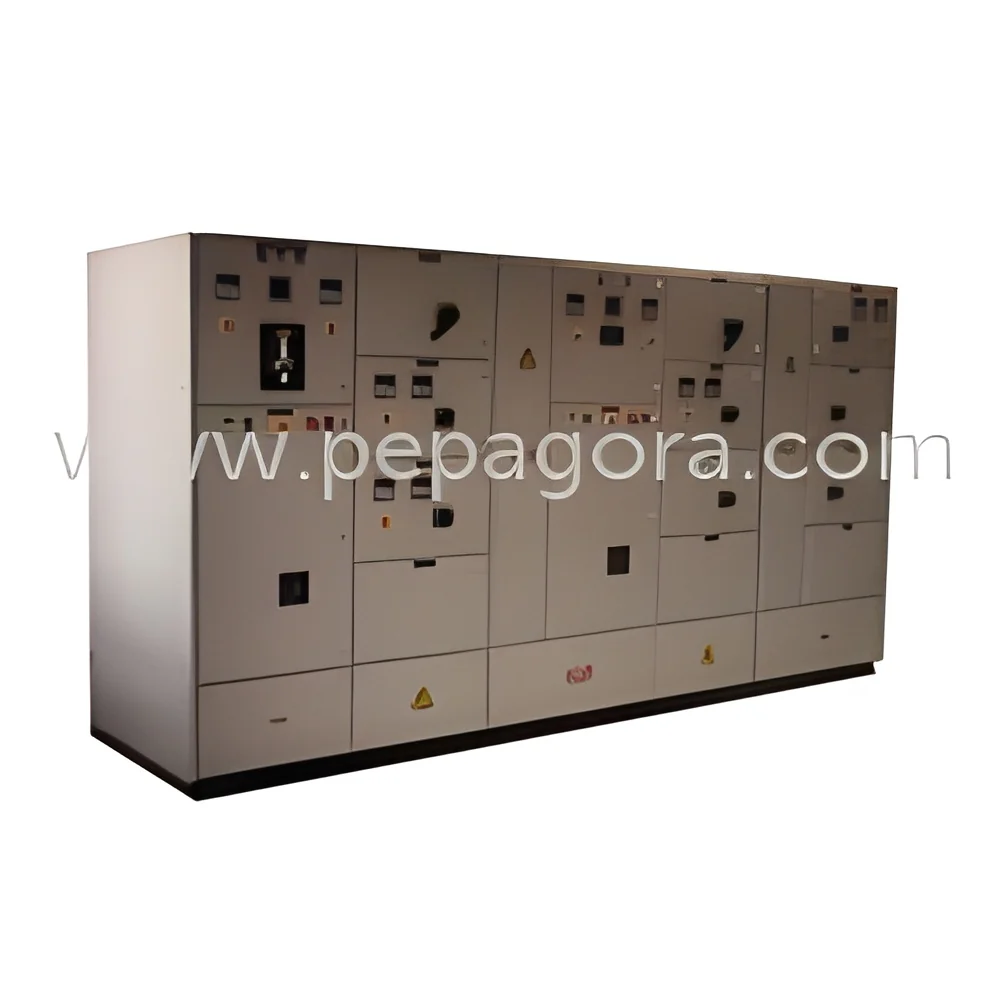
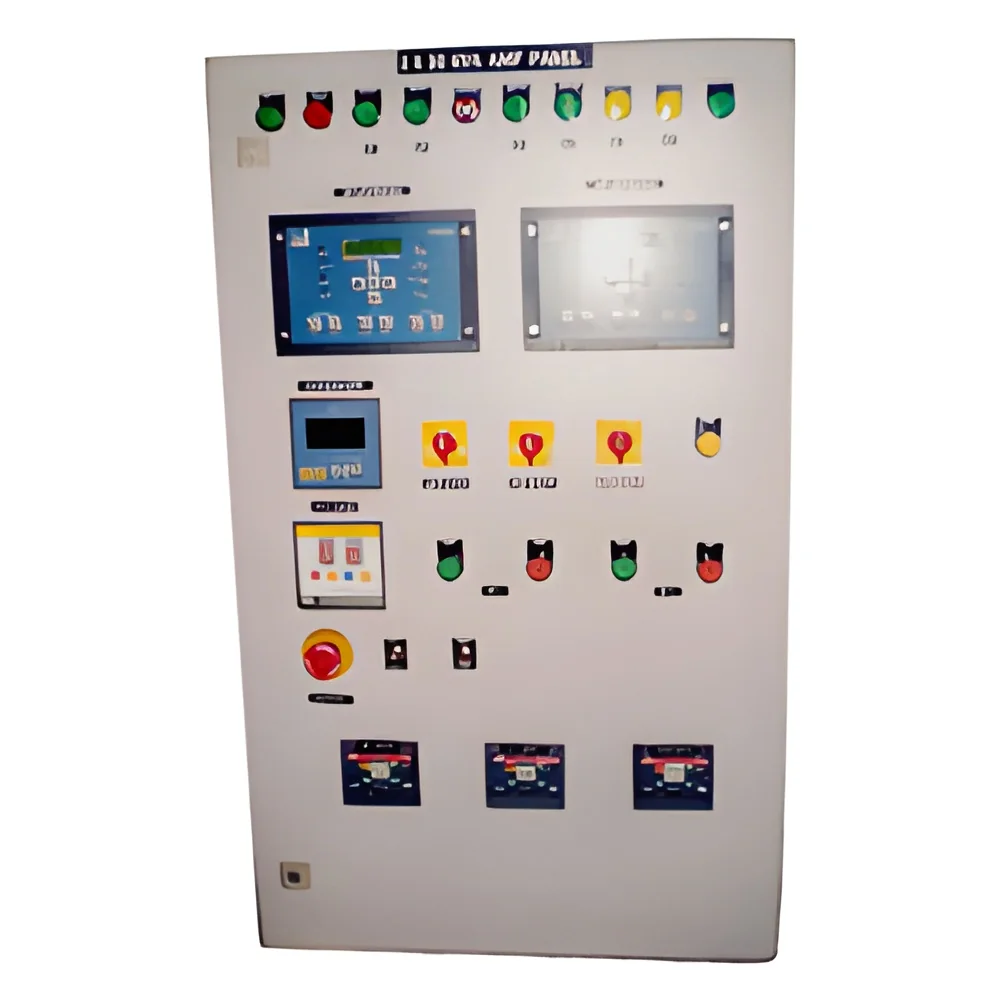
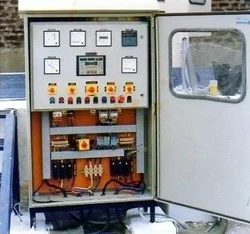
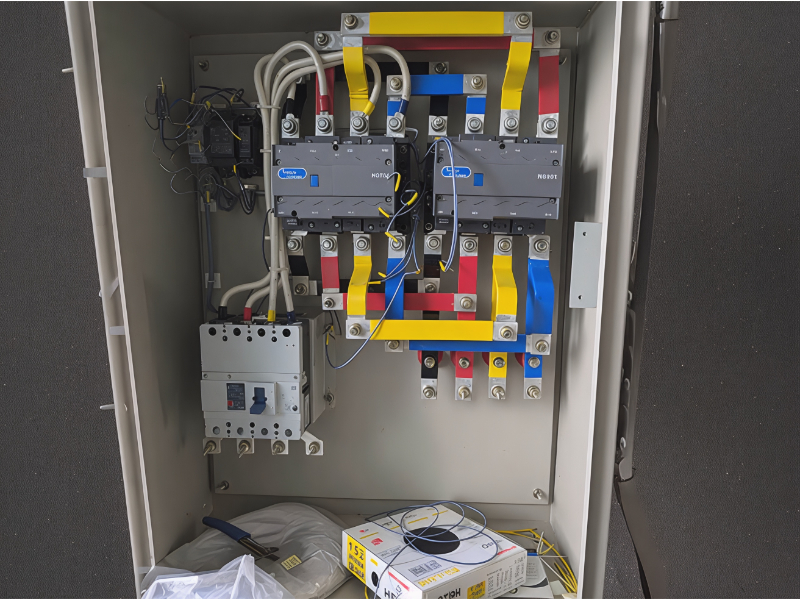
Key Features and Specifications
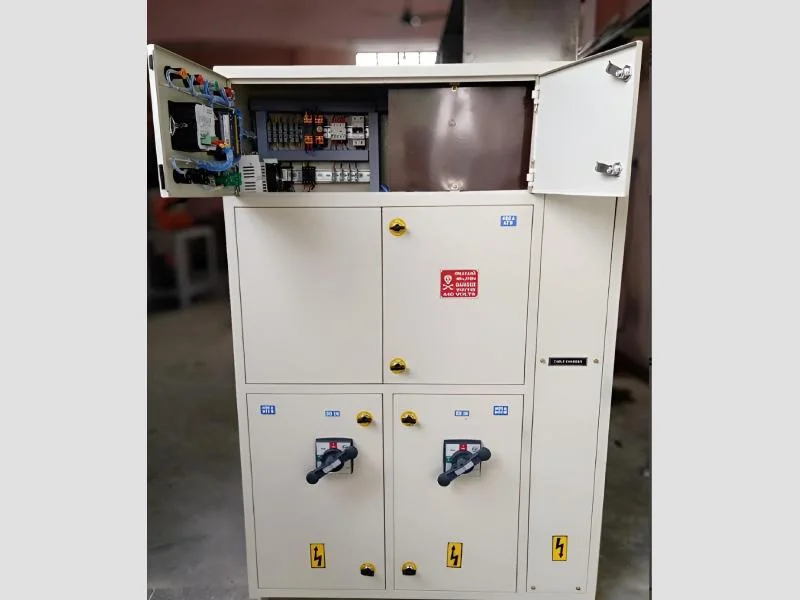
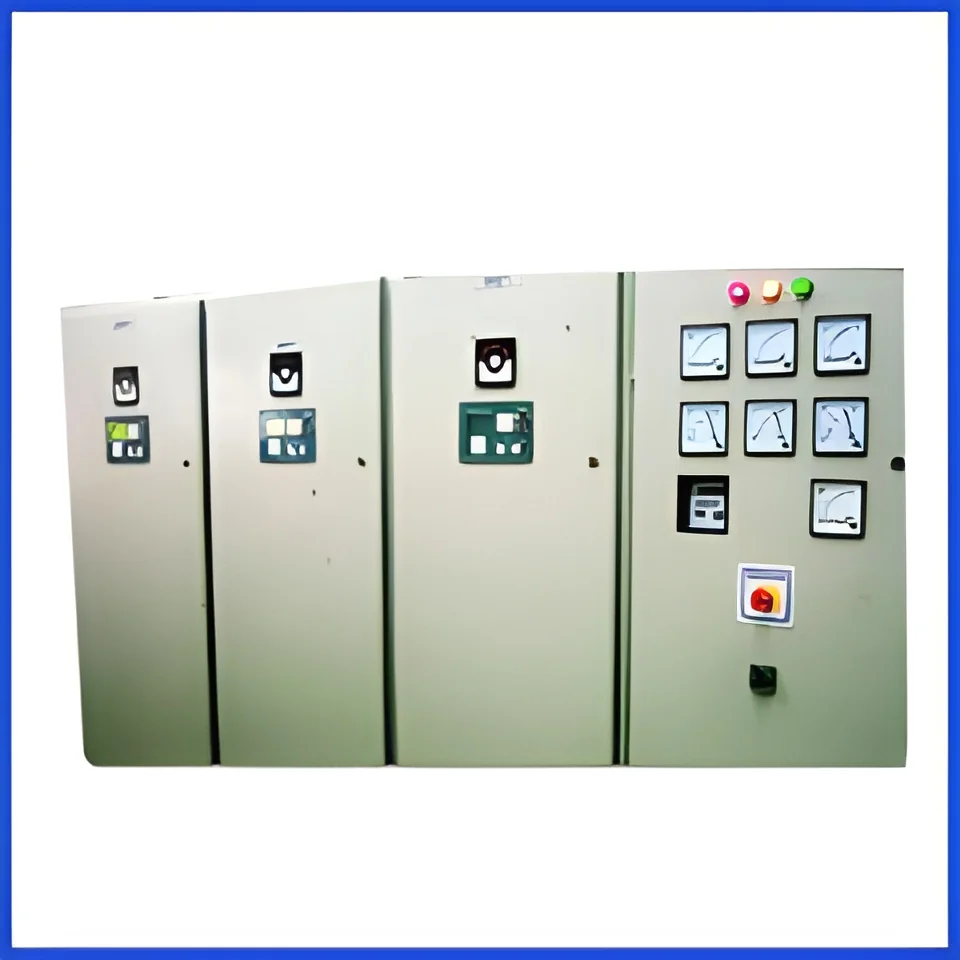
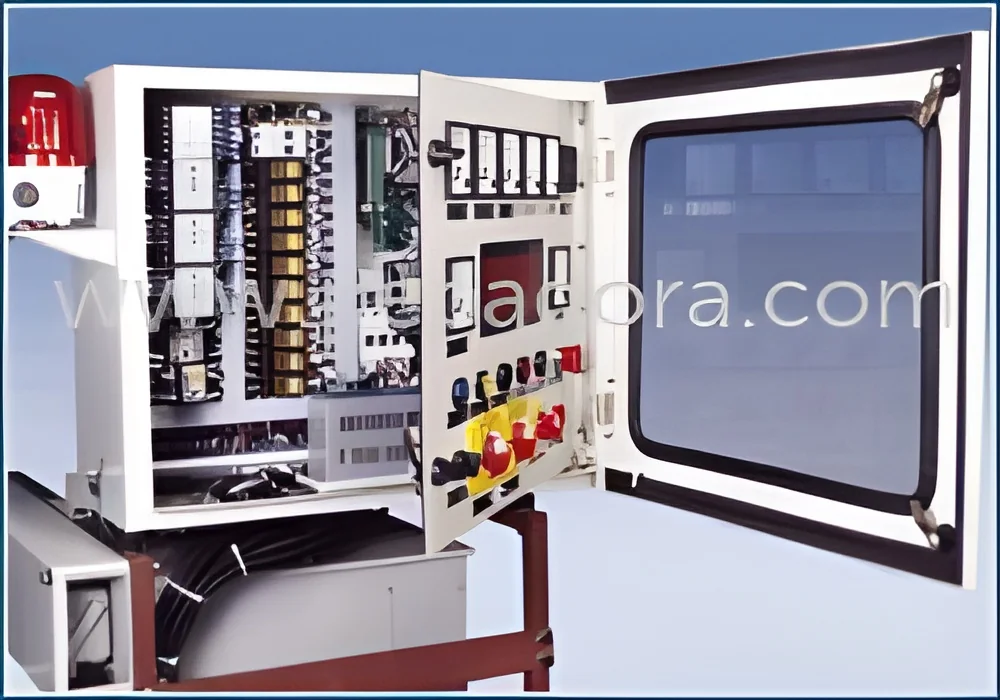
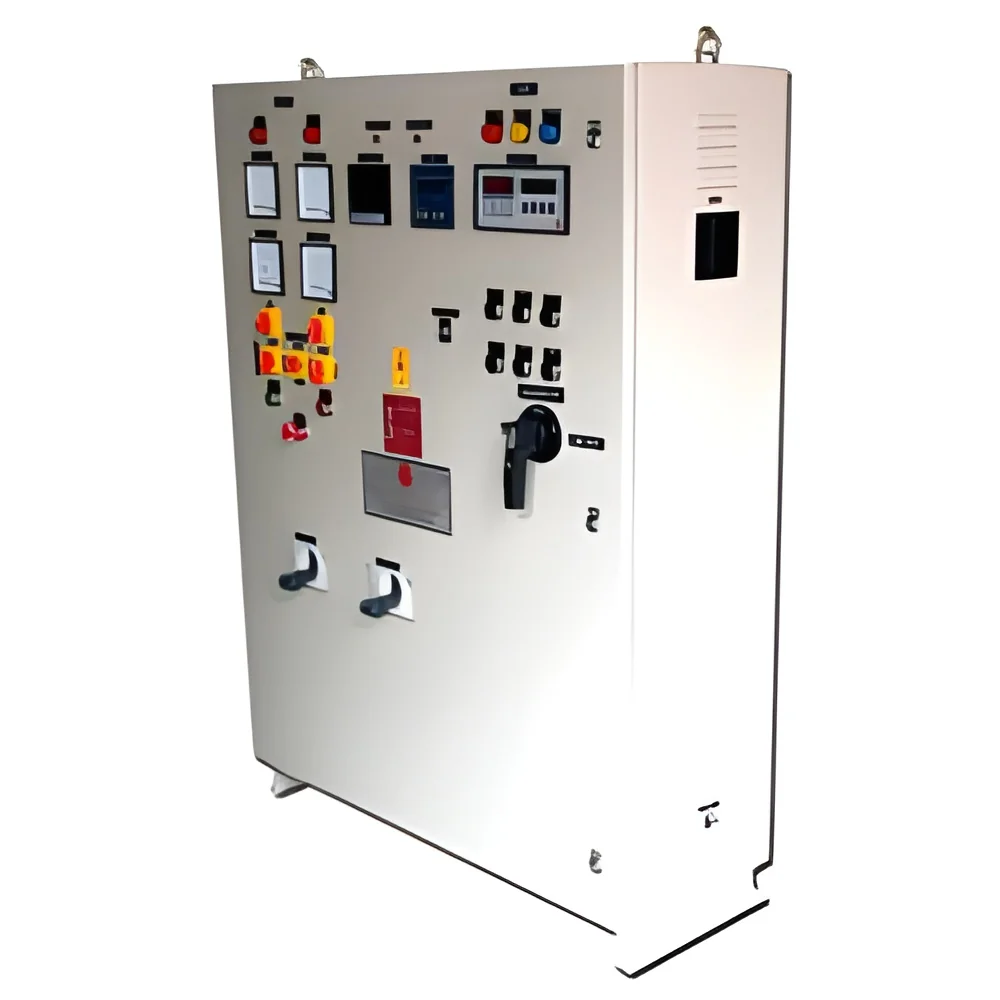
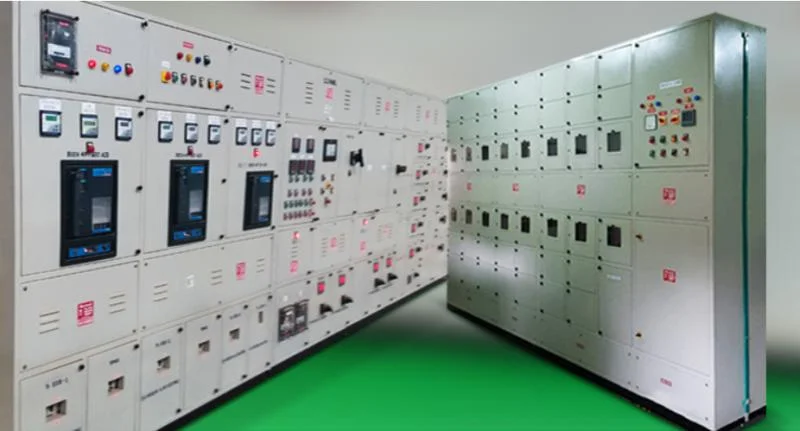
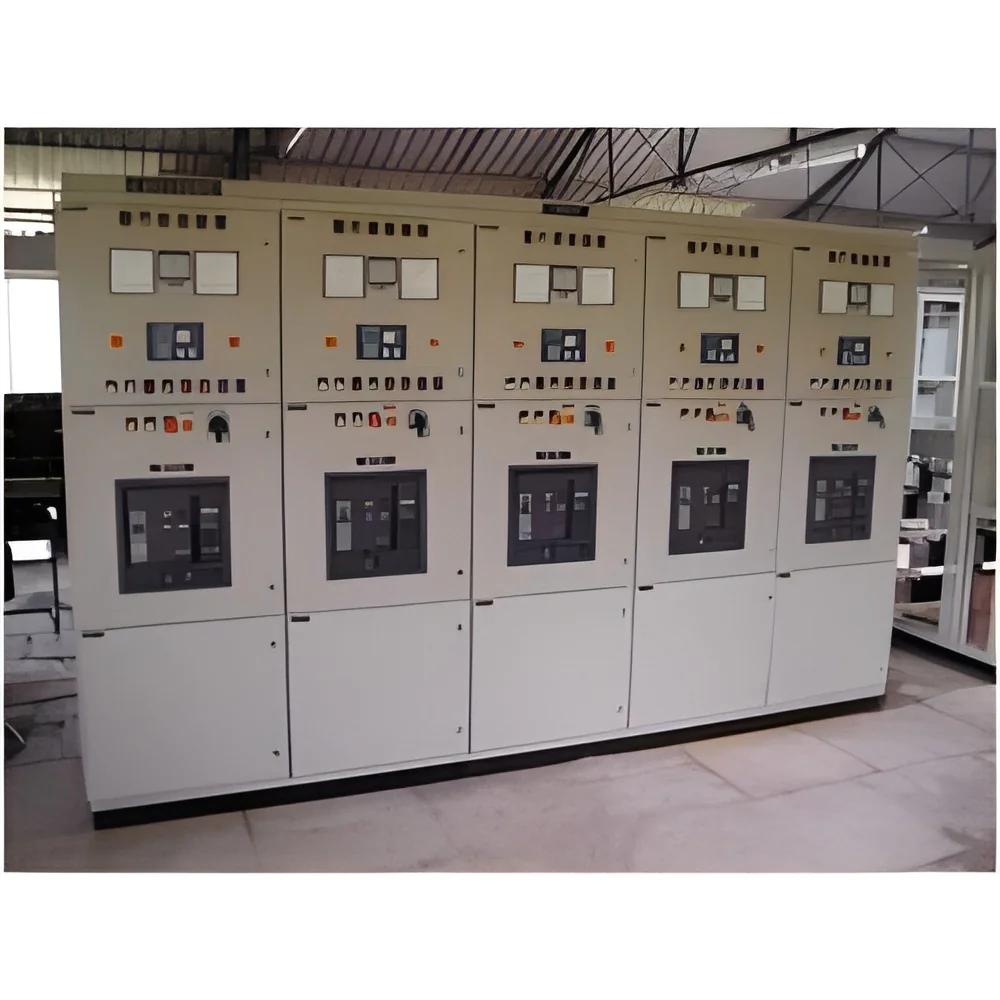
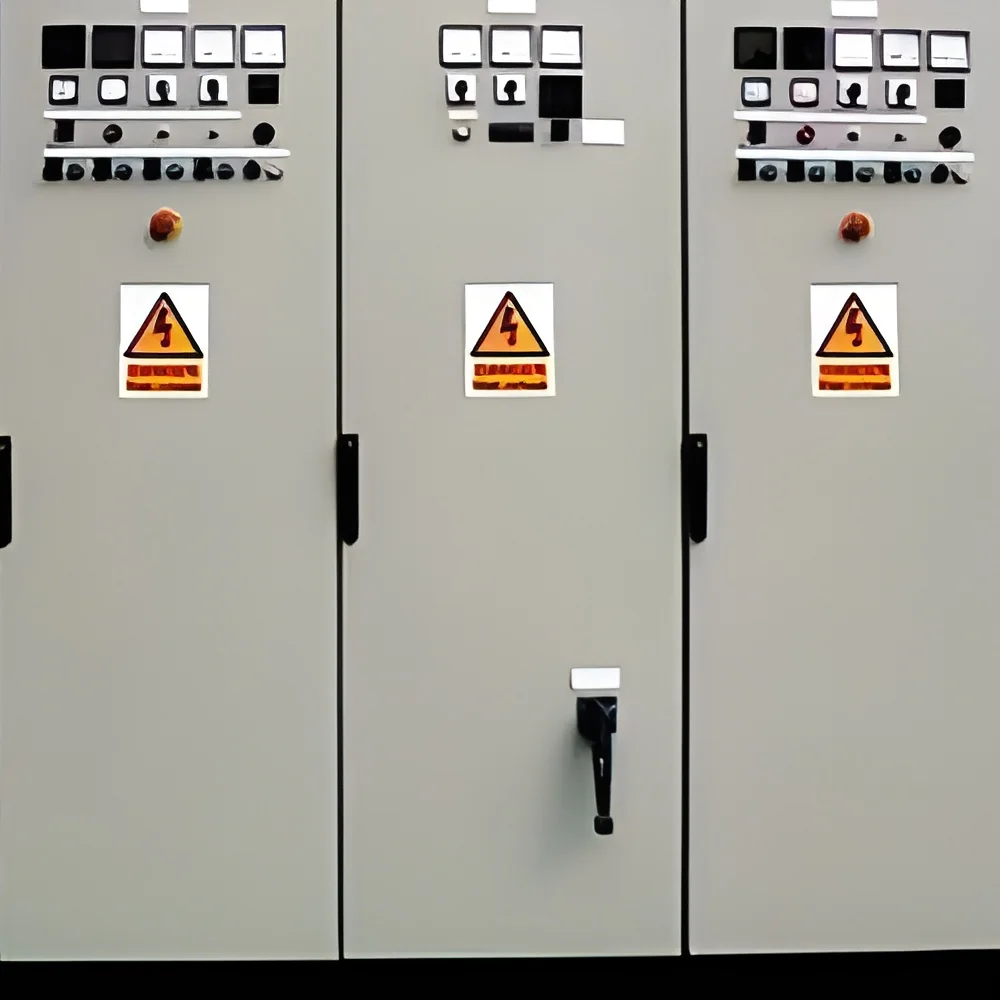
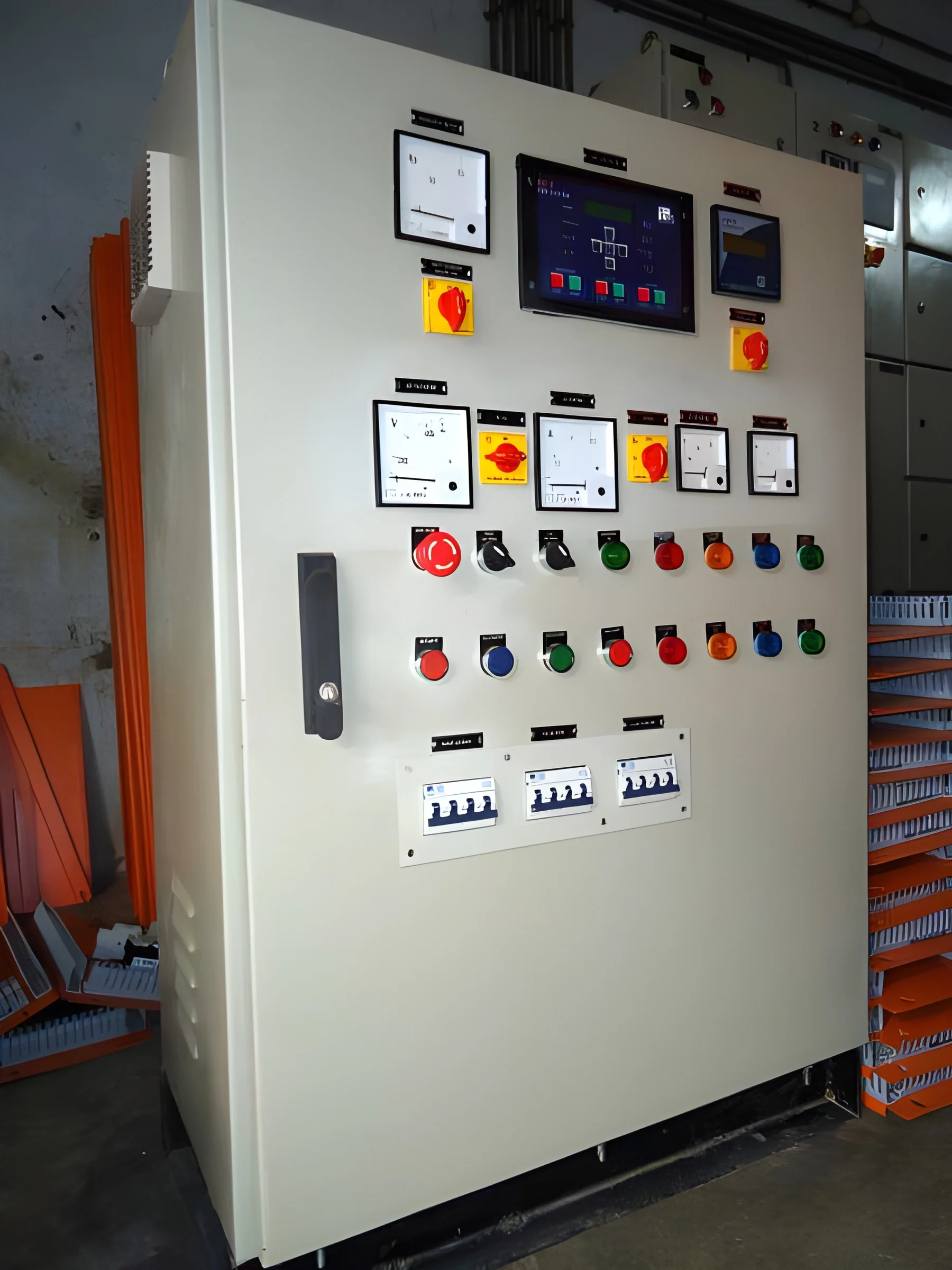
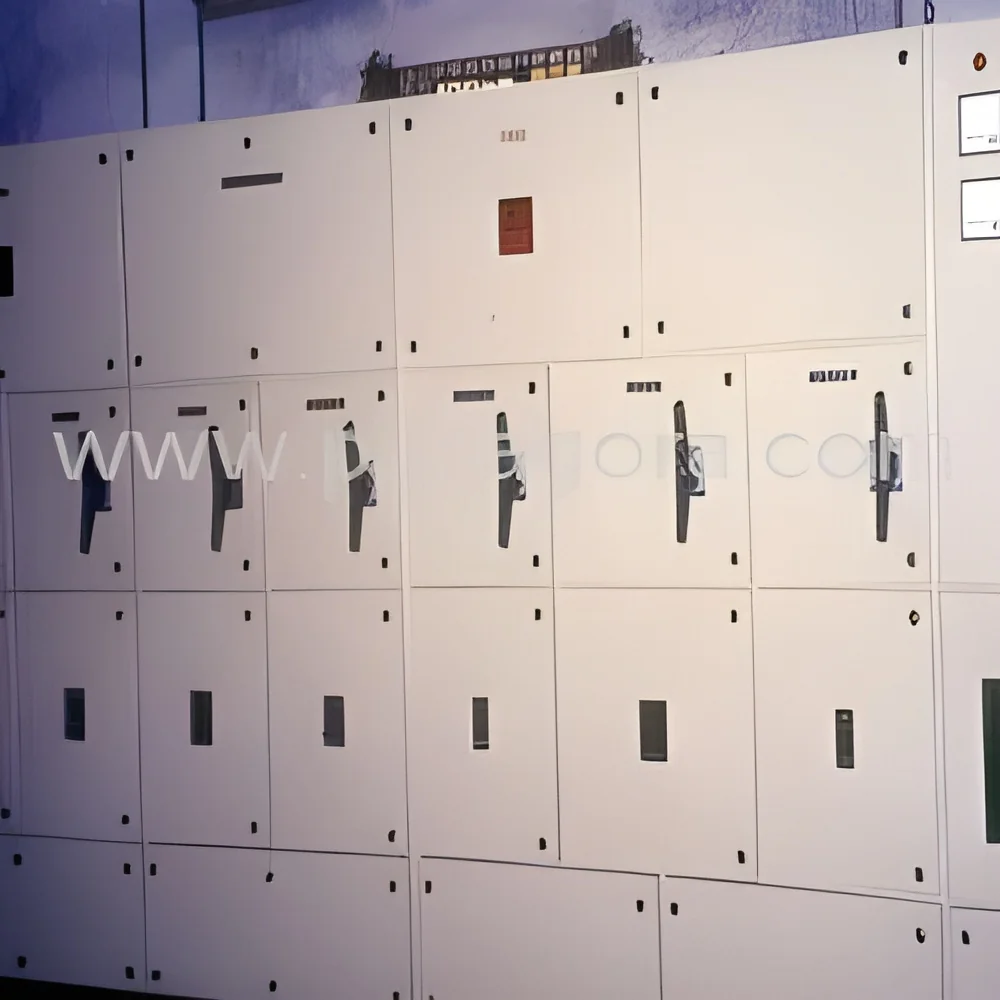
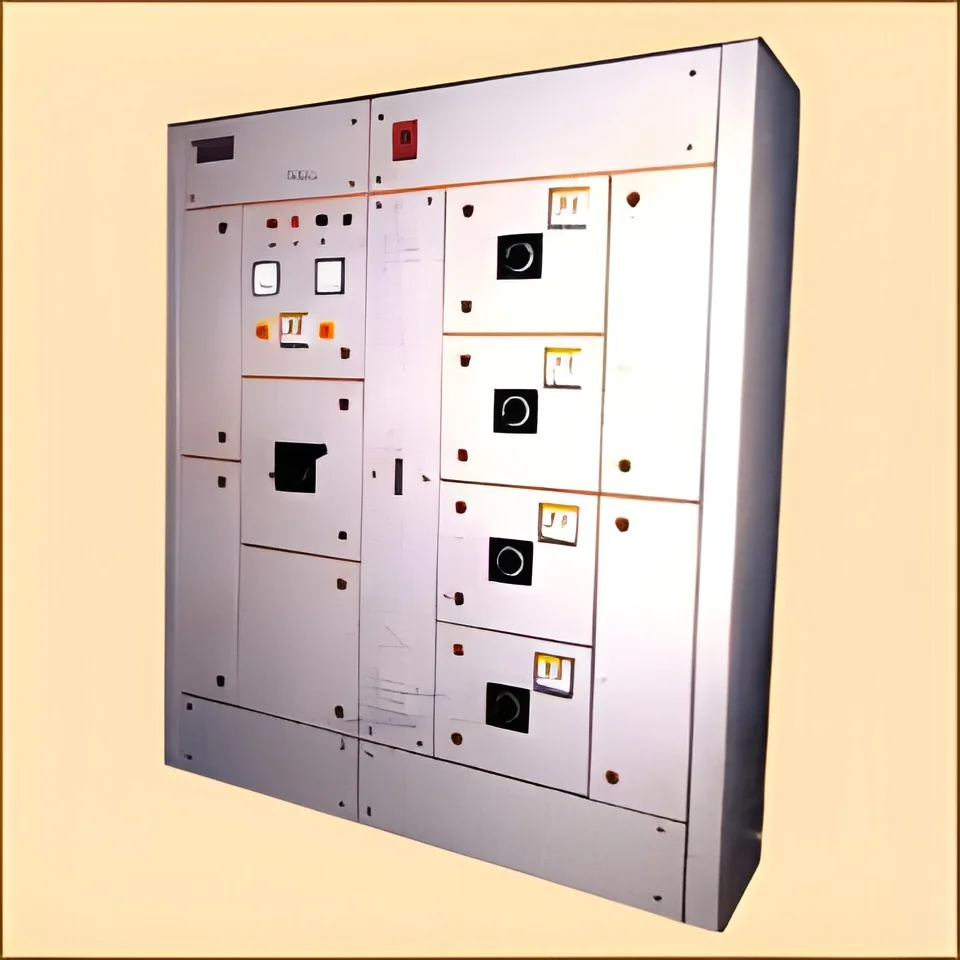
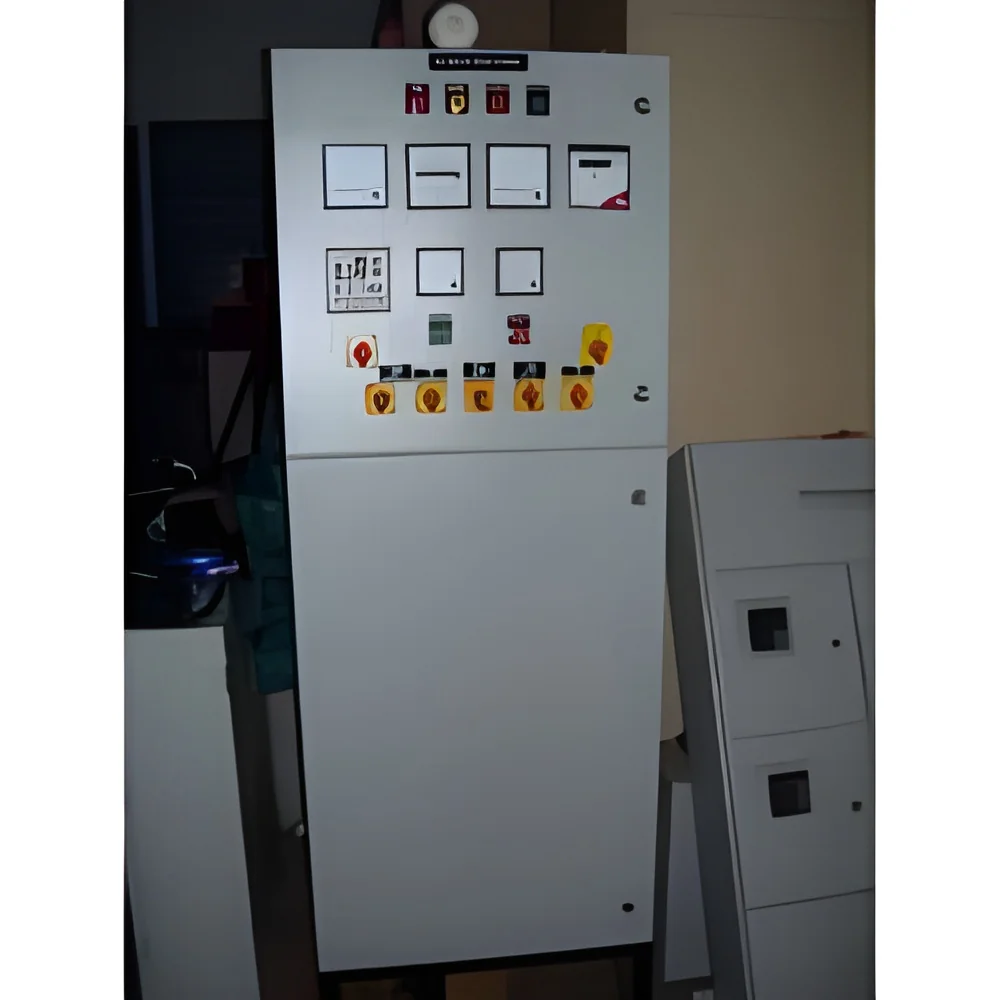
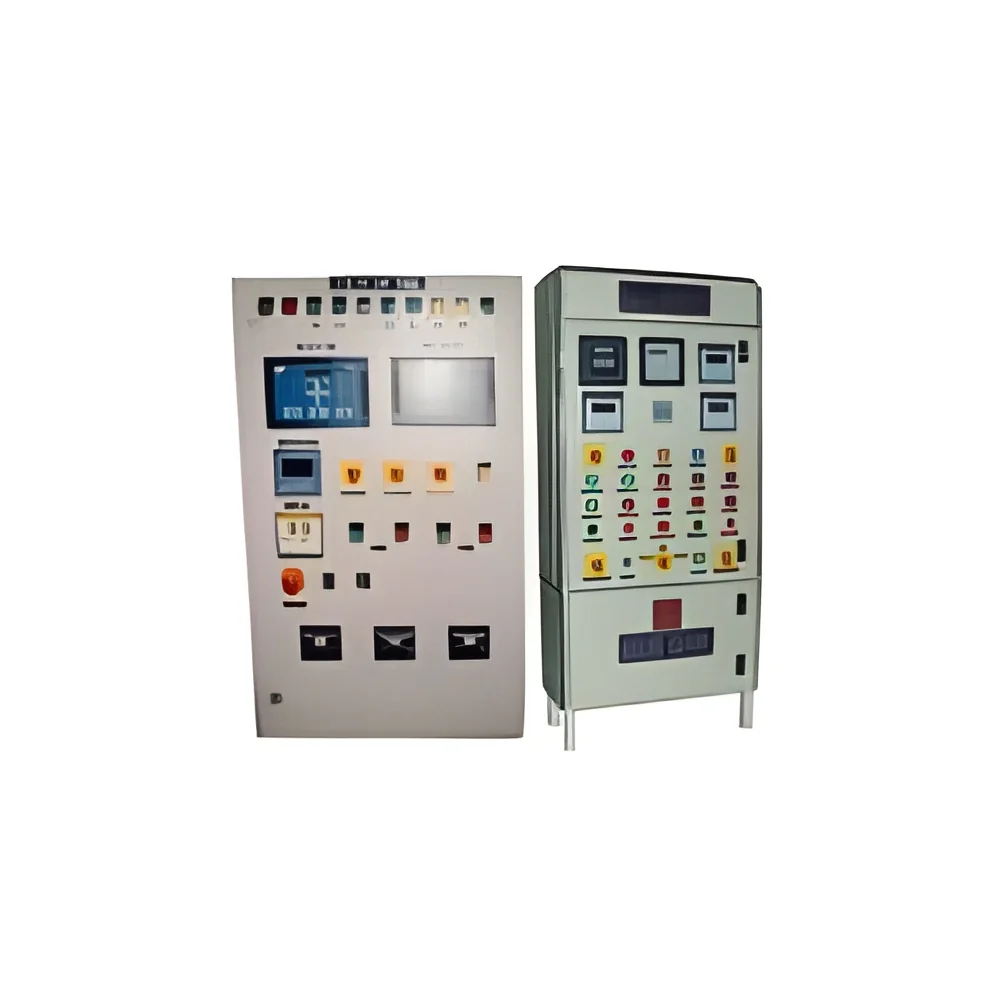
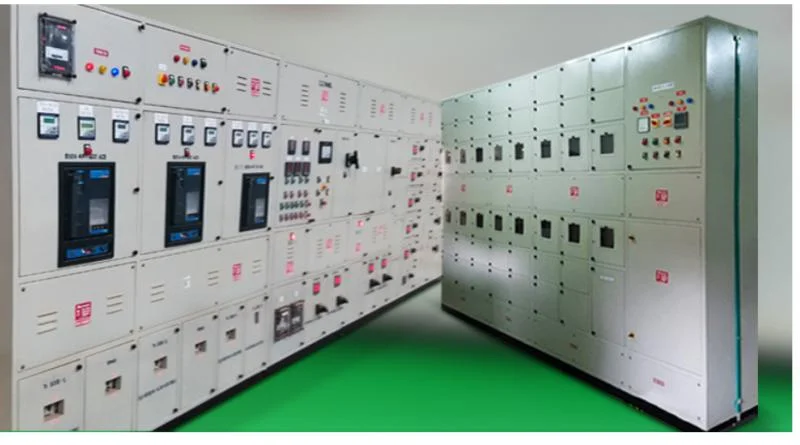
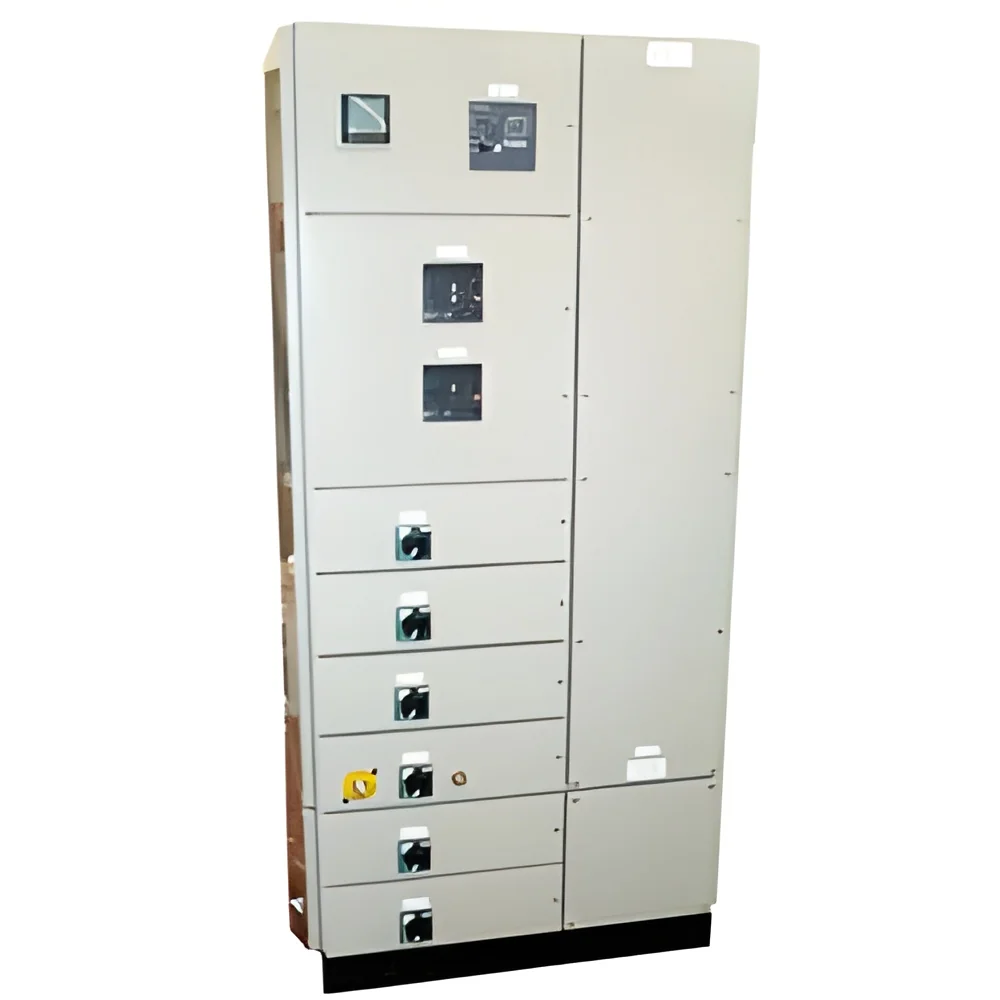
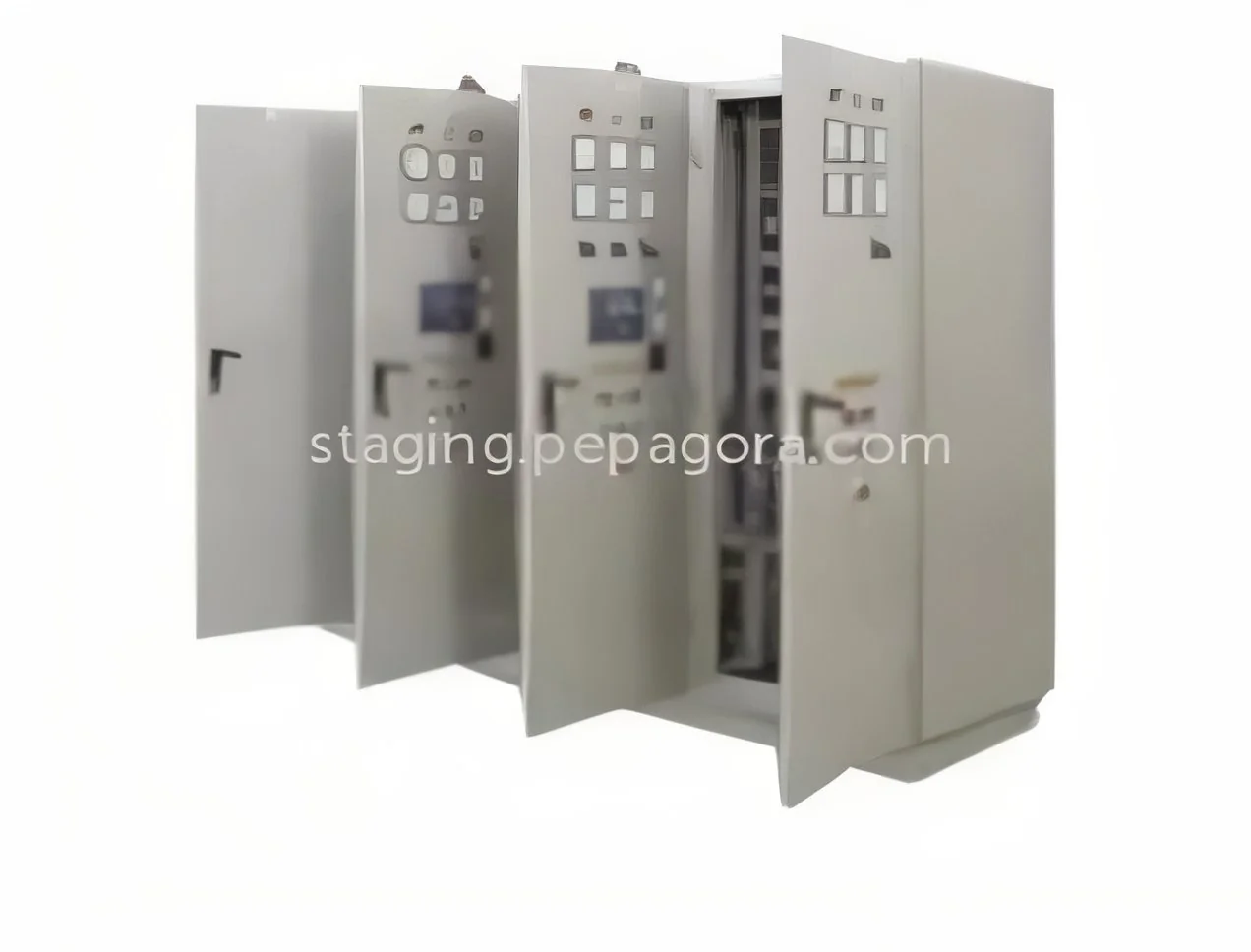
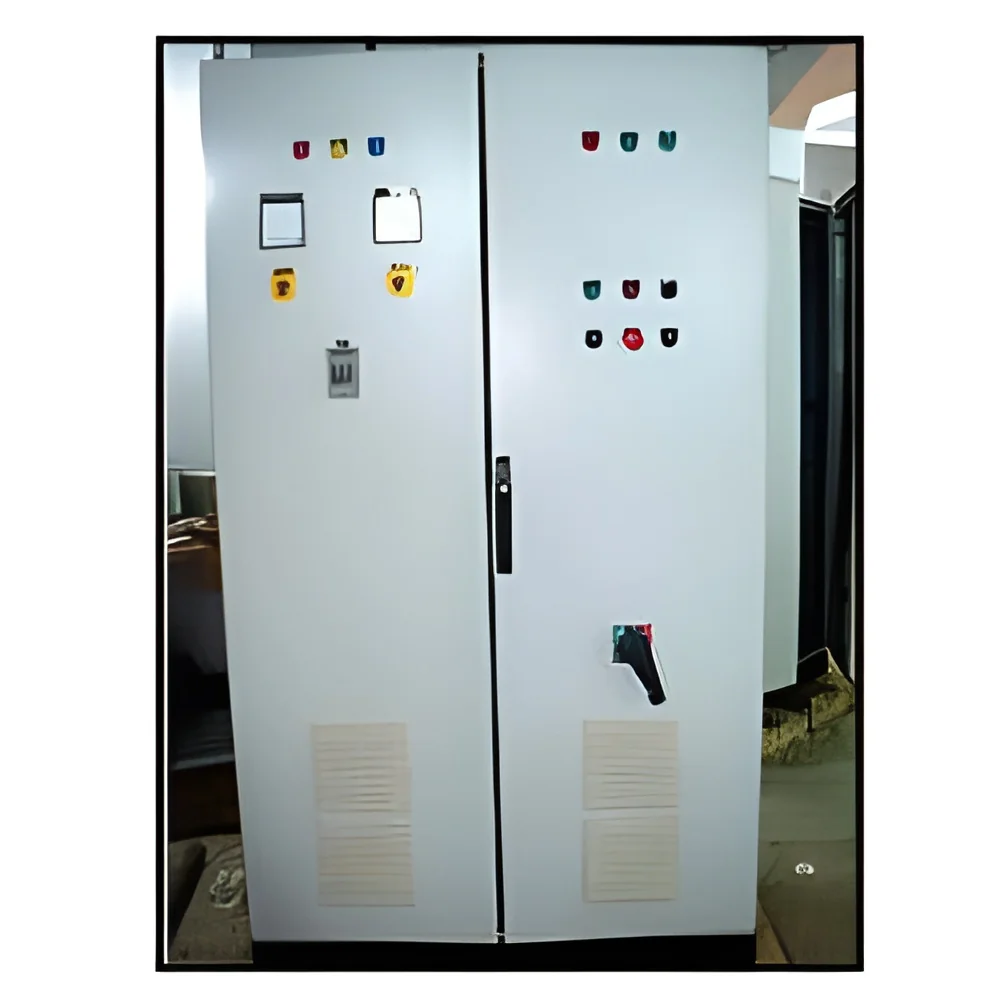
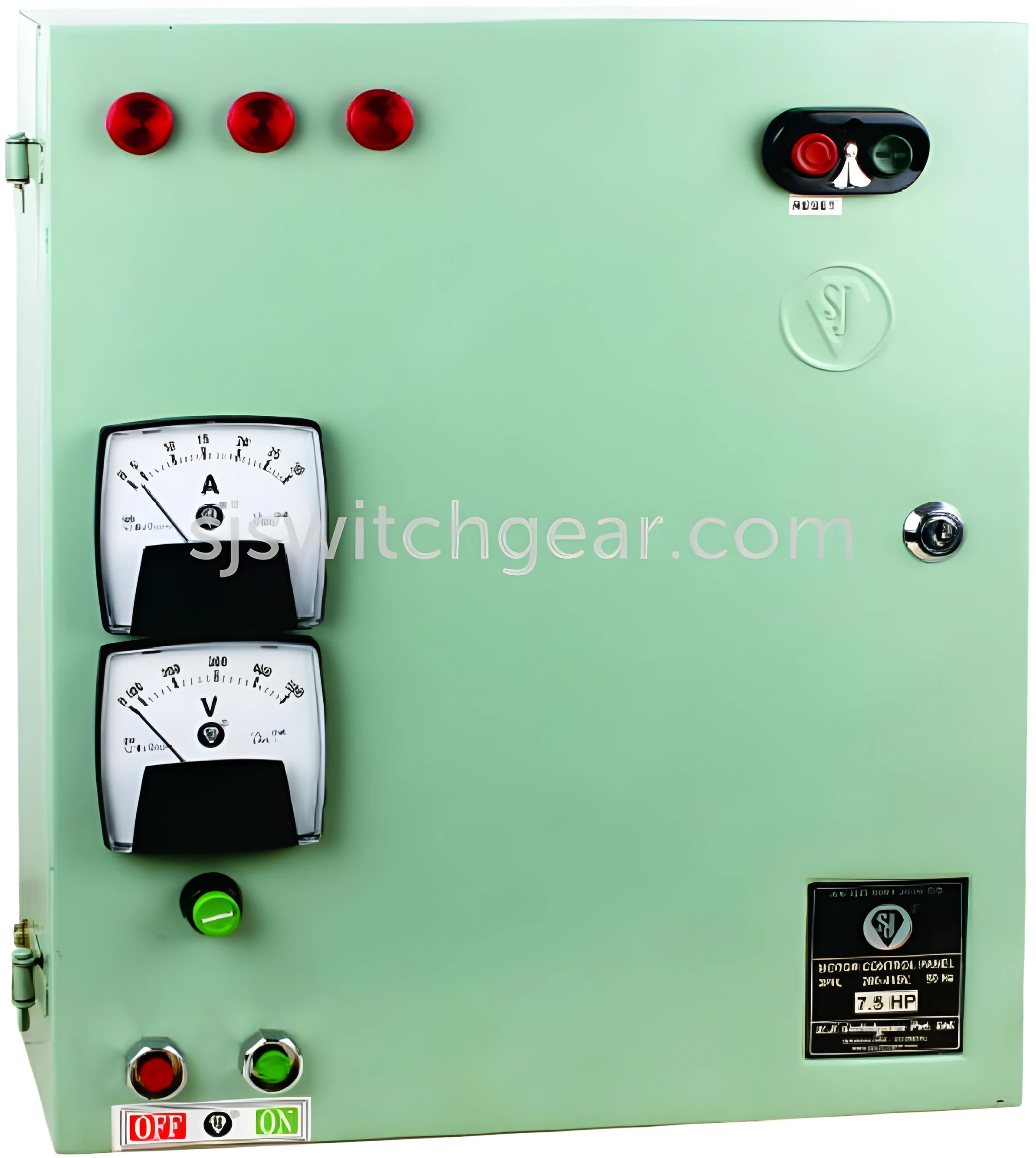
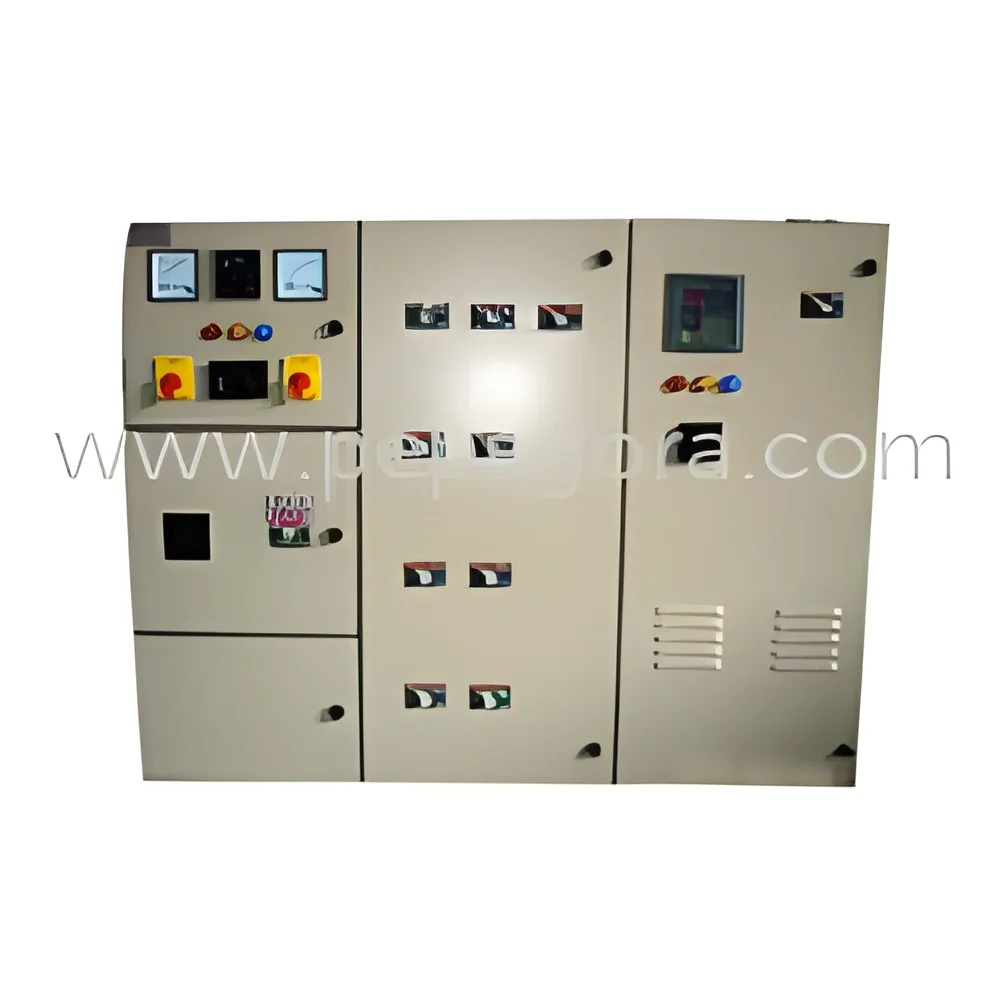
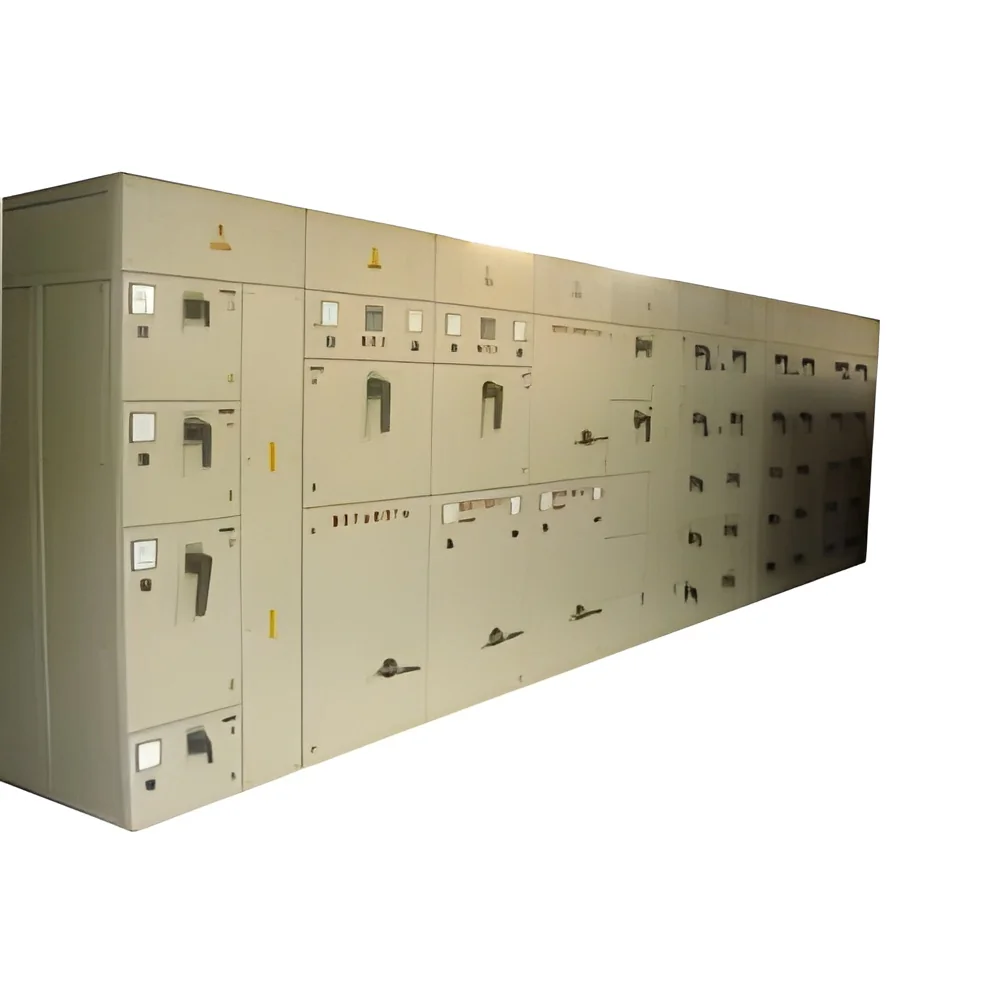
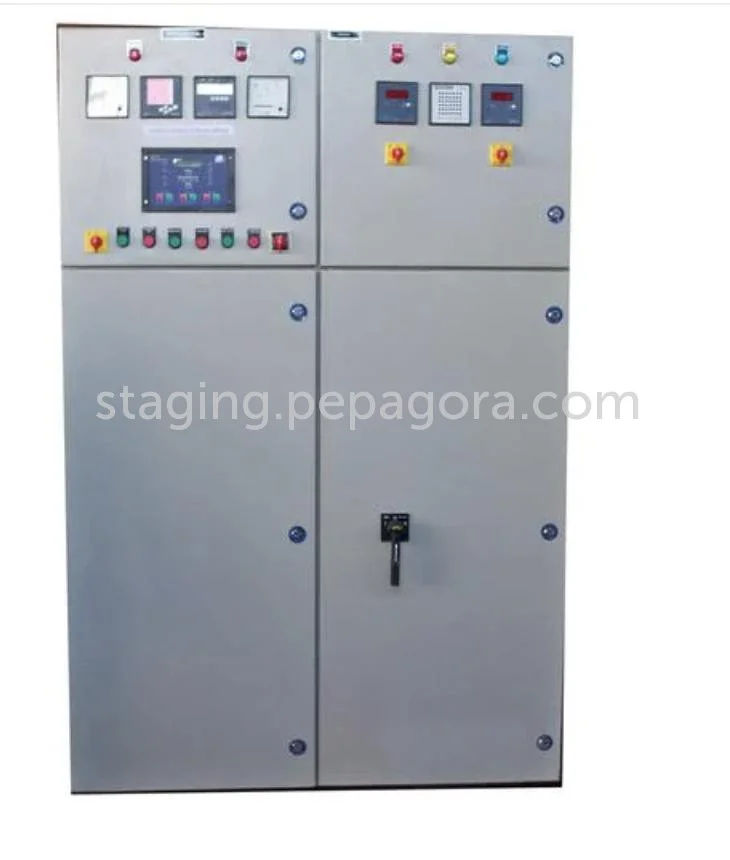
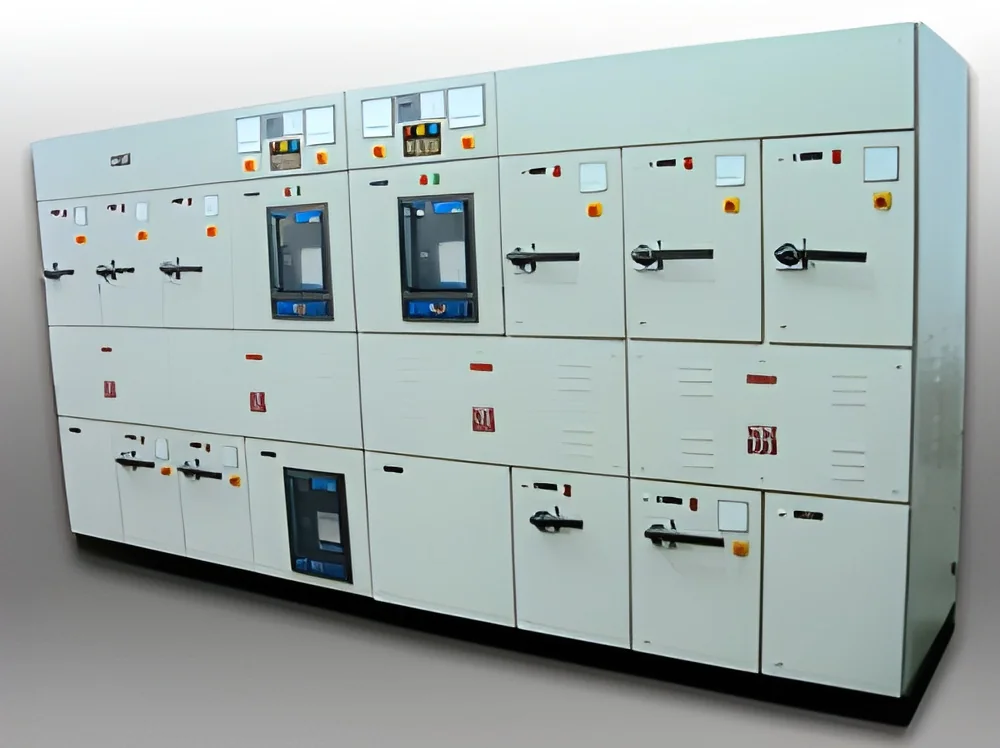
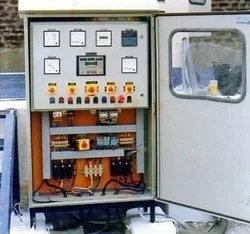
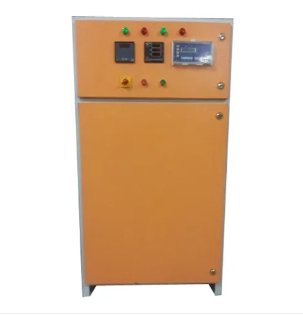
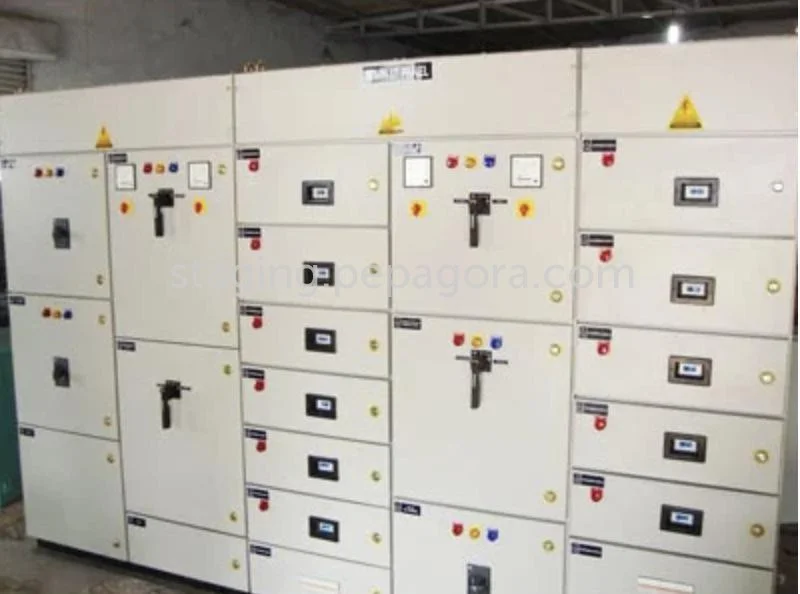
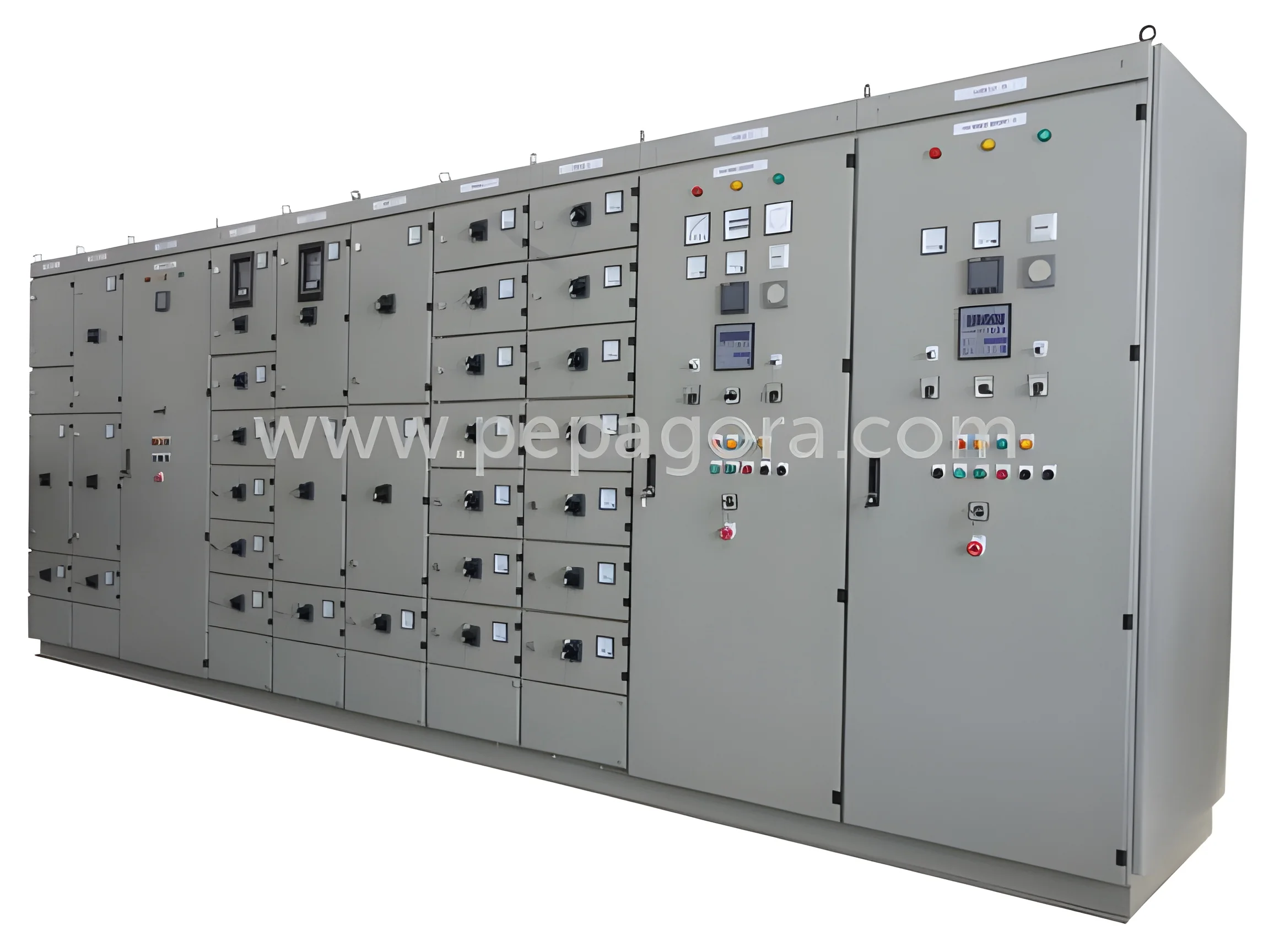
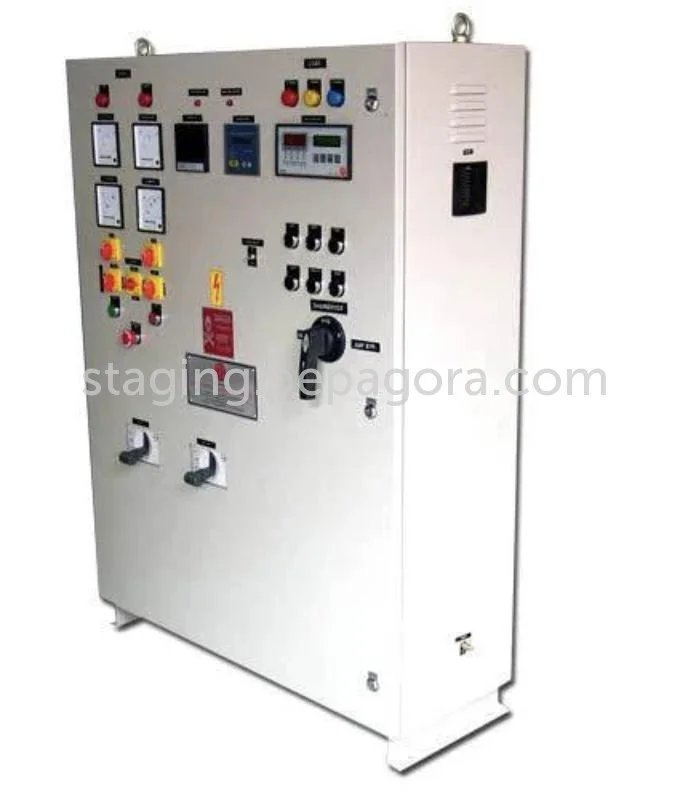
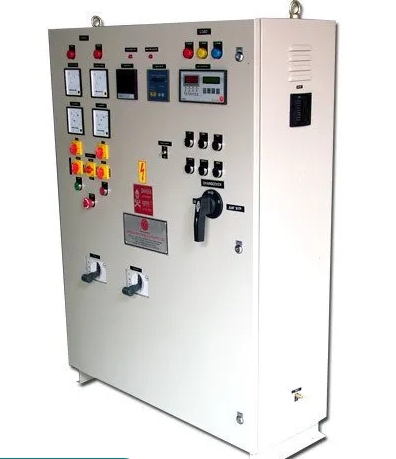
AMF Panels come with a range of features and specifications designed to ensure reliable performance and safety. These panels are engineered to meet the rigorous demands of continuous operation while providing essential monitoring and control functions.
Key specifications include:
1. Voltage Rating
- Typically ranges from 230V to 415V.
- Ensures compatibility with various electrical systems.
2. Frequency
- Standard operating frequency is usually 50Hz or 60Hz.
- Essential for synchronization with generators and mains supply.
3. Protection Class
- Often rated at IP54 or higher.
- Provides resistance against dust and moisture ingress.
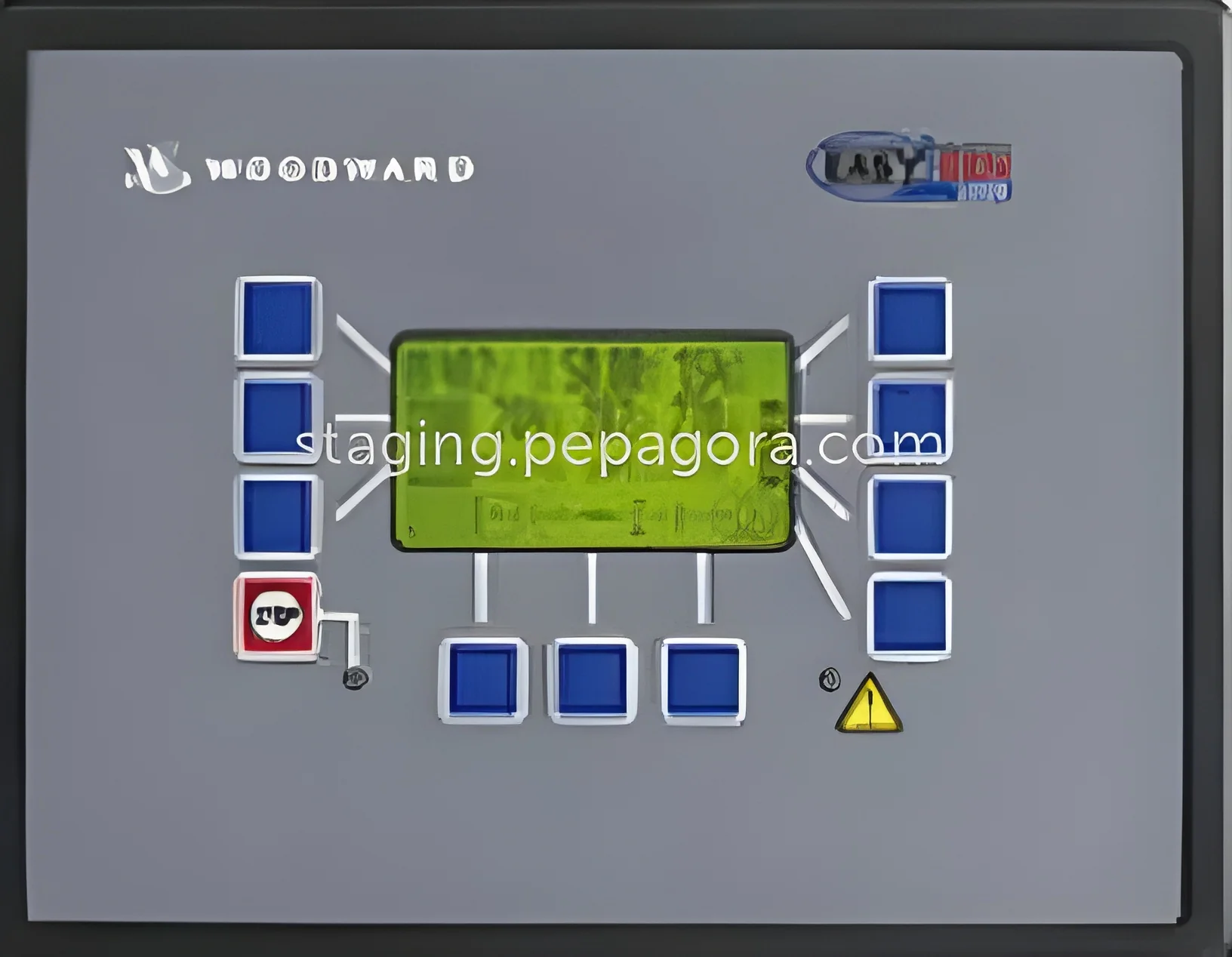
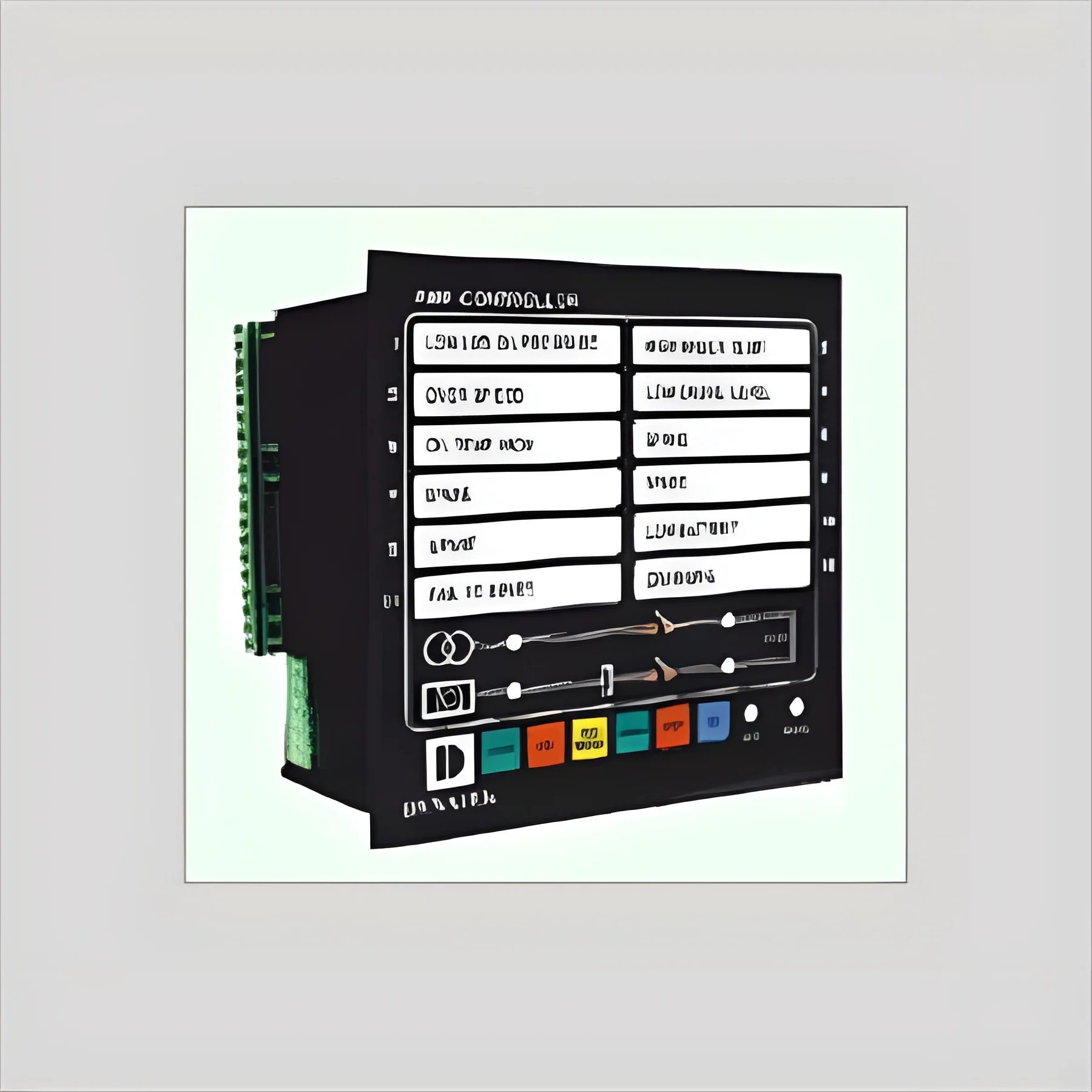
4. Control Interface
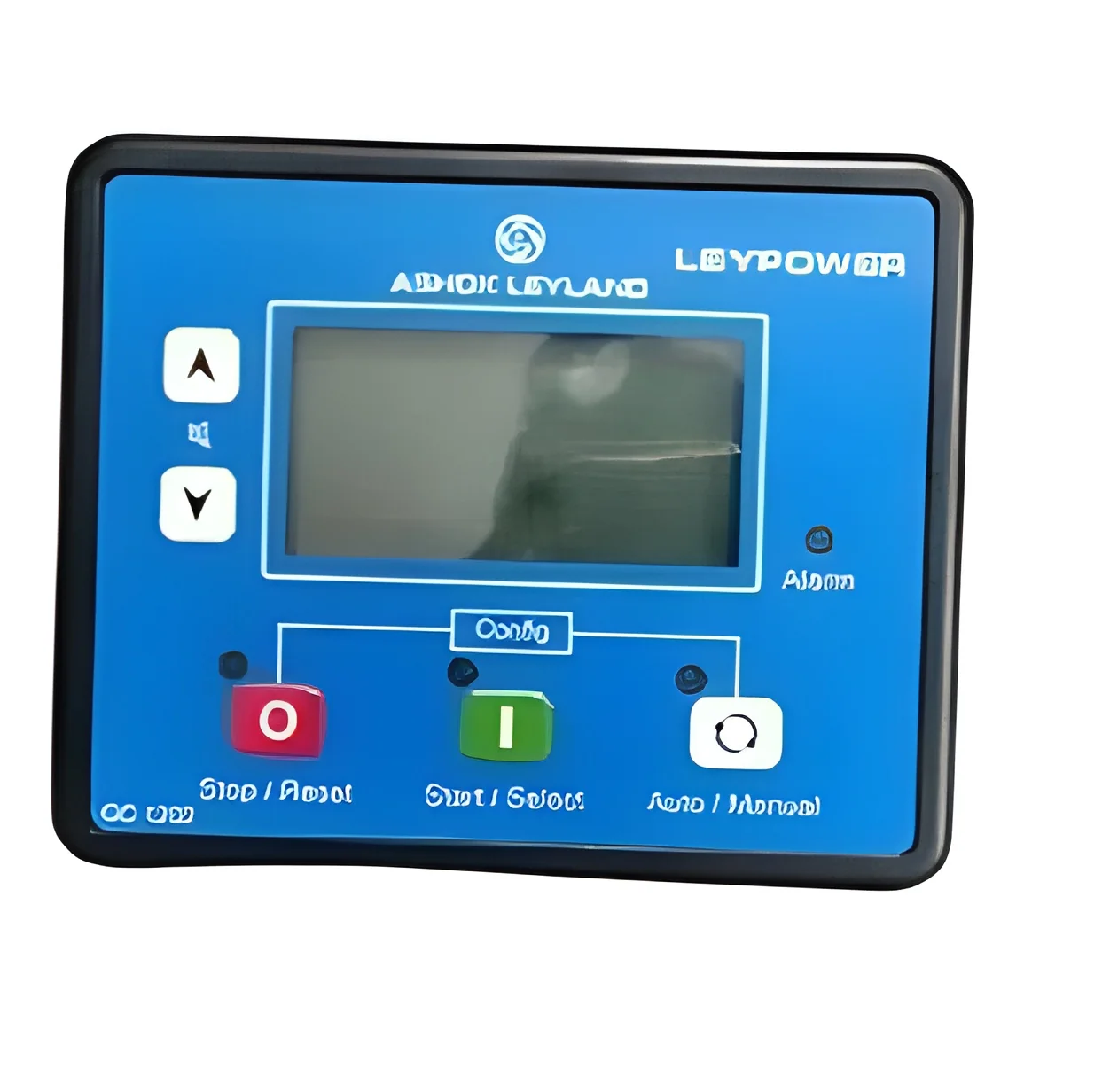
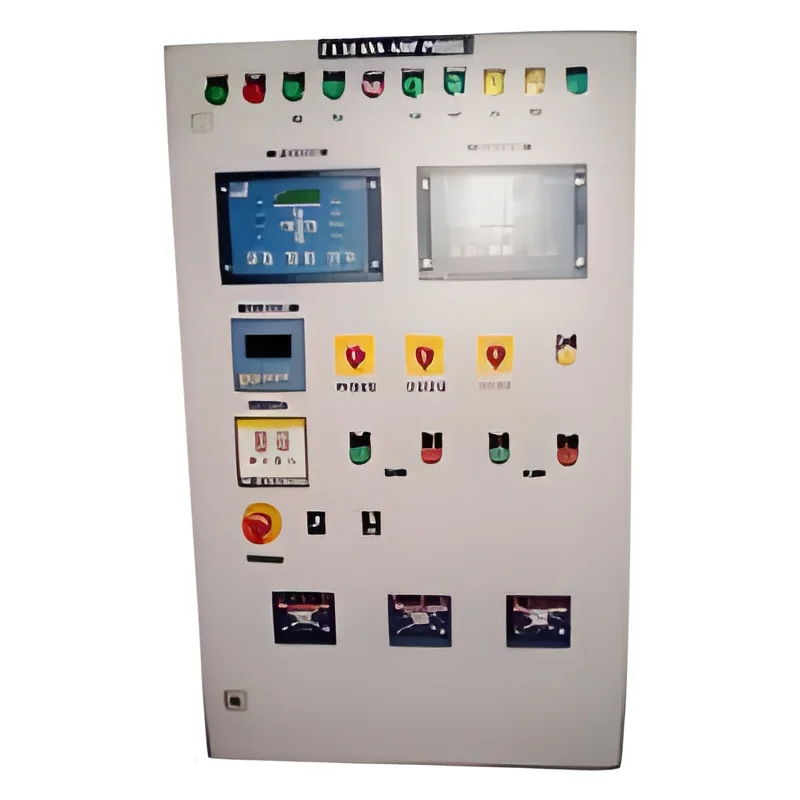
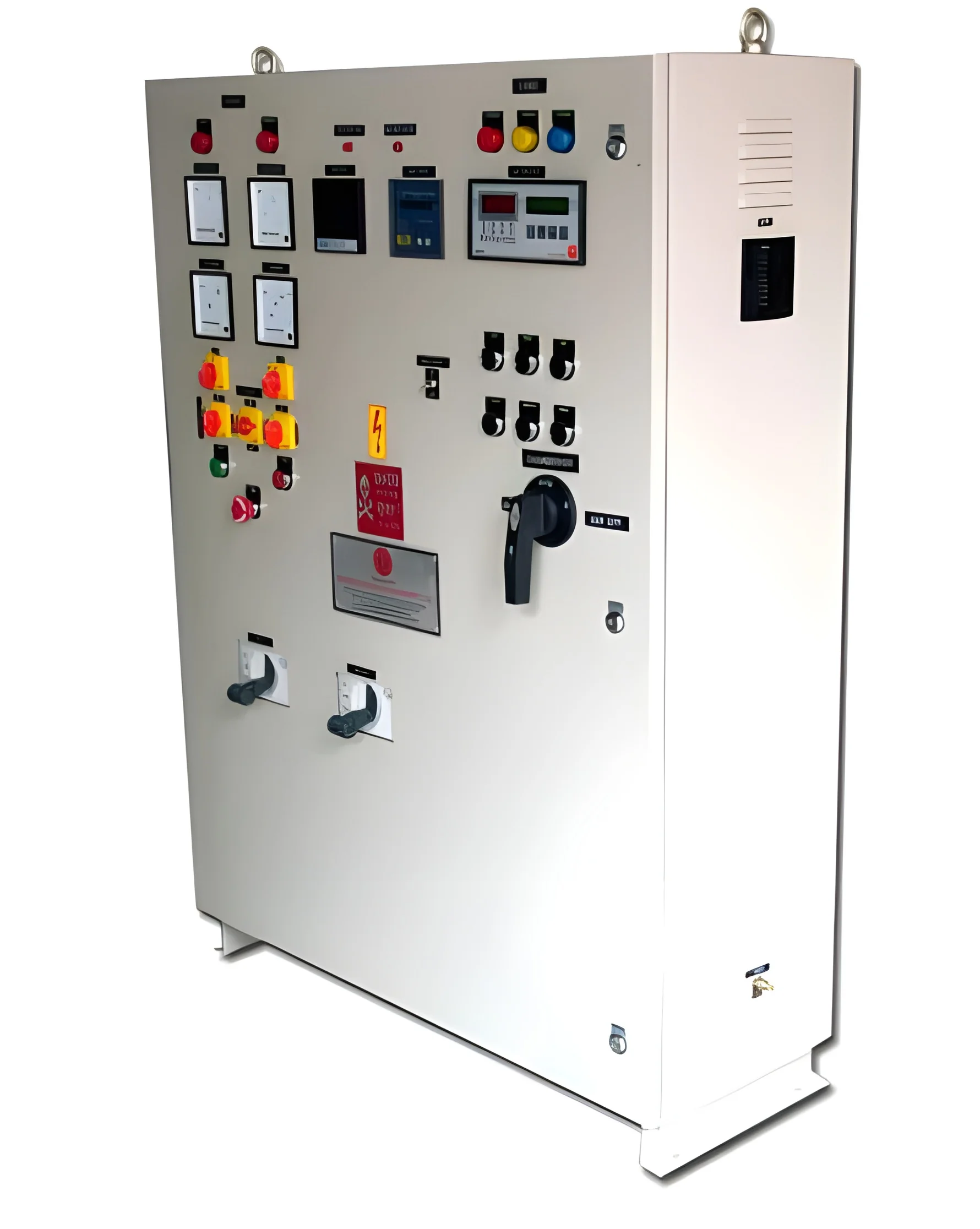
- Features digital or analog displays for system status.
- User-friendly interfaces for easy operation and monitoring.
5. Generator Start Mechanism
- Can include both automatic and manual start options.
- Ensures flexibility in operation during different scenarios.
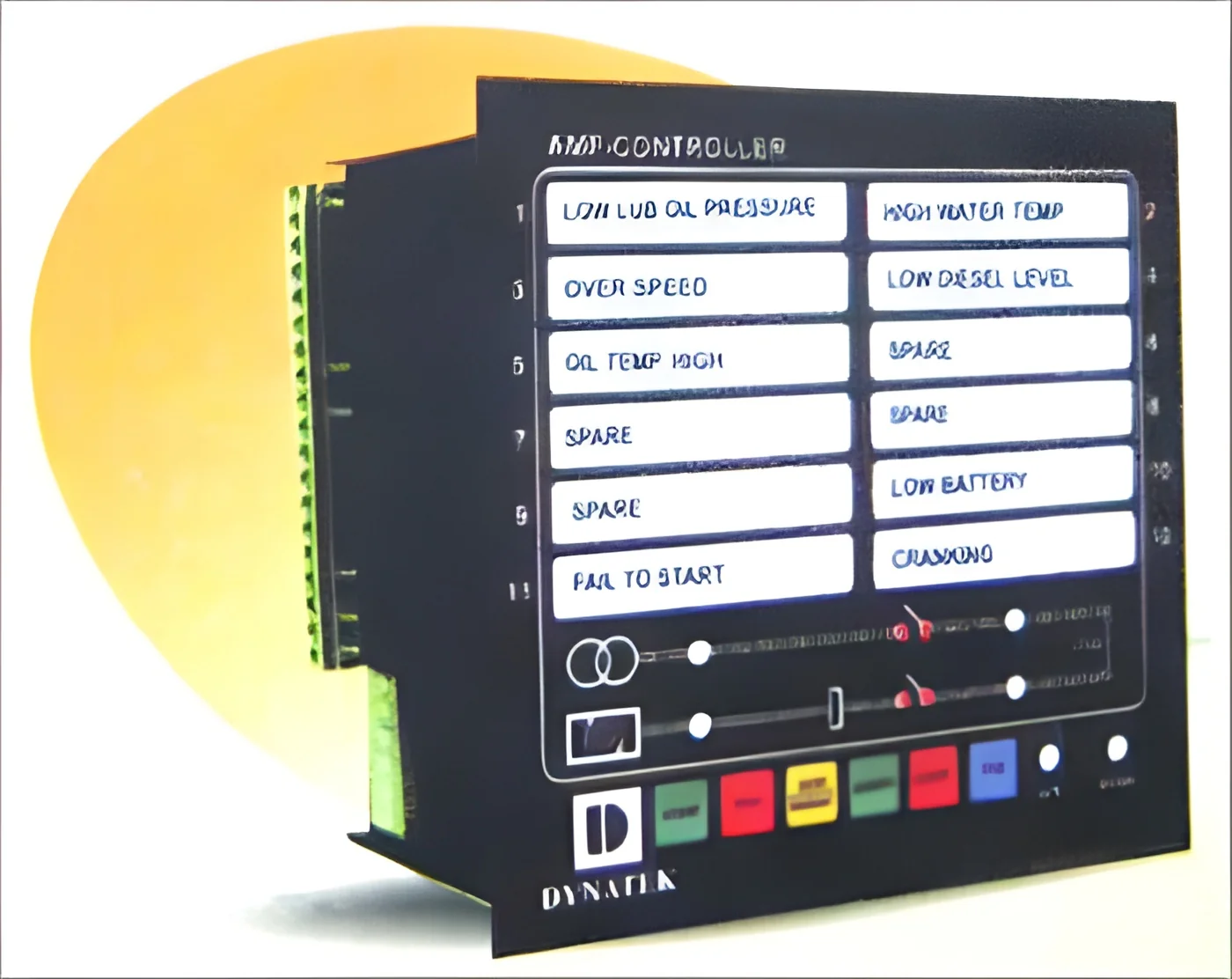
6. Monitoring Capabilities
- Includes alarms for various operational parameters.
- Essential for immediate identification of issues.
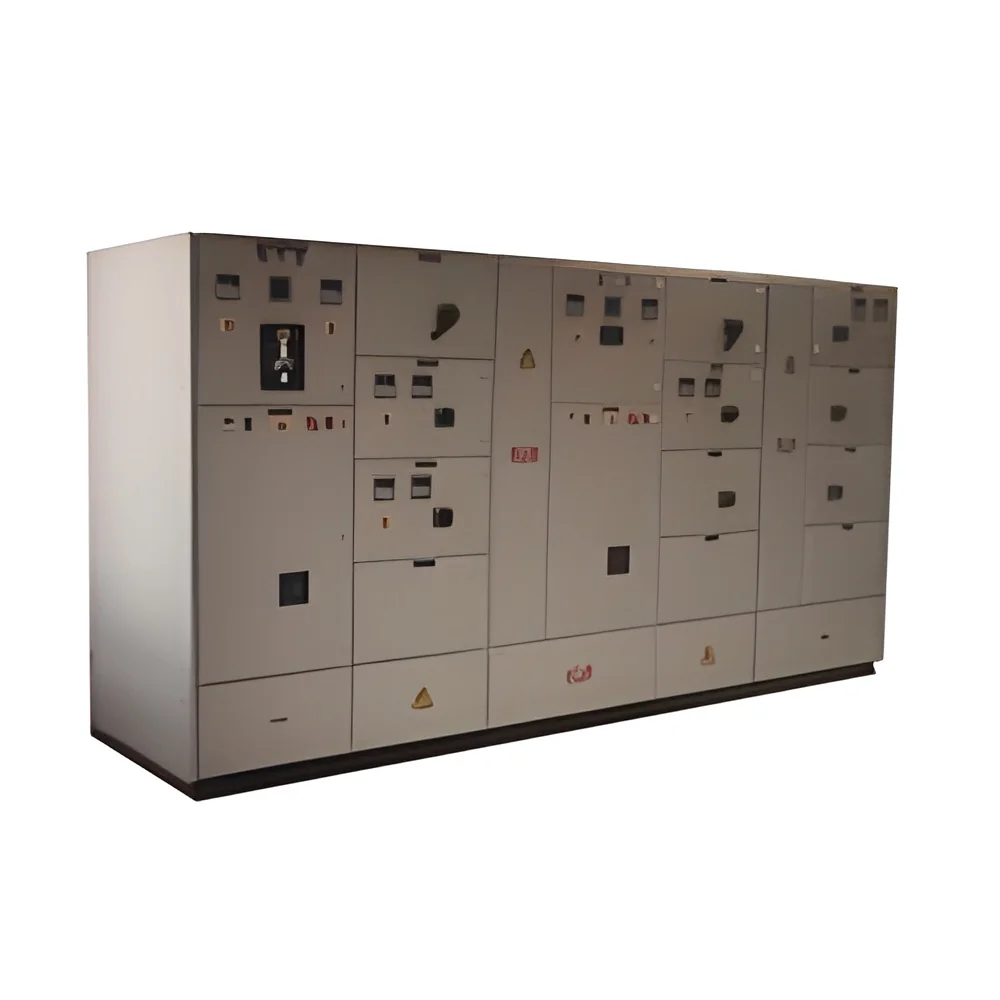
7. Dimensions and Weight
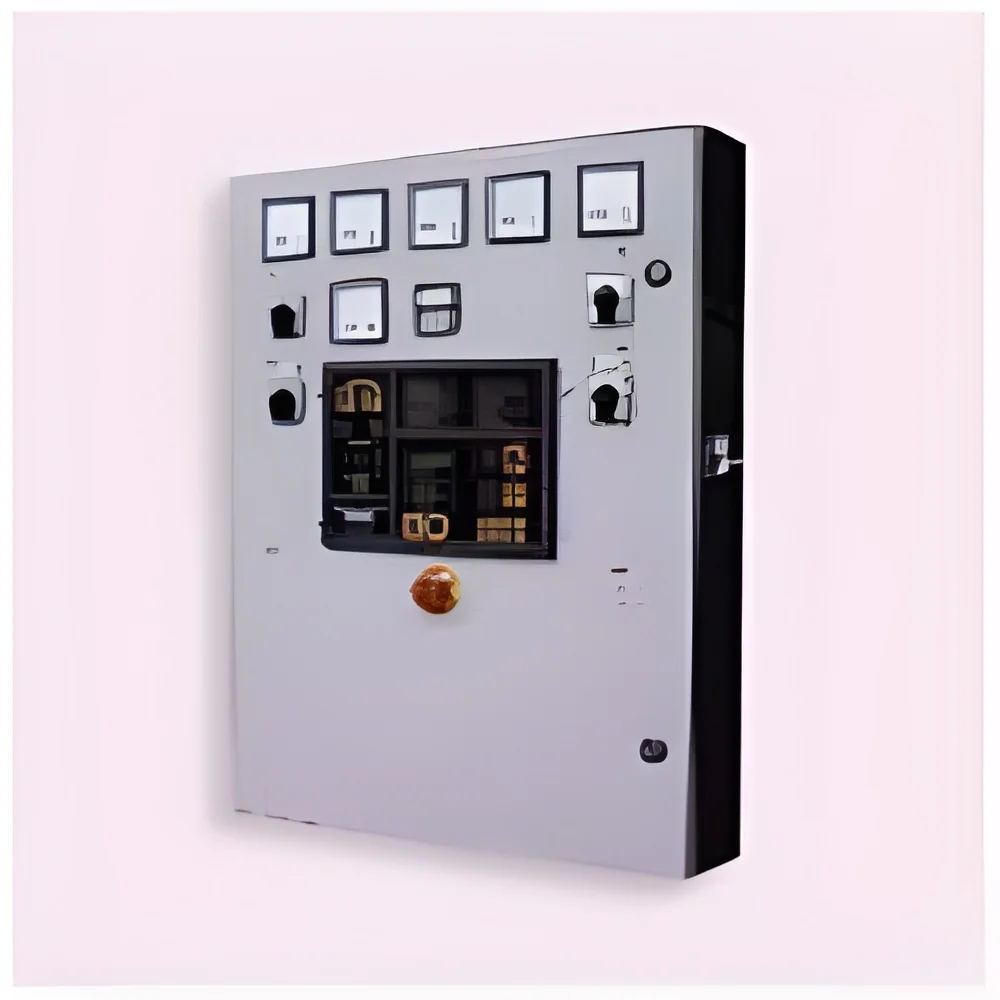
- Varies based on panel capacity and configuration.
- Important for installation space considerations.
8. Certification
- Compliance with CE standards.
- Ensures adherence to safety and quality benchmarks.
In summary, the key features and specifications of AMF Panels are designed to deliver reliability, safety, and efficiency in power management applications.
Common Applications and Use Cases
AMF Panels find extensive applications across various industries, providing solutions for maintaining power continuity.
1. Healthcare: In hospitals, AMF Panels ensure that critical medical equipment remains operational during power outages, safeguarding patient care.
2. Data Centers: These panels are essential for data centers, where even brief power interruptions can lead to significant data loss and operational disruptions.
3. Manufacturing: In manufacturing plants, AMF Panels support continuous operations by automatically switching to backup power, preventing production delays.
4. Commercial Buildings: In office complexes, they ensure that essential services like lighting and HVAC systems remain functional during electrical failures.
5. Telecommunications: AMF Panels help maintain uninterrupted service in telecom facilities, protecting communication networks from outages.
6. Educational Institutions: Schools and universities use these panels to ensure that educational services continue without interruption during power failures.
7. Hospitality: In hotels, AMF Panels provide power to critical services such as elevators and emergency lighting, enhancing guest safety and comfort.
Product Variants and Subcategories
AMF Panels come in various configurations and designs to meet specific industry needs. Each variant is tailored to address different operational requirements and performance standards.
Standard AMF Panel
This variant is designed for general applications and is suitable for most commercial and industrial uses. It features basic monitoring and control functions, making it ideal for small to medium-sized enterprises.
Advanced AMF Panel
Equipped with enhanced monitoring capabilities, this panel is suitable for larger facilities. It includes features such as remote access and advanced alarm systems for effective power management.
Compact AMF Panel
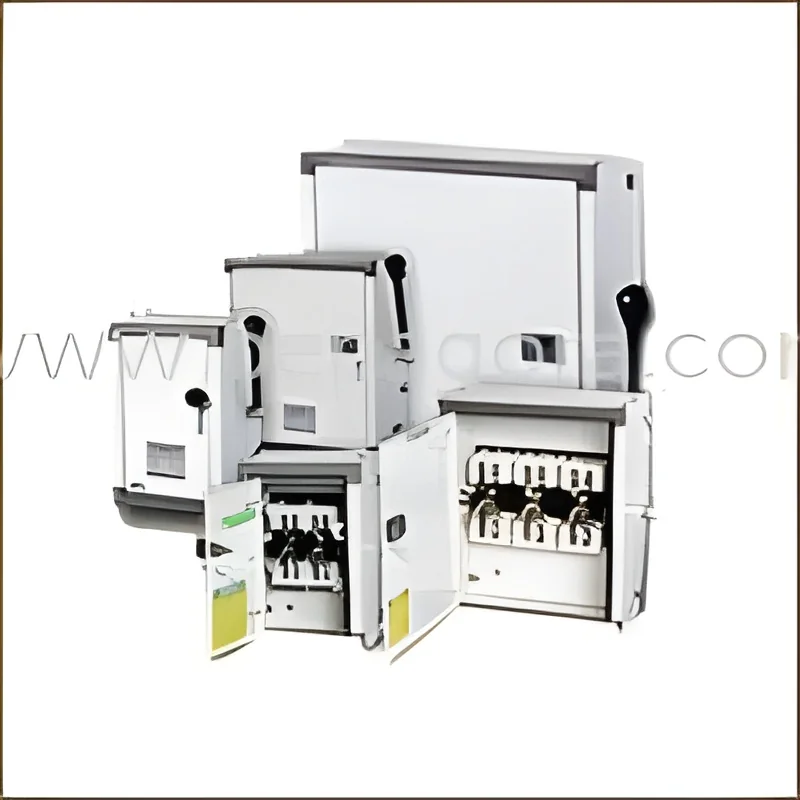
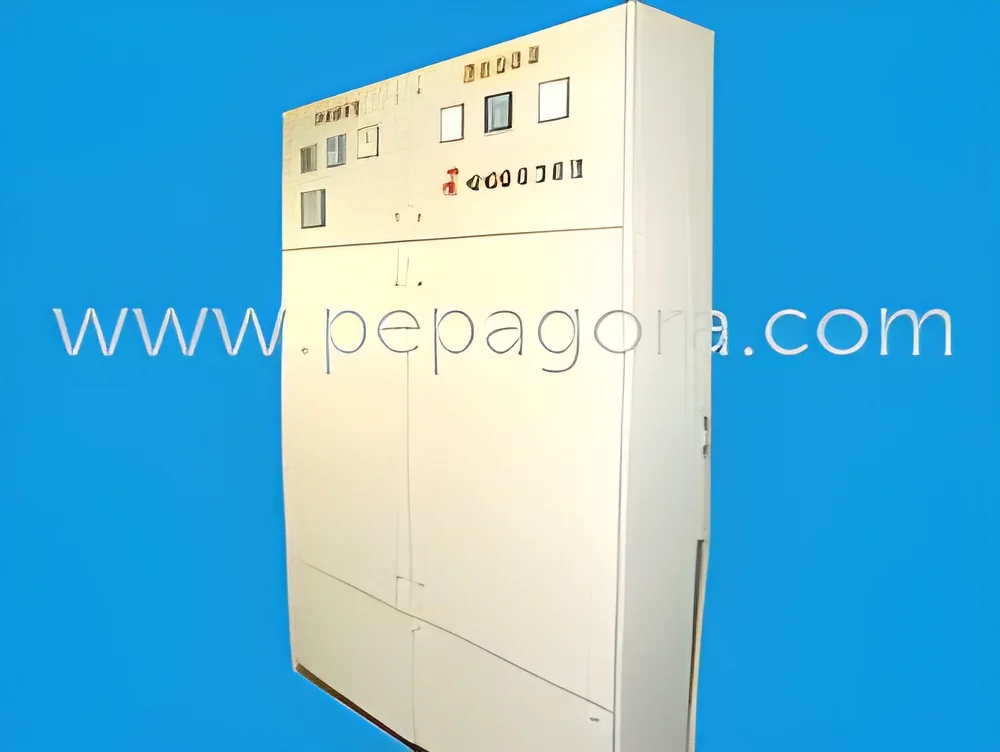
This variant is designed for installations with space constraints. It maintains essential functions in a smaller footprint, making it suitable for residential and small commercial applications.
Benefits and Advantages
AMF Panels offer numerous benefits that enhance operational efficiency and reliability.
1. Uninterrupted Power Supply: AMF Panels ensure a seamless transition to backup power, minimizing downtime during outages.
2. Enhanced Safety: These panels provide monitoring and alarm functions, helping to prevent damage to electrical equipment.
3. Cost Efficiency: By reducing downtime, AMF Panels help businesses avoid losses associated with power interruptions, ultimately saving costs.
4. Easy Integration: They can be easily integrated into existing power management systems, enhancing overall efficiency.
5. Versatility: AMF Panels are suitable for a wide range of applications across various industries, making them highly adaptable.
6. Reliability: Designed for continuous operation, they offer dependable performance in critical situations.
Buying Guide for B2B Buyers
When sourcing AMF Panels (Auto Mains Failure), several factors should be considered to ensure the best procurement decisions.
1. Quality Assessment: Evaluate the materials and construction quality of the panels. Look for certifications that indicate adherence to industry standards.
2. Supplier Verification: Vet suppliers based on their reputation, experience, and customer feedback to ensure reliability and product quality.
3. Pricing and MOQ: Understand the pricing structures and minimum order quantities to align with budget constraints and operational needs.
4. Delivery and Lead Times: Assess the supplier's logistics capabilities to ensure timely delivery, which is crucial for project timelines.
5. Compliance Requirements: Confirm that the panels meet local regulatory standards and safety requirements to avoid future compliance issues.
Compliance and Certifications
Compliance and certifications are vital for AMF Panels, ensuring they meet industry standards and safety regulations. Key quality standards include ISO 9001, which focuses on quality management systems, ensuring consistent product quality.
AMF Panels are also required to meet CE certification, indicating conformity with health, safety, and environmental protection standards. This certification is essential for products sold in the European market.
Safety and testing requirements often include rigorous assessments to verify the panels' performance under various conditions. Manufacturers must ensure their products comply with regional regulations, which may vary significantly across different markets.
Why Source AMF Panels (Auto Mains Failure) from Pepagora?
Pepagora provides a trusted platform for sourcing AMF Panels (Auto Mains Failure) with several key advantages that set it apart in the marketplace.
Verified Supplier Network: Pepagora maintains a network of verified suppliers, ensuring that buyers receive high-quality products from reputable manufacturers. This verification process helps mitigate risks associated with sourcing.
Streamlined RFQ Process: The platform offers a straightforward Request for Quotation (RFQ) system, making it easy for buyers to obtain competitive pricing and compare offers from multiple suppliers.
Trade Assurance and Support: Pepagora provides trade assurance to protect buyers in their transactions, ensuring that they receive the products as specified and within agreed timelines. This support fosters trust and enhances the buying experience.
Regional Coverage: With a focus on markets in India, the GCC, and Southeast Asia, Pepagora offers extensive regional coverage, connecting buyers with local suppliers who understand specific market needs. This geographic reach ensures that businesses can source AMF Panels that meet their operational requirements effectively.

 IN
IN