What are Modular Homes & Living Units?
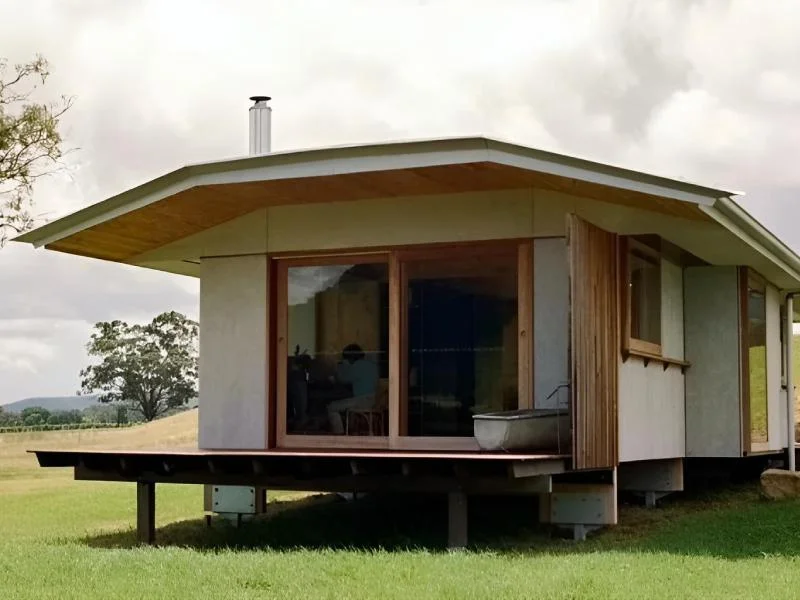
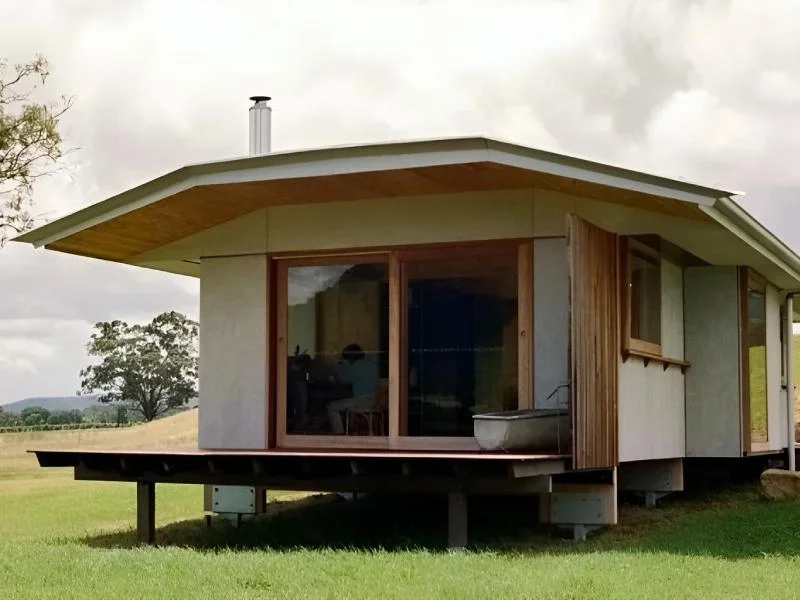
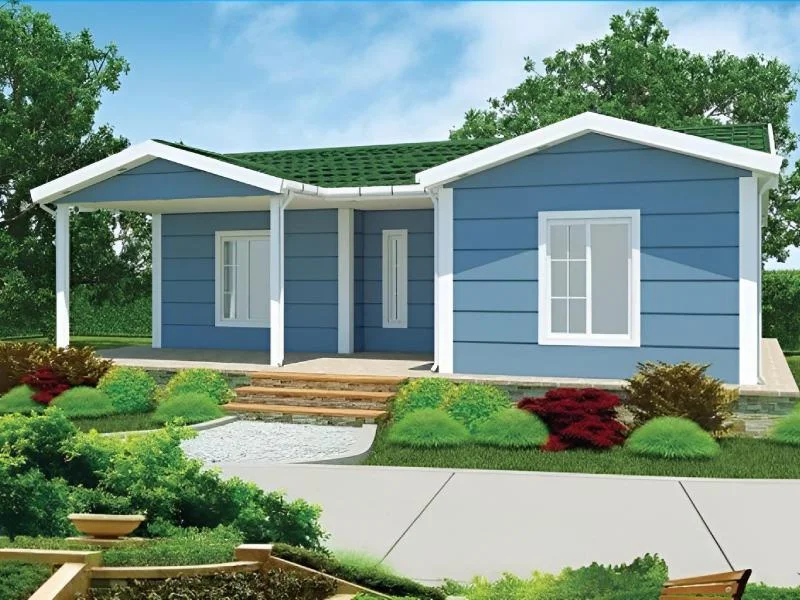
Modular homes and living units are prefabricated structures built from sections or modules manufactured in a factory setting. These modules are then transported and assembled on-site. The construction process allows for greater efficiency, reduced build times, and often lower costs compared to traditional construction methods. Modular homes can range from simple living units to more complex designs suitable for residential, commercial, or industrial applications.
These homes and living units are primarily utilized in sectors such as temporary housing, workforce accommodation, emergency shelters, and even permanent residential settings. Their versatility makes them ideal for various business applications, including construction sites, disaster relief efforts, and remote work locations. The demand for modular construction is on the rise due to its adaptability, sustainability, and cost-effectiveness, aligning with current trends in the housing market.
In the context of the broader market, the modular home industry is experiencing significant growth. Factors such as urbanization, housing shortages, and the need for rapid deployment of living solutions are driving this trend. The increasing acceptance of modular homes by consumers and businesses alike further solidifies their relevance in contemporary construction practices.
Key Features and Specifications
Modular homes and living units come with several key features that enhance their functionality and appeal. These features vary based on the intended use, design specifications, and environmental considerations.
Key specifications include:
1. Construction Material
- Typically made from wood, steel, or concrete.
- Designed for durability and environmental resilience.
2. Size Options
- Available in various sizes, from small single-room units to larger multi-room homes.
- Customizable dimensions to fit specific client needs.
3. Energy Efficiency
- Built with energy-efficient materials to reduce heating and cooling costs.
- Often equipped with energy-saving appliances.
4. Speed of Assembly
- Quick on-site assembly, often completed in a matter of days.
- Allows for rapid deployment in various circumstances.
5. Compliance with Building Codes
- Manufactured to meet local and national building codes.
- Ensures safety and quality in construction standards.
6. Transportability
- Designed to be easily transported to different locations.
- Ideal for temporary or remote installations.
7. Customization Options
- Flexible design options to meet specific client requirements.
- Can include upgrades for finishes and interior layouts.
8. Sustainability Features
- Many models incorporate eco-friendly materials and practices.
- Focus on minimizing environmental impact during construction.
In summary, modular homes and living units offer numerous features that cater to a wide array of applications. Their specifications reflect a commitment to quality, efficiency, and adaptability.
Common Applications and Use Cases
Modular homes and living units find applications across a diverse range of industries, showcasing their versatility.
1. Construction Industry: Modular units are often used as temporary housing for workers on construction sites. They provide comfortable and convenient living arrangements that can be set up quickly.
2. Disaster Relief: These homes are ideal for emergency response efforts. They can be rapidly deployed to areas affected by natural disasters, providing immediate shelter for displaced individuals.
3. Healthcare Sector: Modular living units can serve as temporary medical facilities or patient housing in remote areas. Their quick setup helps address urgent healthcare needs.
4. Education: Schools in need of extra classroom space can utilize modular units as temporary classrooms or administrative offices, ensuring minimal disruption to learning.
5. Hospitality: Modular homes can be transformed into unique accommodations for resorts or camps, offering guests a comfortable stay in a variety of settings.
6. Government and Military: These units are frequently used for housing military personnel or government employees in remote locations, providing essential living spaces with minimal logistical challenges.
7. Environmental Facilities: Modular solutions can be employed in eco-friendly projects, such as nature reserves or parks, where traditional construction may be limited.
Product Variants and Subcategories
Modular homes and living units come in various forms to accommodate different needs and preferences.
Standard Modular Home
This variant is a complete living solution, featuring multiple rooms, a kitchen, and a bathroom. It is ideal for families or long-term use and can be customized to reflect personal style.
Workforce Housing
Designed to accommodate larger groups, workforce housing units provide essential living space for employees in remote work sites. These units can be configured for maximum occupancy and efficiency.
Emergency Shelters
These compact units are specifically designed for rapid deployment in disaster-stricken areas. They focus on basic necessities and can be set up quickly to provide immediate relief.
Portable Cabin
Ideal for recreational use or temporary living, portable cabins offer a comfortable space that can be relocated as needed. They often come with essential amenities for short-term stays.
Benefits and Advantages
The advantages of modular homes and living units are significant and cater to both businesses and consumers.
Key benefits include:
1. Cost-Effectiveness: Modular construction typically results in lower overall costs due to reduced labor and material waste.
2. Speed of Construction: The rapid assembly time means projects can be completed much quicker than traditional builds, allowing for faster occupancy.
3. Flexibility: Modular units can be designed and modified to meet specific needs, making them suitable for various applications.
4. Quality Control: Factory production allows for strict quality control measures, ensuring a consistent and high-quality product.
5. Sustainability: Many modular homes are built with eco-friendly materials and energy-efficient designs, appealing to environmentally conscious consumers.
6. Reduced Site Disruption: The construction process has minimal impact on the surrounding environment, making it easier to complete projects in sensitive areas.
Buying Guide for B2B Buyers
When sourcing modular homes and living units, it is essential for B2B buyers to consider several critical factors.
1. Quality Assessment: Evaluate the quality of materials and construction. Look for suppliers with a history of meeting high standards and compliance with relevant building codes.
2. Supplier Verification: Conduct thorough research on potential suppliers. Check references, certifications, and customer reviews to ensure reliability and credibility.
3. Pricing and MOQ: Understand the pricing structure and minimum order quantities. This information is crucial for budgeting and planning.
4. Delivery and Lead Times: Consider logistics and delivery schedules. Timely delivery is important to match project timelines and avoid delays.
5. Compliance Requirements: Be aware of local and regional compliance needs. This includes building codes, safety regulations, and any necessary permits.
Compliance and Certifications
Compliance and certifications are vital aspects of modular homes and living units. They ensure that products meet industry standards for quality, safety, and performance.
Relevant quality standards such as ISO 9001 focus on quality management systems that enhance customer satisfaction and operational efficiency. Compliance with these standards is crucial for manufacturers aiming to establish credibility in the market.
Industry certifications like CE and UL signify that products meet essential safety and performance criteria. These certifications are often required for modular homes to ensure they are safe for occupancy and use.
Safety and testing requirements must also be adhered to during the manufacturing process. This may involve rigorous inspections and evaluations to ensure that homes can withstand various environmental conditions.
Finally, regional compliance considerations are important for manufacturers and buyers alike. Understanding local regulations can help avoid legal issues and ensure that modular homes are suitable for their intended markets.
Why Source Modular Homes & Living Units from Pepagora?
Pepagora is a trusted platform for sourcing modular homes and living units, offering several key advantages for B2B buyers.
Verified Supplier Network: Pepagora has established a comprehensive network of verified suppliers, ensuring that buyers can connect with reputable manufacturers. This verification process helps mitigate risks associated with sourcing.
Streamlined RFQ Process: The request for quotation (RFQ) system on Pepagora simplifies the procurement process. Buyers can easily obtain multiple quotes from suppliers, allowing for informed decision-making.
Trade Assurance and Support: Pepagora provides trade assurance, which offers protection for buyers throughout the purchasing process. This support is invaluable in building confidence when sourcing products.
Regional Coverage: With a broad geographic reach across India, the GCC, and Southeast Asia, Pepagora facilitates access to modular homes and living units tailored to diverse markets and customer needs.
By leveraging these advantages, businesses can effectively source high-quality modular homes and living units that meet their specific requirements.

 IN
IN

 India
India