
 IN
Mechanical Design Engineering
3 products available
What are Mechanical Design Engineering?
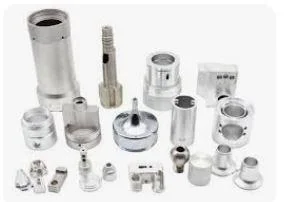
Mechanical design engineering is a discipline that focuses on the design, analysis, and manufacturing of mechanical systems and components. It involves the application of principles from physics, materials science, and engineering to create functional products. Mechanical design engineers utilize various tools and software to develop designs that meet specific requirements, ensuring that they are both efficient and effective.
In the context of business applications, mechanical design engineering serves a wide range of industries, including automotive, aerospace, consumer goods, and industrial machinery. It is essential for developing products that require precise mechanical functionality, such as engines, tools, and equipment. The relevance of mechanical design engineering is underscored by its role in enhancing product performance, reducing costs, and improving overall quality.
As industries evolve, the demand for innovative and efficient mechanical designs continues to grow. Companies are increasingly investing in advanced engineering techniques to maintain competitive advantages. Understanding the principles of mechanical design engineering is crucial for businesses looking to innovate and meet the evolving needs of their markets.
Key Features and Specifications
Mechanical design engineering encompasses a variety of features and specifications that contribute to the efficiency and effectiveness of the design process. Key specifications include:
1. Design Software Compatibility
- Compatibility with CAD and simulation software
- Supports various file formats for seamless integration
2. Material Selection
- Options for metals, plastics, and composites
- Consideration of strength, weight, and cost factors
3. Tolerance Levels
- Precision in manufacturing processes
- Standards for dimensional accuracy and fit
4. Heat Treatment Processes
- Methods for enhancing material properties
- Involves processes such as annealing and quenching
5. Testing and Validation Protocols
- Procedures for ensuring design reliability
- Includes stress testing and performance evaluations
6. Design for Manufacturability (DFM)
- Strategies to simplify production
- Focus on reducing manufacturing costs and time
7. Sustainability Considerations
- Emphasis on eco-friendly materials and processes
- Compliance with environmental regulations
8. Prototyping Capabilities
- Ability to create physical models for testing
- Utilization of 3D printing and rapid prototyping techniques
These specifications ensure that mechanical design engineering meets industry standards and customer expectations, paving the way for successful product development.
Common Applications and Use Cases
Mechanical design engineering plays a vital role across various industries, providing solutions tailored to specific needs. This product serves various industries:
1. Automotive: Mechanical design engineers create components for vehicles, such as engines, transmissions, and suspension systems that enhance performance and safety.
2. Aerospace: In the aerospace sector, design engineering focuses on lightweight structures and high-performance systems for aircraft and spacecraft to improve fuel efficiency and reliability.
3. Consumer Goods: Mechanical design is critical in the development of household appliances, tools, and electronics, ensuring functionality and user-friendliness.
4. Industrial Machinery: Engineering designs for industrial equipment, such as conveyors and robotics, optimize production processes and improve operational efficiency.
5. Medical Devices: Mechanical design engineers develop crucial components for medical equipment, ensuring they meet safety and regulatory standards.
6. Energy: In the energy sector, design engineering aids in the development of renewable energy systems, such as wind turbines and solar panels, promoting sustainable practices.
7. Defense: Mechanical design engineering contributes to the design of defense systems and equipment, focusing on durability, precision, and advanced technology integration.
Product Variants and Subcategories
Mechanical design engineering encompasses a diverse range of applications and specialized areas.
Finite Element Analysis (FEA)
This variant focuses on simulating physical phenomena using numerical methods to predict how products will react under various conditions, enhancing design accuracy.
Computer-Aided Design (CAD)
CAD involves using software to create precise drawings and models, facilitating the design process and allowing for easy modifications.
Thermal Design Engineering
This area specializes in the analysis and design of systems that manage heat transfer, critical for applications in automotive and aerospace industries.
Structural Design Engineering
Focusing on the integrity and durability of structures, this variant ensures that designs can withstand specified loads and stresses.
Benefits and Advantages
Mechanical design engineering offers several benefits that can greatly enhance product development. Key benefits include:
1. Enhanced Product Performance: Effective designs lead to improved functionality and efficiency in product operation, meeting customer demands.
2. Cost Efficiency: Streamlined design processes reduce material waste and manufacturing costs, leading to better profitability.
3. Increased Innovation: Utilizing advanced engineering techniques encourages creativity and the development of cutting-edge products.
4. Quality Assurance: Rigorous testing and validation protocols ensure that products meet high-quality standards, reducing the risk of failures.
5. Faster Time to Market: Efficient design processes enable quicker product development cycles, allowing businesses to stay competitive.
6. Compliance with Regulations: Adhering to industry standards and regulations ensures that products are safe and market-ready.
Buying Guide for B2B Buyers
When sourcing Mechanical Design Engineering, it is crucial for B2B buyers to consider several factors to ensure they make informed decisions.
1. Quality Assessment: Evaluate the quality of designs by reviewing past projects and client testimonials. Look for consistency in meeting performance and durability standards.
2. Supplier Verification: Vet potential suppliers by checking their credentials, certifications, and industry reputation. Ensure they have a proven track record in mechanical design engineering.
3. Pricing and MOQ: Understand the pricing structure and minimum order quantities. Compare quotes from multiple suppliers to find the best value without compromising quality.
4. Delivery and Lead Times: Discuss logistics and delivery schedules to ensure timely project completion. Factor in potential delays and how they might impact your operations.
5. Compliance Requirements: Verify that the suppliers adhere to relevant industry regulations and standards. This helps mitigate risks associated with non-compliance.
Compliance and Certifications
Mechanical design engineering is subject to various compliance and certification standards. Adherence to these standards ensures that products are safe and reliable.
ISO 9001 is a widely recognized quality management standard that applies to design processes, ensuring consistent quality in mechanical design engineering. This certification demonstrates a commitment to continuous improvement and customer satisfaction.
The CE mark is essential for products sold in the European market. It indicates compliance with EU safety, health, and environmental protection standards, making it crucial for manufacturers.
Testing and safety requirements play a significant role in product development. Regular assessments are necessary to verify that designs meet specified safety criteria. Furthermore, regional compliance considerations may vary, necessitating that engineers remain informed about local regulations.
Why Source Mechanical Design Engineering from Pepagora?
Pepagora provides a trusted platform for sourcing Mechanical Design Engineering with several key advantages.
Verified Supplier Network: Pepagora ensures that all suppliers in its network are thoroughly vetted. This process guarantees that buyers are connected with reputable firms that adhere to high-quality standards.
Streamlined RFQ Process: The platform offers a user-friendly Request for Quotation (RFQ) system that simplifies the sourcing process. Buyers can easily request quotes from multiple suppliers, allowing for informed decision-making.
Trade Assurance and Support: Pepagora offers trade assurance to protect buyers throughout the procurement process. This includes support in resolving disputes and ensuring that transactions are secure.
Regional Coverage: With a presence in India, the GCC, and Southeast Asia, Pepagora provides extensive geographic coverage. This allows businesses to access a diverse range of suppliers and products tailored to their regional needs.

 India



Frequently Asked Questions
What are Mechanical Design Engineering?
Mechanical Design Engineering refers to the application of engineering principles to design, analyze, and manufacture mechanical systems and components. It encompasses various processes including conceptual design, detailed design, and product development, ensuring that the designs are functional, efficient, and manufacturable.
What are the different types of Mechanical Design Engineering?
There are several types of Mechanical Design Engineering, including product design, machine design, automotive design, and HVAC design. Each type focuses on specific applications and industries, employing unique methodologies and tools to meet the varying requirements of each sector.
How do I choose the right Mechanical Design Engineering?
Choosing the right Mechanical Design Engineering involves assessing your project requirements, budget, and timeline. It's important to review the expertise and portfolio of potential engineers or firms to ensure they have relevant experience and can deliver quality designs that meet your specifications.
What are the standard specifications for Mechanical Design Engineering?
Standard specifications for Mechanical Design Engineering typically include material properties, dimensional tolerances, and manufacturing processes. Additionally, designs must comply with industry standards and regulations, which can vary based on the application and geographic location.
What is the price range for Mechanical Design Engineering?
The price range for Mechanical Design Engineering can vary widely depending on the complexity of the project, materials used, and the expertise required. On average, costs can range from a few thousand to several lakhs of Indian Rupees, often influenced by the specific needs of the project.
What quality standards apply to Mechanical Design Engineering?
Quality standards for Mechanical Design Engineering include ISO 9001 for quality management systems, ASME standards for mechanical design, and various industry-specific guidelines. Adhering to these standards helps ensure reliability, safety, and performance of the engineered products.
Where can I find Mechanical Design Engineering suppliers in India?
Mechanical Design Engineering suppliers in India can be found through B2B marketplaces, industry directories, and trade exhibitions. Platforms like Pepagora.com provide a comprehensive listing of manufacturers and suppliers, making it easier to connect with reliable partners.
Can Mechanical Design Engineering be customized?
Yes, Mechanical Design Engineering can be customized to meet specific project requirements. Engineers often work closely with clients to tailor designs according to unique specifications, preferences, and operational needs, ensuring that the final product aligns with client expectations.
What is the typical minimum order quantity for Mechanical Design Engineering?
The typical minimum order quantity (MOQ) for Mechanical Design Engineering varies based on the supplier and the nature of the project. Generally, MOQs can range from a few units for specialized designs to larger quantities for standard components, depending on production capabilities.
What is the typical lead time for Mechanical Design Engineering?
The typical lead time for Mechanical Design Engineering projects can range from a few weeks to several months. Factors influencing lead time include project complexity, design revisions, and manufacturing processes, so it is advisable to discuss timelines with suppliers during the initial stages.
Why Businesses Trust Pepagora
Thousands of companies trust Pepagora to source smarter and sell faster
Expand Your Sales Globally

Source Smarter,Grow Faster
