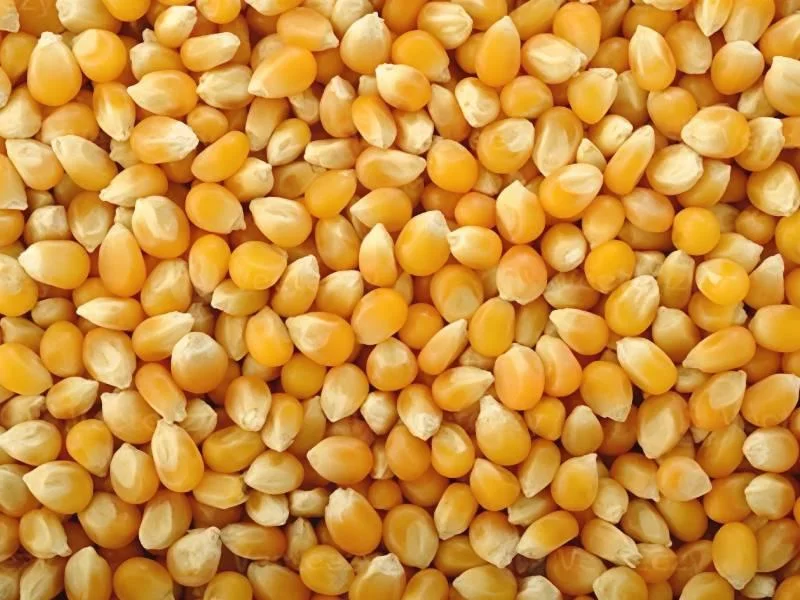
Key Features and Specifications
Maize seeds are characterized by several key features that enhance their performance in various agricultural settings. Understanding these specifications can assist buyers in selecting the right seeds for their needs.
Key specifications include:
1. Seed Variety
- Different genetic lines such as hybrid and open-pollinated
- Varieties suited for specific climatic conditions
2. Germination Rate
- Percentage indicating the likelihood of seeds sprouting
- Typically ranges from 85% to 95%
3. Disease Resistance
- Resistance to common diseases such as corn blight and root rot
- Varieties often bred for specific disease tolerance
4. Maturity Duration
- Time taken from planting to harvest, generally between 70 to 120 days
- Influences planting schedules and crop rotation
5. Yield Potential
- Expected bushels per acre, typically ranging from 150 to 300 bushels
- Influenced by soil quality and farming practices
6. Moisture Content
- Ideal moisture levels for storage are around 13% to 15%
- Important for preventing spoilage and maintaining seed viability
7. Seed Coat Color
- Can vary from yellow, white, to blue
- Affects market preference and pricing
8. Packaging Options
- Available in bulk or retail packages
- Tailored to the needs of different buyers
In summary, understanding these specifications helps buyers make informed decisions when selecting maize seeds for agricultural production.
Common Applications and Use Cases
Maize seeds serve various industries that rely on this versatile crop for different applications.
1. Agriculture: Maize is a staple crop for food production, providing corn for human consumption and animal feed. It is essential for farmers aiming to maximize yield and profitability.
2. Food Processing: Maize is processed into a variety of products, including cornmeal, tortillas, and snacks. The food industry relies on high-quality maize seeds to ensure consistent product quality.
3. Biofuels: Maize is a primary source for bioethanol production, helping to meet energy needs while providing an alternative to fossil fuels. This application is increasingly relevant in discussions about sustainable energy.
4. Pharmaceuticals: Corn starch derived from maize is widely used in the pharmaceutical industry as a binding agent and filler in tablet formulations.
5. Bioplastics: Innovations in bioplastics utilize corn starch as a base material, contributing to the development of sustainable packaging solutions.
6. Textile Industry: Corn fibers are used in manufacturing biodegradable textiles, showcasing maize's versatility beyond food and energy.
7. Cosmetics: Corn oil is a common ingredient in cosmetic products, highlighting its importance in personal care applications.
Product Variants and Subcategories
Maize seeds come in various forms and variants, catering to different agricultural needs and preferences.
Hybrid Maize Seeds: These seeds are developed through controlled cross-breeding to produce plants with superior traits such as higher yield and disease resistance. They are ideal for commercial farming.
Open-Pollinated Maize Seeds: These seeds are naturally pollinated and retain genetic diversity. They are suitable for traditional farming and are often favored by small-scale farmers for their adaptability.
Specialty Maize Seeds: These include varieties specifically bred for unique purposes, such as sweet corn for direct human consumption or popcorn for snack production. They cater to niche markets with specific consumer demands.
Organic Maize Seeds: These seeds are produced without synthetic fertilizers or pesticides, appealing to the growing market of organic agriculture. They are increasingly in demand among health-conscious consumers.
Benefits and Advantages
Choosing high-quality maize seeds offers several advantages for agricultural operations.
1. High Yield Potential: Quality seeds are bred for optimal growth and can significantly increase crop yields, leading to higher profitability for farmers.
2. Disease Resistance: Many maize varieties are engineered to resist common diseases, reducing the risk of crop failure and the need for chemical treatments.
3. Adaptability: Different maize seed varieties can be selected based on specific climatic conditions, ensuring successful cultivation in diverse environments.
4. Improved Nutritional Value: Certain varieties of maize seeds are enriched with essential nutrients, providing better nutrition for both livestock and human consumption.
5. Cost-Effectiveness: Higher yield and lower disease incidence translate to reduced input costs, making maize cultivation more economically viable.
6. Sustainable Practices: Some maize seeds are bred with sustainability in mind, promoting eco-friendly farming practices and reducing the environmental impact of agriculture.
Buying Guide for B2B Buyers
When sourcing maize seeds, B2B buyers should consider several critical factors to ensure they make informed purchasing decisions.
1. Quality Assessment: Assess seed quality based on germination rates, disease resistance, and yield potential. Reliable suppliers can provide certification and testing data.
2. Supplier Verification: Vet suppliers by checking their reputation, experience, and customer feedback. Consider suppliers with a proven track record in the maize seed market.
3. Pricing and MOQ: Understand the pricing structure and minimum order quantities (MOQ) for different seed varieties. This helps in budgeting and inventory planning.
4. Delivery and Lead Times: Discuss delivery options and lead times to ensure timely access to seeds, especially during critical planting seasons.
5. Compliance Requirements: Familiarize yourself with local regulations and quality standards for maize seeds to ensure compliance and avoid legal issues.
Compliance and Certifications
Maize seeds are subject to various quality standards and certifications that ensure their safety and efficacy.
ISO 9001: This standard focuses on quality management systems and ensures that suppliers maintain consistent quality in their products.
HACCP: Hazard Analysis Critical Control Point certification is essential for food safety, particularly for maize seeds intended for human consumption.
CE Certification: This certification indicates that the product meets European Union safety, health, and environmental protection standards.
Safety and Testing Requirements: Maize seeds must undergo rigorous testing for genetic purity, disease resistance, and other quality metrics to ensure they meet industry standards.
Regional Compliance Considerations: Different regions may have specific regulations regarding seed treatment and genetic modification. Buyers should be aware of these when sourcing seeds.
Why Source Maize (Corn) Seeds from Pepagora?
Pepagora provides a trusted platform for sourcing maize seeds with several key advantages that set it apart from other suppliers.
Verified Supplier Network: Pepagora ensures that all suppliers within its network are thoroughly vetted. This verification process guarantees that buyers are dealing with reputable sources that adhere to quality standards.
Streamlined RFQ Process: The request for quotation (RFQ) system simplifies the procurement process. Buyers can easily compare prices and specifications from multiple suppliers, making informed choices.
Trade Assurance and Support: Pepagora offers trade assurance to protect buyers, ensuring that they receive their orders as promised. Support services are available to assist with any issues that may arise during the procurement process.
Regional Coverage: With a broad geographic reach, Pepagora connects buyers in India, the GCC, and Southeast Asia to a diverse array of maize seed options, catering to the unique needs of each market.
By choosing Pepagora, businesses can access high-quality maize seeds and enjoy a seamless purchasing experience that supports their agricultural goals.

 IN
IN