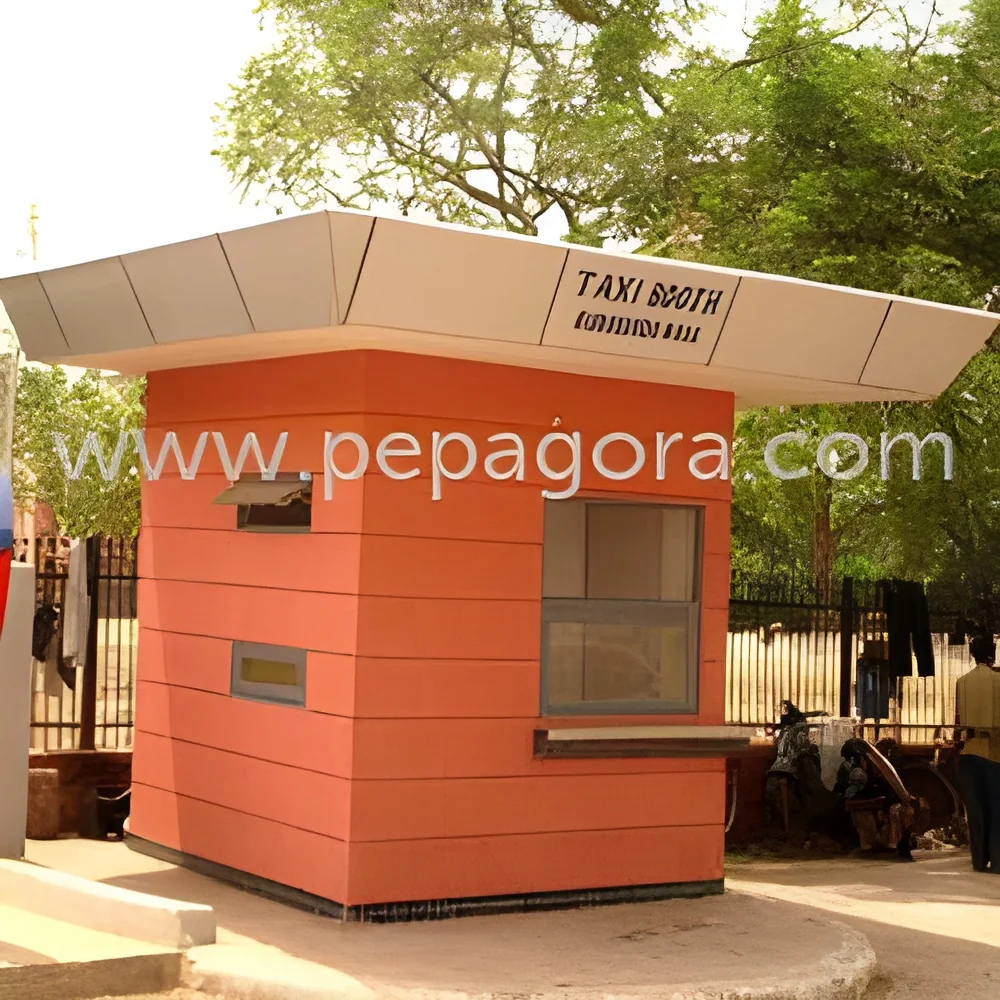
What are Logistics & Transportation of Prefabs?
Logistics and transportation of prefabricated structures, commonly referred to as prefabs, involve the planning, execution, and management of the movement of these structures from manufacturing facilities to construction sites. Prefabs are factory-built components that are assembled on-site, making them an efficient alternative to traditional building methods. The logistics process addresses the complex requirements of transporting large, often modular sections, ensuring they arrive intact and ready for installation.
The primary uses of logistics and transportation for prefabs include residential buildings, commercial spaces, and industrial facilities. These structures are increasingly popular due to their speed of construction and cost efficiency. Businesses benefit from reduced labor costs and shorter timelines, making prefabs an attractive option in various sectors such as construction, real estate development, and emergency housing solutions.
In today's market, the relevance of logistics and transportation of prefabs is growing. With an emphasis on sustainability and efficient resource management, many companies are turning to prefabricated solutions. The global market for prefabs is expanding, driven by the need for swift construction methods and the rising demand for modular buildings. As industries evolve, reliable logistics become essential in maintaining competitive advantage.
Key Features and Specifications
Logistics and transportation of prefabs encompass several key features that ensure the efficient delivery and installation of prefabricated structures. Understanding these specifications is crucial for businesses looking to optimize their supply chain.
Key specifications include:
1. Transportation Method
- Options include road, rail, and maritime transport.
- Selection depends on the size and destination of the prefab.
2. Load Capacity
- Refers to the maximum weight the transport vehicle can carry.
- Critical for ensuring safety and compliance during transportation.
3. Packaging Standards
- Specifications on how prefabs are packaged for transit.
- Must protect against weather and physical damage.
4. Delivery Times
- Estimated timeframes for transportation from manufacturer to site.
- Varies based on distance and logistics provider.
5. Communication Protocols
- Established processes for tracking and updating shipment status.
- Ensures transparency and timely information flow.
6. Compliance Requirements
- Adherence to local and international transportation regulations.
- Essential for avoiding legal issues during transit.
7. Environmental Controls
- Systems in place to monitor conditions during transport.
- Important for sensitive materials that require specific temperature or humidity levels.
In summary, the logistics and transportation of prefabs involve various specifications that ensure safe and efficient delivery. Companies must consider these factors when selecting their logistics partners.
Common Applications and Use Cases
Logistics and transportation of prefabs find applications across multiple industries, demonstrating their versatility and efficiency.
1. Construction: Prefabs are commonly used in residential and commercial projects, allowing for rapid assembly and reduced labor costs.
2. Disaster Relief: Prefabricated structures can be quickly transported and assembled in disaster-stricken areas, providing immediate shelter and facilities.
3. Healthcare: Modular medical facilities can be rapidly deployed to meet urgent healthcare needs during crises or expansions.
4. Education: Prefab classrooms can be set up quickly to accommodate growing student populations or to replace damaged structures.
5. Hospitality: Prefabricated hotels and lodges can be constructed swiftly, offering flexibility in design and placement.
6. Industrial: Prefab warehouses and factories allow businesses to expand operations without extensive downtime.
7. Retail: Modular retail spaces can be erected quickly to meet market demands and seasonal fluctuations.
Product Variants and Subcategories
The logistics and transportation of prefabs encompass a range of product variants designed to meet specific needs. Although subcategories are not available, various options exist based on size, application, and design.
Modular Homes
These homes are built in sections and transported to the site for assembly. They offer customizable designs and are ideal for residential projects that require quick completion.
Commercial Buildings
Prefabricated commercial structures are designed for businesses and often include office spaces, retail outlets, and warehouses. They are cost-effective and time-efficient, catering to market demands.
Industrial Units
These structures include factories and storage facilities, optimized for large-scale operations. Their modular nature allows for scalability, adapting to changing business needs.
Benefits and Advantages
Logistics and transportation of prefabs provide numerous benefits that enhance operational efficiency and cost-effectiveness.
Key benefits include:
1. Time Efficiency: Prefabricated structures can be constructed faster, significantly reducing project timelines.
2. Cost Savings: Lower labor and material costs contribute to overall savings, making prefabs a financially viable option.
3. Enhanced Quality Control: Factory-built components are subject to stringent quality standards, ensuring consistent outcomes.
4. Flexibility: Modular designs allow for easy modifications and expansions, adapting to changing requirements.
5. Reduced Waste: Prefabs minimize waste during construction, aligning with sustainable building practices.
6. Simplified Supply Chain: Streamlined logistics reduce the complexity of transporting large structures, improving delivery reliability.
Buying Guide for B2B Buyers
When sourcing logistics and transportation of prefabs, B2B buyers should consider several critical factors to ensure successful procurement.
1. Quality Assessment: Evaluate the quality of materials and construction methods used in the prefabs. Ensure that they meet industry standards and are durable for long-term use.
2. Supplier Verification: Conduct thorough background checks on potential suppliers. Look for certifications, customer reviews, and industry reputation to ensure reliability.
3. Pricing and MOQ: Understand the pricing structure and minimum order quantities. Compare quotes from multiple suppliers to get the best value for your investment.
4. Delivery and Lead Times: Inquire about the expected delivery schedules and lead times. Ensure that these align with your project timelines to avoid delays.
5. Compliance Requirements: Familiarize yourself with any relevant regulations and compliance standards applicable in your region. Ensure that suppliers adhere to these requirements to avoid legal complications.
Compliance and Certifications
Logistics and transportation of prefabs must adhere to various compliance and certification standards to ensure quality and safety.
Relevant quality standards include ISO 9001, which focuses on quality management systems, ensuring consistent product quality. Adherence to HACCP (Hazard Analysis Critical Control Point) standards is essential for products that may be used in sensitive environments, such as healthcare.
CE certification is also important, indicating that prefabricated structures meet European safety and environmental requirements. Companies should ensure their logistics partners are compliant with these certifications to maintain industry standards.
Safety and testing requirements play a crucial role in the logistics of prefabs. Products must undergo rigorous testing to meet safety regulations. Additionally, regional compliance considerations may vary, and businesses should be aware of local laws governing transportation and construction to avoid potential legal issues.
Why Source Logistics & Transportation of Prefabs from Pepagora?
Pepagora offers a reliable platform for sourcing logistics and transportation of prefabs, providing numerous advantages for businesses.
Verified Supplier Network: Pepagora connects you to a network of verified suppliers, ensuring that you work with trusted partners. This reduces the risk of subpar materials or services.
Streamlined RFQ Process: The platform features an efficient request for quotation (RFQ) system, allowing buyers to receive competitive quotes quickly. This simplifies the procurement process and saves time.
Trade Assurance and Support: Pepagora provides trade assurance, offering buyers protection and support throughout the purchasing process. This ensures that your investment is secure.
Regional Coverage: With a strong presence in India, the GCC, and Southeast Asia, Pepagora offers extensive regional coverage. This enables businesses to tap into diverse markets and find suitable logistics solutions tailored to their specific needs.

 IN
IN