
 IN
Light Traps
1 products available
What are Light Traps?
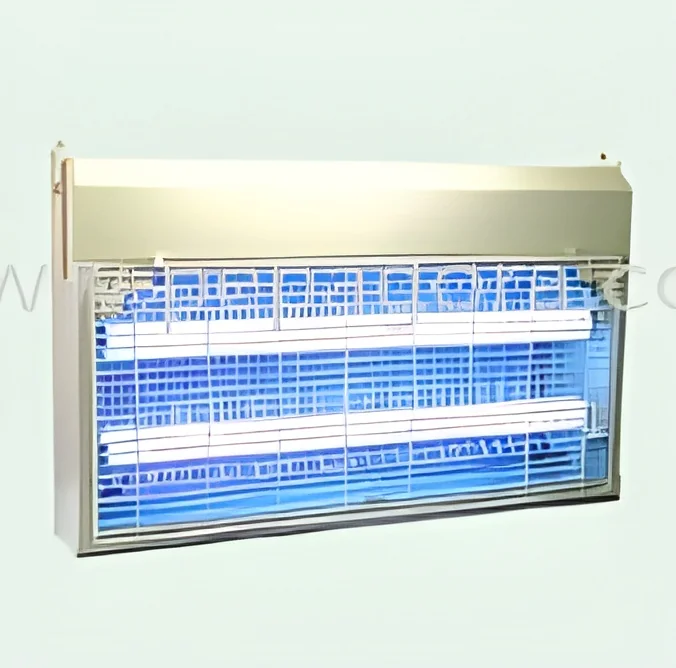
Light traps are specialized devices designed to attract and capture insects using light as their primary lure. These traps utilize various light sources, often ultraviolet, to draw insects in, where they are then ensnared by adhesive materials or other capture mechanisms. The fundamental principle behind light traps is the attraction of nocturnal insects, which are naturally drawn to light sources.
These traps find extensive use in agriculture, research, and pest control industries. In agricultural settings, they are employed to monitor and manage pest populations, helping farmers make informed decisions regarding pest management strategies. In laboratories, light traps are utilized for entomological studies and biodiversity assessments. The relevance of light traps extends to the public health sector as well, where they play a crucial role in controlling vector-borne diseases by monitoring and reducing populations of disease-carrying insects.
Key Features and Specifications
Light traps come with a variety of features designed to enhance their effectiveness and usability. Understanding these features helps businesses choose the right model for their specific needs.
Key specifications include:
1. Light Source Type
- Commonly uses UV light for maximum attraction.
- Can include LED options for energy efficiency.
2. Capture Mechanism
- Adhesive surfaces are typical for insect capture.
- Some models may use electric grids for immediate immobilization.
3. Power Source
- Options for battery-operated or electric-powered devices.
- Battery life can vary significantly based on usage.
4. Size and Portability
- Various sizes available to suit different environments.
- Lightweight models for easy transport and setup.
5. Maintenance Requirements
- Low maintenance with easy-to-replace adhesive or capture materials.
- Some models include self-cleaning features.
6. Weather Resistance
- Designed for outdoor use, with varying levels of water and UV resistance.
- Materials used should withstand environmental conditions.
7. Monitoring Features
- Some units may offer digital monitoring and data logging capabilities.
- Integration with mobile apps for real-time analysis.
Light traps are essential tools for effective pest management and monitoring, making them vital in various applications.
Common Applications and Use Cases
Light traps are versatile tools utilized across multiple industries.
1. Agriculture: Light traps are extensively used in crop fields to monitor and control pest populations, helping farmers protect their yields from harmful insects.
2. Public Health: These traps serve as a crucial element in vector control programs by capturing mosquitoes and other disease-carrying insects, thereby aiding in the prevention of outbreaks.
3. Research and Academia: In entomological research, light traps assist in biodiversity studies and help scientists understand insect behavior and ecology.
4. Food Industry: Used in food processing plants and storage facilities, light traps help maintain pest control standards by monitoring insect activity.
5. Hospitality: Hotels and restaurants deploy light traps to ensure a pest-free environment, enhancing guest experiences and food safety.
6. Urban Planning: City planners utilize light traps in urban green spaces to assess and manage insect populations, contributing to public health initiatives.
Product Variants and Subcategories
Light traps are available in diverse configurations to meet varied needs.
Because there are no specified variants currently available, it is important to understand the general characteristics of light traps.
Standard models may vary by size, light source, and capture method, allowing businesses to select according to specific applications and environments.
Benefits and Advantages
Light traps offer numerous advantages for effective pest management and monitoring.
Key benefits include:
1. Effective Pest Control: Light traps attract a wide range of insects, making them highly effective for monitoring and reducing pest populations.
2. Low Environmental Impact: These traps provide a non-toxic solution for pest control, minimizing harm to the environment and non-target species.
3. Cost-Effective: They offer a low-cost solution for continuous pest monitoring, reducing the need for chemical treatments.
4. User-Friendly: Light traps are generally easy to set up and maintain, enabling quick deployment in various settings.
5. Data Collection: Many modern light traps provide monitoring features that allow for data collection and analysis, aiding in pest management decisions.
6. Versatility: Suitable for indoor and outdoor use, light traps can adapt to various environments and industries.
Buying Guide for B2B Buyers
When sourcing light traps, several critical factors should be taken into account to ensure you make an informed decision.
1. Quality Assessment: Evaluate the durability and effectiveness of the traps. Look for reliable materials and tested performance to ensure longevity and functionality.
2. Supplier Verification: It is crucial to vet suppliers to ensure they provide high-quality products. Check for reviews, certifications, and their history in the market.
3. Pricing and MOQ: Understand the pricing structures and minimum order quantities. Compare different suppliers to find a balance between cost and quality.
4. Delivery and Lead Times: Consider the logistics involved in delivery. Ensure that suppliers can meet your required timelines to avoid disruptions in pest management efforts.
5. Compliance Requirements: Be aware of any regulatory requirements specific to your region. Ensure that the light traps meet necessary safety and performance standards.
Compliance and Certifications
Light traps must adhere to various quality standards and certifications to ensure safety and efficacy.
Relevant quality standards such as ISO 9001 ensure consistent product quality management, while HACCP and GDP standards may apply, particularly in food-related industries, ensuring that products are safe for use in sensitive environments.
Industry certifications like CE mark signify compliance with European health, safety, and environmental protection standards, providing assurance to buyers.
Safety and testing requirements are vital for ensuring that light traps do not pose hazards to users or the environment. Regional compliance considerations should also be taken into account, as different markets may have unique regulations.
Why Source Light Traps from Pepagora?
Pepagora offers a trusted platform for sourcing light traps, providing several key advantages to B2B buyers.
Verified Supplier Network: Pepagora connects buyers with a network of verified suppliers, ensuring that you work with reputable manufacturers who meet quality standards.
Streamlined RFQ Process: The request for quotation system simplifies the sourcing process, allowing buyers to easily compare offers and make informed decisions.
Trade Assurance and Support: Buyers are protected through trade assurance programs, ensuring that your investments are secure and that you receive the products as promised.
Regional Coverage: Pepagora provides extensive geographic reach, catering to markets in India, the GCC, and Southeast Asia, making it easier for businesses to access light traps suited to their specific needs.

 India
Frequently Asked Questions
What are Light Traps?
Light Traps are devices designed to attract and capture flying insects using artificial light sources. They are commonly used in agriculture and pest control to monitor and reduce pest populations.
What are the different types of Light Traps?
There are several types of Light Traps, including UV light traps, electric light traps, and sticky traps. Each type uses different mechanisms to attract and capture insects, catering to various pest control needs.
How do I choose the right Light Traps?
To choose the right Light Trap, consider factors such as the type of insects you want to target, the area of application, and the trap's efficiency. Evaluate product specifications and reviews from other users to make an informed decision.
What are the standard specifications for Light Traps?
Standard specifications for Light Traps typically include the type of light source, trap dimensions, power consumption, and capture capacity. It's important to review these specifications to ensure the trap meets your specific pest control requirements.
What is the price range for Light Traps?
The price range for Light Traps varies widely depending on the type and features, typically ranging from INR 1,000 to INR 10,000. Higher-end models may offer advanced features and greater effectiveness.
What quality standards apply to Light Traps?
Quality standards for Light Traps may include compliance with safety regulations, durability under various conditions, and effectiveness in capturing targeted insects. Look for certifications from relevant authorities to ensure product quality.
Where can I find Light Traps suppliers in India?
You can find Light Traps suppliers in India through online B2B marketplaces like Pepagora.com. Additionally, trade shows and industry directories may provide listings of reputable manufacturers and suppliers.
Can Light Traps be customized?
Yes, many manufacturers offer customization options for Light Traps. Customizations may include specific dimensions, color preferences, or additional features to meet unique customer requirements.
What is the typical minimum order quantity for Light Traps?
The typical minimum order quantity (MOQ) for Light Traps can vary depending on the supplier, but it generally ranges from 10 to 100 units. Always check with the supplier for their specific MOQ requirements.
What is the typical lead time for Light Traps?
The typical lead time for Light Traps can range from 2 to 6 weeks, depending on the supplier and customization options. It's advisable to confirm the lead time with the supplier before placing an order.
Why Businesses Trust Pepagora
Thousands of companies trust Pepagora to source smarter and sell faster
Expand Your Sales Globally

Source Smarter,Grow Faster
