
 IN
LED Traffic Signals
44 products available
What are LED Traffic Signals?
LED Traffic Signals are modern traffic control devices that use light-emitting diodes (LEDs) to indicate the status of traffic at intersections. Unlike traditional incandescent bulbs, LED technology offers significant advantages in terms of energy efficiency, longevity, and visibility. These signals are designed to provide clear and bright indications for drivers and pedestrians, ensuring smoother traffic flow and increased safety on the roads.
The primary uses of LED Traffic Signals include managing vehicle and pedestrian traffic at busy intersections, crosswalks, and roadways. They are utilized by municipalities, transportation departments, and private organizations to enhance traffic management systems. LED signals are especially beneficial in urban areas where congestion is common, as they can adapt to changing traffic patterns and improve overall road safety. The growing demand for energy-efficient and cost-effective solutions in the transportation sector highlights the relevance of LED Traffic Signals in today’s market.
As cities and countries strive to modernize their infrastructure, LED Traffic Signals play a crucial role in advancing smart city initiatives. The increasing focus on sustainability and energy conservation drives the adoption of these signals, making them a vital component in the evolution of traffic management technology.
Key Features and Specifications
LED Traffic Signals come equipped with various features that enhance their functionality and performance. These features make them suitable for a wide range of traffic management applications.
Key specifications include:
1. Energy Efficiency
- LED Traffic Signals consume significantly less power compared to traditional signals.
- They can reduce energy consumption by up to 90%.
2. Lifespan
- These signals have an extended lifespan, often lasting over 50,000 hours.
- This longevity reduces maintenance costs and frequency of replacements.
3. Visibility
- LED signals provide high brightness and contrast, ensuring visibility in various weather conditions.
- They maintain clarity even in direct sunlight.
4. Response Time
- LED Traffic Signals have a fast response time, improving traffic flow.
- They can change from red to green in milliseconds.
5. Customizability
- These signals can be customized to fit specific traffic needs and patterns.
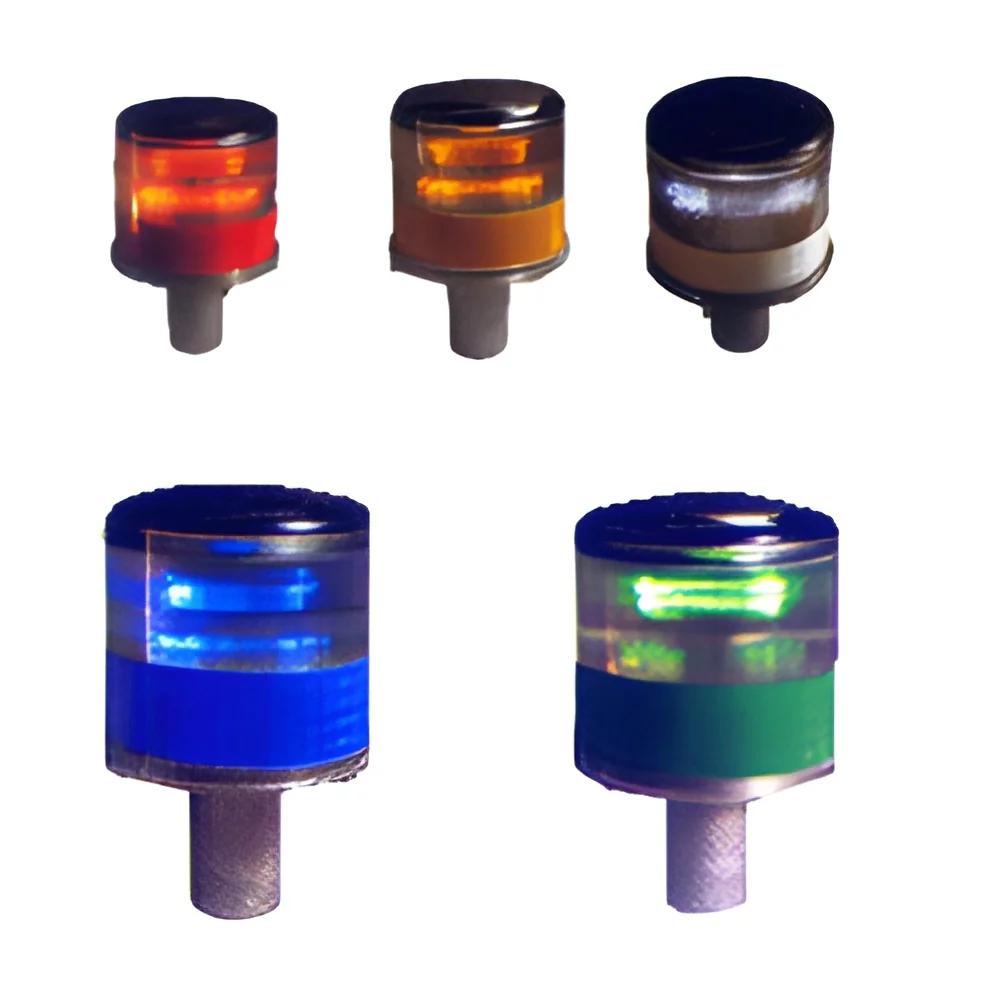
- Options include different colors and sizes based on application requirements.
6. Weather Resistance
- Designed to withstand extreme temperatures and weather conditions.
- Built with durable materials to prevent damage from elements.
7. Control Systems
- Compatibility with advanced traffic management systems.
- Can be integrated with sensors and cameras for real-time monitoring.
In summary, LED Traffic Signals provide a combination of energy efficiency, longevity, and advanced features that make them an ideal choice for modern traffic management systems.
Common Applications and Use Cases
LED Traffic Signals are versatile and applicable in various industries, making them essential for effective traffic control.
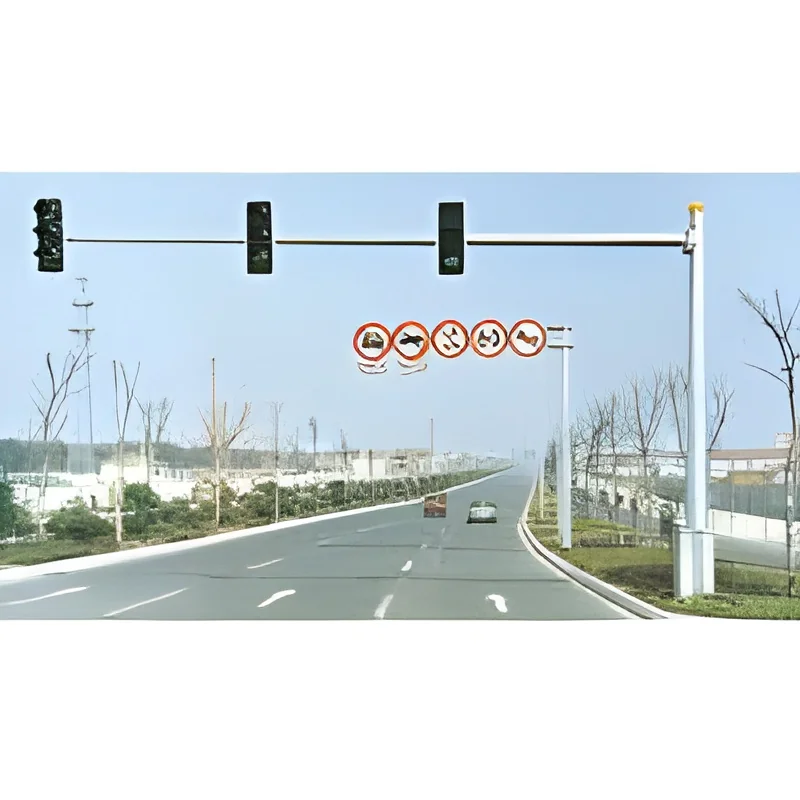
1. Urban Transportation: In cities, LED Traffic Signals help manage traffic flow at intersections, reducing congestion and improving safety for both drivers and pedestrians.
2. Highways: These signals are used on highways to control entry and exit points, ensuring smooth transitions and minimizing accidents.
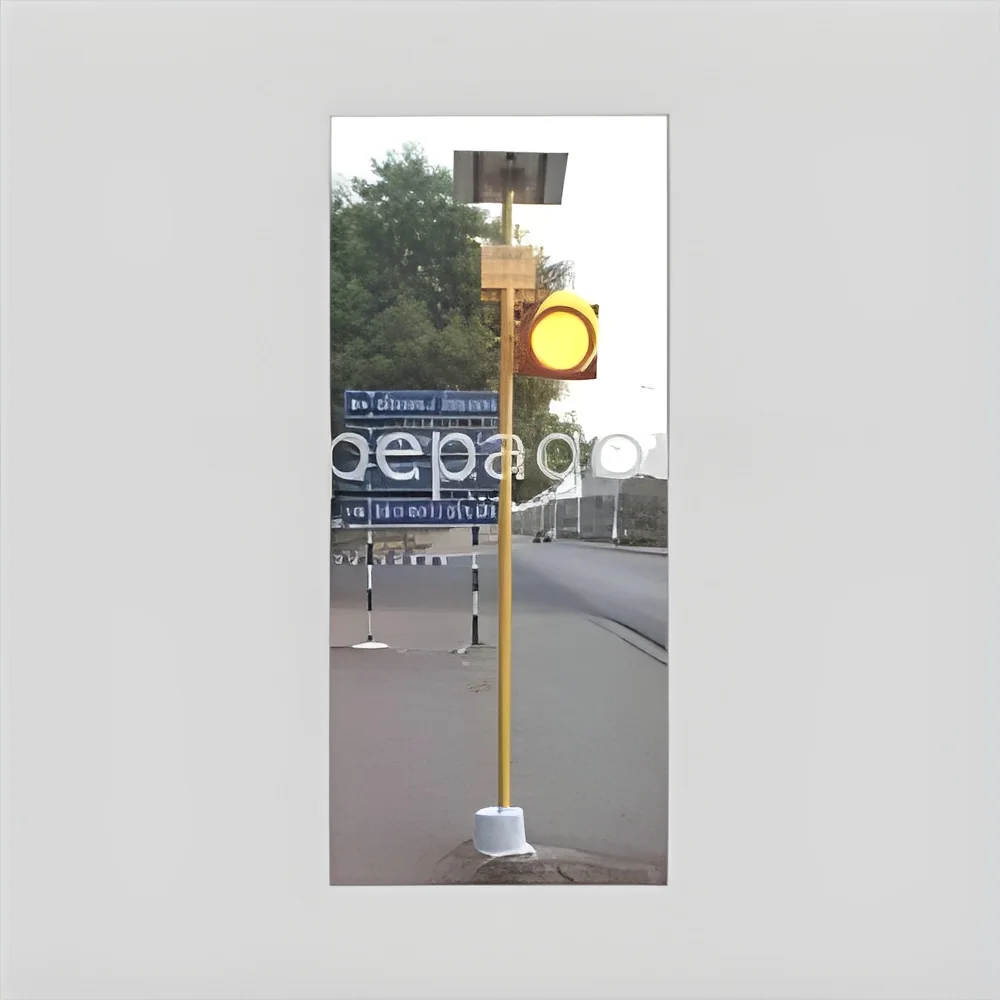
3. Construction Zones: LED signals are deployed in construction areas to guide vehicles safely through detours and work zones, enhancing worker safety.
4. Parking Facilities: In parking lots, LED Traffic Signals can direct traffic and indicate available spaces, streamlining the parking process.
5. Airports: LED signals assist in managing vehicle movement on airport runways and taxiways, ensuring safe operations in busy environments.
6. Railways: They are utilized in railway systems to signal train movements and crossings, improving safety for both trains and road vehicles.
7. Smart Cities: As part of smart city initiatives, LED Traffic Signals integrate with IoT systems to optimize traffic flow and reduce delays.
Product Variants and Subcategories
LED Traffic Signals come in various configurations tailored to specific applications.
Standard LED Traffic Signal
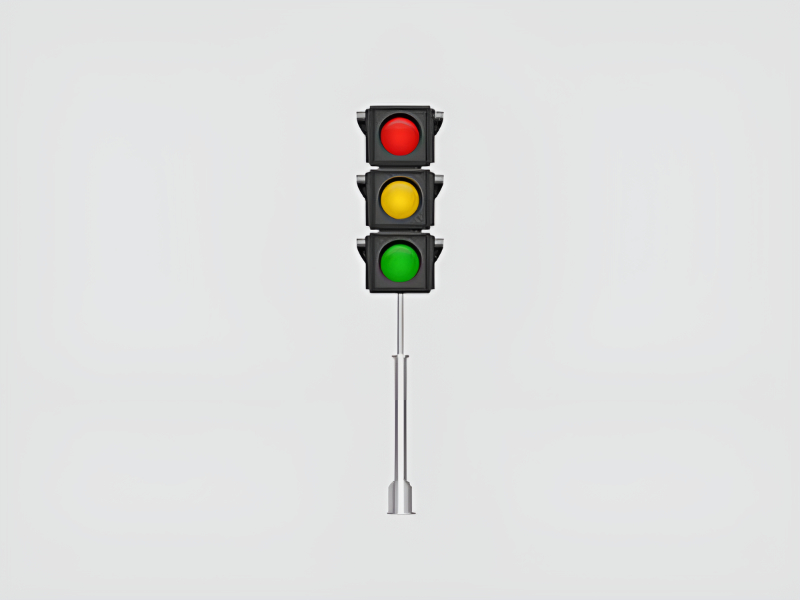
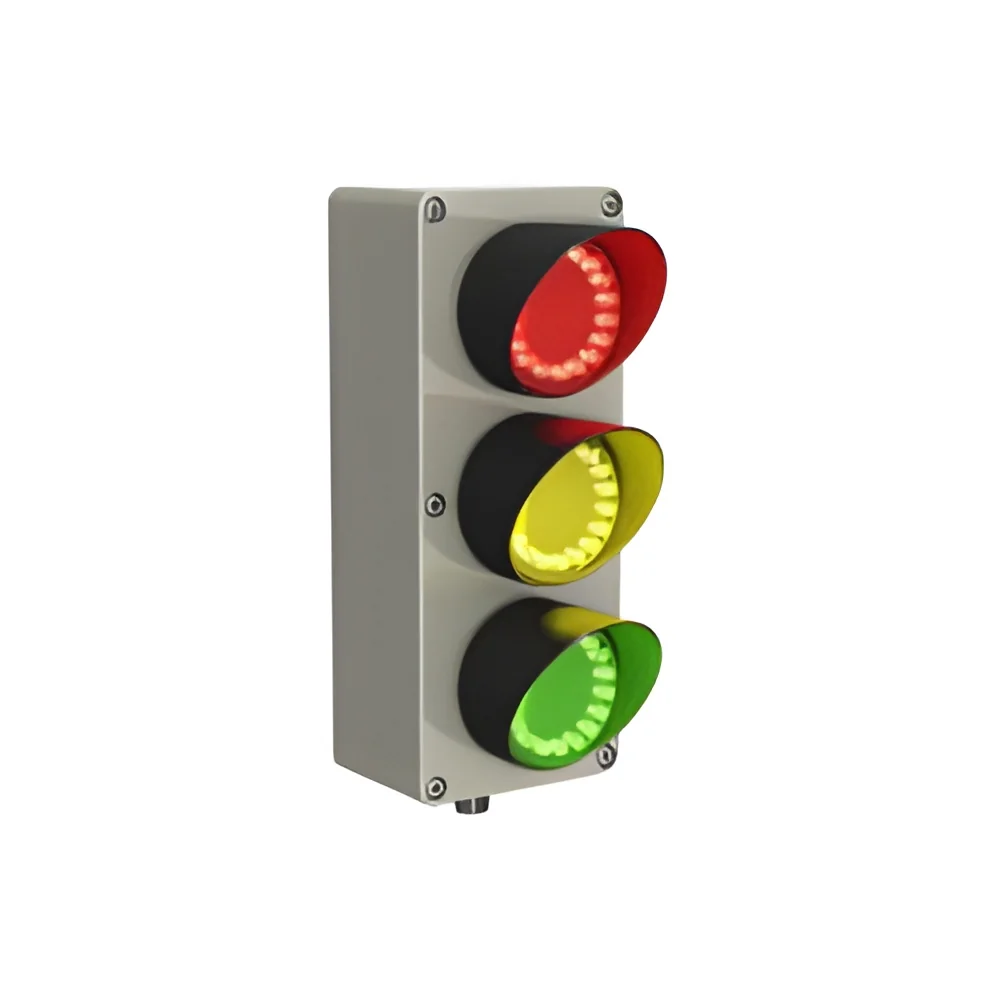
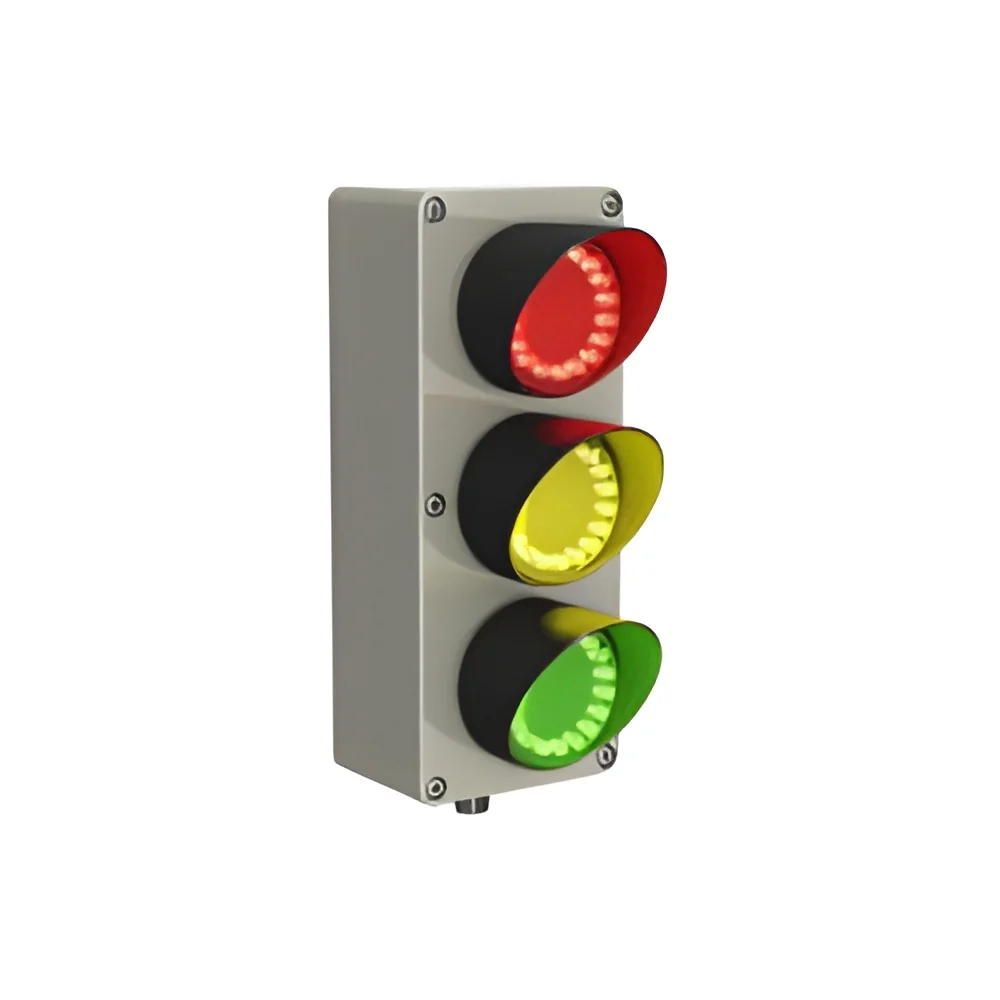
This variant features a standard design used in most intersections. It includes typical red, yellow, and green lights and is suited for urban areas.
Pedestrian LED Signal
Designed specifically for pedestrian crossings, this variant includes symbols and countdown timers to enhance safety for pedestrians.
Flashing LED Signal
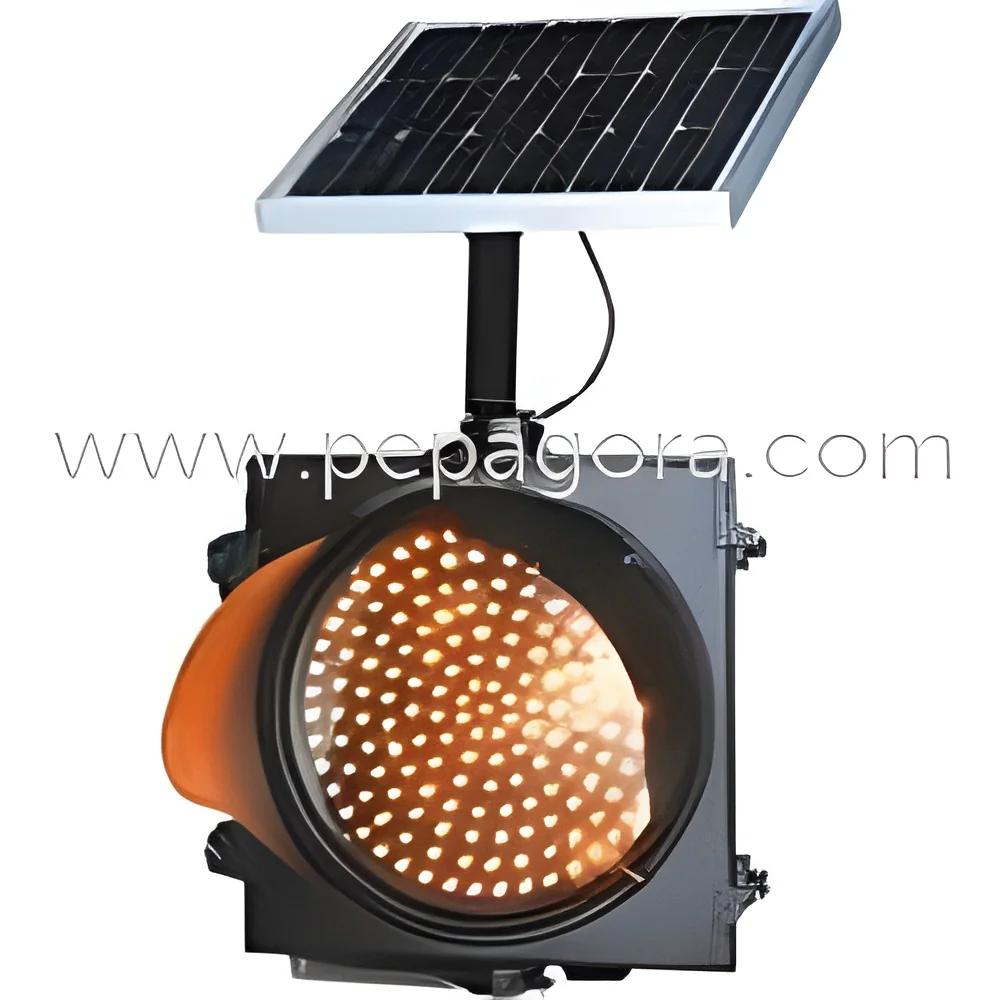
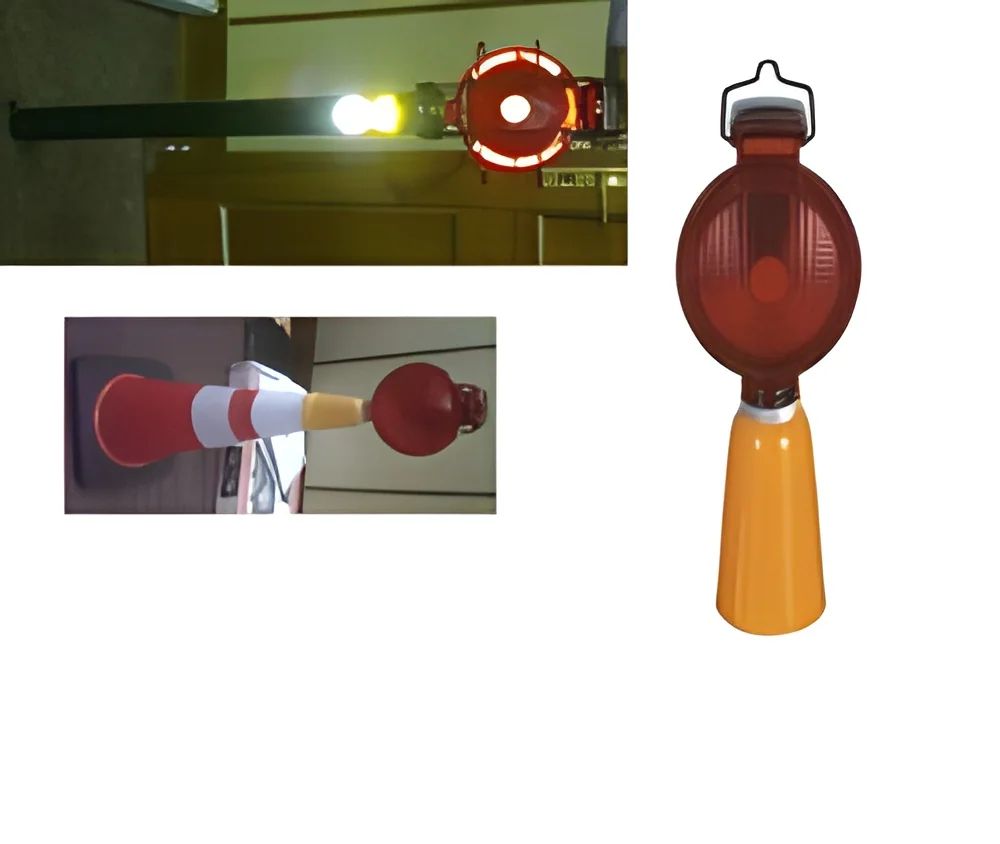
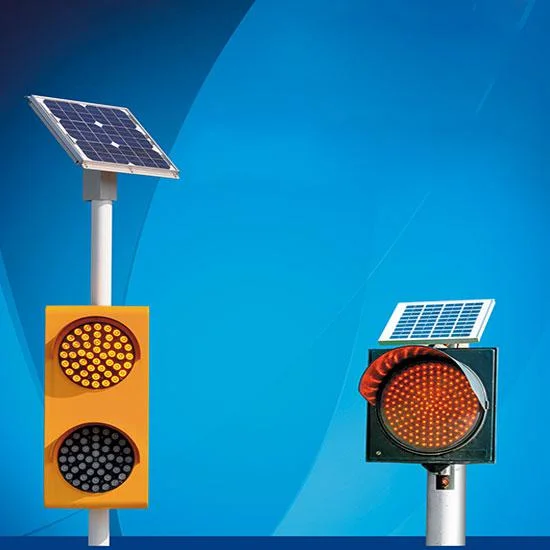
These signals are equipped with flashing capabilities for use in high-traffic areas or during specific events to alert drivers effectively.
Benefits and Advantages
LED Traffic Signals offer numerous benefits that enhance traffic management systems.
1. Cost Savings: The energy-efficient design leads to lower electricity bills, significantly reducing operational costs over time.
2. Increased Safety: High visibility and quick response times improve safety for all road users, reducing the risk of accidents.
3. Low Maintenance: With a longer lifespan and durable construction, these signals require less frequent maintenance and replacement.
4. Environmental Impact: By consuming less energy, LED Traffic Signals contribute to lower carbon emissions, supporting sustainability efforts.
5. Flexibility: The ability to integrate with existing traffic management systems allows for adaptable solutions to changing traffic patterns.
6. Enhanced Traffic Flow: Improved visibility and responsiveness lead to smoother traffic flow, reducing congestion and travel times.
Buying Guide for B2B Buyers
When sourcing LED Traffic Signals, several factors should be considered to ensure the best choice for your needs.
1. Quality Assessment: Look for signals that meet industry standards for durability and performance. Verify the manufacturer’s reputation by checking reviews and certifications.
2. Supplier Verification: Ensure that suppliers provide reliable products and have a track record of successful projects. Request references and case studies to assess their reliability.
3. Pricing and MOQ: Understand the pricing structure and minimum order quantities (MOQ) to align with your budget and project requirements.
4. Delivery and Lead Times: Factor in logistics and lead times when planning your project. Ensure that the supplier can meet your timeline for installation.
5. Compliance Requirements: Familiarize yourself with local regulations and compliance standards that apply to traffic signals, ensuring that your chosen products meet these needs.
Compliance and Certifications
LED Traffic Signals must adhere to various industry standards and certifications to ensure quality and safety.
Relevant quality standards include ISO 9001, which emphasizes quality management systems, ensuring that manufacturers adhere to high production standards.
Additionally, CE certification is crucial for products sold in Europe, indicating compliance with safety and environmental standards.
Safety and testing requirements must also be met, ensuring that signals can withstand environmental factors and operate reliably under various conditions.
Regional compliance considerations vary by location, so it is important to understand the specific regulations that apply to your area.
Why Source LED Traffic Signals from Pepagora?
Pepagora provides a trusted platform for sourcing LED Traffic Signals with several key advantages.
Verified Supplier Network: Pepagora connects buyers with a network of verified suppliers, ensuring that you receive high-quality products from reputable manufacturers.
Streamlined RFQ Process: The platform features a straightforward request for quotation (RFQ) system, allowing buyers to efficiently obtain pricing and product information from multiple suppliers.
Trade Assurance and Support: Pepagora offers trade assurance and support services, providing buyers with protection and assistance throughout the sourcing process.
Regional Coverage: The platform has a wide geographic reach, serving markets in India, the GCC, and Southeast Asia, making it easier for businesses to find the right solutions for their needs.


 India
 India
 India

 India
 India
 India
 India


 India


 India
 India
 India
 India


 India
 India

 India
 India
 India
 India


 India

Frequently Asked Questions
What are LED Traffic Signals?
LED Traffic Signals are traffic control devices that use Light Emitting Diodes (LEDs) to convey information to drivers and pedestrians. They are designed to improve visibility and energy efficiency compared to traditional incandescent signals.
What are the different types of LED Traffic Signals?
There are various types of LED Traffic Signals, including standard signals for vehicles, pedestrian signals, and countdown timers. Additionally, they can be categorized based on their configuration, such as circular, arrow, and pedestrian displays.
How do I choose the right LED Traffic Signals?
Choosing the right LED Traffic Signals involves considering factors such as visibility, energy efficiency, compliance with local regulations, and the specific traffic conditions at the installation site. Consulting with manufacturers or suppliers can help identify the best options.
What are the standard specifications for LED Traffic Signals?
Standard specifications for LED Traffic Signals typically include brightness levels, color standards, power consumption, and operational temperature ranges. These specifications ensure optimal performance and visibility under various conditions.
What is the price range for LED Traffic Signals?
The price range for LED Traffic Signals can vary significantly based on factors such as type, specifications, and manufacturer. Generally, prices can start from a few thousand rupees and can go up to tens of thousands for advanced models.
What quality standards apply to LED Traffic Signals?
LED Traffic Signals must meet specific quality standards such as ISI certifications, and may also comply with international standards like IEC and ASTM. These standards ensure safety, durability, and performance reliability.
Where can I find LED Traffic Signals suppliers in India?
You can find LED Traffic Signals suppliers in India through online B2B marketplaces like Pepagora, industry trade shows, and manufacturer directories. Researching and contacting multiple suppliers can help identify the most suitable options.
Can LED Traffic Signals be customized?
Yes, many manufacturers offer customization options for LED Traffic Signals, including size, color, and additional features such as smart technology integration. Custom solutions can meet specific requirements and enhance traffic management.
What is the typical minimum order quantity for LED Traffic Signals?
The typical minimum order quantity (MOQ) for LED Traffic Signals varies by supplier and can range from a few units to several dozen. It's important to check with suppliers to understand their specific MOQ policies.
What is the typical lead time for LED Traffic Signals?
The typical lead time for LED Traffic Signals can vary based on factors such as order quantity, customization, and supplier capabilities. Generally, lead times can range from a few weeks to a couple of months.
Why Businesses Trust Pepagora
Thousands of companies trust Pepagora to source smarter and sell faster
Expand Your Sales Globally

Source Smarter,Grow Faster
