𝗪𝗵𝗮𝘁 𝗮𝗿𝗲 𝗥𝗼𝗮𝗱 𝗦𝗮𝗳𝗲𝘁𝘆 𝗘𝗾𝘂𝗶𝗽𝗺𝗲𝗻𝘁?
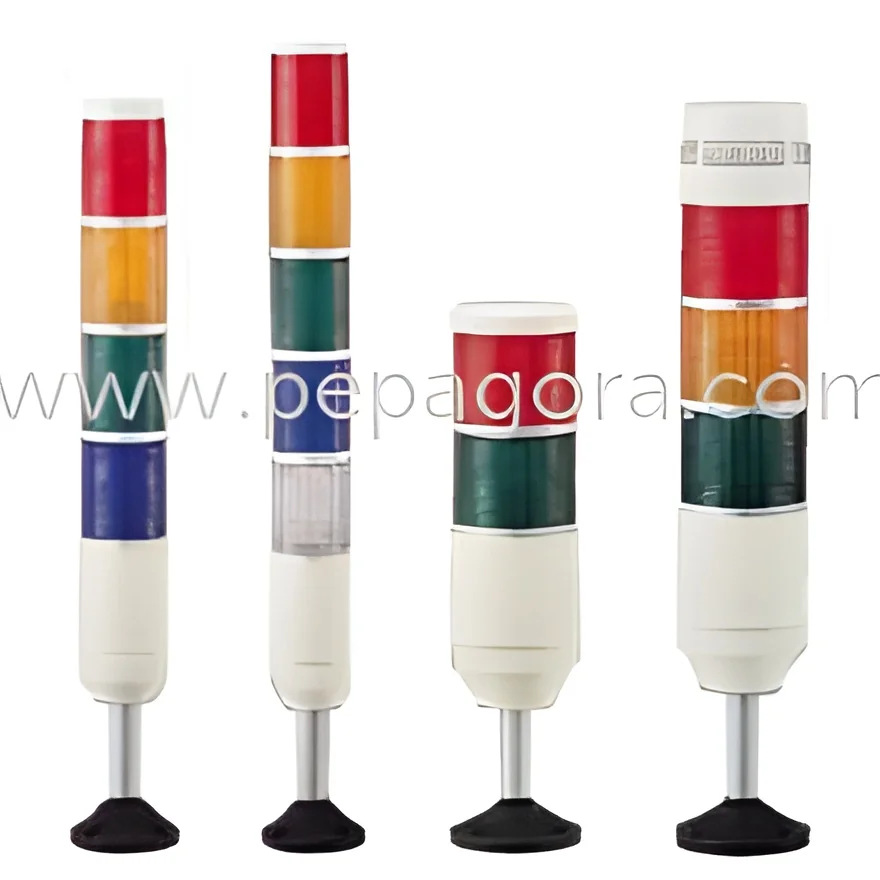
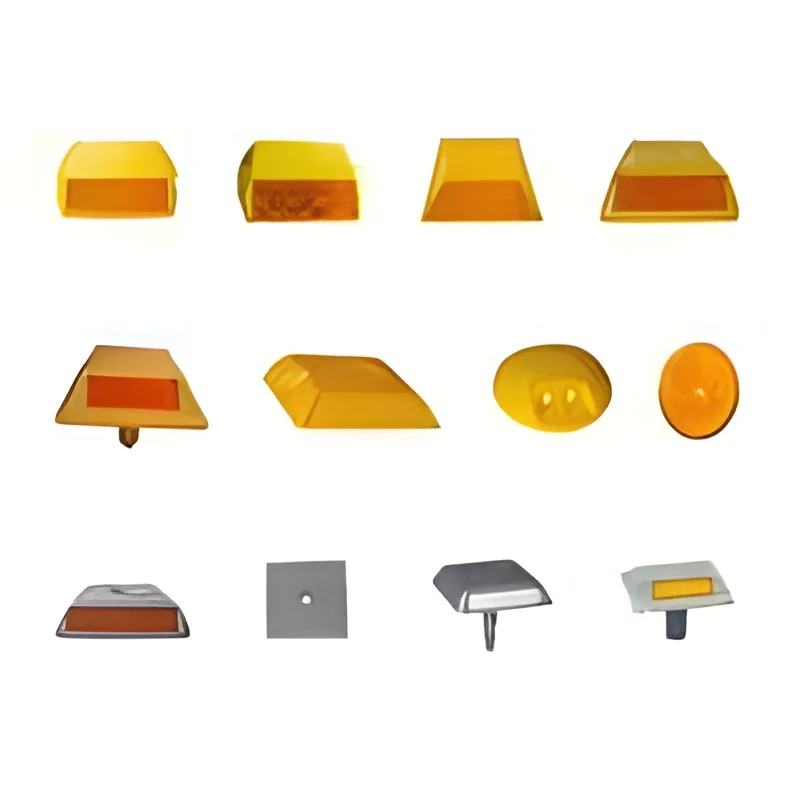
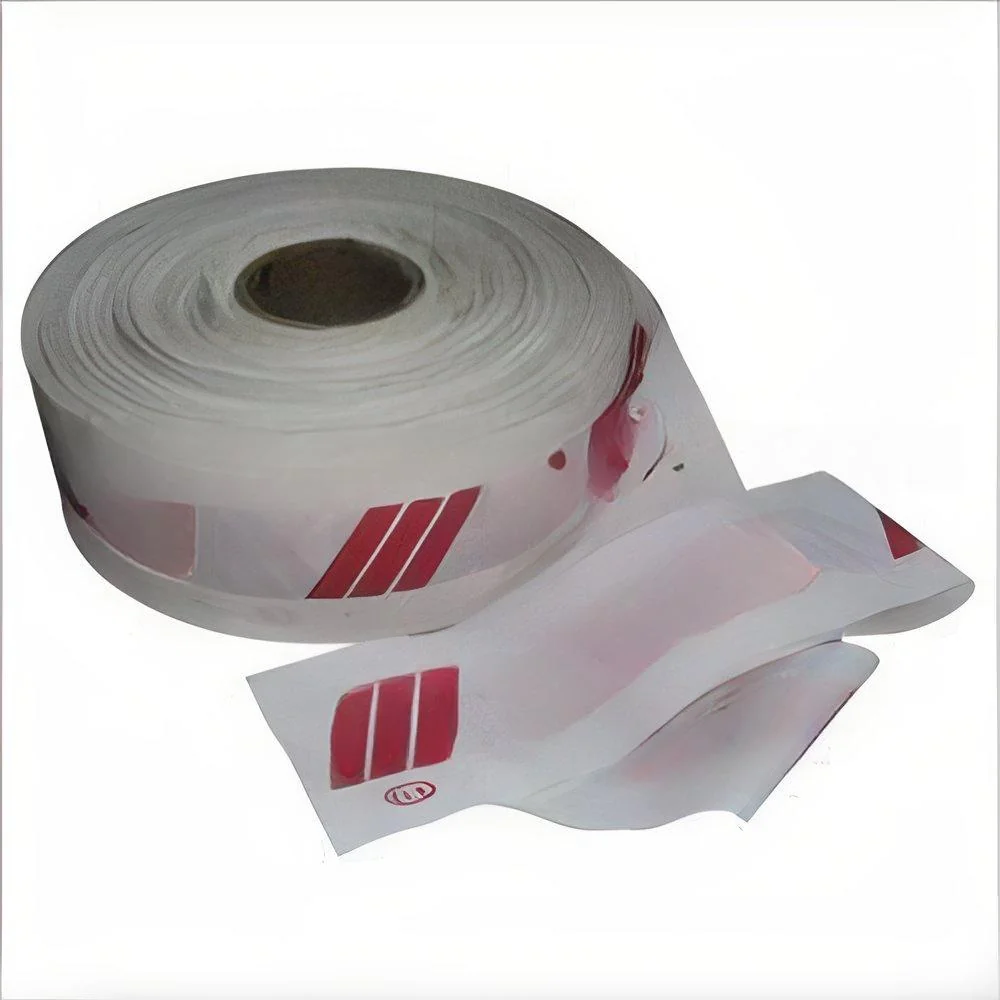
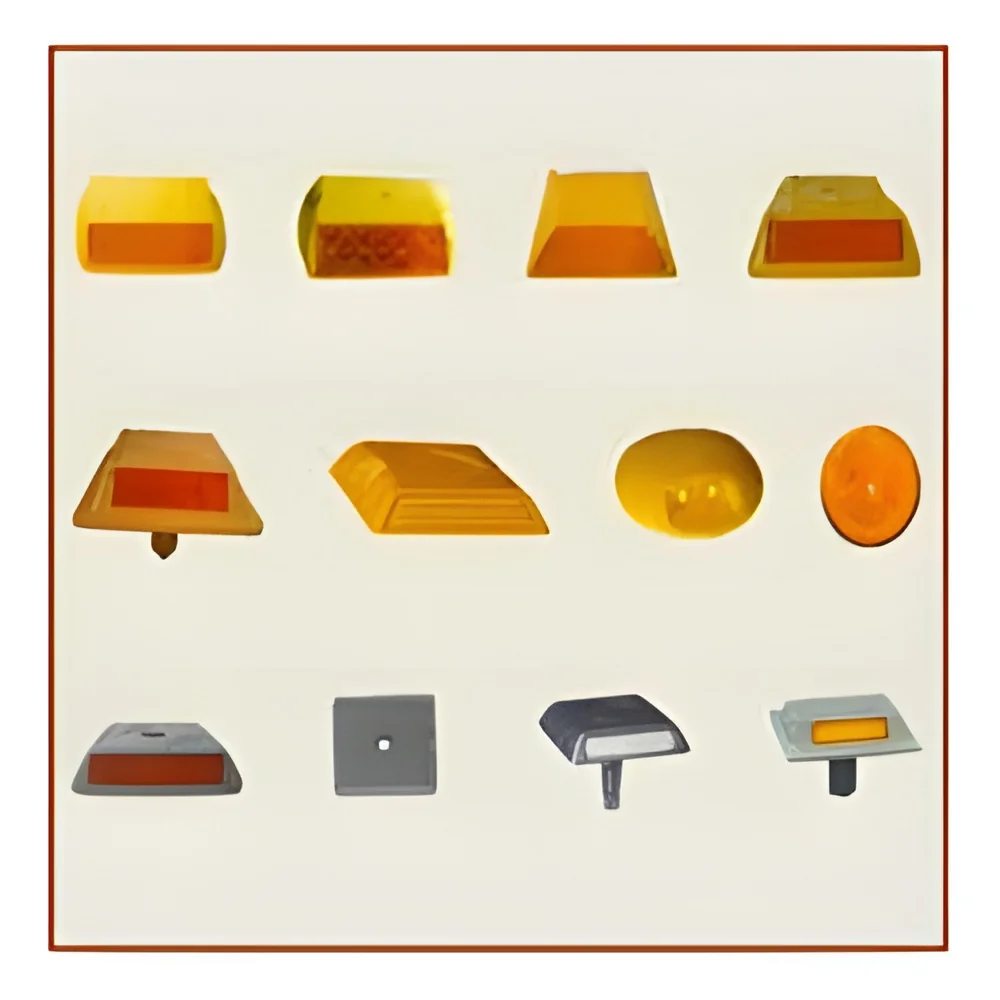
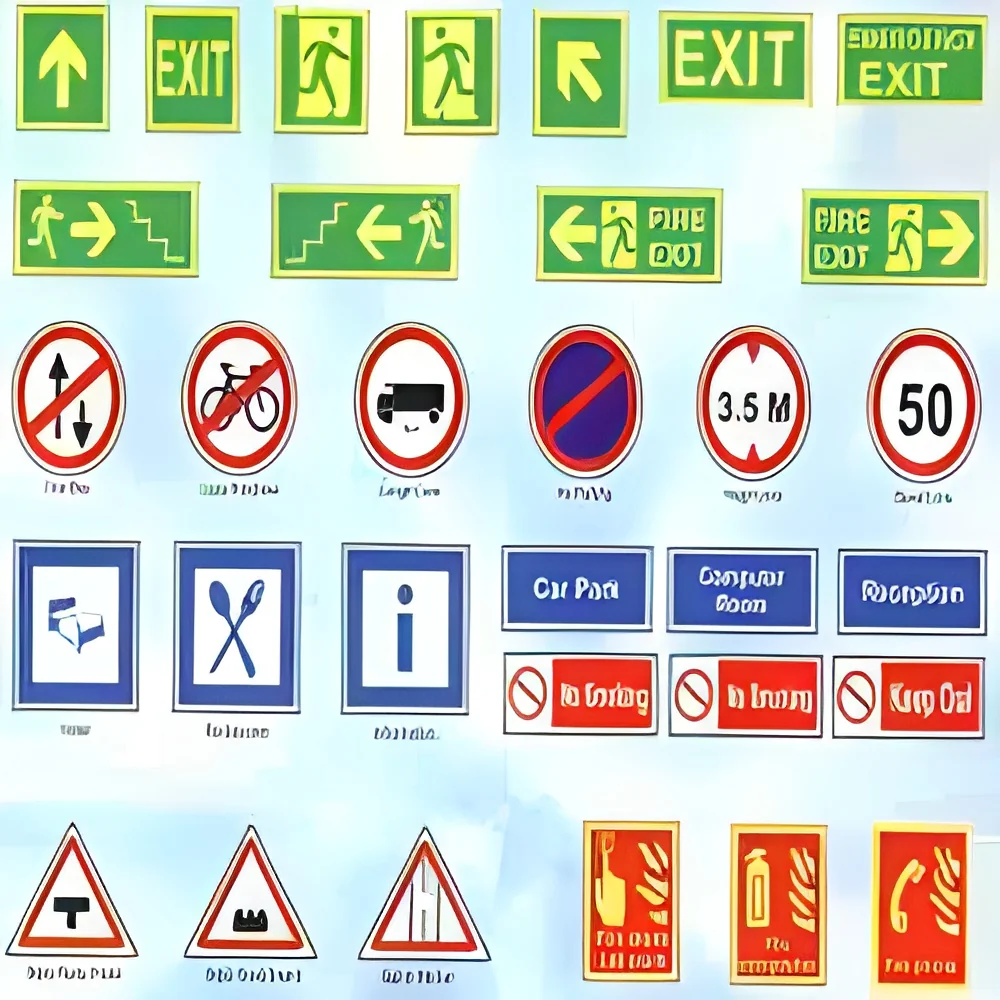
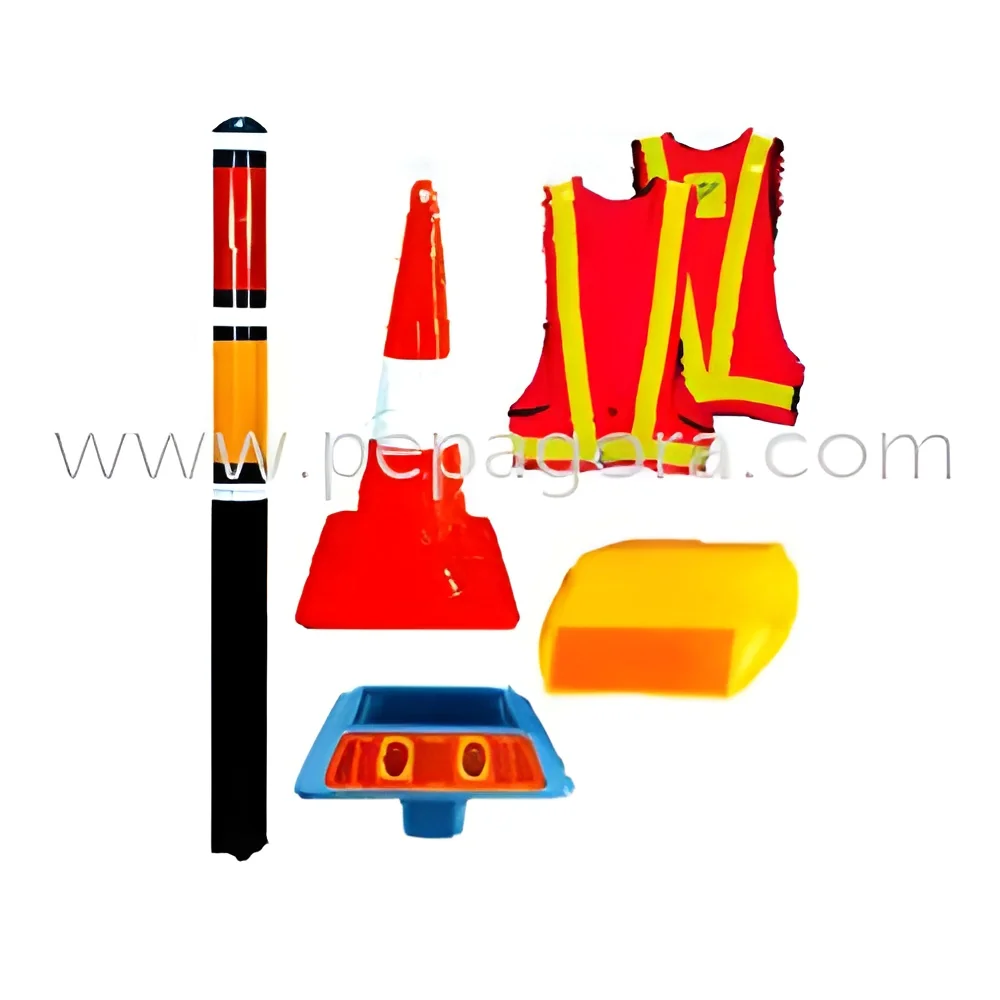
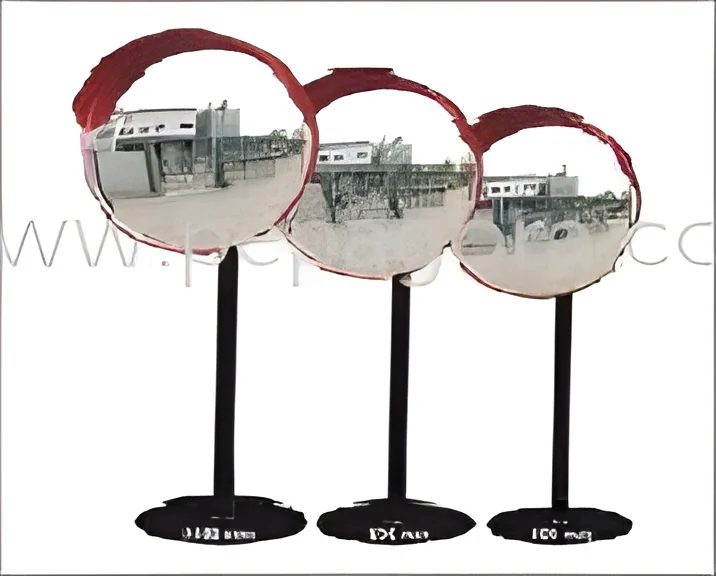
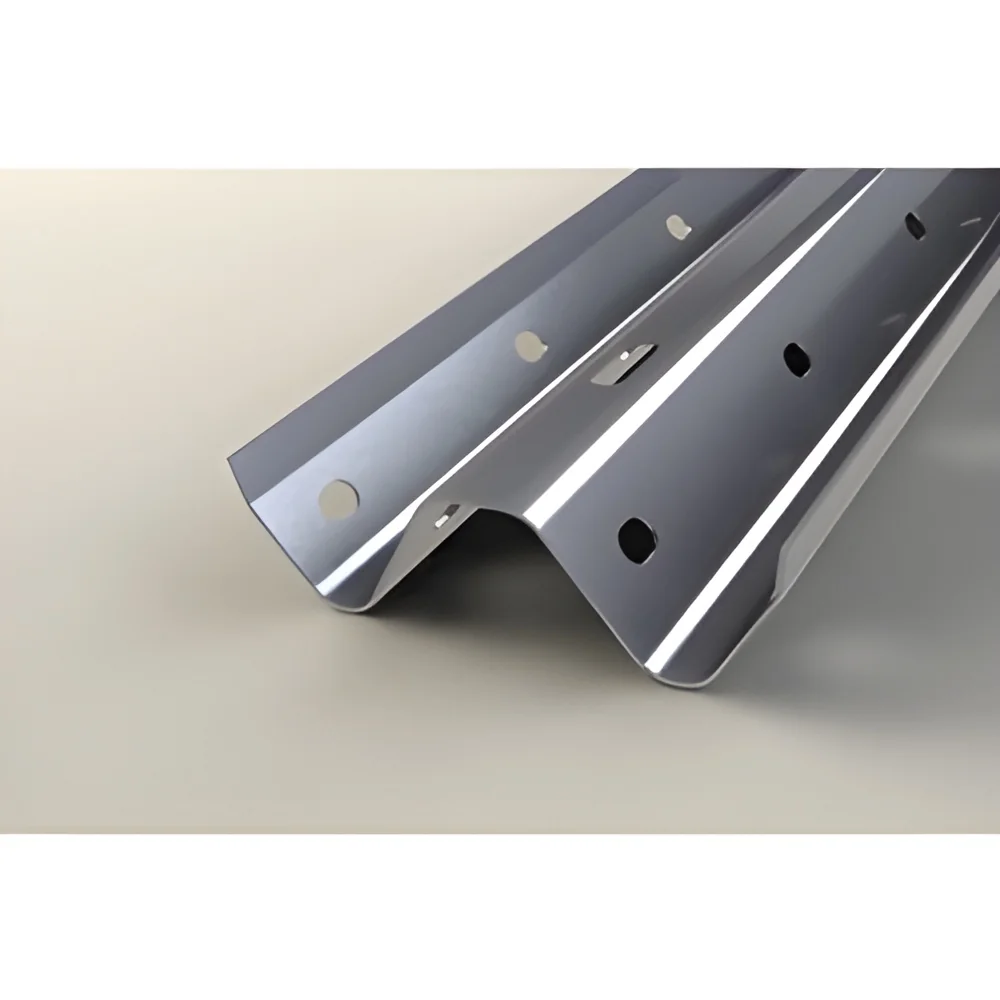
Road safety equipment encompasses a range of tools and devices designed to enhance the safety of road users, including drivers, pedestrians, and cyclists. This equipment is critical in reducing accidents and improving traffic flow. Common examples include traffic cones, road signs, reflective barriers, and speed bumps. Each piece of equipment plays a vital role in ensuring that roads are safer for everyone.
The primary uses of road safety equipment span various applications, including construction sites, traffic management, and emergency response situations. Businesses in the construction industry utilize these tools to ensure worker safety while maintaining traffic flow. Municipalities also use road safety equipment to manage public roadways effectively. The relevance of this equipment is underscored by the increasing focus on road safety regulations and initiatives aimed at reducing traffic-related incidents, making it a significant market in the broader context of public safety.
𝗞𝗲𝘆 𝗙𝗲𝗮𝘁𝘂𝗿𝗲𝘀 𝗮𝗻𝗱 𝗦𝗽𝗲𝗰𝗶𝗳𝗶𝗰𝗮𝘁𝗶𝗼𝗻𝘀
When evaluating road safety equipment, key features and specifications are crucial for ensuring effectiveness and compliance with safety standards. Understanding these specifications helps businesses select the right equipment for their needs.
Key specifications include:
1. Material Composition
- Typically made from durable materials like plastic, rubber, or metal
- Ensures longevity and resistance to weather conditions
2. Visibility Features
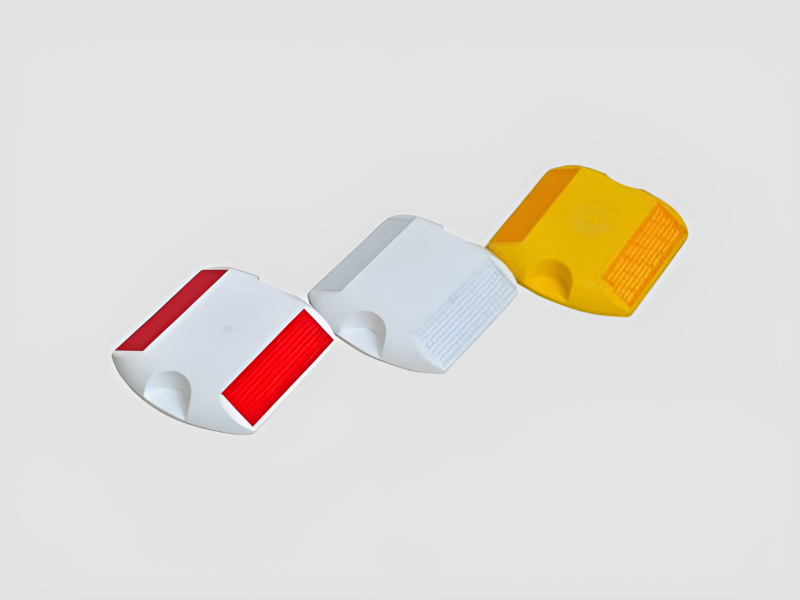
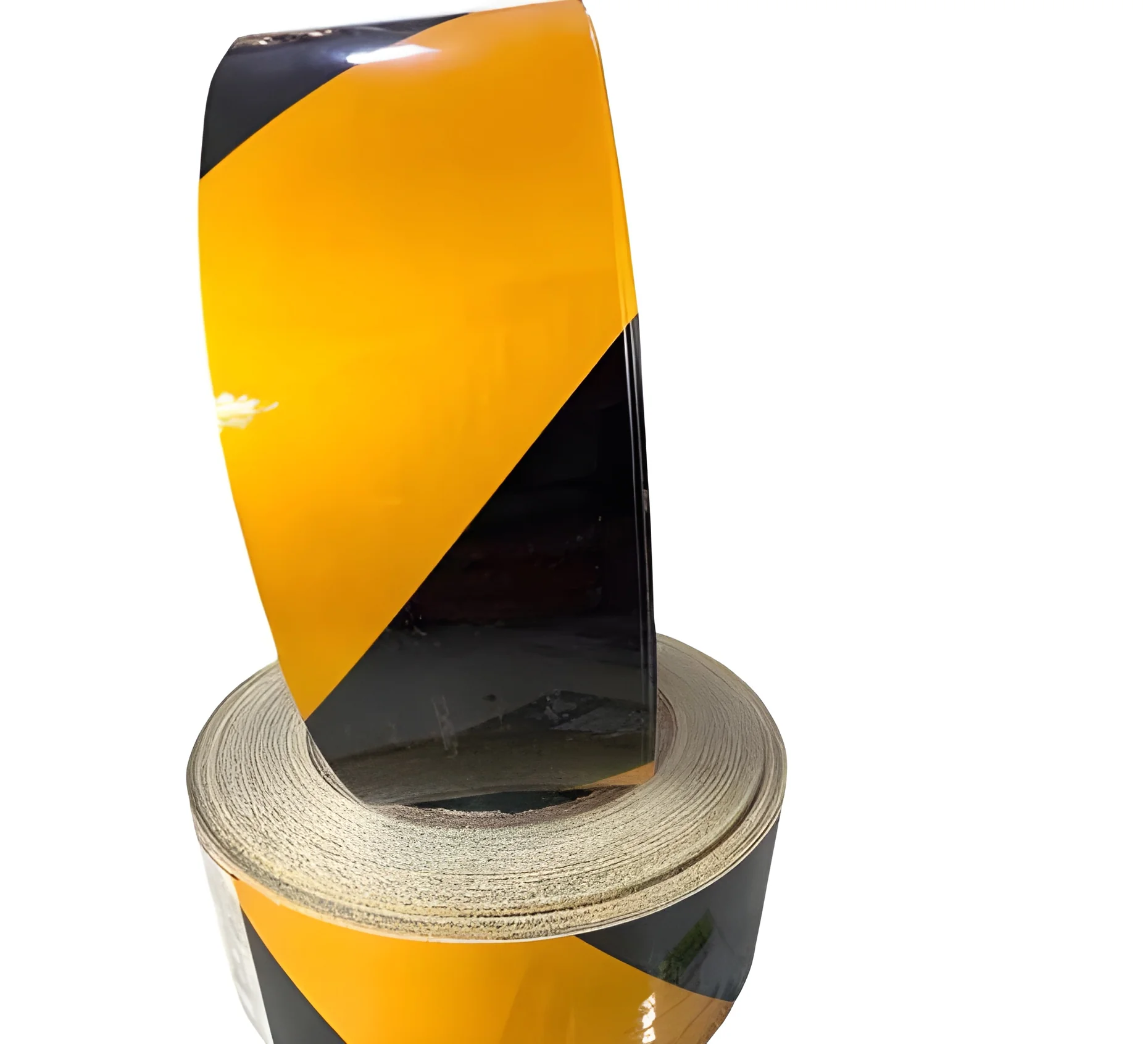
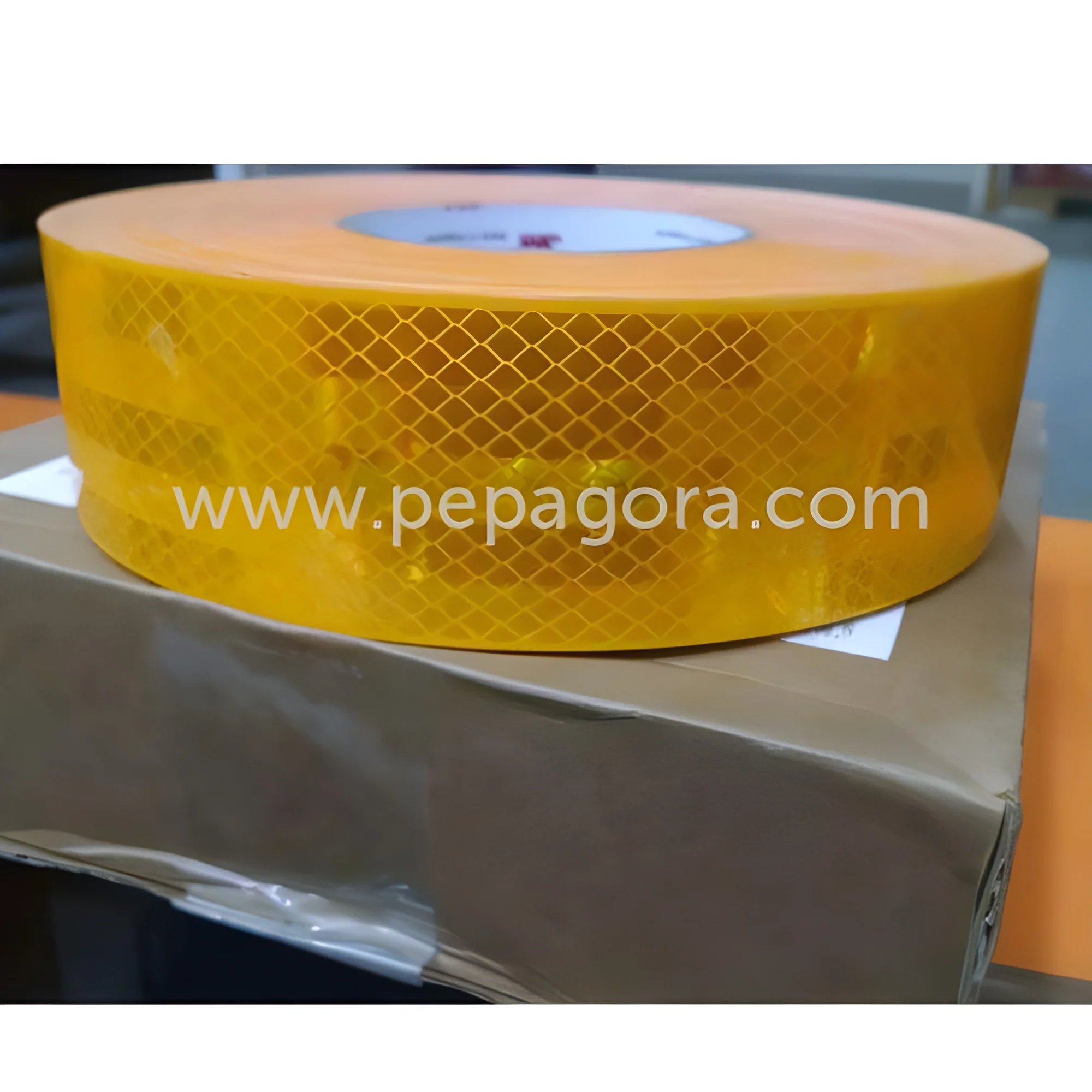
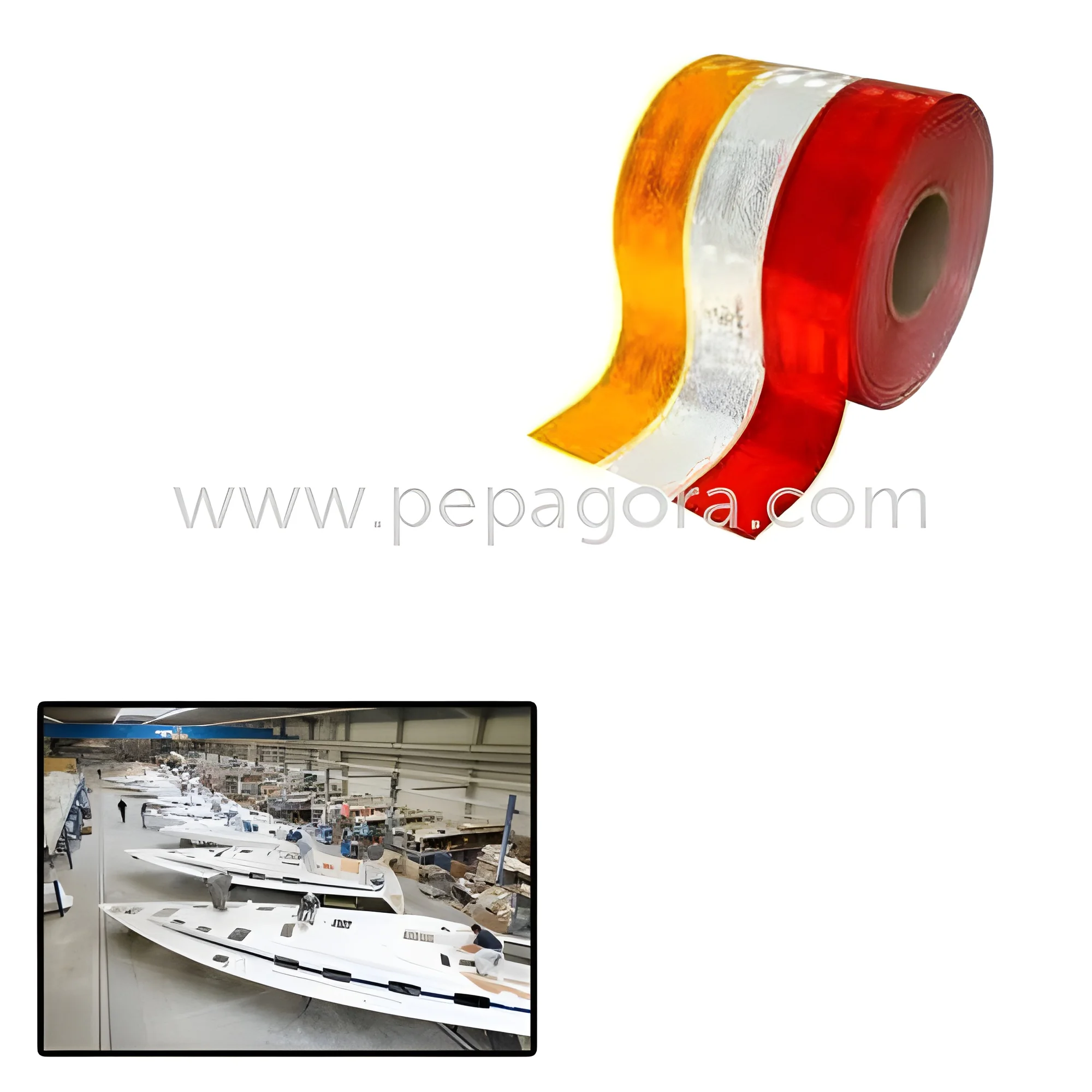
- High-visibility colors and reflective surfaces
- Enhances visibility in low-light conditions
3. Weight and Stability
- Varies depending on the type of equipment
- Heavier items provide greater stability in adverse weather
4. Size and Dimensions
- Standard sizes for traffic cones and signs
- Essential for proper placement and visibility
5. Compliance with Standards
- Must meet regional safety regulations
- Certifications like CE indicate compliance
6. Ease of Installation
- Some items designed for quick setup and removal
- Important for temporary roadworks
7. Customization Options
- Ability to customize signs and equipment
- Tailored messaging for specific applications
8. Environmental Resistance
- Resistance to UV rays, temperature, and moisture
- Ensures durability in various climates
In summary, understanding the features and specifications of road safety equipment is essential for businesses to make informed purchasing decisions that meet their specific needs.
𝗖𝗼𝗺𝗺𝗼𝗻 𝗔𝗽𝗽𝗹𝗶𝗰𝗮𝘁𝗶𝗼𝗻𝘀 𝗮𝗻𝗱 𝗨𝘀𝗲 𝗖𝗮𝘀𝗲𝘀
Road safety equipment serves a wide range of industries, addressing various safety and operational needs.
1. Construction Industry: Road safety equipment is vital on construction sites to protect workers and direct traffic safely around work zones, reducing the risk of accidents.
2. Transportation and Logistics: In transportation, this equipment aids in managing traffic flow and ensuring the safety of drivers and pedestrians during loading and unloading operations.
3. Municipalities: Local governments utilize road safety equipment for public safety campaigns, managing roadworks, and ensuring compliance with traffic regulations.
4. Event Management: Temporary road safety solutions are often deployed for events to manage crowds and vehicular traffic effectively.
5. Emergency Services: Road safety equipment is crucial for emergency responders to secure accident scenes and direct traffic safely.
6. Schools: Schools use road safety equipment to protect children during drop-off and pick-up times, enhancing pedestrian safety around school zones.
7. Railways: Railway companies implement road safety equipment to warn road users of approaching trains and ensure safe crossings.
𝗣𝗿𝗼𝗱𝘂𝗰𝘁 𝗩𝗮𝗿𝗶𝗮𝗻𝘁𝘀 𝗮𝗻𝗱 𝗦𝘂𝗯𝗰𝗮𝘁𝗲𝗴𝗼𝗿𝗶𝗲𝘀
Road safety equipment comes in various forms, each designed for specific applications and environments.
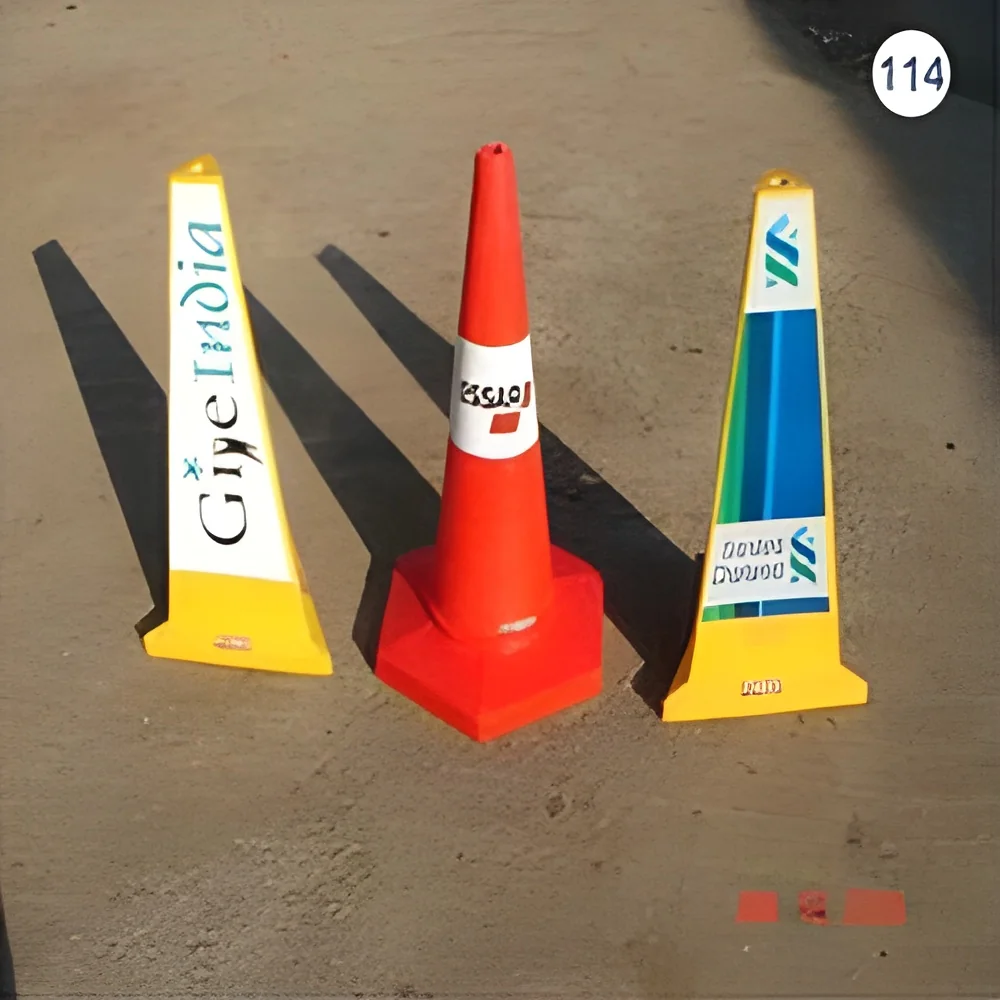
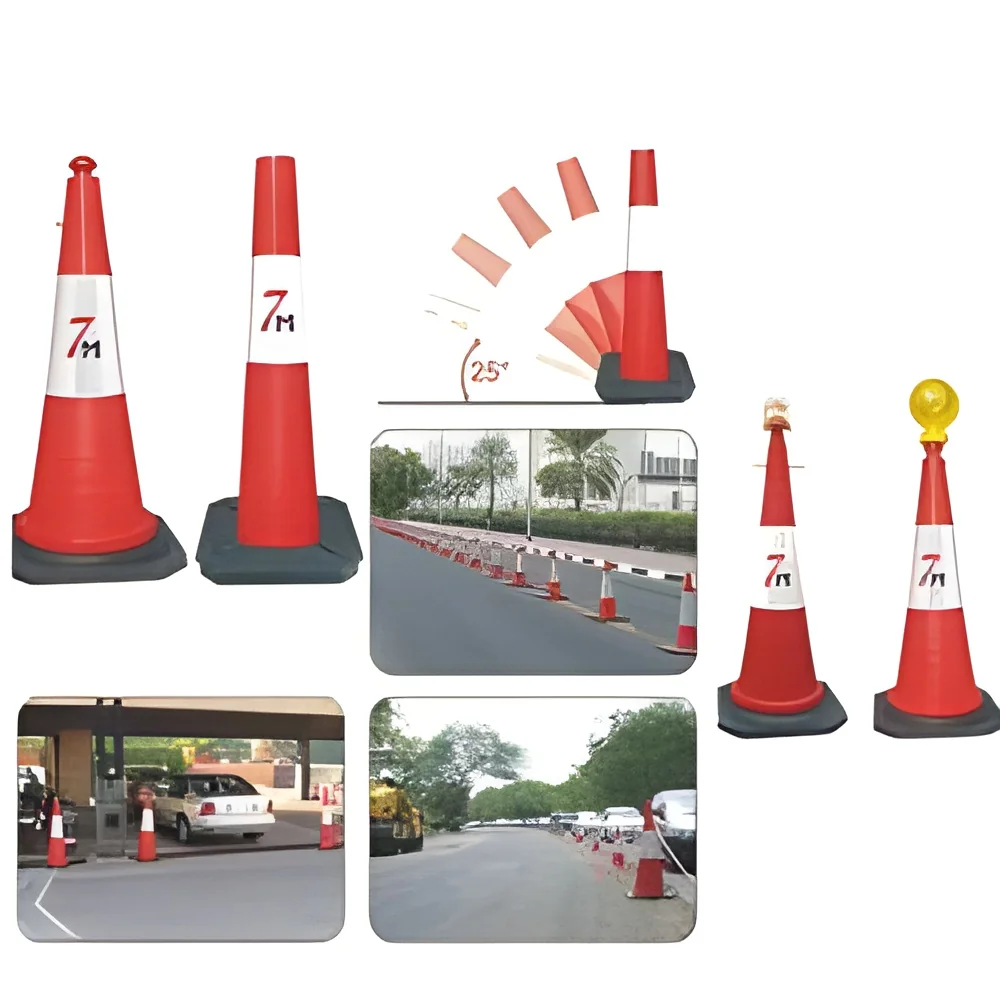
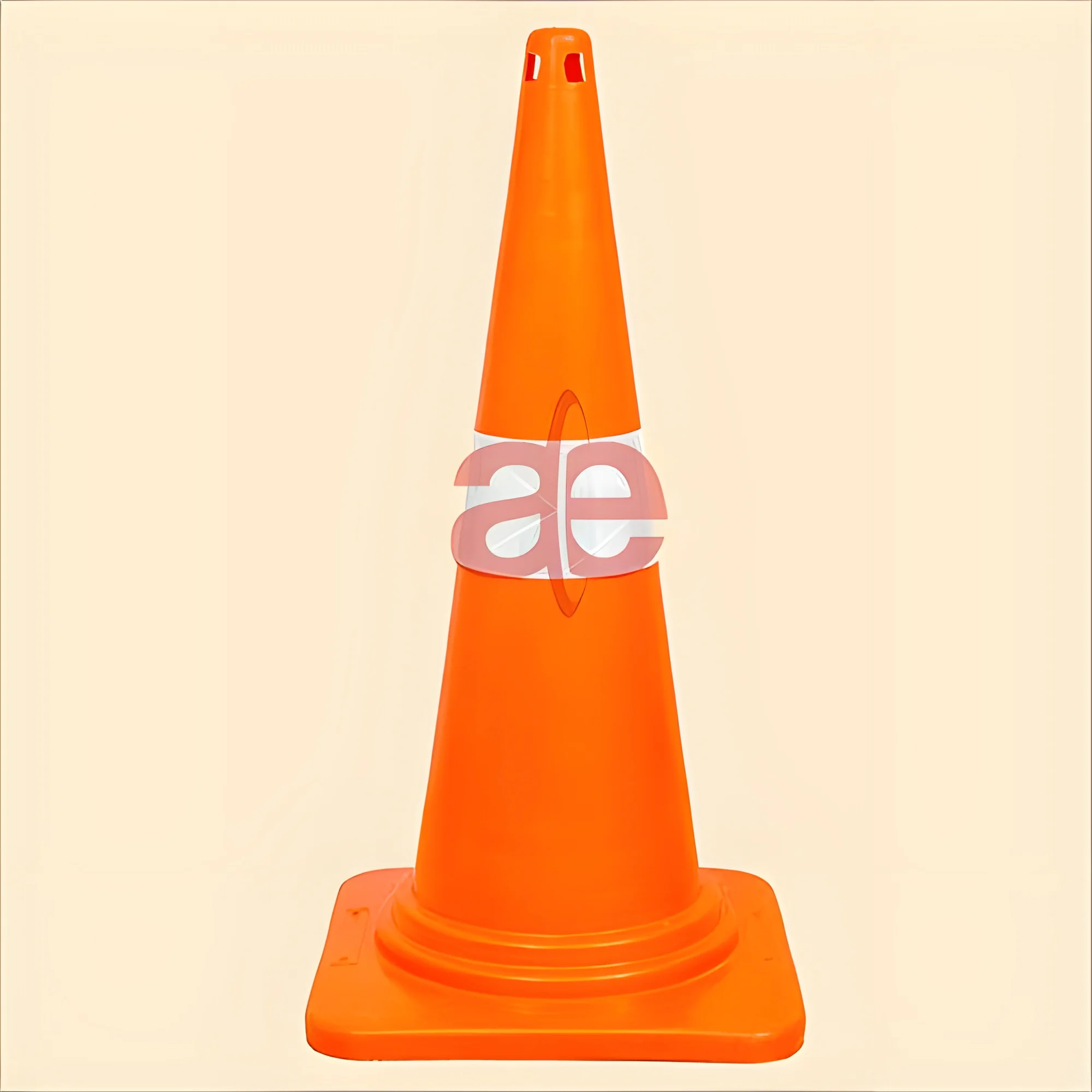
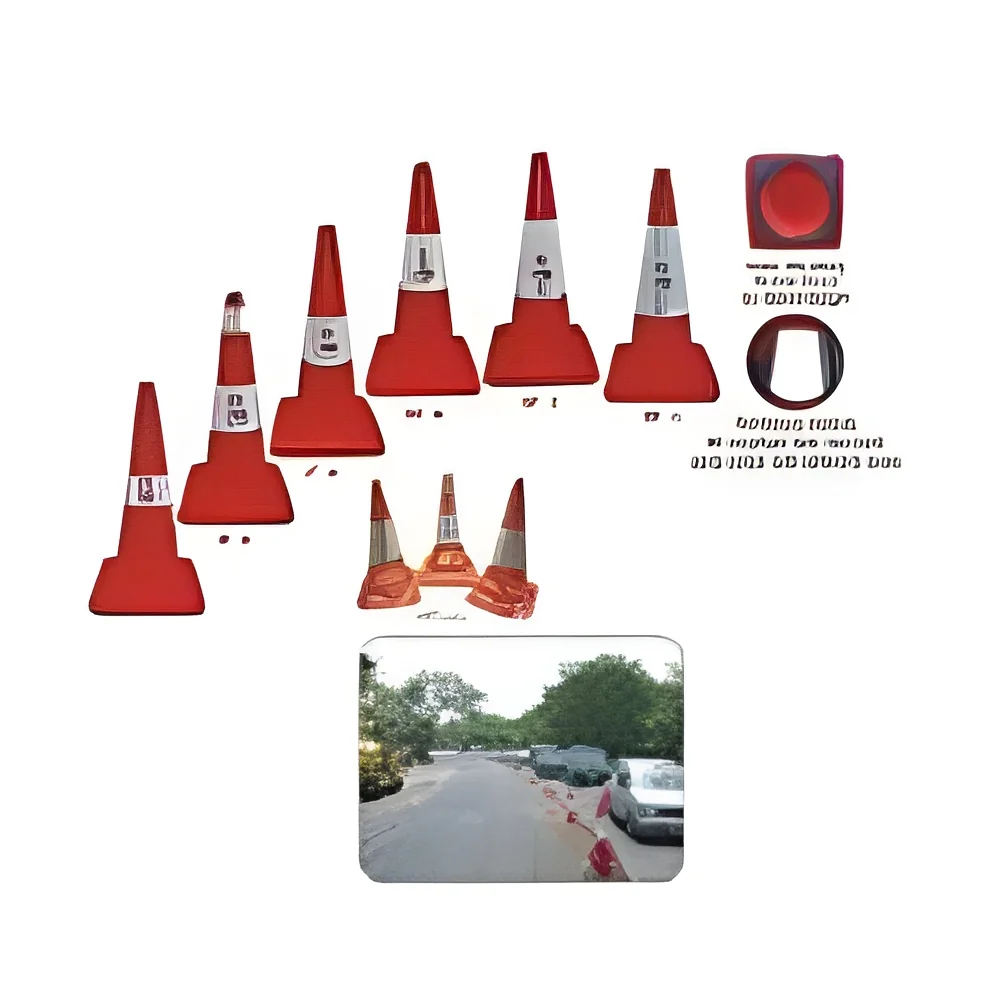
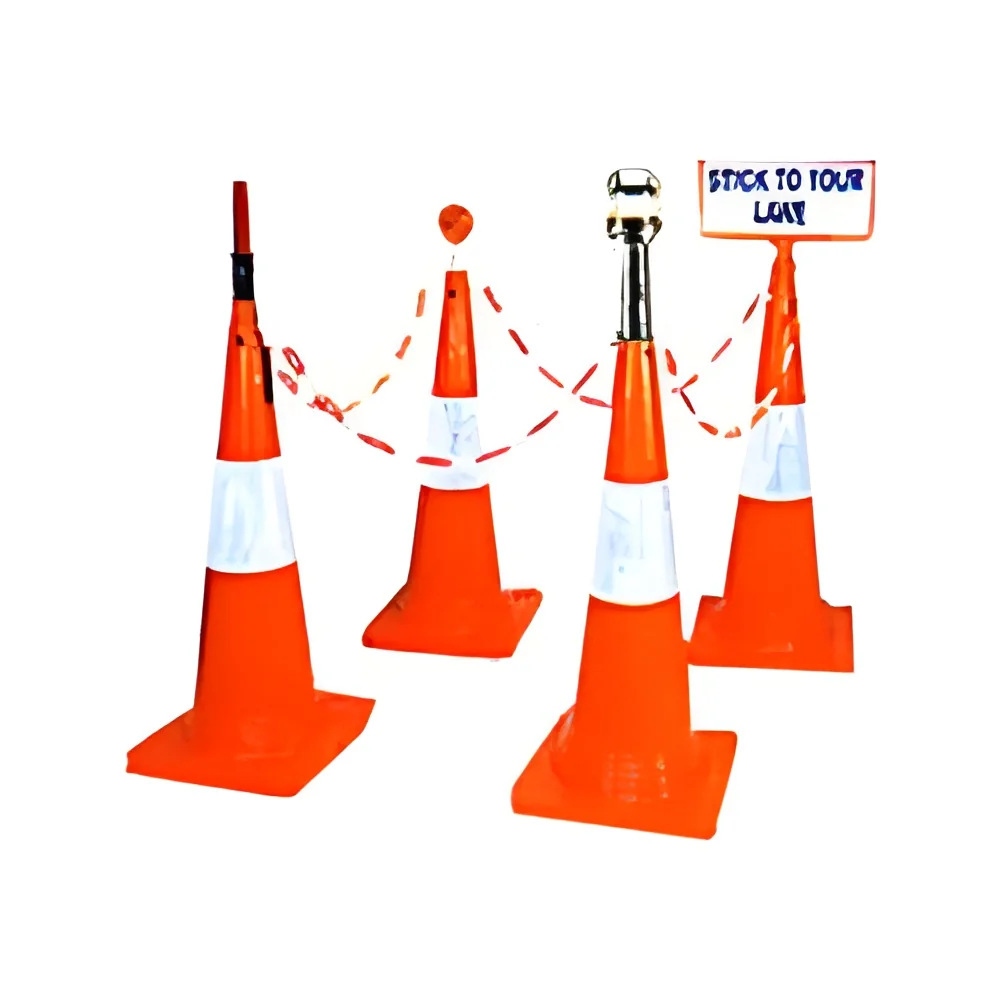
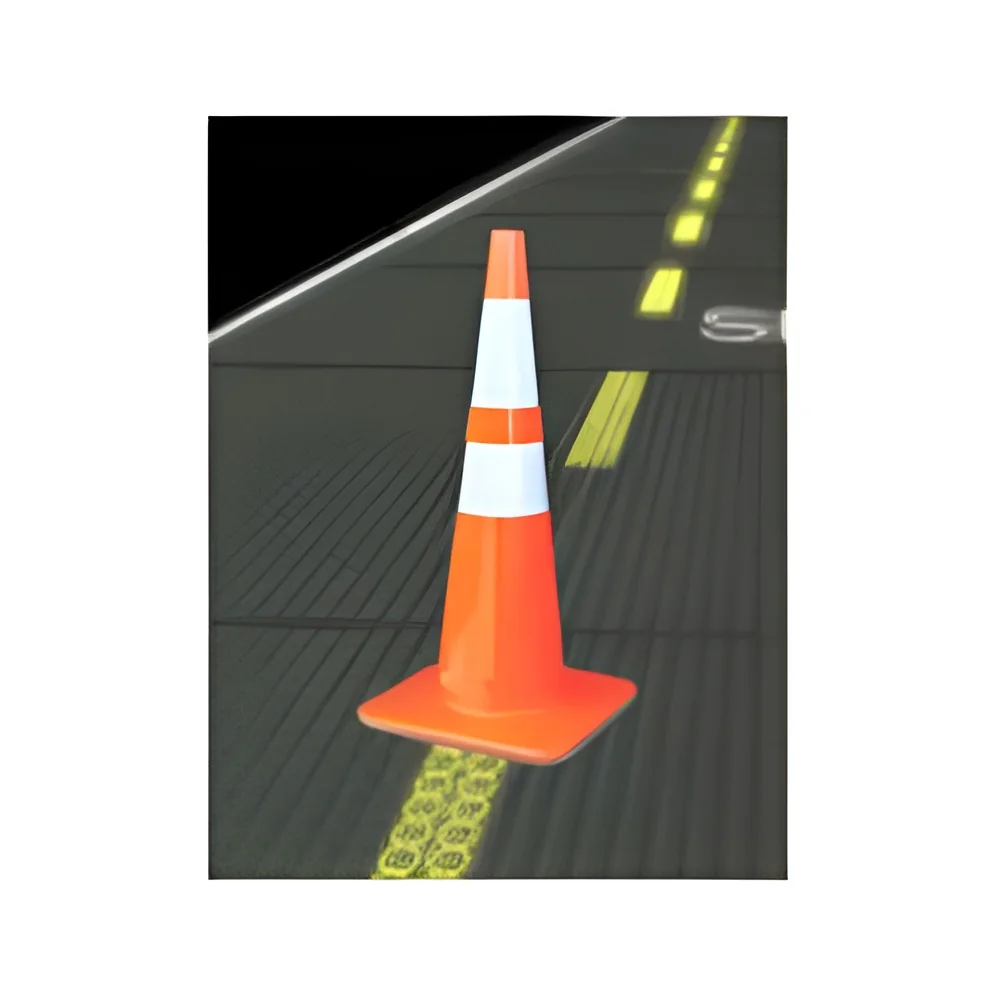
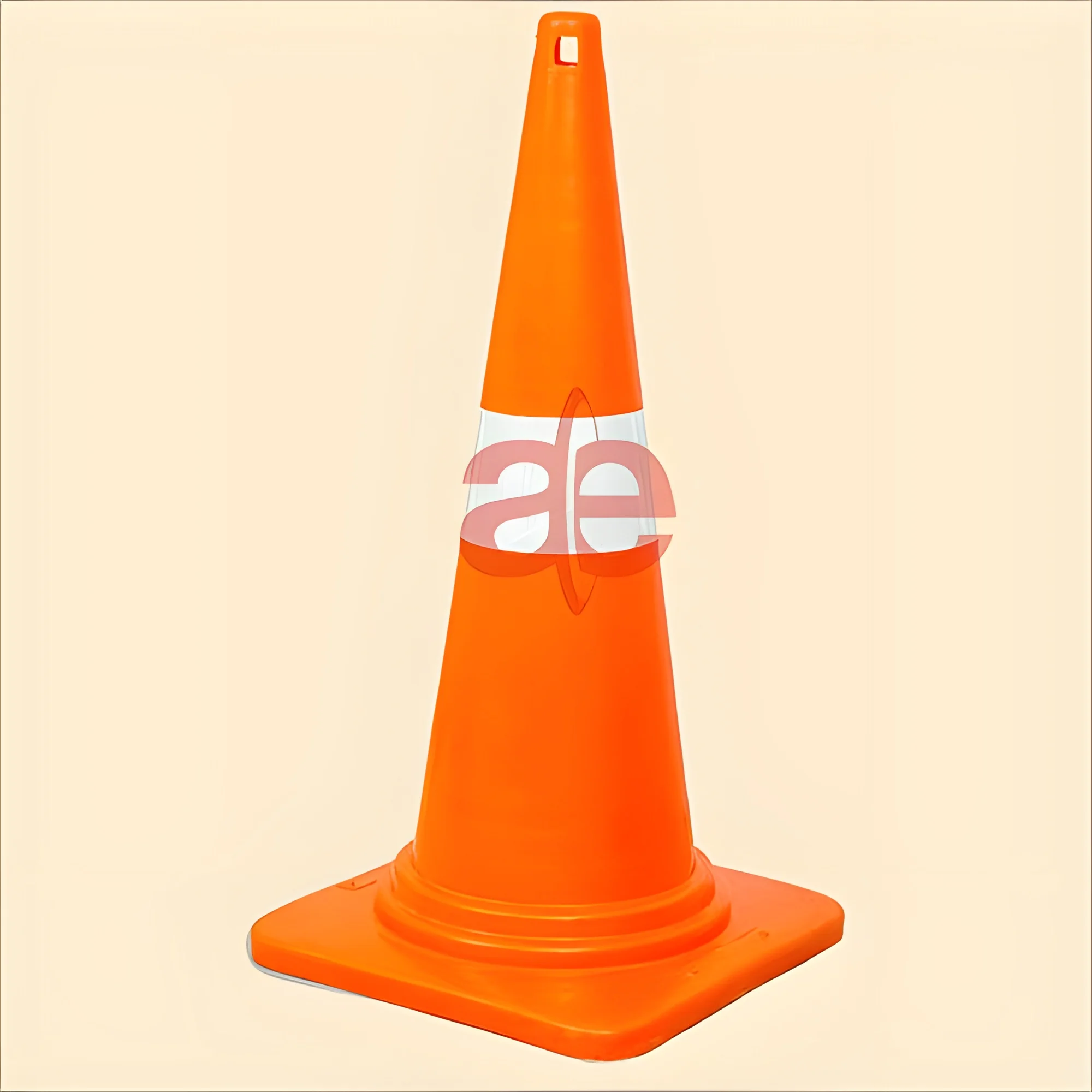
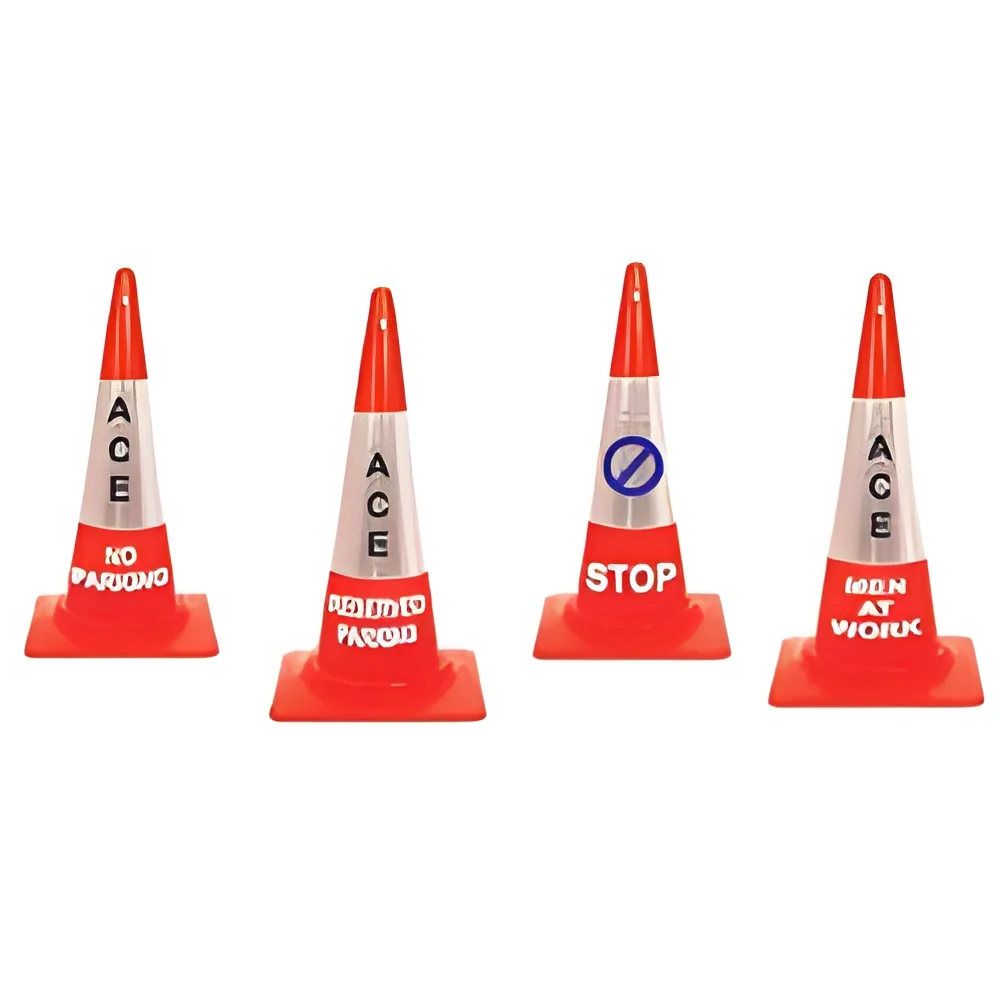
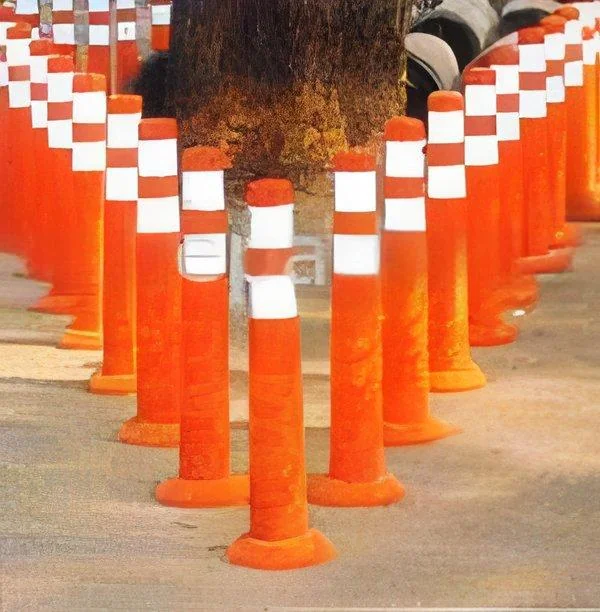
Traffic Cones: These are lightweight, portable cones typically used in construction zones and for traffic management. They are designed to be highly visible and often feature reflective surfaces for nighttime safety.
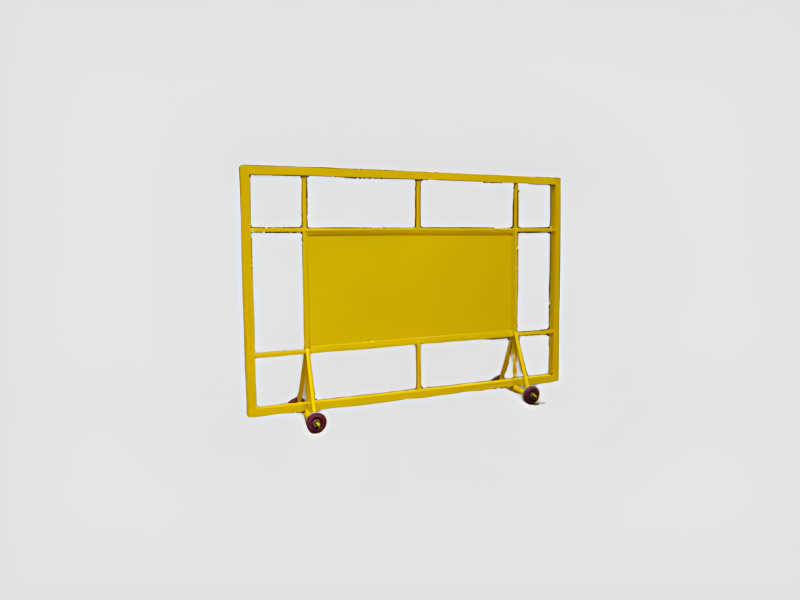
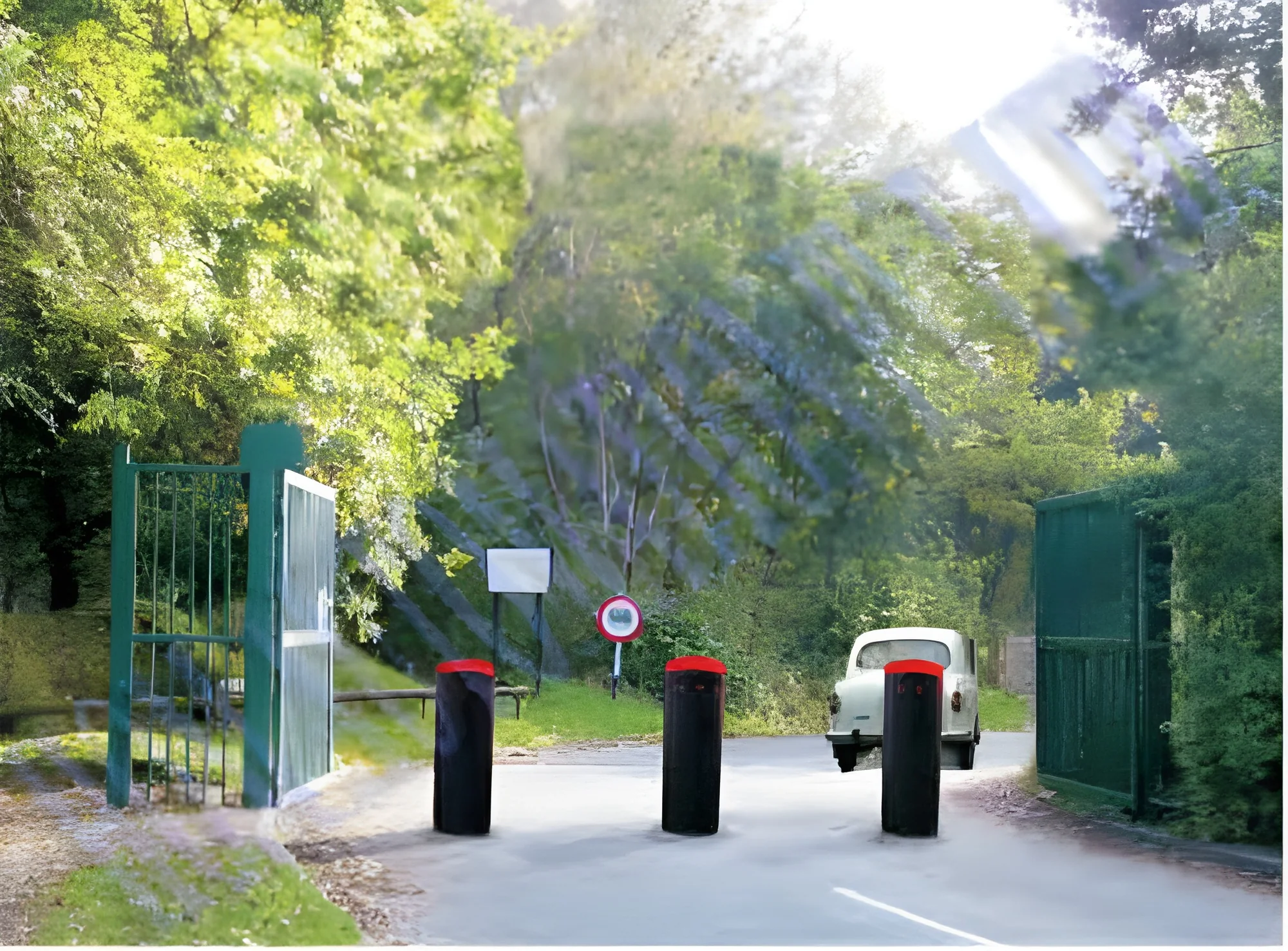
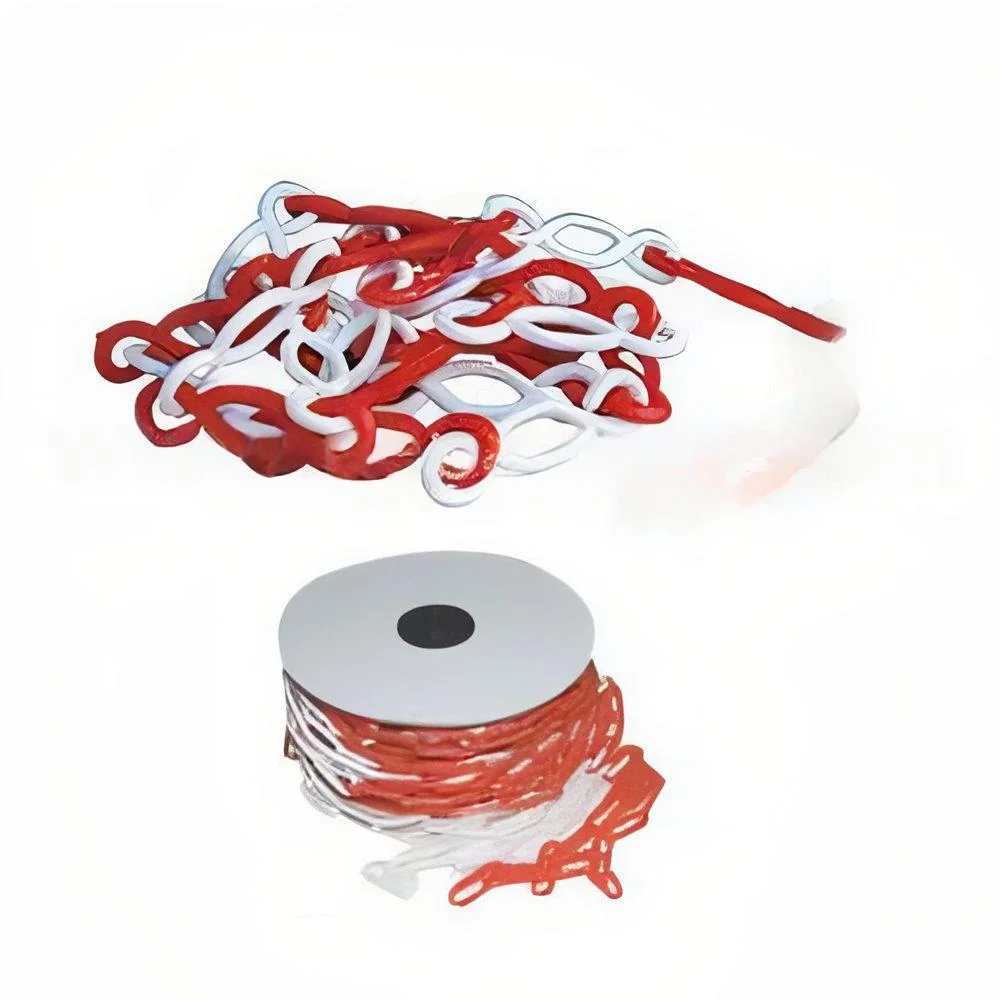
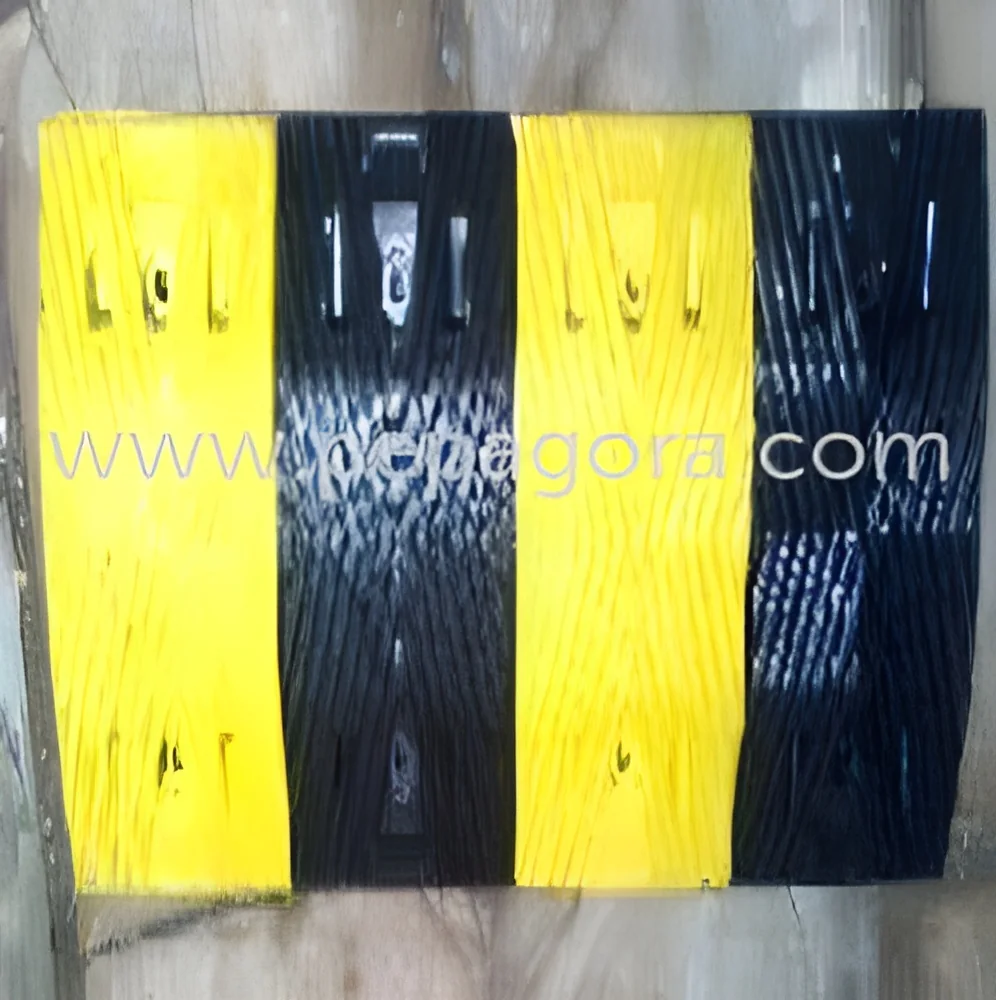
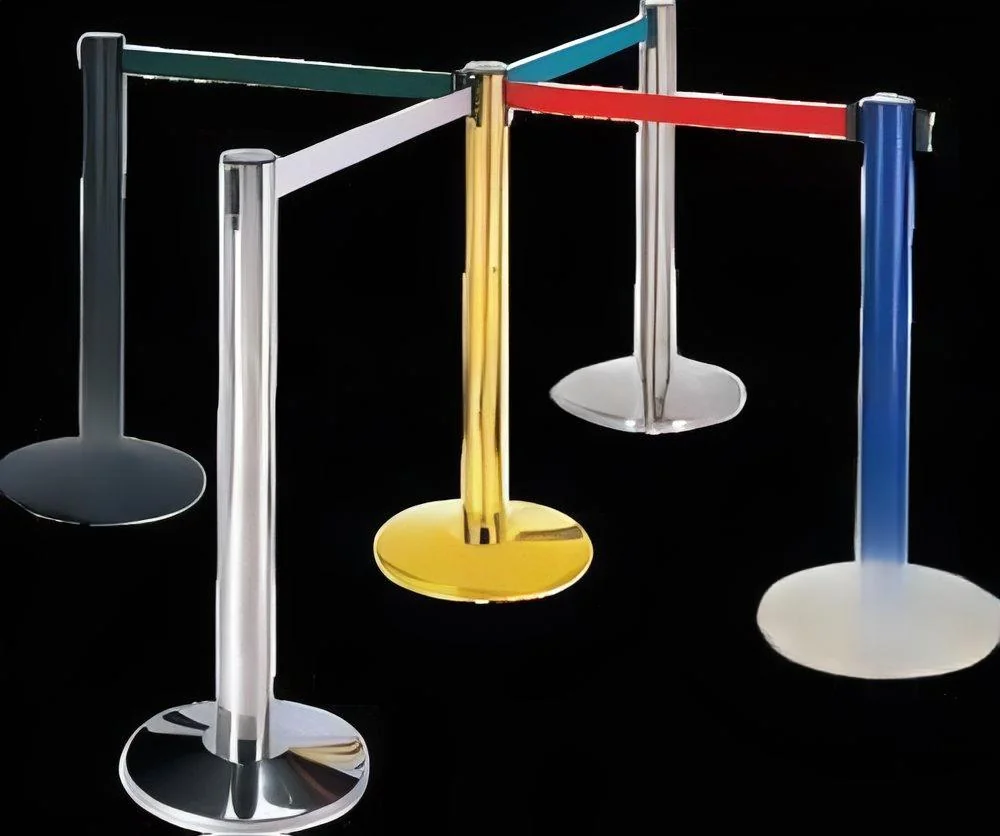
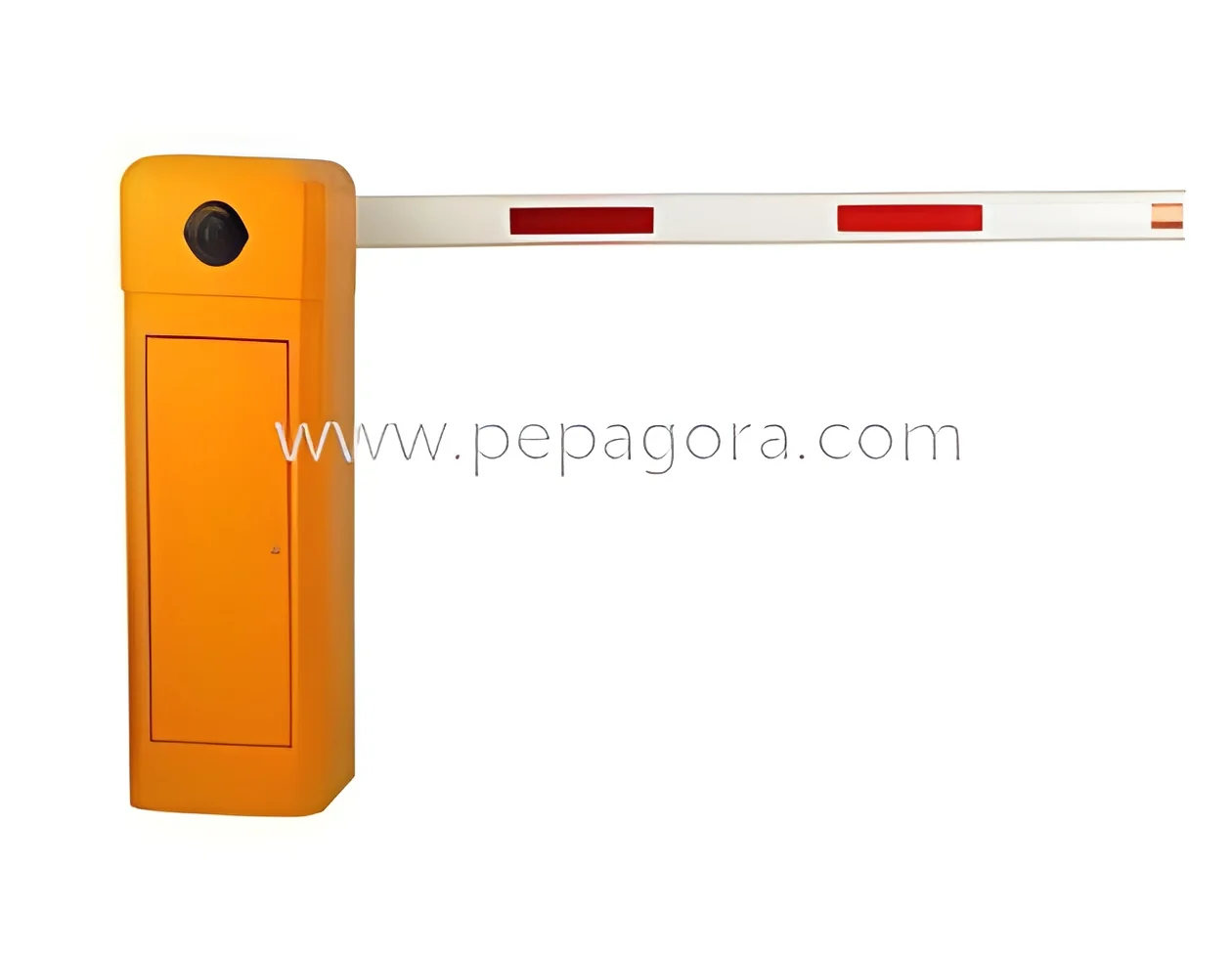
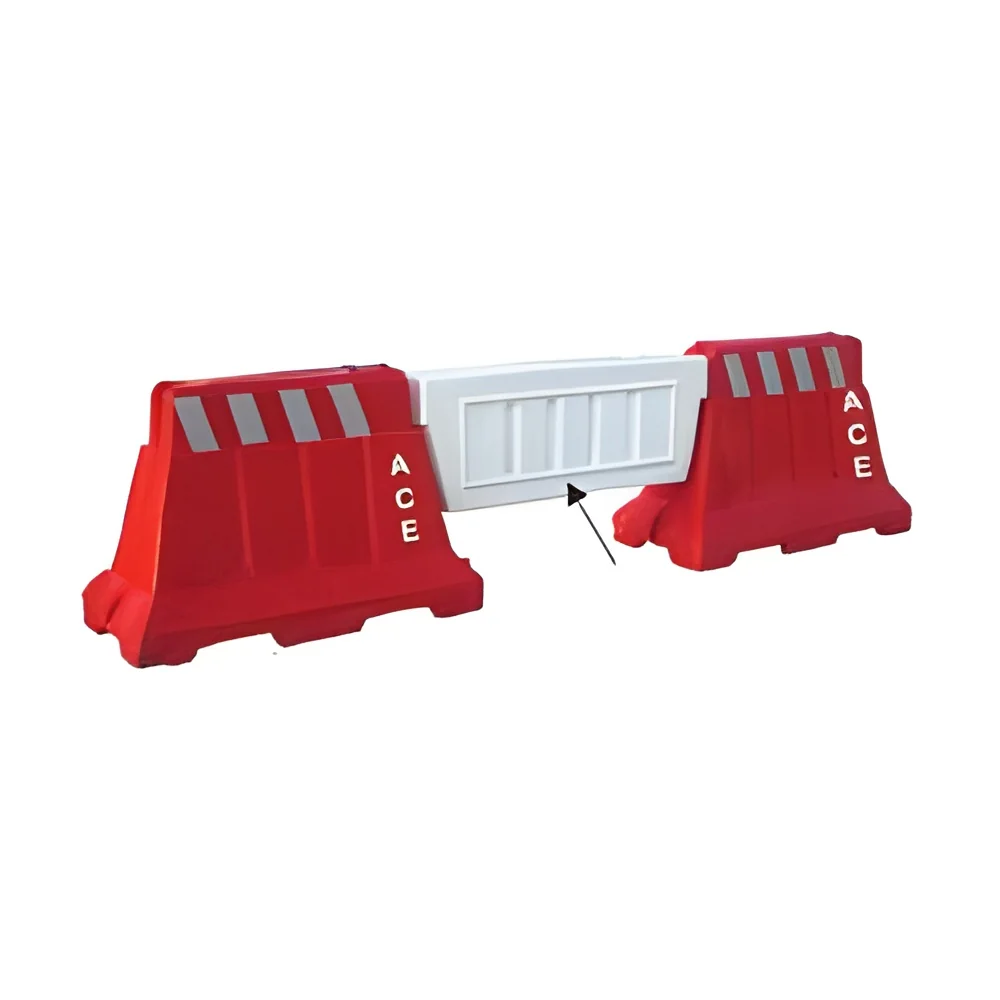
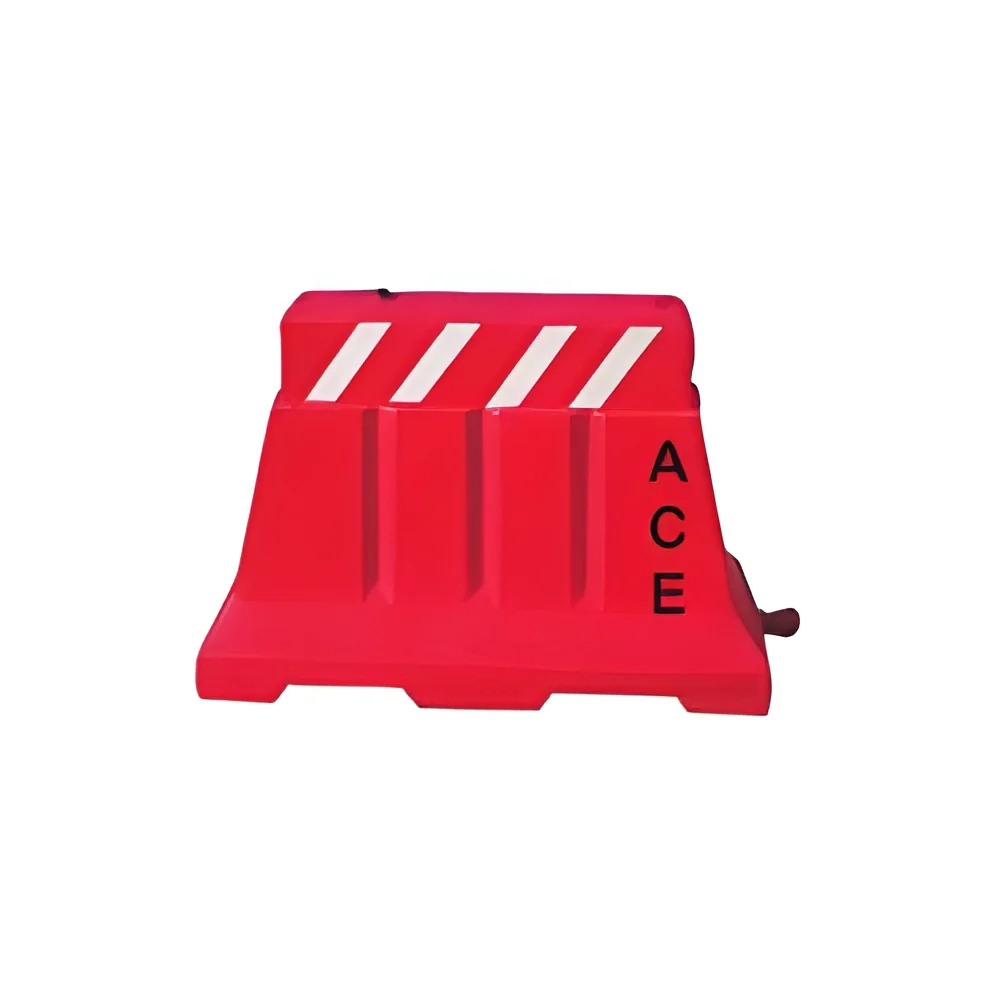
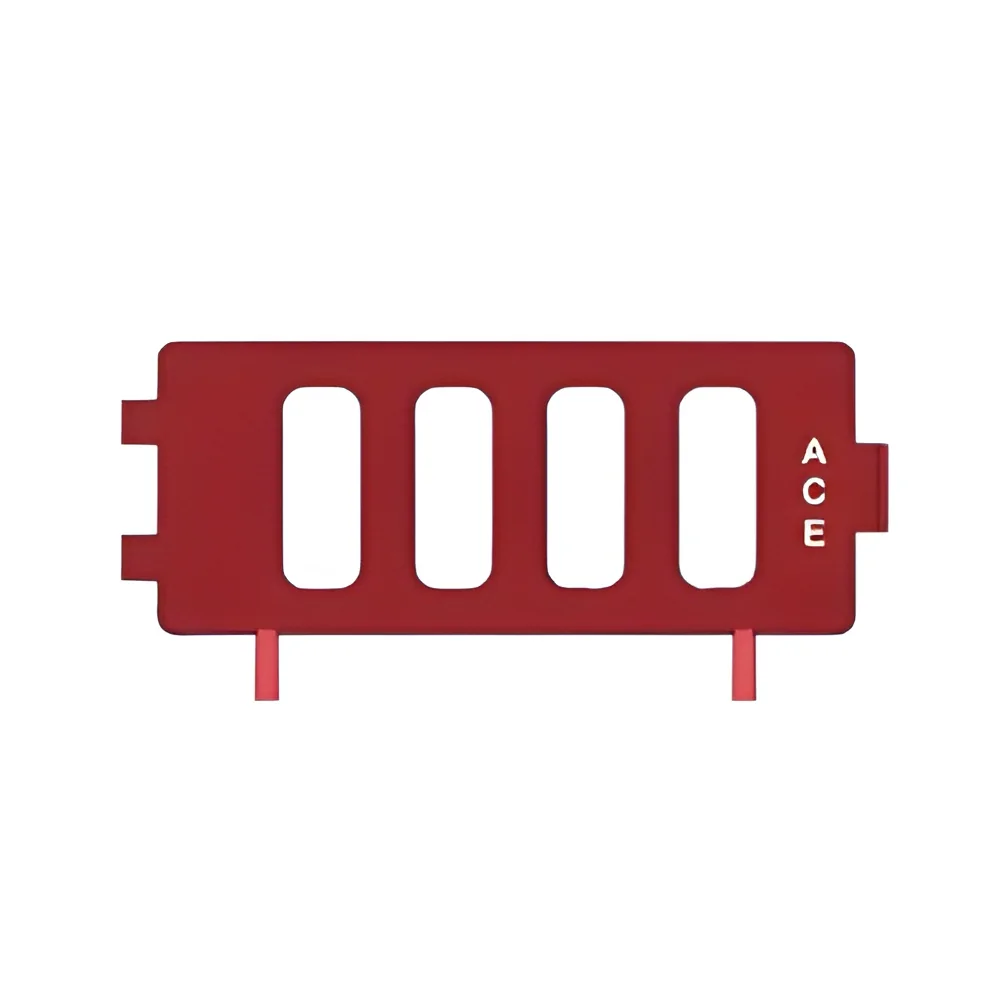
Barricades: Used to block or redirect traffic, these barriers are sturdy and can be deployed in various configurations. They are essential for detouring traffic during roadworks or emergencies.
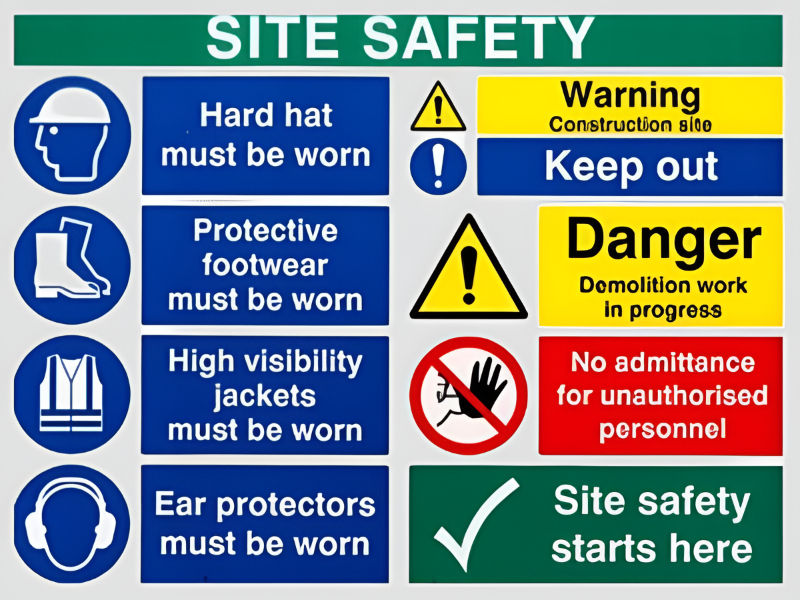
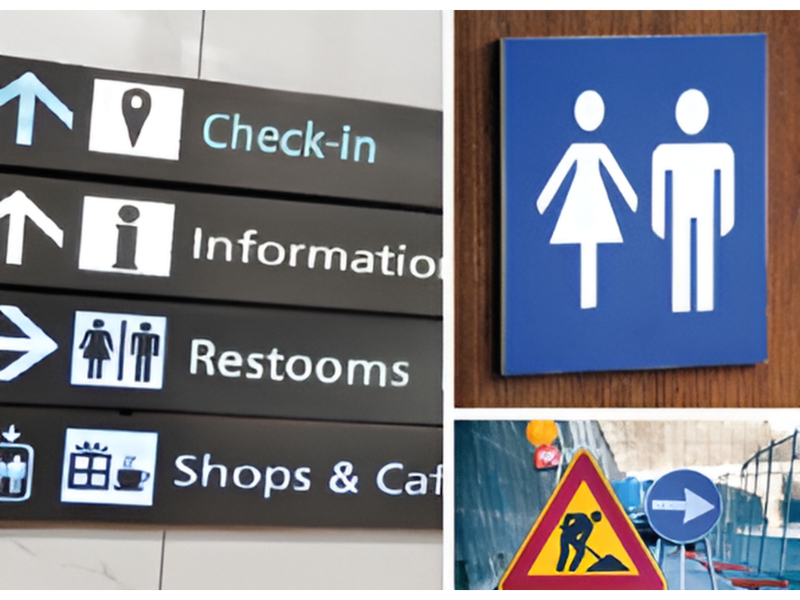
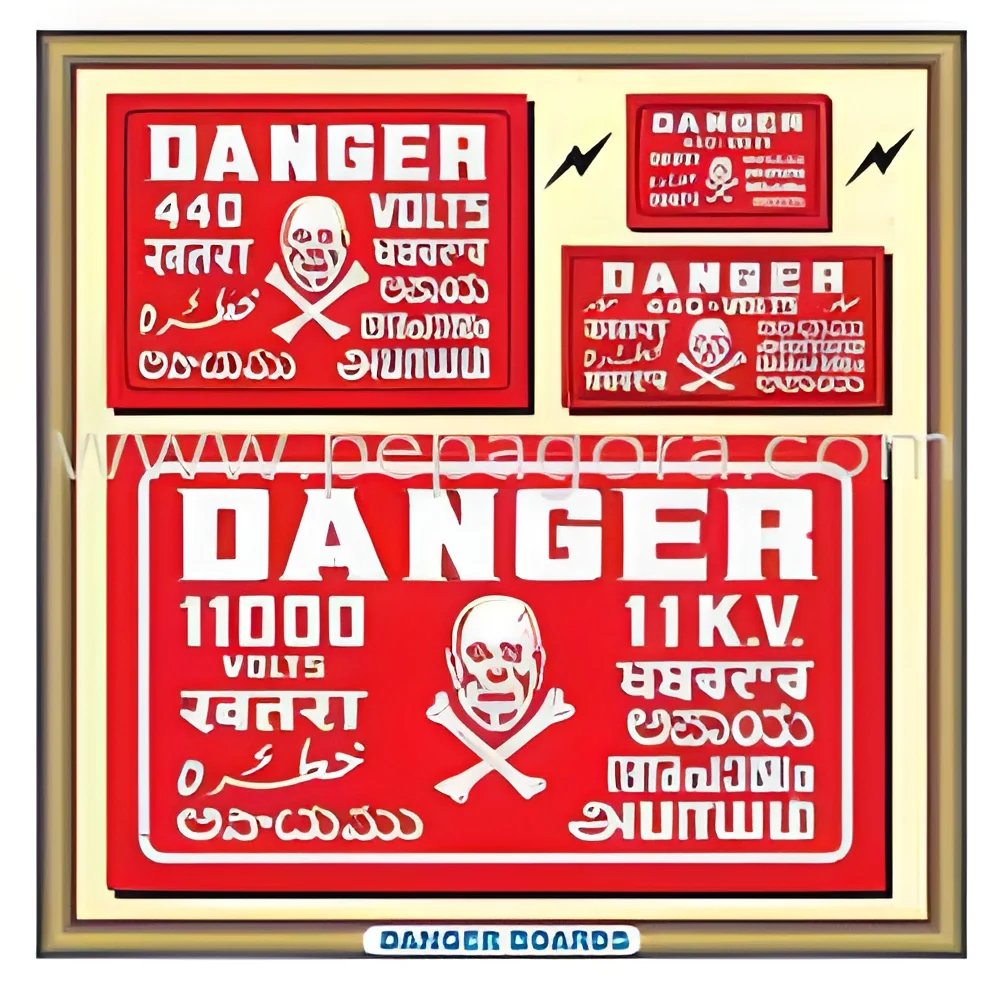
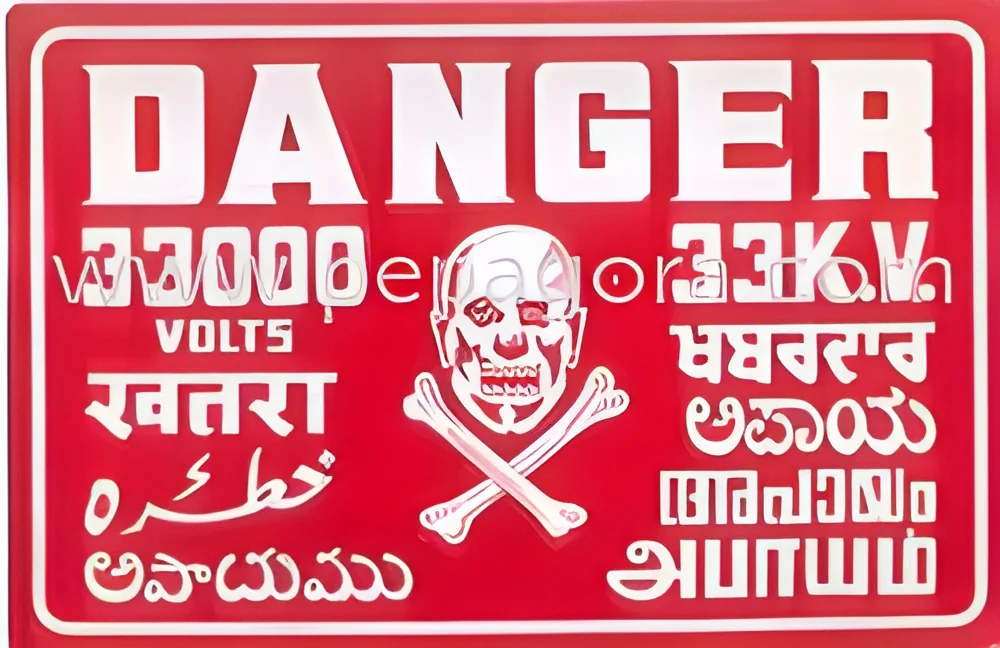
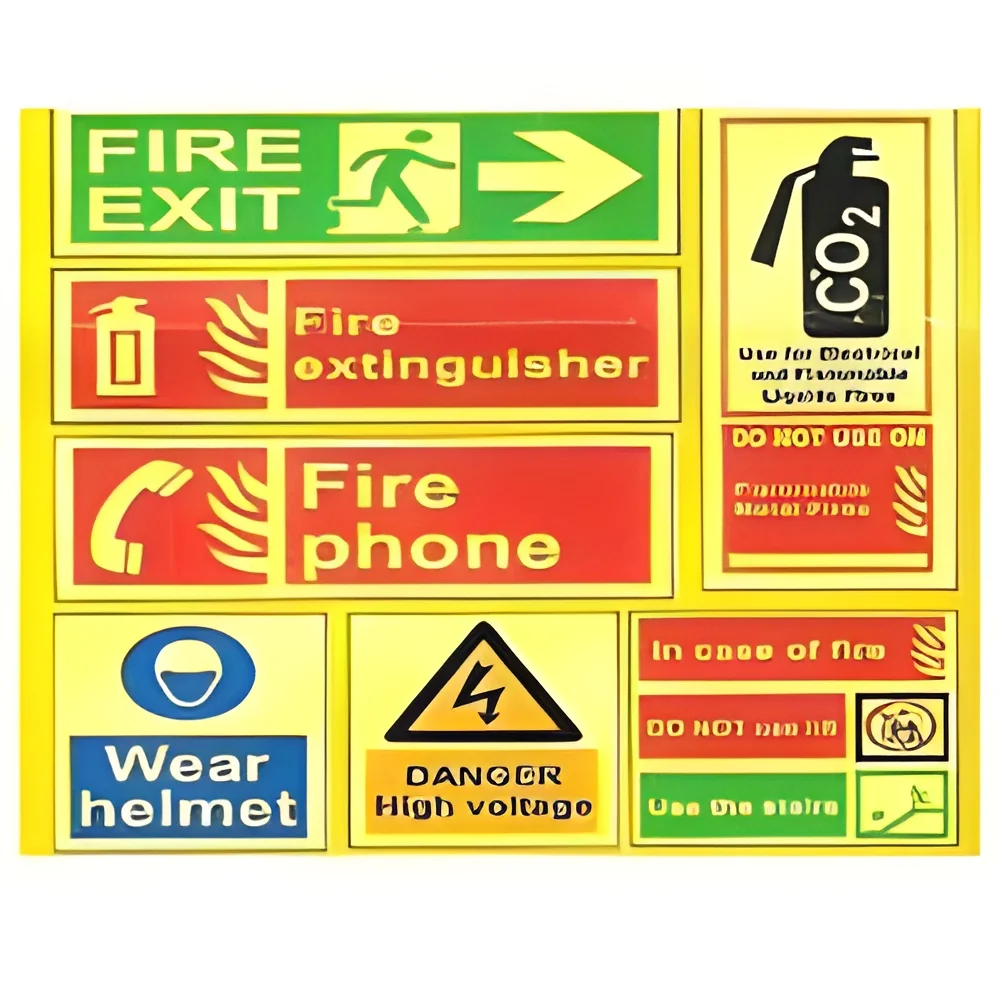
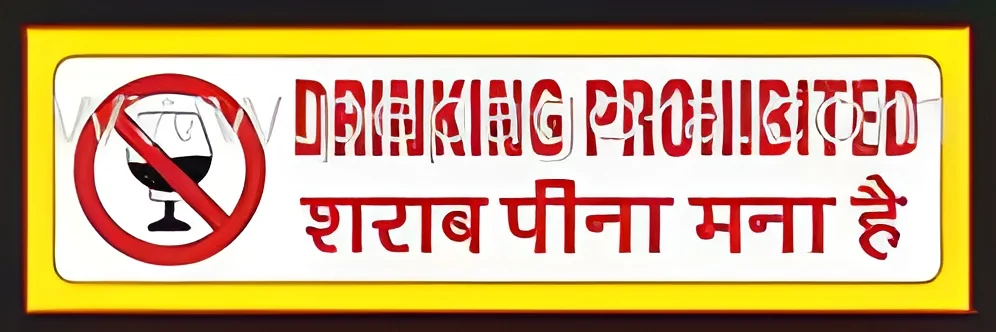
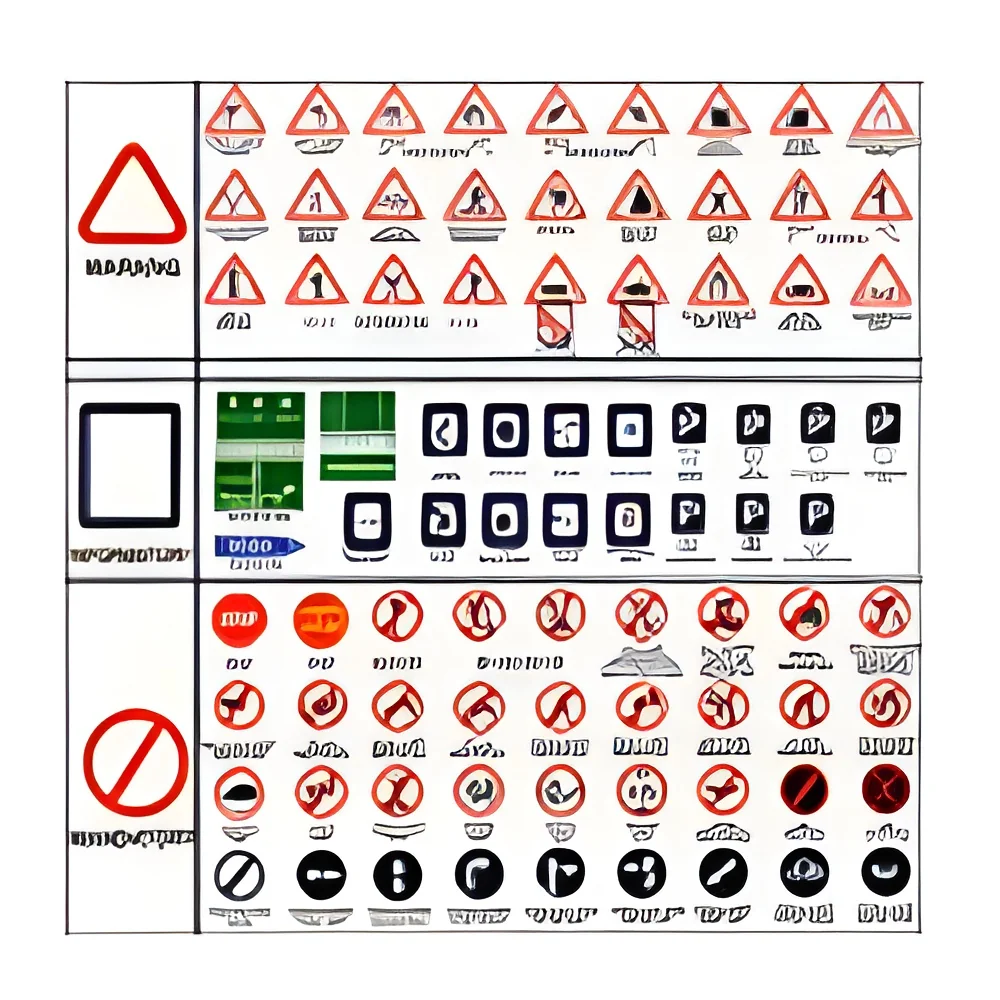
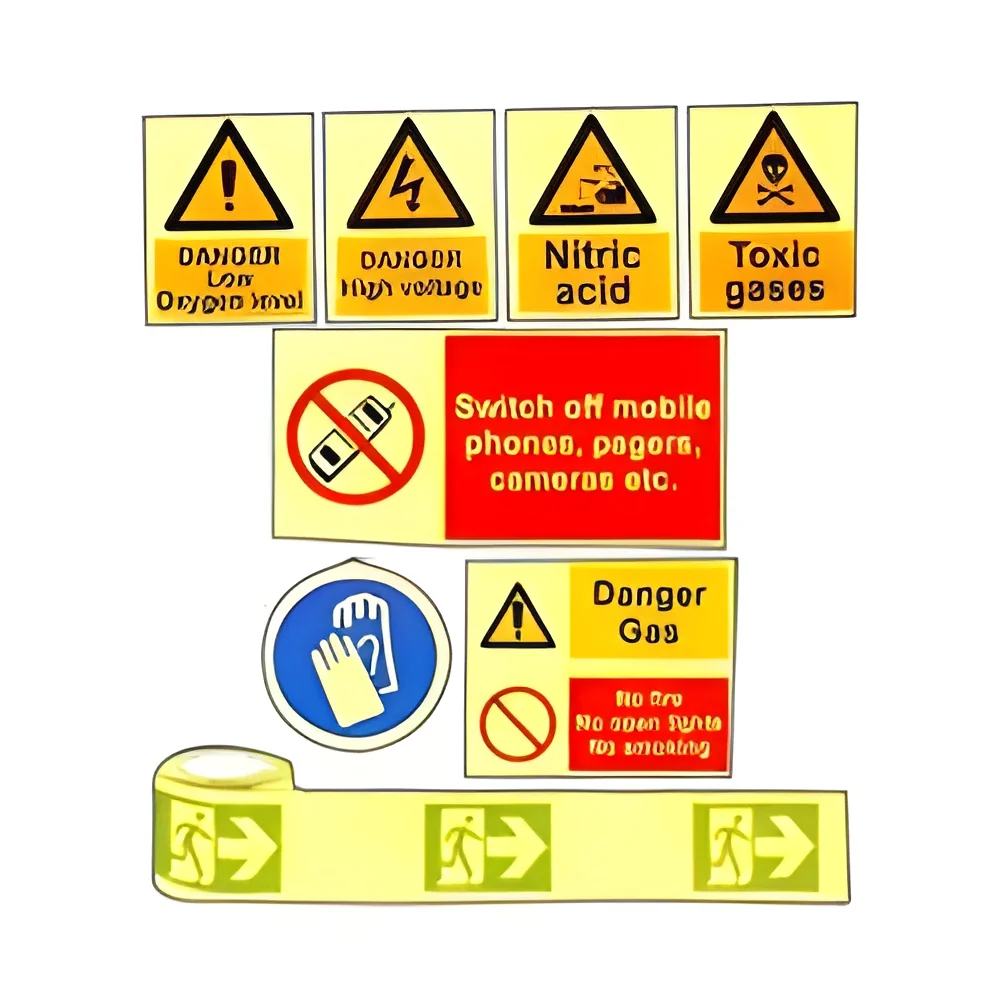
Road Signs: These signs provide vital information to road users, including speed limits and directional guidance. They can be permanent or temporary, depending on the application.
Speed Bumps: Installed on roadways to reduce vehicle speed, these are common in residential areas, parking lots, and school zones, ensuring the safety of pedestrians.
𝗕𝗲𝗻𝗲𝗳𝗶𝘁𝘀 𝗮𝗻𝗱 𝗔𝗱𝘃𝗮𝗻𝘁𝗮𝗴𝗲𝘀
Investing in road safety equipment comes with significant benefits that enhance overall safety and operational efficiency.
1. Improved Safety: The primary advantage is the enhancement of safety for all road users, helping to reduce accidents and injuries.
2. Regulatory Compliance: Proper use of road safety equipment ensures compliance with local and national safety regulations, protecting businesses from potential legal issues.
3. Increased Visibility: High-visibility features of this equipment significantly increase awareness among drivers and pedestrians, further reducing the likelihood of accidents.
4. Cost-Effectiveness: Investing in quality road safety equipment can prevent costly accidents and damages, providing a good return on investment.
5. Versatility: Road safety equipment can be used in various settings, from construction sites to public events, making it a versatile solution for many industries.
6. Enhanced Traffic Flow: Effective road safety equipment helps manage traffic, reducing congestion and improving overall roadway efficiency.
𝗕𝘂𝘆𝗶𝗻𝗴 𝗚𝘂𝗶𝗱𝗲 𝗳𝗼𝗿 𝗕𝟮𝗕 𝗕𝘂𝘆𝗲𝗿𝘀
When sourcing road safety equipment, businesses should consider several key factors to ensure they make informed purchasing decisions.
1. Quality Assessment: Evaluate the quality of materials used in the equipment. Look for products that meet industry standards and have been tested for durability.
2. Supplier Verification: It is essential to vet suppliers for their reliability and reputation in the market. Check for certifications and customer reviews to ensure that the supplier can deliver quality products.
3. Pricing and MOQ: Understand the pricing structure, including any minimum order quantities (MOQ). Compare prices from various suppliers to find the best deal without compromising quality.
4. Delivery and Lead Times: Assess the supplier's delivery capabilities and lead times. Timely delivery is crucial, especially for project deadlines.
5. Compliance Requirements: Ensure that the equipment meets all relevant compliance and safety standards applicable in your region or industry to avoid legal complications.
𝗖𝗼𝗺𝗽𝗹𝗶𝗮𝗻𝗰𝗲 𝗮𝗻𝗱 𝗖𝗲𝗿𝘁𝗶𝗳𝗶𝗰𝗮𝘁𝗶𝗼𝗻𝘀
Road safety equipment must adhere to various quality standards to ensure safety and reliability. Some relevant standards include ISO 9001, which focuses on quality management systems, and CE certification, which indicates compliance with European safety standards.
Safety and testing requirements vary by region and product type. Equipment should undergo rigorous testing to ensure it can withstand environmental conditions and usage demands.
Additionally, companies should be aware of any regional compliance considerations that may affect the use of road safety equipment. This includes understanding local regulations regarding visibility, installation, and maintenance.
𝗪𝗵𝘆 𝗦𝗼𝘂𝗿𝗰𝗲 𝗥𝗼𝗮𝗱 𝗦𝗮𝗳𝗲𝘁𝘆 𝗘𝗾𝘂𝗶𝗽𝗺𝗲𝗻𝘁 𝗳𝗿𝗼𝗺 𝗣𝗲𝗽𝗮𝗴𝗼𝗿𝗮?
Pepagora offers a trusted platform for sourcing road safety equipment, providing several key advantages for B2B buyers.
Verified Supplier Network: Pepagora has established a network of verified suppliers, ensuring that businesses have access to high-quality products from reputable manufacturers. This verification process helps buyers feel confident in their purchasing decisions.
Streamlined RFQ Process: The platform features a streamlined request for quotation (RFQ) process that simplifies sourcing. Buyers can easily compare quotes and select the best option for their needs.
Trade Assurance and Support: Pepagora provides trade assurance, protecting buyers throughout the purchasing process. This includes support for resolving disputes and ensuring that products meet agreed-upon specifications.
Regional Coverage: With a strong presence in India, the GCC, and Southeast Asia, Pepagora offers extensive regional coverage. This geographical reach ensures that businesses can source road safety equipment tailored to their local market needs, enhancing convenience and accessibility.

 IN
IN