
 IN
Breath Analyzers & Alcohol Detectors
5 products available
What are Breath Analyzers & Alcohol Detectors?
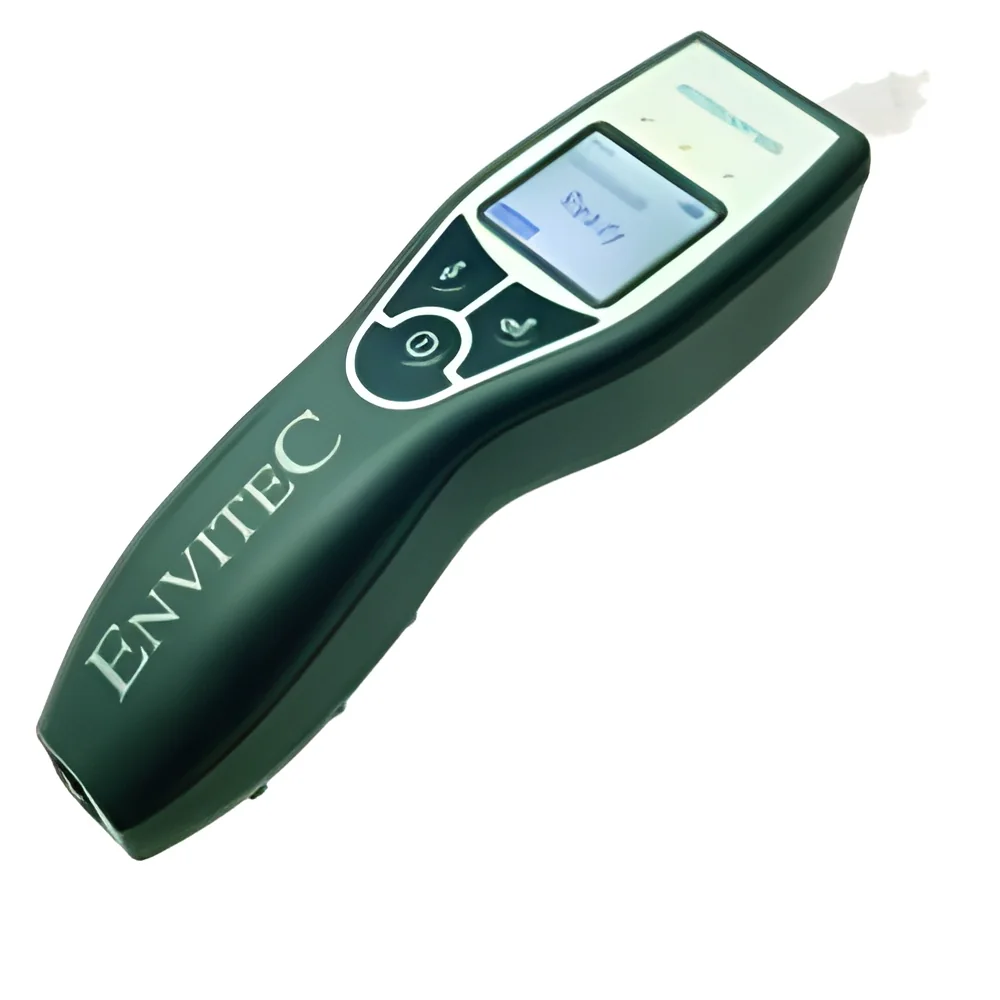
Breath analyzers and alcohol detectors are devices designed to measure the concentration of alcohol in a person's breath. These instruments work based on the principle that alcohol present in the bloodstream evaporates into the breath, allowing for a non-invasive testing method. The readings provide immediate feedback on a person's blood alcohol content (BAC), which is crucial for various applications.
These devices are primarily used in law enforcement, workplaces, and healthcare settings. In law enforcement, breath analyzers are instrumental in determining whether individuals are driving under the influence. In workplaces, particularly in industries such as transportation and construction, they ensure employee safety by monitoring alcohol consumption. Healthcare professionals may also use these devices for medical assessments. As alcohol consumption regulations continue to tighten globally, the demand for reliable breath analyzers is on the rise.
The market for breath analyzers and alcohol detectors is expanding due to increasing awareness of the dangers of drunk driving and substance abuse. Additionally, advancements in technology have led to more accurate and efficient devices. The relevance of these products spans multiple industries, making them essential tools for maintaining safety and compliance.
Key Features and Specifications
Breath analyzers and alcohol detectors come equipped with various features that enhance their functionality and reliability. Understanding these specifications helps businesses choose the right device for their needs.
Key specifications include:
1. Measurement Accuracy
- Ensures precise BAC readings
- Generally within +/- 0.01% BAC
2. Detection Range
- Typical range for alcohol detection
- Often from 0.00% to 0.40% BAC
3. Response Time
- Speed at which the device provides results
- Usually within 5 to 10 seconds
4. Calibration Requirements
- Frequency of required recalibration
- Typically every 6 to 12 months
5. Power Source
- Type of battery or power required
- Commonly battery-operated or rechargeable
6. Display Type
- Format of the output display
- Digital LCD screens are standard
7. Size and Portability
- Dimensions and weight for ease of use
- Compact designs for mobility
8. Additional Features
- Extra functionalities such as memory storage or Bluetooth connectivity
- Some models offer data logging capabilities
In summary, understanding these specifications is vital for businesses to select the most suitable breath analyzers and alcohol detectors for their operations.
Common Applications and Use Cases
Breath analyzers and alcohol detectors serve a variety of industries, each with specific applications.
1. Law Enforcement: Police departments utilize these devices to conduct roadside tests for drivers suspected of being under the influence of alcohol. The results can lead to immediate action and ensure road safety.
2. Transportation: Companies in the transportation sector implement breath analyzers to ensure that drivers are sober before operating vehicles. This practice enhances safety and reduces liability.
3. Construction: In construction sites, alcohol detectors help maintain a safe working environment by screening employees before they enter hazardous areas.
4. Healthcare: Medical facilities use breath analyzers to monitor patients for alcohol consumption, particularly in rehabilitation programs or emergency situations.
5. Education: Schools and universities may use these devices during events to prevent underage drinking and promote responsible behavior among students.
6. Corporate Environments: Businesses may implement breath testing as part of their health and safety policies, ensuring employees are fit for work.
7. Hospitality: Bars and restaurants can use alcohol detectors to promote responsible drinking and minimize risks associated with over-serving patrons.
Product Variants and Subcategories
Breath analyzers and alcohol detectors come in various forms to meet different needs. Each variant is designed with specific features tailored for particular applications.
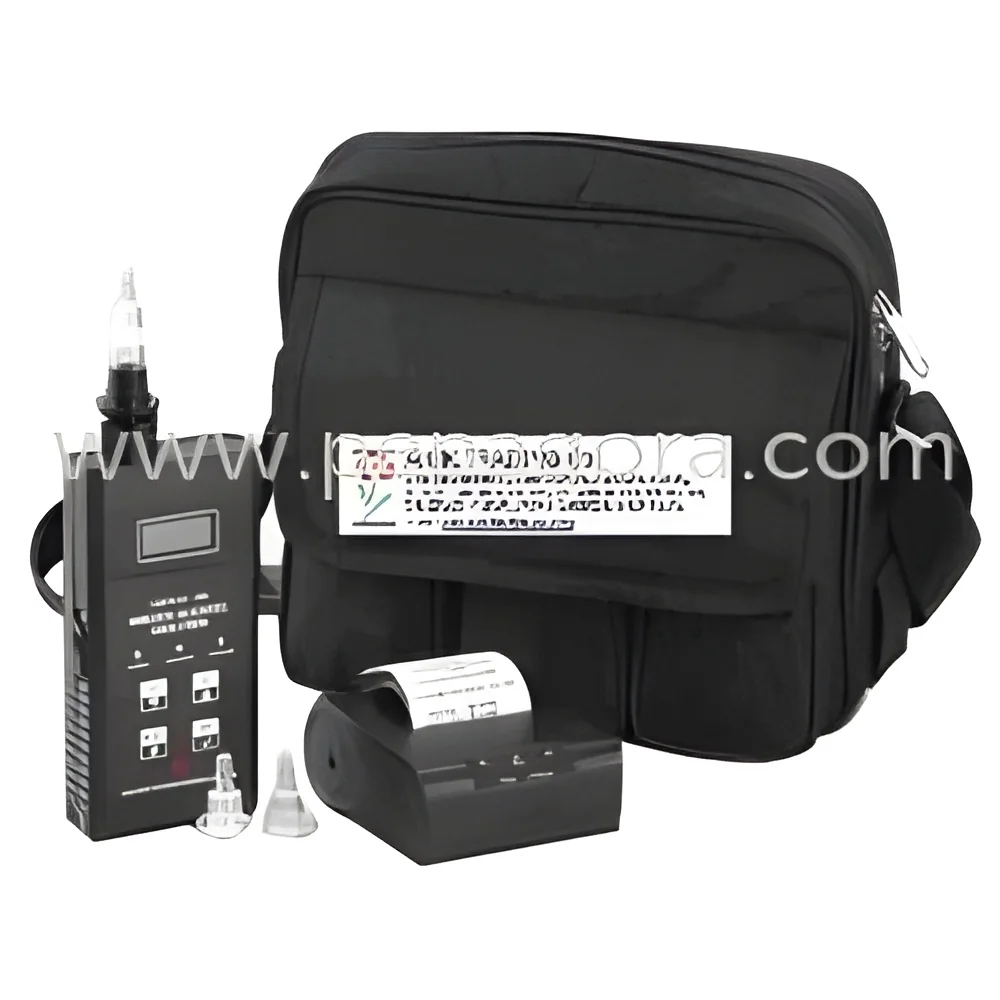
Professional Breath Analyzer
This variant is intended for law enforcement and professional use. It offers high accuracy and advanced features such as data logging and connectivity options for reporting.
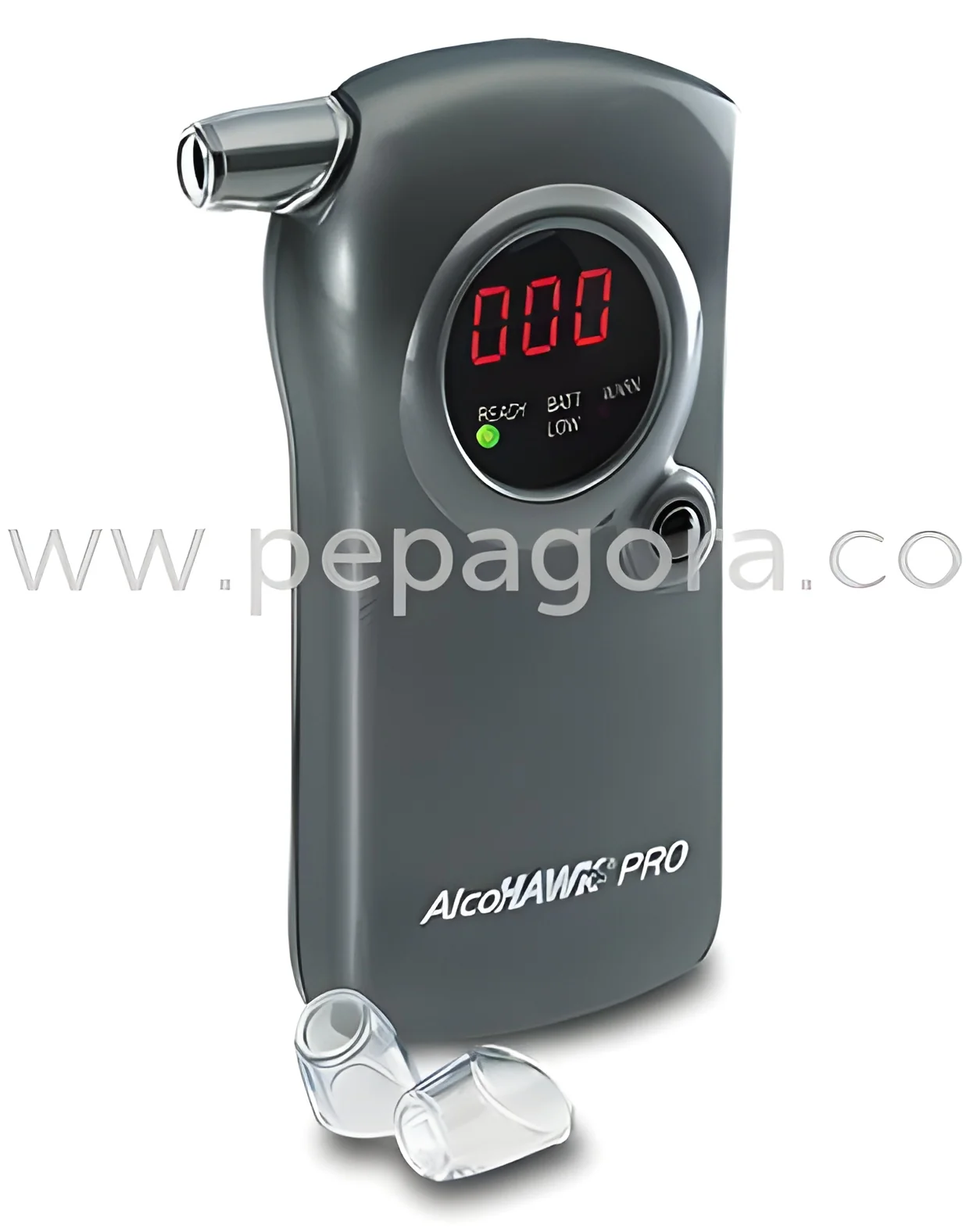
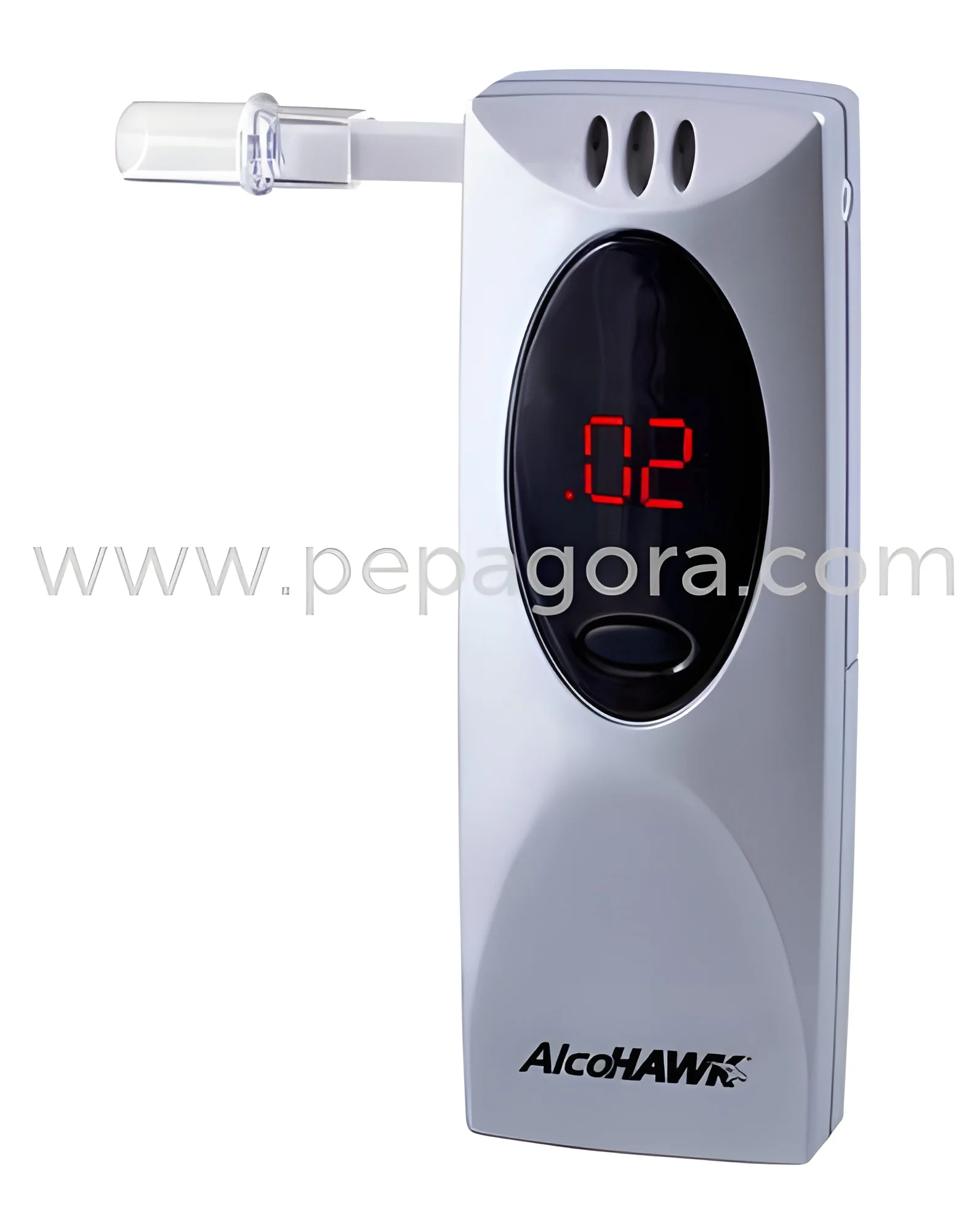
Personal Breathalyzer
Designed for individual use, personal breathalyzers are compact and user-friendly. They provide quick BAC readings for consumers who want to monitor their alcohol consumption at social events.
Portable Alcohol Detector
These devices are lightweight and designed for on-the-go testing. They are often used in workplaces for quick screenings and can be easily carried.
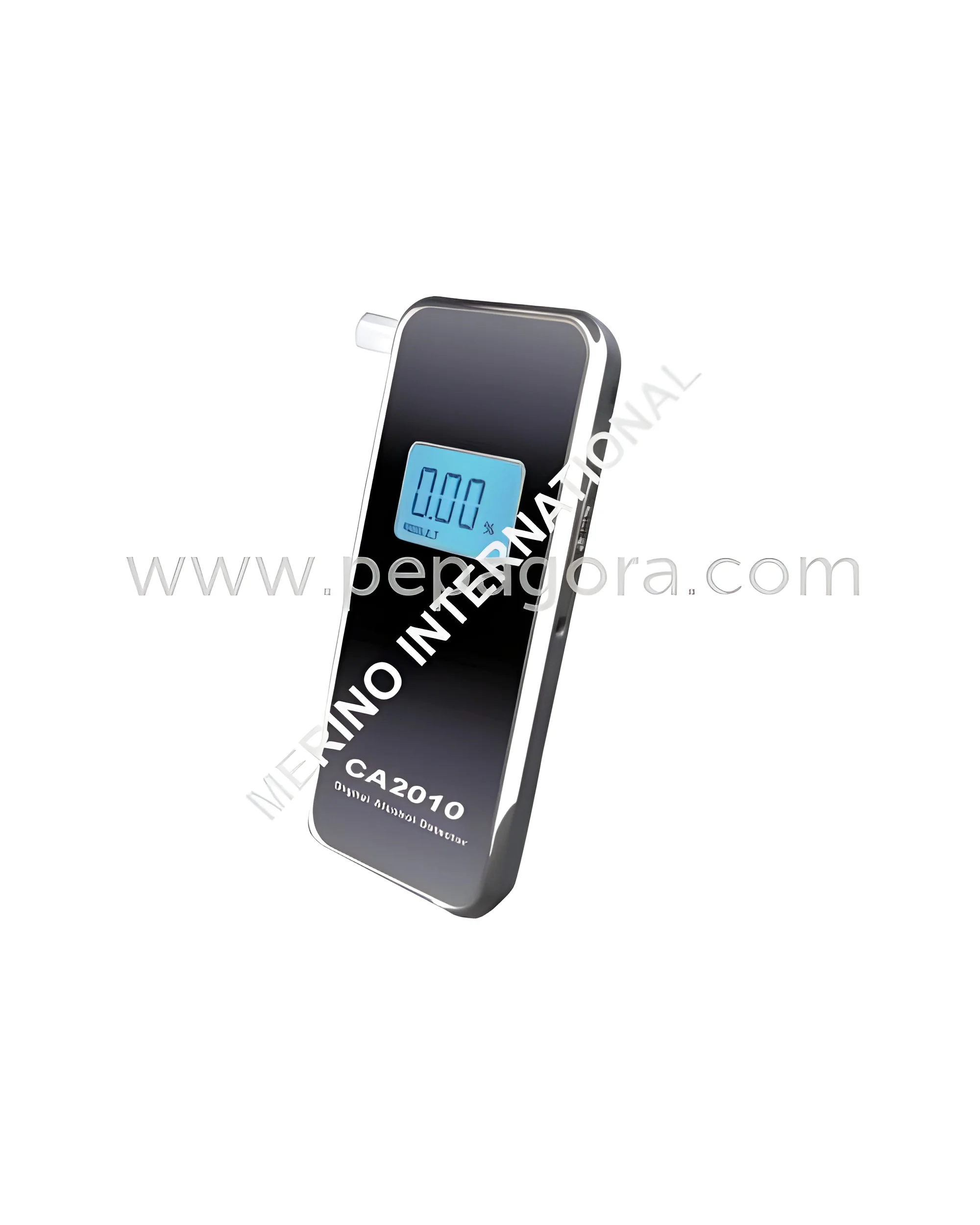
Digital Alcohol Breath Tester
Featuring advanced digital displays, these testers provide clear readings and may include additional features such as memory storage for multiple tests.
Benefits and Advantages
Breath analyzers and alcohol detectors offer numerous benefits for businesses and organizations.
Key benefits include:
1. Enhanced Safety: These devices help prevent accidents caused by impaired individuals, ensuring a safer environment for everyone.
2. Compliance Assurance: By using breath analyzers, companies can comply with regulations regarding alcohol consumption, minimizing legal risks.
3. Quick Results: The immediate feedback provided by these devices allows for rapid decision-making in critical situations.
4. Non-Invasive Testing: Breath analyzers offer a non-invasive alternative to blood tests, making them more convenient for users.
5. Cost-Effective: Investing in these devices can save companies money by preventing accidents and associated costs.
6. Improved Productivity: By monitoring alcohol use, organizations can maintain a more focused and productive workforce.
Buying Guide for B2B Buyers
When sourcing breath analyzers and alcohol detectors, several factors should be taken into consideration to ensure the right choice.
1. Quality Assessment: Evaluate the quality of the devices by checking for certifications and reviews from other users. High-quality instruments ensure reliable results.
2. Supplier Verification: Vet suppliers to confirm their credibility and track record in the industry. This step is crucial to ensure that you receive genuine products.
3. Pricing and MOQ: Understand the pricing structure and minimum order quantities (MOQ) required by suppliers. Compare prices across different vendors to find the best deal.
4. Delivery and Lead Times: Inquire about delivery schedules and lead times to ensure that you receive the devices when needed for your operations.
5. Compliance Requirements: Ensure that the products meet relevant safety and industry standards to avoid regulatory issues in your business.
Compliance and Certifications
Breath analyzers and alcohol detectors must adhere to several quality standards and certifications to ensure their reliability and effectiveness.
ISO 9001 is a widely recognized standard that demonstrates a company's commitment to quality management systems. Adherence to this standard ensures that manufacturers follow best practices in producing breath analyzers and alcohol detectors.
CE certification is important for products sold within the European market, indicating compliance with health, safety, and environmental protection standards. This certification assures buyers of the product's safety and reliability.
Safety and testing requirements vary by region, and manufacturers must ensure their products meet these regulations to be market-ready. Regular testing and quality assurance processes are essential in maintaining product integrity.
Regional compliance considerations may include specific local regulations regarding alcohol detection devices. Understanding these requirements is crucial for businesses looking to operate in various markets.
Why Source Breath Analyzers & Alcohol Detectors from Pepagora?
Pepagora provides a trusted platform for sourcing breath analyzers and alcohol detectors with several key advantages.
Verified Supplier Network: Pepagora connects buyers with a network of verified suppliers, ensuring that you receive quality products from reputable manufacturers. This verification process enhances buyer confidence.
Streamlined RFQ Process: The request for quotation (RFQ) process on Pepagora is designed to be efficient, allowing buyers to easily compare offers from multiple suppliers and select the best option for their needs.
Trade Assurance and Support: Buyers on Pepagora benefit from trade assurance, which provides protection throughout the purchasing process. This support helps to mitigate risks and ensures satisfaction with your purchase.
Regional Coverage: With a strong presence in India, the GCC, and Southeast Asia, Pepagora offers extensive geographic reach, making it easy for businesses in these regions to find suitable breath analyzers and alcohol detectors.

Frequently Asked Questions
What are Breath Analyzers & Alcohol Detectors?
Breath Analyzers & Alcohol Detectors are devices designed to measure the concentration of alcohol in a person's breath. They are commonly used by law enforcement, employers, and individuals to ensure safety and compliance with alcohol consumption regulations.
What are the different types of Breath Analyzers & Alcohol Detectors?
There are primarily two types of Breath Analyzers: semiconductor-based and fuel cell-based devices. Semiconductor-based analyzers are generally more affordable but may be less accurate, while fuel cell-based analyzers provide higher accuracy and are often used in professional settings.
How do I choose the right Breath Analyzers & Alcohol Detectors?
To choose the right Breath Analyzer & Alcohol Detector, consider factors such as accuracy, ease of use, battery life, and calibration frequency. Additionally, assess whether the device meets any specific regulatory requirements relevant to your industry or application.
What are the standard specifications for Breath Analyzers & Alcohol Detectors?
Standard specifications for Breath Analyzers typically include measurement range, accuracy, response time, and calibration frequency. Most devices also provide features such as data storage and connectivity options for reporting and analysis.
What is the price range for Breath Analyzers & Alcohol Detectors?
The price range for Breath Analyzers & Alcohol Detectors varies significantly based on brand, type, and features. Generally, prices can range from around ₹2,000 for basic models to over ₹30,000 for advanced, professional-grade devices.
What quality standards apply to Breath Analyzers & Alcohol Detectors?
Breath Analyzers & Alcohol Detectors must comply with various quality standards, including ISO 9001 for quality management systems and ISO 13485 for medical devices. Additionally, some devices may need approval from regulatory bodies such as the Food and Drug Administration (FDA) or equivalent in India.
Where can I find Breath Analyzers & Alcohol Detectors suppliers in India?
You can find Breath Analyzers & Alcohol Detectors suppliers in India through B2B marketplaces like Pepagora.com, industry trade shows, and online directories. It is advisable to compare multiple suppliers for quality, pricing, and customer reviews.
Can Breath Analyzers & Alcohol Detectors be customized?
Yes, many manufacturers offer customization options for Breath Analyzers & Alcohol Detectors. Customizations can include branding, specific functionalities, or tailored features to meet the requirements of different industries.
What is the typical minimum order quantity for Breath Analyzers & Alcohol Detectors?
The typical minimum order quantity (MOQ) for Breath Analyzers & Alcohol Detectors can vary by supplier and product type. Generally, MOQs can range from 10 to 100 units, depending on the manufacturer and the specifications of the device.
What is the typical lead time for Breath Analyzers & Alcohol Detectors?
The typical lead time for Breath Analyzers & Alcohol Detectors varies based on the supplier and order size. Generally, lead times can range from 2 to 6 weeks, depending on whether the products are in stock or require customization.
Why Businesses Trust Pepagora
Thousands of companies trust Pepagora to source smarter and sell faster
Expand Your Sales Globally

Source Smarter,Grow Faster
