
 IN
Road Safety Mirrors
7 products available
What are Road Safety Mirrors?
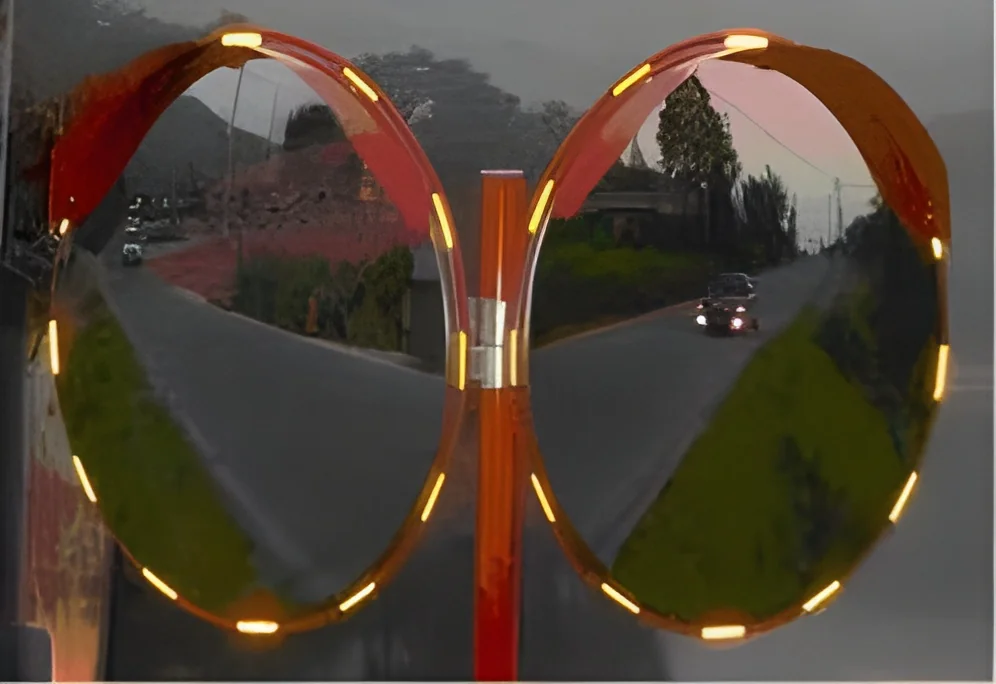
Road safety mirrors are essential tools used to enhance visibility and safety in various environments. These convex mirrors provide a wide field of view, allowing drivers and pedestrians to see around corners and obstacles. They are commonly made from durable materials such as acrylic or glass, designed to withstand harsh weather conditions and impacts. The reflective surface ensures clear visibility, improving overall safety in high-traffic areas.
These mirrors are primarily used in locations where visibility is limited, such as intersections, parking lots, and driveways. Businesses utilize road safety mirrors to minimize accidents and enhance security on their premises. Additionally, they play a crucial role in public safety, helping to prevent collisions and ensuring safer navigation for both vehicles and pedestrians. As traffic regulations become increasingly stringent, the demand for road safety mirrors continues to grow across various sectors.
In the industrial context, road safety mirrors are relevant in construction sites, warehouses, and manufacturing facilities. Their market presence is bolstered by the increasing emphasis on safety protocols and compliance with regulatory standards. As companies prioritize worker safety and operational efficiency, the adoption of road safety mirrors is expected to rise.
Key Features and Specifications
Road safety mirrors come with various features and specifications that enhance their effectiveness. These specifications are crucial for ensuring that the mirrors meet safety requirements and perform reliably in different environments.
Key specifications include:
1. Material Type
- Commonly made from acrylic or tempered glass
- Offers durability and weather resistance
2. Size Options
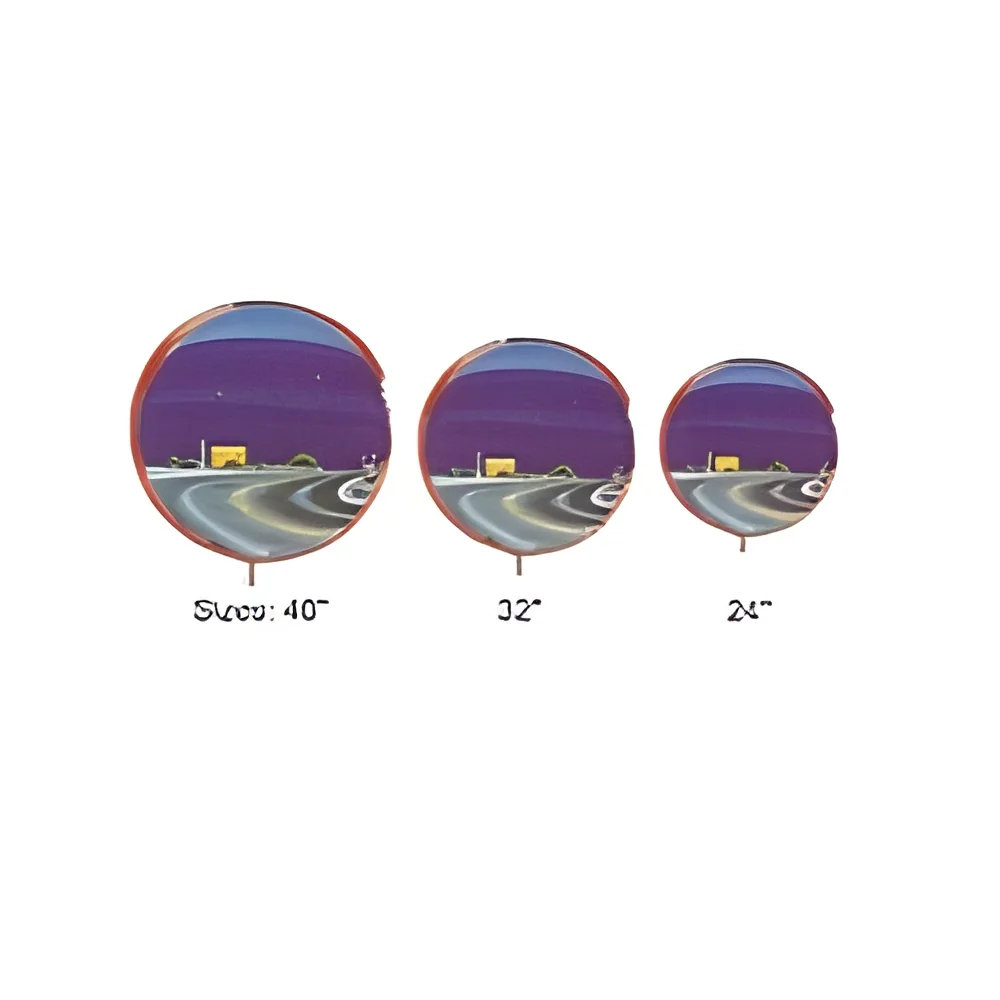
- Available in various diameters, typically ranging from 24 inches to 60 inches
- Larger sizes provide a wider field of view
3. Mounting Options
- Wall-mounted, pole-mounted, or adjustable brackets
- Flexibility in installation for different locations
4. Reflectivity
- High-quality reflective coating for optimal visibility
- Ensures clarity in both day and night conditions
5. Safety Standards
- Complies with relevant safety regulations
- Certification under industry standards such as CE
6. Design Features
- Convex shape for enhanced viewing angles
- Lightweight design for easier installation
7. Weather Resistance
- UV protection to prevent fading
- Waterproof features for longevity in various climates
8. Anti-Glare Surface
- Minimizes glare from sunlight
- Improves visibility in bright conditions
In summary, the key specifications of road safety mirrors focus on durability, visibility, and versatility in installation, making them essential for enhancing safety in various environments.
Common Applications and Use Cases
Road safety mirrors serve multiple industries, each with specific applications that enhance safety and efficiency.
1. Transportation: Used at intersections and traffic junctions to improve visibility for drivers, reducing the risk of accidents.
2. Warehousing: Placed in strategic locations within warehouses to help forklift operators and pedestrians navigate safely around corners.
3. Retail: Installed in parking lots and store entrances to enhance visibility for both customers and delivery vehicles, ensuring a safer shopping experience.
4. Manufacturing: Utilized in production facilities to monitor blind spots, ensuring safe movement of machinery and personnel.
5. Construction: Employed on construction sites to enhance safety for workers and vehicles, particularly in areas with heavy equipment traffic.
6. Healthcare: Used in hospital parking lots and walkways to improve safety for patients and staff navigating busy areas.
7. Educational Institutions: Installed in schools to ensure safe traffic flow in drop-off and pick-up zones for students and parents.
Product Variants and Subcategories
Road safety mirrors come in various designs to cater to specific needs and environments.
Convex Safety Mirrors
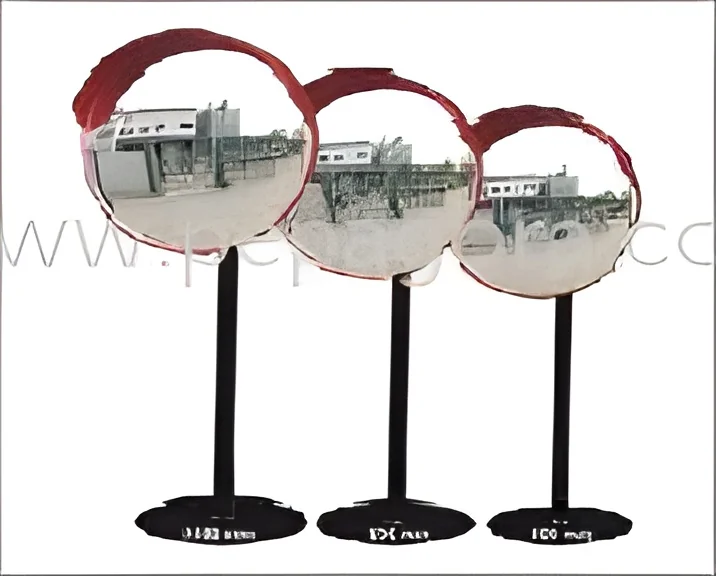
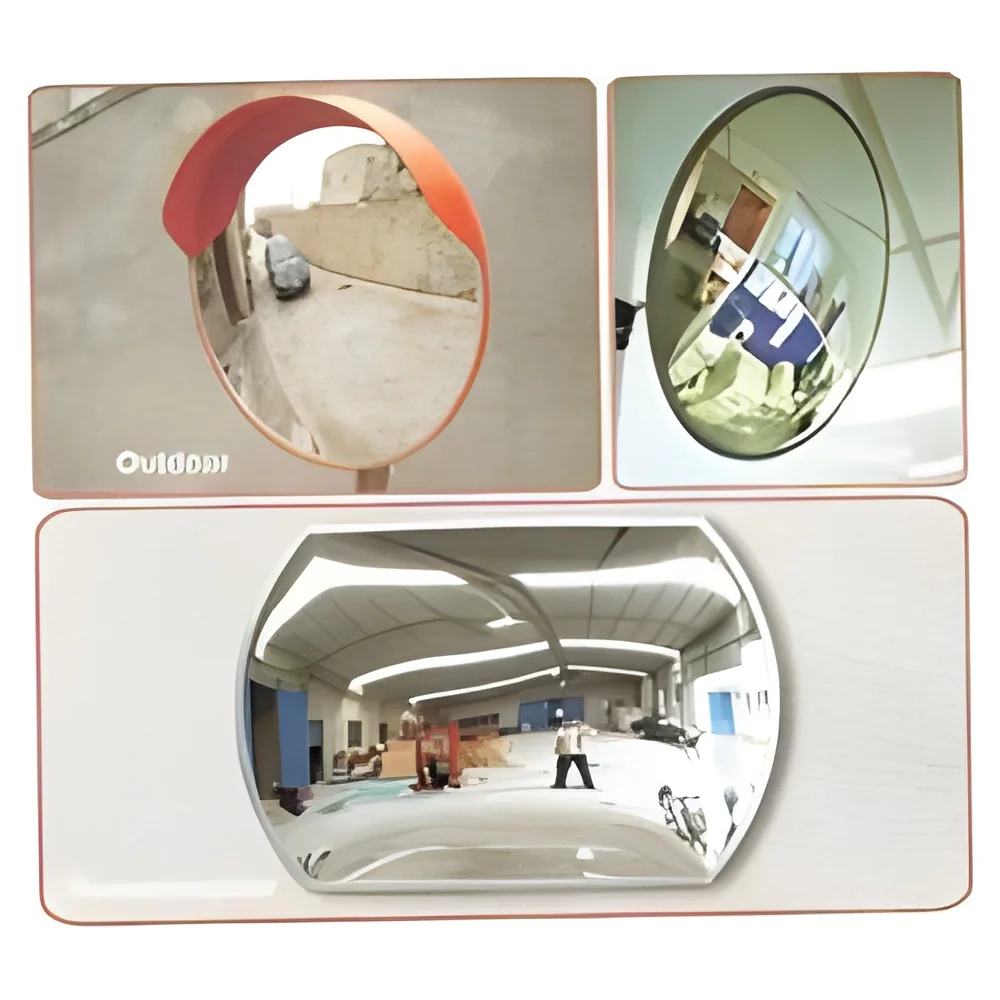
These mirrors are designed to provide a wide-angle view, making them ideal for use in corners and tight spaces. Their convex shape allows for better visibility of oncoming traffic, enhancing safety for drivers and pedestrians.
Traffic Mirrors
Specifically designed for road use, traffic mirrors are larger and more robust, suited for outdoor environments. They are often used at busy intersections and roadways to help reduce collisions and improve overall traffic flow.
Indoor Safety Mirrors
These mirrors are smaller and often used in retail settings or warehouses. They are designed to monitor blind spots in confined spaces where visibility is limited.
Benefits and Advantages
Road safety mirrors offer numerous benefits that enhance safety and operational efficiency.
1. Enhanced Visibility: Road safety mirrors provide a wider field of view, allowing drivers to see approaching vehicles and pedestrians more clearly.
2. Accident Prevention: By improving visibility in blind spots, these mirrors significantly reduce the likelihood of collisions.
3. Improved Safety: They help create safer environments in high-traffic areas, benefiting both pedestrians and vehicles.
4. Cost-Effective Solution: Investing in road safety mirrors can lower accident-related costs and liability for businesses.
5. Easy Installation: Most road safety mirrors come with user-friendly mounting options, ensuring quick and easy setup.
6. Durable Design: Built to withstand harsh environmental conditions, these mirrors have a long lifespan, offering great value for money.
Buying Guide for B2B Buyers
When sourcing road safety mirrors, it is important to consider several key factors to ensure you make the right choice.
1. Quality Assessment: Evaluate the materials and construction of the mirrors. Look for products that comply with safety standards and have proven durability.
2. Supplier Verification: Vet potential suppliers by checking their reputation, customer reviews, and compliance with industry certifications.
3. Pricing and MOQ: Understand the pricing structures of different suppliers and inquire about minimum order quantities to determine budgetary constraints.
4. Delivery and Lead Times: Discuss logistics with suppliers to understand delivery times and ensure timely installation.
5. Compliance Requirements: Be aware of any local regulatory requirements for safety equipment and ensure that the mirrors meet these standards.
Compliance and Certifications
Road safety mirrors must comply with various quality standards and safety regulations to ensure they are suitable for use in different environments.
Relevant quality standards such as ISO 9001 ensure that manufacturers adhere to consistent quality management practices. This is crucial for ensuring the reliability and durability of the mirrors.
Additionally, industry certifications like CE indicate that the products meet European safety and health standards. These certifications are important for buyers looking to ensure compliance with regulatory requirements.
Safety and testing requirements are also vital. Manufacturers should conduct tests to verify the reflective properties and durability of the mirrors under different environmental conditions.
Regional compliance considerations may vary, so it is essential for buyers to familiarize themselves with local regulations that govern safety equipment in their specific area.
Why Source Road Safety Mirrors from Pepagora?
Pepagora offers a trusted platform for sourcing road safety mirrors, providing several key advantages to B2B buyers.
Verified Supplier Network: Pepagora ensures that all suppliers are thoroughly vetted, giving buyers confidence in the quality and reliability of the products.
Streamlined RFQ Process: The platform simplifies the request for quotation process, allowing buyers to quickly obtain competitive pricing from multiple suppliers.
Trade Assurance and Support: Pepagora provides buyer protection through trade assurance policies, ensuring that transactions are secure and that support is readily available in case of issues.
Regional Coverage: With a strong presence in India, the GCC, and Southeast Asia, Pepagora connects buyers with suppliers across these regions, facilitating easier access to high-quality road safety mirrors.


Frequently Asked Questions
What are Road Safety Mirrors?
Road safety mirrors are reflective devices used to enhance visibility and safety on roads and intersections. They help drivers and pedestrians see around corners, blind spots, and other obstacles, thereby reducing the risk of accidents.
What are the different types of Road Safety Mirrors?
There are several types of road safety mirrors, including convex mirrors, flat mirrors, and dome mirrors. Convex mirrors are commonly used for blind corners, while flat mirrors provide a true image. Dome mirrors offer a 360-degree view, making them ideal for parking lots and intersections.
How do I choose the right Road Safety Mirrors?
Choosing the right road safety mirror involves considering factors such as the location, visibility requirements, and size. It's essential to assess the area's traffic dynamics and select a mirror that provides optimal visibility and meets safety standards.
What are the standard specifications for Road Safety Mirrors?
Standard specifications for road safety mirrors typically include dimensions, reflective surface type, and mounting options. Most mirrors are made from durable materials such as acrylic or polycarbonate and should meet specific visibility and weather resistance standards.
What is the price range for Road Safety Mirrors?
The price range for road safety mirrors can vary widely based on size, type, and material. Generally, prices can start from a few hundred rupees for smaller mirrors and go up to several thousand rupees for larger, specialized models.
What quality standards apply to Road Safety Mirrors?
Road safety mirrors should comply with quality standards such as ISO and ASTM regulations, ensuring durability, clarity, and weather resistance. These standards help guarantee that mirrors perform effectively in various environmental conditions.
Where can I find Road Safety Mirrors suppliers in India?
You can find road safety mirrors suppliers in India through online B2B marketplaces like Pepagora. Additionally, you can search for local manufacturers and distributors through trade directories and industry trade shows.
Can Road Safety Mirrors be customized?
Yes, many manufacturers offer customization options for road safety mirrors. Customizations can include size, shape, reflective coating, and mounting hardware to meet specific customer requirements.
What is the typical minimum order quantity for Road Safety Mirrors?
The typical minimum order quantity (MOQ) for road safety mirrors varies by supplier, but it generally ranges from 10 to 50 units. It's advisable to check with specific manufacturers for their MOQ policies.
What is the typical lead time for Road Safety Mirrors?
The typical lead time for road safety mirrors can range from 2 to 6 weeks, depending on the supplier and the complexity of the order. Factors such as customization and order size may also affect the delivery timeline.
Why Businesses Trust Pepagora
Thousands of companies trust Pepagora to source smarter and sell faster
Expand Your Sales Globally

Source Smarter,Grow Faster
