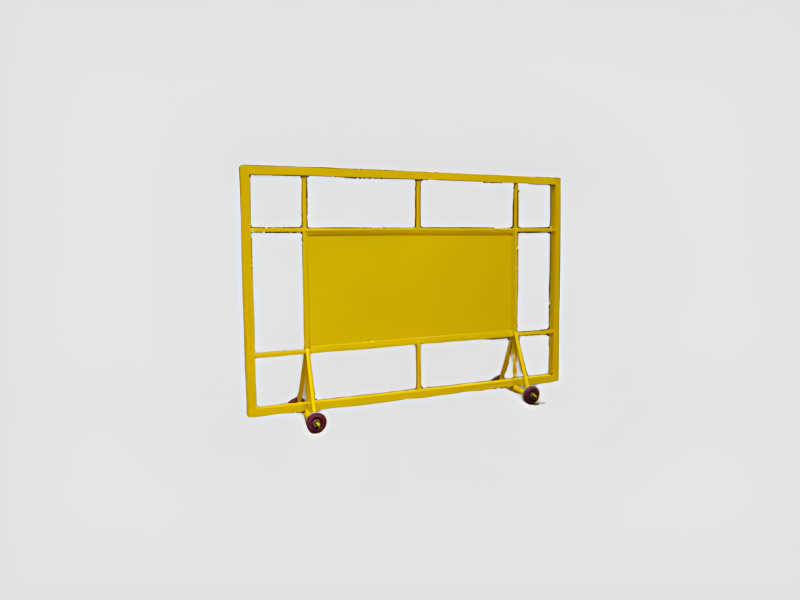
𝗪𝗵𝗮𝘁 𝗮𝗿𝗲 𝗖𝗿𝗮𝘀𝗵 𝗕𝗮𝗿𝗿𝗶𝗲𝗿𝘀?
Crash barriers are protective structures designed to absorb the impact of vehicles, preventing them from veering off course and causing damage or injury. These barriers are usually installed along roadsides, bridges, and hazardous areas, effectively guiding vehicles away from danger. Made from durable materials, crash barriers are engineered to withstand significant forces, ensuring they provide reliable safety solutions in various environments.
The primary uses of crash barriers include road safety, traffic management, and protection of pedestrians and infrastructure. They are essential in high-traffic zones, construction sites, and areas with high accident rates. Businesses across sectors such as transportation, construction, and infrastructure development utilize crash barriers to enhance safety measures. With increasing awareness of safety regulations and compliance, the demand for crash barriers continues to rise in the market.
In industry relevance, crash barriers are vital for maintaining safety standards and reducing liability. Their presence not only protects lives but also minimizes property damage, making them a critical investment for businesses concerned with safety and operational continuity. As the transportation and construction sectors evolve, the importance of robust crash barrier systems remains paramount.
𝗞𝗲𝘆 𝗙𝗲𝗮𝘁𝘂𝗿𝗲𝘀 𝗮𝗻𝗱 𝗦𝗽𝗲𝗰𝗶𝗳𝗶𝗰𝗮𝘁𝗶𝗼𝗻𝘀
Crash barriers come with various features that enhance their effectiveness and reliability. Understanding these specifications is crucial for selecting the right product for specific applications.
Key specifications include:
1. Material Composition
- Typically made from steel, concrete, or a combination of materials.
- Each material offers unique benefits in terms of strength and durability.
2. Height and Length
- Varies based on application needs, generally ranging from one to two meters high.
- Length can be customized to fit specific installation requirements.
3. Impact Resistance
- Designed to withstand impact forces from vehicles at varying speeds.
- Impact ratings are determined based on crash tests and safety standards.
4. Installation Type
- Options for permanent or temporary installation depending on the use case.
- Can be surface-mounted or embedded in concrete for added stability.
5. Compliance Standards
- Must meet specific safety and quality standards, including CE certification.
- Compliance with local regulations is essential for legality and safety.
6. Maintenance Requirements
- Low maintenance is often a feature, with periodic inspections recommended.
- Durability against environmental factors is a key consideration.
7. Color and Visibility
- Available in various colors for high visibility.
- Reflective elements can be added for nighttime safety.
8. Customization Options
- Some manufacturers offer tailored solutions for unique applications.
- Custom sizes and designs can enhance functionality in specific environments.
In summary, understanding the key features and specifications of crash barriers is essential for businesses to ensure they select the most appropriate solutions for their safety needs.
𝗖𝗼𝗺𝗺𝗼𝗻 𝗔𝗽𝗽𝗹𝗶𝗰𝗮𝘁𝗶𝗼𝗻𝘀 𝗮𝗻𝗱 𝗨𝘀𝗲 𝗖𝗮𝘀𝗲𝘀
Crash barriers serve a wide range of industries, providing safety and protection in various settings.
1. Transportation: In road construction and maintenance, crash barriers protect workers and vehicles from accidents.
2. Logistics: Warehouses and distribution centers use crash barriers to protect loading docks and equipment from vehicle impacts.
3. Construction: Temporary crash barriers are crucial on construction sites to safeguard pedestrians and workers from moving machinery.
4. Railways: Barriers are often installed near rail crossings to prevent vehicles from accidentally entering the tracks.
5. Airports: Crash barriers are used on taxiways and runways to protect against vehicle incursions.
6. Urban Development: Cities install crash barriers in high-traffic areas to enhance pedestrian safety.
7. Industrial Facilities: Manufacturing plants utilize barriers to protect equipment and personnel from vehicular traffic.
𝗣𝗿𝗼𝗱𝘂𝗰𝘁 𝗩𝗮𝗿𝗶𝗮𝗻𝘁𝘀 𝗮𝗻𝗱 𝗦𝘂𝗯𝗰𝗮𝘁𝗲𝗴𝗼𝗿𝗶𝗲𝘀
Crash barriers come in various forms to meet specific safety requirements.
Standard Crash Barriers
These are the most common type, designed for general road safety. They typically feature a robust design and are made from durable materials, providing reliable protection in urban and rural settings.
Temporary Crash Barriers
These barriers are portable and designed for temporary use, often seen at construction sites or events. They offer flexibility and quick deployment, ensuring safety in changing environments.
Concrete Barriers
These heavy-duty barriers are used in high-impact areas, providing maximum protection. They are ideal for roadways where high-speed vehicle protection is necessary.
Steel Barriers
Constructed from strong steel materials, these barriers provide a lightweight yet durable option. They are often used in areas where aesthetic considerations are also important.
𝗕𝗲𝗻𝗲𝗳𝗶𝘁𝘀 𝗮𝗻𝗱 𝗔𝗱𝘃𝗮𝗻𝘁𝗮𝗴𝗲𝘀
Investing in crash barriers offers numerous advantages for businesses.
1. Enhanced Safety: Crash barriers significantly reduce the risk of accidents by guiding vehicles and protecting vulnerable areas.
2. Liability Reduction: Implementing crash barriers can help businesses mitigate liability in case of accidents, protecting against legal claims.
3. Cost-Effectiveness: While there is an initial investment, the long-term savings from preventing accidents and damage can be substantial.
4. Compliance with Regulations: Using crash barriers helps organizations meet safety standards and regulatory requirements, ensuring legal compliance.
5. Customization Potential: Many suppliers offer tailored solutions, allowing businesses to address specific safety needs effectively.
6. Improved Public Perception: Demonstrating a commitment to safety can enhance a company's reputation among clients and the community.
𝗕𝘂𝘆𝗶𝗻𝗴 𝗚𝘂𝗶𝗱𝗲 𝗳𝗼𝗿 𝗕𝟮𝗕 𝗕𝘂𝘆𝗲𝗿𝘀
When sourcing crash barriers, it is essential for B2B buyers to consider several critical factors.
1. Quality Assessment: Evaluate the materials and construction of crash barriers to ensure they meet safety standards. Look for certifications that reflect quality and reliability.
2. Supplier Verification: Conduct thorough research on suppliers. Check their reputation, past projects, and customer reviews to ensure they are reputable and capable.
3. Pricing and MOQ: Understand market pricing and minimum order quantities. This helps in budgeting and ensures you can fulfill your safety requirements.
4. Delivery and Lead Times: Consider logistics and lead times when planning your projects. Timely delivery is crucial to maintaining project schedules.
5. Compliance Requirements: Verify that the crash barriers comply with local regulations and safety standards to avoid legal issues.
𝗖𝗼𝗺𝗽𝗹𝗶𝗮𝗻𝗰𝗲 𝗮𝗻𝗱 𝗖𝗲𝗿𝘁𝗶𝗳𝗶𝗰𝗮𝘁𝗶𝗼𝗻𝘀
Crash barriers must adhere to relevant quality standards to ensure safety and reliability. ISO 9001 is a key standard that outlines quality management principles, ensuring consistent quality in manufacturing processes.
CE certification is essential for products sold within the European Union, indicating compliance with safety, health, and environmental protection standards.
Safety and testing requirements are critical; crash barriers undergo rigorous testing to evaluate their performance under impact conditions. This ensures they meet the necessary safety criteria.
Regional compliance considerations vary by location, making it essential for businesses to understand local regulations regarding installation and use.
𝗪𝗵𝘆 𝗦𝗼𝘂𝗿𝗰𝗲 𝗖𝗿𝗮𝘀𝗵 𝗕𝗮𝗿𝗿𝗶𝗲𝗿𝘀 𝗳𝗿𝗼𝗺 𝗣𝗲𝗽𝗮𝗴𝗼𝗿𝗮?
Pepagora provides a trusted platform for sourcing crash barriers, offering several key advantages for B2B buyers.
Verified Supplier Network: Pepagora features a network of verified suppliers, ensuring that buyers can access high-quality products from reputable manufacturers. This reduces the risk associated with sourcing and enhances confidence in purchasing decisions.
Streamlined RFQ Process: The platform offers a user-friendly request for quotation (RFQ) process, allowing buyers to easily compare prices and specifications from multiple suppliers. This efficiency helps businesses make informed choices quickly.
Trade Assurance and Support: Pepagora provides trade assurance, protecting buyers against potential issues. Their support team is available to assist with any concerns, ensuring a smooth purchasing experience.
Regional Coverage: With a strong presence in India, the GCC, and Southeast Asia, Pepagora ensures that businesses across these regions can access crash barriers tailored to their specific needs. This geographic reach enhances convenience and reliability for buyers.

 IN
IN