What are Road Safety Sign Boards?
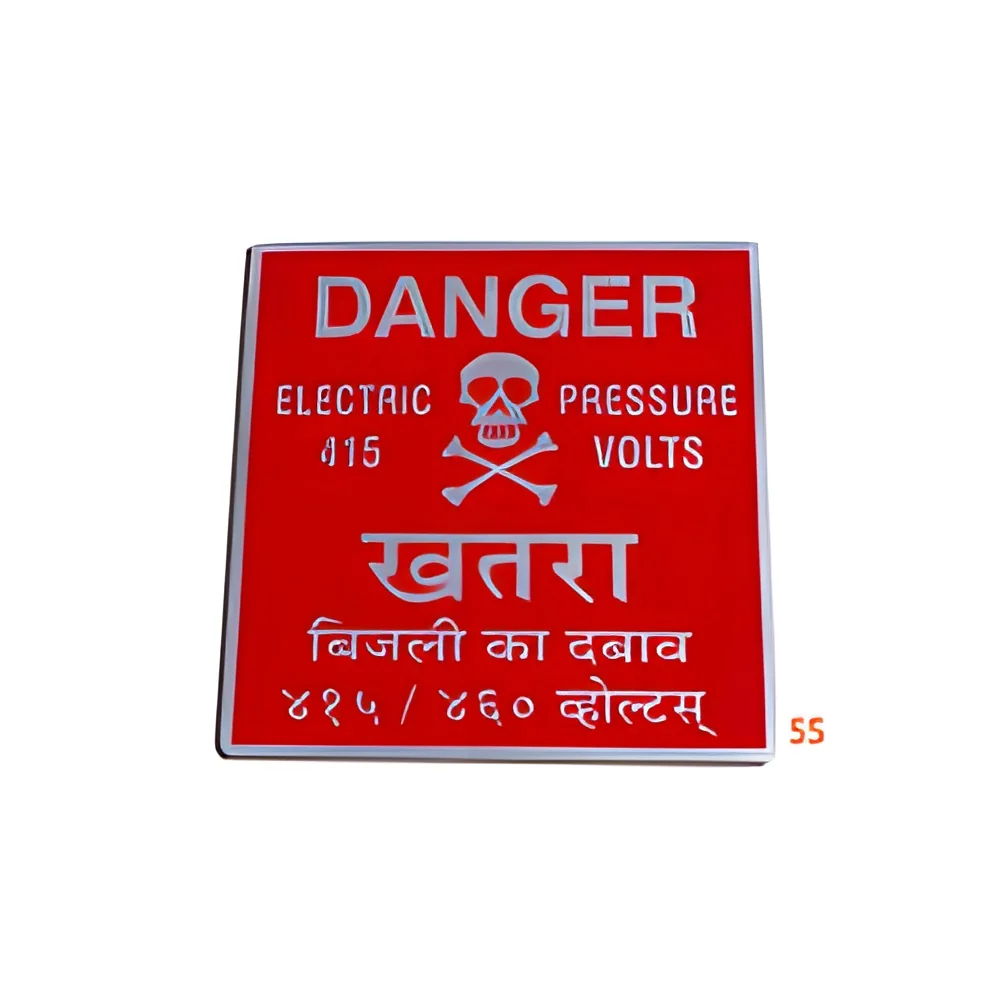
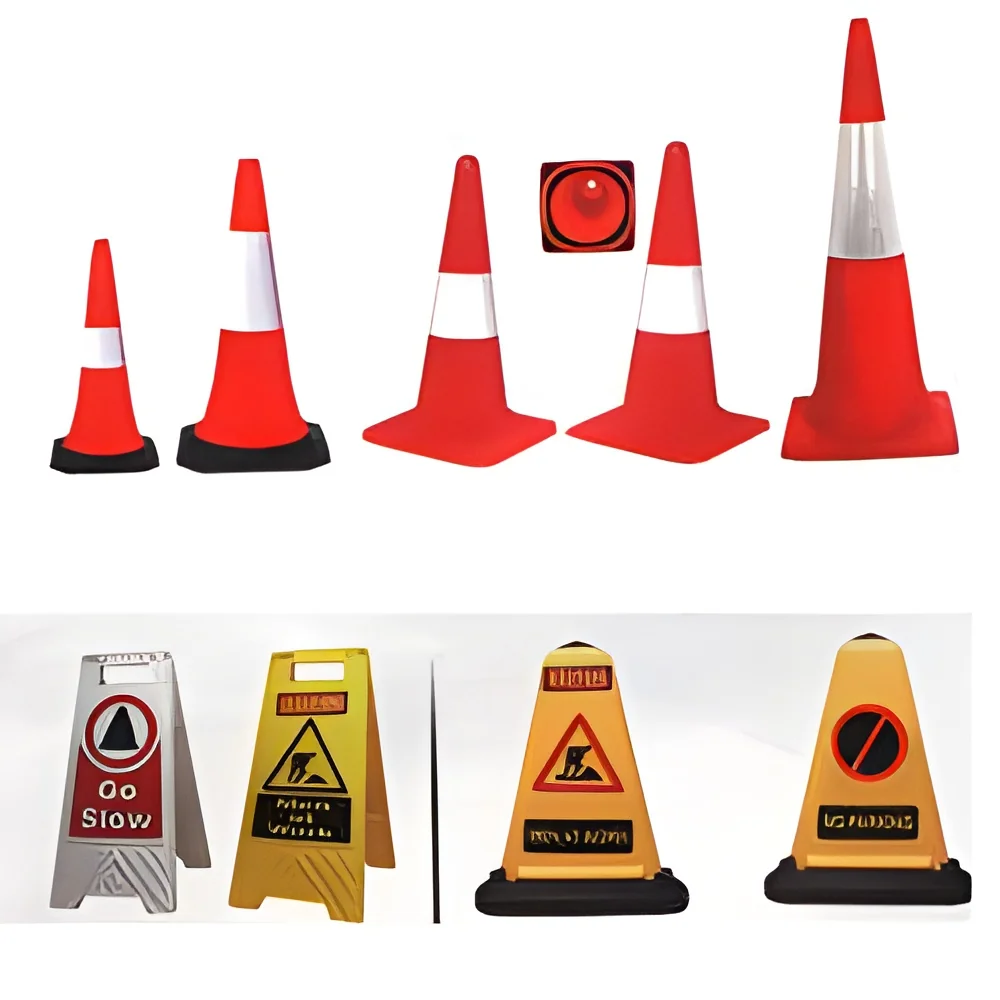
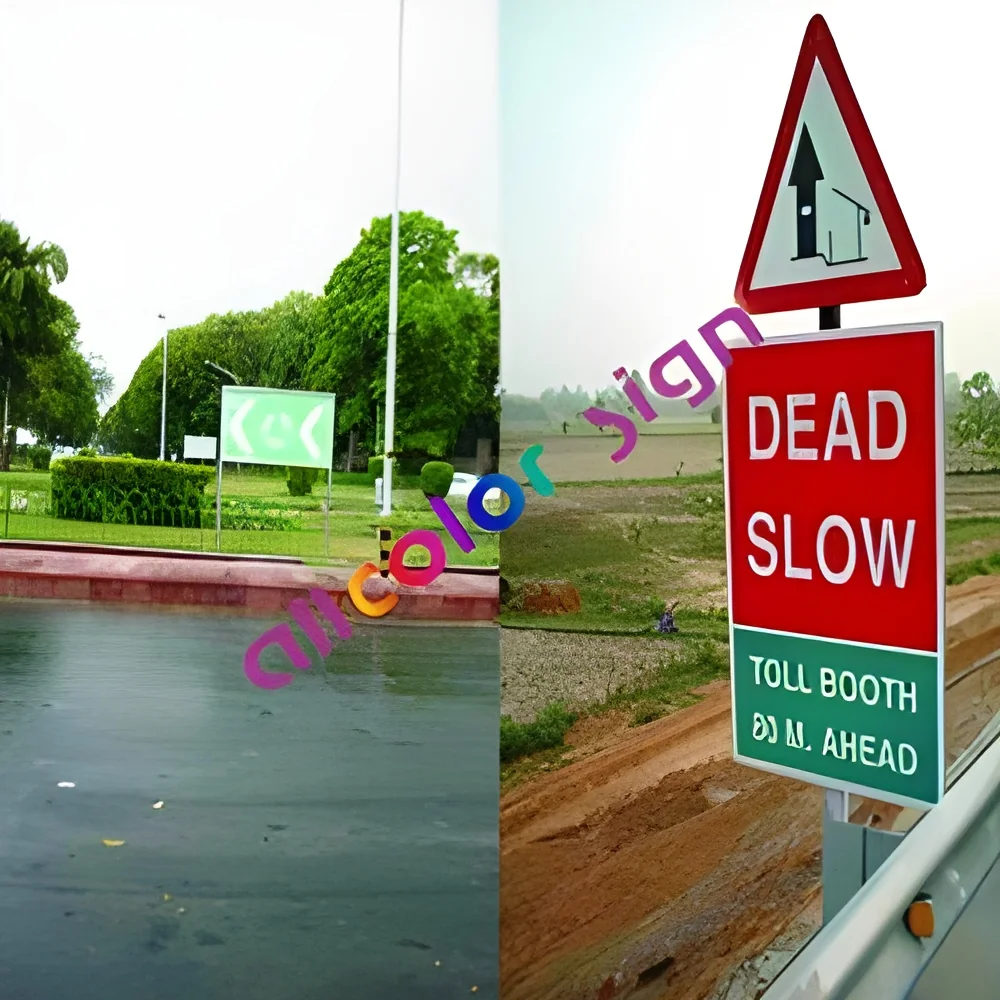
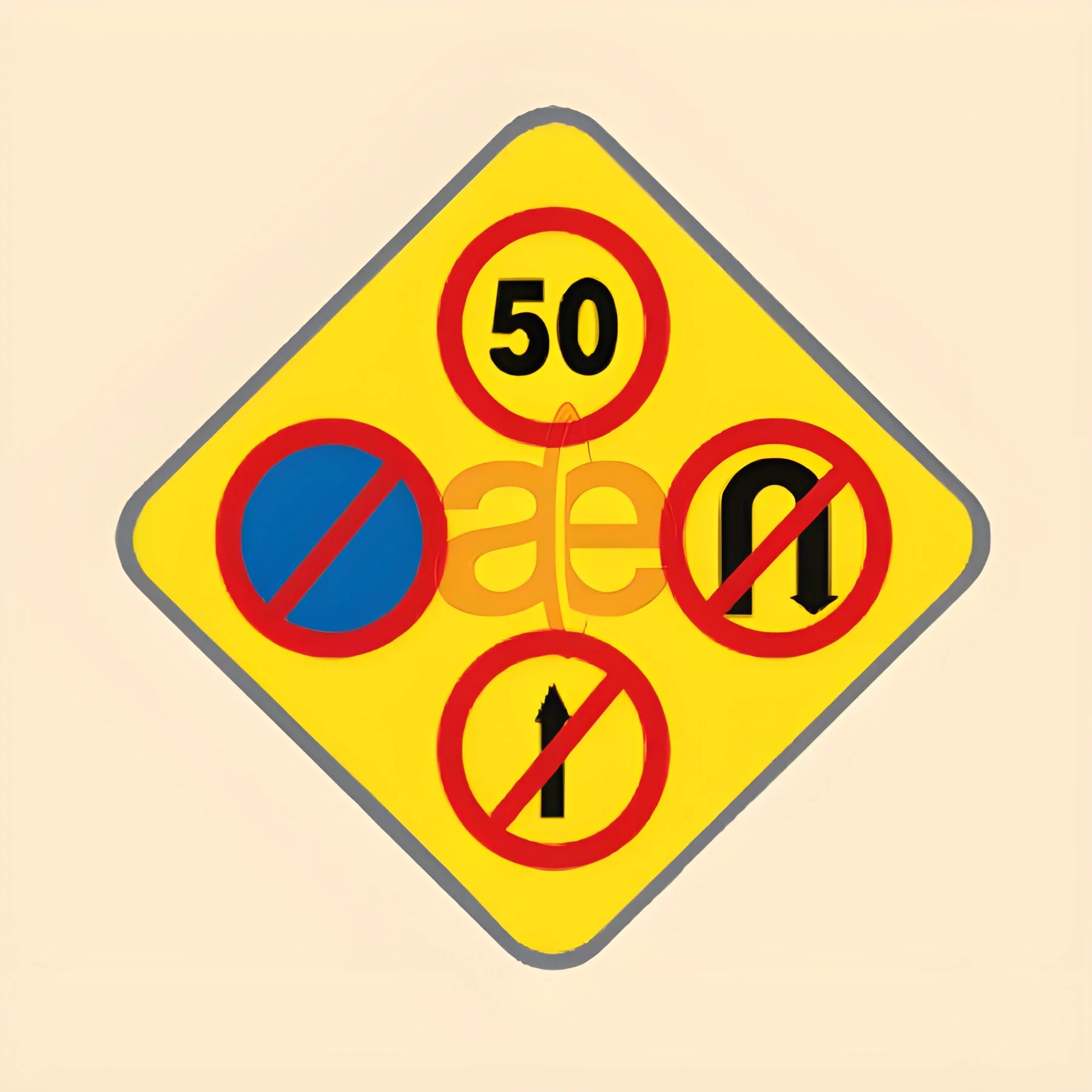
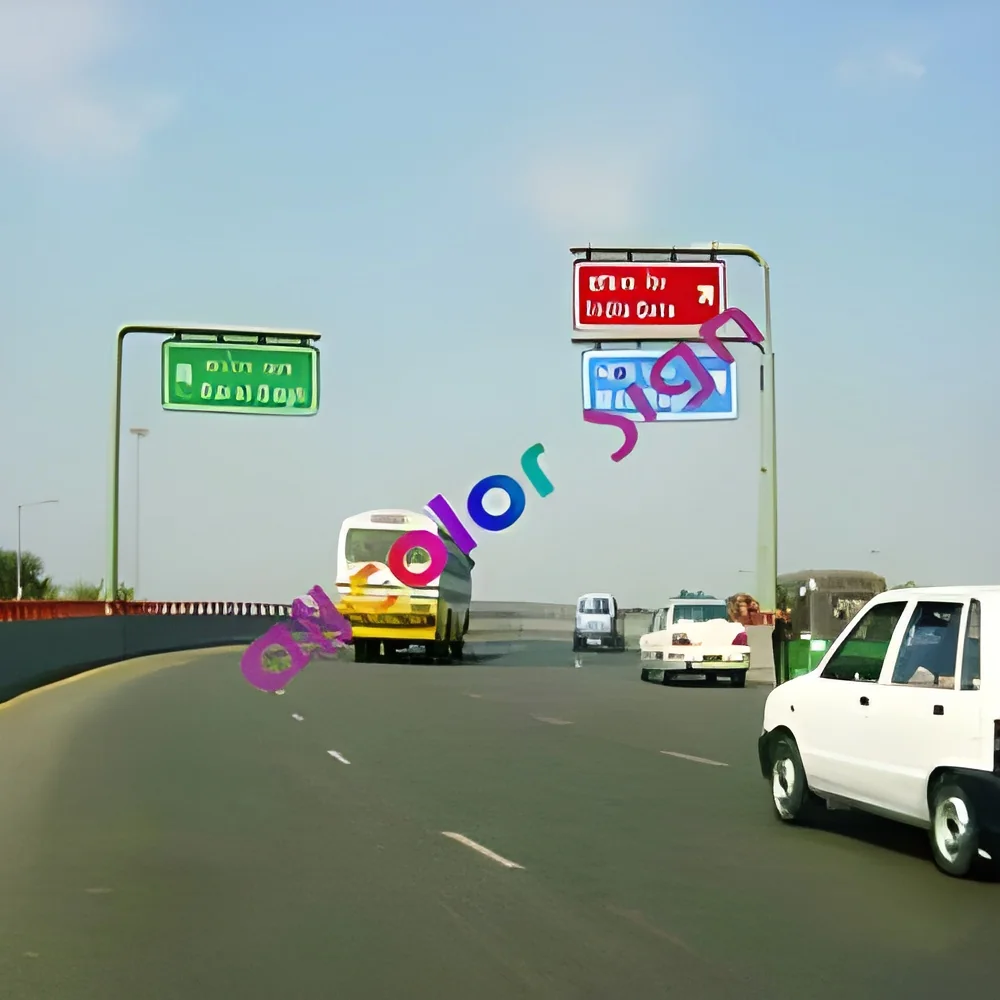
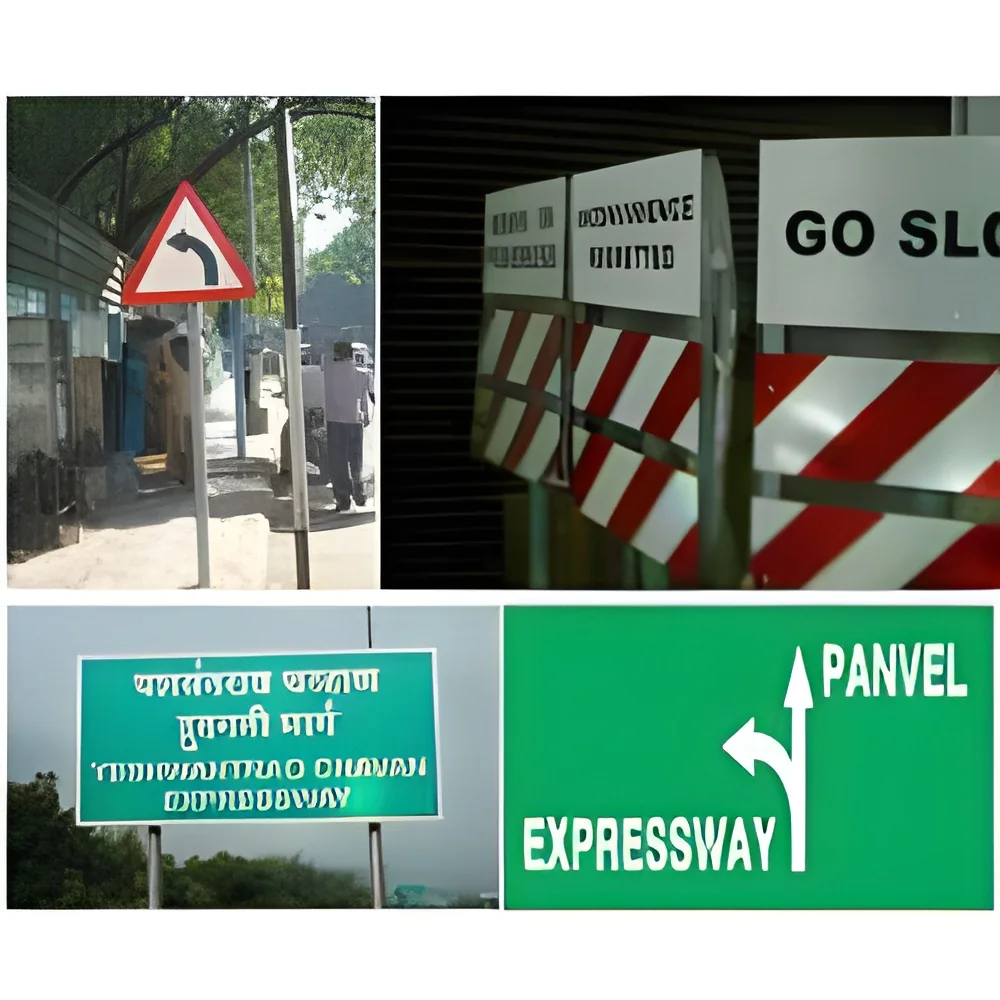
Road safety sign boards are essential tools designed to provide critical information to drivers and pedestrians, enhancing safety on roads and highways. These signs serve to communicate various messages, such as speed limits, warnings about hazards, and directions. Constructed from durable materials, they are built to withstand harsh weather conditions while remaining visible and legible to ensure effective communication.
The primary uses of road safety sign boards span various applications, including urban and rural roadways, construction sites, and school zones. Businesses in the transportation, construction, and municipal sectors utilize these signs to comply with safety regulations and protect both workers and the public. The significance of road safety sign boards is underscored by their roles in preventing accidents and facilitating smooth traffic flow, making them a critical component in urban planning and road management.
In the context of the growing emphasis on road safety, the market for road safety sign boards is expanding. With increasing traffic volumes and a higher focus on regulatory compliance, industries are prioritizing the installation of these sign boards. This trend highlights the evolving nature of road safety measures and the importance of reliable sign boards in promoting safe driving behaviors.
Key Features and Specifications
Road safety sign boards come equipped with several features that enhance their functionality and effectiveness. Each sign is designed with visibility, durability, and compliance in mind, ensuring they meet the specific needs of various environments.
Key specifications include:
1. Material Composition
- Typically made from aluminum, plastic, or reflective materials
- Ensures durability and weather resistance
2. Size and Dimensions
- Available in various sizes based on visibility requirements
- Common dimensions include 24x24 inches, 36x36 inches, and custom sizes
3. Reflectivity
- High visibility reflective surfaces for night-time and low-light conditions
- Compliance with relevant reflectivity standards
4. Color Coding
- Standardized color schemes for different types of signs
- Red for stop or prohibition, yellow for caution, green for directions
5. Mounting Options
- Various mounting options including post, wall, or portable stands
- Designed for easy installation and adjustment
6. Customization
- Options for custom messages or graphics to suit specific needs
- Tailored solutions for businesses and municipalities
7. Compliance Standards
- Adherence to local and national regulations for road signage
- Certification from relevant safety organizations
8. Lifespan
- Designed for long-term use, with some boards featuring UV protection
- Expected lifespan ranges from 5 to 10 years, depending on the material
In summary, road safety sign boards are designed with a range of specifications that ensure they perform effectively in various environments while adhering to safety standards.
Common Applications and Use Cases
Road safety sign boards are utilized across various industries, each requiring specific types of signage to enhance safety and compliance.
1. Transportation: In the transportation sector, these signs are crucial for guiding vehicle traffic and providing warnings about road conditions. They help maintain traffic flow and reduce accidents.
2. Construction: Construction sites often use road safety sign boards to warn of hazards and guide traffic around work zones. These signs play a vital role in protecting workers and the public.
3. Education: Schools use road safety sign boards to inform drivers about speed limits and pedestrian crossings, ensuring the safety of students during school hours.
4. Municipal Services: Local governments employ road safety sign boards to convey important information to the public, such as street names, traffic regulations, and emergency information.
5. Event Management: Temporary road safety sign boards are used during events to manage traffic and ensure safety for attendees, directing them to parking areas and guiding pedestrian traffic.
6. Logistics: In warehouse and distribution centers, road safety signs are used to manage vehicle traffic and ensure safe navigation within busy environments.
7. Emergency Services: Emergency responders utilize road safety sign boards to direct traffic during incidents and ensure the safety of both responders and the public.
Product Variants and Subcategories
Road safety sign boards come in a variety of types to meet diverse needs within different environments. Each variant is designed with specific features and applications in mind.
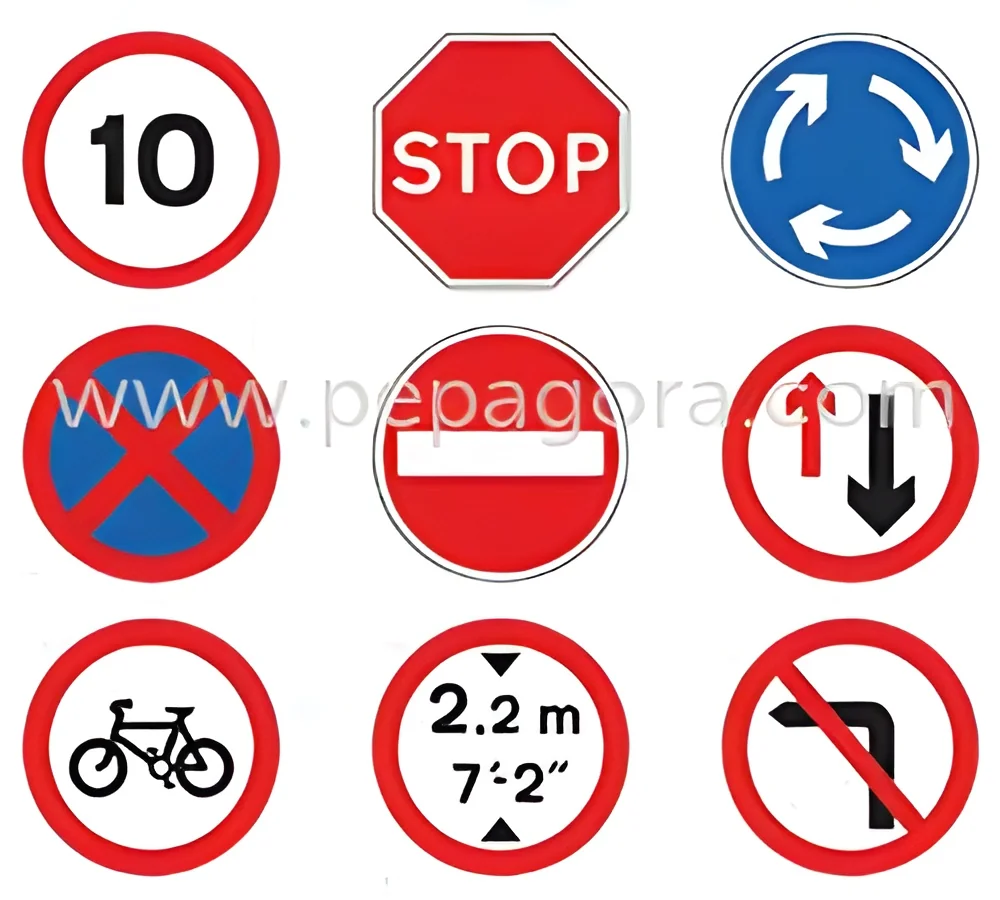
Standard Road Safety Signs: These commonly used signs include stop signs, yield signs, and speed limit signs. They are essential for everyday traffic management and are widely recognized.
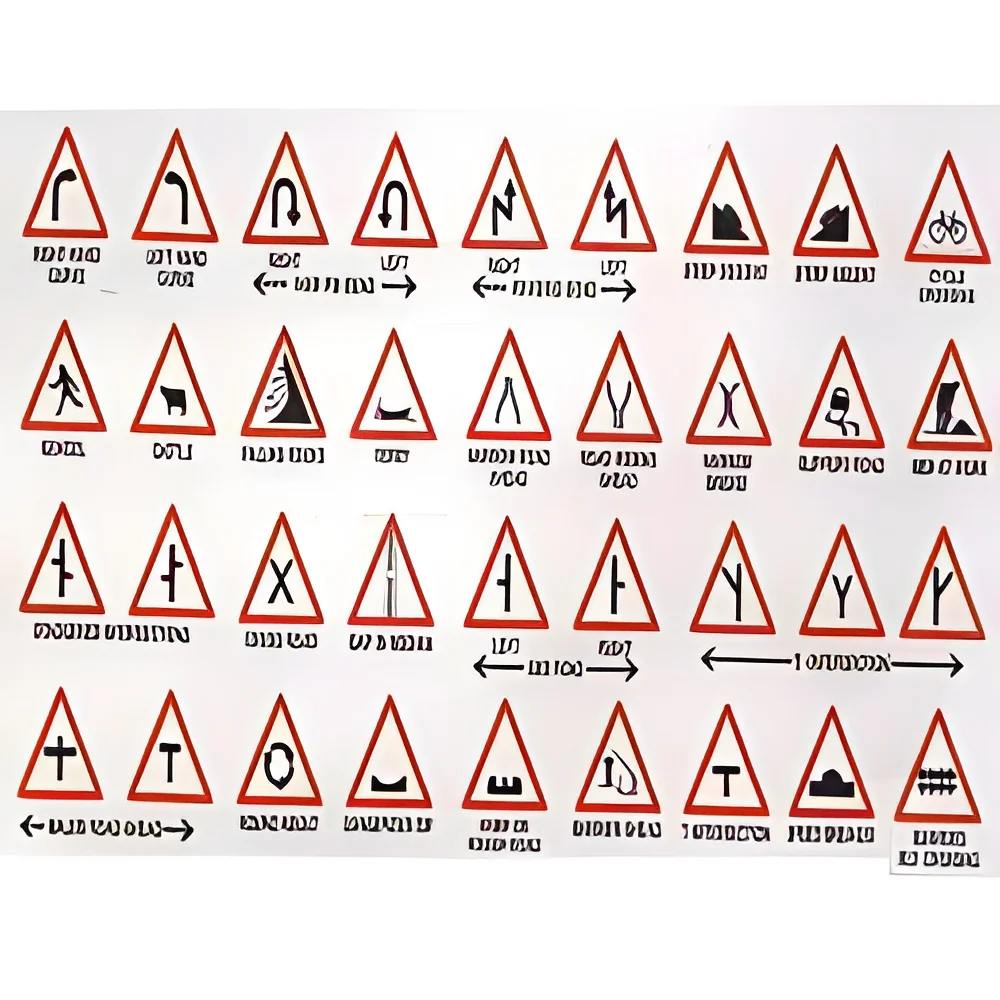
Warning Signs: These signs alert drivers to potential hazards, such as curves, pedestrian crossings, and construction zones. Their bright colors and clear symbols enhance visibility and awareness.
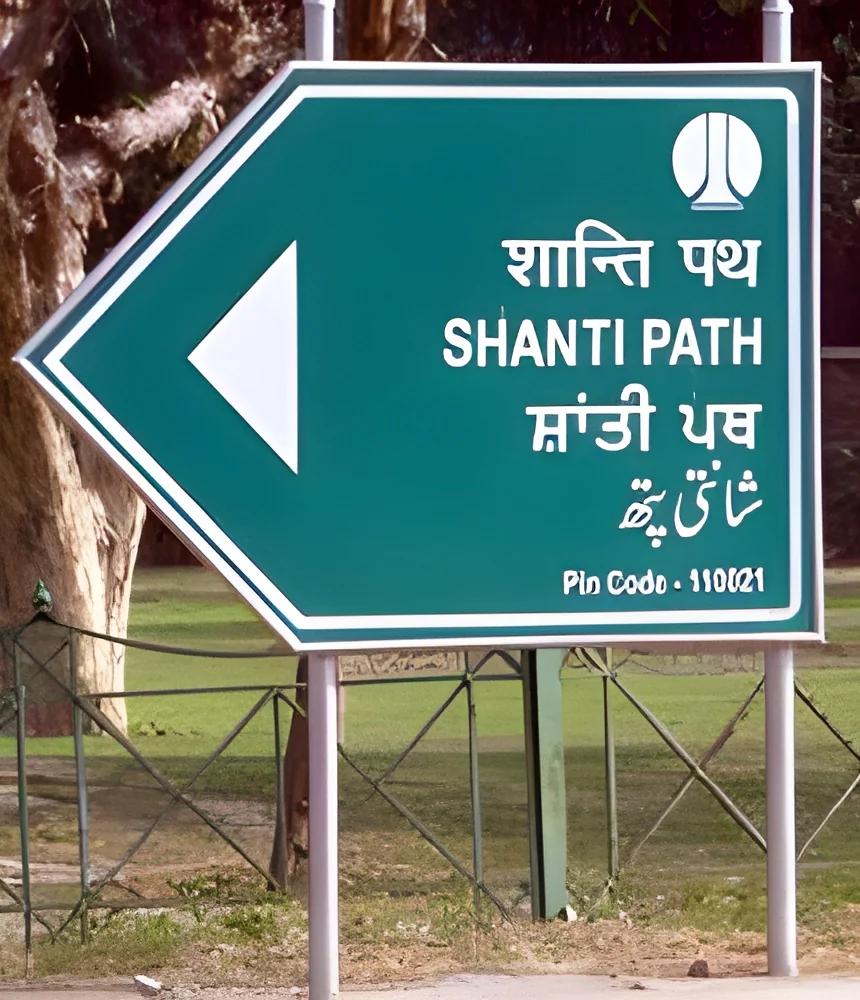
Informational Signs: Used to provide directions, distances, and locations, these signs are important for navigation. They help drivers understand road layouts and find their destinations.
Custom Sign Boards: Businesses often require tailored signage for specific situations. Custom sign boards can include company logos, specific messages, or unique designs to serve their particular needs.
Benefits and Advantages
Investing in road safety sign boards offers numerous benefits to organizations and municipalities focused on enhancing safety.
1. Enhanced Safety: Road safety sign boards significantly reduce the risk of accidents by providing crucial information to drivers and pedestrians, thereby promoting safer road usage.
2. Compliance with Regulations: Using these signs ensures adherence to local and national traffic regulations, helping organizations avoid legal issues and potential fines.
3. Increased Visibility: High-visibility materials and reflective surfaces improve the recognition of signs, especially in low-light conditions, ensuring that important messages reach all road users.
4. Durability: Road safety sign boards are built to withstand harsh weather conditions, ensuring they remain functional and effective over time, even in extreme climates.
5. Customization Options: The ability to customize signs allows businesses to tailor messaging to their specific requirements, enhancing communication and effectiveness.
6. Cost-Effectiveness: Investing in quality road safety sign boards can lead to long-term savings by reducing accidents and associated costs, such as insurance claims and repairs.
Buying Guide for B2B Buyers
When sourcing road safety sign boards, businesses should consider several key factors to ensure they select the right products.
1. Quality Assessment: Evaluate the materials and construction of the sign boards to ensure they meet industry standards for durability and visibility. Look for products that have undergone rigorous testing for performance.
2. Supplier Verification: It is essential to vet suppliers for reliability and reputation. Check for reviews, certifications, and past projects to ensure they can deliver high-quality products.
3. Pricing and MOQ: Understand the pricing structure and minimum order quantities (MOQ) from suppliers. Compare costs across different vendors to ensure competitive pricing while considering quality.
4. Delivery and Lead Times: Inquire about delivery schedules and lead times to ensure the timely receipt of sign boards. Efficient logistics are vital for meeting project deadlines.
5. Compliance Requirements: Confirm that the sign boards comply with relevant local and national regulations. This includes checking for necessary certifications and adherence to safety standards.
Compliance and Certifications
Road safety sign boards must adhere to several quality standards and certifications to ensure their effectiveness and safety.
Compliance with ISO 9001 is essential, as this standard focuses on quality management systems and ensures that products meet customer and regulatory requirements.
CE certification is a significant indicator of compliance with European health, safety, and environmental protection standards. This certification assures that the products meet the necessary safety regulations.
Safety and testing requirements are crucial for road safety sign boards, as they must withstand environmental factors and maintain visibility over time. This includes testing for reflectivity and durability.
Additionally, regional compliance considerations may vary, and businesses should be aware of local traffic regulations and safety standards that apply to their specific locations.
Why Source Road Safety Sign Boards from Pepagora?
Pepagora provides a trusted platform for sourcing road safety sign boards, offering several key advantages that set it apart from competitors.
Verified Supplier Network: Pepagora ensures that all suppliers in its network are thoroughly vetted and verified for quality and reliability. This guarantees that buyers receive high-quality products from reputable sources.
Streamlined RFQ Process: The platform features an efficient Request for Quotation (RFQ) system that allows buyers to easily request and compare quotes from multiple suppliers, simplifying the sourcing process.
Trade Assurance and Support: Pepagora provides trade assurance to protect buyers, ensuring that transactions are secure and that products meet expected quality standards. This support fosters confidence in sourcing decisions.
Regional Coverage: With a broad geographic reach, Pepagora connects buyers with suppliers across India, the GCC, and Southeast Asia. This extensive network enables businesses to find suitable road safety sign boards tailored to local needs and regulations.

 IN
IN