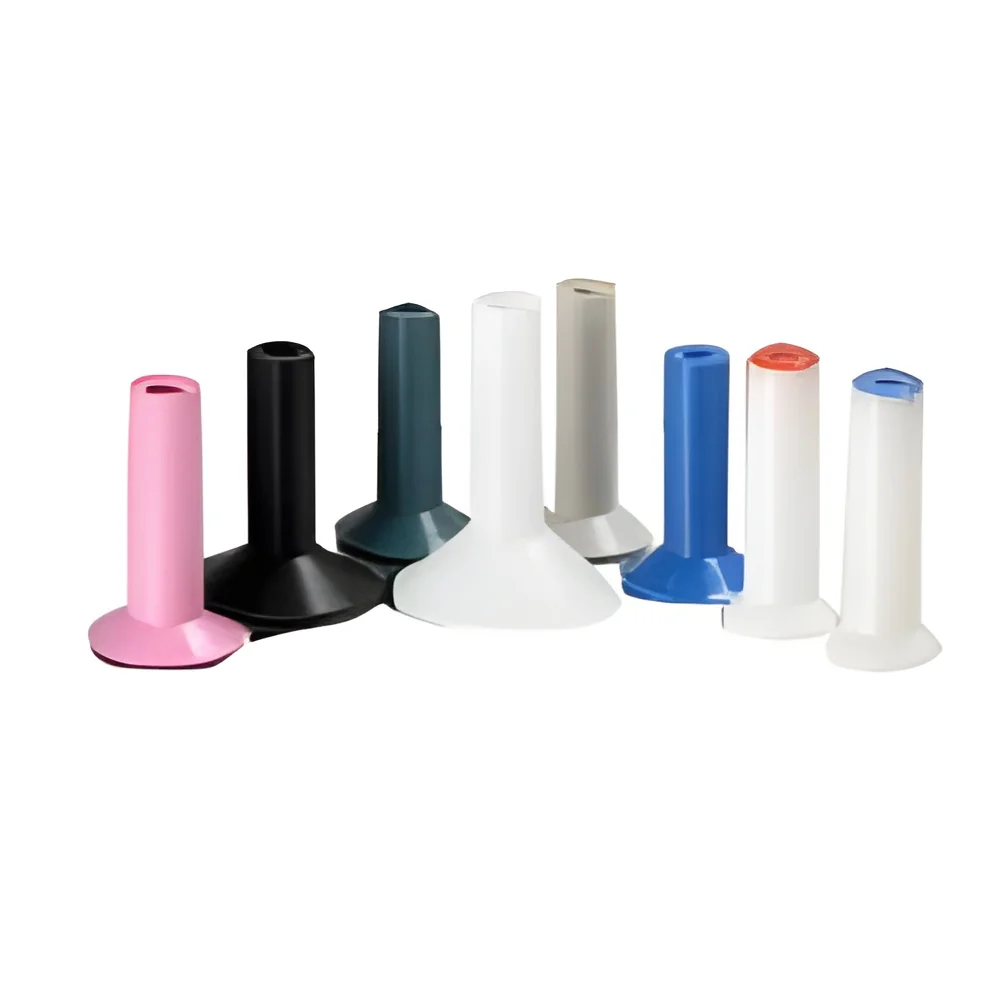
What are Traffic Cones & Delineators?
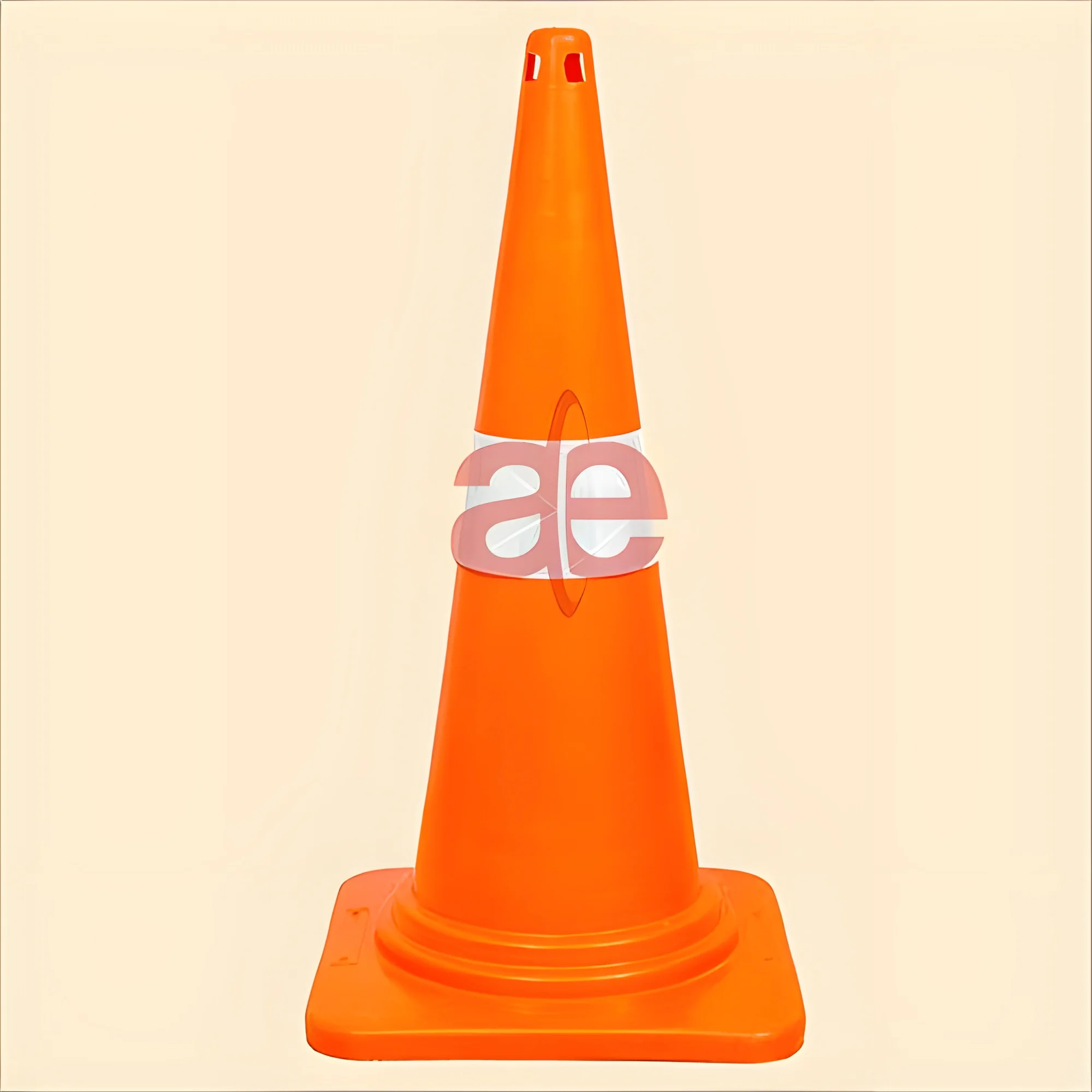
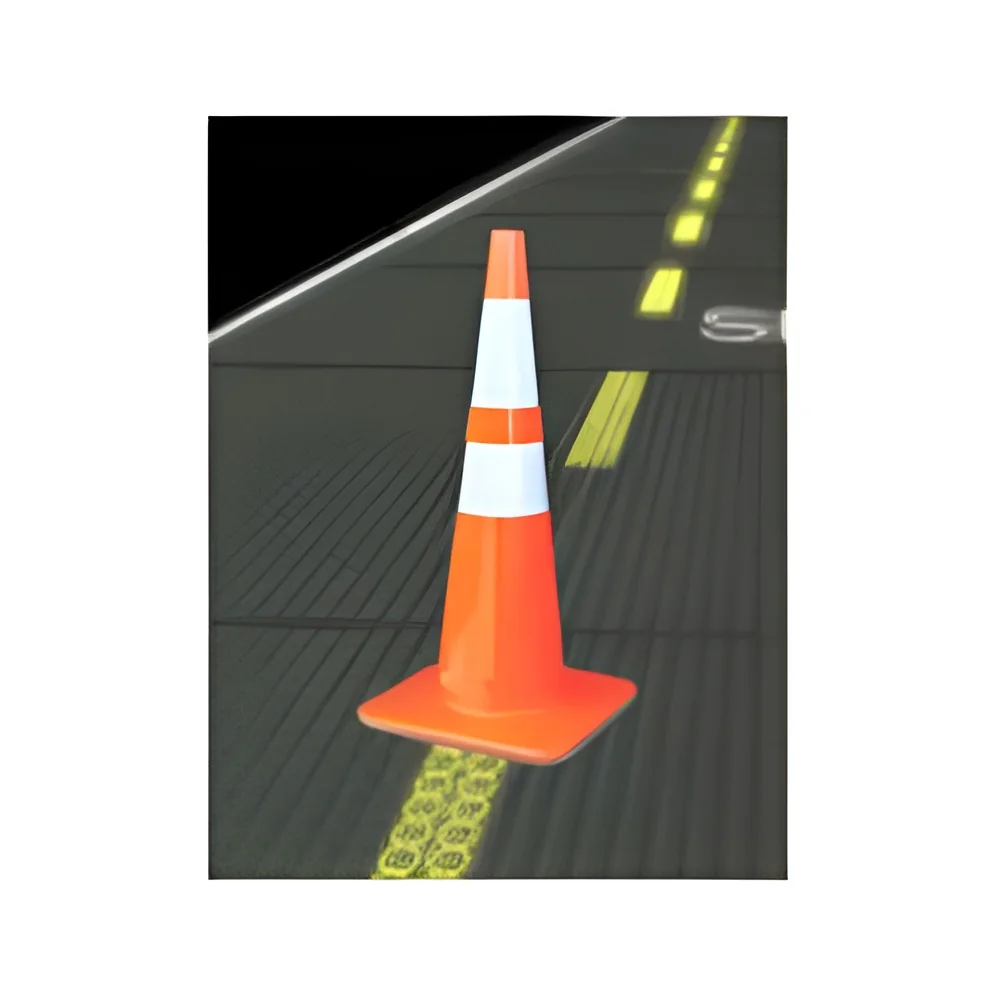
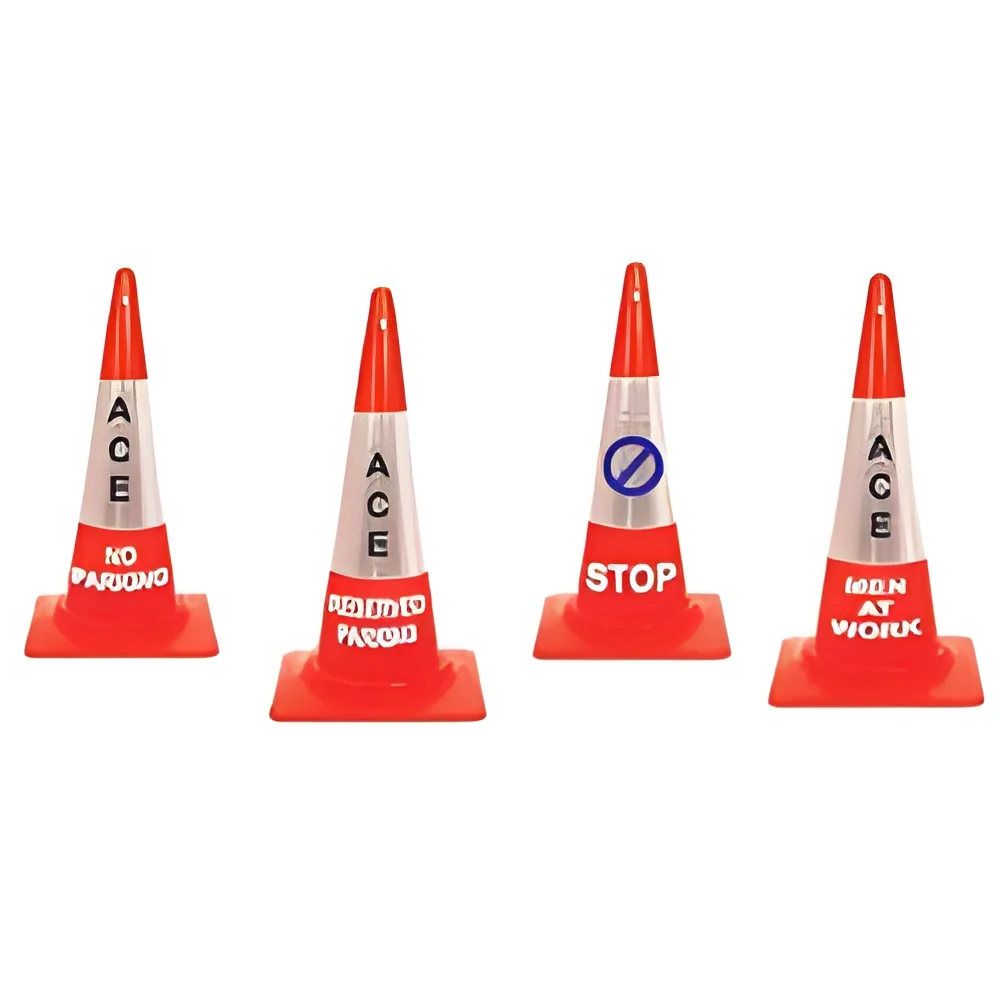
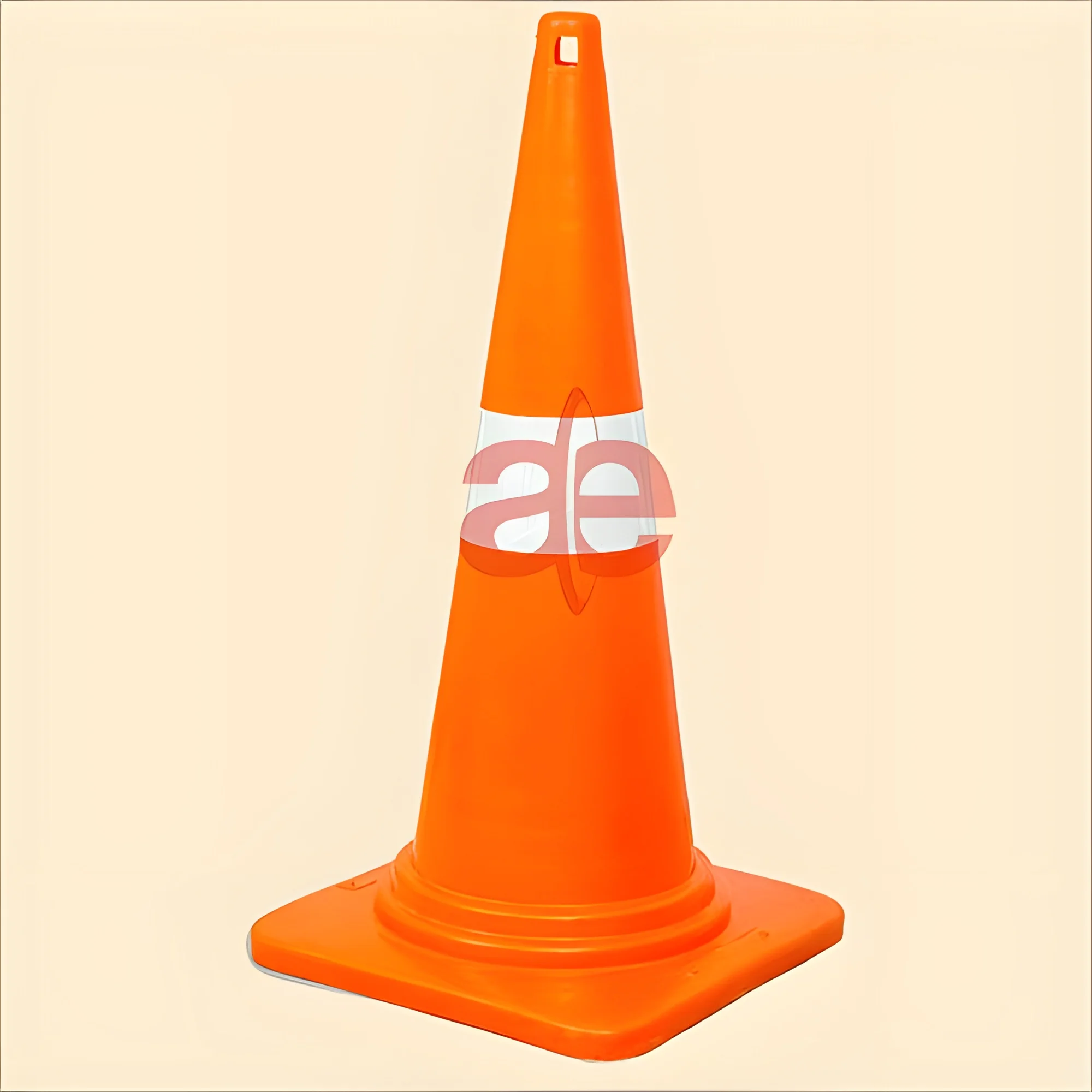
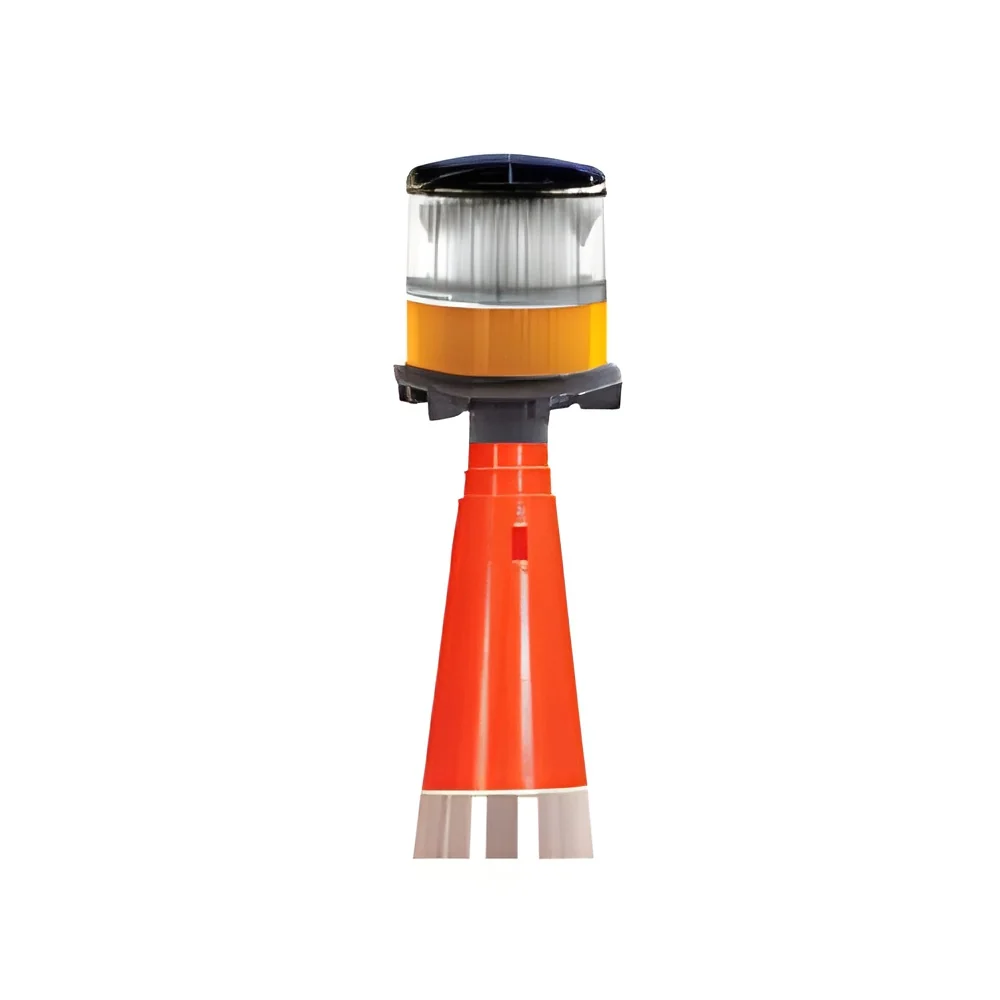
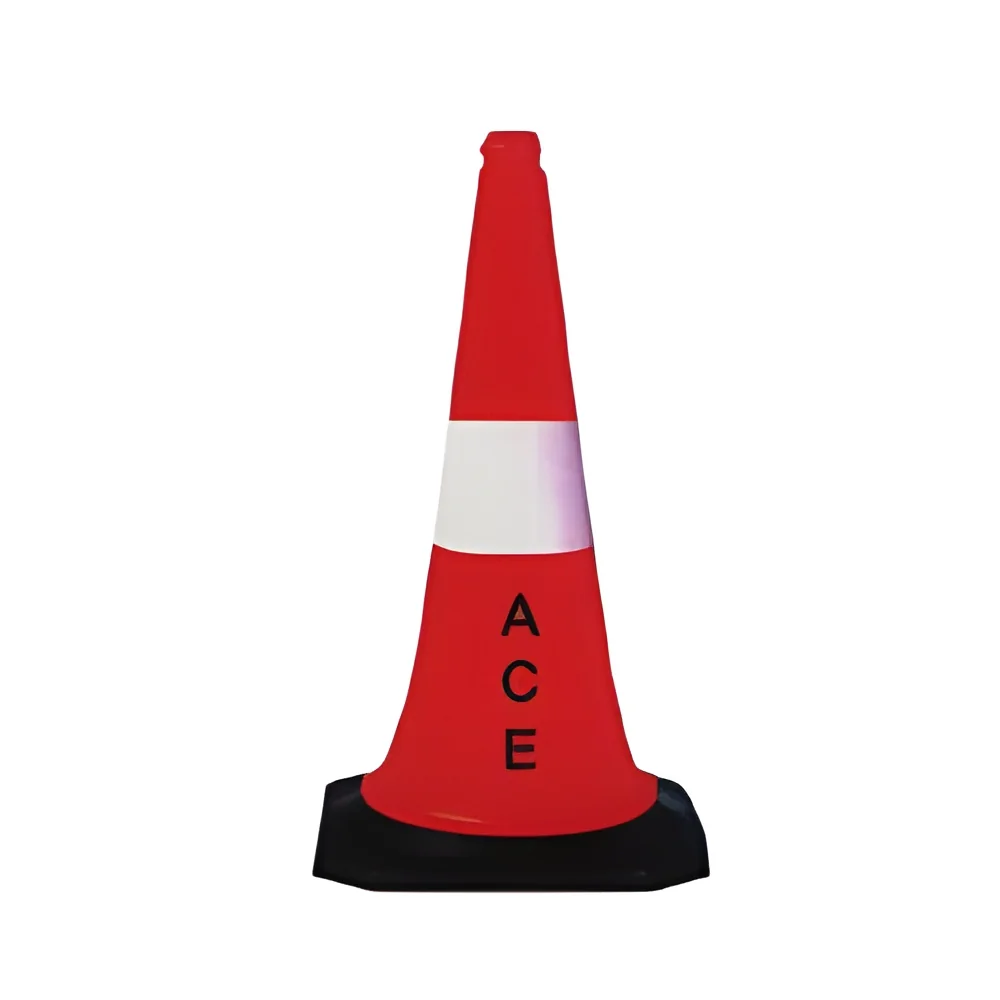
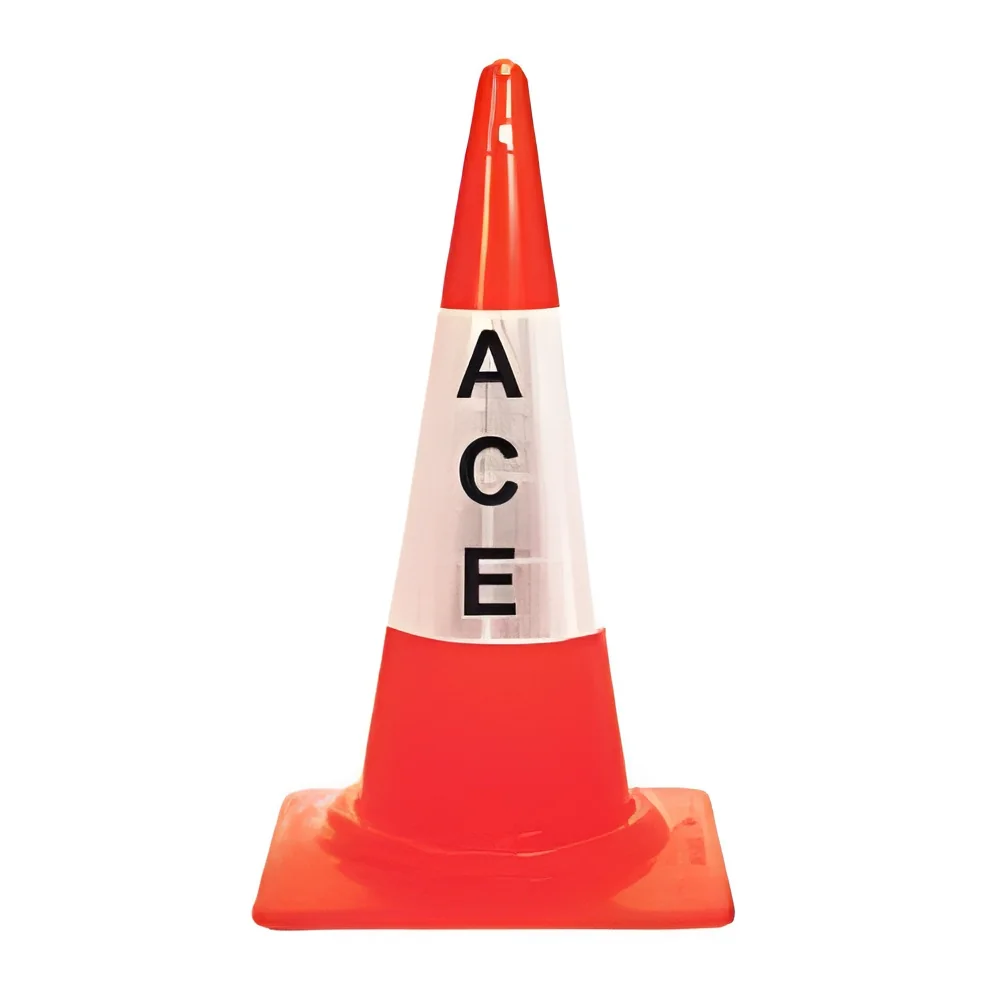
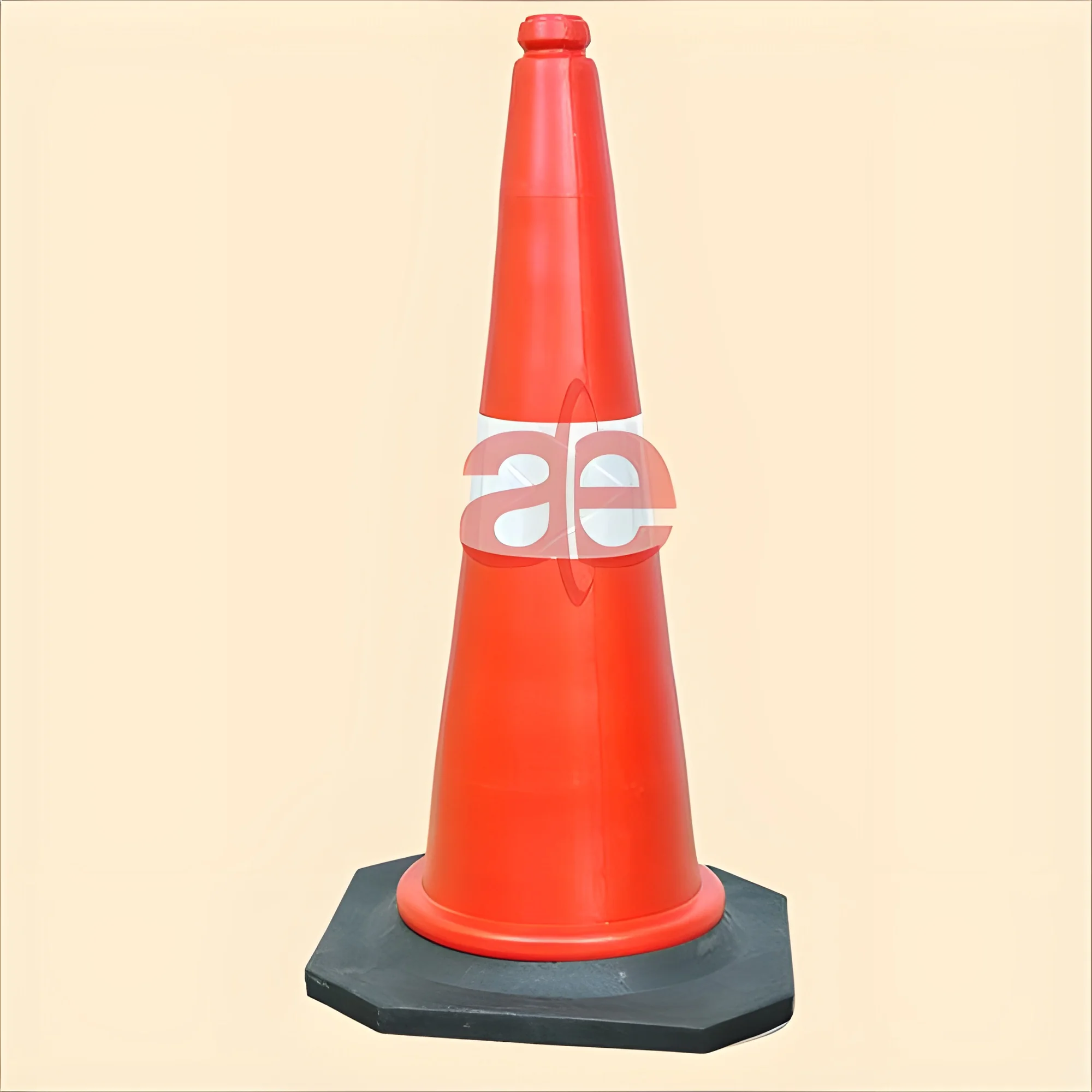
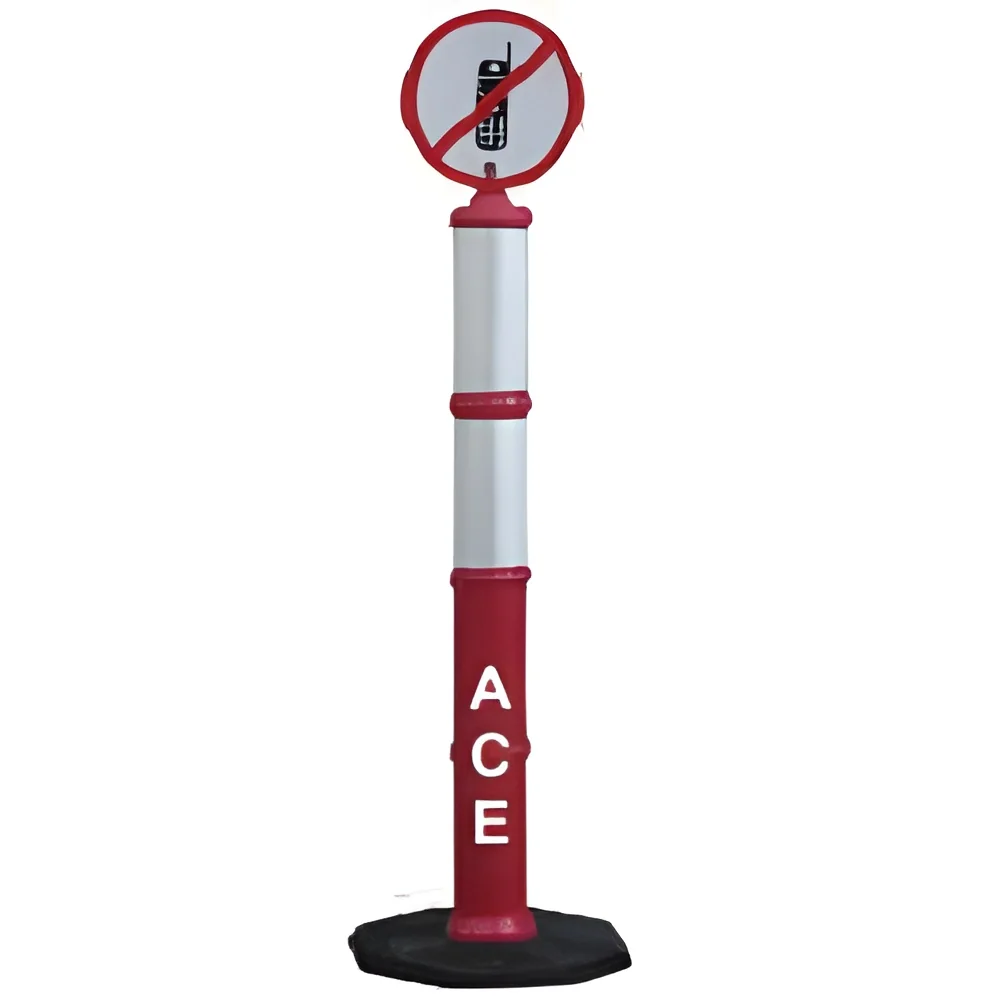
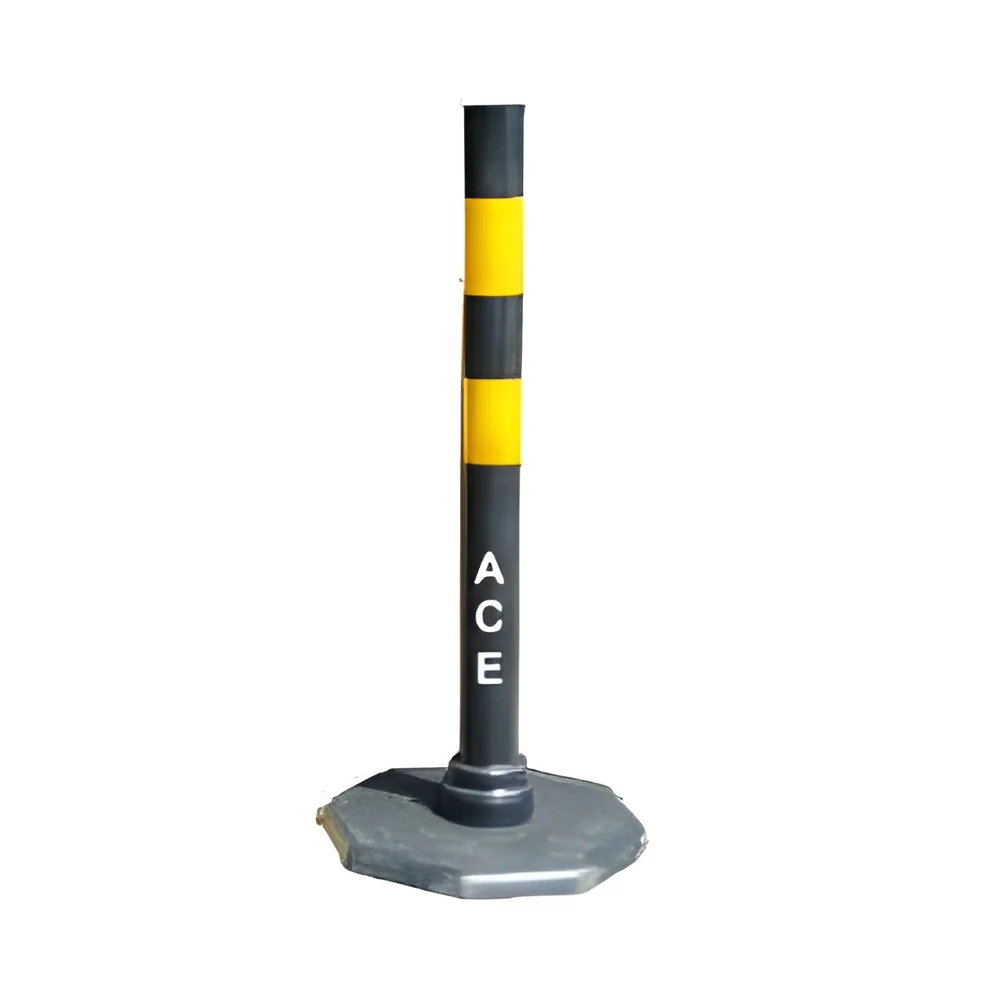
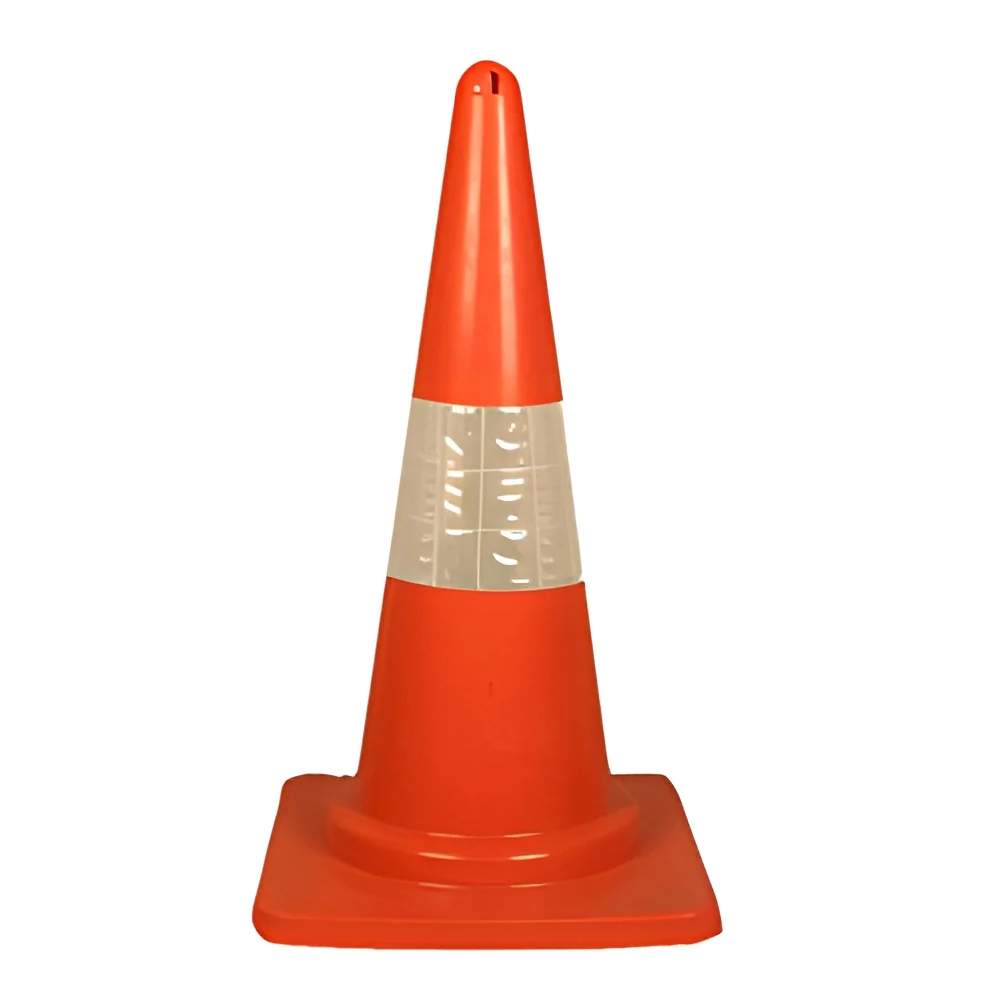
Traffic cones and delineators are essential safety devices used to manage and direct traffic in various environments. Traffic cones are typically made from durable materials and feature a conical shape, designed to stand out and be easily visible. Delineators, on the other hand, are vertical posts that provide clear visual guidance and are often used in conjunction with traffic cones to enhance roadway safety.
These products are primarily utilized in construction zones, road maintenance, and event management to control the flow of vehicles and pedestrians. Their bright colors and reflective surfaces improve visibility, especially during low-light conditions. Businesses across multiple sectors, including transportation, construction, and event planning, rely on these tools to ensure safety and compliance with traffic regulations.
The relevance of traffic cones and delineators in the market is significant, given the ongoing focus on road safety and public safety initiatives. With the rise in construction and urban development projects, the demand for effective traffic management solutions continues to grow. Companies are increasingly investing in high-quality traffic cones and delineators to safeguard their operations and enhance public safety.
Key Features and Specifications
Traffic cones and delineators come with various features and specifications that cater to different application needs. Understanding these specifications is crucial for making informed purchasing decisions.
Key specifications include:
1. Material Composition
- Typically made from PVC or rubber for durability
- Resistant to weather conditions and UV exposure
2. Height
- Standard heights range from 18 inches to 36 inches
- Variations available based on specific use cases
3. Weight
- Lightweight models available for easy portability
- Heavier options provide stability in windy conditions
4. Reflectivity
- Many cones and delineators feature reflective strips
- Enhances visibility during nighttime or low-light situations
5. Base Design
- Some cones have a wider base for increased stability
- Others may include interlocking designs for stacking
6. Color Options
- Bright orange and lime green are common choices
- Custom colors may be available for branding purposes
7. Flexibility
- Some models are designed to bend without breaking
- Ideal for high-traffic areas to reduce damage
8. Compliance Standards
- Many products meet specific safety regulations
- Compliance with industry standards like CE certification
In summary, having a clear understanding of these features and specifications can help businesses select the right traffic cones and delineators for their specific needs.
Common Applications and Use Cases
Traffic cones and delineators serve multiple industries, each with unique applications.
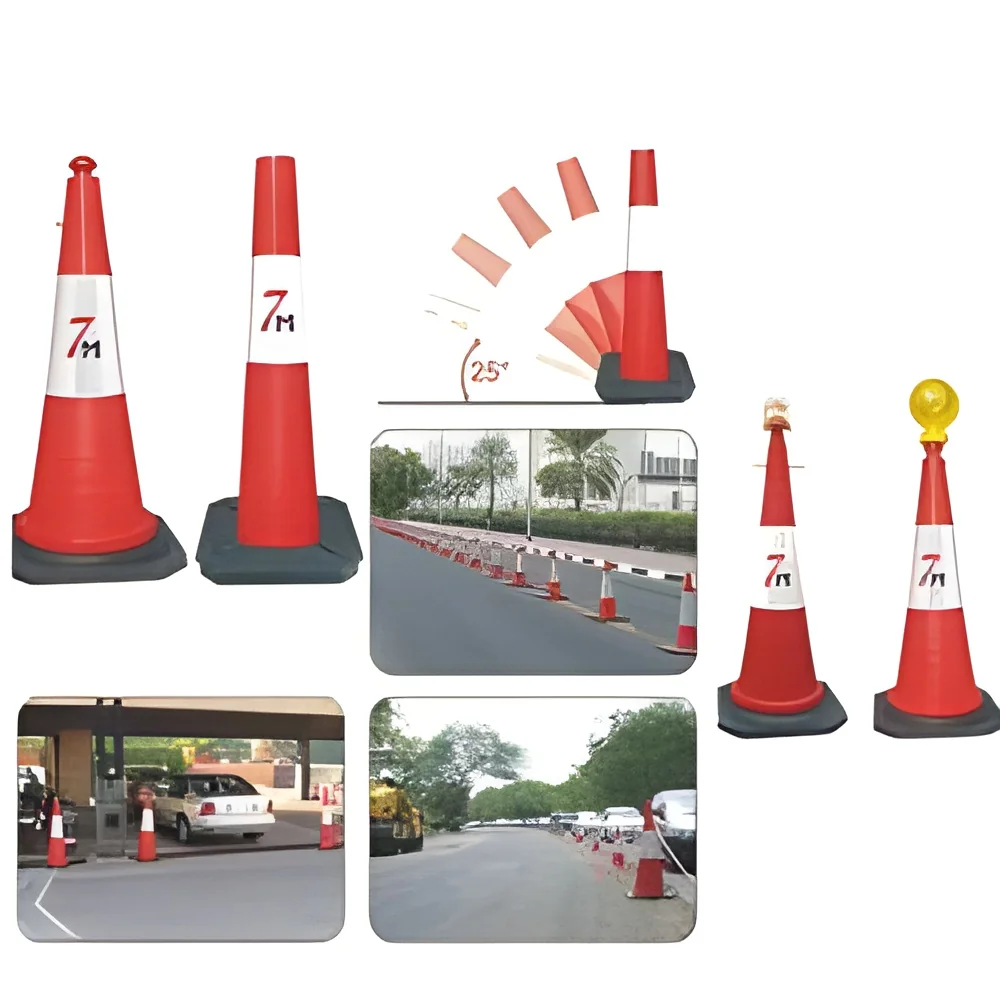
1. Construction: In construction zones, these products are vital in directing traffic away from work areas, ensuring the safety of both workers and drivers.
2. Event Management: During outdoor events, traffic cones and delineators are used to manage pedestrian traffic and guide vehicles, enhancing safety and organization.
3. Road Maintenance: Maintenance crews utilize these tools to alert drivers of roadwork, helping to minimize accidents and maintain smooth traffic flow.
4. Parking Management: In parking lots, cones help delineate spaces and direct traffic, improving efficiency and safety for all users.
5. School Zones: Traffic cones are often used in school areas to enhance safety for children during drop-off and pick-up times.
6. Emergency Services: First responders use traffic cones to establish safe perimeters around accident scenes, ensuring the safety of all involved.
7. Retail Environments: Retailers may employ delineators to guide customer flow, especially during sales or special events.
Product Variants and Subcategories
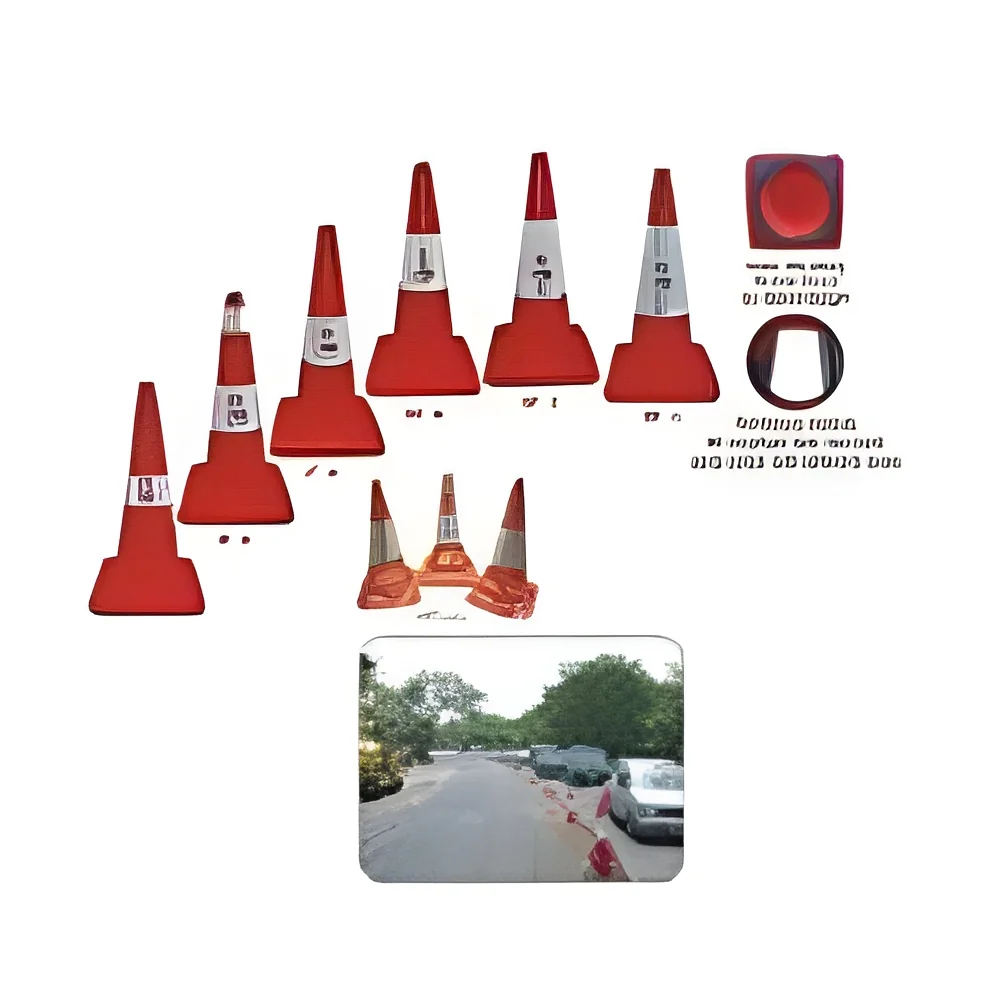
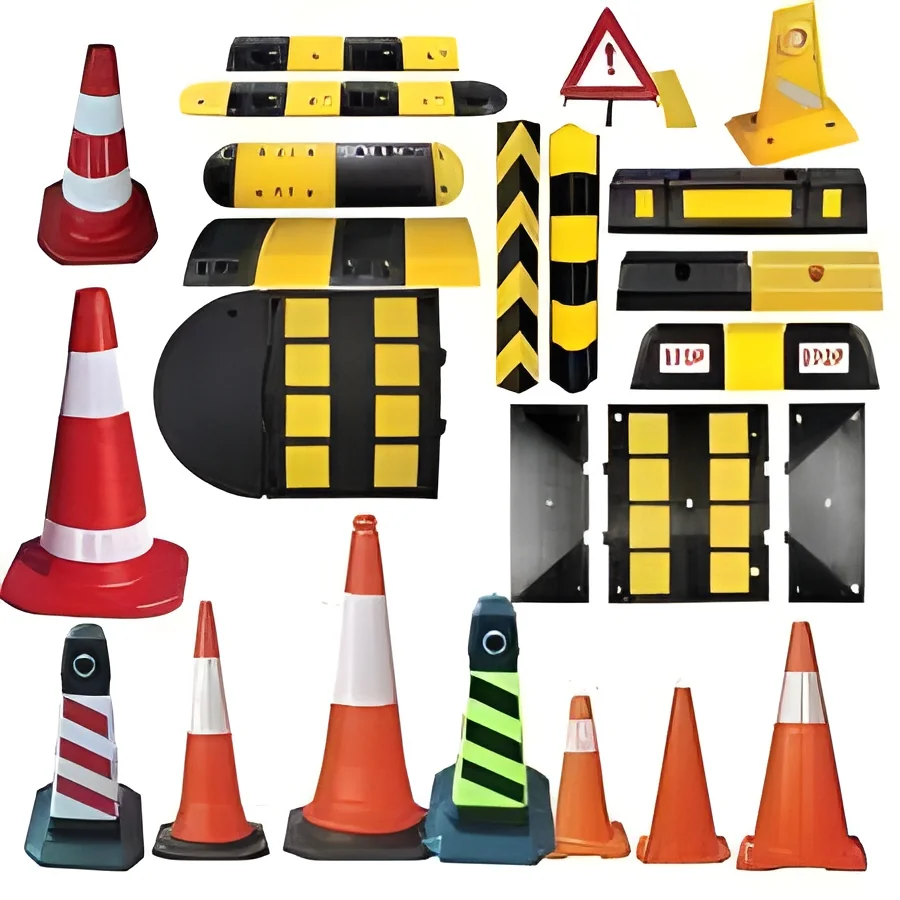
Traffic cones and delineators come in various forms to meet diverse needs.
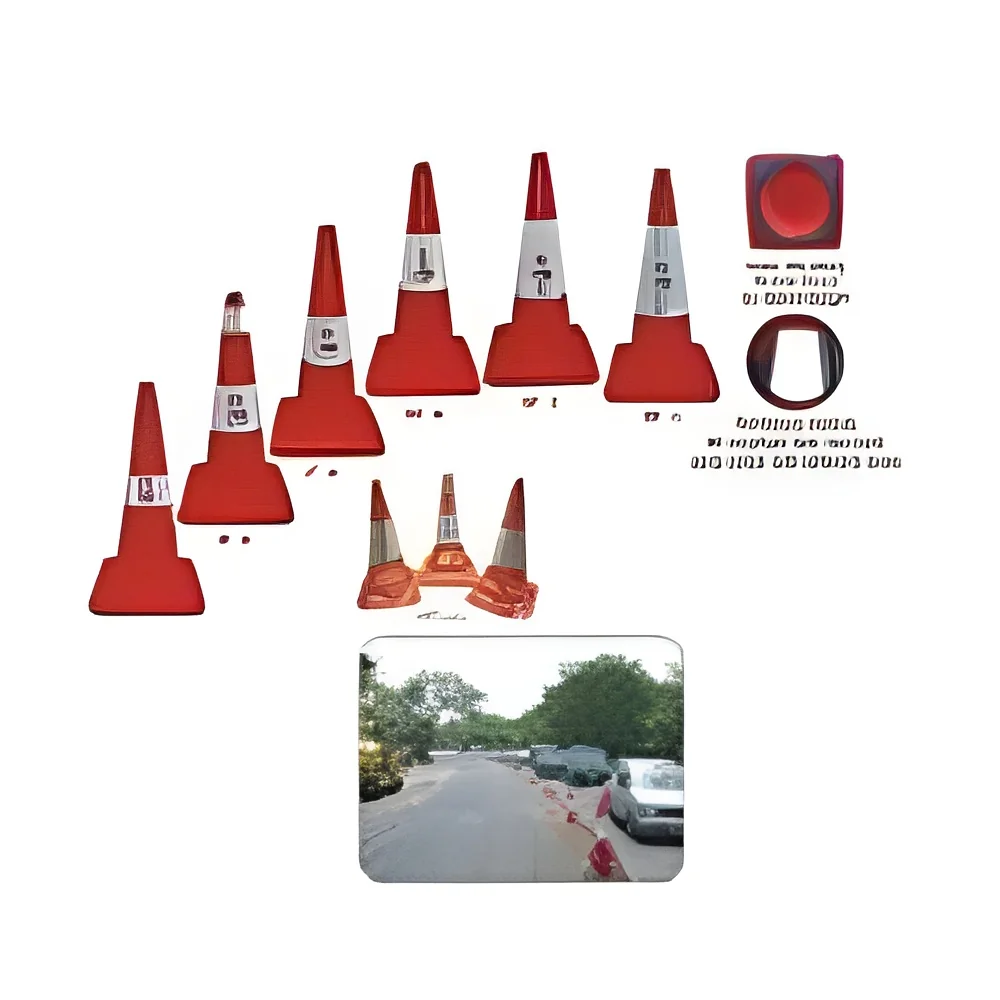
Standard Traffic Cones: These are the most commonly used cones, available in various heights and colors. They are ideal for general traffic management in construction and event settings.
Weighted Traffic Cones: Designed for windy conditions, these cones feature a heavier base to maintain stability. They are suitable for outdoor use where wind impacts visibility.
Collapsible Traffic Cones: These portable cones can be easily stored and deployed, making them perfect for temporary setups or emergency situations.
Reflective Traffic Cones: Equipped with reflective materials, these cones enhance visibility at night or in low-light conditions, making them ideal for nighttime roadwork.
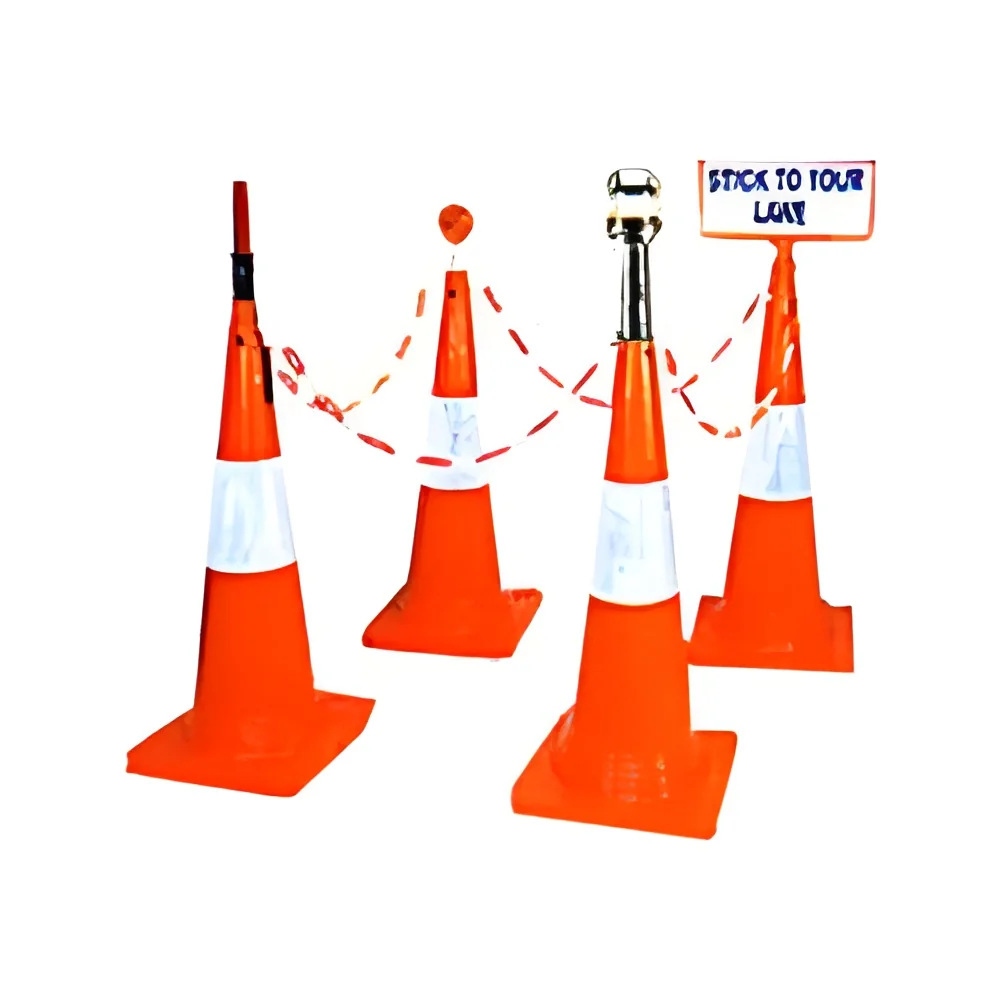
Delineators: Vertical posts that provide clear guidance on roadways, delineators come in various heights and colors, often used in tandem with cones for added safety.
Benefits and Advantages
Investing in traffic cones and delineators offers several key advantages that contribute to enhanced safety and efficiency.
1. Improved Safety: These products significantly reduce the risk of accidents by clearly marking hazards and directing traffic away from dangerous areas.
2. Versatility: Traffic cones and delineators can be used across various applications, from construction sites to event management, making them a flexible solution.
3. Cost-Effectiveness: Durable materials ensure a long lifespan, making these products a cost-effective choice for businesses looking to enhance safety without frequent replacements.
4. Enhanced Visibility: Bright colors and reflective strips ensure that cones and delineators are easily seen, even in low-light conditions, improving overall traffic management.
5. Easy to Deploy: Lightweight and portable designs allow for quick setup and takedown, enabling businesses to adapt to changing traffic conditions swiftly.
6. Compliance with Regulations: Many traffic cones and delineators meet industry standards, helping businesses comply with local safety regulations and guidelines.
Buying Guide for B2B Buyers
When sourcing traffic cones and delineators, B2B buyers should consider several critical factors to make informed purchasing decisions.
1. Quality Assessment: Evaluate the materials used in the product's construction to ensure durability and resistance to weather conditions. Look for products that meet industry standards.
2. Supplier Verification: Research potential suppliers to ensure they have a track record of reliability and quality. Check for customer reviews and industry certifications.
3. Pricing and MOQ: Understand the pricing structure and minimum order quantities required by suppliers. Ensure that the costs align with your budget and needs.
4. Delivery and Lead Times: Confirm delivery times and logistics to ensure that products arrive when needed. Consider suppliers with efficient shipping processes.
5. Compliance Requirements: Identify any regional compliance standards that may apply to your purchase. Ensure that the products you select meet these standards to avoid regulatory issues.
Compliance and Certifications
Traffic cones and delineators must adhere to various quality standards and regulations to ensure safety and reliability.
Many manufacturers comply with ISO 9001, which sets out criteria for a quality management system. This certification demonstrates a commitment to quality and continuous improvement in manufacturing processes.
Additionally, products often hold certifications such as CE, indicating compliance with European health, safety, and environmental protection standards. This certification assures buyers that the products meet essential safety requirements.
Safety and testing requirements are also crucial, as many products undergo rigorous evaluations to ensure they can withstand various environmental conditions.
Regional compliance considerations may vary, and buyers should be aware of local regulations that apply to traffic management devices. Ensuring compliance with these standards is essential for maintaining safety and legality.
Why Source Traffic Cones & Delineators from Pepagora?
Pepagora provides a trusted platform for sourcing traffic cones and delineators, offering several key advantages for B2B buyers.
Verified Supplier Network: Pepagora connects buyers with verified suppliers known for their quality products. This network ensures that buyers can trust the products they purchase.
Streamlined RFQ Process: The platform features a straightforward Request for Quotation (RFQ) process, allowing buyers to easily compare offerings from multiple suppliers. This efficiency simplifies decision-making.
Trade Assurance and Support: Pepagora offers trade assurance, providing buyers with protection against potential issues during the purchasing process. This support helps ensure that transactions are secure.
Regional Coverage: With a focus on markets in India, the GCC, and Southeast Asia, Pepagora's geographic reach ensures that buyers can find suppliers that cater to their specific regional needs. This coverage enhances accessibility and convenience for businesses across these regions.

 IN
IN