
 IN
Highway Safety Devices
4 products available
What are Highway Safety Devices?
Highway Safety Devices are essential tools designed to enhance road safety and protect both drivers and pedestrians. These devices encompass a wide range of products, such as traffic cones, barricades, road signs, and other equipment that directs and controls vehicular and pedestrian traffic. Their primary function is to provide visibility and guidance in various traffic conditions, ensuring safe navigation through construction zones, accident scenes, and other hazardous areas.
These devices are widely used in various industries, including construction, transportation, and event management. In construction, they help manage traffic flow around work sites. In transportation, they play a critical role in maintaining road safety during adverse weather conditions or accidents. The market for highway safety devices continues to grow as governments and organizations prioritize road safety initiatives, making these products increasingly relevant to public safety and urban planning.
Key Features and Specifications
Highway Safety Devices come with several key features that enhance their functionality and effectiveness. Understanding these specifications is crucial for businesses looking to invest in these safety solutions.
Key specifications include:
1. Durability
- Designed to withstand harsh weather conditions and physical impact.
- Materials often include high-density polyethylene or rubber.
2. Visibility
- High-visibility colors and reflective materials ensure devices are noticeable at any time of day.
- Many devices include LED lighting for enhanced visibility.
3. Portability
- Lightweight designs allow for easy transport and setup.
- Some devices are foldable or collapsible for convenient storage.
4. Compliance
- Must meet local and national safety regulations.
- Often certified for visibility and durability standards.
5. Customization
- Options for branding or specific signage based on user needs.
- Tailored solutions for particular traffic management scenarios.
6. Installation
- User-friendly designs that require minimal tools for setup.
- Quick deployment features for emergency situations.
7. Maintenance
- Low-maintenance materials that resist wear and tear.
- Easy cleaning to maintain visibility and effectiveness.
Highway Safety Devices are engineered for optimal performance, ensuring they meet the rigorous demands of different environments and applications.
Common Applications and Use Cases
Highway Safety Devices serve a variety of industries, each with unique applications.
1. Construction: These devices are essential for directing traffic around active construction sites, minimizing risks for workers and drivers.
2. Transportation: Used by government agencies to manage road safety during maintenance work, accidents, or road closures.
3. Event Management: Employed to control crowds and traffic flow at large events such as concerts or festivals, ensuring safety for all participants.
4. Emergency Services: First responders utilize these devices to secure accident scenes, providing clear guidance for both vehicles and pedestrians.
5. Military Operations: Highway Safety Devices are used to manage vehicle movement in and around military bases and during training exercises.
6. Public Works: Local municipalities use these devices for road repair projects and community events, ensuring public safety.
7. Logistics and Warehousing: These devices help manage traffic flow in busy loading docks and distribution centers.
Product Variants and Subcategories
Highway Safety Devices come in various forms to cater to different needs within the industry.
Traffic Cones
Traffic cones are lightweight and highly portable, designed to guide traffic safely around obstacles. They often feature reflective strips for enhanced visibility.
Barricades
Barricades are used to block off areas and direct traffic. They are sturdy and can be linked together to create a longer barrier, making them ideal for construction zones or event management.
Road Signs
Road signs provide critical information to drivers and pedestrians. They come in various forms, including warning, informational, and regulatory signs, often made with materials that enhance visibility.
Safety Vests
Safety vests are worn by workers to ensure they are visible in high-traffic areas. They are typically made from bright colors with reflective strips.
Benefits and Advantages
Investing in Highway Safety Devices offers several significant advantages to businesses and organizations.
1. Enhanced Safety: These devices significantly reduce the risk of accidents by improving visibility and guiding traffic, protecting both workers and the public.
2. Compliance with Regulations: Utilizing certified safety devices helps organizations meet legal requirements, avoiding potential fines and liabilities.
3. Cost-Effectiveness: Investing in durable and reusable safety devices reduces the need for frequent replacements, providing long-term savings.
4. Increased Efficiency: Properly managed traffic flow reduces delays and improves overall efficiency in construction and event scenarios.
5. Customization Options: Many devices can be tailored to meet specific needs, offering a personalized approach to safety management.
6. Easy Deployment: Most Highway Safety Devices are designed for quick and easy setup, making them ideal for emergency situations or temporary use.
Buying Guide for B2B Buyers
When sourcing Highway Safety Devices, it is essential for businesses to consider several factors to ensure they make informed purchasing decisions.
1. Quality Assessment: Look for devices that meet recognized quality standards and are made from durable materials. Evaluate product reviews and supplier ratings to ensure quality.
2. Supplier Verification: Vet potential suppliers by checking their credentials, certifications, and customer feedback. A reliable supplier should have a proven track record in the industry.
3. Pricing and MOQ: Understand the pricing structure and minimum order quantities (MOQ) required by suppliers. Compare prices and ensure you are getting value for your investment.
4. Delivery and Lead Times: Inquire about logistics, including delivery times and the ability to meet urgent requests. Ensure the supplier can accommodate your project timelines.
5. Compliance Requirements: Verify that the devices meet local and national safety regulations. This may include certifications such as CE, ensuring compliance with industry standards.
Compliance and Certifications
Highway Safety Devices must adhere to various quality standards and regulatory requirements to ensure their effectiveness and safety.
Relevant quality standards include ISO 9001, which outlines criteria for a quality management system, ensuring that products meet customer and regulatory requirements consistently. Additionally, HACCP and GDP standards may apply depending on specific industry needs.
Industry certifications like CE signify that the products comply with European safety standards, ensuring reliability and safety in use.
Safety and testing requirements are crucial for Highway Safety Devices, mandating rigorous testing to confirm durability, visibility, and performance under different conditions.
Regional compliance considerations can vary, so it is essential to understand local regulations governing the use of safety devices. This ensures that businesses remain compliant, avoiding legal issues and enhancing overall safety.
Why Source Highway Safety Devices from Pepagora?
Pepagora provides a trusted platform for sourcing Highway Safety Devices, offering several key advantages to B2B buyers.
Verified Supplier Network: Pepagora features a network of verified suppliers, ensuring that buyers can source high-quality products with confidence. Each supplier undergoes a thorough vetting process to confirm their reliability and credibility.
Streamlined RFQ Process: The quotation system at Pepagora simplifies the procurement process, allowing buyers to submit requests for quotes easily and receive competitive pricing from multiple suppliers. This efficiency saves time and effort in sourcing.
Trade Assurance and Support: Pepagora offers trade assurance, protecting buyers’ investments by ensuring that products meet specified quality standards. Additionally, customer support is available to assist buyers throughout the purchasing process.
Regional Coverage: With a focus on markets in India, GCC, and Southeast Asia, Pepagora provides extensive geographic reach. This allows businesses to access a wide variety of Highway Safety Devices tailored to their specific regional needs.


Frequently Asked Questions
What are Highway Safety Devices?
Highway Safety Devices are tools and equipment designed to enhance safety on roads and highways. These devices help prevent accidents, manage traffic flow, and protect both motorists and pedestrians.
What are the different types of Highway Safety Devices?
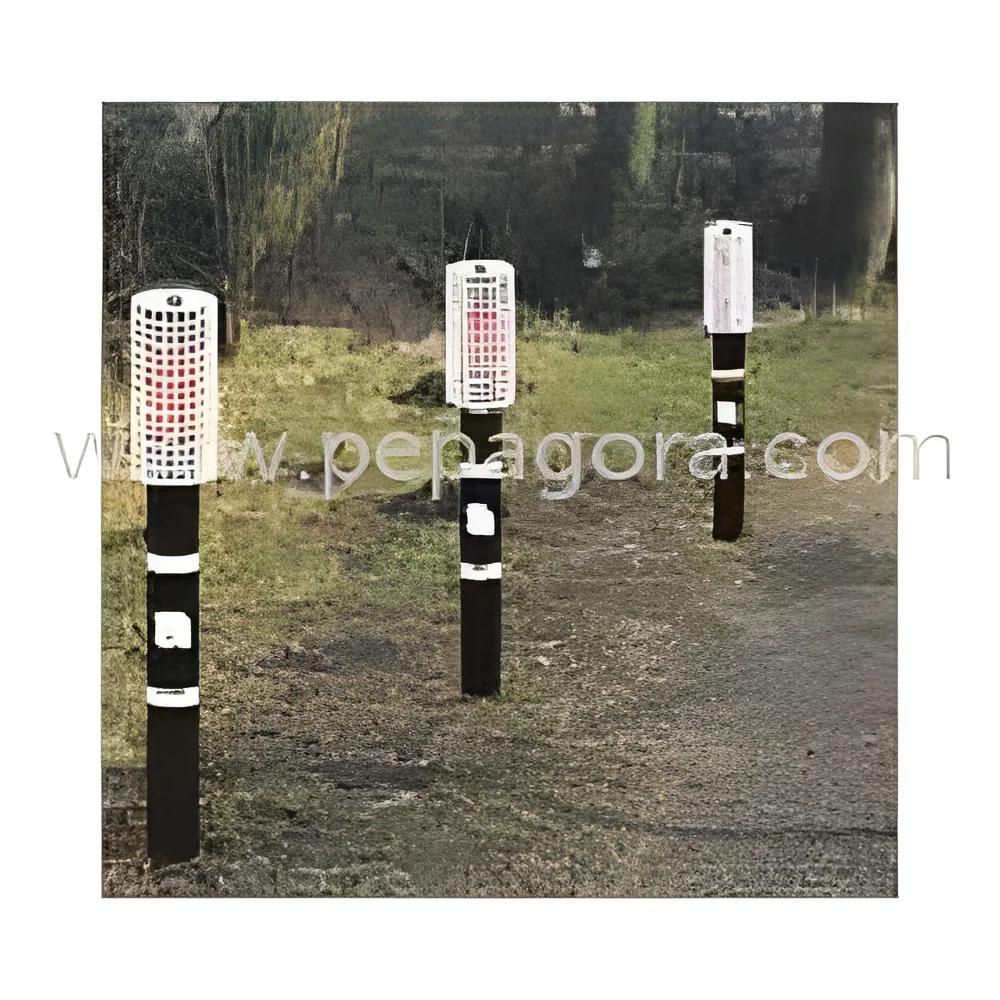
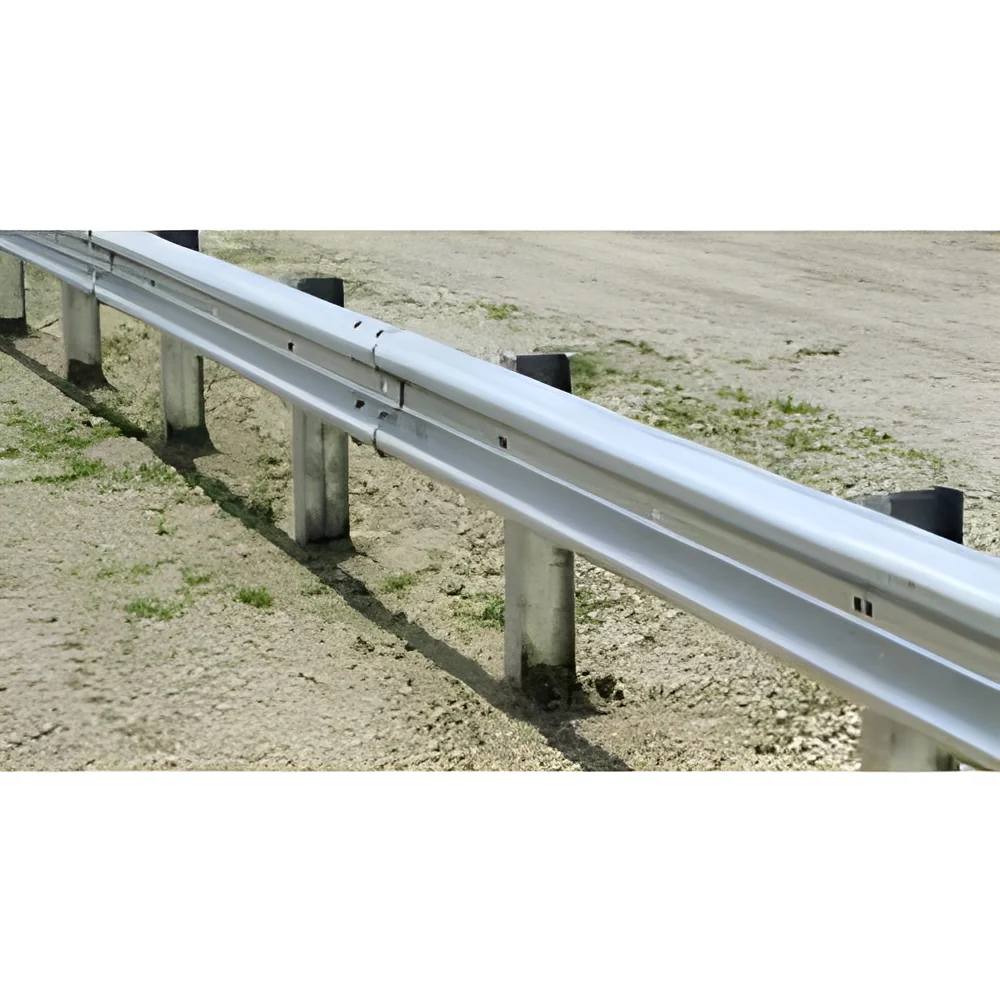
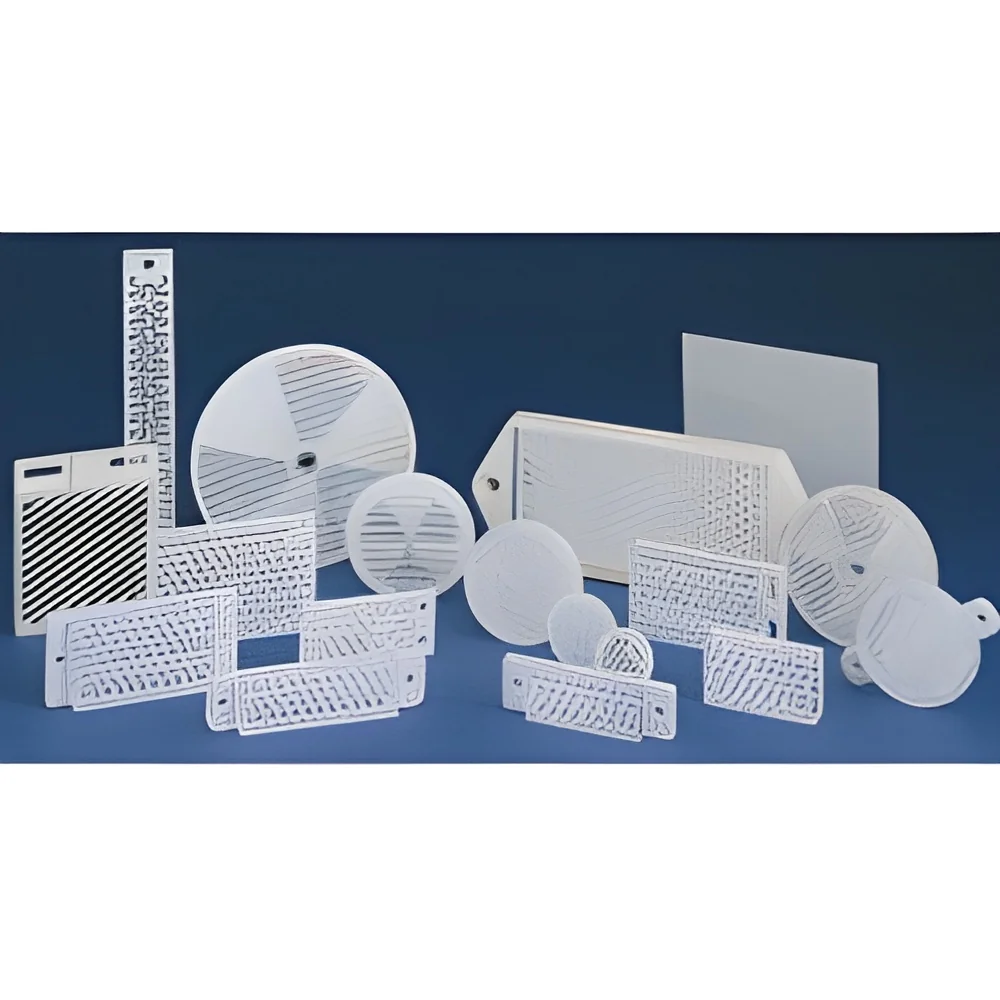
There are various types of Highway Safety Devices, including traffic cones, barricades, road signs, speed bumps, and reflective markers. Each type serves a specific purpose in maintaining road safety and managing traffic.
How do I choose the right Highway Safety Devices?
To choose the right Highway Safety Devices, consider factors such as the specific safety needs of the location, compliance with local regulations, and the duration of use. Additionally, assess the visibility, durability, and effectiveness of the devices.
What are the standard specifications for Highway Safety Devices?
Standard specifications for Highway Safety Devices generally include visibility requirements, material durability, and resistance to weather conditions. Compliance with national and international safety standards is also crucial.
What is the price range for Highway Safety Devices?
The price range for Highway Safety Devices can vary widely based on type, material, and manufacturer. Generally, prices may start from a few hundred rupees for basic devices and can go up to several thousand for advanced systems.
What quality standards apply to Highway Safety Devices?
Highway Safety Devices must adhere to quality standards set by regulatory bodies, such as the Bureau of Indian Standards (BIS). These standards ensure that devices are reliable, effective, and safe for public use.
Where can I find Highway Safety Devices suppliers in India?
You can find Highway Safety Devices suppliers in India through online B2B marketplaces like Pepagora, industry trade shows, and local directories. It is advisable to compare suppliers based on their product range and customer reviews.
Can Highway Safety Devices be customized?
Yes, many manufacturers offer customization options for Highway Safety Devices based on specific requirements. Customization can include size, color, and branding to suit particular safety needs.
What is the typical minimum order quantity for Highway Safety Devices?
The typical minimum order quantity (MOQ) for Highway Safety Devices can vary by supplier and product type. Generally, it can range from 10 to 100 units, depending on the device and manufacturer.
What is the typical lead time for Highway Safety Devices?
The typical lead time for Highway Safety Devices varies based on the supplier and order size. Generally, lead times can range from a few days to several weeks, especially for customized orders.
Why Businesses Trust Pepagora
Thousands of companies trust Pepagora to source smarter and sell faster
Expand Your Sales Globally

Source Smarter,Grow Faster
