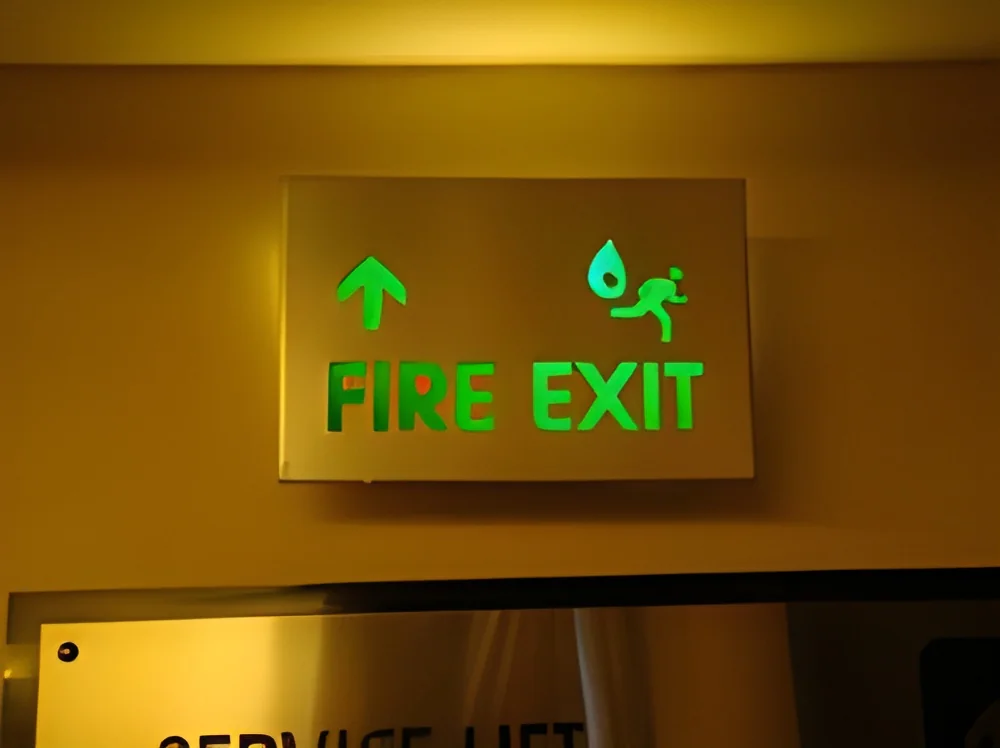
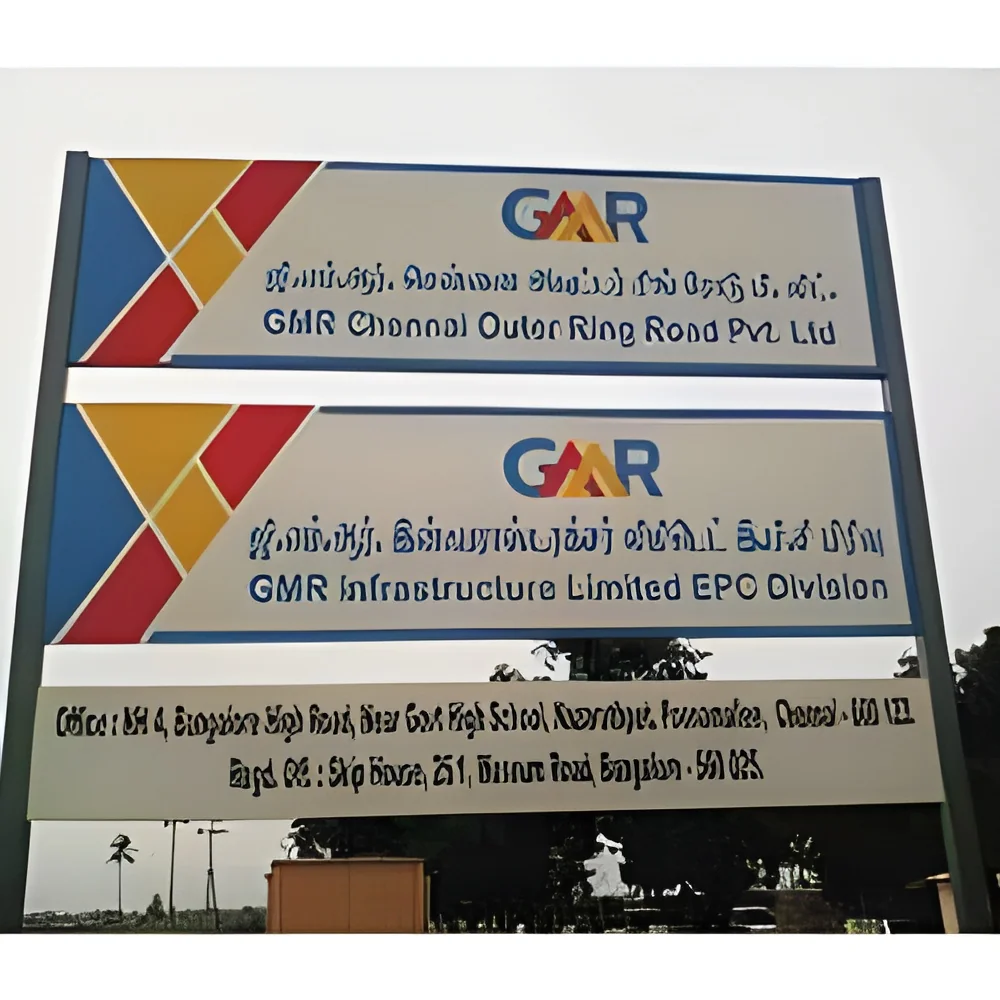
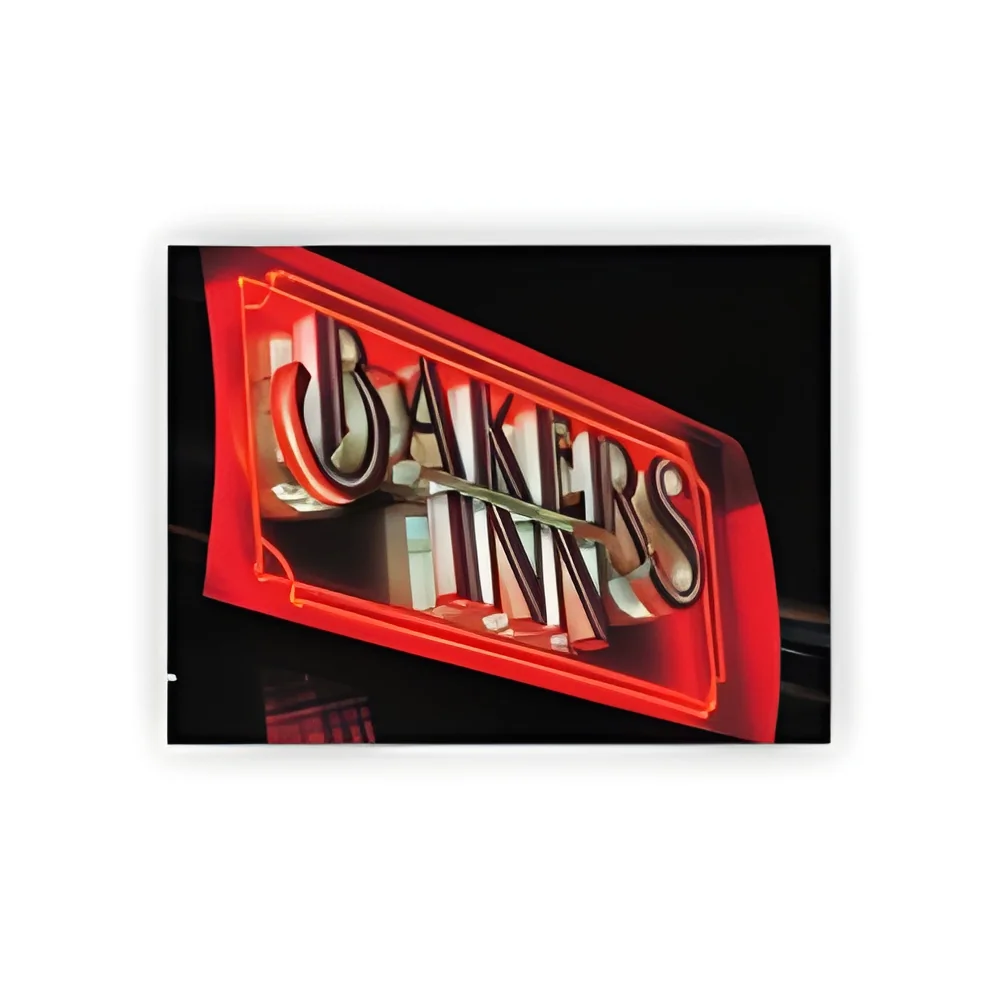
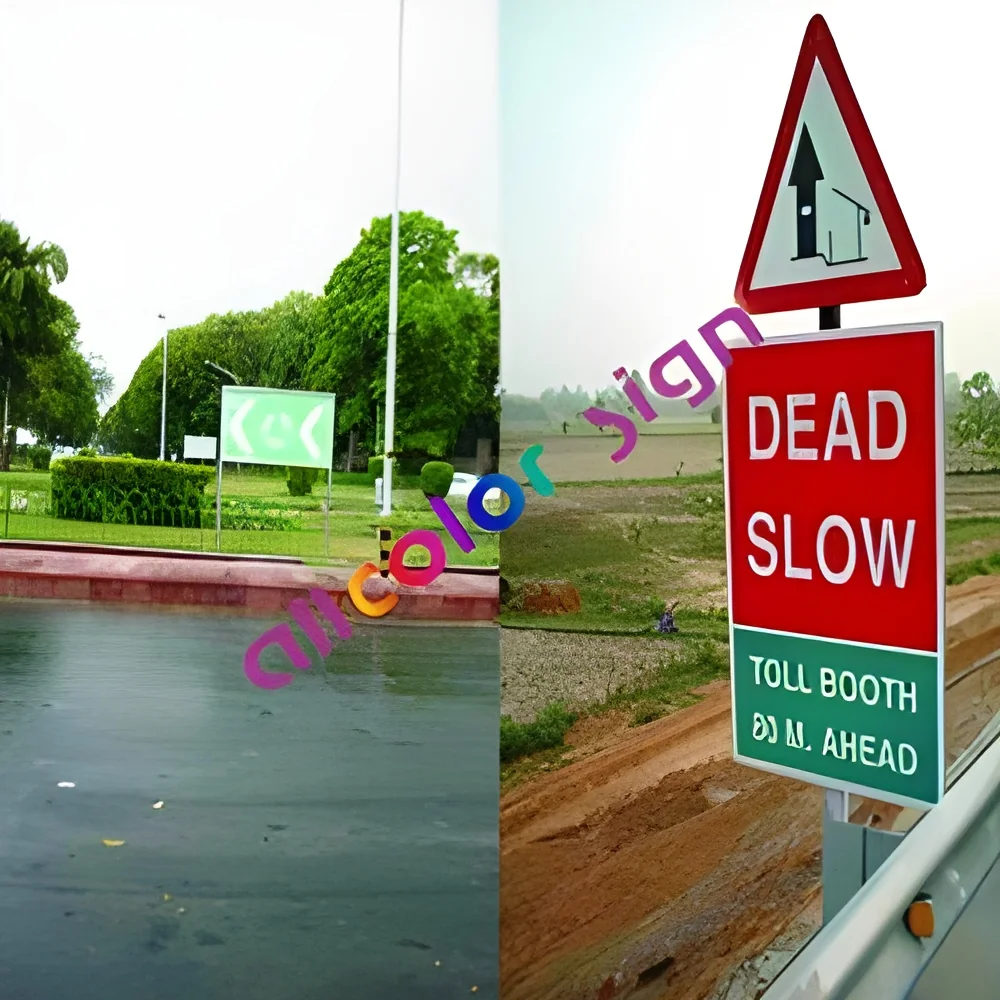
What are Traffic Warning Signs?
Traffic warning signs are essential safety devices used to alert drivers and pedestrians to potential hazards on the road. These signs play a crucial role in traffic management by providing clear and visible information about upcoming dangers, road conditions, or changes in traffic patterns. Typically made from durable materials, traffic warning signs are designed to withstand various weather conditions while remaining highly visible to ensure maximum safety.
In business applications, traffic warning signs are widely used in construction zones, road maintenance, and areas with heavy pedestrian traffic. They help prevent accidents and enhance safety for both workers and the public. Various industries, including transportation, construction, and municipal services, rely on these signs to communicate safety information effectively. As urbanization increases and road networks expand, the demand for quality traffic warning signs continues to grow.
Key Features and Specifications
Traffic warning signs come with a variety of features and specifications tailored to meet safety standards and operational needs. Understanding these specifications is crucial for selecting the right signs for specific applications.
Key specifications include:
1. Material Composition
- Signs are typically made from high-grade aluminum, plastic, or reflective sheeting.
- Ensures durability and resistance to weather elements.
2. Reflectivity
- Available in high, medium, and low reflectivity options.
- Enhances visibility during night time or low-light conditions.
3. Size Options
- Common sizes include 24x24 inches, 30x30 inches, and custom sizes.
- Allows for adaptability depending on traffic conditions.
4. Mounting Options
- Can be mounted on poles, walls, or portable bases.
- Flexibility in installation based on location and requirements.
5. Color Standards
- Adheres to standardized color codes for warning signs (e.g., yellow for caution).
- Ensures immediate recognition by drivers.
6. Design Compliance
- Follows local and national traffic sign regulations (e.g., MUTCD in the U.S.).
- Guarantees legality and effectiveness in communication.
7. Durability Rating
- Rated for longevity, typically between 5 to 10 years based on materials used.
- Ensures ongoing visibility and effectiveness over time.
8. Customization Options
- Signs can be customized with logos or specific messages.
- Enhances brand visibility while maintaining safety communication.
In summary, selecting traffic warning signs involves understanding their key features and specifications to ensure they meet safety requirements and provide effective communication.
Common Applications and Use Cases
Traffic warning signs are utilized across various industries to enhance safety and prevent accidents.
1. Construction: In construction zones, these signs alert drivers to slow down and navigate safely around workers and equipment, ensuring a secure environment.
2. Transportation: Transportation agencies use warning signs on highways to indicate conditions like sharp turns, roadwork, or potential hazards, helping maintain safe driving conditions.
3. Municipal Services: Local governments employ traffic warning signs in urban areas where pedestrian traffic is high, directing foot traffic and ensuring safety near schools and parks.
4. Events: Temporary warning signs are utilized during events to manage traffic flow and ensure the safety of attendees.
5. Warehousing: In warehouses, these signs guide vehicle operators and pedestrians safely through busy loading and unloading zones.
6. Emergency Services: Emergency responders use these signs to indicate road closures or hazards during incidents, allowing for safer navigation for both responders and civilians.
7. Public Transport: Buses and transit agencies utilize warning signs at stops to inform passengers of potential hazards or changes in service.
Product Variants and Subcategories
Traffic warning signs come in a variety of forms to suit different needs and environments.
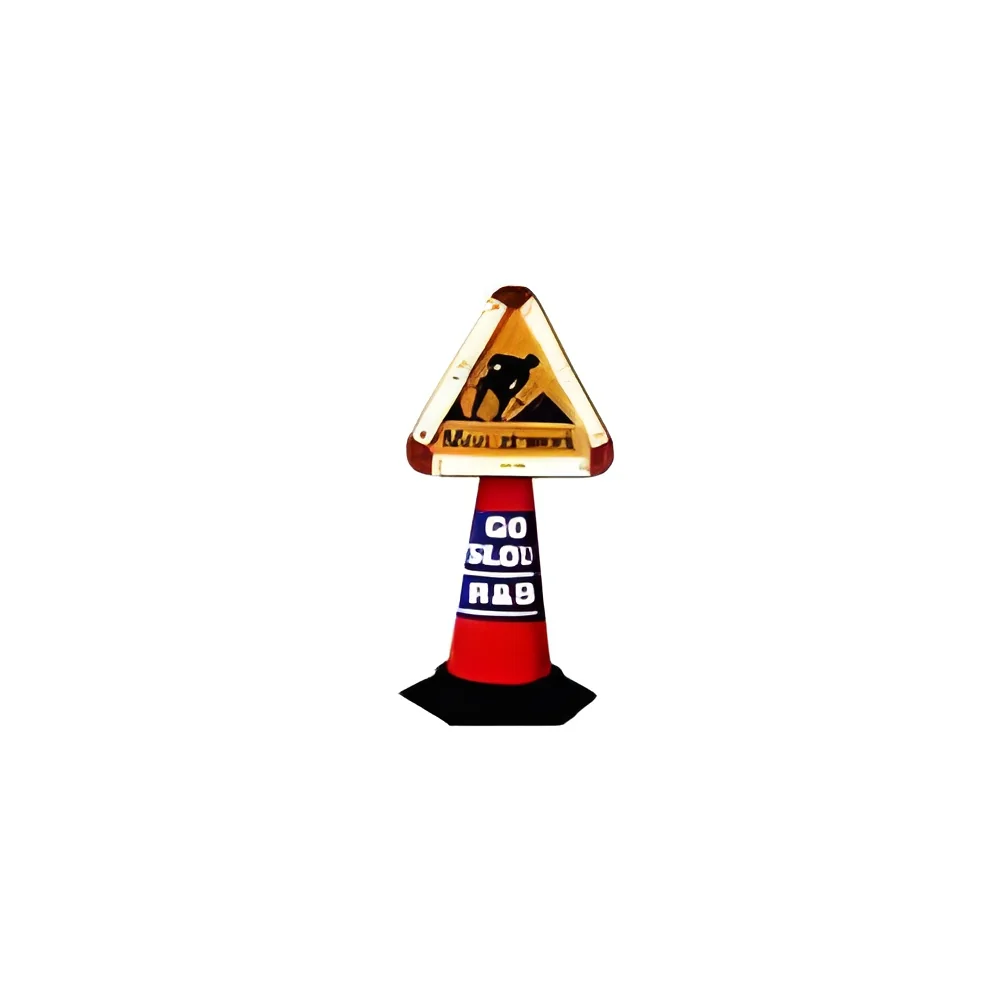
Portable Traffic Warning Signs: These signs are designed for temporary use in construction or event settings. They are lightweight and easy to set up, providing essential warnings without permanent installation.
Reflective Traffic Signs: Made with high-intensity reflective materials, these signs ensure visibility at night or in low-light conditions. They are ideal for roadways and high-traffic areas.
Electronic Traffic Warning Signs: Equipped with LED lights or digital displays, these signs can provide real-time information to drivers. They are useful in dynamic environments where conditions change frequently.
Custom Traffic Signs: Businesses can order custom signs tailored to their specific needs, including unique messages or branding. This option allows for enhanced communication in various settings.
Benefits and Advantages
Traffic warning signs offer numerous benefits that contribute to overall safety and efficiency.
1. Enhanced Safety: These signs provide clear warnings, reducing the likelihood of accidents and injuries on the road.
2. Compliance with Regulations: Utilizing standardized signs ensures adherence to local and national regulations, avoiding potential fines.
3. Increased Visibility: High-quality materials and reflective options improve visibility in various weather conditions and at night.
4. Cost-Effectiveness: Investing in durable traffic warning signs can reduce long-term costs associated with accidents and liability claims.
5. Customization for Specific Needs: Tailored signs allow businesses to communicate unique messages or branding while maintaining safety.
6. Quick Installation: Many traffic warning signs are designed for easy installation, allowing for rapid deployment in emergency situations or temporary applications.
Buying Guide for B2B Buyers
When sourcing traffic warning signs, buyers should consider several key factors to ensure they make informed decisions.
1. Quality Assessment: Evaluate the materials and construction of the signs to ensure they meet safety standards and are built to last under various conditions.
2. Supplier Verification: Research suppliers to confirm their reliability and reputation in the industry. Look for reviews, certifications, and past projects.
3. Pricing and MOQ: Understand the price range for traffic warning signs and inquire about minimum order quantities to align with budget constraints.
4. Delivery and Lead Times: Discuss logistics with suppliers, including shipping options and estimated delivery times to ensure timely arrival.
5. Compliance Requirements: Verify that the signs conform to local and national traffic regulations to avoid legal issues and ensure effectiveness.
Compliance and Certifications
Traffic warning signs must adhere to various quality standards and certifications to ensure safety and regulatory compliance.
ISO 9001 is a notable quality management standard that applies to the manufacturing of traffic warning signs. This certification ensures that suppliers maintain consistent quality in their production processes.
Additionally, compliance with the CE marking indicates that a product meets EU safety, health, and environmental protection standards. This is crucial for businesses operating in or exporting to European markets.
Safety and testing requirements for traffic warning signs involve rigorous assessments to guarantee durability and visibility under different conditions. Manufacturers must conduct tests that simulate exposure to weather elements, wear, and visual recognition.
Regional compliance considerations may vary depending on local regulations. Buyers should familiarize themselves with specific requirements in their area to ensure that the signs they purchase will be legally compliant and effective.
Why Source Traffic Warning Signs from Pepagora?
Pepagora provides a trusted platform for sourcing traffic warning signs, offering a range of advantages to B2B buyers.
Verified Supplier Network: Pepagora features a network of verified suppliers who have undergone thorough vetting. This ensures that buyers can trust the quality and reliability of the products they source.
Streamlined RFQ Process: The request for quotation (RFQ) process on Pepagora is designed to be efficient, allowing buyers to quickly compare offers from multiple suppliers. This facilitates informed decision-making and competitive pricing.
Trade Assurance and Support: Buyers benefit from trade assurance programs that protect their transactions. Support services are also available to assist with any inquiries or issues that may arise during the purchasing process.
Regional Coverage: Pepagora has a wide geographic reach, serving buyers across India, the Gulf Cooperation Council (GCC), and Southeast Asia. This extensive coverage ensures that businesses can find the products they need within their region.

 IN
IN