What are Safety Barriers & Bollards?
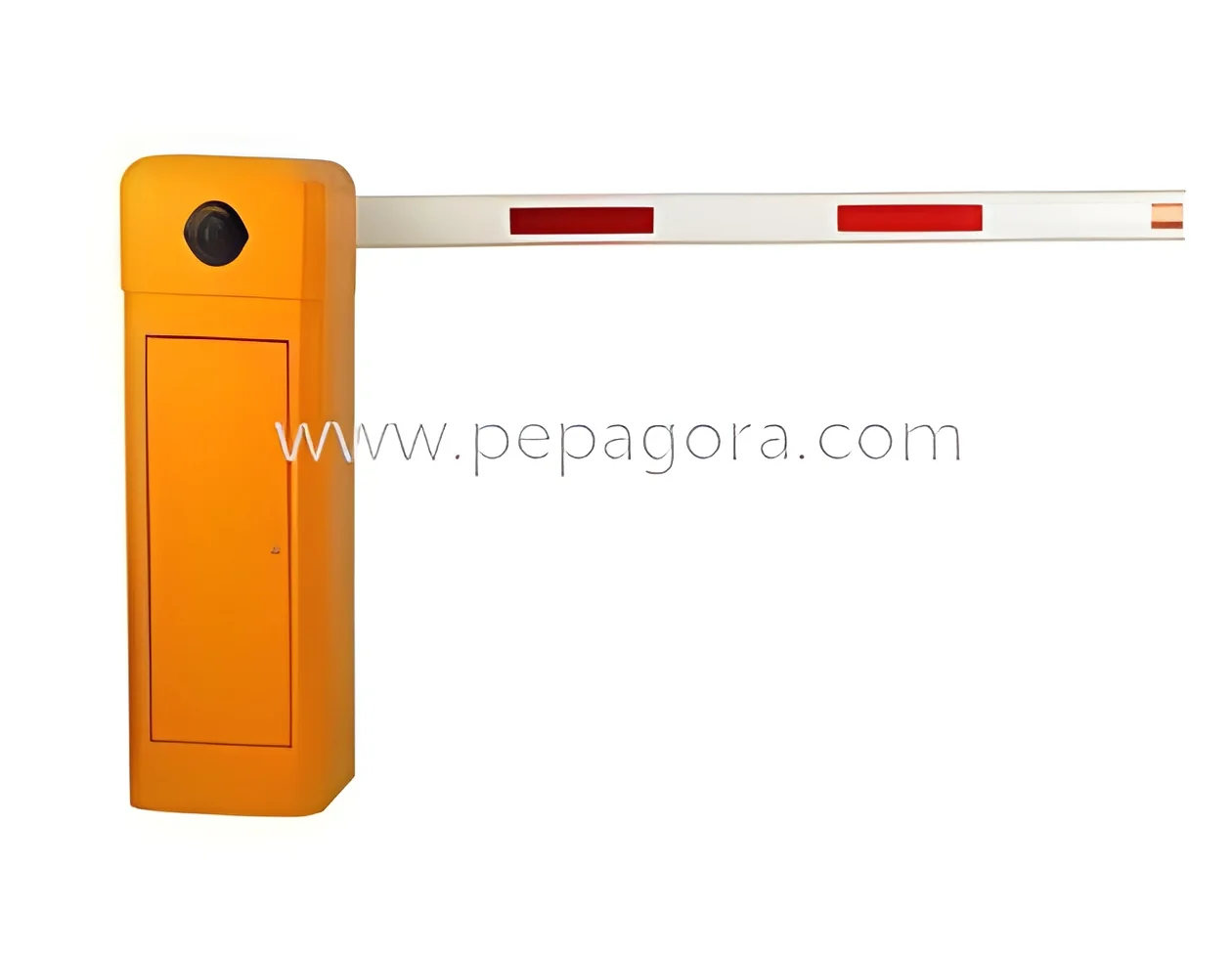
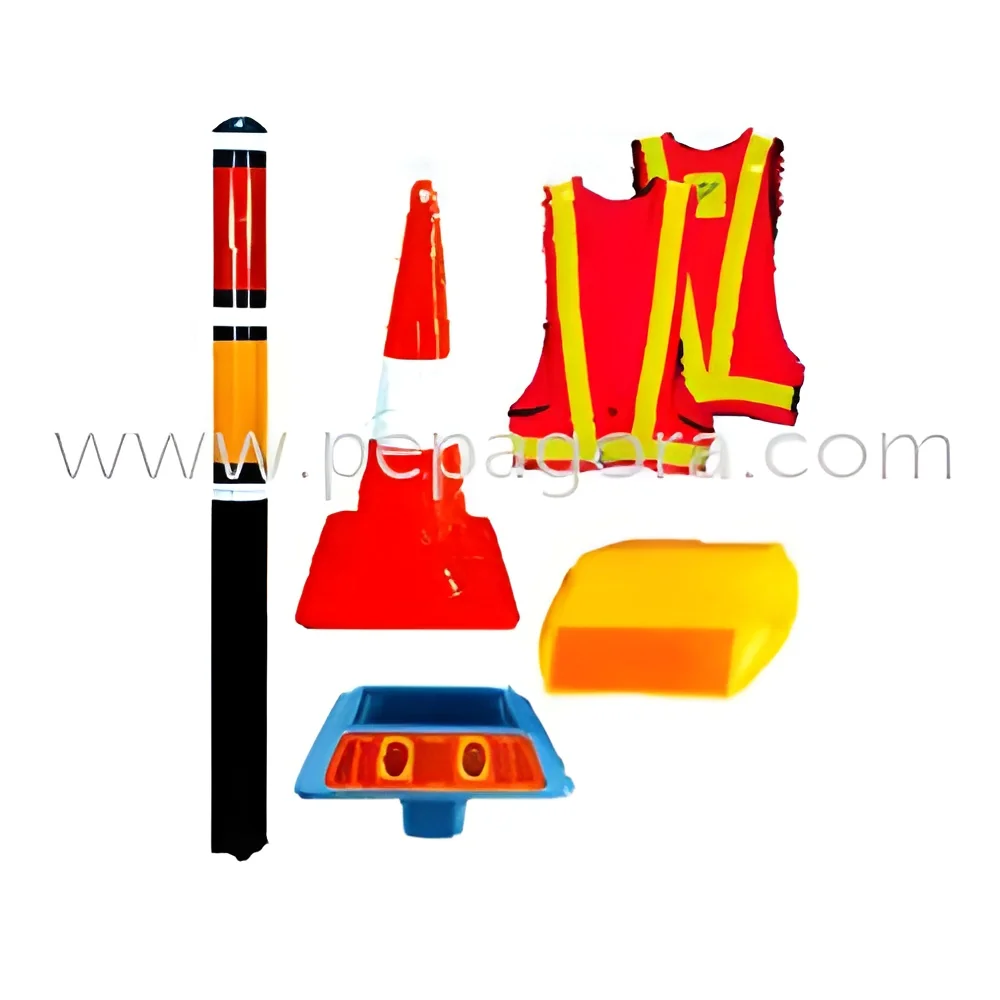
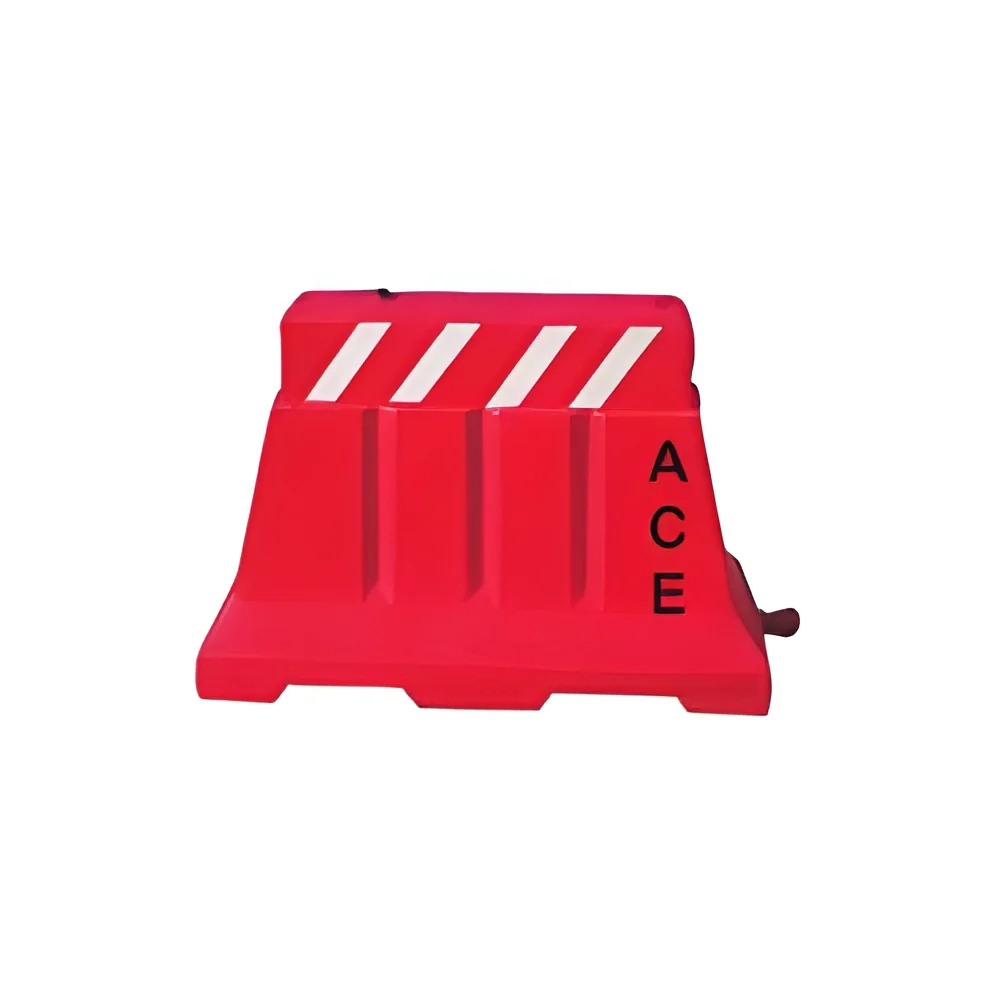
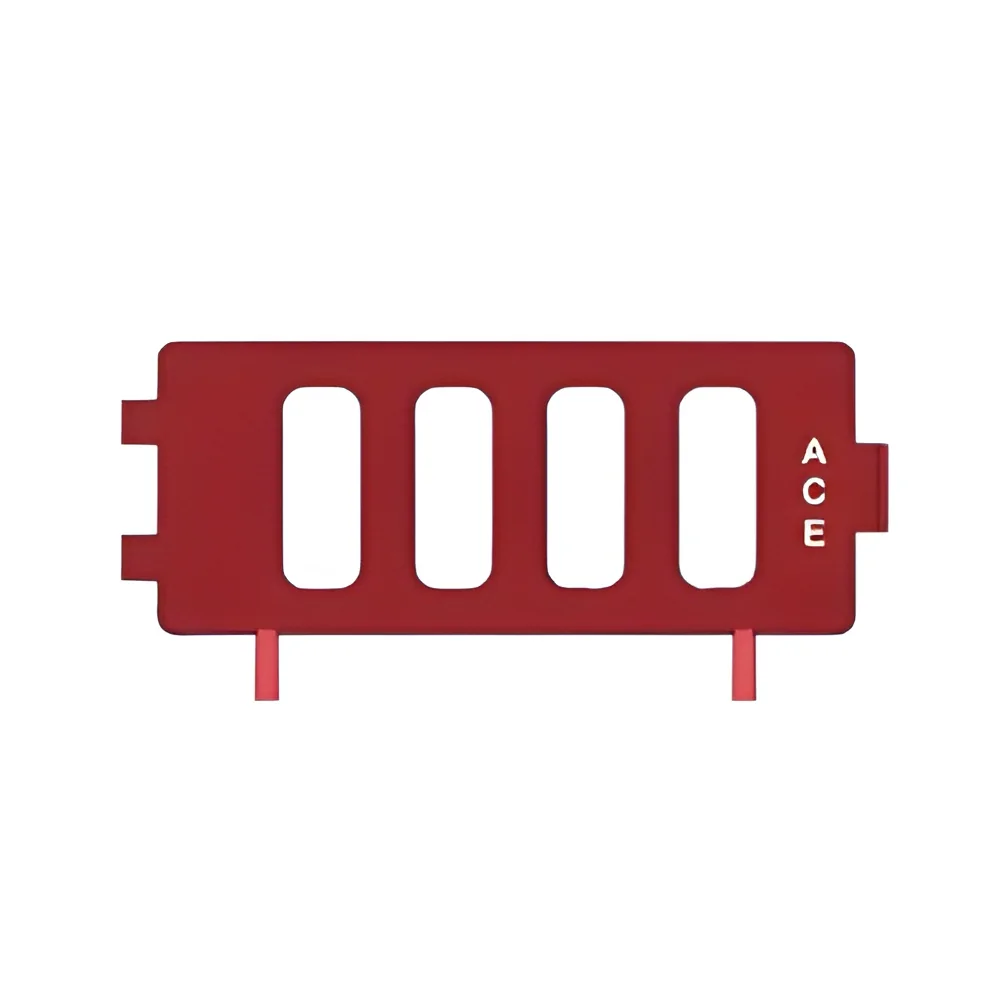
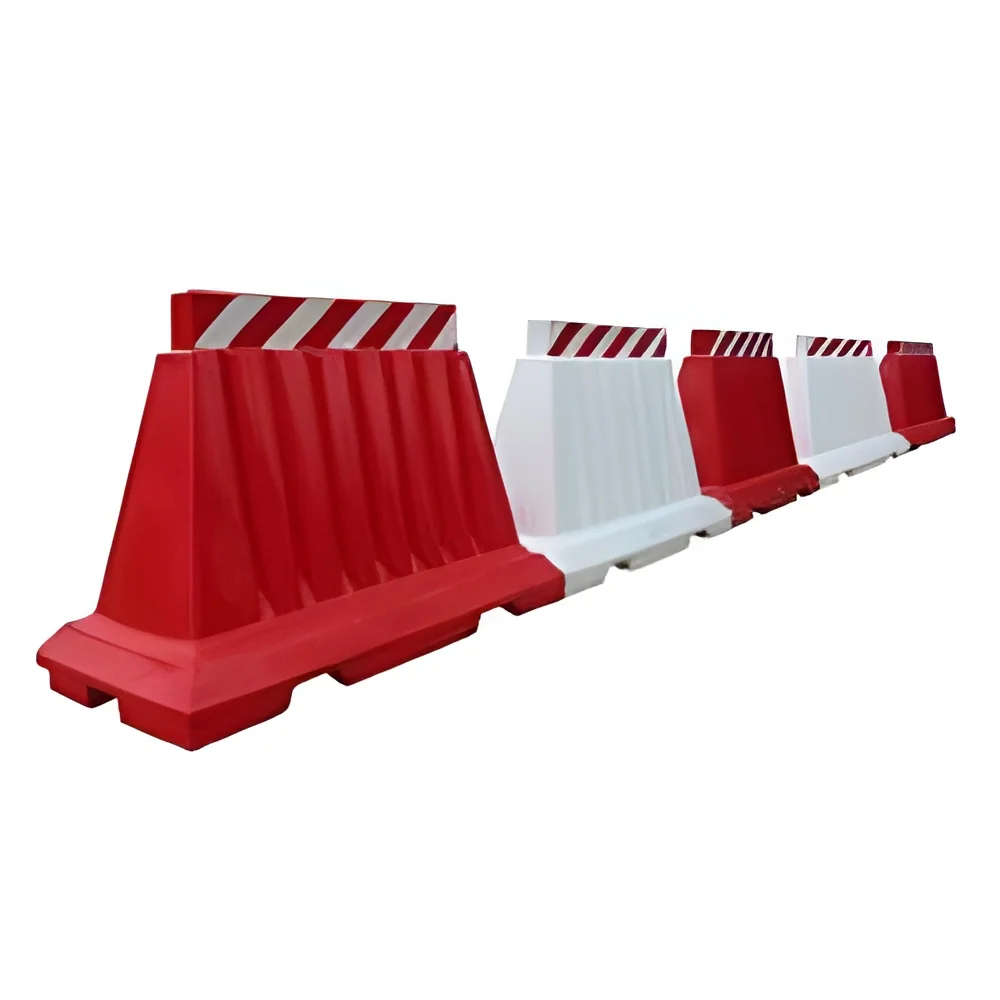
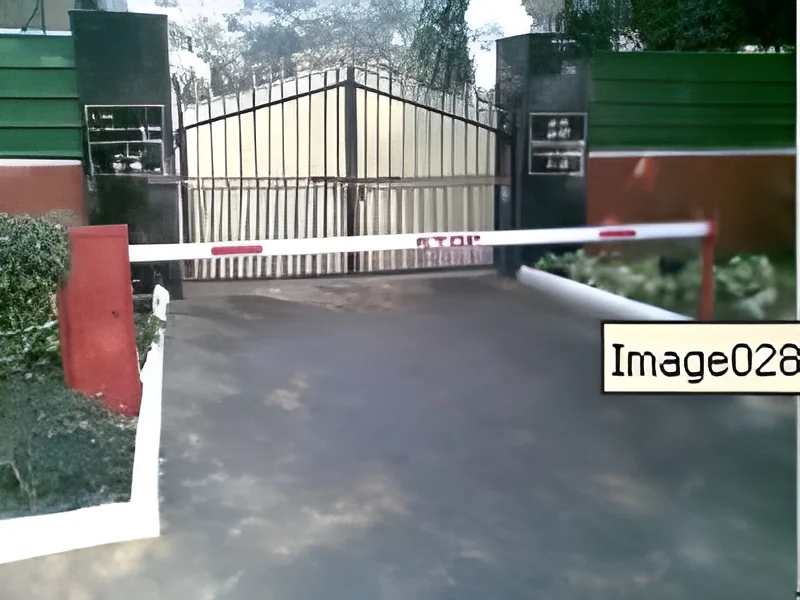
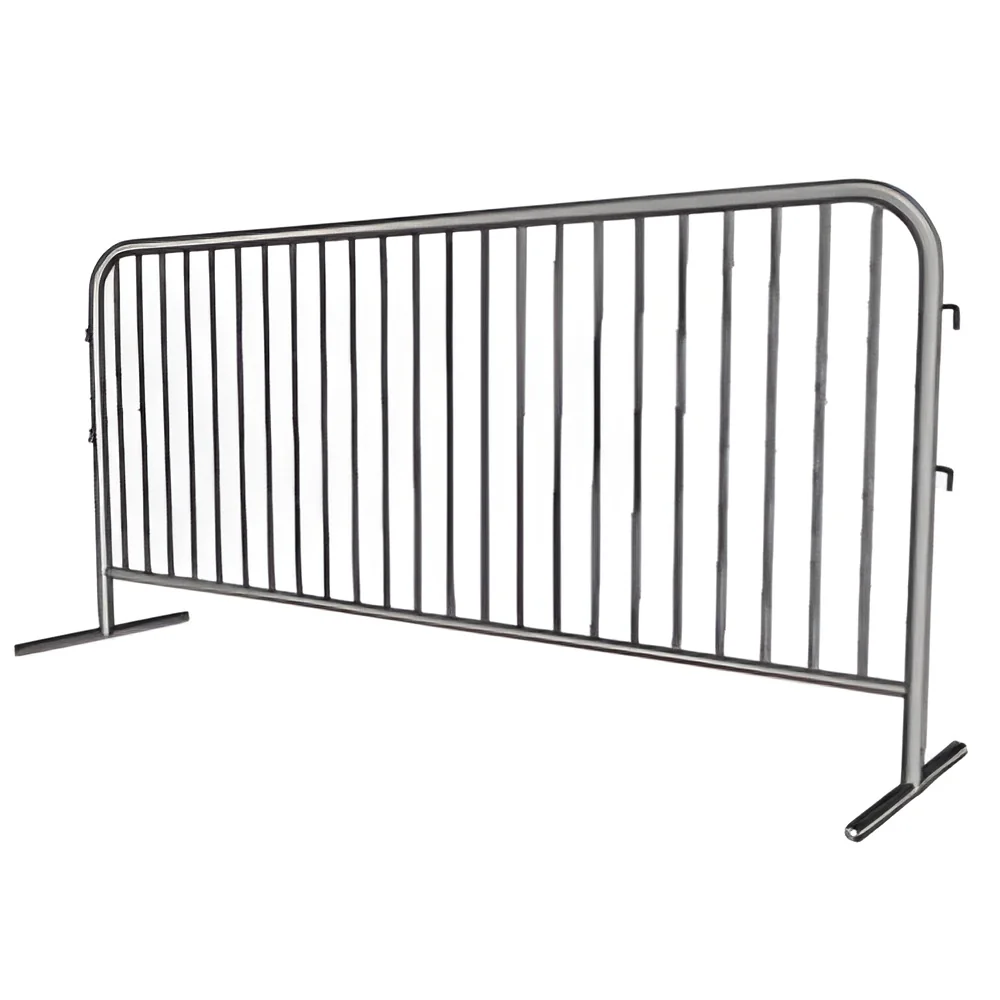
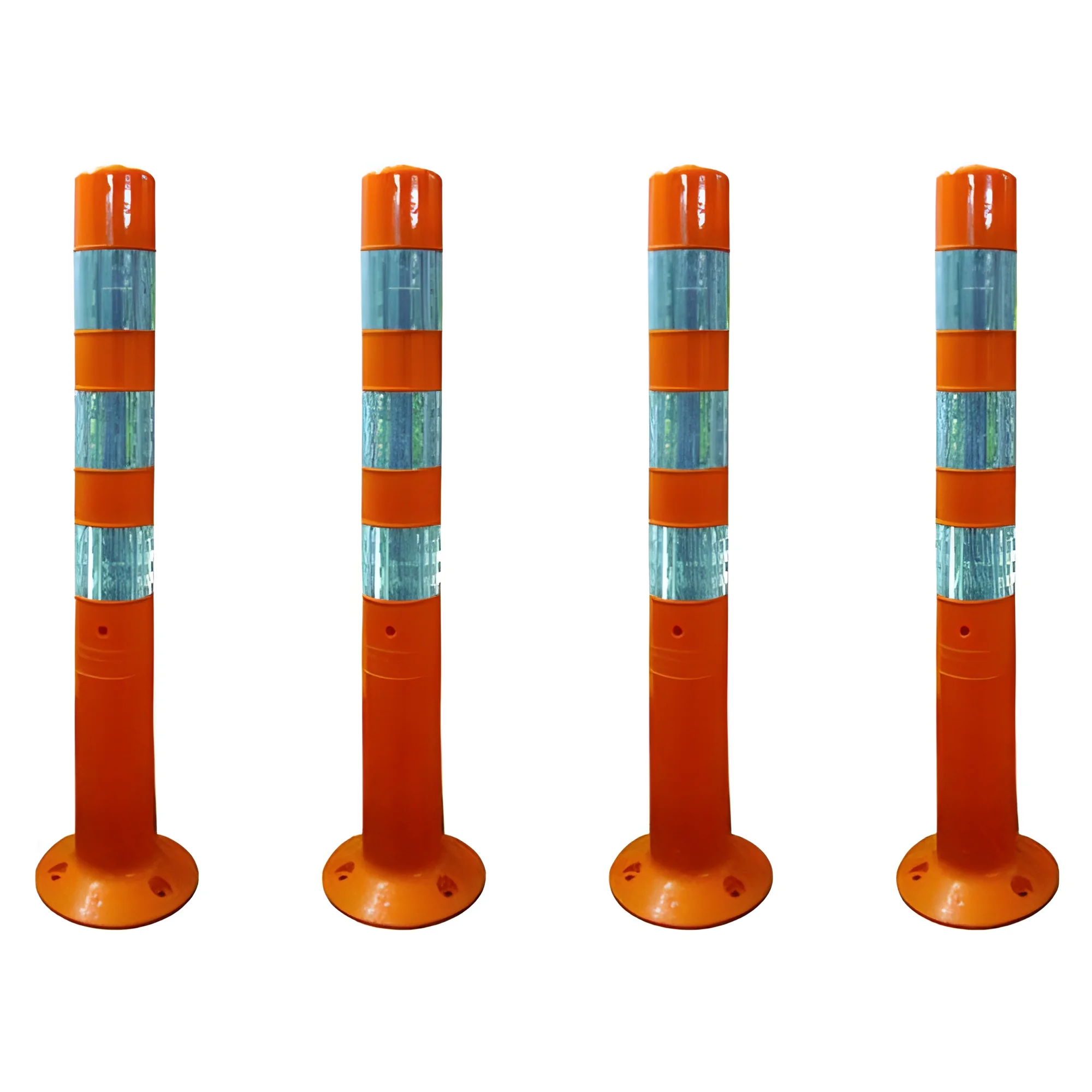
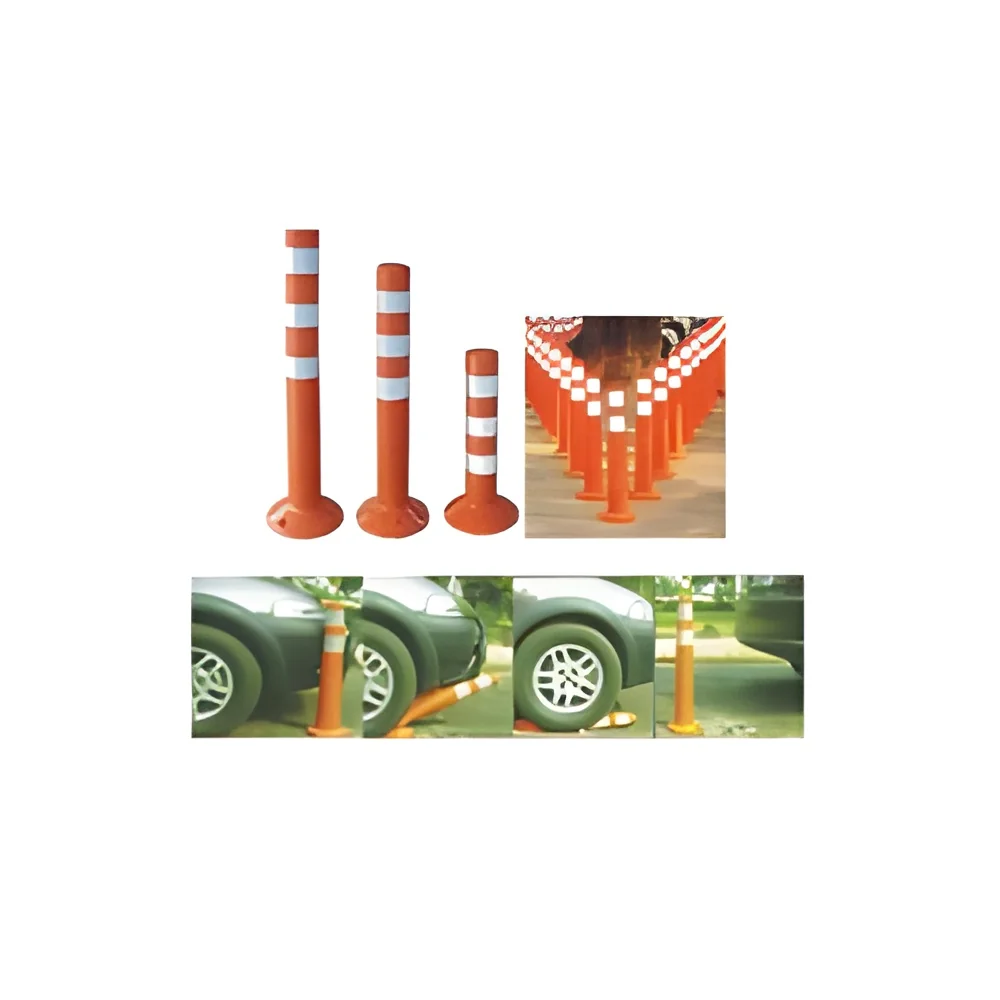
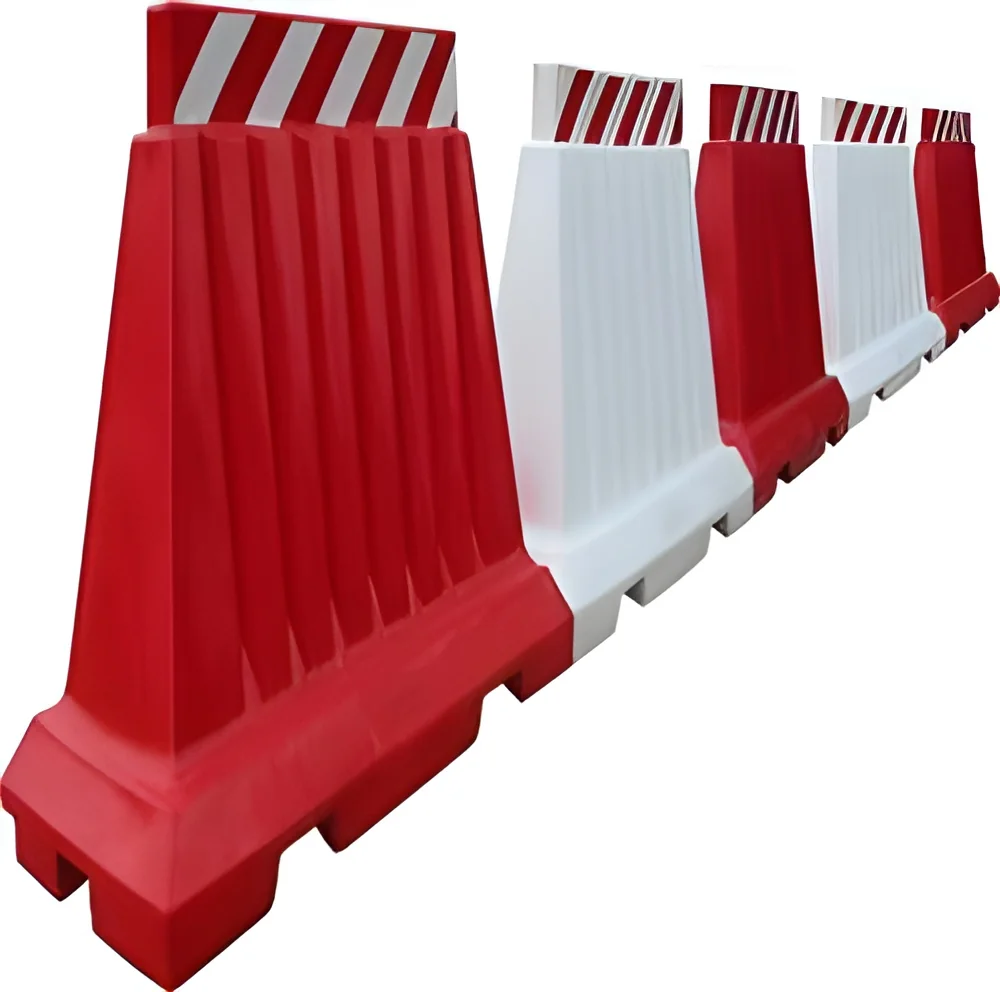
Safety barriers and bollards are essential structures designed to protect people, property, and assets in various environments. Safety barriers are typically long, continuous structures that prevent unauthorized access to specific areas, while bollards are short, sturdy posts that provide localized protection. Both products are crucial in traffic management, crowd control, and safeguarding sensitive areas from accidental or intentional vehicle intrusion.
These products find primary applications in industrial sites, commercial properties, and public spaces. They are used to delineate pedestrian walkways, restrict vehicle access, and protect critical infrastructure. Furthermore, safety barriers and bollards are widely utilized in construction zones, parking facilities, and urban landscapes to enhance safety measures. Their relevance spans multiple industries, making them vital components for risk management and compliance with safety regulations.
Key Features and Specifications
Safety barriers and bollards come equipped with various features to ensure optimal performance and durability. These include materials like steel, concrete, or plastic, which provide different levels of resilience and aesthetic appeal. When selecting these products, understanding the specifications is crucial for meeting safety requirements and operational needs.
Key specifications include:
1. Material Composition
- Common materials are steel, concrete, and high-density polyethylene.
- Each material offers unique benefits in terms of strength and longevity.
2. Height and Diameter
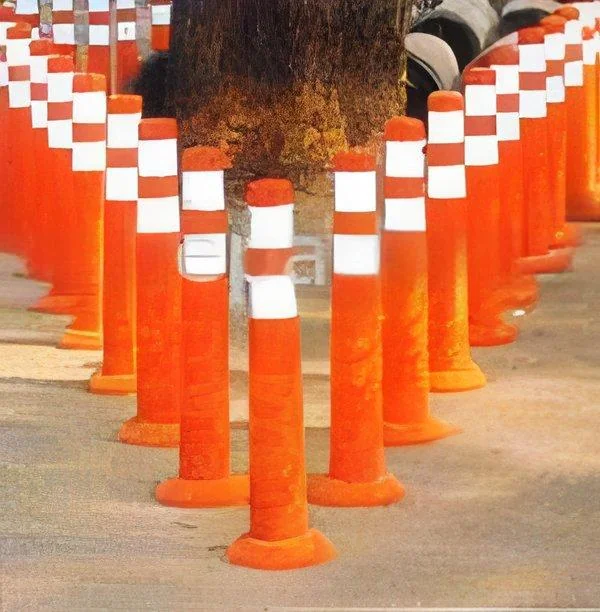
- Typical bollard heights range from 36 inches to 48 inches.
- Diameter often varies from 4 inches to 6 inches, depending on application needs.
3. Impact Resistance
- Safety barriers and bollards are rated based on their ability to withstand vehicle impacts.
- Ratings often indicate the maximum speed and weight of vehicles they can stop.
4. Installation Method
- Options include surface-mounted, embedded, or removable installations.
- Each method affects the structural integrity and ease of access.
5. Finish and Aesthetics
- Products can be painted, coated, or left in raw form for different visual impacts.
- Custom colors and designs can enhance integration into the environment.
6. Compliance Standards
- Many products meet specific safety standards like CE certification.
- Compliance ensures they adhere to health and safety regulations.
7. Customization Options
- Many manufacturers offer custom designs tailored to unique applications.
- This flexibility allows businesses to meet specific operational needs.
In summary, understanding the key features and specifications of safety barriers and bollards is essential for businesses looking to enhance safety and security measures.
Common Applications and Use Cases
Safety barriers and bollards are versatile products used across diverse industries for various applications.
1. Transportation: In airports and train stations, they guide pedestrian traffic while securing restricted areas from vehicle access.
2. Warehousing: In logistics and distribution centers, barriers protect workers and equipment from moving vehicles, ensuring safe operations.
3. Retail: Shopping malls and parking lots utilize bollards to manage vehicle flow and protect storefronts from accidental damage.
4. Construction: Construction sites employ barriers to restrict unauthorized access and protect workers from hazards.
5. Public Spaces: Parks and recreational areas use barriers to create safe zones for pedestrians while directing vehicle traffic.
6. Healthcare: Hospitals use bollards to safeguard entrances and emergency routes, ensuring patient safety.
7. Government Buildings: Security barriers protect sensitive areas around government facilities from vehicle attacks.
Product Variants and Subcategories
Safety barriers and bollards come in various designs to meet different operational requirements.
Fixed Bollards
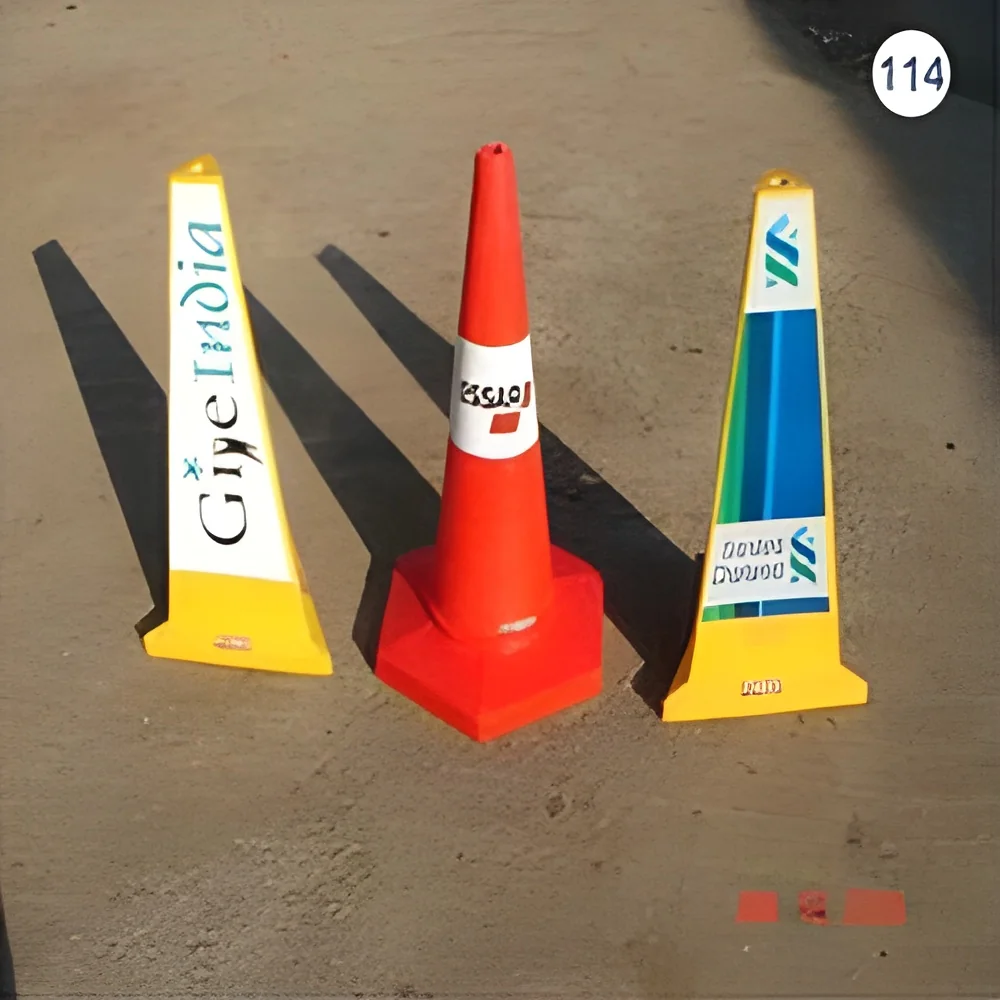
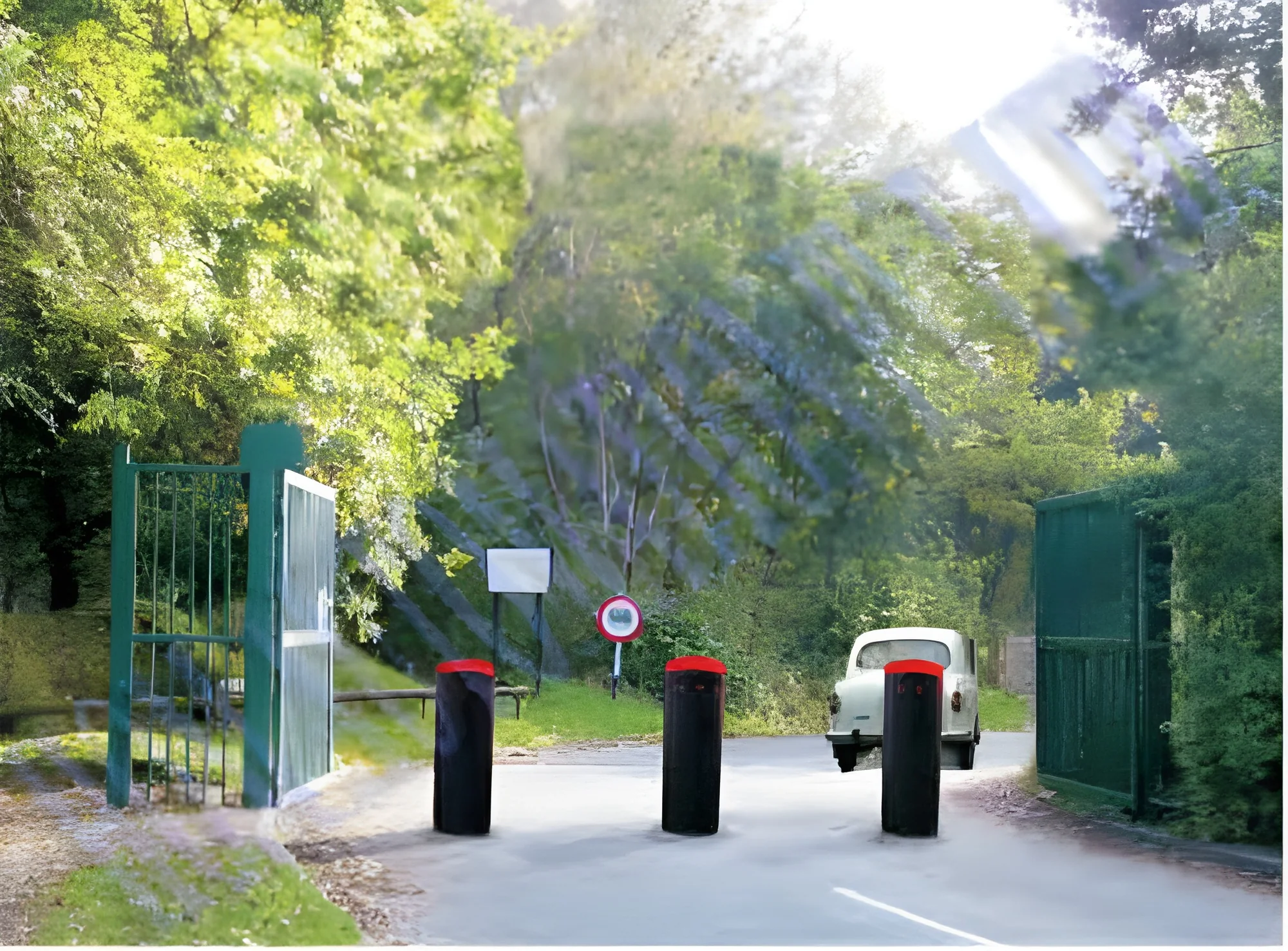
Fixed bollards are permanently installed to create a robust barrier against vehicle access. They are ideal for securing building perimeters and sensitive locations.
Removable Bollards
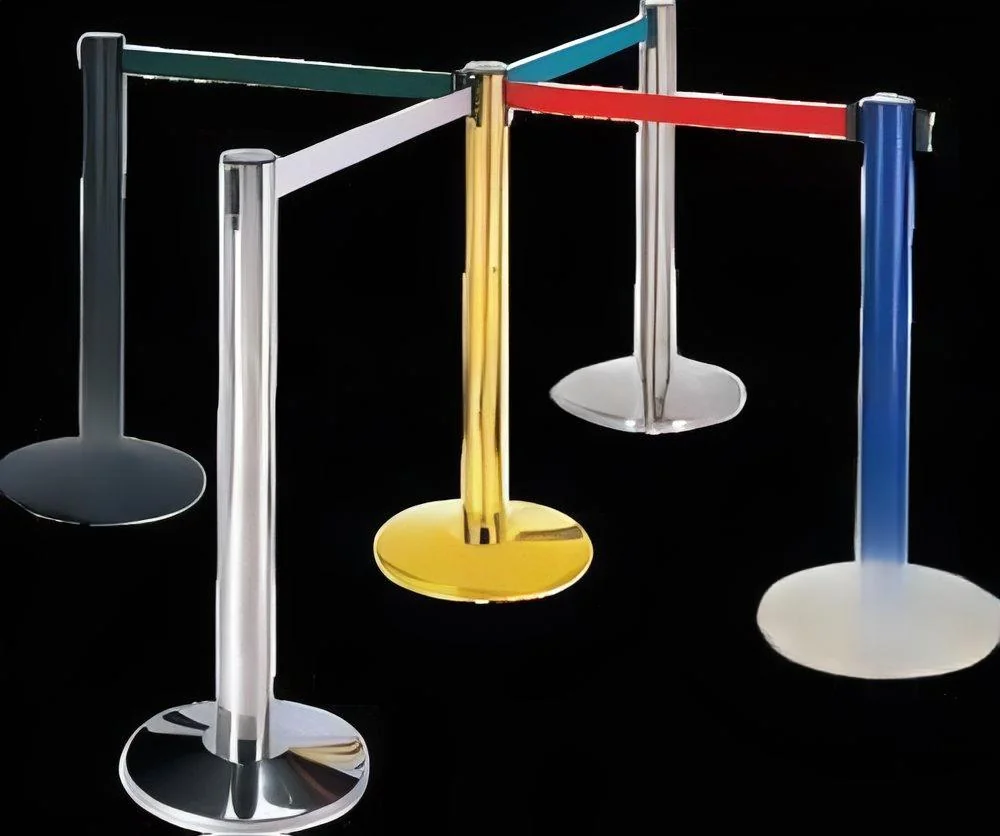
These bollards provide flexibility in access control. They can be removed when vehicle entry is necessary and reinstalled for security, making them suitable for areas that require periodic access.
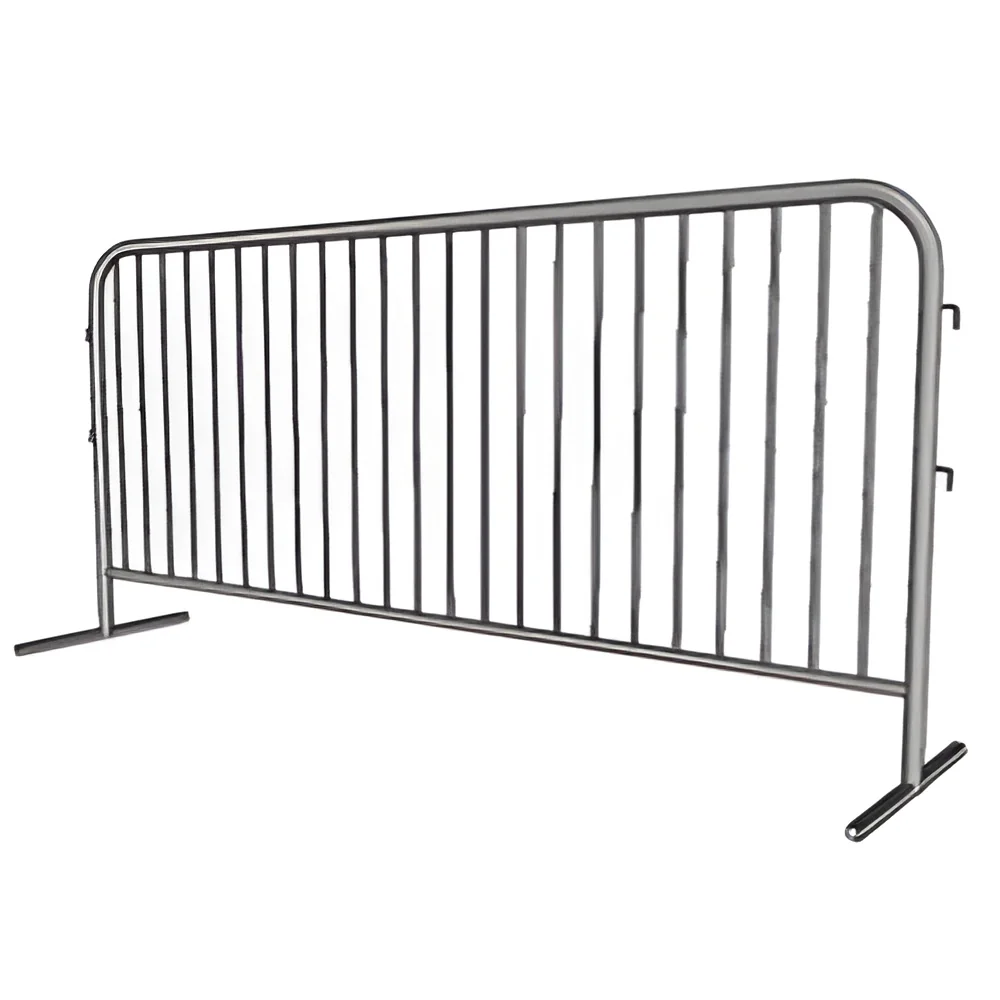
Collapsible Barriers
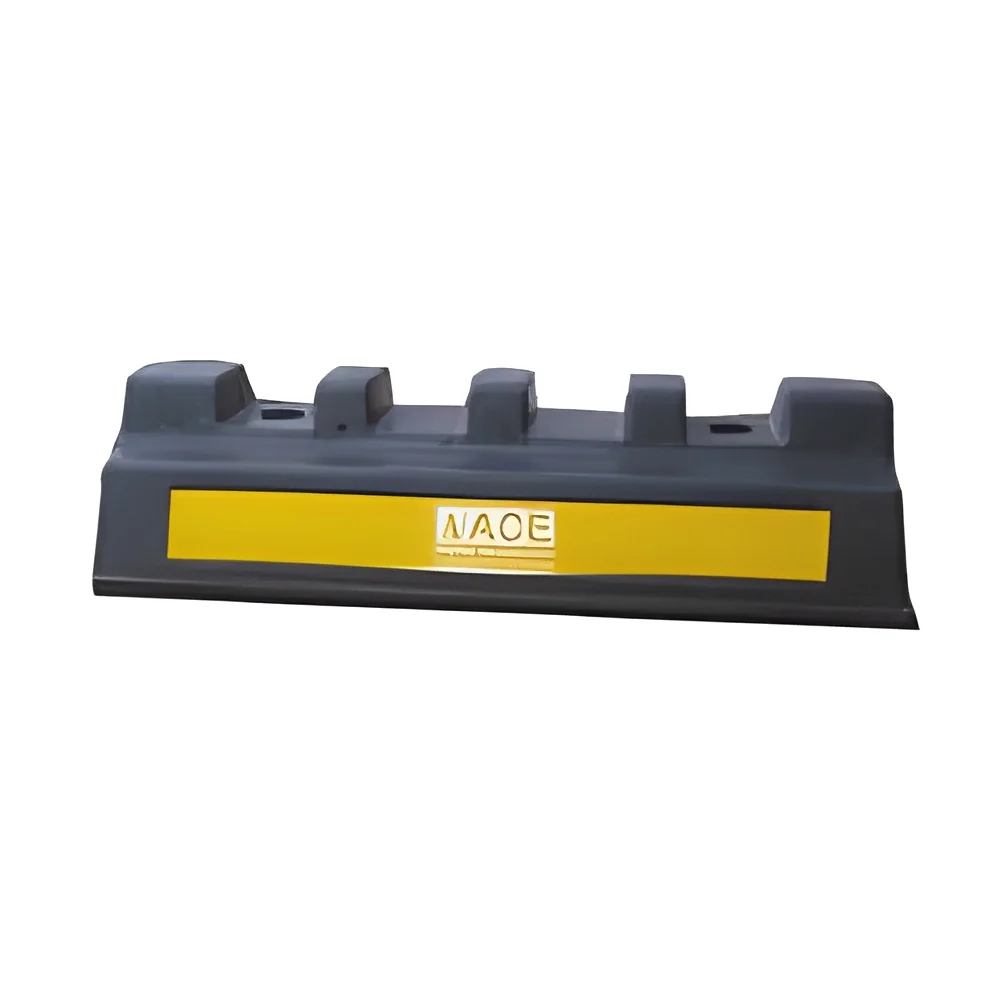
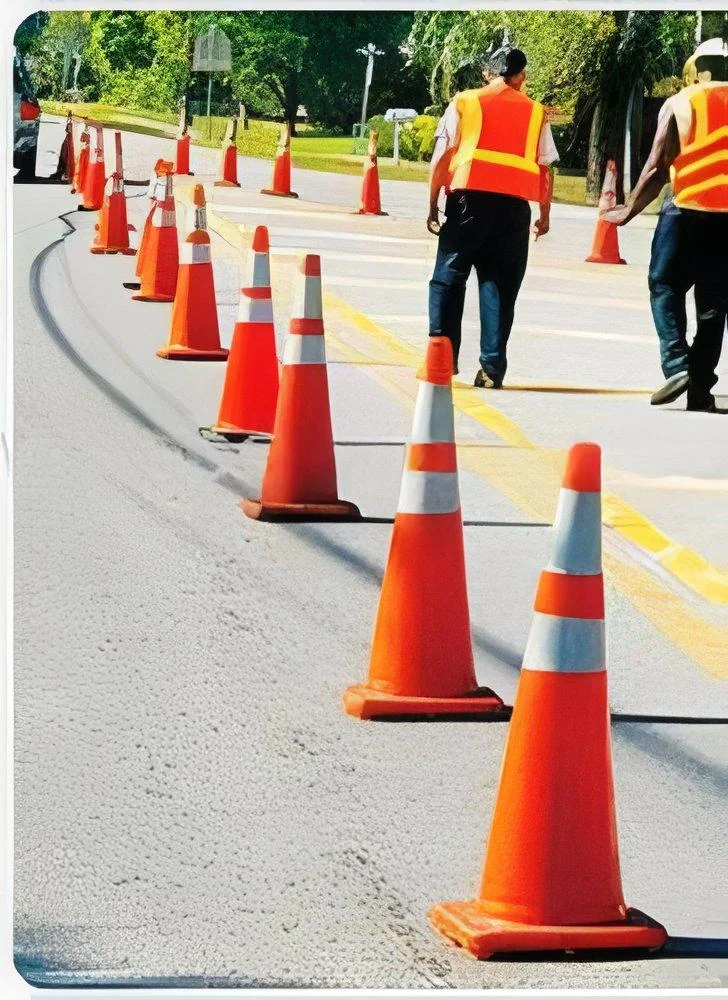
Collapsible barriers can be easily deployed and stored. They are useful for temporary restrictions in construction zones or during events.
Barrier Systems
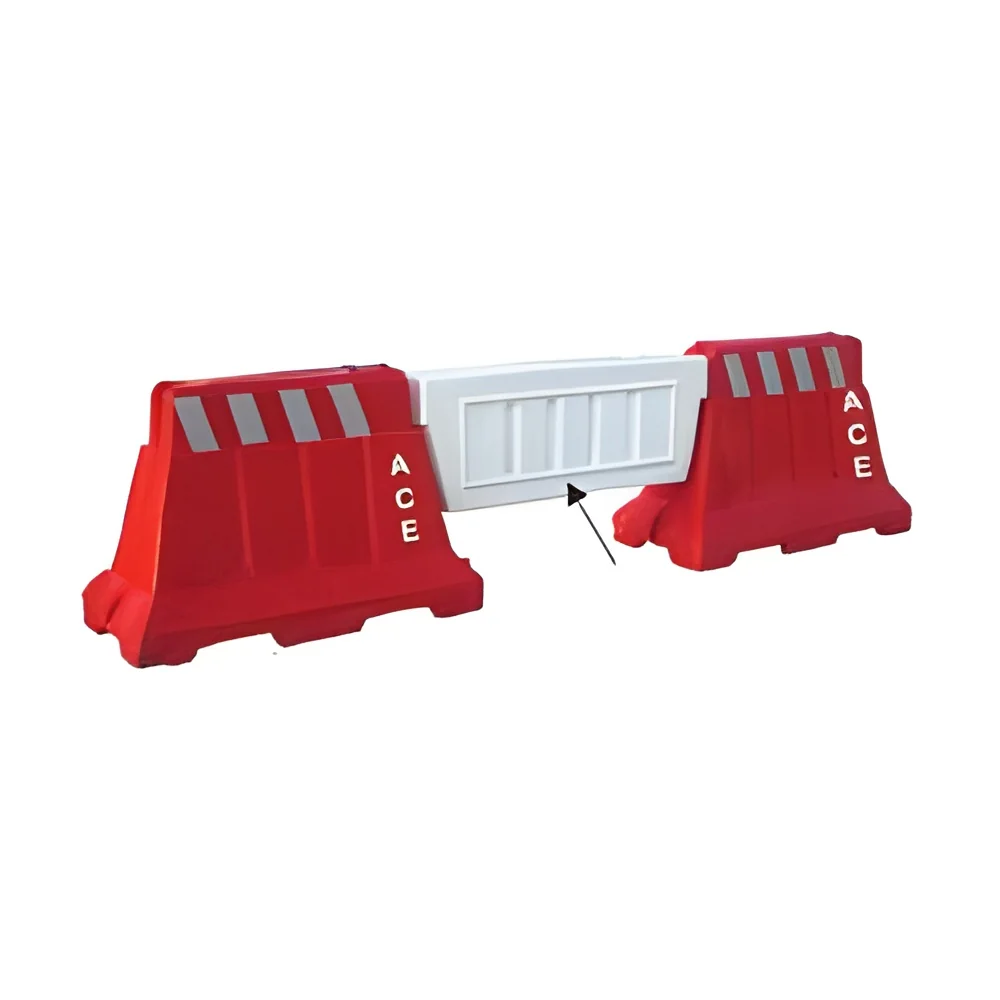
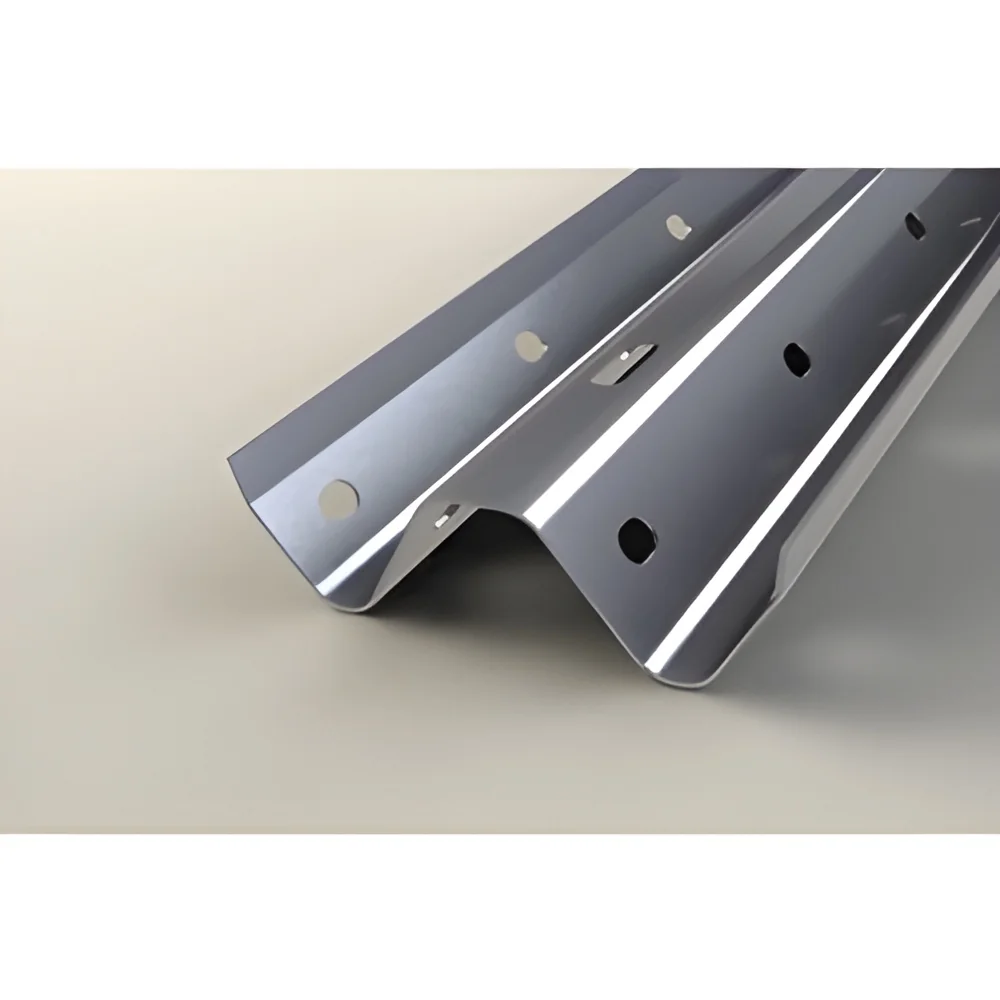
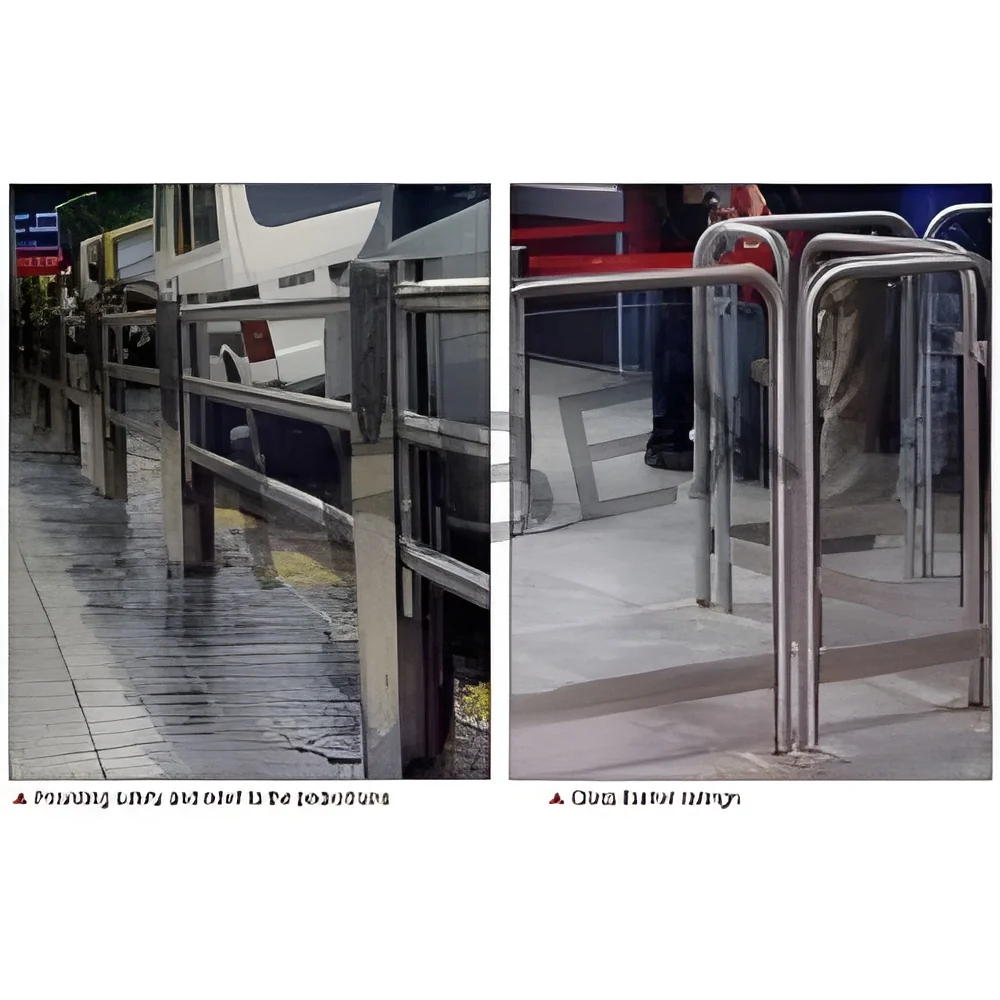
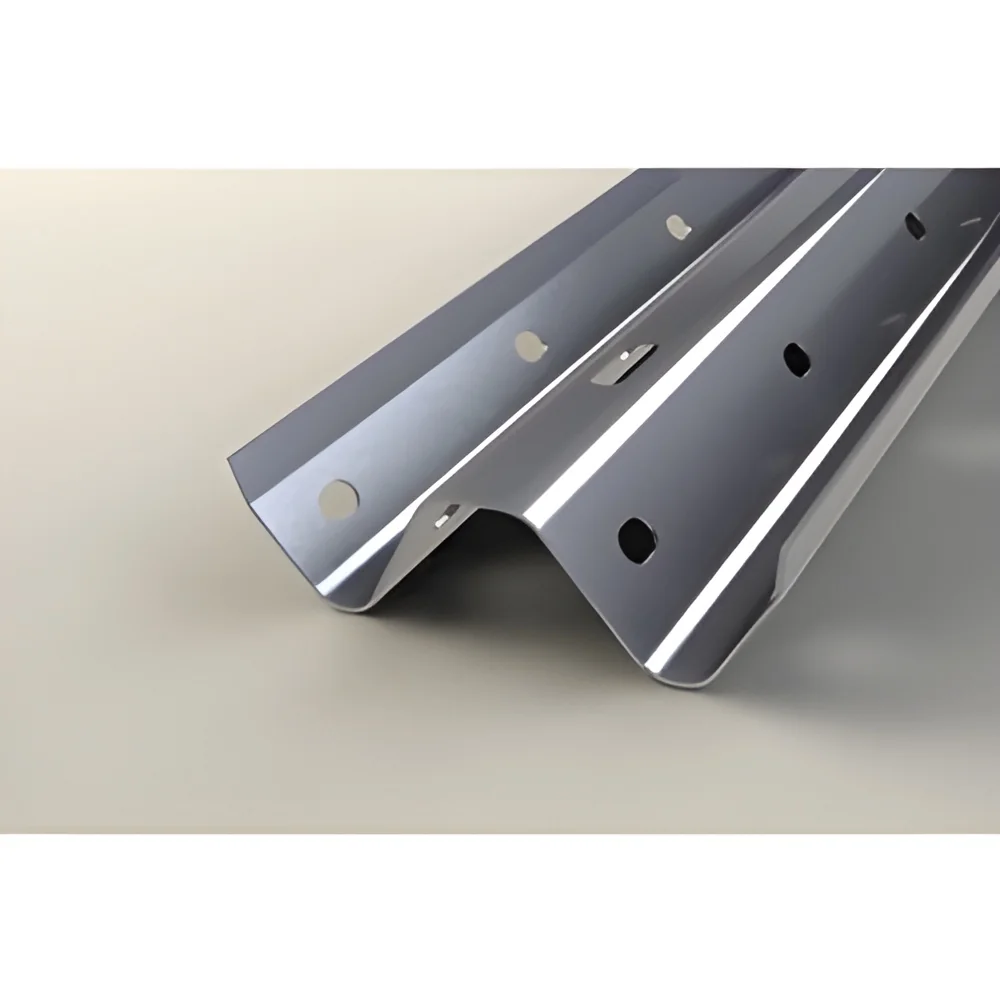
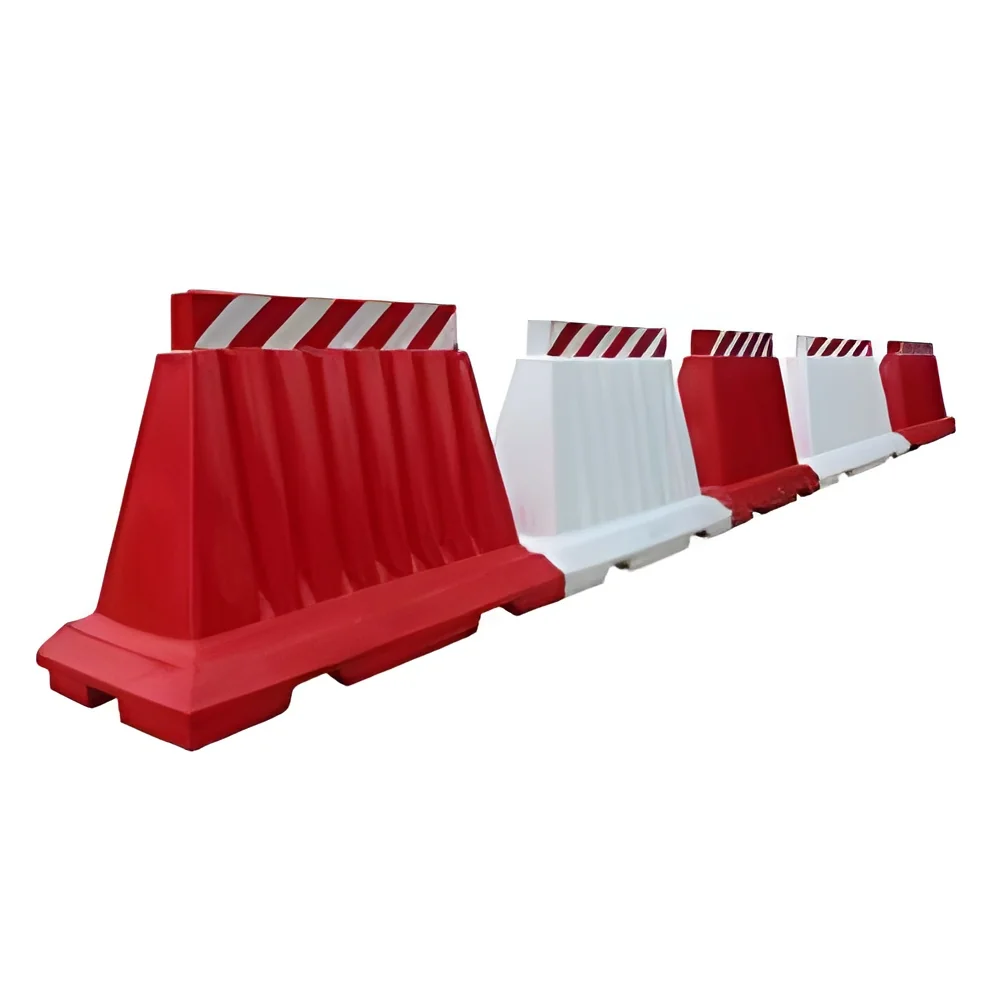
These systems include interconnected barriers for extended protection along roadways or pedestrian zones. They provide a continuous line of defense against unauthorized access.
Benefits and Advantages
Investing in safety barriers and bollards provides numerous advantages for businesses.
1. Enhanced Safety: They significantly reduce the risk of accidents by clearly defining pedestrian and vehicle areas.
2. Asset Protection: Barriers and bollards protect valuable infrastructure and property from damage due to vehicle impacts.
3. Compliance Assurance: Utilizing these products helps organizations meet local safety regulations and standards, reducing liability.
4. Improved Traffic Flow: By managing vehicle and pedestrian interactions, they enhance overall traffic efficiency in busy areas.
5. Customization: Many options allow businesses to select products that fit their specific needs and branding.
6. Durability: Made from robust materials, they withstand harsh weather conditions and heavy usage, offering long-term value.
Buying Guide for B2B Buyers
When sourcing safety barriers and bollards, B2B buyers should consider several essential factors to ensure they select the right products.
1. Quality Assessment: Evaluate the quality of materials and construction to ensure durability and performance. Look for products that meet industry standards.
2. Supplier Verification: Vet suppliers to ensure they have a good reputation and can provide reliable products. Check for reviews and previous partnerships.
3. Pricing and MOQ: Understand the pricing structures and minimum order quantities to ensure they align with budget constraints and project needs.
4. Delivery and Lead Times: Confirm delivery schedules and lead times to plan installation and usage effectively. Ensure suppliers can meet your timelines.
5. Compliance Requirements: Ensure that the products meet relevant safety and compliance standards. This consideration is crucial for avoiding legal issues.
Compliance and Certifications
Safety barriers and bollards must meet specific compliance and certification requirements to ensure they are safe for use.
Relevant quality standards include ISO 9001, which ensures consistent quality management systems across various industries. Compliance with HACCP and GDP is crucial for organizations in sectors like food and pharmaceuticals, where safety is paramount.
Industry certifications, such as CE marking, indicate that the products meet European health, safety, and environmental protection standards. This certification is particularly important for products used in public spaces and commercial environments.
Safety and testing requirements dictate that products undergo rigorous testing to confirm their impact resistance and overall durability.
Moreover, buyers should consider regional compliance requirements, as different areas may have specific regulations governing the use of safety barriers and bollards. Meeting these standards helps organizations avoid penalties and ensures safe operating environments.
Why Source Safety Barriers & Bollards from Pepagora?
Pepagora offers a trusted platform for sourcing safety barriers and bollards, providing several key advantages for businesses.
Verified Supplier Network: Pepagora has established a comprehensive network of verified suppliers. This ensures that buyers can find reputable manufacturers who offer quality products.
Streamlined RFQ Process: The platform simplifies the request for quotation process, making it easier for buyers to obtain competitive pricing and timely responses from suppliers.
Trade Assurance and Support: Pepagora provides trade assurance, offering buyers protection throughout the purchasing process. This support enhances buyer confidence and fosters long-term partnerships.
Regional Coverage: With geographic reach across India, the GCC, and Southeast Asia, Pepagora connects buyers with suppliers in their region, facilitating efficient logistics and communication.
By choosing Pepagora, businesses can confidently source safety barriers and bollards that meet their specific needs while benefiting from a supportive and reliable platform.

 IN
IN