What are Instrumentation Engineering?
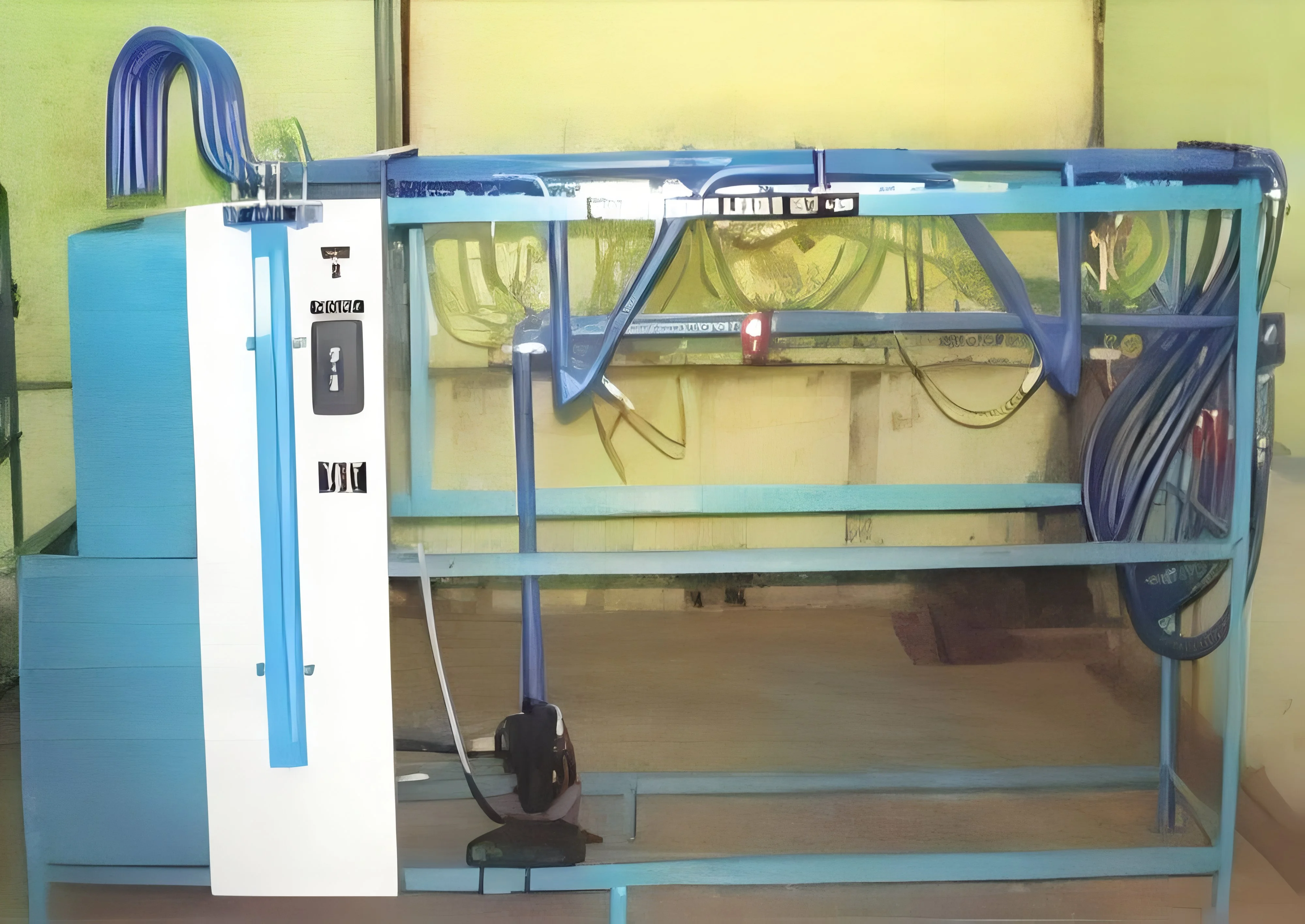
Instrumentation Engineering is a branch of engineering that focuses on the design, development, and maintenance of instruments used for measuring, monitoring, and controlling various industrial processes. This field encompasses a wide range of technologies, including sensors, transmitters, and control systems, all aimed at ensuring accurate data collection and process efficiency. Instrumentation engineers apply principles from several disciplines such as electrical engineering, mechanical engineering, and computer science to create systems that enhance automation and control.
The primary uses of instrumentation engineering are found across various sectors including manufacturing, oil and gas, pharmaceuticals, and environmental monitoring. These systems are critical for ensuring that processes operate within specified parameters, enhancing safety, and improving product quality. Instrumentation is essential for applications ranging from temperature and pressure measurement to flow control and chemical analysis. The relevance of instrumentation engineering is underscored by its pivotal role in modern industrial practices, where precision and reliability are paramount in achieving operational excellence.
Key Features and Specifications
Instrumentation engineering systems are characterized by several key features that enhance their functionality and reliability. These specifications ensure that the instruments meet the rigorous demands of industrial applications.
Key specifications include:
1. Measurement Range
- This refers to the limits within which an instrument can accurately measure variables such as temperature, pressure, or flow.
- Typical ranges vary widely depending on the application.
2. Accuracy and Precision
- Accuracy refers to how close a measurement is to the true value, while precision indicates the repeatability of measurements.
- High accuracy and precision are critical in industries like pharmaceuticals.
3. Response Time
- This is the time taken by an instrument to react to changes in the input signal.
- Fast response times are essential in dynamic processes.
4. Environmental Resistance
- Instruments must withstand harsh conditions, including extreme temperatures, humidity, and corrosive environments.
- Ratings for environmental resistance vary based on specific use cases.
5. Signal Output Type
- Instruments can provide various output signals, such as analog (4-20 mA) or digital (Modbus, Profibus).
- The choice depends on the compatibility with existing systems.
6. Power Requirements
- Different instruments have different power needs, which can include battery-operated, AC, or DC power sources.
- Understanding power requirements is crucial for installation.
7. Calibration and Maintenance
- Instruments require regular calibration to ensure measurement accuracy.
- Maintenance schedules can vary based on industry standards.
8. Data Logging Capabilities
- Many modern instruments feature data logging which facilitates the collection and analysis of process data over time.
- This is especially useful for compliance and quality control.
In summary, the specifications of instrumentation engineering products significantly impact their effectiveness and suitability for various applications.
Common Applications and Use Cases
Instrumentation engineering finds applications in diverse industries, each with unique requirements.
1. Manufacturing: Instrumentation is crucial for monitoring production processes, ensuring quality control, and enhancing operational efficiency through real-time data acquisition.
2. Oil and Gas: Instruments are employed to measure flow rates, pressure levels, and temperature in drilling and refining processes, ensuring safety and optimizing resource extraction.
3. Pharmaceuticals: Precise measurement of temperature, pH, and pressure is essential in drug production to meet stringent regulatory standards and ensure product efficacy.
4. Food and Beverage: Instrumentation helps monitor conditions during food processing, ensuring safety and compliance with health regulations.
5. Water and Wastewater Treatment: Instruments are used to measure chemical concentrations and flow rates, essential for maintaining water quality and environmental compliance.
6. Energy: In power plants, instrumentation is used for monitoring and controlling various parameters to improve efficiency and safety.
7. Aerospace: Instrumentation plays a critical role in monitoring flight systems and ensuring compliance with safety standards.
Product Variants and Subcategories
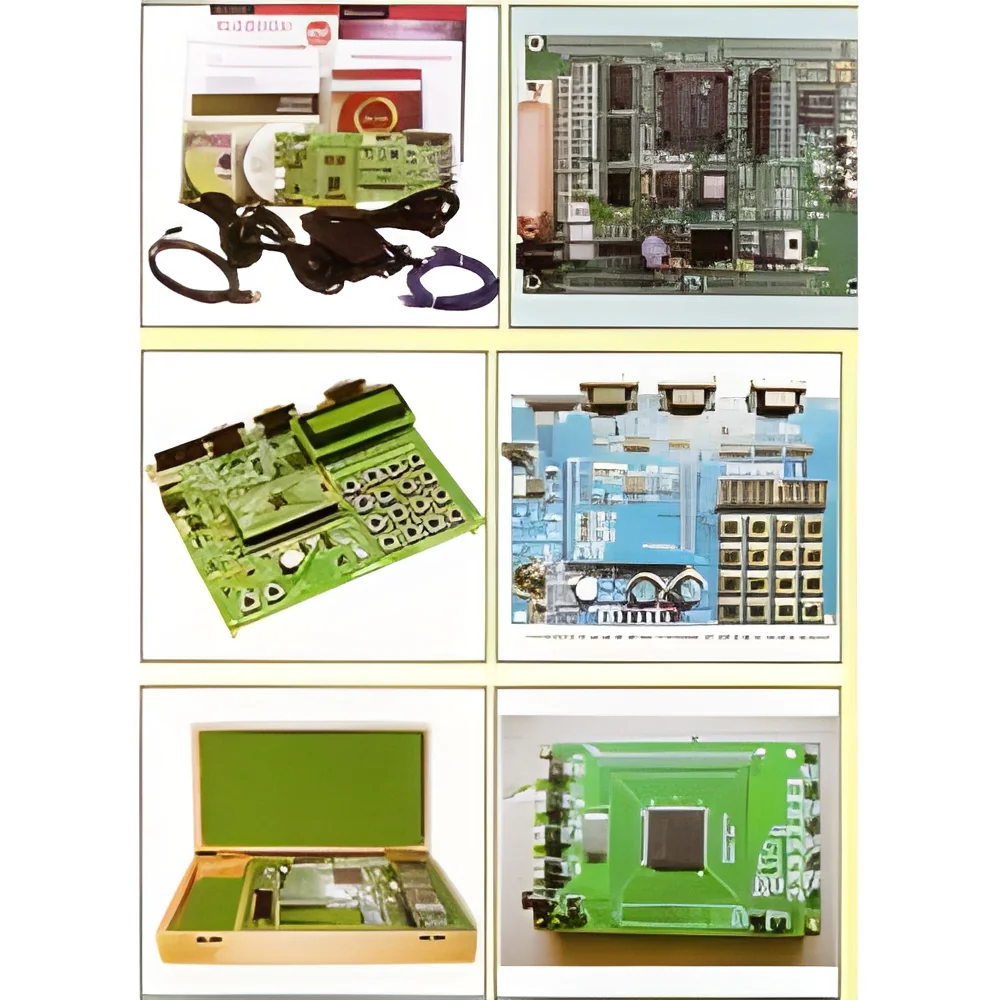
Instrumentation engineering encompasses a range of diverse products tailored for different applications and industries.
Pressure Sensors
These devices measure the pressure of gases and liquids in various applications, ensuring safety and efficiency in processes.
Temperature Sensors
Temperature sensors are used to monitor and control thermal conditions in industrial processes, contributing to quality assurance.
Flow Meters
Flow meters measure the flow rate of liquids or gases, which is vital for process control in industries such as oil and gas and water treatment.
Level Sensors
Level sensors are employed to detect the level of liquids and solids in tanks and silos, ensuring safe storage and handling.
Control Systems
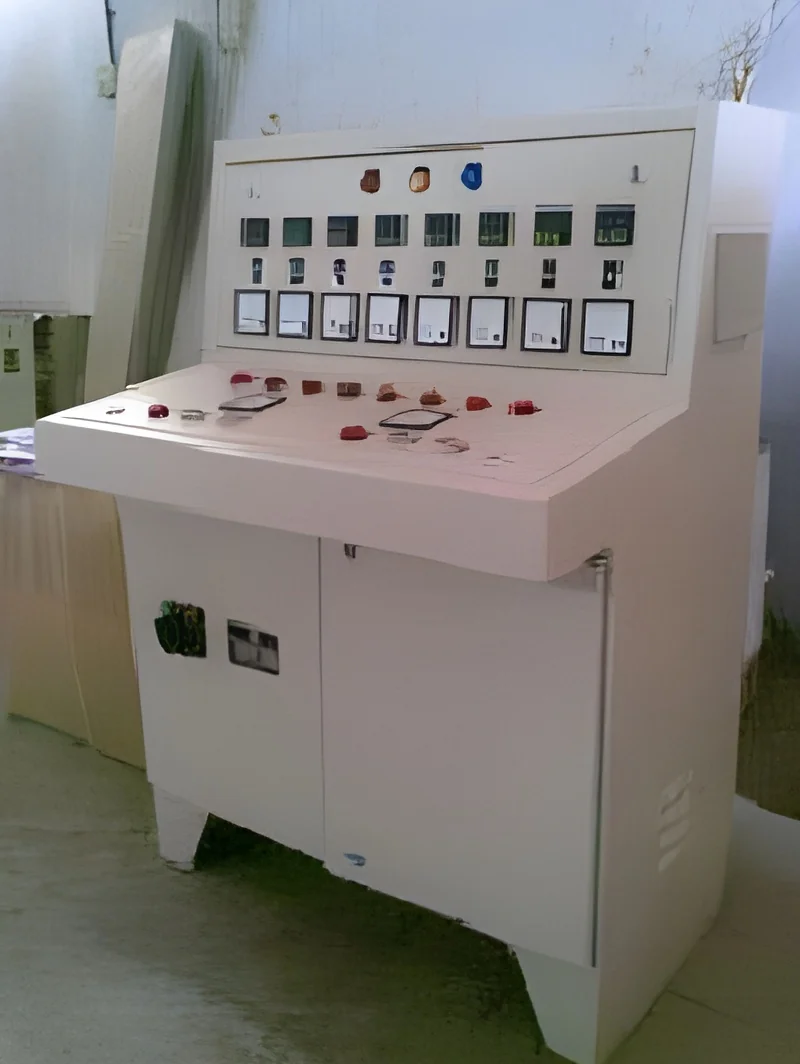
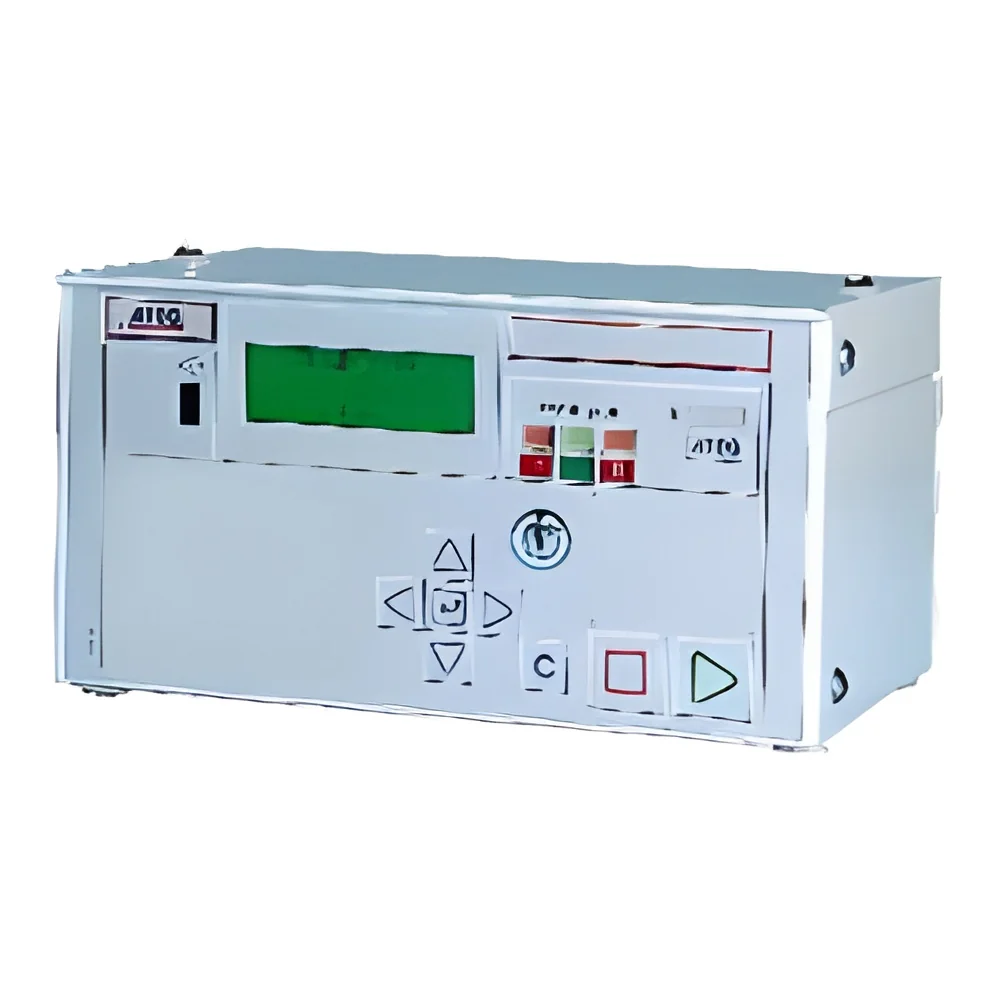
These systems automate processes by controlling inputs based on sensor data, enhancing operational efficiency and accuracy.
Benefits and Advantages
The advantages of using instrumentation engineering in industrial applications are significant.
Key benefits include:
1. Enhanced Accuracy: High-quality instruments provide precise measurements, reducing errors in critical processes.
2. Improved Efficiency: Automation and real-time monitoring lead to optimized processes, minimizing downtime and resource waste.
3. Enhanced Safety: Instrumentation helps monitor hazardous conditions, ensuring compliance with safety standards and protecting personnel.
4. Data-Driven Decisions: Advanced data logging capabilities enable companies to analyze trends and make informed operational decisions.
5. Regulatory Compliance: Instruments help organizations meet industry regulations, ensuring product quality and safety.
6. Cost Savings: By improving efficiency and reducing waste, companies can achieve significant cost reductions in their operations.
Buying Guide for B2B Buyers
When sourcing instrumentation engineering products, several key factors should be considered to ensure optimal selection.
1. Quality Assessment: Evaluate the quality standards of products, ensuring they meet industry requirements and have appropriate certifications.
2. Supplier Verification: Conduct thorough research on suppliers, checking their reputation, experience, and customer reviews to ensure reliability.
3. Pricing and MOQ: Understand the pricing structures and minimum order quantities to align with budget constraints and project requirements.
4. Delivery and Lead Times: Assess logistics capabilities and lead times to ensure timely delivery for project planning and execution.
5. Compliance Requirements: Ensure that products meet local and international regulatory compliance standards, as this is essential for safety and operational continuity.
Compliance and Certifications
Compliance and certifications play a crucial role in ensuring the quality and safety of instrumentation engineering products. Common quality standards include ISO 9001, which focuses on quality management systems, and HACCP, which is essential for food safety. CE certification is often required for products sold in European markets, indicating compliance with safety and environmental standards.
In addition to quality standards, instruments must undergo rigorous testing to meet safety requirements, which can vary by region. Companies should also consider regional compliance needs, particularly when operating in multiple jurisdictions, to ensure adherence to local regulations and industry norms.
Why Source Instrumentation Engineering from Pepagora?
Pepagora provides a comprehensive platform for sourcing instrumentation engineering products, offering significant advantages to B2B buyers.
Verified Supplier Network: Pepagora connects buyers with a network of verified suppliers, ensuring that all vendors meet stringent quality and reliability standards.
Streamlined RFQ Process: The platform simplifies the request for quotation process, allowing buyers to efficiently compare offers and select the best options for their needs.
Trade Assurance and Support: Pepagora offers trade assurance to protect buyers throughout the purchasing process, providing peace of mind and support.
Regional Coverage: With a strong presence in India, the GCC, and Southeast Asia, Pepagora ensures that buyers have access to a wide range of products and suppliers tailored to their specific regional requirements.

 IN
IN
 India
India