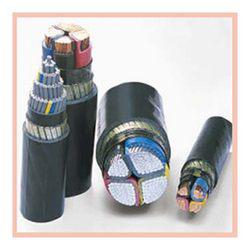
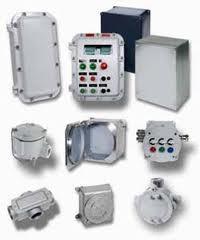
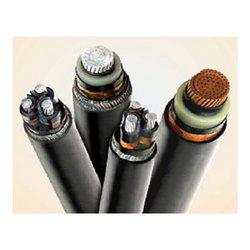
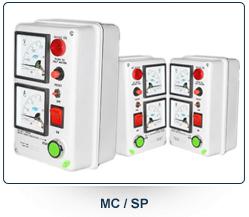
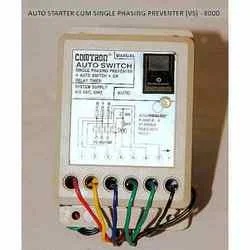
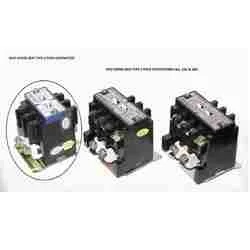
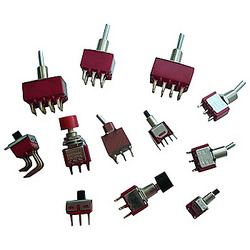
𝗪𝗵𝗮𝘁 𝗮𝗿𝗲 𝗜𝗻𝗱𝘂𝘀𝘁𝗿𝗶𝗮𝗹 𝗦𝘄𝗶𝘁𝗰𝗵𝗴𝗲𝗮𝗿?
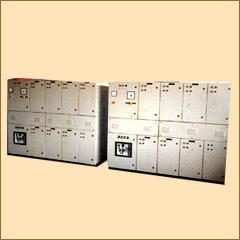
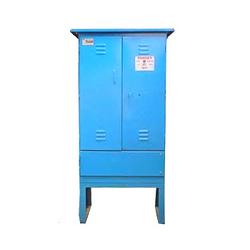
Industrial switchgear refers to a collection of electrical devices used to control, protect, and isolate electrical equipment in industrial settings. These devices play a crucial role in managing electrical power systems, ensuring safety, and enhancing operational efficiency. Switchgear typically includes components such as circuit breakers, fuses, and disconnectors, which work together to manage electrical flows and protect equipment from overloads and faults.
The primary applications of industrial switchgear are found in manufacturing plants, power generation facilities, and substations. They are vital for protecting critical assets and ensuring reliable power distribution. Businesses utilize switchgear to enhance safety protocols, minimize downtime, and comply with industry regulations. As industries evolve toward automation and increased energy efficiency, the relevance of switchgear continues to grow, with a strong market presence driven by advancements in technology and sustainability.
𝗞𝗲𝘆 𝗙𝗲𝗮𝘁𝘂𝗿𝗲𝘀 𝗮𝗻𝗱 𝗦𝗽𝗲𝗰𝗶𝗳𝗶𝗰𝗮𝘁𝗶𝗼𝗻𝘀
Industrial switchgear is designed with various features that cater to the specific needs of industrial applications. Understanding these specifications is essential for selecting the right switchgear for your operation.
Key specifications include:
1. Voltage Rating
- Defines the maximum voltage the switchgear can handle.
- Common ranges include low voltage (up to 1 kV), medium voltage (1 kV to 35 kV), and high voltage (above 35 kV).
2. Current Rating
- Indicates the maximum current the switchgear can carry.
- Typical values can range from hundreds of amperes to several thousand amperes.
3. Insulation Medium
- Refers to the material used for insulation, which can be air, oil, or gas.
- Air-insulated switchgear is common in low and medium voltage applications, while gas-insulated switchgear is used in high voltage settings.
4. Short-Circuit Rating
- The maximum short-circuit current the switchgear can withstand.
- Important for ensuring protection against fault conditions.
5. Enclosure Type
- Describes the protective casing for the switchgear.
- Options include outdoor, indoor, and weatherproof enclosures.
6. Operating Mechanism
- The method of operation for the switchgear.
- Options may include manual, motorized, or remote operation.
7. Control Features
- Advanced control and monitoring capabilities can be integrated.
- Includes features such as remote control, automation, and diagnostics.
8. Certification
- Compliance with industry standards and certifications, such as CE marking.
This summary highlights the essential features that inform the selection of industrial switchgear, ensuring that users can make informed decisions based on their operational needs.
𝗖𝗼𝗺𝗺𝗼𝗻 𝗔𝗽𝗽𝗹𝗶𝗰𝗮𝘁𝗶𝗼𝗻𝘀 𝗮𝗻𝗱 𝗨𝘀𝗲 𝗖𝗮𝘀𝗲𝘀
Industrial switchgear serves a wide range of industries, providing essential protection and control for electrical systems.
1. Manufacturing: In manufacturing plants, switchgear is used to manage power distribution and protect machinery from electrical faults, ensuring smooth operations.
2. Power Generation: Switchgear is crucial in power plants for controlling the generation and distribution of electricity, enhancing safety and reliability.
3. Construction: Temporary power systems on construction sites utilize switchgear for safe power management, enabling various equipment and lighting systems to function efficiently.
4. Oil and Gas: In the oil and gas industry, switchgear protects critical infrastructure from electrical failures, ensuring operational continuity in harsh environments.
5. Mining: Mining operations use switchgear to manage power distribution in remote locations, protecting equipment and ensuring safety in hazardous conditions.
6. Data Centers: Switchgear is essential for data center operations, providing reliable power supply and protection for sensitive electronic systems.
7. Transportation: In the transportation sector, switchgear is utilized for electric rail systems and other transit facilities, ensuring reliable operation and safety.
𝗣𝗿𝗼𝗱𝘂𝗰𝘁 𝗩𝗮𝗿𝗶𝗮𝗻𝘁𝘀 𝗮𝗻𝗱 𝗦𝘂𝗯𝗰𝗮𝘁𝗲𝗴𝗼𝗿𝗶𝗲𝘀
Industrial switchgear comes in various configurations to meet specific operational requirements. Each variant is tailored for different applications and environments.
Circuit Breaker Switchgear: This variant features integrated circuit breakers that provide overload and short-circuit protection. It's widely used in industrial and commercial settings for reliable power management.
Fuse Switchgear: Utilizing fuses as protection devices, this variant is ideal for low-voltage applications. It offers a compact design and is often used in residential and small commercial installations.
Gas-Insulated Switchgear: Designed for high voltage applications, this variant uses gas as an insulating medium. It is preferred in urban environments where space is limited and safety is paramount.
Air-Insulated Switchgear: Commonly used in medium voltage applications, this variant relies on air for insulation and is suitable for a variety of industrial settings.
𝗕𝗲𝗻𝗲𝗳𝗶𝘁𝘀 𝗮𝗻𝗱 𝗔𝗱𝘃𝗮𝗻𝘁𝗮𝗴𝗲𝘀
Industrial switchgear offers numerous advantages that enhance operational efficiency and safety.
1. Enhanced Safety: Switchgear protects personnel and equipment from electrical faults, reducing the risk of accidents and injuries.
2. Improved Reliability: By ensuring stable power distribution, switchgear minimizes downtime and enhances operational continuity.
3. Space Efficiency: Modern designs, especially gas-insulated switchgear, allow for compact installations, maximizing available space in facilities.
4. Customization: Switchgear can be tailored to meet specific operational needs, ensuring that businesses get the exact features required for their operations.
5. Regulatory Compliance: Utilizing certified switchgear helps businesses meet industry regulations and standards, avoiding penalties and ensuring safe operations.
6. Advanced Monitoring: Many switchgear options come with integrated monitoring systems, providing real-time data and diagnostics for proactive maintenance.
𝗕𝘂𝘆𝗶𝗻𝗴 𝗚𝘂𝗶𝗱𝗲 𝗳𝗼𝗿 𝗕𝟮𝗕 𝗕𝘂𝘆𝗲𝗿𝘀
When sourcing industrial switchgear, several factors should be considered to ensure you select the best option for your needs.
1. Quality Assessment: Evaluate the quality standards of the switchgear. Look for products that meet recognized industry standards, such as CE certification, to ensure reliability and safety.
2. Supplier Verification: Vet potential suppliers by checking their credentials and reviewing feedback from past customers. This step ensures you partner with reputable manufacturers.
3. Pricing and MOQ: Understand the pricing structure and minimum order quantities (MOQ) offered by suppliers. This knowledge helps in budgeting and planning your purchases effectively.
4. Delivery and Lead Times: Inquire about delivery times and logistics to ensure that your switchgear arrives when needed. Timely delivery is crucial for maintaining operational schedules.
5. Compliance Requirements: Ensure that the switchgear meets local regulatory and safety standards. Compliance with industry requirements is essential for operational safety and legal adherence.
𝗖𝗼𝗺𝗽𝗹𝗶𝗮𝗻𝗰𝗲 𝗮𝗻𝗱 𝗖𝗲𝗿𝘁𝗶𝗳𝗶𝗰𝗮𝘁𝗶𝗼𝗻𝘀
Industrial switchgear must adhere to various quality standards and certifications to ensure safety and reliability. Key standards include ISO 9001, which specifies requirements for a quality management system, and CE marking, indicating conformity with European safety regulations.
Industry certifications play a critical role in demonstrating compliance with safety and performance requirements. These certifications ensure that the switchgear has undergone rigorous testing and meets required operational standards.
Safety and testing requirements are paramount in the design and manufacturing of switchgear. This includes assessments for electrical safety, thermal performance, and environmental considerations. Additionally, regional compliance requirements should be reviewed, as different areas may have specific regulations governing electrical equipment.
𝗪𝗵𝘆 𝗦𝗼𝘂𝗿𝗰𝗲 𝗜𝗻𝗱𝘂𝘀𝘁𝗿𝗶𝗮𝗹 𝗦𝘄𝗶𝘁𝗰𝗵𝗴𝗲𝗮𝗿 𝗳𝗿𝗼𝗺 𝗣𝗲𝗽𝗮𝗴𝗼𝗿𝗮?
Pepagora is a trusted platform for sourcing industrial switchgear, offering numerous advantages to B2B buyers.
Verified Supplier Network: Pepagora connects buyers with a network of verified suppliers, ensuring that you have access to high-quality products and reputable manufacturers. This vetting process gives buyers confidence in their procurement choices.
Streamlined RFQ Process: The platform features a streamlined Request for Quotation (RFQ) process, making it easy for buyers to request quotes from multiple suppliers. This efficiency saves time and allows for better comparisons.
Trade Assurance and Support: Pepagora provides trade assurance and support to protect buyers throughout the purchasing process. This commitment to buyer security fosters a trustworthy environment for transactions.
Regional Coverage: With a strong presence in India, the GCC, and Southeast Asia, Pepagora offers extensive regional coverage, ensuring that businesses in these areas can easily source the industrial switchgear they require. This geographic reach enhances accessibility and convenience for buyers.

 IN
IN
 India
India