
 IN
Imported Seed Varieties
2 products available
What are Imported Seed Varieties?
Imported Seed Varieties refer to seeds that are sourced from foreign countries, offering distinct genetic traits and characteristics that may not be available in local seed types. These seeds are cultivated under specific conditions that enhance their growth potential, yield, and resistance to diseases. By importing seed varieties, businesses can diversify their agricultural production and introduce new crops to their local markets.
The primary uses of imported seed varieties include agriculture, horticulture, and landscaping. Farmers and growers utilize these seeds to increase crop productivity and ensure high-quality yields. Additionally, these seeds can be significant in research and development, as they allow for the study of different plant traits and their adaptability to various environments. The relevance of imported seed varieties in the industry is growing, as global trade continues to expand and diversify the agricultural landscape, ultimately contributing to food security and sustainability.
Key Features and Specifications
Imported Seed Varieties come with specific features and specifications that enhance their value to buyers. Understanding these specifications is crucial for making informed purchasing decisions.
Key specifications include:
1. Seed Viability
- Measures the potential of a seed to germinate
- Typically ranges from 80% to 95% viability
2. Germination Rate
- Percentage of seeds that successfully sprout under ideal conditions
- Usually falls between 75% and 90%
3. Purity Level
- Indicates the percentage of seeds that are true to type
- Standards often require a minimum of 95% purity
4. Disease Resistance
- Traits that help the plant resist specific diseases
- Varied based on seed type and origin
5. Adaptability
- The seed's ability to thrive in different climatic conditions
- Includes tolerance to temperature and humidity variations
6. Maturity Time
- The duration from planting to harvest
- Can range from 60 days to several months depending on the variety
7. Yield Potential
- Expected production per acre
- Varies widely among different seed varieties
8. Nutritional Value
- Assessment of the seed's contribution to food nutrition
- Important for crops intended for human consumption
In summary, these specifications are critical in evaluating imported seed varieties to ensure they meet specific agricultural needs and standards.
Common Applications and Use Cases
Imported Seed Varieties find applications across several industries, catering to a diverse set of needs.
1. Agriculture: Farmers use these seeds to cultivate high-yield crops that can withstand pests and diseases, ensuring food availability.
2. Horticulture: Gardeners and landscapers select imported seeds to enhance aesthetic appeal and biodiversity in their projects.
3. Research Institutions: These seeds are essential for studies related to plant genetics, breeding programs, and agricultural innovations.
4. Organic Farming: Growers in this sector utilize imported seed varieties that are certified organic, promoting sustainable practices.
5. Commercial Landscaping: Companies in this industry choose imported seeds for their unique properties, enhancing the landscaping designs they offer.
6. Seed Banks: Institutions focused on preserving genetic diversity use imported varieties to maintain a wide array of plant genetics.
Product Variants and Subcategories
Imported Seed Varieties offer a wide range of options to suit various agricultural needs and preferences. The diversity of these seeds allows businesses to select the best fit for their specific applications.
Vegetable Seeds
These seeds are designed for high yield and quick growth. They are often chosen for their resistance to common pests and diseases, making them ideal for commercial vegetable production.
Flower Seeds
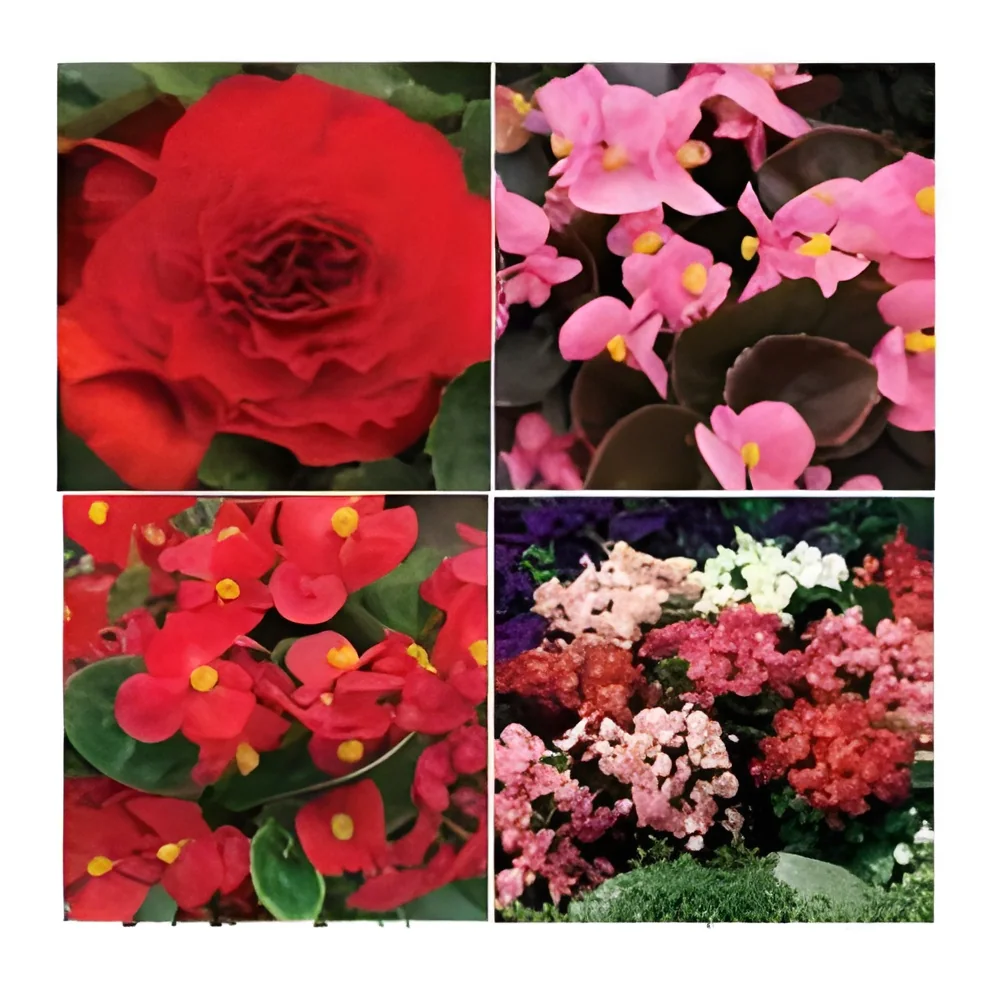
Imported flower seeds are popular in landscaping and gardening. They provide vibrant colors and unique blooms, enhancing aesthetic value for both commercial and residential applications.
Herb Seeds
These seeds cater to culinary and medicinal uses. They are selected for their flavor profiles and growth characteristics, appealing to both home gardeners and commercial growers.
Grain Seeds
Grain varieties include wheat, barley, and rice, focusing on high yield and disease resistance. These seeds are vital for food production and agricultural sustainability.
Benefits and Advantages
Sourcing imported seed varieties offers numerous benefits that enhance agricultural productivity and profitability.
1. Genetic Diversity: Imported seeds introduce new genetic material, improving resilience against diseases and climate challenges.
2. Enhanced Yield: Many imported varieties are bred for higher productivity, leading to increased returns for farmers.
3. Better Quality: These seeds often produce crops with superior taste, texture, and nutritional value, appealing to consumers.
4. Extended Growing Season: Some imported varieties can thrive in different climates, allowing for year-round cultivation.
5. Access to Innovations: Imported seeds may incorporate advanced breeding techniques, providing access to the latest agricultural technologies.
6. Customization Possibilities: Many suppliers offer tailored seed solutions to meet specific agricultural requirements.
Buying Guide for B2B Buyers
When considering the purchase of imported seed varieties, B2B buyers should take several key factors into account.
1. Quality Assessment: Evaluate seed quality through certifications and testing reports. Look for seeds with high viability and germination rates.
2. Supplier Verification: Conduct thorough research on suppliers. Check their reputation, certifications, and customer reviews to ensure reliability.
3. Pricing and MOQ: Understand the pricing structure and minimum order quantities. Compare different suppliers to find the best deal without compromising quality.
4. Delivery and Lead Times: Confirm logistics details and expected delivery timelines to avoid operational disruptions.
5. Compliance Requirements: Be aware of any regulatory standards related to seed importation. Ensure that seeds comply with local agricultural regulations and quality standards.
Compliance and Certifications
Compliance and certifications play a crucial role in the importation of seed varieties. Adhering to quality standards ensures the safety and efficacy of seeds.
Relevant quality standards include ISO 9001, which focuses on quality management systems, and HACCP, which emphasizes food safety. These standards help ensure that seeds meet rigorous quality benchmarks.
Industry certifications such as CE indicate that the seeds have passed safety and performance tests, making them reliable for use in agriculture. Compliance with local regulations is also essential, as different regions may have specific requirements for seed imports.
Safety and testing requirements should be met to guarantee that seeds are free from diseases and pests. Regular testing ensures that seeds maintain their quality over time, providing assurance to growers.
Why Source Imported Seed Varieties from Pepagora?
Pepagora offers a comprehensive platform for sourcing imported seed varieties, featuring several key advantages that benefit B2B buyers.
Verified Supplier Network: Pepagora connects buyers with a network of verified suppliers, ensuring that all sourced seeds meet high-quality standards. This network reduces the risk of purchasing inferior products.
Streamlined RFQ Process: The platform simplifies the request for quotation process, allowing buyers to easily compare prices and specifications from multiple suppliers. This efficiency saves time and helps in making informed purchasing decisions.
Trade Assurance and Support: Pepagora provides trade assurance services, protecting buyers against potential issues in transactions. This level of support instills confidence in the sourcing process.
Regional Coverage: With a strong presence in India, the GCC, and Southeast Asia, Pepagora offers extensive geographic reach. This enables buyers to access a diverse range of imported seed varieties tailored to their specific agricultural needs.


 India
 India
Frequently Asked Questions
What are Imported Seed Varieties?
Imported Seed Varieties refer to seeds that are sourced from countries outside of India. These seeds are often selected for their superior genetics, higher yield potential, and resistance to pests and diseases, making them valuable for farmers and agricultural businesses.
What are the different types of Imported Seed Varieties?
Imported Seed Varieties encompass a wide range of crops including fruits, vegetables, grains, and pulses. Common types include hybrid seeds, open-pollinated varieties, and genetically modified organisms (GMOs), each with distinct characteristics suited for various agricultural needs.
How do I choose the right Imported Seed Varieties?
Choosing the right Imported Seed Varieties involves assessing factors such as climate adaptability, soil type, and intended use (commercial or personal farming). Consulting with agricultural experts and reviewing performance data from similar regions can also aid in making an informed decision.
What are the standard specifications for Imported Seed Varieties?
Standard specifications for Imported Seed Varieties typically include germination rate, purity percentage, and seed size. Additionally, certification from relevant agricultural authorities may be required to ensure compliance with local regulations and quality standards.
What is the price range for Imported Seed Varieties?
The price range for Imported Seed Varieties can vary significantly based on factors such as the type of seed, supplier, and order quantity. Generally, prices can start from a few hundred rupees per kilogram and can go up to several thousand rupees for premium varieties.
What quality standards apply to Imported Seed Varieties?
Imported Seed Varieties must adhere to quality standards set by national and international agricultural bodies. These standards often include guidelines for seed health, genetic purity, and minimum germination rates to ensure that seeds are viable and perform well in the field.
Where can I find Imported Seed Varieties suppliers in India?
Imported Seed Varieties suppliers in India can be found through various channels such as online marketplaces, agricultural expos, and trade shows. Platforms like Pepagora.com provide a comprehensive list of verified suppliers to help you connect with reputable manufacturers.
Can Imported Seed Varieties be customized?
Customization of Imported Seed Varieties is possible, particularly for large orders. This can include specific traits such as disease resistance or enhanced nutritional content, depending on the capabilities of the seed manufacturer and the requirements of the buyer.
What is the typical minimum order quantity for Imported Seed Varieties?
The typical minimum order quantity (MOQ) for Imported Seed Varieties can vary by supplier and type of seed. Generally, MOQs can range from 1 kilogram for smaller seed varieties to several hundred kilograms for bulk orders.
What is the typical lead time for Imported Seed Varieties?
The typical lead time for Imported Seed Varieties can range from a few days to several weeks, depending on factors such as the supplier's inventory, shipping method, and the destination. It's advisable to confirm lead times with suppliers during the ordering process.
Why Businesses Trust Pepagora
Thousands of companies trust Pepagora to source smarter and sell faster
Expand Your Sales Globally

Source Smarter,Grow Faster
