
 IN
HT & LT Panels
14 products available
What are HT & LT Panels?
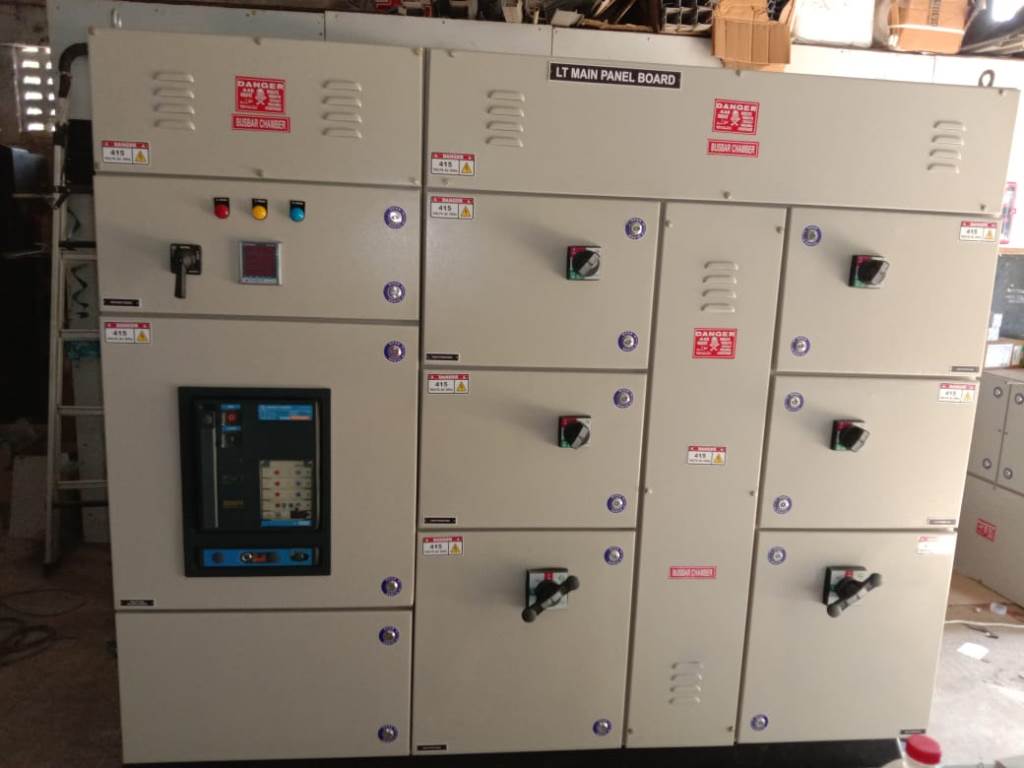
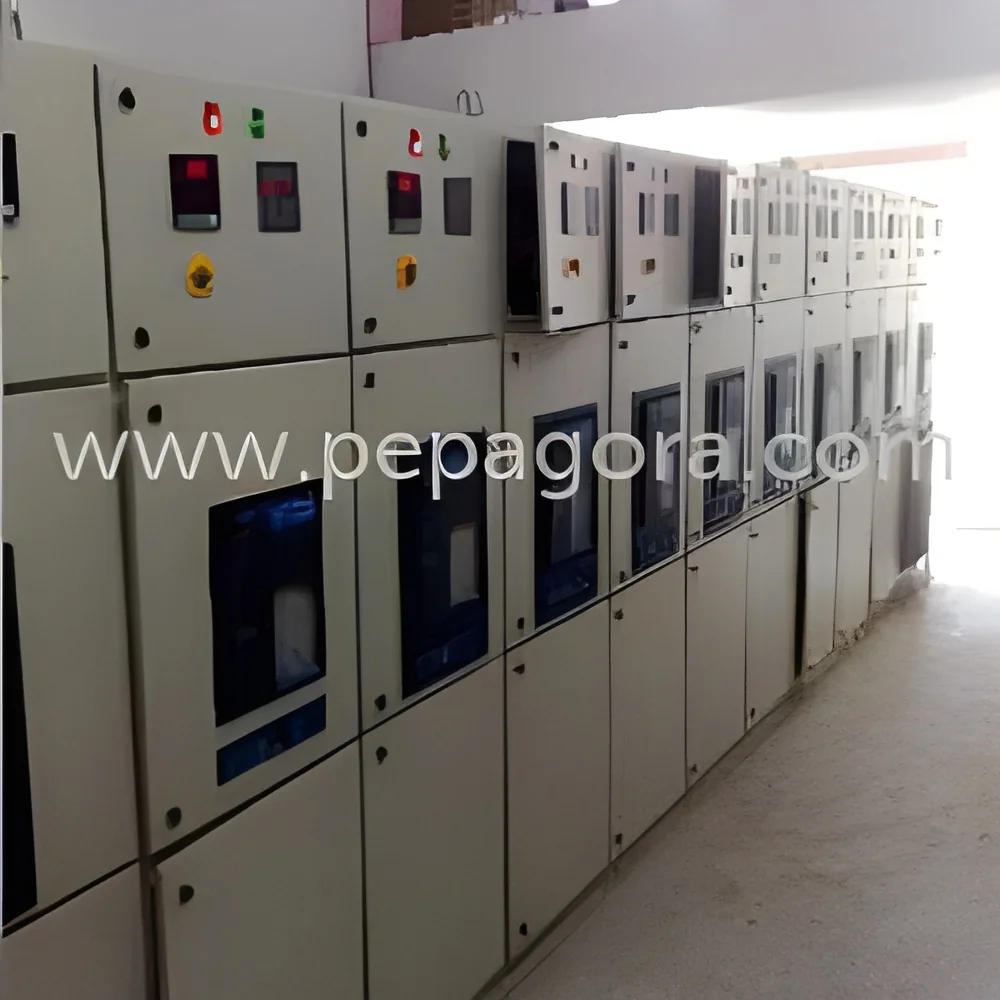
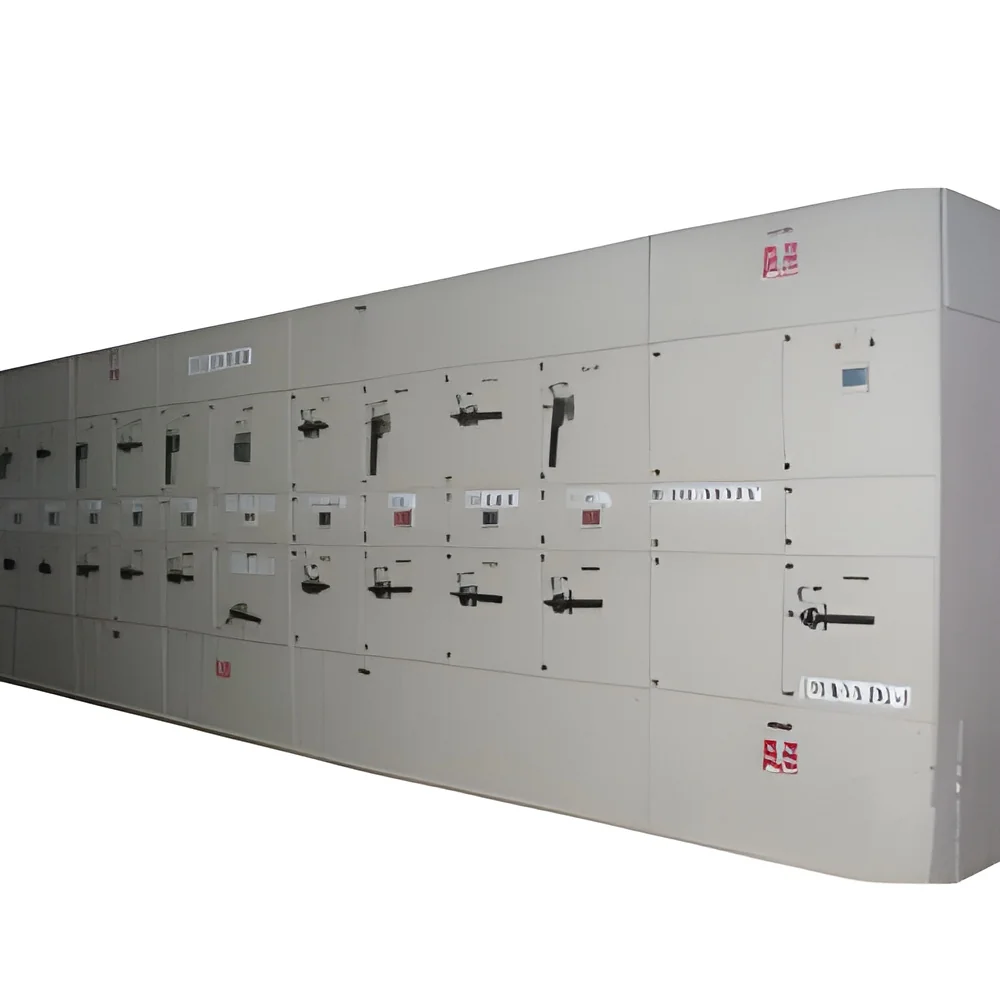
HT (High Tension) and LT (Low Tension) panels are integral components in electrical distribution systems. They serve as the interface between the power supply and the distribution network, ensuring effective management of electricity flow in various industrial and commercial applications. HT panels typically handle high voltage levels ranging from 3.3 kV to 33 kV, while LT panels manage lower voltage levels, generally below 1 kV. These panels are designed to ensure safety, reliability, and efficiency in power distribution.
HT and LT panels find application in a variety of sectors, including manufacturing, utilities, and infrastructure. They are essential for controlling motors, lighting, and other electrical equipment. Businesses utilize these panels for effective energy management and to ensure compliance with electrical standards. The significance of HT and LT panels in industrial settings cannot be overstated, as they play a crucial role in maintaining operational continuity and enhancing energy efficiency.
In the current market landscape, the demand for HT and LT panels is growing, driven by the need for robust electrical infrastructure across developing regions. Businesses are increasingly focusing on upgrading their electrical systems to meet modern energy demands. The reliability and performance of these panels are critical in ensuring the efficient functioning of power systems, making them a vital component in the industrial supply chain.
Key Features and Specifications
HT and LT panels are equipped with various features to enhance their functionality and safety. Understanding the key specifications helps businesses select the right panel for their needs.
Key specifications include:
1. Voltage Rating
- HT panels typically operate at voltage levels from 3.3 kV to 33 kV.
- LT panels are designed for voltage levels below 1 kV.
2. Current Rating
- HT panels can support high current ratings, catering to substantial load demands.
- LT panels usually manage lower current ratings, ensuring safe distribution at reduced voltages.
3. Enclosure Type
- HT panels generally feature robust enclosures designed to withstand harsh industrial conditions.
- LT panels may have lighter enclosures suitable for indoor installations.
4. Protection Mechanisms
- HT panels include advanced protection devices such as circuit breakers and relays.
- LT panels incorporate fuses and overload protection for circuit safety.
5. Control Features
- HT panels often feature comprehensive control systems for monitoring and managing power distribution.
- LT panels may have simpler control interfaces suited for basic applications.
6. Customization Options
- Many manufacturers offer customization to meet specific industrial requirements for both HT and LT panels.
7. Compliance Standards
- HT and LT panels are designed to comply with various industry standards, ensuring safety and operational efficiency.
8. Certification
- CE certification is common for both panel types, indicating adherence to European safety standards.
In summary, understanding the key features and specifications of HT and LT panels is essential for businesses looking to enhance their electrical distribution systems.
Common Applications and Use Cases
HT and LT panels are versatile and serve multiple industries effectively.
1. Manufacturing: In manufacturing plants, HT panels control heavy machinery and equipment, providing reliable power distribution for operational needs.
2. Utilities: Utility companies utilize HT panels for the transmission and distribution of electricity, managing high voltage supply to substations.
3. Construction: In construction sites, LT panels provide power for tools and equipment, ensuring worker safety and operational efficiency.
4. Commercial Buildings: LT panels manage power distribution in commercial facilities, handling lighting and HVAC systems.
5. Renewable Energy: Both HT and LT panels are used in solar and wind energy installations, managing energy flow from generation to grid connection.
6. Data Centers: In data centers, LT panels are critical for supplying power to servers and cooling systems, ensuring continuous operation.
7. Transportation: HT panels are used in railway and airport infrastructure, providing power for signaling and operational systems.
Product Variants and Subcategories
HT and LT panels come in various configurations to meet diverse operational needs.
Standard HT Panels
These panels are designed to manage high voltage power distribution in industrial settings. They include advanced features for monitoring and controlling electricity flow, making them suitable for utilities and large manufacturing operations.
Standard LT Panels
LT panels are tailored for low voltage applications, providing essential power management for commercial and residential buildings. They offer simplified controls and safety features, ensuring effective energy usage.
Benefits and Advantages
Investing in HT and LT panels brings numerous advantages to businesses.
1. Enhanced Safety: These panels are equipped with protection mechanisms to prevent electrical hazards, ensuring a safe working environment.
2. Improved Efficiency: By optimizing power distribution, HT and LT panels help reduce energy losses, improving overall operational efficiency.
3. Reliability: High-quality panels ensure consistent performance, minimizing downtime due to electrical failures.
4. Scalability: HT and LT panels can be customized and scaled to meet the evolving energy demands of growing businesses.
5. Compliance Assurance: Sourcing certified panels ensures adherence to industry standards, supporting regulatory compliance.
6. Cost Savings: Efficient energy management leads to reduced operational costs over time.
Buying Guide for B2B Buyers
When sourcing HT and LT panels, several factors need consideration to ensure the right choice.
1. Quality Assessment: Evaluate the quality of materials and components used in panel construction. High-quality panels will enhance longevity and performance.
2. Supplier Verification: Ensure that suppliers are reputable and have a history of providing reliable products. Check for customer reviews and industry certifications.
3. Pricing and MOQ: Understand the pricing structure and minimum order quantities. Compare multiple suppliers to find competitive rates that fit your budget.
4. Delivery and Lead Times: Discuss logistics and delivery timelines with suppliers. Ensure that they can meet your project's schedule.
5. Compliance Requirements: Verify that the panels meet necessary regulatory and safety standards applicable in your region.
Compliance and Certifications
HT and LT panels are subject to various compliance and certification standards to ensure safety and performance.
ISO 9001 is a quality management standard that many manufacturers adhere to, ensuring consistent quality and reliability in production processes.
CE certification indicates that the product complies with European Union safety, health, and environmental protection standards. This certification is crucial for businesses operating in or exporting to Europe.
Safety and testing requirements are critical in the design and manufacture of HT and LT panels. These panels undergo rigorous testing to ensure they can handle specified voltage and current levels without risk of failure.
Regional compliance considerations may include specific electrical codes and regulations that vary by country or region. Businesses should ensure that their selected panels meet local requirements.
Why Source HT & LT Panels from Pepagora?
Pepagora provides a trusted platform for sourcing HT and LT panels, offering several key advantages for B2B buyers.
Verified Supplier Network: Pepagora connects buyers with a network of verified suppliers, ensuring that all listed products meet quality and safety standards.
Streamlined RFQ Process: The platform simplifies the request for quotation process, allowing buyers to easily compare offers from multiple suppliers and make informed decisions.
Trade Assurance and Support: Pepagora offers trade assurance to protect buyers, providing peace of mind when purchasing high-value electrical equipment.
Regional Coverage: Pepagora has a strong presence in India, the GCC, and Southeast Asia, making it easier for businesses in these regions to find and source the right HT and LT panels for their needs.


 India
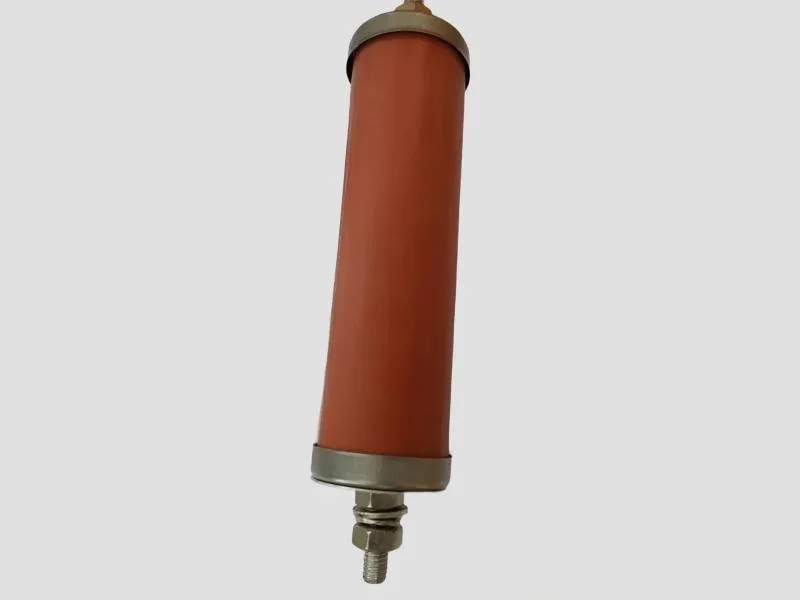
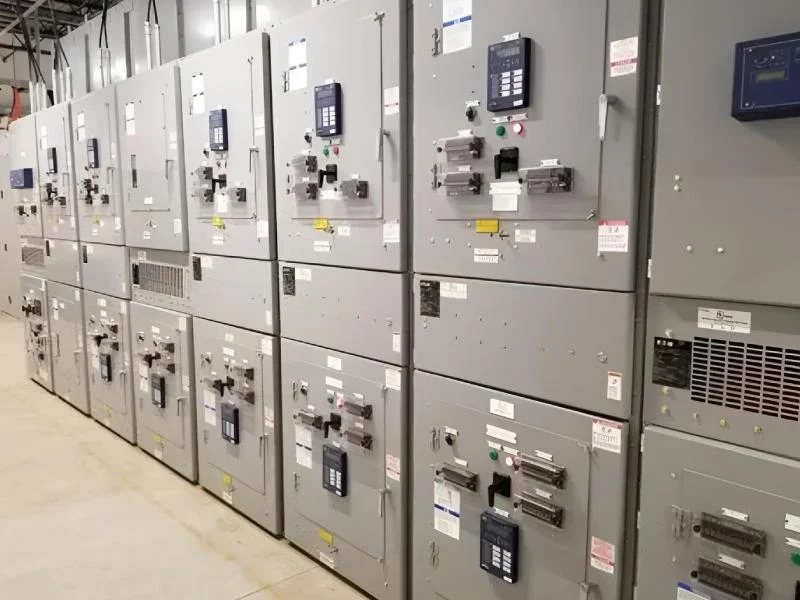
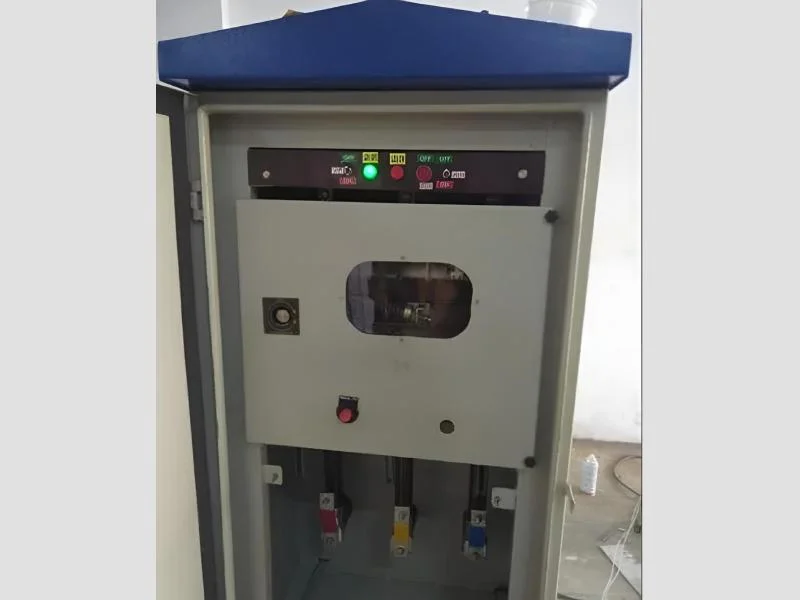
 India
 India

 India
 India
 India
 India
 India

 India
Frequently Asked Questions
What are HT & LT Panels?
HT (High Tension) and LT (Low Tension) panels are essential electrical distribution systems used to manage and control the flow of electricity in various applications. HT panels operate at high voltage levels, typically above 33 kV, while LT panels function at lower voltages, generally below 1 kV. These panels provide safety, reliability, and control in electrical installations.
What are the different types of HT & LT Panels?
HT & LT Panels can be classified into several types based on their applications and configurations. Common types include distribution panels, motor control centers (MCCs), and switchgear panels for HT applications. LT panels can include feeder panels, sub-distribution boards, and lighting panels.
How do I choose the right HT & LT Panels?
Selecting the right HT & LT Panels involves considering factors such as voltage requirements, load capacity, and specific application needs. It is important to assess the electrical system's specifications and consult with a professional to ensure compliance with safety standards. Additionally, consider the panel's features like ease of maintenance and availability of spare parts.
What are the standard specifications for HT & LT Panels?
Standard specifications for HT & LT Panels include voltage ratings, current ratings, short circuit withstand capacity, and insulation levels. HT panels typically comply with IEC 62271 standards, while LT panels follow IEC 61439 standards. Other specifications may include the type of materials used, protection class, and operational temperature ranges.
What is the price range for HT & LT Panels?
The price range for HT & LT Panels can vary widely depending on factors such as specifications, manufacturer, and customizations. Generally, LT panels may start from a few thousand rupees, while HT panels can range from several lakhs to crores, depending on the complexity and features. It is advisable to compare quotes from different suppliers for accurate pricing.
What quality standards apply to HT & LT Panels?
HT & LT Panels must adhere to various quality standards to ensure safety and reliability. Common standards include IS (Indian Standards), IEC (International Electrotechnical Commission), and ASTM (American Society for Testing and Materials) specifications. Manufacturers should provide certifications that demonstrate compliance with these standards.
Where can I find HT & LT Panels suppliers in India?
HT & LT Panels suppliers in India can be found through various online B2B marketplaces, industry directories, and trade shows. Websites like Pepagora.com list numerous manufacturers and suppliers, allowing buyers to compare products and prices. Additionally, networking within industry associations can help locate reputable suppliers.
Can HT & LT Panels be customized?
Yes, HT & LT Panels can often be customized to meet specific requirements of a project. Customization options may include size, configuration, components, and additional features like monitoring systems. It is advisable to discuss customization needs with the manufacturer to ensure compatibility and adherence to safety standards.
What is the typical minimum order quantity for HT & LT Panels?
The minimum order quantity (MOQ) for HT & LT Panels varies by manufacturer and the type of panel being ordered. Generally, standard LT panels may have a lower MOQ, while custom HT panels may require larger orders. It is recommended to check with the supplier for their specific MOQ policies.
What is the typical lead time for HT & LT Panels?
The typical lead time for HT & LT Panels can range from a few weeks to several months, depending on factors such as the complexity of the order and the manufacturer's production capacity. Custom orders may take longer than standard ones. It's advisable to confirm the lead time with the supplier during the ordering process.
Why Businesses Trust Pepagora
Thousands of companies trust Pepagora to source smarter and sell faster
Expand Your Sales Globally

Source Smarter,Grow Faster
