
 IN
Hockey Balls & Pucks
1 products available
What are Hockey Balls & Pucks?
Hockey balls and pucks are essential equipment used in the sport of hockey. Hockey balls are typically used in field hockey, while pucks are utilized in ice hockey. Both items are designed to facilitate gameplay and enhance the overall experience for players. Hockey balls are made from durable materials, often featuring a smooth surface for optimal rolling on the field. Pucks are heavier and made from rubber, designed to glide easily across the ice surface.
The primary uses of hockey balls and pucks extend beyond recreational play. They are integral in training programs, competitive leagues, and sports academies. Organizations involved in sports education use these products to develop skills, improve coordination, and foster teamwork among athletes. The hockey equipment market continues to grow, driven by advancements in manufacturing and increasing participation rates in hockey.
In the context of the industry, hockey balls and pucks are critical components of the sports equipment sector. Their demand reflects broader trends in sporting goods, with a focus on quality, performance, and safety. As the popularity of hockey increases globally, manufacturers are adapting to meet the needs of players at all levels, thereby enhancing the market relevance of these products.
Key Features and Specifications
Hockey balls and pucks come with various features and specifications that cater to different levels of play and environments. Understanding these specifications is crucial for businesses looking to procure the right equipment.
Key specifications include:
1. Material Composition
- Hockey balls are usually made from high-quality plastic or composite materials.
- Pucks are typically crafted from vulcanized rubber for durability.
2. Size and Weight
- Standard field hockey balls measure approximately 23 cm in circumference and weigh between 156-163 grams.
- Ice hockey pucks have a diameter of about 7.6 cm and weigh 170 grams.
3. Color Options
- Hockey balls are available in various colors, including white, orange, and yellow.
- Pucks are predominantly black, which helps visibility against the ice surface.
4. Surface Texture
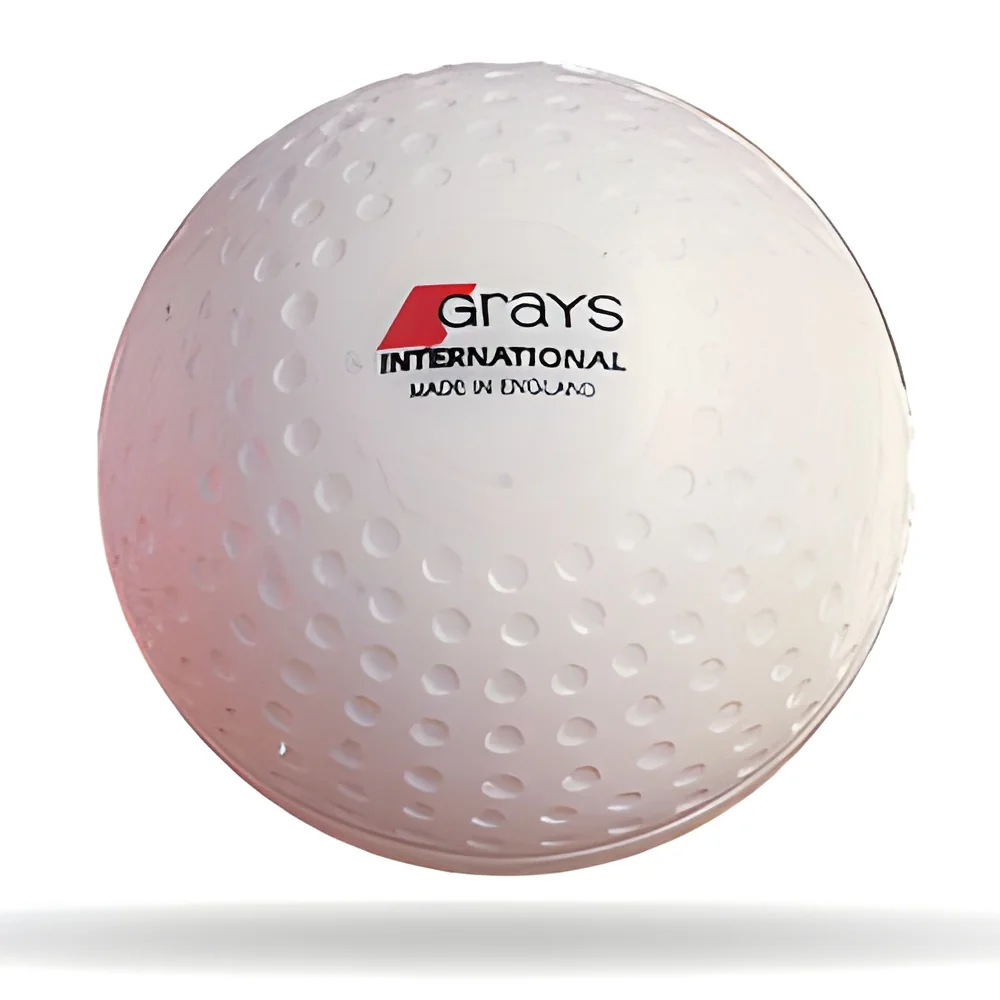
- Field hockey balls may feature a dimpled surface for enhanced grip.
- Ice hockey pucks have a smooth finish to facilitate sliding on ice.
5. Performance Standards
- Both products must meet specific performance standards set by governing bodies in hockey.
6. Compliance Certifications
- Hockey balls and pucks can have certifications like CE, ensuring they meet safety and quality standards.
7. Packaging Options
- Products can be sold in bulk or retail packaging, depending on market needs.
In summary, understanding the key features and specifications of hockey balls and pucks is essential for businesses to ensure they meet the requirements of their customers and players.
Common Applications and Use Cases
Hockey balls and pucks are utilized across several industries, reflecting their versatility and importance in sports.
1. Sports Clubs: Many local and professional sports clubs use hockey balls and pucks for training sessions, matches, and tournaments, ensuring players have access to quality equipment.
2. Educational Institutions: Schools and universities incorporate hockey into their physical education programs, using hockey balls and pucks to teach students about teamwork and sportsmanship.
3. Sports Retail: Retailers specializing in sports equipment stock hockey balls and pucks, catering to both amateur and professional players looking for reliable gear.
4. Sporting Goods Manufacturers: Manufacturers design and produce hockey balls and pucks, focusing on innovation to improve performance and durability in competitive settings.
5. Coaching and Training Facilities: Training centers utilize these products to enhance skill development through drills and practice sessions.
6. Event Organizers: Hockey events and tournaments require a consistent supply of hockey balls and pucks to ensure smooth gameplay.
7. Recreational Leagues: Local recreational leagues rely on hockey balls and pucks for casual play and competitions, increasing community engagement in sports.
Product Variants and Subcategories
Hockey balls and pucks come in various forms to cater to different playing styles and environments, enhancing the options available to buyers.
Standard Hockey Ball
This variant is designed for general field hockey play, featuring a durable outer shell and a specific weight for optimal performance on the field.
Training Hockey Ball
This type of hockey ball is designed for practice and training sessions. It is often made of softer materials to reduce the risk of injury during drills.
Official Ice Hockey Puck
This puck meets official size and weight regulations for competitive ice hockey. Its design ensures consistent performance during games.
Practice Ice Hockey Puck
This variant is often used for training and skill development. It may feature a different composition to enhance durability during heavy usage.
Benefits and Advantages
Hockey balls and pucks offer several benefits that make them essential for players and organizations alike.
1. Enhanced Performance: Quality hockey balls and pucks are designed for optimal performance, allowing players to focus on their game without equipment interference.
2. Durability: Made from high-quality materials, these products are built to withstand the rigors of gameplay, ensuring longevity and reliability.
3. Safety: Adhering to safety standards, hockey balls and pucks minimize the risk of injury during play, making them suitable for all age groups.
4. Versatility: Available in various specifications, these products cater to different playing styles, environments, and skill levels.
5. Easy Maintenance: Hockey balls and pucks require minimal maintenance, making them a convenient choice for teams and organizations.
6. Cost-Effectiveness: Investing in quality hockey balls and pucks can lead to cost savings over time due to their durability and reduced need for frequent replacements.
Buying Guide for B2B Buyers
When sourcing hockey balls and pucks, B2B buyers should consider several key factors to ensure they make informed purchasing decisions.
1. Quality Assessment: Evaluate product quality through sample testing or supplier references. Look for materials that meet industry standards for performance and safety.
2. Supplier Verification: Vet suppliers by checking their certifications, reputation, and customer reviews. Reliable suppliers often have a proven track record in the sports equipment industry.
3. Pricing and MOQ: Understand the pricing structure and minimum order quantities. Seek competitive pricing while ensuring the quality of the products.
4. Delivery and Lead Times: Discuss logistics with suppliers to establish delivery timelines. Timely delivery is crucial for maintaining inventory levels, especially during peak seasons.
5. Compliance Requirements: Ensure that the products meet relevant compliance standards for safety and quality. Verify certifications such as CE to avoid regulatory issues.
Compliance and Certifications
Compliance and certifications are critical for ensuring the quality and safety of hockey balls and pucks. These products often adhere to relevant standards that enhance their credibility in the market.
ISO 9001 is a widely recognized standard that outlines quality management systems. Manufacturers of hockey balls and pucks may pursue this certification to demonstrate their commitment to quality.
CE certification indicates that the products meet European health, safety, and environmental protection standards. This certification reassures buyers about the safety and reliability of the equipment.
Safety and testing requirements involve rigorous assessments to ensure that hockey balls and pucks do not pose any risks during gameplay. Manufacturers often conduct impact and durability tests to meet these standards.
Regional compliance considerations may include adhering to local regulations that govern sports equipment. Buyers should be aware of these regulations to ensure their purchases are compliant in their respective markets.
Why Source Hockey Balls & Pucks from Pepagora?
Pepagora provides a trusted platform for sourcing hockey balls and pucks, offering several key advantages to B2B buyers.
Verified Supplier Network: Pepagora connects buyers with a network of verified suppliers, ensuring that businesses can source high-quality equipment with confidence. This verification process helps maintain industry standards and builds trust between buyers and suppliers.
Streamlined RFQ Process: The platform simplifies the request-for-quotation process, allowing buyers to submit their requirements quickly. This efficiency saves time and resources while ensuring a smooth purchasing experience.
Trade Assurance and Support: Pepagora offers trade assurance, providing buyers with protection during transactions. This support enhances buyer security and fosters a worry-free sourcing experience.
Regional Coverage: With a geographic reach that includes India, the GCC, and Southeast Asia, Pepagora caters to diverse markets. This regional focus allows buyers to access local suppliers who understand their specific needs and requirements.
By choosing Pepagora for sourcing hockey balls and pucks, businesses can benefit from a dependable sourcing experience backed by a network of reputable suppliers and comprehensive support.


Frequently Asked Questions
What are Hockey Balls & Pucks?
Hockey balls and pucks are the essential equipment used in the sport of hockey. A hockey ball is typically used in field hockey, made of hard plastic or rubber, while a hockey puck is used in ice hockey, made of vulcanized rubber.
What are the different types of Hockey Balls & Pucks?
There are various types of hockey balls and pucks, including field hockey balls, practice pucks, and game pucks. Each type is designed for specific playing conditions, such as outdoor or indoor play, and may vary in weight and material.
How do I choose the right Hockey Balls & Pucks?
Choosing the right hockey balls and pucks depends on the type of hockey you are playing, your skill level, and personal preference. Consider factors such as size, weight, and material to ensure optimal performance and comfort.
What are the standard specifications for Hockey Balls & Pucks?
Hockey balls typically have a circumference of 224-235 mm and weigh between 160-170 grams, while hockey pucks are usually 3 inches in diameter and weigh 170 grams. These specifications ensure consistency in play and adherence to official standards.
What is the price range for Hockey Balls & Pucks?
The price range for hockey balls and pucks can vary based on quality and type, generally falling between INR 200 to INR 1500 per piece. Bulk purchases often come with discounts, making it more economical for teams and clubs.
What quality standards apply to Hockey Balls & Pucks?
Hockey balls and pucks are subject to quality standards set by governing bodies like the International Hockey Federation (FIH) and the National Hockey League (NHL). These standards ensure durability, performance, and safety during play.
Where can I find Hockey Balls & Pucks suppliers in India?
You can find hockey balls and pucks suppliers in India through online B2B marketplaces like Pepagora.com. These platforms connect buyers with reputable manufacturers and suppliers across the country.
Can Hockey Balls & Pucks be customized?
Yes, many manufacturers offer customization options for hockey balls and pucks. This can include personalized logos, colors, and sizes to meet specific team or branding needs.
What is the typical minimum order quantity for Hockey Balls & Pucks?
The typical minimum order quantity (MOQ) for hockey balls and pucks varies by supplier but often ranges from 50 to 100 units. It is advisable to check with individual suppliers for their specific MOQs.
What is the typical lead time for Hockey Balls & Pucks?
The typical lead time for hockey balls and pucks can range from 2 to 6 weeks, depending on factors such as order size and customization. It is recommended to confirm lead times with suppliers at the time of order.
Why Businesses Trust Pepagora
Thousands of companies trust Pepagora to source smarter and sell faster
Expand Your Sales Globally

Source Smarter,Grow Faster
